
 IN
Standard Weight Calibration
29 products available
What are Standard Weight Calibration?
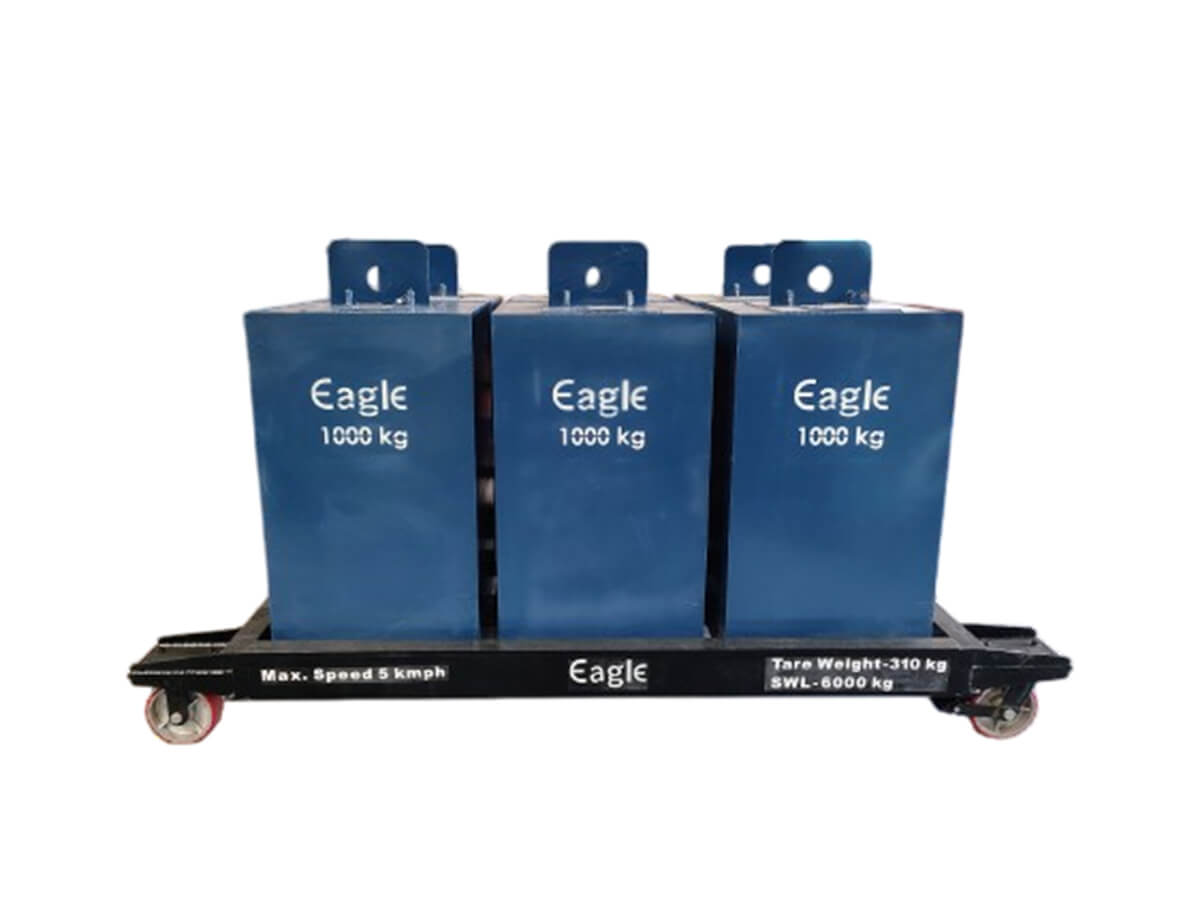
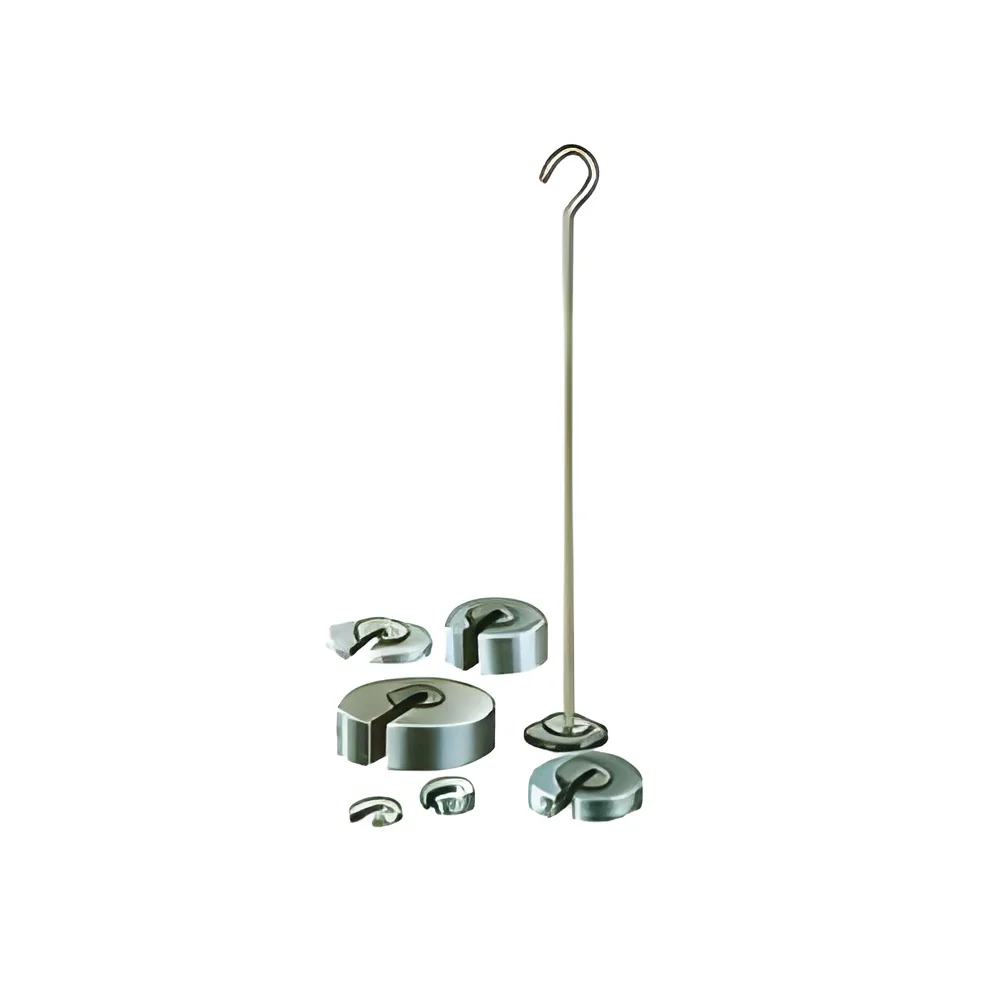
Standard weight calibration refers to the process of verifying and adjusting the accuracy of weight measuring instruments using standardized weights. This practice ensures that scales and balances provide precise measurements, which is crucial in industries where weight plays a significant role in production, quality control, and compliance. The process involves comparing the measurement readings of the scale against known weight standards to identify any deviations that may require correction.
The primary uses of standard weight calibration span across various sectors including manufacturing, logistics, pharmaceuticals, and food processing. Accurate weight measurement is vital for inventory management, regulatory compliance, and maintaining product quality. Businesses utilize calibrated weights to ensure that their instruments meet regulatory standards and provide reliable data for operational decisions. Additionally, proper calibration helps in reducing waste and ensuring the integrity of products.
In the current market context, the relevance of standard weight calibration is amplified by increasing regulatory scrutiny and the demand for high precision in manufacturing. Industries are leaning towards automated systems that require stringent weight calibration processes to maintain operational efficiency. The growing emphasis on quality assurance and adherence to international standards further underscores the need for effective calibration solutions.
Key Features and Specifications
Standard weight calibration products offer a range of features designed to enhance accuracy and compliance. These features are essential for ensuring that weight measurements are reliable and meet industry standards.
Key specifications include:
1. Calibration Range
- This specification indicates the minimum and maximum weight that can be accurately measured.
- Typical ranges may vary from milligrams to several tons depending on the application.
2. Accuracy Class
- This defines the precision level of the weights used for calibration.
- Common classes are OIML classes, which range from E2 (high precision) to M1 (general purpose).
3. Material Type
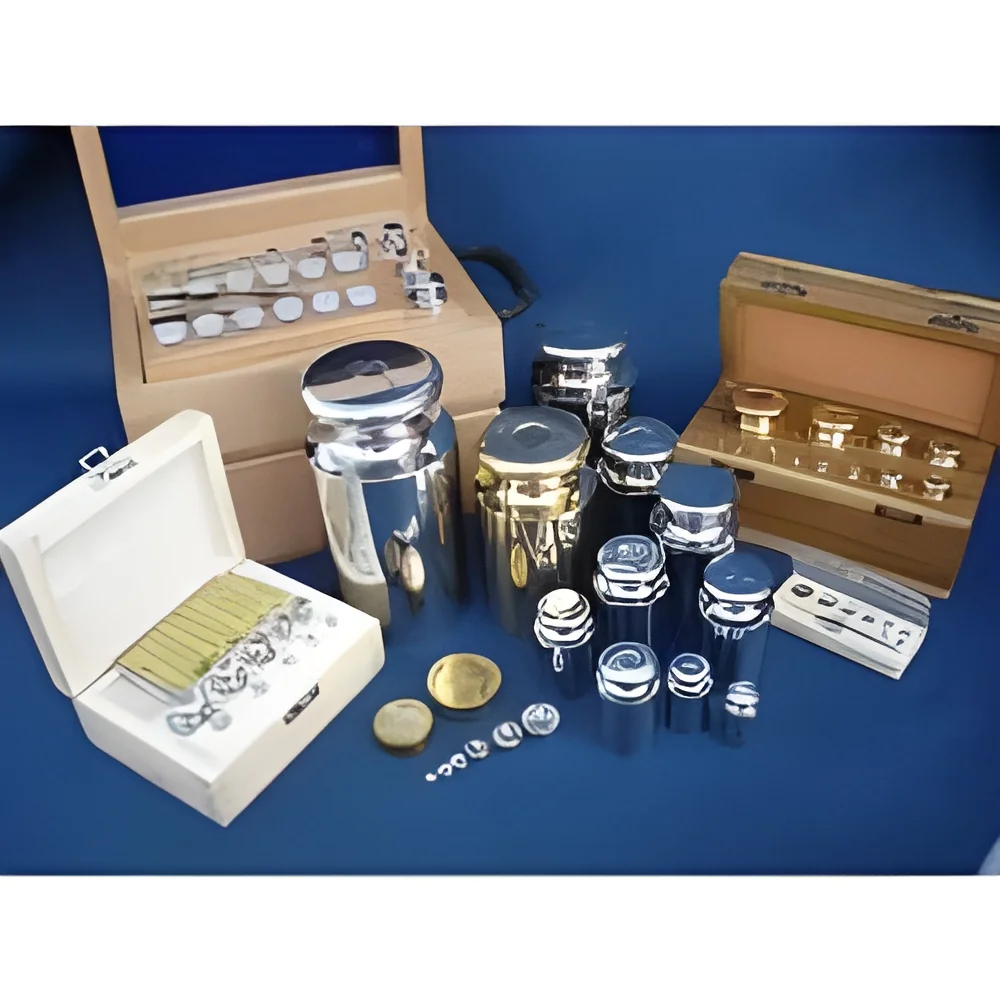
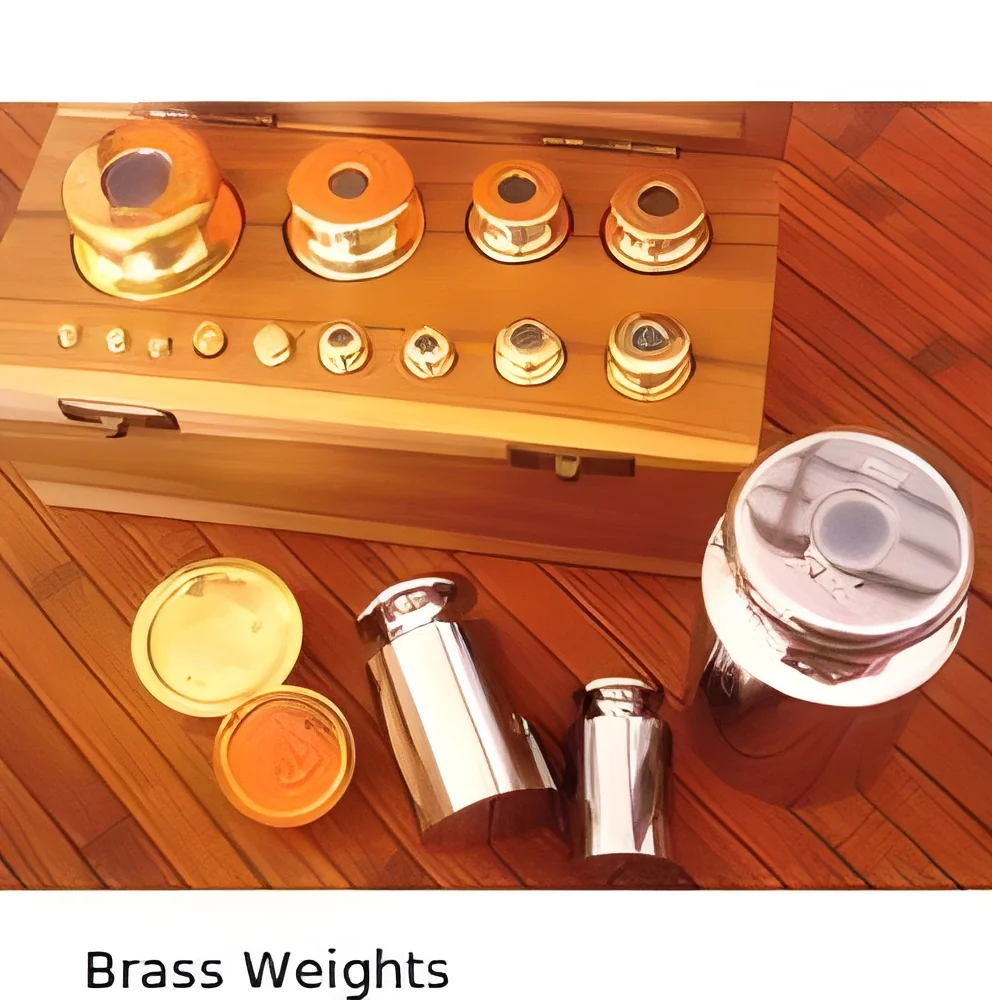
- Standard weights are often made from materials like stainless steel or brass to ensure durability.
- The choice of material can affect the weight's resistance to environmental factors.
4. Compliance Standards
- Products often adhere to international standards such as ISO 9001 and OIML certification.
- Compliance ensures that calibrated weights meet global quality benchmarks.
5. Environmental Tolerance
- Calibration weights may be designed to operate within specific temperature and humidity ranges.
- This specification is important for maintaining accuracy in varying conditions.
6. Marking and Identification
- Weights are usually marked with their value and a unique identification number for traceability.
- This is crucial for maintaining records and compliance with regulatory requirements.
7. Certification Documentation
- Calibration weights typically come with certificates that verify their accuracy and compliance.
- These documents are essential for quality audits and regulatory inspections.
In summary, standard weight calibration products are defined by their accuracy, compliance with standards, and material quality, making them essential for various industries.
Common Applications and Use Cases
Standard weight calibration is utilized in a multitude of industries, each benefiting from its precision and reliability.
1. Manufacturing: Accurate weight measurement is essential in manufacturing processes, where the correct weight of raw materials impacts production quality and cost efficiency.
2. Logistics: In shipping and warehousing, calibrated scales ensure that products are weighed accurately, facilitating correct billing and inventory management.
3. Pharmaceuticals: Precision in weight measurement is critical in pharmaceutical manufacturing, where dosage accuracy can directly affect patient safety.
4. Food Processing: The food industry relies on weight calibration for portion control, ensuring compliance with health regulations and maintaining product consistency.
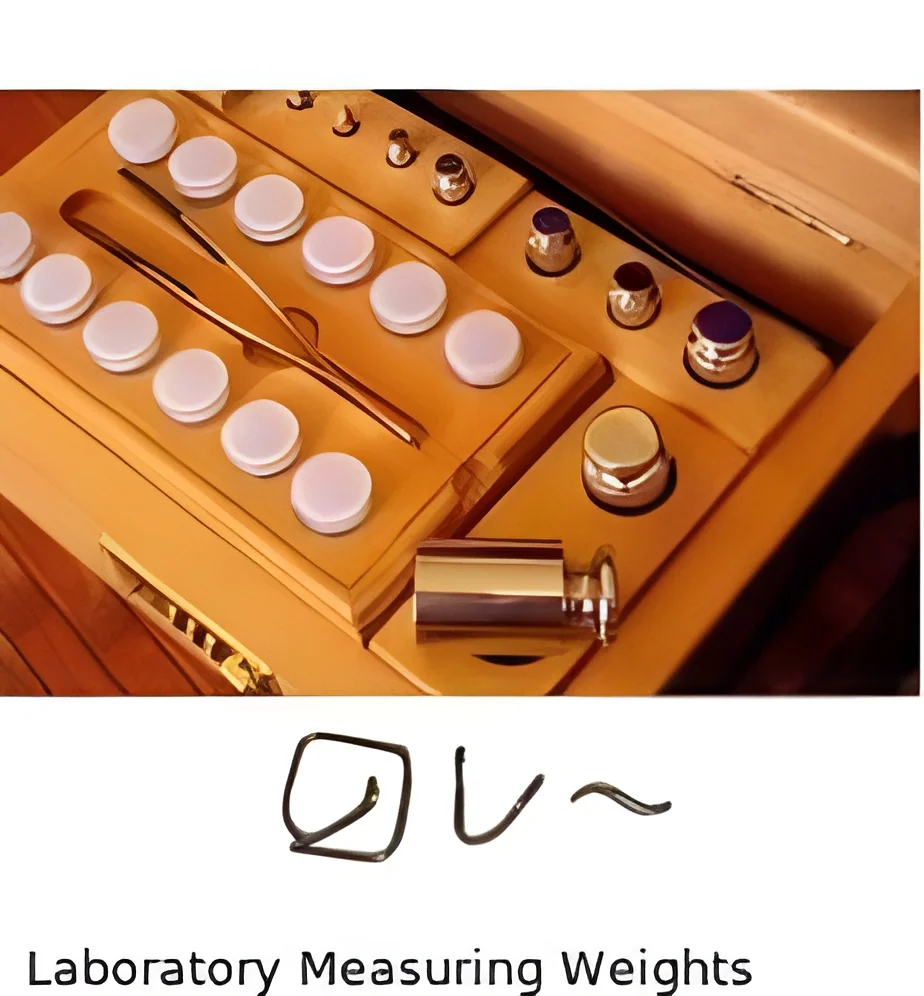
5. Laboratory Testing: Calibration is fundamental in laboratories for experiments and testing procedures, where precise weight measurements are crucial for reliable results.
6. Retail: In retail environments, calibrated scales are used for weighing products sold by weight, ensuring fair pricing and customer satisfaction.
7. Agriculture: Farmers use calibrated scales for weighing produce, ensuring proper market pricing and compliance with trade regulations.
Product Variants and Subcategories
Standard weight calibration products come in various types to meet different industry needs.
Precision Calibration Weights
These weights are designed for high accuracy applications and are often used in laboratories and manufacturing settings. They are made from high-quality materials and come with stringent certification for accuracy.
General Purpose Calibration Weights
These weights are suitable for everyday use in industries such as logistics and retail. They provide reliable performance for standard weighing tasks without the need for high precision.
Benefits and Advantages
The advantages of standard weight calibration are significant for businesses aiming for operational excellence.
1. Enhanced Accuracy: Regular calibration ensures that measuring instruments provide precise results, reducing measurement errors.
2. Compliance Assurance: Calibrated weights help businesses meet regulatory standards, avoiding potential fines and legal issues.
3. Improved Efficiency: Accurate weight measurements streamline operations, reducing waste and improving process efficiency.
4. Quality Control: Calibration supports quality assurance programs, helping maintain product consistency and customer satisfaction.
5. Traceability: Certified weights provide documentation that enhances traceability, essential for audits and inspections.
6. Cost Savings: By reducing inaccuracies, businesses can save costs associated with material waste and rework.
Buying Guide for B2B Buyers
When sourcing standard weight calibration products, it is essential to consider various critical factors to ensure you make an informed purchase.
1. Quality Assessment: Evaluate the quality of calibration weights based on material, accuracy class, and compliance with recognized standards. High-quality materials and precise manufacturing processes are crucial.
2. Supplier Verification: Conduct thorough research to verify suppliers’ credibility. Look for established manufacturers with a solid reputation in the industry, and check for client testimonials and certifications.
3. Pricing and MOQ: Assess the pricing structures offered by different suppliers along with minimum order quantities. Compare costs while ensuring you do not compromise on quality.
4. Delivery and Lead Times: Inquire about the suppliers' delivery capabilities and lead times. Timely delivery is critical to maintaining operational schedules and meeting production deadlines.
5. Compliance Requirements: Understand the specific compliance standards relevant to your industry. Ensure that the calibration weights meet these standards to avoid regulatory issues.
Compliance and Certifications
Compliance with relevant quality standards is vital for standard weight calibration products. Key standards include ISO 9001, which ensures quality management systems are in place, and HACCP, which emphasizes food safety. CE certification is also critical for products sold in European markets, indicating they meet safety and environmental protection standards.
In addition to these certifications, safety and testing requirements must be followed to maintain product integrity. Manufacturers often conduct rigorous testing to ensure weights perform accurately across various conditions.
Regional compliance considerations may vary, so it is important for businesses to be aware of local regulations and ensure that their calibration products meet these requirements.
Why Source Standard Weight Calibration from Pepagora?
Pepagora provides a trusted platform for sourcing standard weight calibration with several key advantages for B2B buyers.
Verified Supplier Network: Pepagora offers access to a network of verified suppliers, ensuring that businesses can find reputable manufacturers that meet their specific needs.
Streamlined RFQ Process: The platform features a streamlined request for quotation (RFQ) process, allowing buyers to receive multiple quotes quickly and efficiently. This system simplifies the procurement process and helps buyers make cost-effective choices.
Trade Assurance and Support: Pepagora prioritizes buyer protection through trade assurance policies, ensuring that transactions are secure and reliable. Buyers receive support throughout the purchasing process, enhancing their overall experience.
Regional Coverage: Pepagora’s extensive geographic reach spans India, the GCC, and Southeast Asia, providing businesses with access to a wide variety of suppliers and products tailored to their regional needs. This broad coverage allows for better sourcing options and improved supply chain management.


 India
 India

 India
 India

 India
 India
 India
 India
 India

Frequently Asked Questions
What are Standard Weight Calibration?
Standard Weight Calibration refers to the process of verifying and adjusting the accuracy of weight measurement devices using certified standard weights. This procedure ensures that scales and balances provide precise measurements, which is essential for various industries, including manufacturing, pharmaceuticals, and food processing.
What are the different types of Standard Weight Calibration?
There are primarily two types of Standard Weight Calibration: mass calibration and weight calibration. Mass calibration involves the use of certified mass standards to calibrate balances, while weight calibration focuses on calibrating scales using known weights to ensure their accuracy.
How do I choose the right Standard Weight Calibration?
When choosing Standard Weight Calibration, consider the accuracy required for your application, the calibration frequency, and the type of equipment being calibrated. It's also important to select a supplier with a good reputation and who offers traceability to national standards.
What are the standard specifications for Standard Weight Calibration?
Standard specifications for Standard Weight Calibration typically include the range of weights that can be calibrated, the accuracy class of the calibration weights, and the environmental conditions under which the calibration must be performed. Common specifications comply with international standards such as OIML and ASTM.
What is the price range for Standard Weight Calibration?
The price range for Standard Weight Calibration can vary significantly based on factors such as the type of calibration, the precision required, and the supplier. Generally, prices can start from a few thousand Indian Rupees and can go up to several tens of thousands for high-precision calibrations.
What quality standards apply to Standard Weight Calibration?
Quality standards for Standard Weight Calibration often adhere to international guidelines such as ISO/IEC 17025, which specifies the requirements for the competence of testing and calibration laboratories. Compliance with these standards ensures the reliability and accuracy of calibration services.
Where can I find Standard Weight Calibration suppliers in India?
You can find Standard Weight Calibration suppliers in India through various online B2B marketplaces like Pepagora.com. Additionally, industry trade shows, directories, and local business listings can also provide valuable contacts.
Can Standard Weight Calibration be customized?
Yes, Standard Weight Calibration can often be customized to meet specific requirements of different industries. Customization may involve the calibration of non-standard weights or adjustments to fit unique equipment specifications.
What is the typical minimum order quantity for Standard Weight Calibration?
The typical minimum order quantity (MOQ) for Standard Weight Calibration can vary by supplier, but it often starts from one unit for standard calibrations. However, for bulk orders or specialized calibrations, suppliers may set a higher MOQ.
What is the typical lead time for Standard Weight Calibration?
The typical lead time for Standard Weight Calibration can range from a few days to several weeks, depending on the complexity of the calibration and the supplier's workload. It is advisable to consult with the supplier for specific timelines.
Why Businesses Trust Pepagora
Thousands of companies trust Pepagora to source smarter and sell faster
Expand Your Sales Globally

Source Smarter,Grow Faster
