
 IN
Spice Oils (Cinnamon, Clove, Nutmeg)
14 products available
Key Features and Specifications
Spice oils offer several key features that make them valuable for various applications. These specifications help businesses understand the quality and usability of the products they are sourcing.
Key specifications include:
1. Aroma Profile
- Each spice oil has a unique aroma profile that contributes to its application.
- For example, cinnamon oil is warm and sweet, while clove oil has a strong and spicy scent.
2. Chemical Composition
- The primary active components vary by oil, affecting their flavor and benefits.
- Cinnamon oil typically contains cinnamaldehyde, clove oil has eugenol, and nutmeg oil includes myristicin.
3. Extraction Method
- The method of extraction can impact the quality and potency of the oil.
- Common methods include steam distillation for clove and cinnamon oils.
4. Shelf Life
- Spice oils generally have a good shelf life when stored properly.
- Typical shelf life ranges from 1 to 3 years depending on the oil and storage conditions.
5. Packaging Options
- Available in various packaging sizes to meet different business needs.
- Common packaging includes bottles, drums, or bulk containers.
6. Purity Level
- High-quality spice oils should be 100% pure without additives.
- Certification may be available to confirm purity.
7. Compliance with Standards
- Spice oils should meet food safety and quality standards.
- Compliance with regulations like CE and HACCP is often required.
8. Geographic Sourcing
- Spice oils are sourced from various regions known for their specific spices.
- Sourcing from established regions ensures quality and authenticity.
In summary, understanding the key features and specifications of spice oils is crucial for businesses seeking to incorporate these products into their offerings.
Common Applications and Use Cases
Spice oils find utility across multiple industries due to their unique properties and benefits.
1. Food and Beverage Industry: Spice oils are used to enhance flavor profiles in baked goods, beverages, and sauces, contributing to distinctive tastes and aromas.
2. Cosmetic Industry: These oils are incorporated into skincare and personal care products for their aromatic properties and potential skin benefits, such as anti-inflammatory effects.
3. Aromatherapy: Spice oils are popular in aromatherapy for their soothing and stimulating effects. They are used in diffusers and massage oils to promote relaxation and well-being.
4. Pharmaceutical Industry: The antimicrobial properties of spice oils make them useful in formulations for health supplements and medicinal products.
5. Household Products: Spice oils are used in cleaning products and air fresheners for their pleasant fragrances and natural antibacterial properties.
6. Flavoring Agents: Manufacturers use spice oils as natural flavoring agents in confectionery, marinades, and dressings.
7. Pet Care: Some spice oils are included in pet products for their natural benefits and pleasant scents.
Product Variants and Subcategories
Spice oils come in various forms to cater to different applications and preferences.
Cinnamon Oil
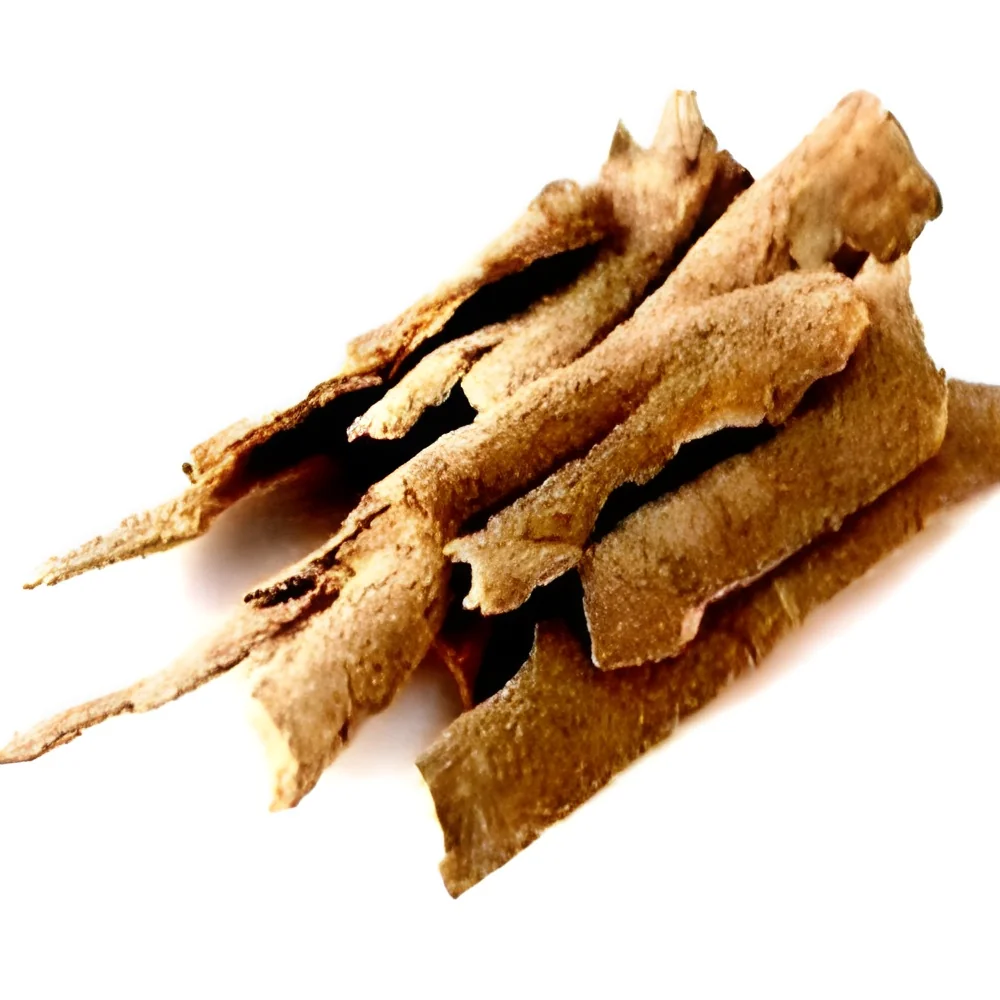
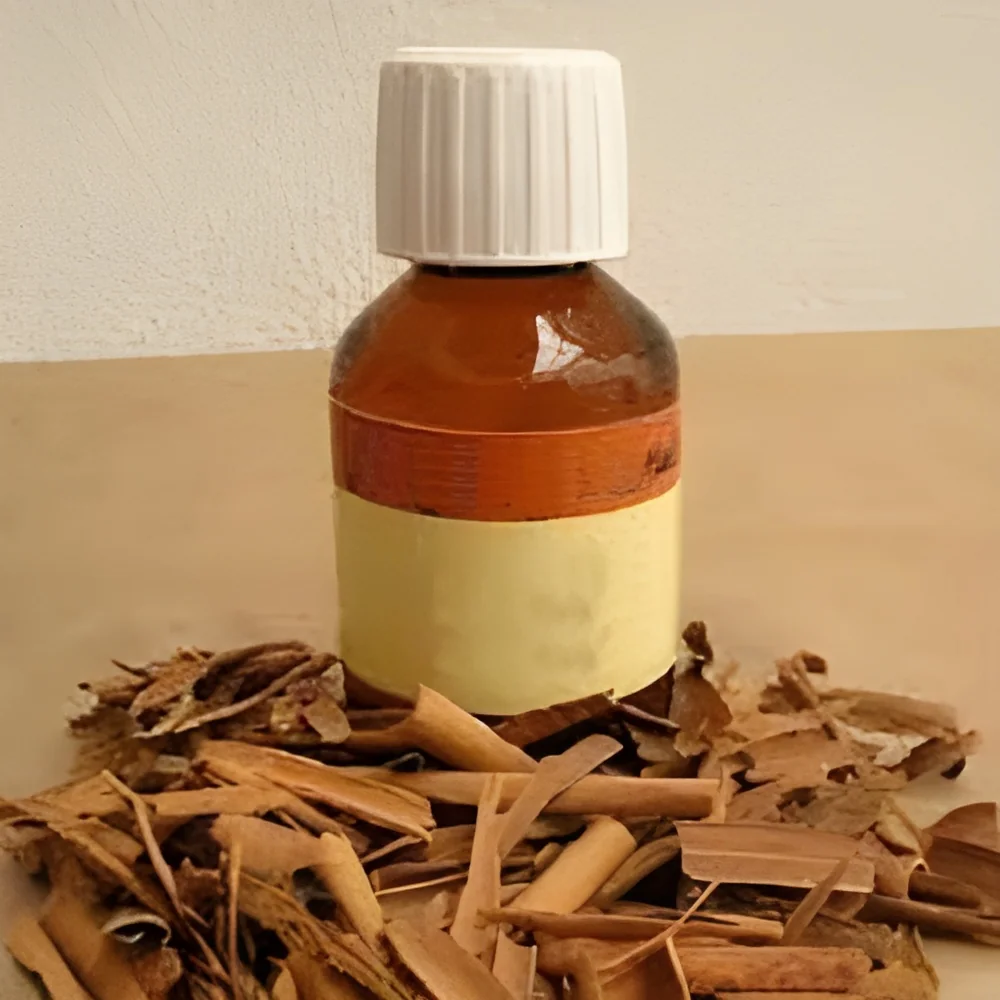
Cinnamon oil is known for its warm, sweet aroma and is widely used in food products, baked goods, and personal care items. Its strong antioxidant properties make it a popular choice in health and wellness applications.
Clove Oil
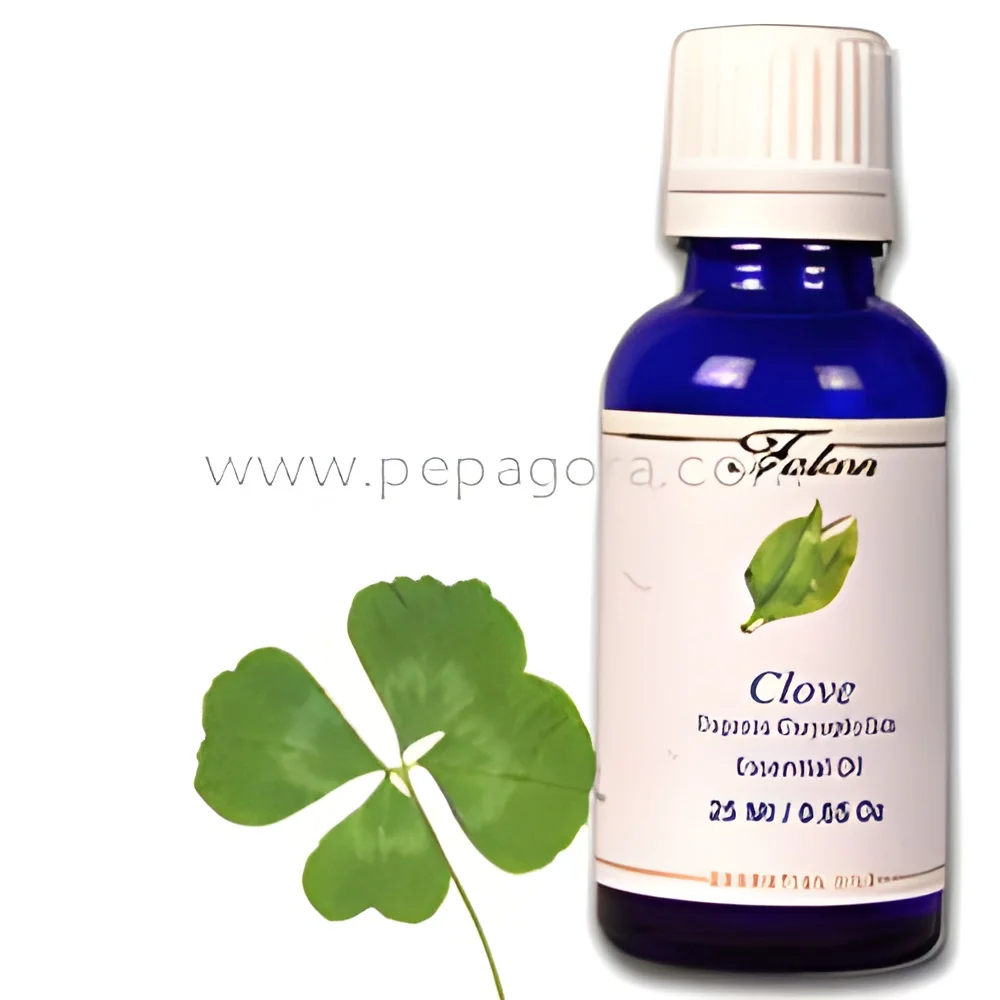
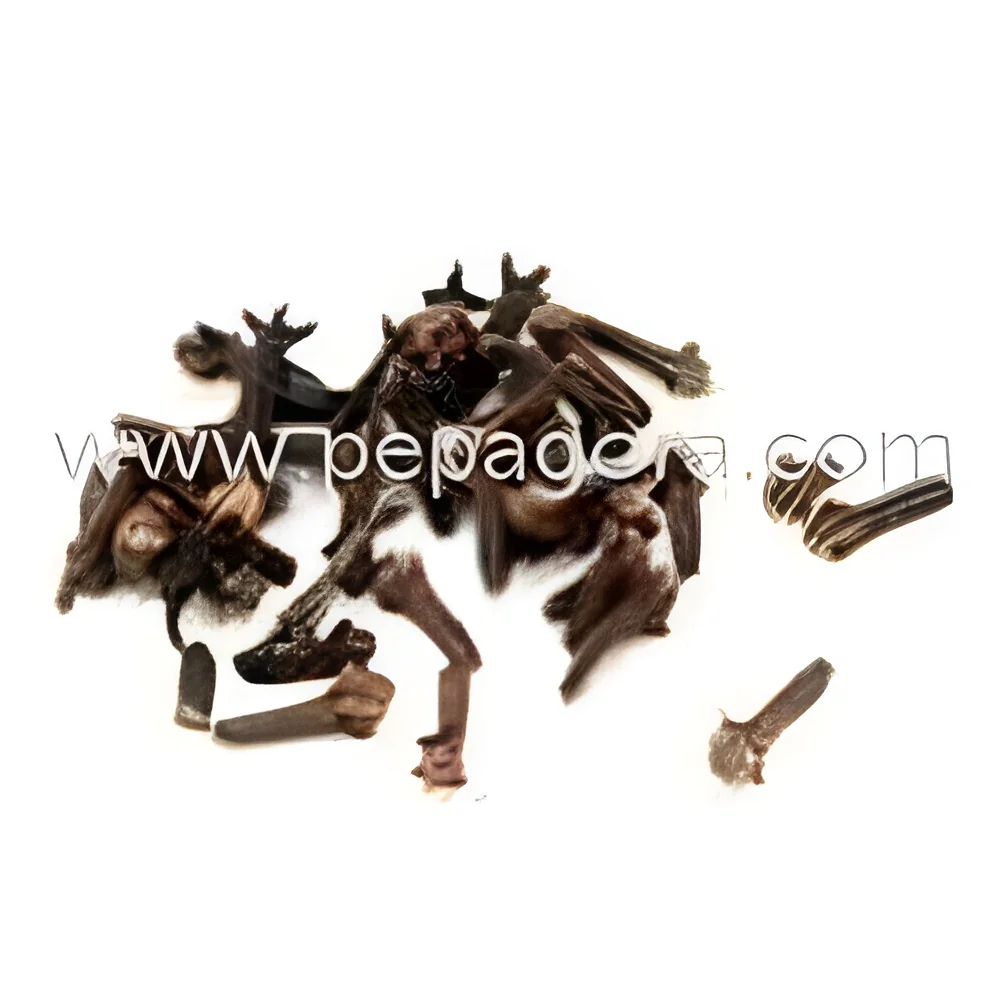
Clove oil has a robust and spicy fragrance, often utilized in dental care products due to its analgesic properties. It is also prevalent in culinary uses, providing a unique flavor in both sweet and savory dishes.
Nutmeg Oil
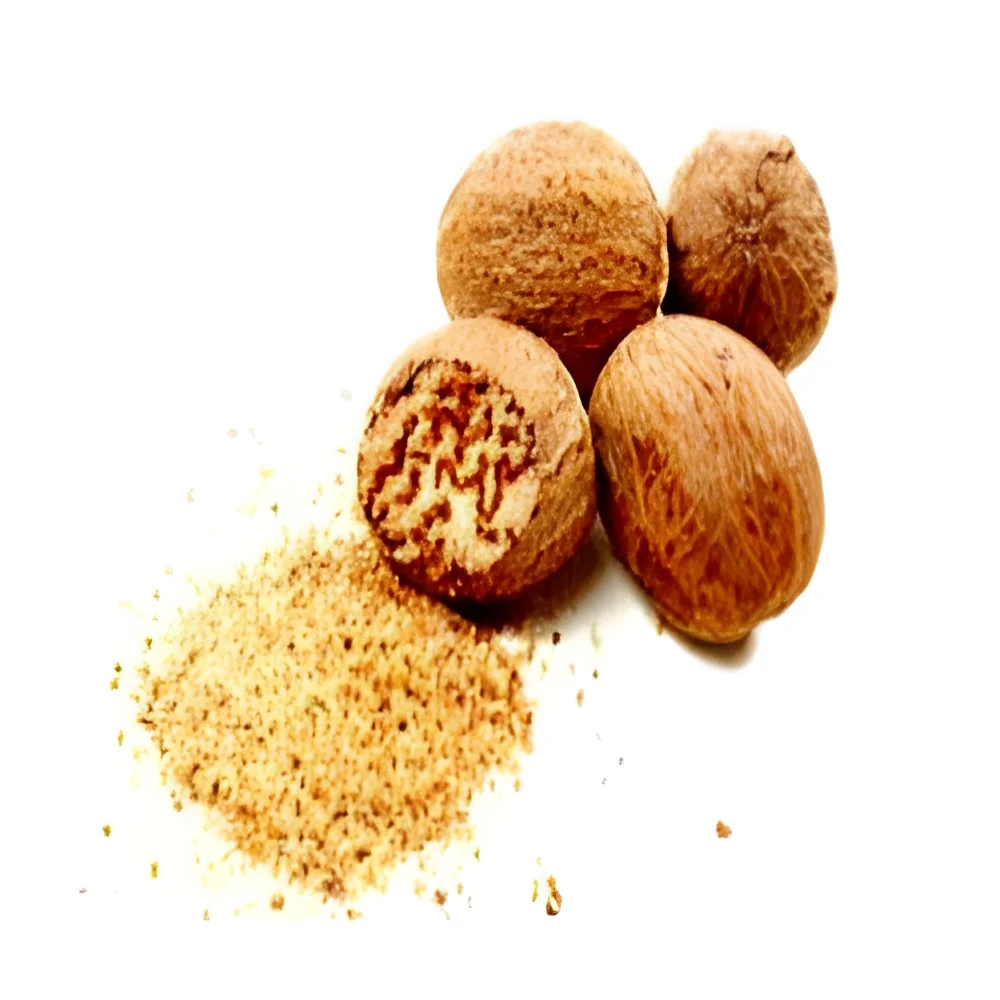
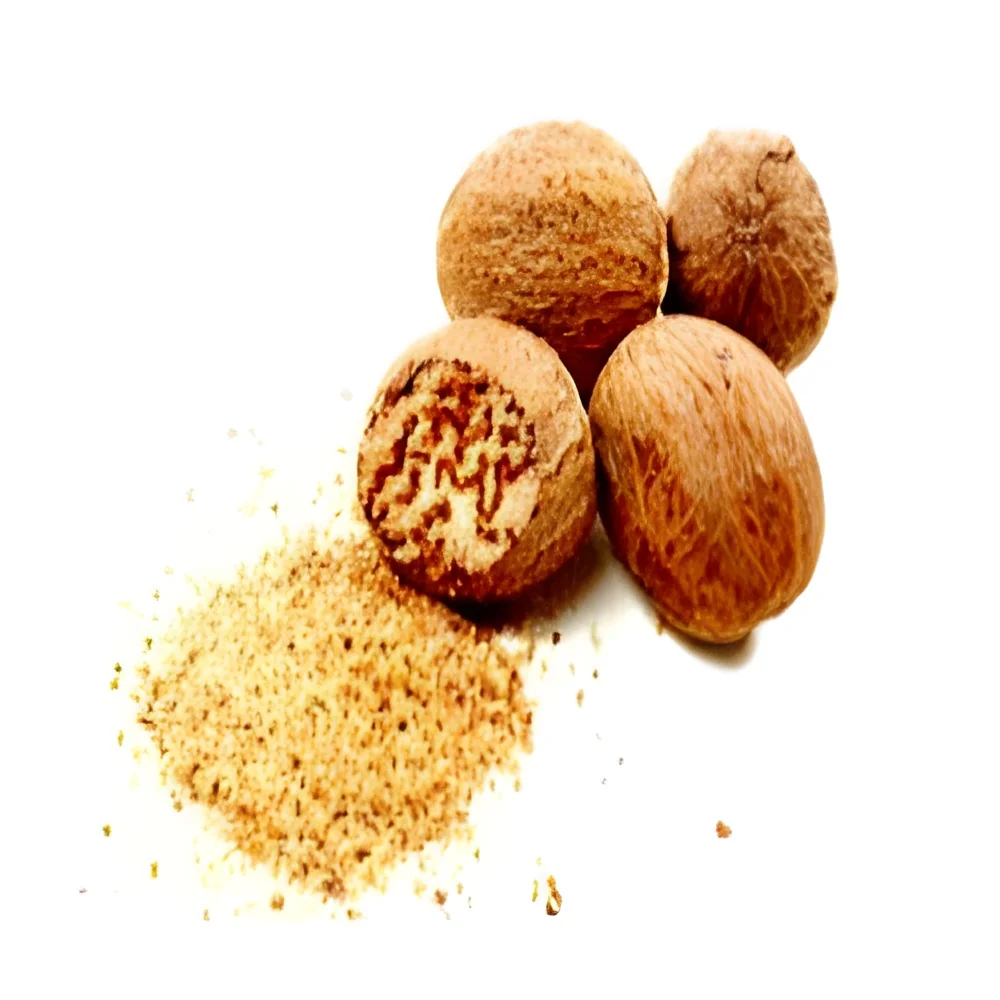
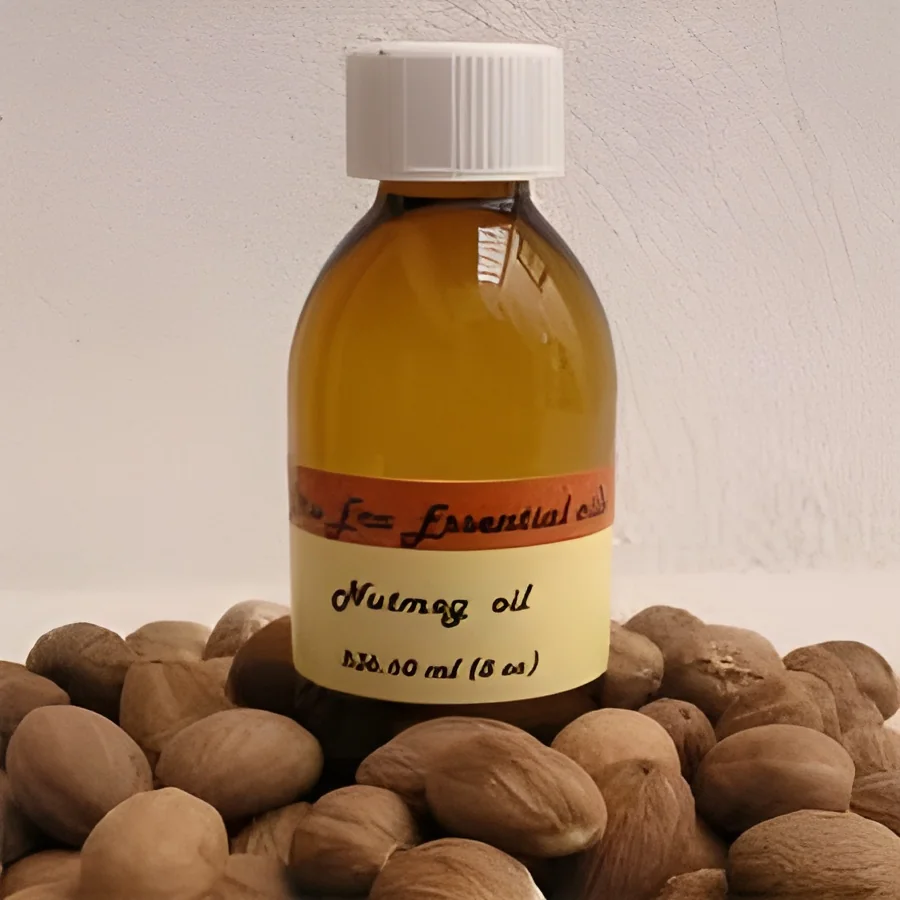
Nutmeg oil is characterized by its sweet and nutty aroma, making it ideal for flavoring desserts and beverages. It is also valued in aromatherapy for its calming effects and is often included in massage oils.
Benefits and Advantages
Sourcing spice oils provides several advantages for businesses looking to enhance their product offerings.
1. Natural Flavor Enhancement: Spice oils enrich food products with authentic flavors, appealing to consumer preferences for natural ingredients.
2. Versatile Applications: These oils can be used across various industries, increasing their utility and market potential.
3. Health Benefits: Many spice oils offer potential health benefits, making them attractive for inclusion in health products and supplements.
4. Cost-Effectiveness: Concentrated oils require smaller quantities for flavoring, enhancing cost efficiency in production.
5. Consumer Appeal: The trend towards natural and organic products increases consumer demand for spice oils, providing a competitive edge.
6. Regulatory Compliance: Sourcing from reputable suppliers ensures that products meet industry standards and regulatory requirements, reducing risk.
Buying Guide for B2B Buyers
When sourcing spice oils, businesses should consider several critical factors to ensure they secure high-quality products.
1. Quality Assessment: It is essential to evaluate the quality of spice oils through sensory analysis and lab testing. Buyers should look for certifications that verify purity and quality.
2. Supplier Verification: Vetting suppliers is crucial for ensuring reliability. Buyers should check references, certifications, and reviews to assess a supplier's reputation.
3. Pricing and MOQ: Understanding the pricing structure and minimum order quantities (MOQs) is important for budgeting and ensuring sufficient supply without excessive inventory.
4. Delivery and Lead Times: Buyers should inquire about lead times to avoid production delays. Reliable logistics and timely deliveries are key considerations in the procurement process.
5. Compliance Requirements: Ensuring that the spice oils meet all relevant regulatory standards is essential for safety and legality in product formulations.
Compliance and Certifications
Spice oils must adhere to several quality and safety standards to ensure their suitability for use in various applications.
Relevant quality standards include ISO 9001, which ensures quality management systems are in place, and HACCP, which focuses on food safety management. Compliance with these standards is critical for manufacturers seeking to ensure product safety and quality.
Industry certifications, such as CE, offer additional assurance that products meet European health, safety, and environmental protection standards. These certifications are important for businesses aiming to market their products in international markets.
Safety and testing requirements are also a vital aspect of compliance, including assessments for contaminants and potency. Each batch of spice oil may need to undergo testing for quality assurance.
Additionally, regional compliance considerations must be taken into account as regulations regarding spice oils can vary by country or region. Adhering to these regulations is essential for legal distribution and market access.
Why Source Spice Oils (Cinnamon, Clove, Nutmeg) from Pepagora?
Pepagora offers a reliable platform for sourcing spice oils, providing numerous advantages for B2B buyers.
Verified Supplier Network: Pepagora connects buyers with a network of verified suppliers, ensuring that businesses can source high-quality spice oils with confidence. Each supplier undergoes thorough vetting to maintain standards.
Streamlined RFQ Process: The request for quotation (RFQ) process on Pepagora is designed to be user-friendly and efficient, allowing buyers to obtain competitive pricing and product details swiftly.
Trade Assurance and Support: Buyers benefit from trade assurance programs that protect their investments and ensure safe transactions. Dedicated support is available to assist with any inquiries or issues that may arise.
Regional Coverage: Pepagora's geographic reach spans India, the GCC, and Southeast Asia, providing access to a diverse array of spice oils and supplier options. This broad coverage enables buyers to find the right products for their specific needs.


 India
 India

 India
 India

 India

 India
Frequently Asked Questions
What are Spice Oils (Cinnamon, Clove, Nutmeg)?
Spice Oils (Cinnamon, Clove, Nutmeg) are essential oils extracted from the bark of cinnamon trees, the flower buds of clove trees, and the seeds of nutmeg fruit. These oils are concentrated forms of the spices, capturing their aromatic and flavor properties. They are commonly used in culinary applications, aromatherapy, and traditional medicine.
What are the different types of Spice Oils (Cinnamon, Clove, Nutmeg)?
The main types of Spice Oils include Cinnamon Oil, Clove Oil, and Nutmeg Oil. Cinnamon Oil can be further categorized into Ceylon and Cassia varieties, while Clove Oil is derived from either whole cloves or clove buds. Each type has unique properties and uses, making them suitable for various applications.
How do I choose the right Spice Oils (Cinnamon, Clove, Nutmeg)?
When choosing Spice Oils, consider factors such as purity, extraction method, and intended use. Look for oils that are 100% pure and obtained through steam distillation or cold pressing for the best quality. Additionally, select the type of oil that aligns with your specific culinary or therapeutic needs.
What are the standard specifications for Spice Oils (Cinnamon, Clove, Nutmeg)?
Standard specifications for Spice Oils typically include parameters like color, odor, density, refractive index, and active compound content. For instance, Cinnamon Oil should have a certain level of cinnamaldehyde, while Clove Oil should contain eugenol. These specifications ensure consistency and quality in the oils.
What is the price range for Spice Oils (Cinnamon, Clove, Nutmeg)?
The price range for Spice Oils can vary widely based on quality, sourcing, and market demand. Generally, prices for high-quality oils could range from INR 500 to INR 3000 per liter. Bulk purchases may attract discounts, so it’s advisable to compare prices from multiple suppliers.
What quality standards apply to Spice Oils (Cinnamon, Clove, Nutmeg)?
Quality standards for Spice Oils are often guided by international regulations such as ISO and ASTM. These standards ensure that the oils meet specific criteria for purity, safety, and efficacy. Manufacturers typically conduct tests to verify compliance with these standards before distribution.
Where can I find Spice Oils (Cinnamon, Clove, Nutmeg) suppliers in India?
You can find Spice Oils suppliers in India through online B2B marketplaces like Pepagora. These platforms connect buyers with manufacturers and distributors, allowing for easy comparison and selection of quality suppliers. Additionally, trade shows and industry expos can also be valuable resources for sourcing suppliers.
Can Spice Oils (Cinnamon, Clove, Nutmeg) be customized?
Yes, many manufacturers offer customization options for Spice Oils, allowing for specific blends or concentrations based on client requirements. Customization may include creating unique formulations or adjusting packaging sizes. It is advisable to discuss your specific needs with the supplier to explore available options.
What is the typical minimum order quantity for Spice Oils (Cinnamon, Clove, Nutmeg)?
The typical minimum order quantity (MOQ) for Spice Oils can vary by supplier but usually ranges from 1 liter to 10 liters. Some suppliers may offer smaller quantities for trial orders, while others may require larger bulk orders for better pricing. Always check with the supplier for specific MOQ policies.
What is the typical lead time for Spice Oils (Cinnamon, Clove, Nutmeg)?
The typical lead time for Spice Oils varies depending on the supplier and order size, but it generally ranges from 1 to 4 weeks. Factors such as product availability, customization requests, and shipping methods can affect the lead time. It is recommended to confirm the delivery timeline with the supplier during the order process.
Why Businesses Trust Pepagora
Thousands of companies trust Pepagora to source smarter and sell faster
Expand Your Sales Globally

Source Smarter,Grow Faster
