What are Cosmetic & Skincare Fragrances?
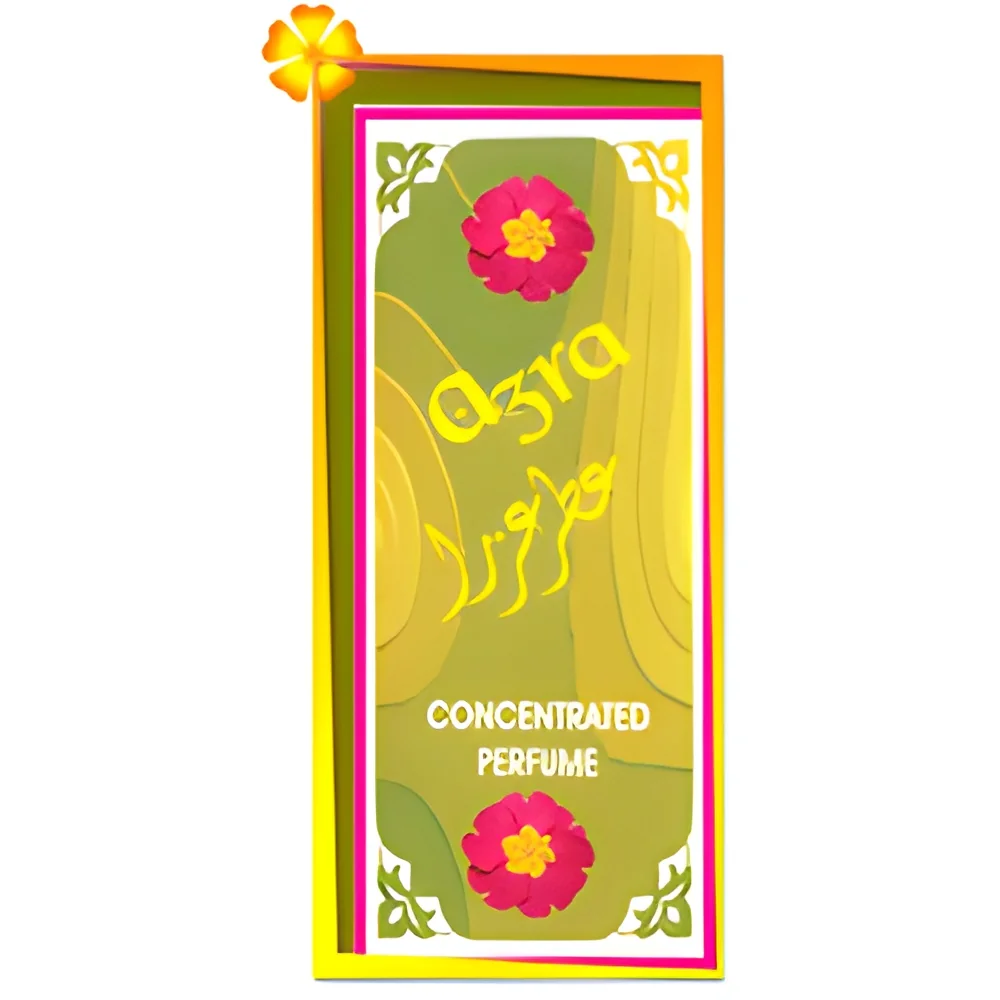
Cosmetic and skincare fragrances are aromatic compounds specifically formulated for use in personal care products. These fragrances are designed to enhance the sensory experience of using cosmetics, skincare, and beauty items. Ranging from floral to fruity, and even earthy scents, these fragrances can be synthetic or derived from natural sources. The specific formulation of these fragrances is crucial to ensure they are safe for skin contact while providing a pleasant aroma.
The primary uses of cosmetic and skincare fragrances extend beyond mere scent. They play a vital role in product differentiation and brand identity. Businesses use these fragrances to create signature scents that resonate with their target audience, enhancing customer loyalty and repeat purchases. Additionally, fragrances can also mask undesirable odors in formulations, improving overall user experience. The relevance of this industry is underscored by the growing demand for scented personal care products, contributing to a robust market that continues to evolve with consumer preferences.
Key Features and Specifications
Cosmetic and skincare fragrances come with a variety of features and specifications that cater to diverse consumer needs. Understanding these specifications is essential for businesses looking to choose the right fragrances for their products.
Key specifications include:
1. Fragrance Type
- Varieties can include floral, fruity, herbal, and woody.
- These types cater to different consumer preferences and market trends.
2. Concentration Levels
- Concentrations can range from light eau de toilette to stronger parfum formulations.
- This affects the longevity and intensity of the scent.
3. Allergen Information
- Some fragrances may contain common allergens.
- Transparency in allergen content is vital for consumer safety.
4. Shelf Life
- Typical shelf life can vary from 2 to 5 years.
- Proper storage conditions can influence longevity.
5. Packaging Options
- Fragrances can be supplied in various packaging formats, including bottles and bulk containers.
- Packaging choice can impact product appeal and usability.
6. Customization Potential
- Many suppliers offer the option to create custom fragrances.
- This allows brands to develop unique scents that fit their identity.
In summary, the diverse features and specifications of cosmetic and skincare fragrances make them a significant element in product formulation and marketing strategies.
Common Applications and Use Cases
Cosmetic and skincare fragrances are utilized across various industries, enhancing the appeal of numerous products.
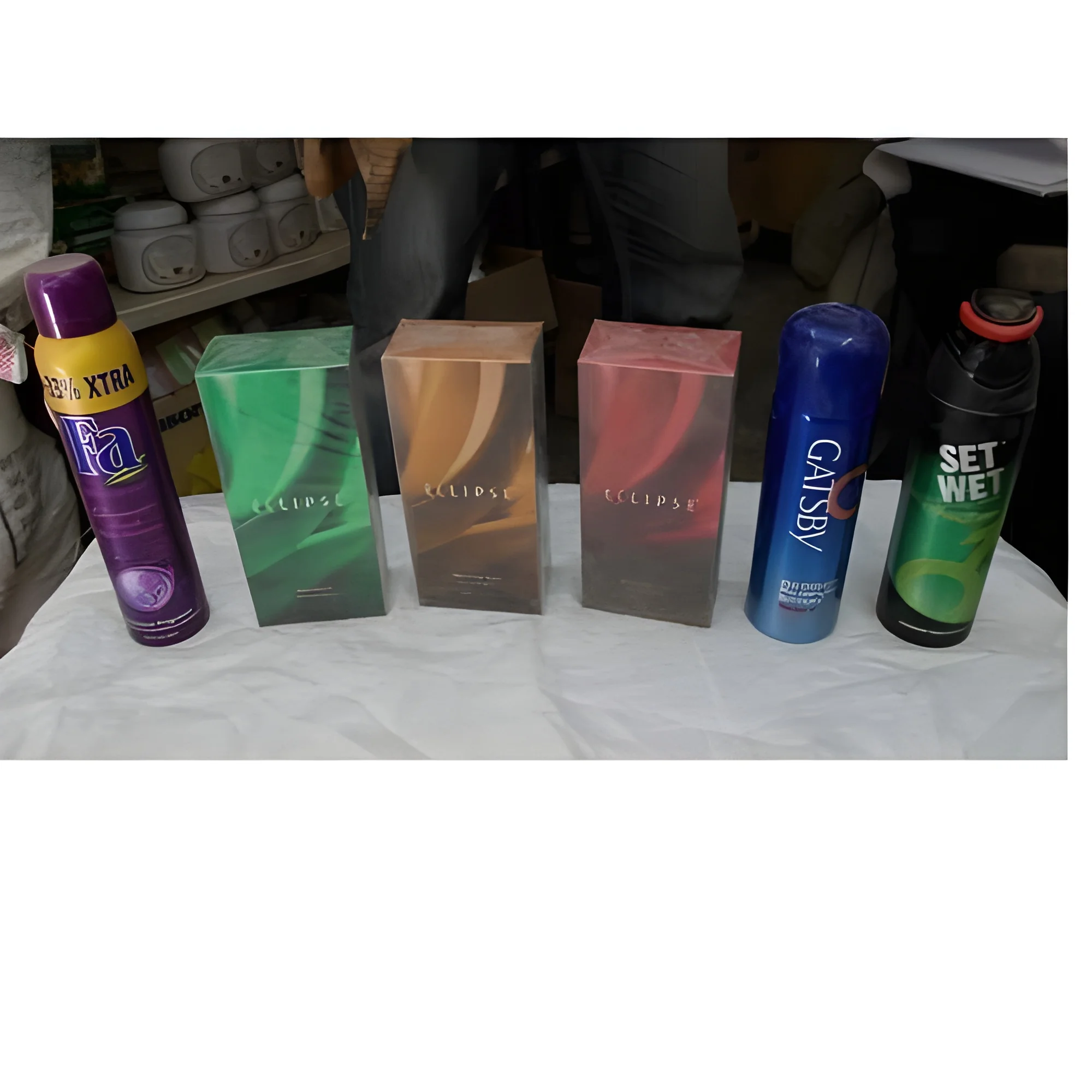
1. Personal Care: Fragrances are commonly found in lotions, creams, and deodorants, providing a pleasant scent that enhances user experience.
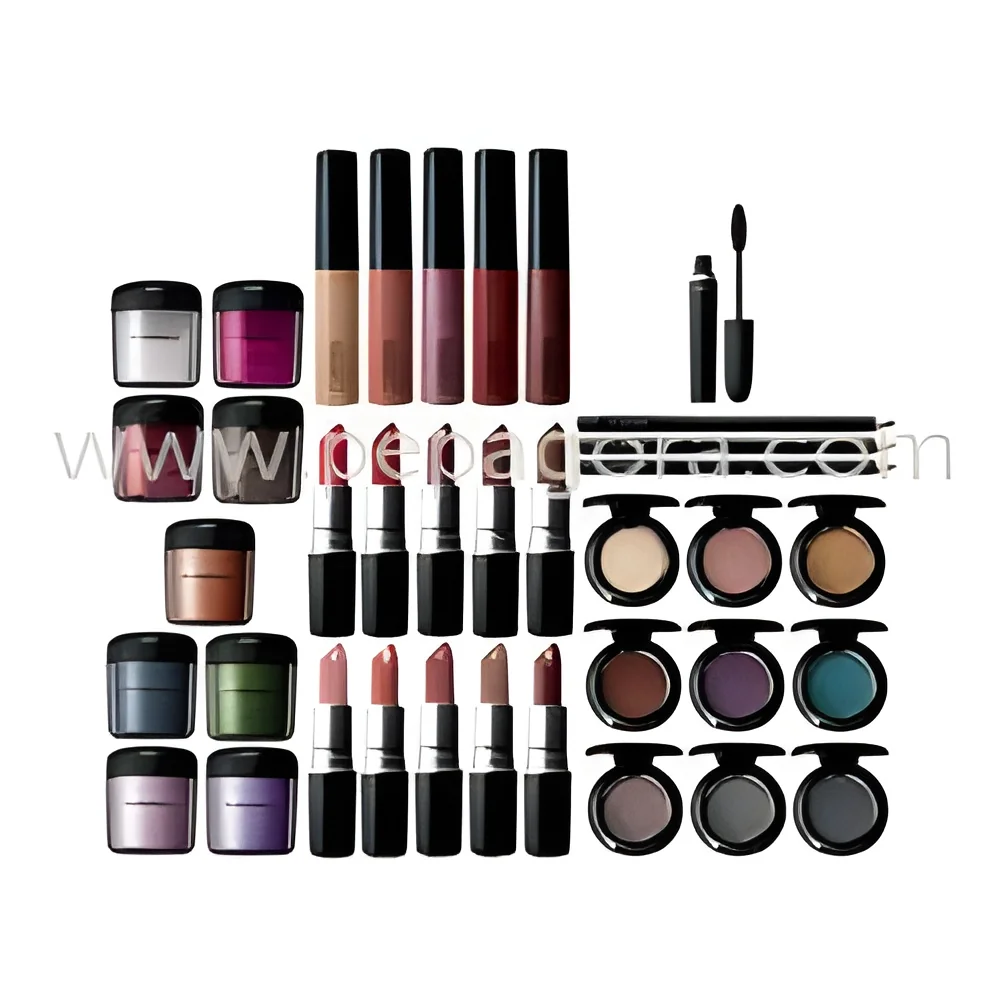
2. Cosmetics: Makeup products, such as foundations and lipsticks, often include fragrances to make them more appealing during application.
3. Hair Care: Shampoos and conditioners frequently feature fragrances to mask odors and provide a refreshing scent after use.
4. Aromatherapy: Many companies incorporate fragrances into essential oils and diffusers to promote relaxation and well-being.
5. Household Products: Cleaning supplies and air fresheners often utilize fragrances to create a pleasant environment in homes and offices.
6. Bath Products: Bath bombs and shower gels typically include fragrances to enhance the bathing experience.
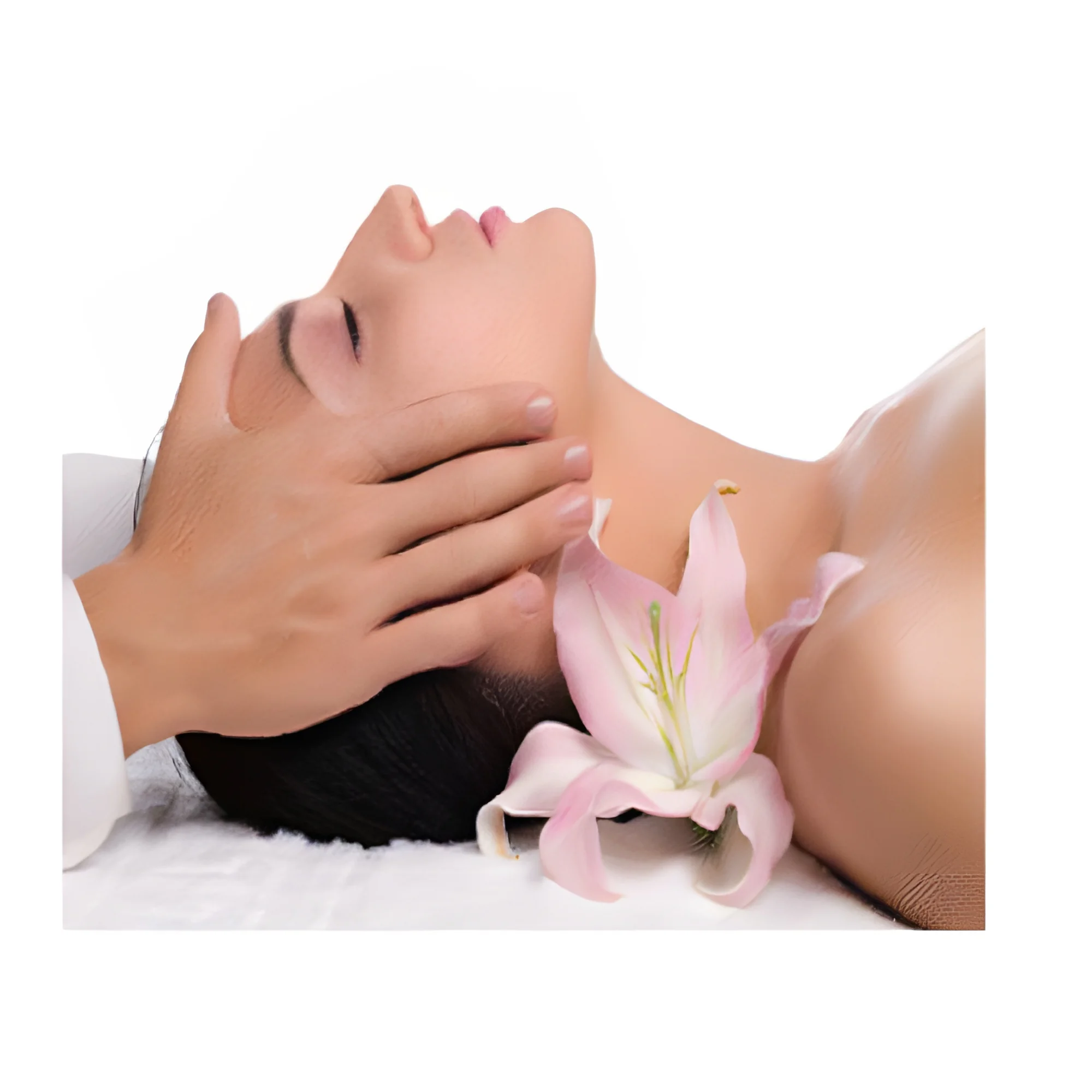
7. Spa Products: Fragrances are essential in spa treatments, contributing to a calming atmosphere and enhancing the overall experience for clients.
Product Variants and Subcategories
Cosmetic and skincare fragrances come in a variety of forms, allowing businesses to select options that best suit their products and target market.
Floral Fragrances
Floral fragrances are popular in cosmetics and skincare due to their appealing and romantic scents. They are often used in lotions, perfumes, and hair products, catering to consumers who prefer soft and inviting aromas.
Fruity Fragrances
Fruity fragrances offer a fresh and vibrant scent profile, making them ideal for younger demographics. These scents are commonly used in body sprays, shampoos, and facial mists.
Woody Fragrances
Woody fragrances provide a more earthy and grounded scent experience. They are often featured in men's grooming products, aftershaves, and some skincare lines, appealing to consumers seeking a more robust aroma.
Oriental Fragrances
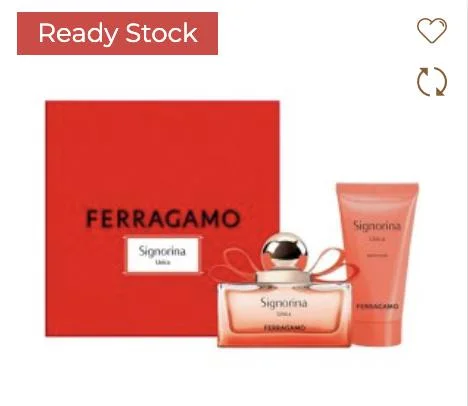
Oriental fragrances combine warm and exotic notes, often used in luxury products. They can be found in high-end perfumes and specialized skincare items aimed at creating an indulgent experience.
Benefits and Advantages
Cosmetic and skincare fragrances offer several advantages that can significantly impact product appeal and consumer satisfaction.
1. Enhanced User Experience: Fragrances improve the sensory experience of using cosmetic products, making them more enjoyable for consumers.
2. Brand Differentiation: Unique scents can help brands stand out in a crowded market, establishing a distinct identity.
3. Masking Odors: Fragrances effectively cover up unpleasant smells in cosmetic formulations, ensuring a more pleasant product experience.
4. Increased Customer Loyalty: Signature scents can resonate with consumers, leading to repeat purchases and long-term brand loyalty.
5. Psychological Benefits: Pleasant fragrances can influence mood and perception, enhancing overall satisfaction with the product.
6. Market Demand: The growing consumer preference for scented personal care products creates opportunities for brands to expand their offerings.
Buying Guide for B2B Buyers
When sourcing cosmetic and skincare fragrances, businesses should consider various factors to ensure they select the right products for their needs.
1. Quality Assessment: It is essential to evaluate fragrances for their quality, including scent profile, stability, and ingredient safety. Businesses should request samples to assess compatibility with their formulations.
2. Supplier Verification: Vetting suppliers is crucial to ensure they meet industry standards and provide reliable products. This may involve checking certifications, customer reviews, and past performance.
3. Pricing and MOQ: Understanding the pricing structure and minimum order quantities (MOQ) helps businesses plan budgets and inventory. Negotiating terms can lead to better deals.
4. Delivery and Lead Times: Businesses must consider logistics, including delivery schedules and lead times. Reliable suppliers can help maintain consistent product availability.
5. Compliance Requirements: Ensuring that fragrances meet regulatory standards is vital for safety and marketability. This includes understanding local and international regulations concerning cosmetic ingredients.
Compliance and Certifications
Compliance and certifications are critical components of sourcing cosmetic and skincare fragrances. Relevant quality standards such as ISO 9001 ensure that suppliers maintain quality management systems, leading to consistent product quality.
Additionally, certifications like CE are important for demonstrating compliance with European regulations. These certifications help assure buyers that products meet safety and performance standards.
Safety and testing requirements are also essential. Fragrances must undergo thorough testing to ensure they are safe for use on the skin, and suppliers should provide documentation of these tests.
Regional compliance considerations may vary, so it is crucial for businesses to stay informed about specific regulations in their target markets to ensure they meet all legal requirements.
Why Source Cosmetic & Skincare Fragrances from Pepagora?
Pepagora provides a trusted platform for sourcing cosmetic and skincare fragrances, offering numerous key advantages to buyers.
Verified Supplier Network: Pepagora features a robust network of verified suppliers, ensuring that buyers have access to high-quality fragrances that meet industry standards. This verification process helps mitigate risks associated with sourcing.
Streamlined RFQ Process: The request for quotation (RFQ) system on Pepagora simplifies the sourcing process. Buyers can easily submit their requirements and receive competitive quotes from multiple suppliers, facilitating informed decision-making.
Trade Assurance and Support: Pepagora offers trade assurance and buyer protection measures, providing peace of mind for businesses. This support extends to dispute resolution and ensuring the quality of products received.
Regional Coverage: Pepagora's extensive geographic reach includes India, the GCC, and Southeast Asia, allowing businesses to connect with suppliers across multiple markets. This regional coverage opens up opportunities for businesses to explore diverse fragrance offerings tailored to local preferences.

 IN
IN