𝗪𝗵𝗮𝘁 𝗮𝗿𝗲 𝗙𝗿𝗮𝗴𝗿𝗮𝗻𝗰𝗲𝘀 & 𝗘𝘀𝘀𝗲𝗻𝘁𝗶𝗮𝗹 𝗢𝗶𝗹𝘀?
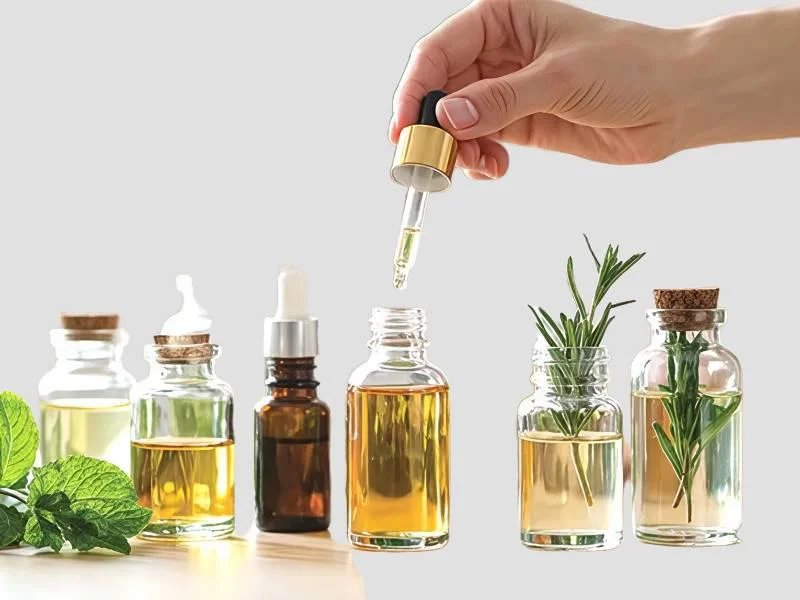
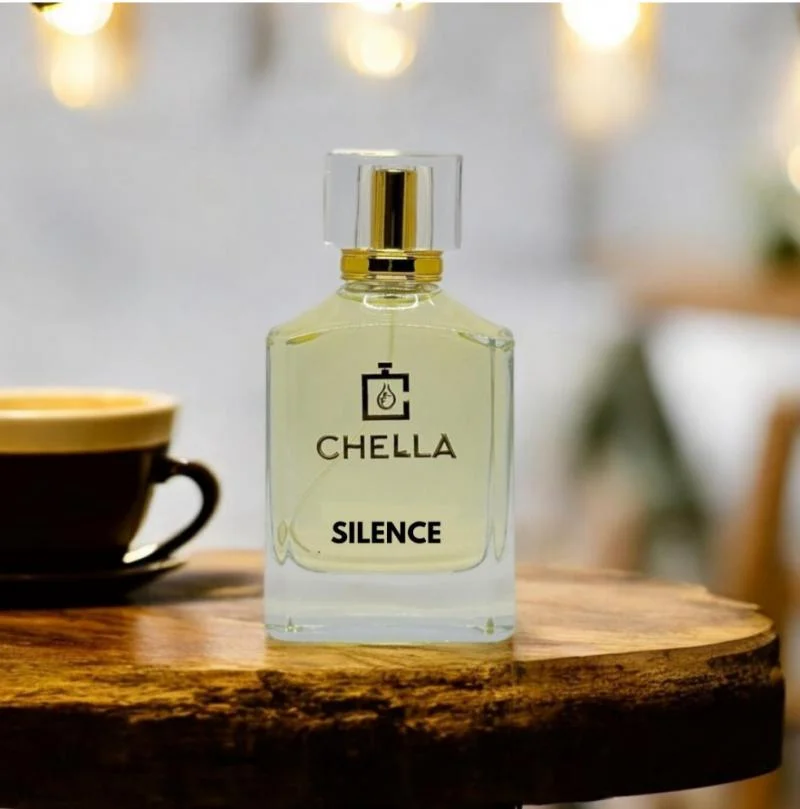
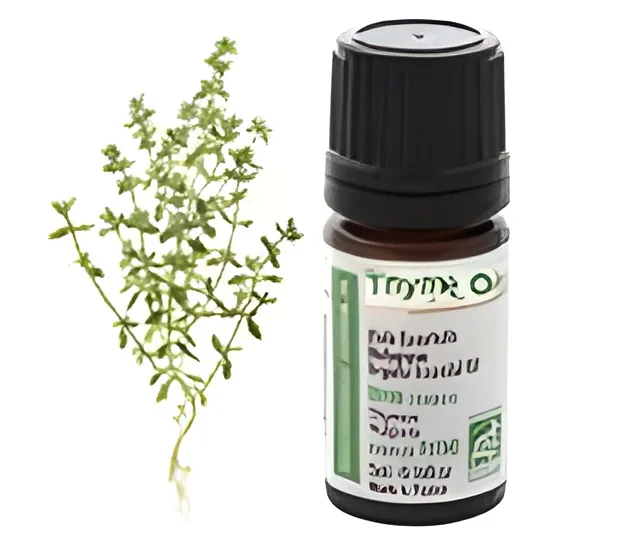
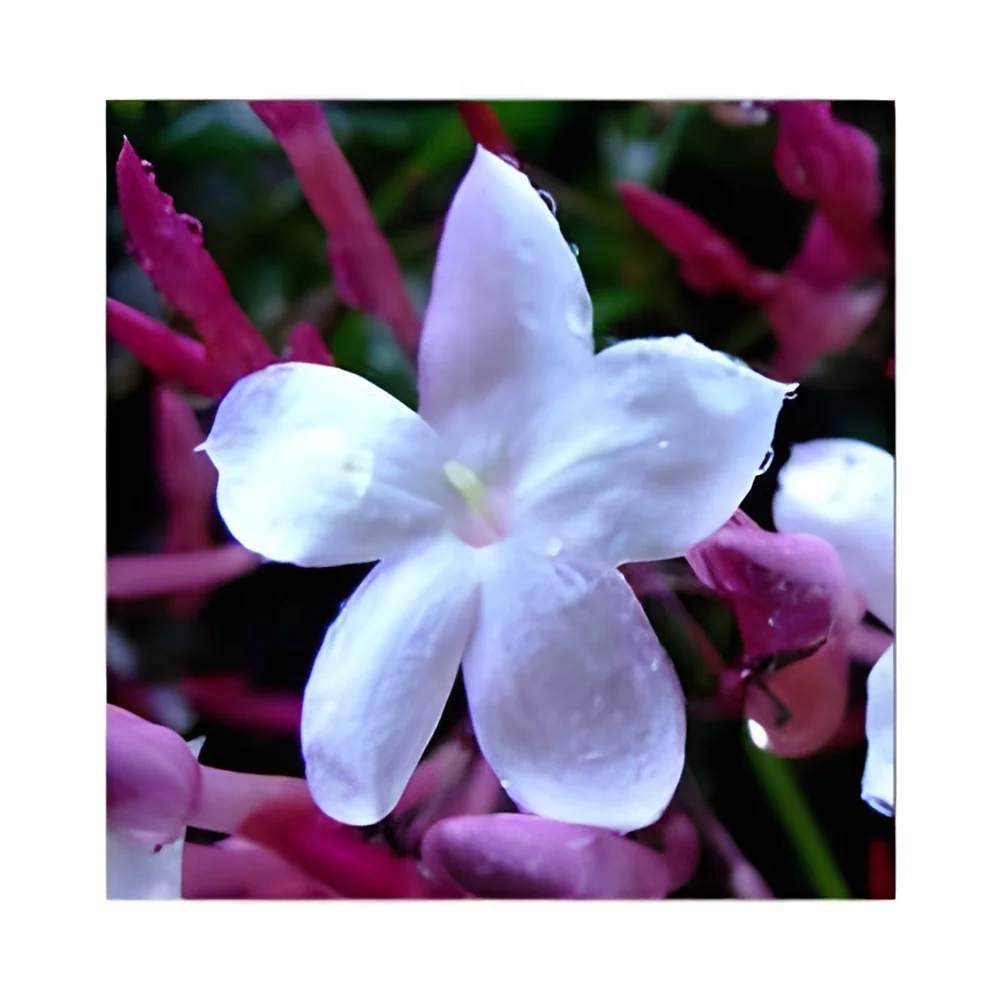
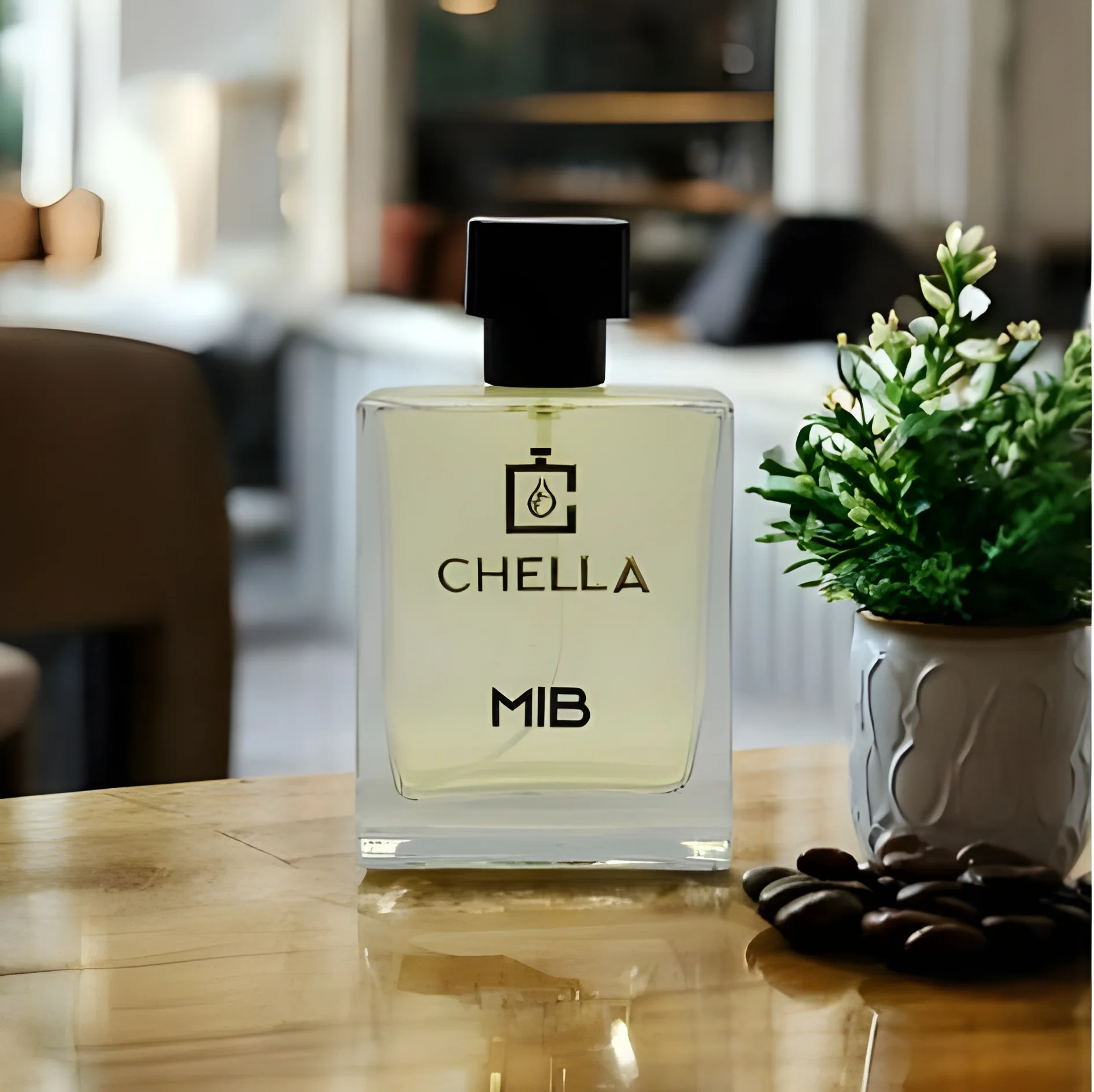
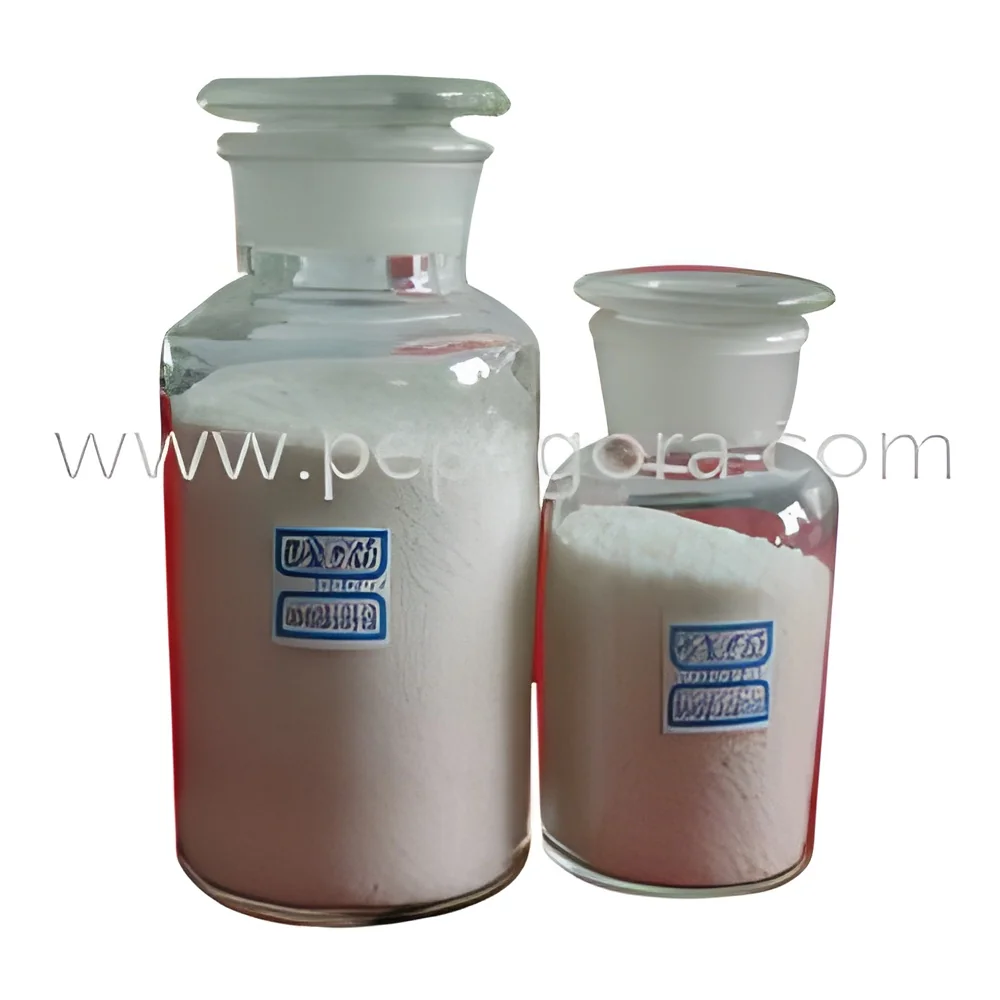
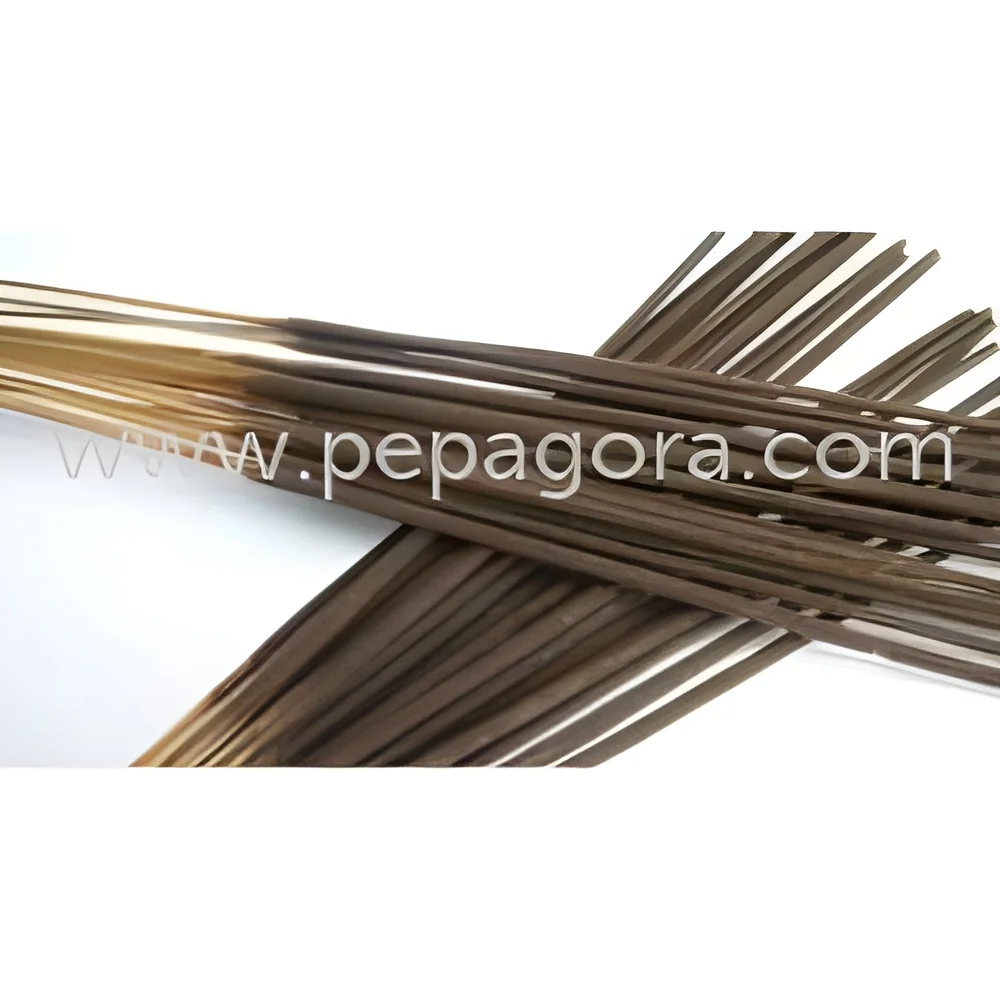
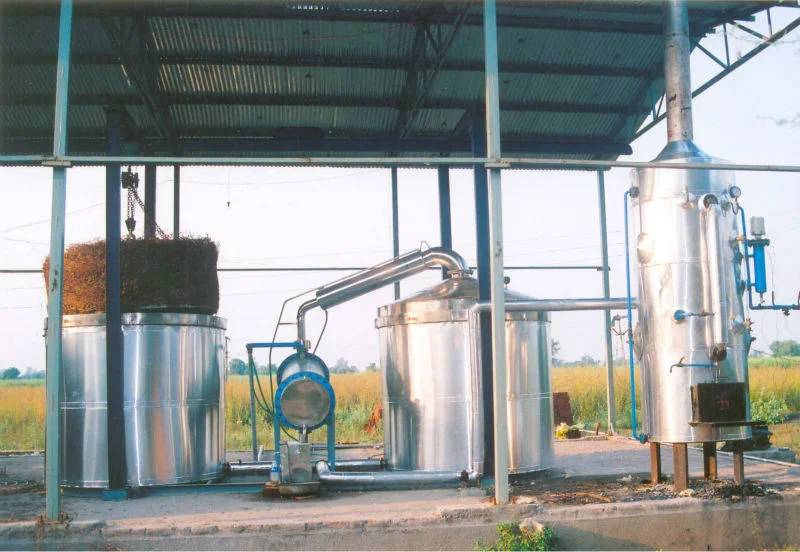
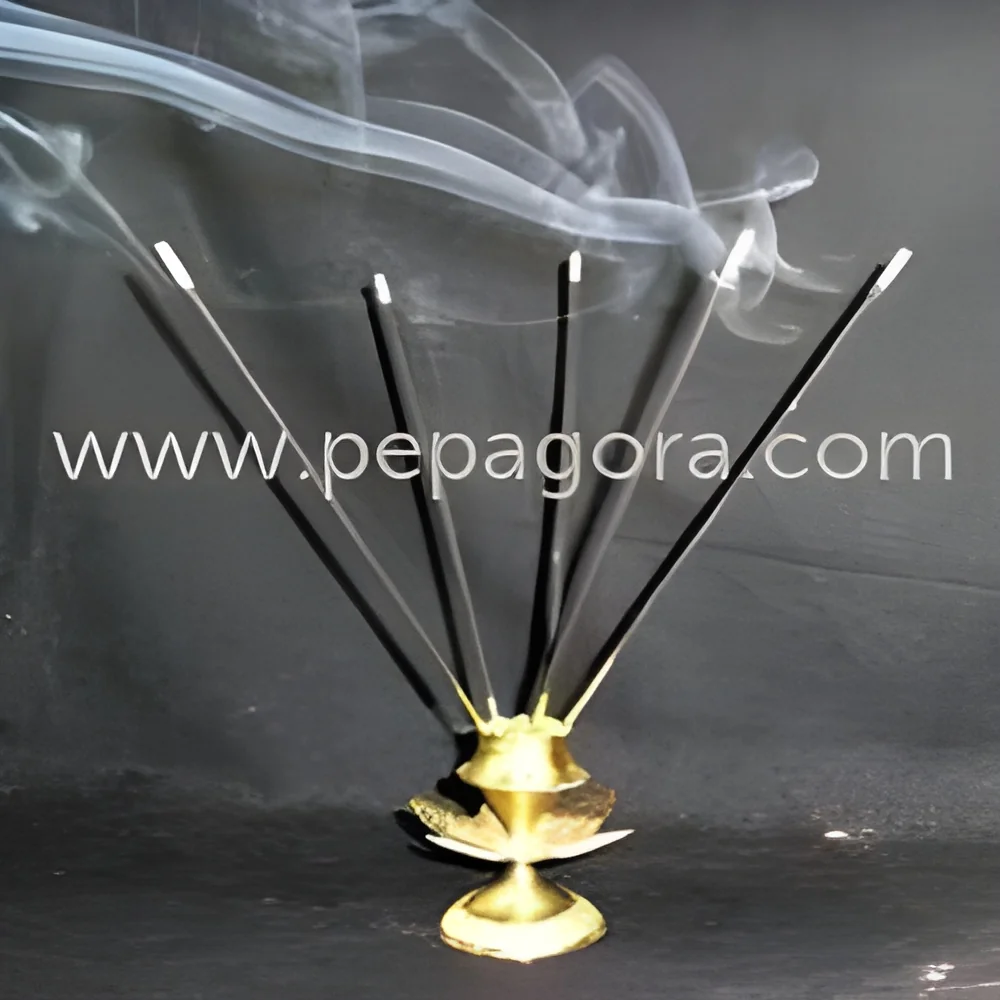
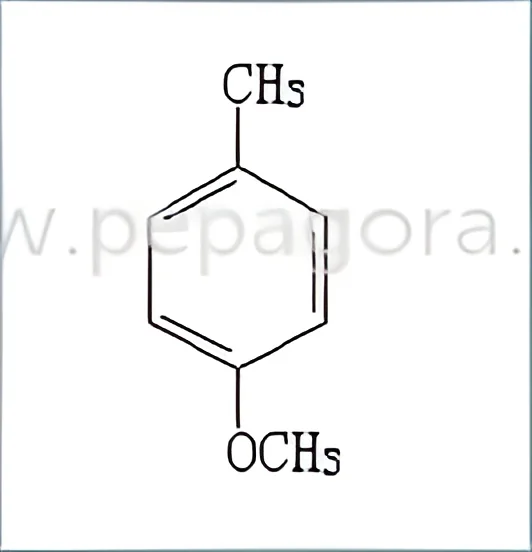
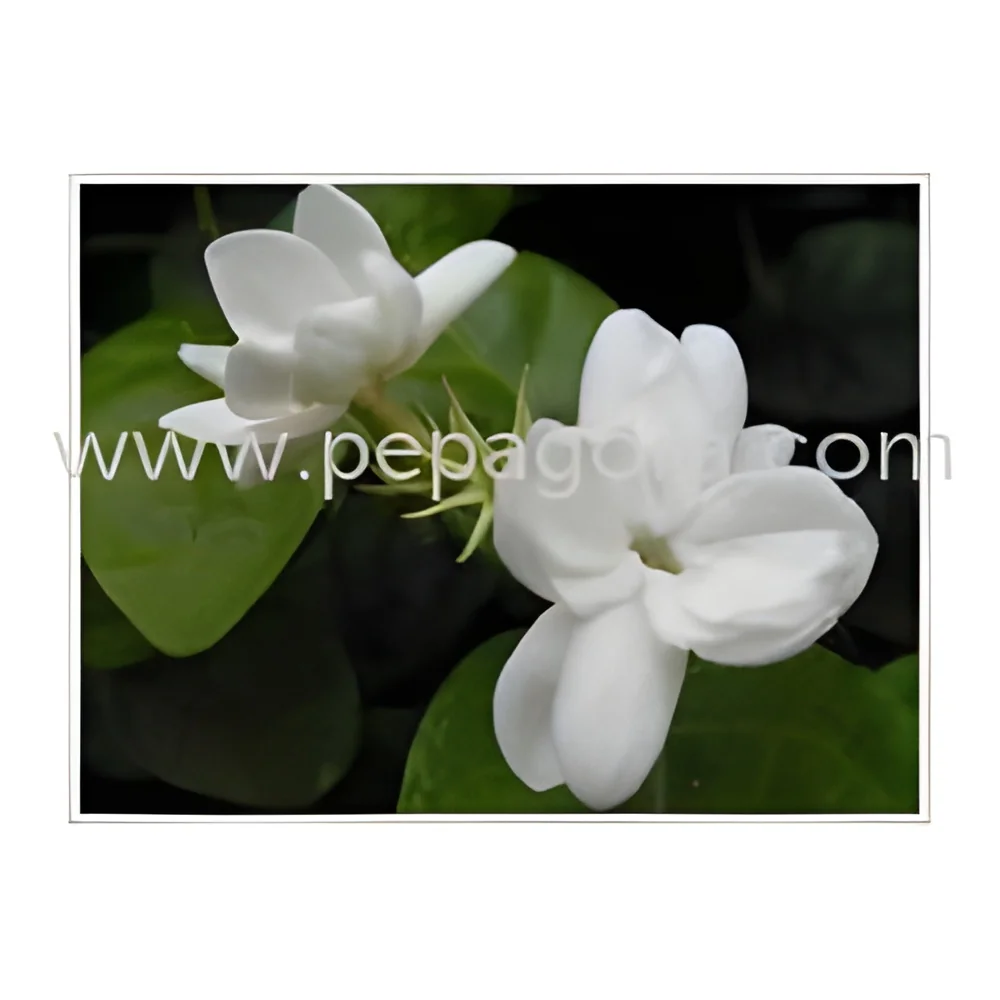
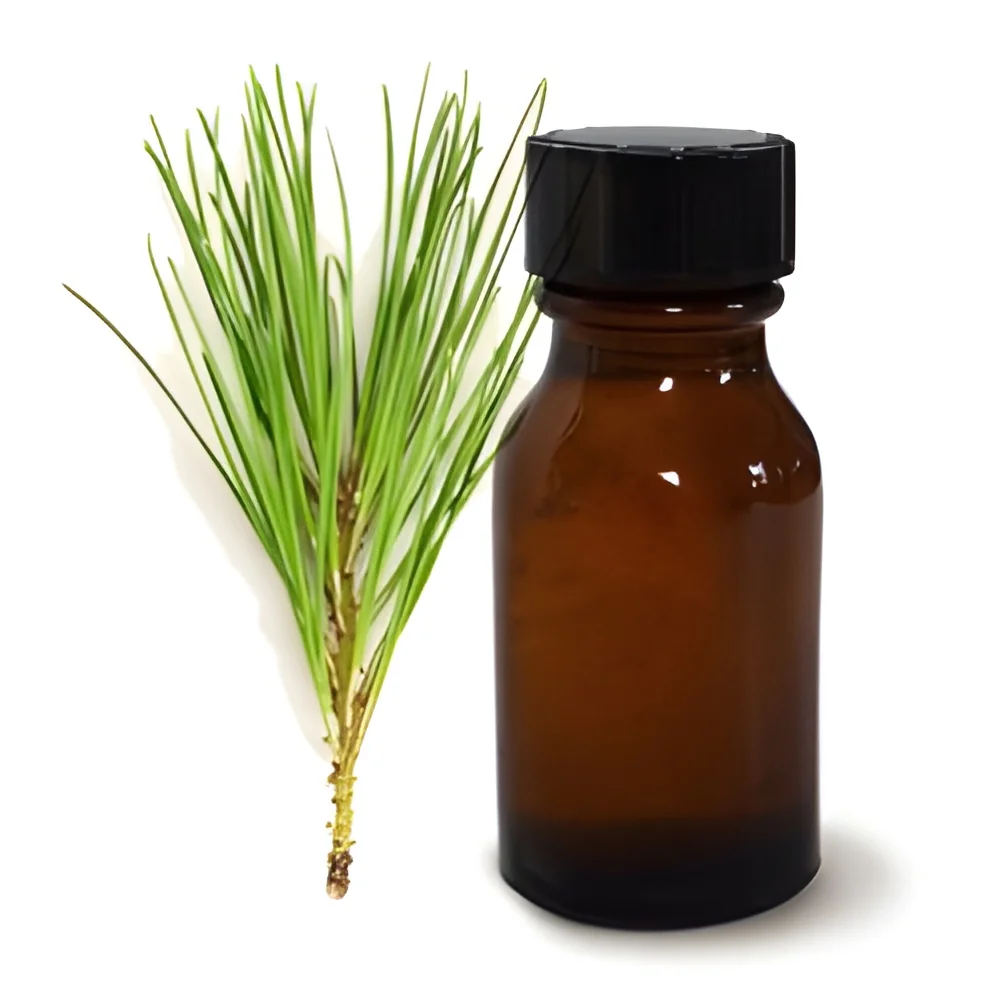
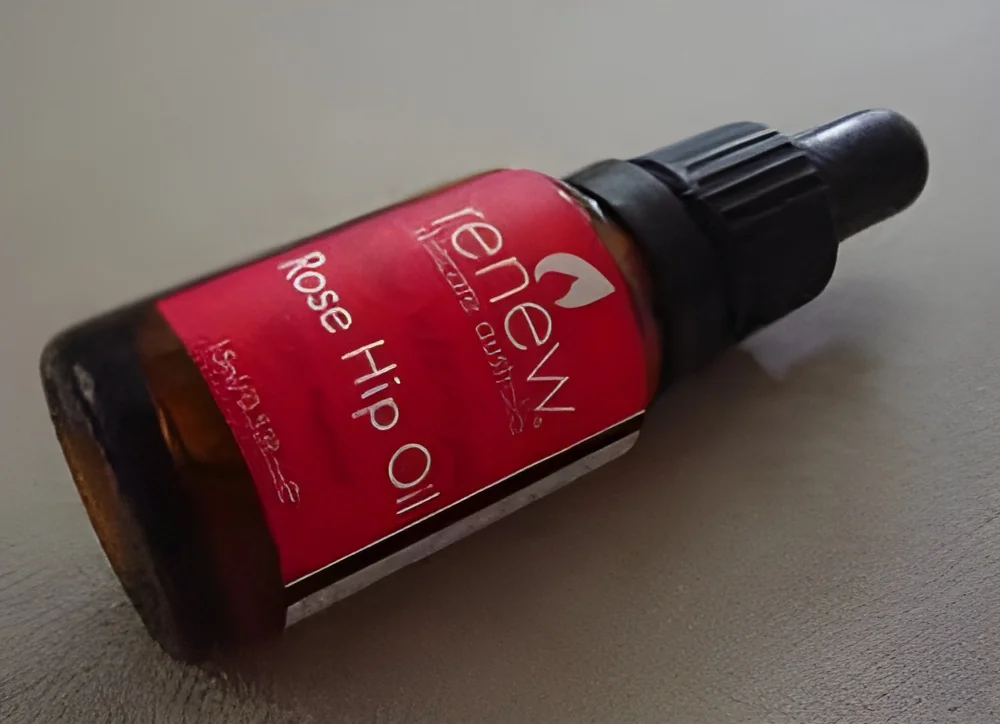
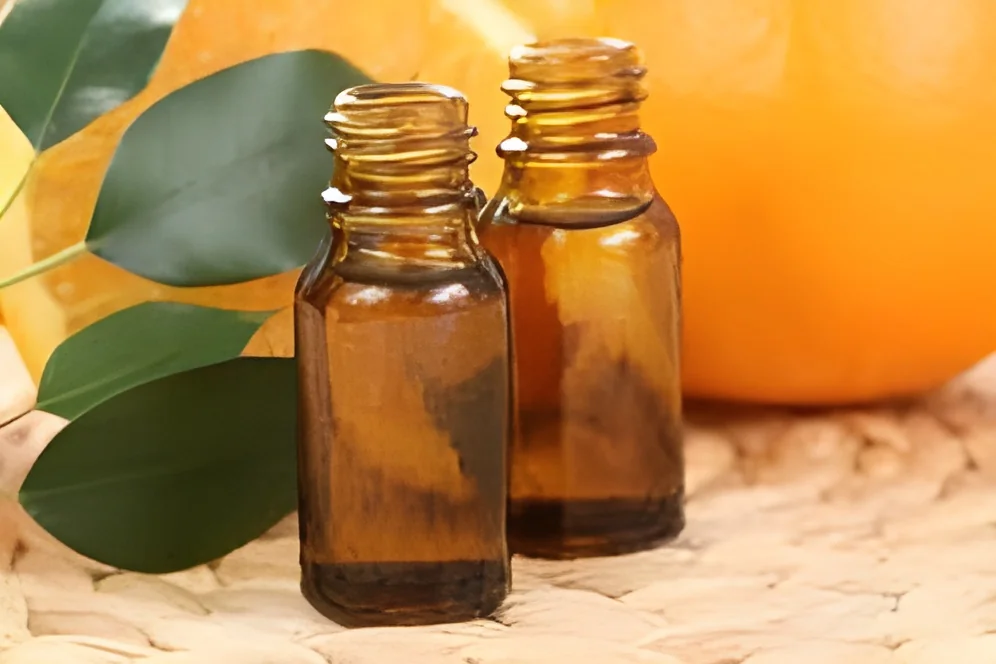
Fragrances and essential oils are concentrated extracts derived from natural sources such as flowers, leaves, and fruits. These products are characterized by their aromatic properties and are used to enhance the sensory experience in various applications. Essential oils are typically extracted through methods such as steam distillation or cold pressing, preserving the plant's inherent qualities. Fragrances, while often synthetic, can also incorporate natural extracts to create unique scent profiles.
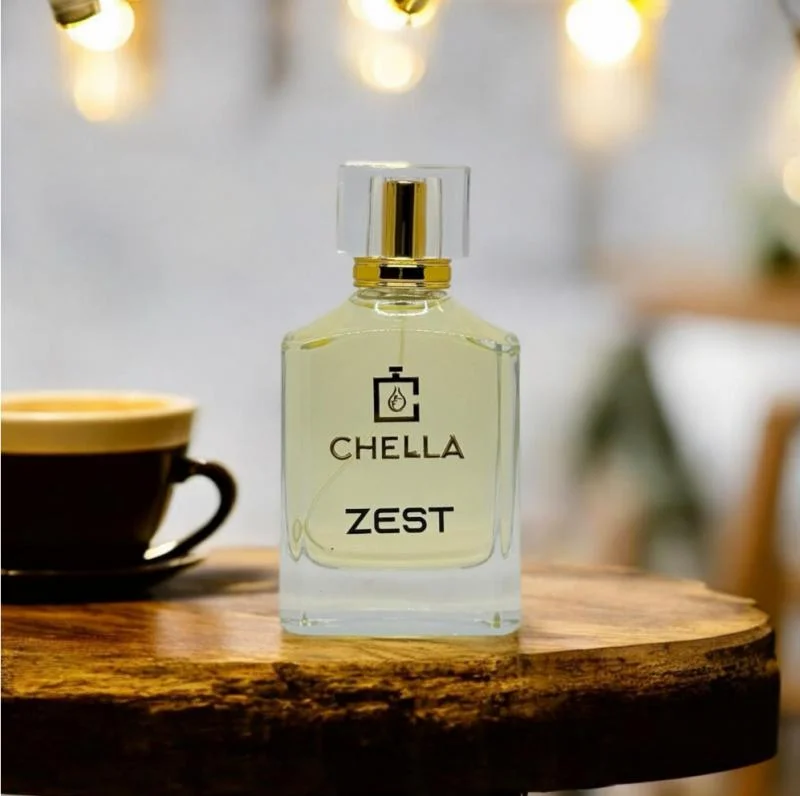
The primary uses of fragrances and essential oils span multiple industries, including cosmetics, food and beverage, and aromatherapy. In the cosmetic sector, these products are essential for formulating perfumes, lotions, and skincare items. In food and beverage, they serve to enhance flavors and aromas. Aromatherapy utilizes essential oils for their therapeutic benefits, promoting wellness through scent. The market for fragrances and essential oils continues to grow, driven by consumer interest in natural products and sustainable sourcing.
As industries increasingly focus on sustainability and wellness, fragrances and essential oils are becoming integral to product development. The demand for natural and organic options is rising, prompting businesses to seek high-quality sources. This shift is reflected in market trends, where companies prioritize transparency and ethical sourcing in their ingredient choices.
𝗞𝗲𝘆 𝗙𝗲𝗮𝘁𝘂𝗿𝗲𝘀 𝗮𝗻𝗱 𝗦𝗽𝗲𝗰𝗶𝗳𝗶𝗰𝗮𝘁𝗶𝗼𝗻𝘀
Fragrances and essential oils come with a range of features and specifications that cater to various applications. Understanding these specifications is critical for businesses in selecting the right products for their needs.
Key specifications include:
1. Aroma Profile
- Describes the scent characteristics, such as floral, citrus, or woody.
- Influences the overall product experience.
2. Purity Level
- Indicates the concentration of the essential oil or fragrance.
- Typically expressed as a percentage of natural ingredients versus synthetic.
3. Extraction Method
- Specifies how the oil or fragrance was obtained.
- Common methods include steam distillation, cold pressing, and solvent extraction.
4. Shelf Life
- Refers to the period during which the product retains its quality.
- Typically ranges from one to three years, depending on storage conditions.
5. Compliance Standards
- Indicates adherence to safety and quality standards, such as CE certification.
- Relevant for regulatory compliance in various countries.
6. Packaging Options
- Describes the available packaging types, such as bulk containers or retail-sized bottles.
- Important for logistics and marketing.
7. Customization Potential
- Details the possibility of creating tailored scents or formulations.
- Useful for brands looking to differentiate their products.
8. Safety Data
- Provides information on handling and potential hazards.
- Essential for compliance with safety regulations.
Understanding these specifications helps businesses make informed decisions when sourcing fragrances and essential oils.
𝗖𝗼𝗺𝗺𝗼𝗻 𝗔𝗽𝗽𝗹𝗶𝗰𝗮𝘁𝗶𝗼𝗻𝘀 𝗮𝗻𝗱 𝗨𝘀𝗲 𝗖𝗮𝘀𝗲𝘀
Fragrances and essential oils have a wide range of applications across various industries.
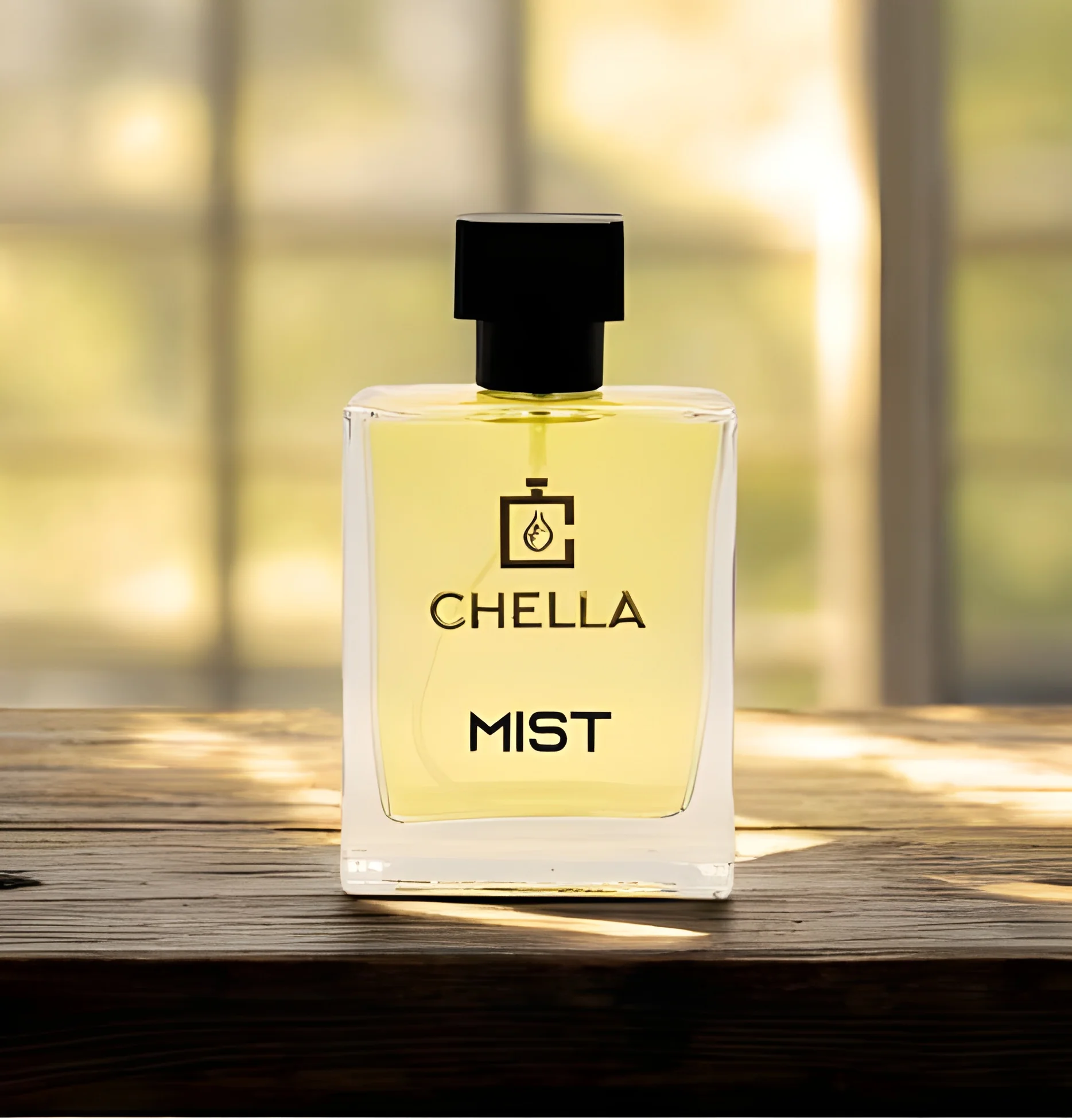
1. Cosmetics: Used to create perfumes, creams, and skincare products that enhance user experience and appeal to consumer preferences.
2. Food and Beverage: Employed to flavor and scent products, ensuring a pleasant tasting experience that meets customer expectations.
3. Aromatherapy: Utilized in wellness and therapeutic practices, these oils are known for their calming and restorative properties.
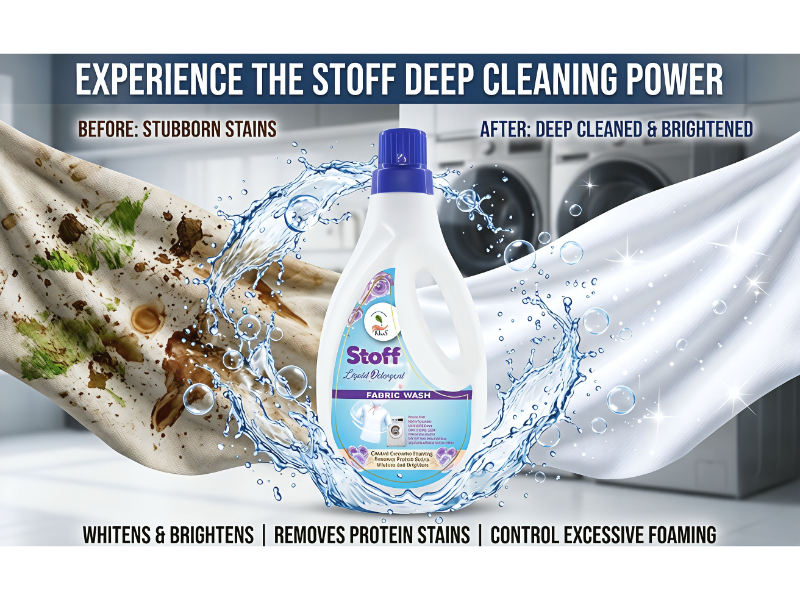
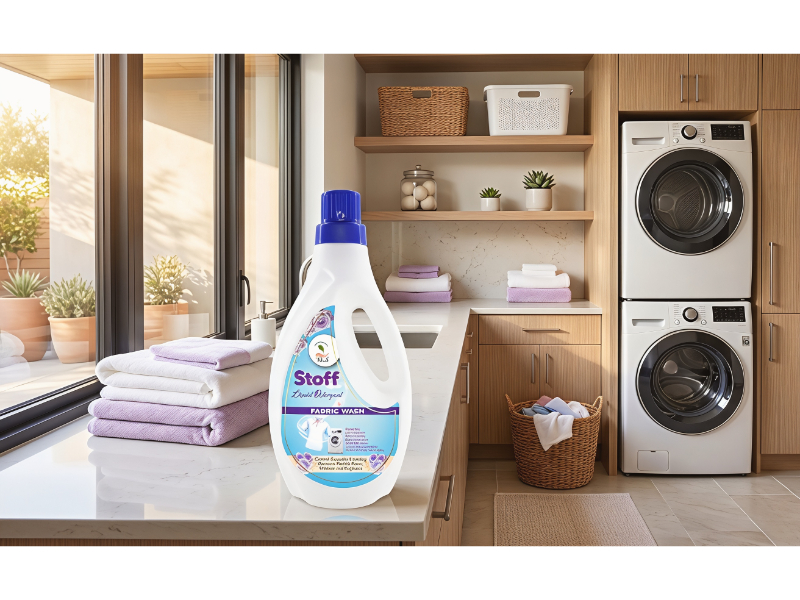
4. Household Products: Incorporated in cleaning agents, air fresheners, and candles to provide pleasant scents and enhance ambiance.
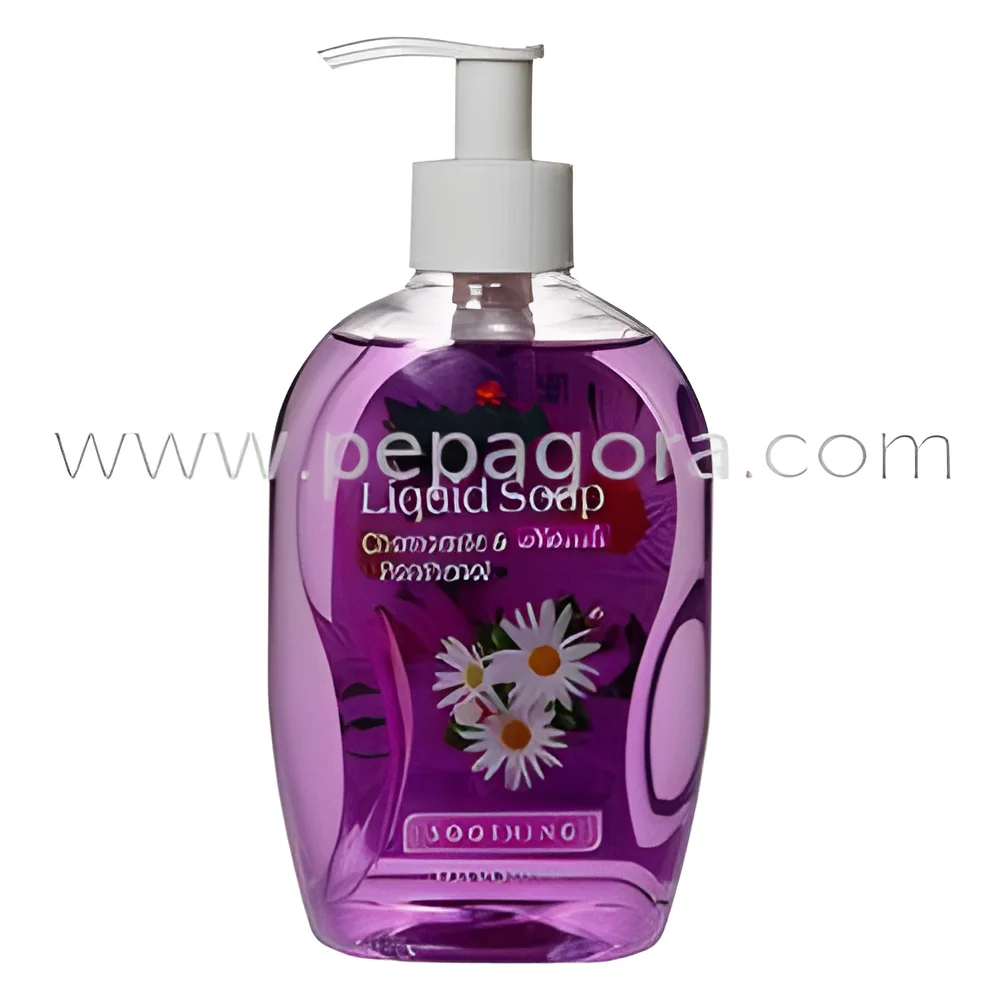
5. Personal Care: Found in soaps, shampoos, and lotions to improve sensory appeal and promote brand identity.
6. Spa and Wellness: Used in massage oils and diffusers to create a relaxing environment and enhance customer satisfaction.
7. Textile Industry: Added to fabrics and materials to impart lasting scents, improving the overall appeal of garments and linens.
𝗣𝗿𝗼𝗱𝘂𝗰𝘁 𝗩𝗮𝗿𝗶𝗮𝗻𝘁𝘀 𝗮𝗻𝗱 𝗦𝘂𝗯𝗰𝗮𝘁𝗲𝗴𝗼𝗿𝗶𝗲𝘀
The market for fragrances and essential oils is diverse, offering various options to meet specific needs.
Natural Essential Oils
These oils are derived solely from plant sources without synthetic additives. They are favored for their purity and therapeutic benefits, commonly used in aromatherapy and personal care products.
Synthetic Fragrances
Manufactured using chemical compounds, these fragrances can mimic natural scents or create entirely new aromas. They are often more cost-effective and provide consistency in scent profiles.
Organic Essential Oils
Certified organic oils are sourced from plants grown without pesticides or chemicals. They cater to the growing demand for eco-friendly and sustainable products.
Blended Fragrances
These are combinations of various essential oils and aroma compounds designed to achieve a specific scent profile. They are popular in the cosmetic and fragrance industries for their unique fragrances.
𝗕𝗲𝗻𝗲𝗳𝗶𝘁𝘀 𝗮𝗻𝗱 𝗔𝗱𝘃𝗮𝗻𝘁𝗮𝗴𝗲𝘀
Sourcing fragrances and essential oils offers several advantages for businesses.
1. Versatility: These products can be used in various applications, making them suitable for multiple industries.
2. Consumer Appeal: High-quality scents can enhance product attractiveness, leading to increased customer satisfaction and loyalty.
3. Wellness Benefits: Essential oils often come with therapeutic properties, promoting a holistic approach to health and well-being.
4. Customization: Manufacturers can create tailored scents that align with brand identity and customer preferences, allowing for differentiation in a competitive market.
5. Sustainability: Many suppliers focus on ethical sourcing and eco-friendly practices, appealing to environmentally conscious consumers.
6. Market Growth: The increasing demand for natural and organic products creates opportunities for businesses to expand their offerings and capture new market segments.
𝗕𝘂𝘆𝗶𝗻𝗴 𝗚𝘂𝗶𝗱𝗲 𝗳𝗼𝗿 𝗕𝟮𝗕 𝗕𝘂𝘆𝗲𝗿𝘀
When sourcing fragrances and essential oils, there are several factors to consider to ensure quality and suitability for your business needs.
1. Quality Assessment: Evaluate the purity and concentration of the fragrances and essential oils. Look for products with high natural ingredient percentages and certifications that guarantee quality.
2. Supplier Verification: Vet suppliers to ensure they have a reliable track record and comply with industry standards. Request samples and conduct background checks to establish credibility.
3. Pricing and MOQ: Understand the pricing structure and minimum order quantities. Negotiate terms that align with your budget and inventory needs.
4. Delivery and Lead Times: Clarify logistics, including shipping times and costs. Ensure suppliers can meet your deadlines for production and distribution.
5. Compliance Requirements: Familiarize yourself with regulatory needs, including safety standards and certifications required in your region. Ensure that your suppliers can provide documentation to support compliance.
𝗖𝗼𝗺𝗽𝗹𝗶𝗮𝗻𝗰𝗲 𝗮𝗻𝗱 𝗖𝗲𝗿𝘁𝗶𝗳𝗶𝗰𝗮𝘁𝗶𝗼𝗻𝘀
Compliance and certifications are critical aspects when dealing with fragrances and essential oils. Various standards and regulations ensure product quality and safety across industries.
ISO 9001: This quality management standard emphasizes consistent quality in production and service delivery, ensuring that suppliers maintain high operational standards.
CE Certification: Products must meet specific safety, health, and environmental protection requirements to bear the CE mark. This certification is crucial for products sold in European markets.
Safety and Testing Requirements: Fragrances and essential oils must undergo comprehensive testing to ensure they are safe for use. This includes assessments for skin sensitivity, allergens, and toxicology.
Regional Compliance: Different regions may have specific regulations regarding the use of fragrances and essential oils. It is essential for businesses to understand local laws to avoid penalties and ensure smooth market entry.
𝗪𝗵𝘆 𝗦𝗼𝘂𝗿𝗰𝗲 𝗙𝗿𝗮𝗴𝗿𝗮𝗻𝗰𝗲𝘀 & 𝗘𝘀𝘀𝗲𝗻𝘁𝗶𝗮𝗹 𝗢𝗶𝗹𝘀 𝗳𝗿𝗼𝗺 𝗣𝗲𝗽𝗮𝗴𝗼𝗿𝗮?
Pepagora provides a trusted platform for sourcing fragrances and essential oils, offering several key advantages to B2B buyers.
Verified Supplier Network: Pepagora ensures that all suppliers within its network are thoroughly vetted. This verification process guarantees reliability and confidence in sourcing high-quality products.
Streamlined RFQ Process: The platform facilitates a seamless request for quotation process, allowing buyers to easily compare prices and offerings from multiple suppliers. This efficiency helps businesses make informed purchasing decisions.
Trade Assurance and Support: Pepagora offers trade assurance programs that protect buyers against risks associated with transactions. This support provides peace of mind when sourcing products.
Regional Coverage: With a strong presence in India, the GCC, and Southeast Asia, Pepagora connects buyers with suppliers across these regions. This geographic reach enhances sourcing options and ensures access to diverse products.

 IN
IN