Key Features and Specifications
Floral extracts, particularly Rose, Jasmine, and Lavender, offer a variety of features that cater to different business needs. Their specifications can vary based on extraction methods and intended applications. Understanding these specifications is crucial for businesses looking to incorporate floral extracts into their products.
Key specifications include:
1. Aroma Profile
- Distinct scent characteristics that vary among different floral extracts.
- Each flower offers unique olfactory notes, enhancing product appeal.
2. Purity Level
- Concentration of active ingredients and absence of contaminants.
- Typically ranges from 90% to 100% depending on extraction purity.
3. Extraction Method
- Techniques like steam distillation or solvent extraction affect quality.
- Choice of method influences the concentration and aroma of the extract.
4. Shelf Life
- Longevity of the extract before quality diminishes.
- Generally ranges from 1 to 3 years when stored properly.
5. Color
- Visual appearance may vary based on the flower type and extraction method.
- Color can influence product aesthetics and consumer perceptions.
6. Solubility
- Ability to dissolve in different mediums, such as oils or water.
- Important for formulation compatibility in various products.
7. Compliance Standards
- Adherence to industry regulations and quality certifications.
- Ensures safety and efficacy in end-use applications.
8. Geographic Origin
- Source of the flowers can affect quality and aroma.
- Certain regions are known for producing superior floral extracts.
In summary, selecting the right floral extracts involves understanding these features and specifications, ensuring they align with product goals and market requirements.
Common Applications and Use Cases
Floral extracts serve a multitude of industries, each leveraging their unique properties for various applications.
1. Cosmetics: Floral extracts are used extensively in skincare and makeup products for their soothing and fragrant qualities. They enhance formulations with natural scents and benefits, appealing to consumers seeking gentle, organic alternatives.
2. Personal Care: Products such as shampoos, conditioners, and body washes often incorporate floral extracts for their pleasant fragrances and skin-nourishing properties. These extracts help create a luxurious experience for users.
3. Aromatherapy: Lavender and Jasmine extracts are popular in aromatherapy for their calming effects. They are used in diffusers, massage oils, and relaxation products to promote tranquility and reduce stress.
4. Food and Beverage: In culinary applications, floral extracts can be used to flavor desserts, beverages, and confections. Their natural sweetness and aroma can elevate the sensory experience of food products.
5. Home Fragrance: Floral extracts are commonly found in candles, room sprays, and potpourri. They provide an inviting scent to living spaces, making them popular in home decor.
6. Pharmaceutical: Some floral extracts are utilized in medicinal applications due to their potential therapeutic properties. They can be found in herbal remedies and wellness products.
7. Textile Industry: Floral extracts can be used in fabric treatments to impart fragrance to textiles. This application is particularly popular for products like linens and clothing.
Product Variants and Subcategories
The diversity of floral extracts allows businesses to choose options that best fit their needs. Though there are no specific subcategories available, several variants of popular floral extracts can be highlighted.
Rose Extract
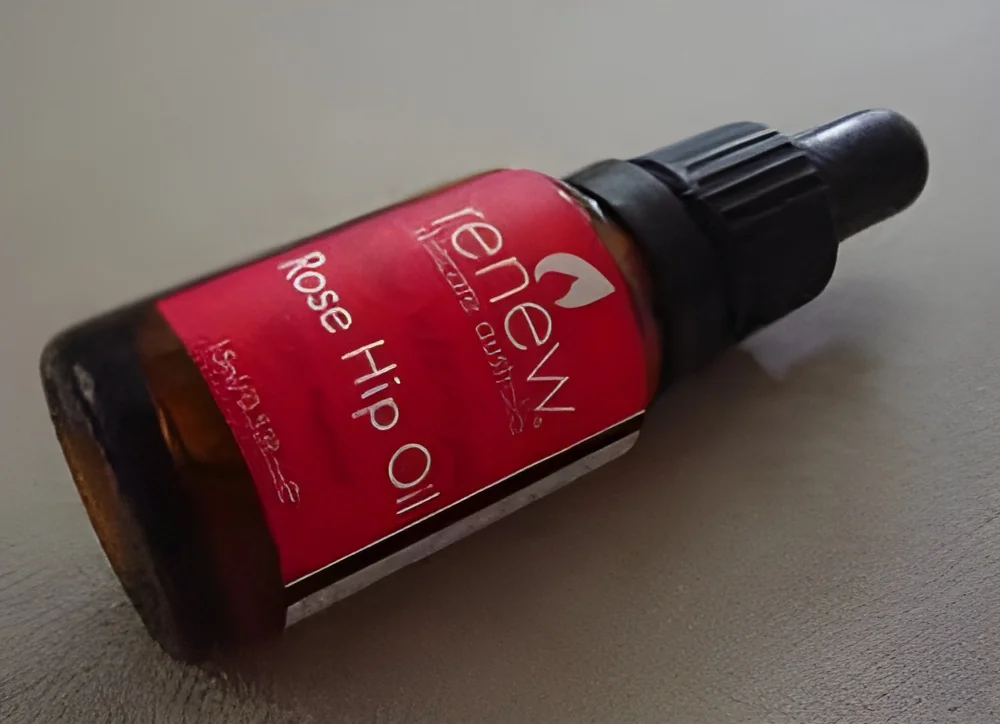
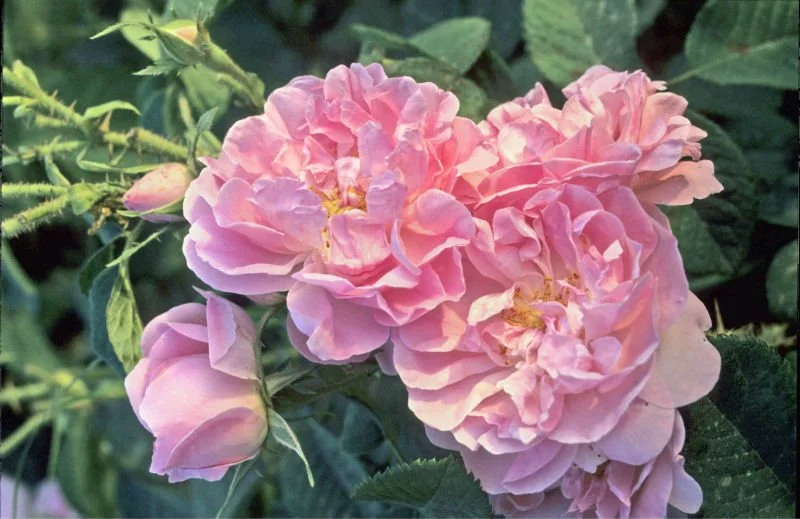
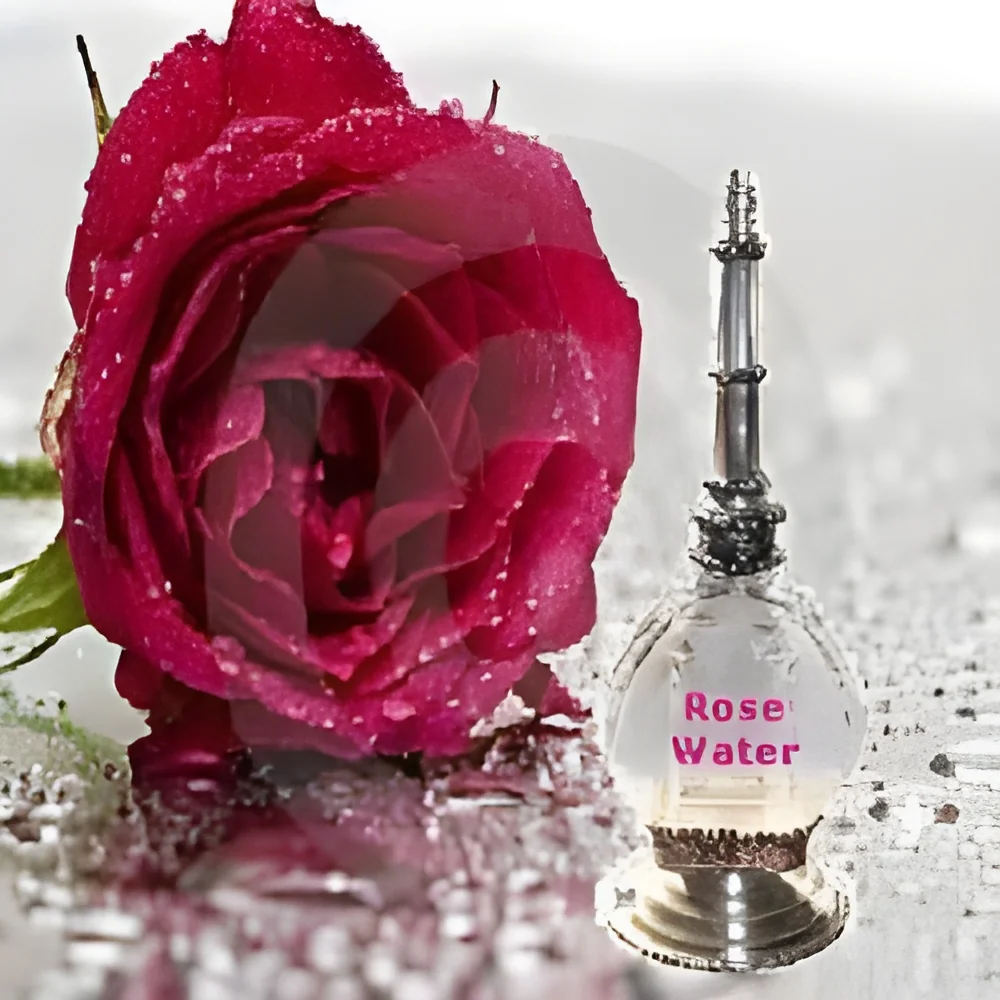
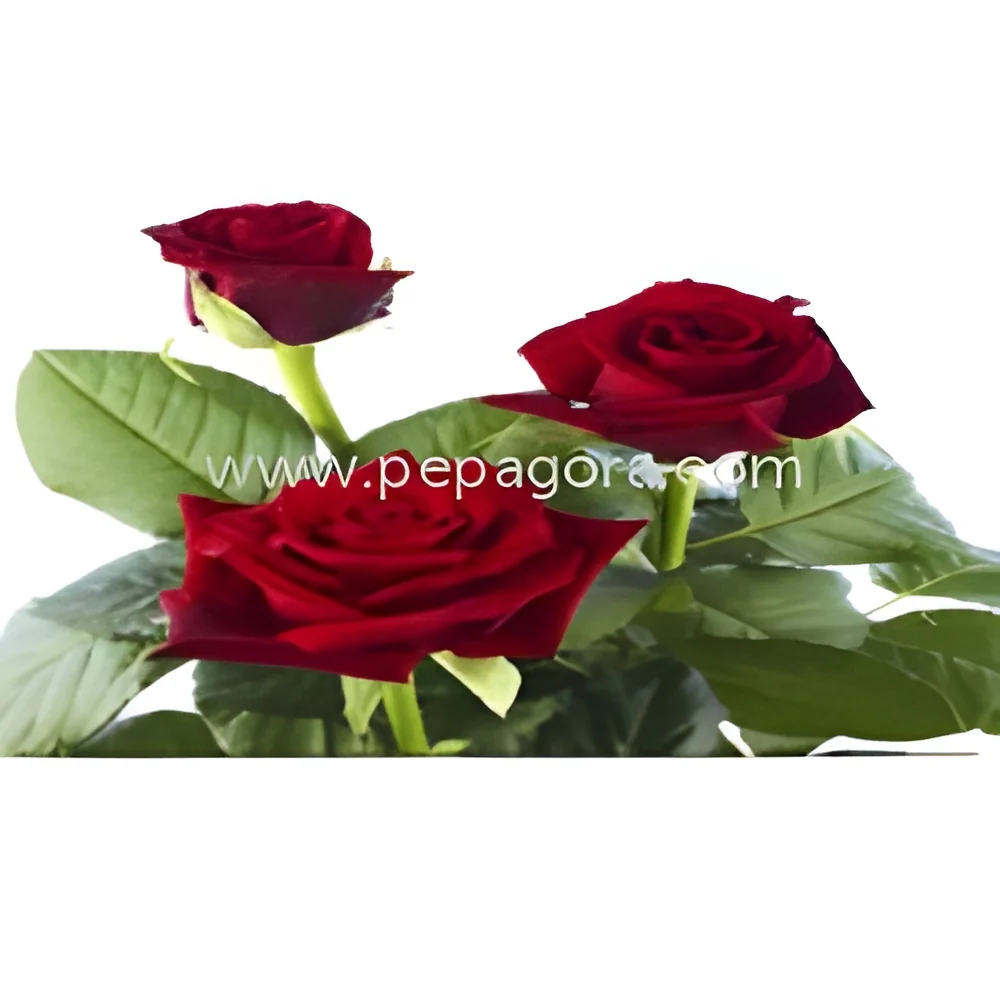
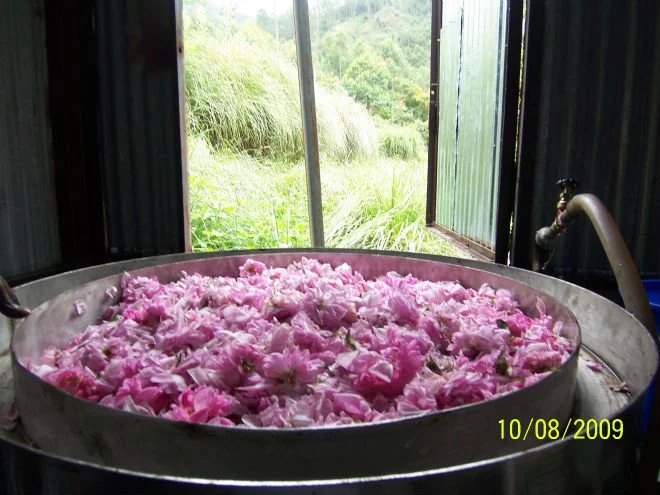
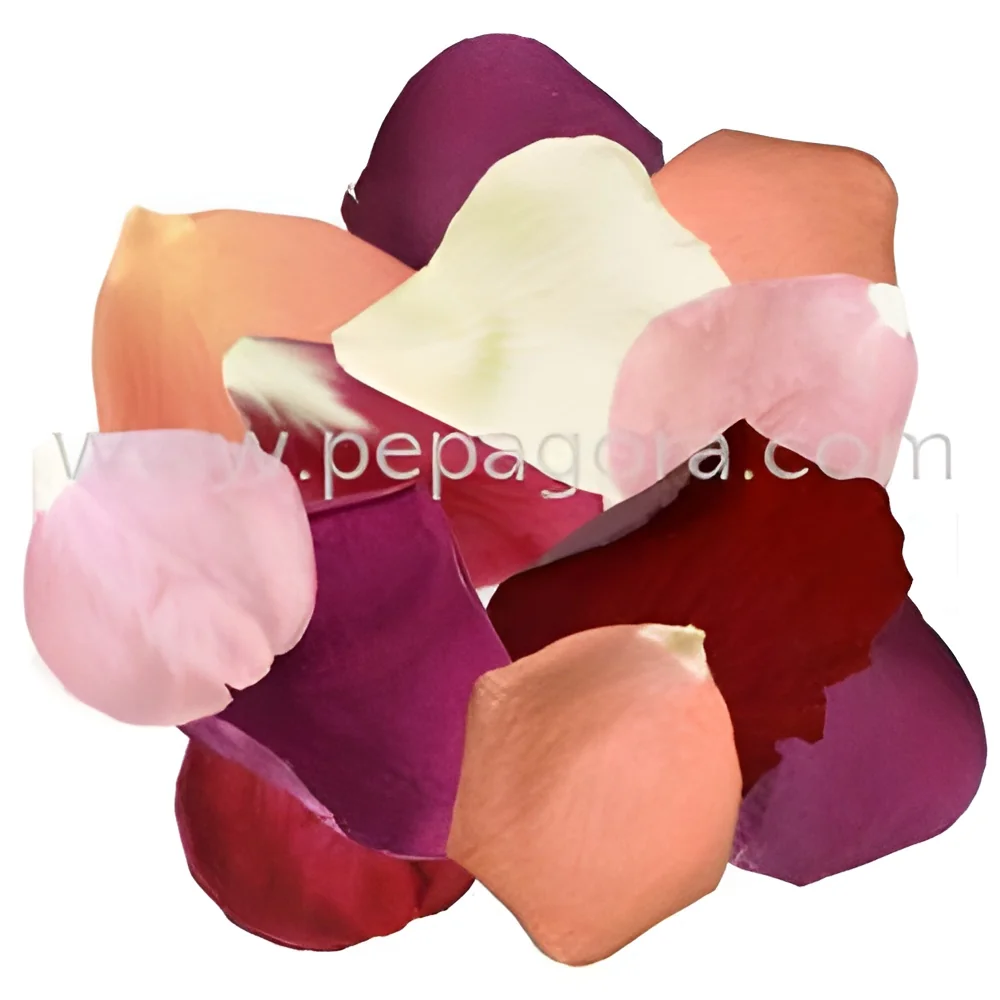
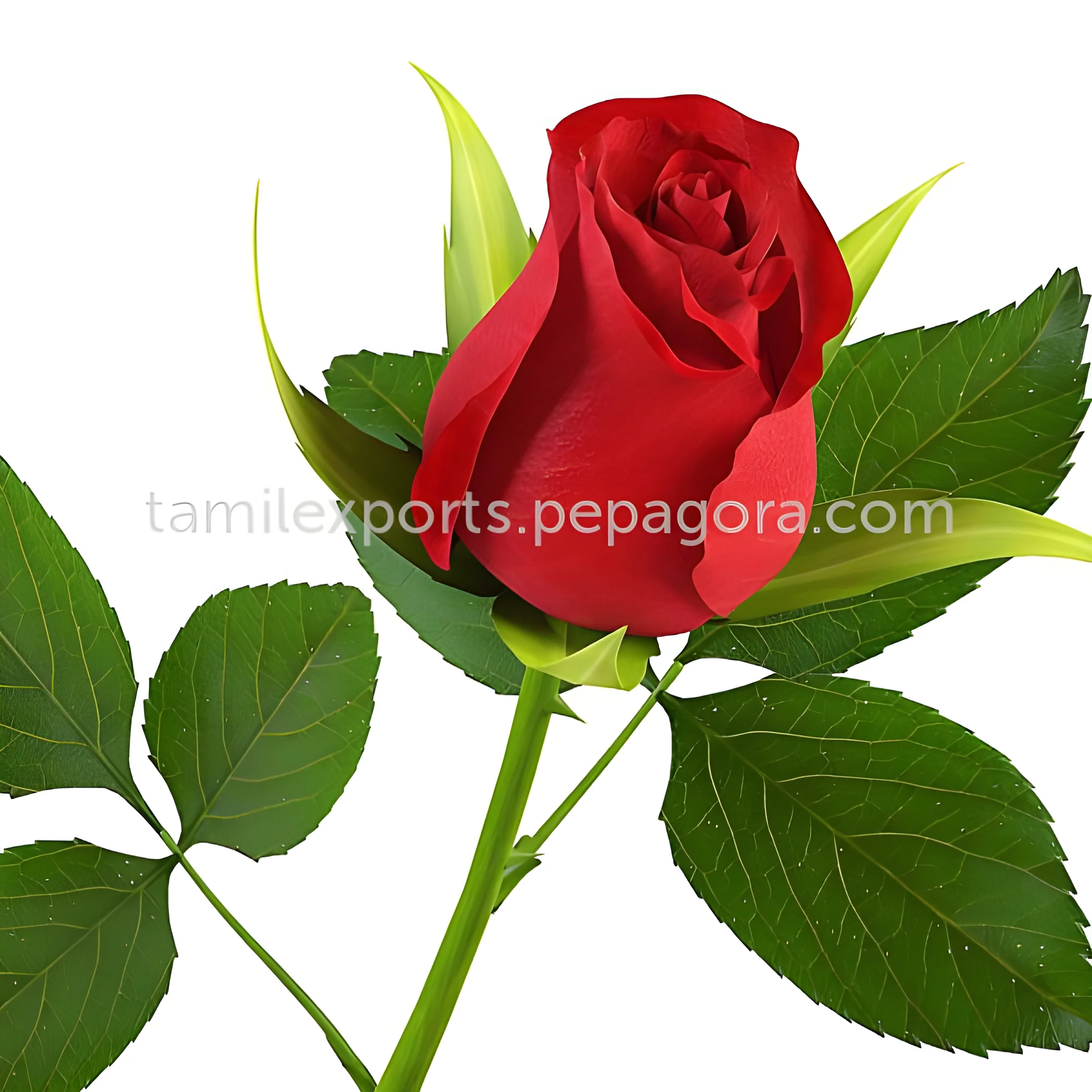
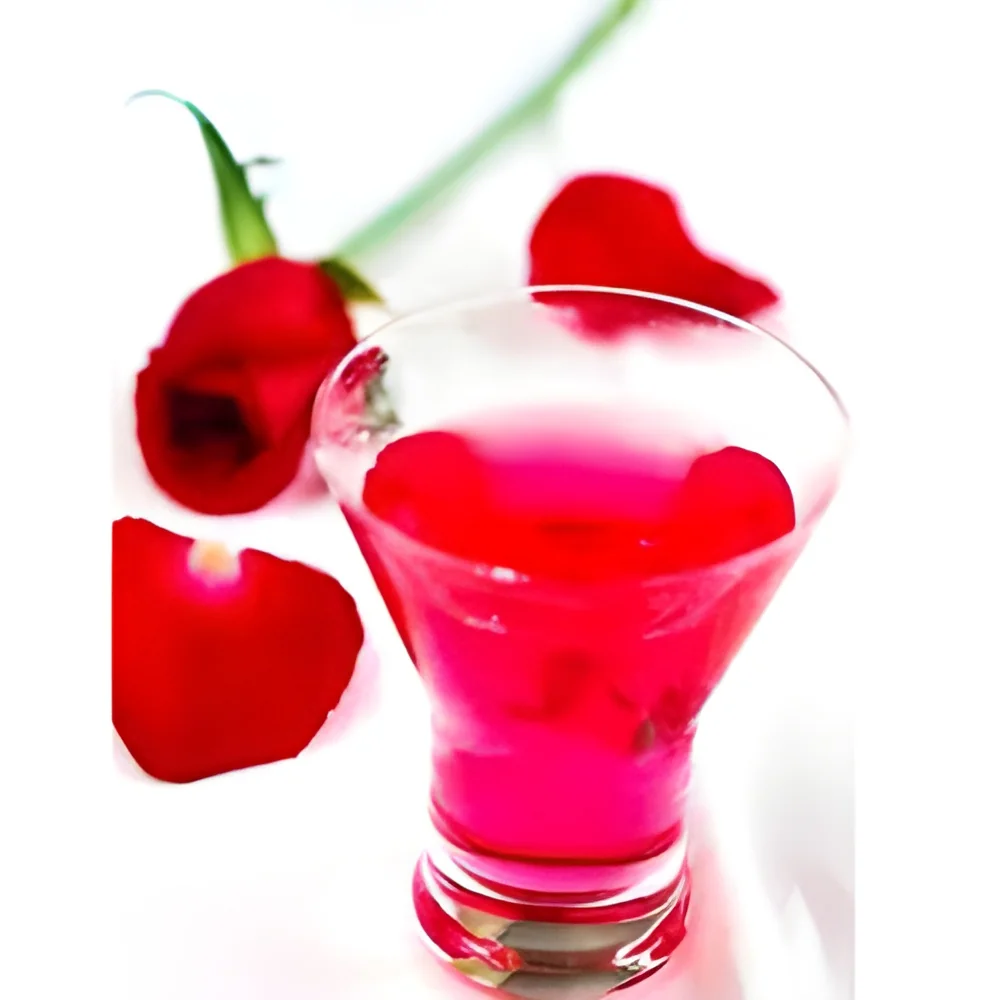
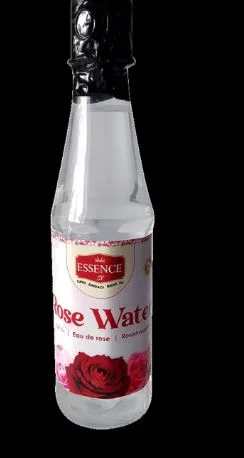
Rose extract is cherished for its luxurious fragrance and skin benefits. It is commonly used in skincare products for its hydrating and anti-inflammatory properties. Its aroma is also sought after in perfumes and aromatherapy.
Jasmine Extract
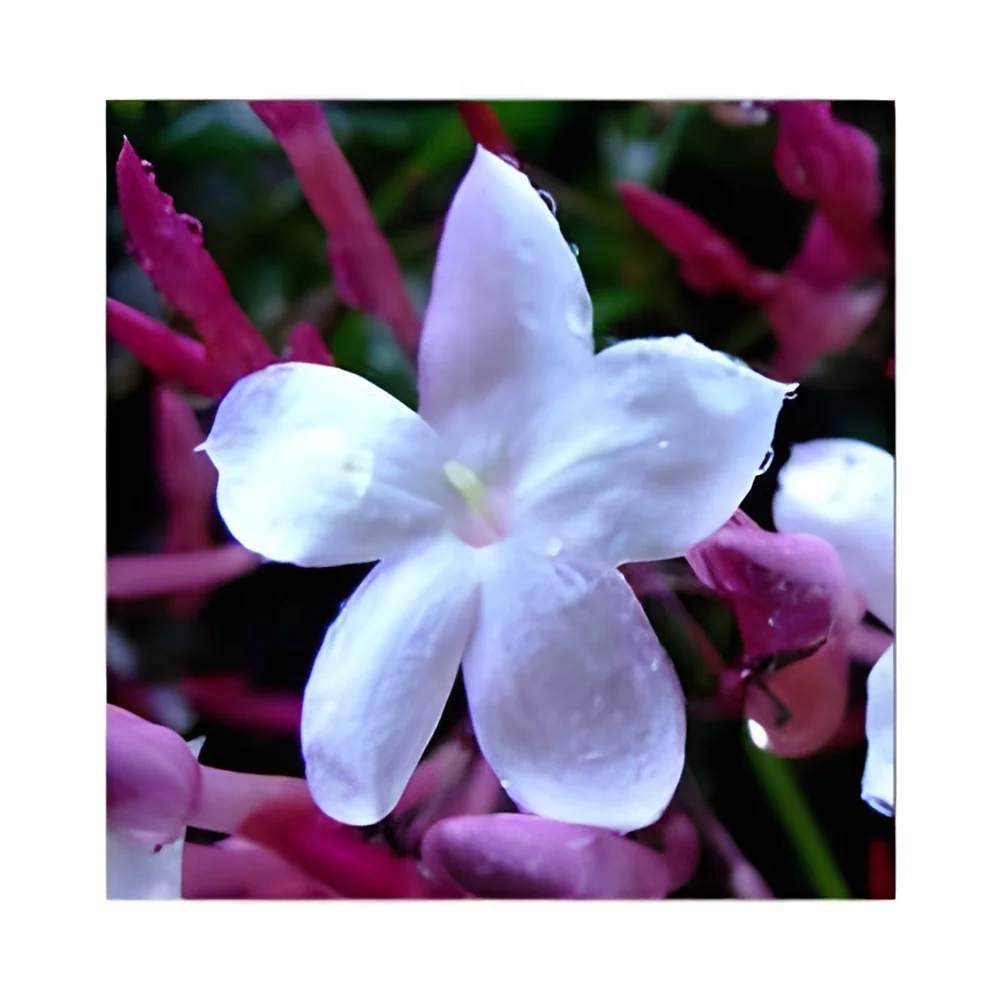
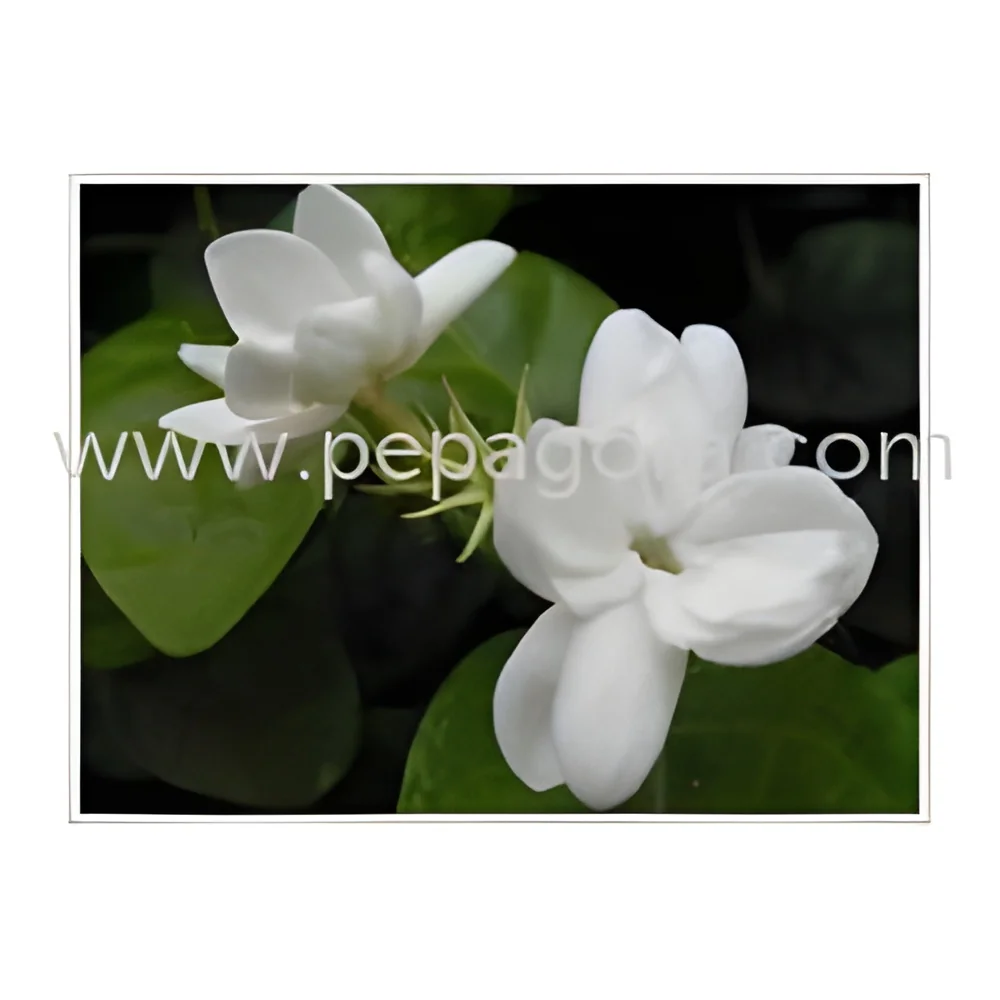
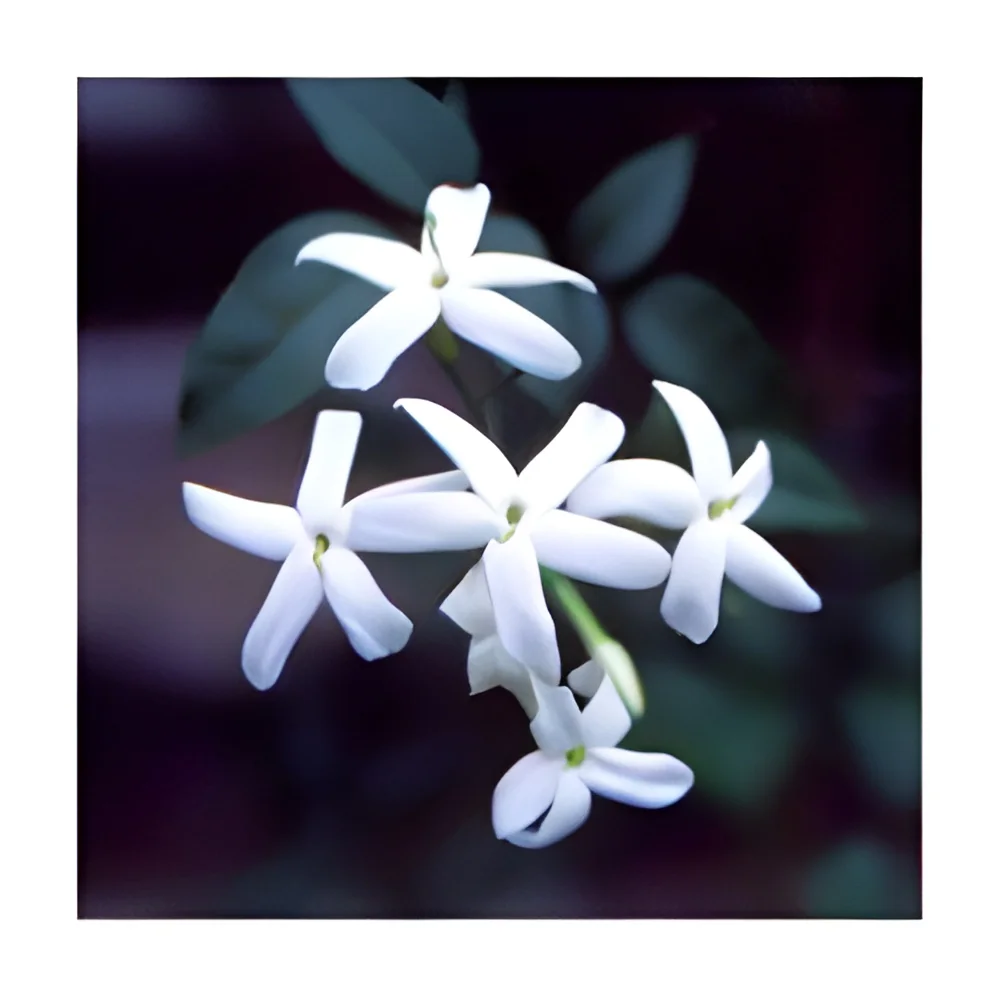
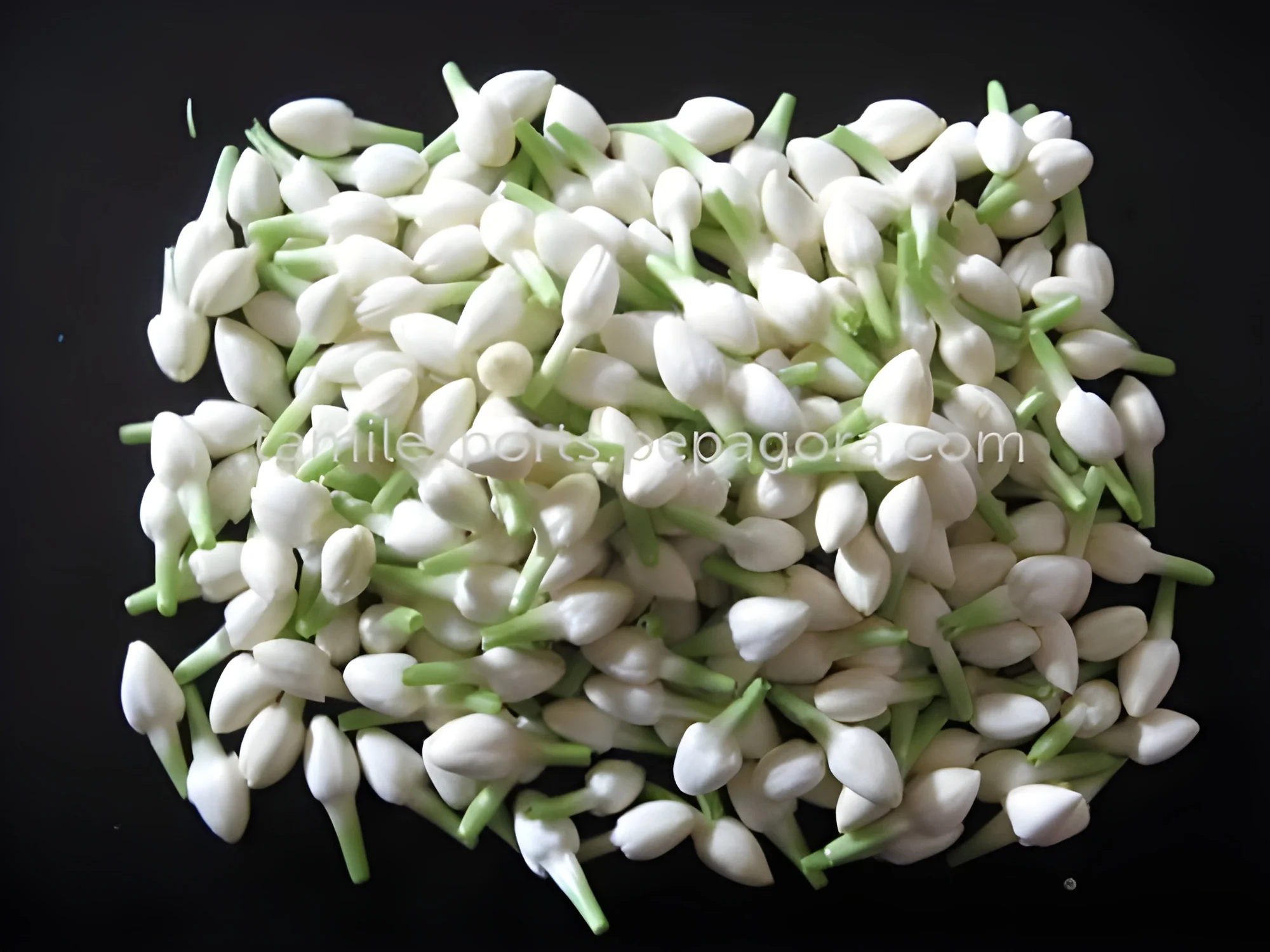
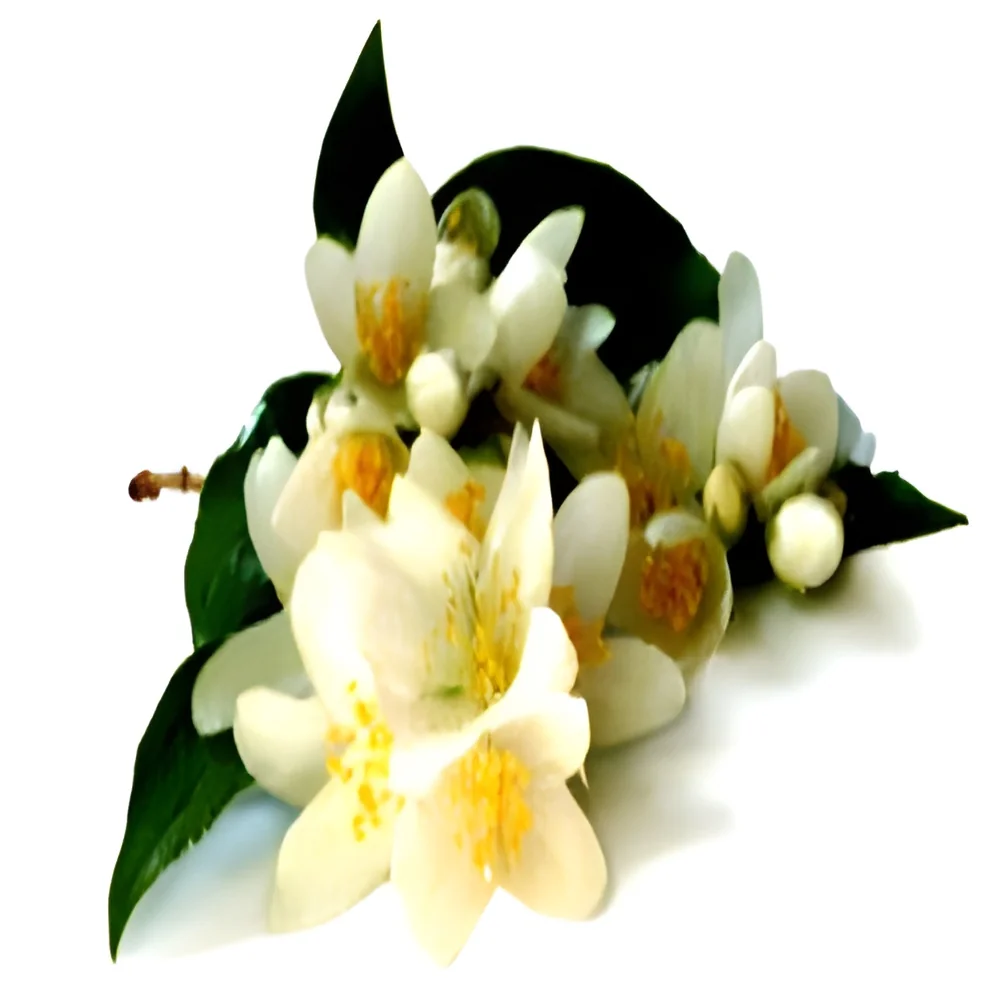
Jasmine extract is known for its sweet and exotic scent. It possesses mood-enhancing properties and is often used in perfumes and personal care items. Its ability to promote relaxation makes it a staple in aromatherapy.
Lavender Extract
Lavender extract is widely recognized for its calming scent and is often used in sleep aids and relaxation products. Its antiseptic properties make it a popular choice in skincare formulations as well.
Benefits and Advantages
Floral extracts offer numerous benefits that enhance product formulations and appeal to consumers.
1. Natural Sourcing: Floral extracts provide a natural alternative to synthetic fragrances, appealing to environmentally conscious consumers.
2. Versatile Applications: These extracts can be used across multiple industries, from cosmetics to food and home care, making them a flexible ingredient choice.
3. Therapeutic Properties: Many floral extracts are known for their calming and soothing effects, enhancing the wellness aspect of products.
4. Unique Fragrance Profiles: Each floral extract offers distinctive aromas, allowing brands to create signature scents that differentiate their products.
5. Consumer Demand: The growing trend towards natural and organic ingredients drives demand for floral extracts, positioning them favorably in the market.
6. Enhanced Product Appeal: Incorporating floral extracts can elevate the perceived quality of products, attracting discerning consumers.
Buying Guide for B2B Buyers
When sourcing Floral Extracts (Rose, Jasmine, Lavender), there are several crucial factors to consider to ensure the best selection for your business needs.
1. Quality Assessment: Evaluate the purity and concentration of the extracts. Look for suppliers who provide certificates of analysis to confirm quality standards.
2. Supplier Verification: Vet potential suppliers to ensure they meet industry standards and have a good reputation. References and reviews can be helpful in this regard.
3. Pricing and MOQ: Understand the pricing structure and minimum order quantities. Compare prices from different suppliers to ensure competitive rates.
4. Delivery and Lead Times: Discuss logistics with suppliers to determine delivery schedules. Ensure that lead times align with your production timelines.
5. Compliance Requirements: Familiarize yourself with any regulatory standards that apply to floral extracts in your region. Ensure that your suppliers comply with these regulations.
Compliance and Certifications
Floral extracts must meet specific compliance and certification standards to ensure safety and quality.
ISO 9001 is a standard that outlines quality management principles. Suppliers of floral extracts should ideally be certified to this standard, demonstrating their commitment to consistent quality.
HACCP (Hazard Analysis and Critical Control Points) is essential for those extracts used in food and beverage applications. This certification ensures that suppliers have identified potential hazards and established controls to ensure product safety.
CE marking is important for products sold in the European market, indicating compliance with health, safety, and environmental protection standards.
Safety and testing requirements are critical for floral extracts, particularly when used in cosmetics and personal care products. Suppliers should adhere to rigorous testing protocols to ensure that their extracts are safe for consumer use.
Regional compliance considerations may vary, so it's important to understand the specific regulations applicable in your target markets.
Why Source Floral Extracts (Rose, Jasmine, Lavender) from Pepagora?
Pepagora offers a reliable platform for sourcing Floral Extracts (Rose, Jasmine, Lavender) with several key advantages that benefit B2B buyers.
Verified Supplier Network: Pepagora connects buyers with a network of verified suppliers, ensuring that they meet industry standards and provide quality products. This reduces the risk associated with sourcing.
Streamlined RFQ Process: The platform features an efficient Request for Quotation (RFQ) system, allowing buyers to easily obtain quotes from multiple suppliers. This simplifies the procurement process and encourages competitive pricing.
Trade Assurance and Support: Pepagora provides buyer protection through trade assurance policies, ensuring that transactions are secure. Buyers can have peace of mind when making purchases.
Regional Coverage: With a strong presence in India, the GCC, and Southeast Asia, Pepagora allows buyers to source floral extracts from a wide geographic area, facilitating access to high-quality products from various regions.
By choosing Pepagora, businesses can streamline their sourcing process and benefit from a robust support system, ensuring they acquire the best floral extracts for their needs.

 IN
IN