What are Bulk Essential Oil Suppliers?
Bulk essential oil suppliers provide high volumes of essential oils to various businesses across different industries. These suppliers specialize in sourcing, processing, and distributing a variety of essential oils derived from plants. Essential oils are concentrated extracts that capture the natural fragrance and properties of the source material. Companies often rely on these suppliers to meet their production needs while ensuring consistency in quality and availability.
The primary uses of bulk essential oils span multiple applications, including aromatherapy, cosmetics, food and beverage flavoring, and natural cleaning products. Businesses in the wellness, beauty, and culinary sectors commonly utilize these oils for their therapeutic and aromatic benefits. As demand for natural and organic products continues to rise, bulk essential oil suppliers play a crucial role in enabling companies to incorporate these sought-after ingredients into their offerings.
In the current market context, the essential oil industry is experiencing significant growth driven by an increased consumer focus on health and wellness. This trend has led to a surge in demand for natural ingredients in consumer products. Suppliers must stay updated on market trends and regulations to remain competitive and meet the evolving needs of their clients.
Key Features and Specifications
Bulk essential oil suppliers offer a range of products with specific features and specifications tailored to meet the requirements of various industries. Understanding these specifications is essential when sourcing essential oils for business applications.
Key specifications include:
1. Purity Level
- Most suppliers provide oils with varying levels of purity, often exceeding 90%.
- Purity is critical for applications in cosmetics and food products.
2. Sourcing Methods
- Essential oils can be sourced through methods like steam distillation or cold pressing.
- Each method affects the oil's profile and quality.
3. Packaging Options
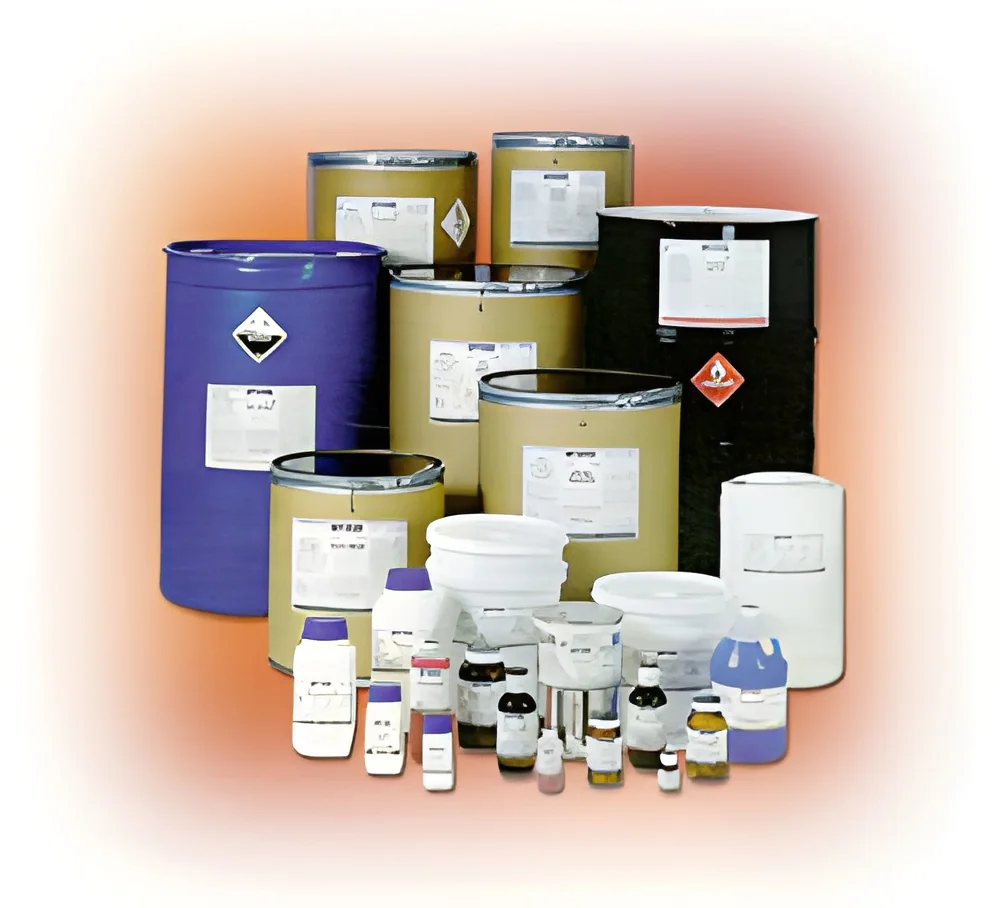
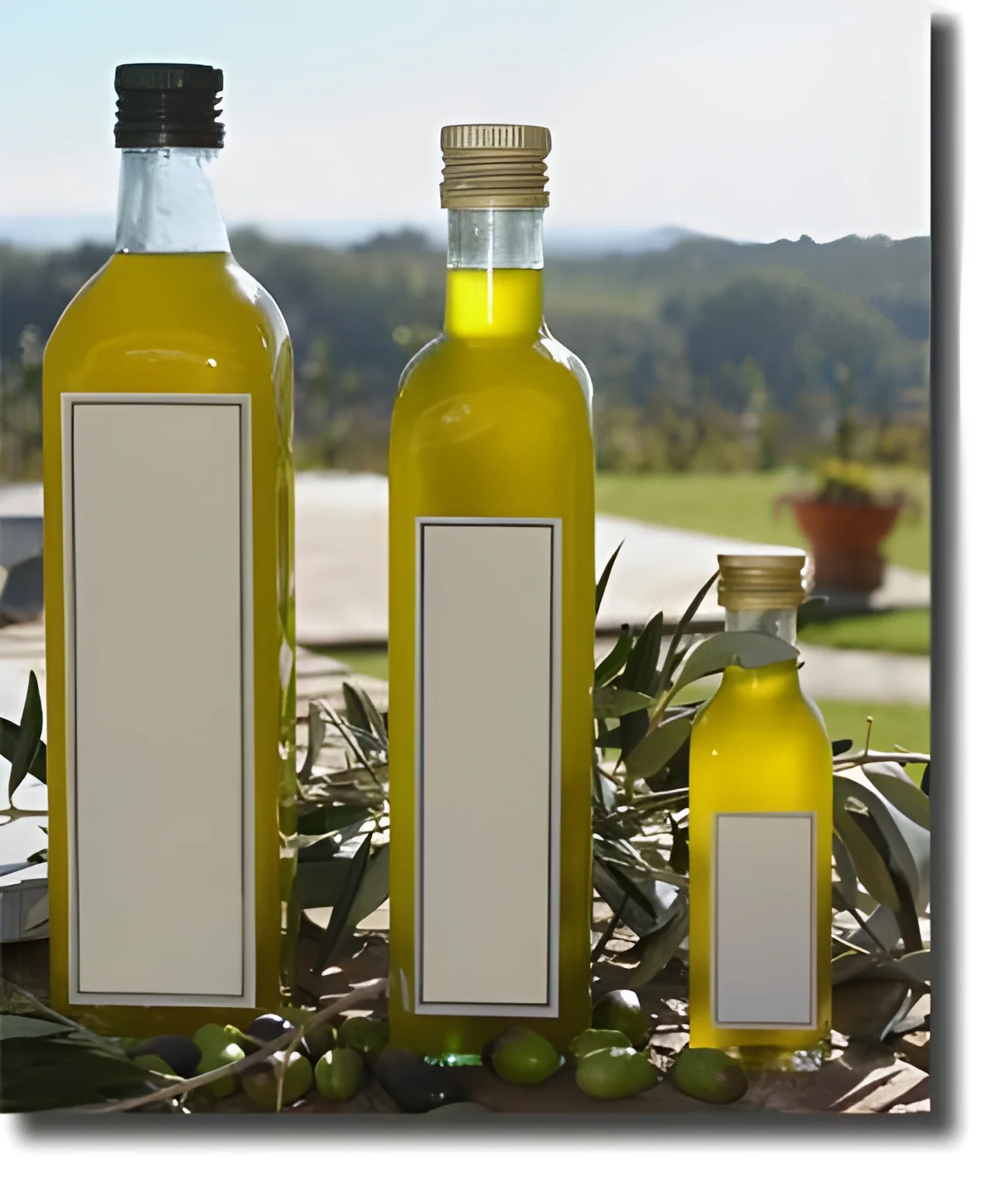
- Suppliers offer bulk packaging solutions, including drums, jerry cans, and glass bottles.
- Packaging must ensure product integrity and stability.
4. Shelf Life
- The shelf life of essential oils typically ranges from 1 to 3 years.
- Proper storage conditions can extend the usability of the oils.
5. Compliance Standards
- Suppliers must adhere to industry standards such as ISO 9001 and HACCP.
- Compliance ensures safety and quality in production.
6. Customization Options
- Some suppliers offer blending services to create custom essential oil blends.
- Customization can cater to specific client needs and preferences.
7. Geographic Sourcing
- Oils may be sourced from different regions, impacting their aroma and therapeutic properties.
- Regional sourcing can also affect pricing and availability.
8. Testing Procedures
- Quality testing is conducted to verify the chemical composition and purity.
- Testing can include gas chromatography and mass spectrometry.
Understanding these specifications helps businesses select the right supplier for their needs and ensures they receive high-quality products.
Common Applications and Use Cases
Bulk essential oils find extensive applications across various industries, each leveraging the unique properties of these natural extracts.
1. Aromatherapy: Essential oils are widely used in aromatherapy to promote relaxation and well-being. They are often diffused or blended into massage oils for therapeutic benefits.
2. Cosmetics: The beauty industry incorporates essential oils into skincare products for their moisturizing and fragrant properties. They are used in creams, lotions, and serums.
3. Food and Beverage: Many food manufacturers utilize essential oils as natural flavorings. Oils such as peppermint or citrus are popular for enhancing taste in various products.
4. Cleaning Products: Companies in the cleaning sector use essential oils for their antibacterial and refreshing qualities. Oils like tea tree and eucalyptus are common ingredients.
5. Pharmaceuticals: Some essential oils are used in medicinal formulations due to their potential health benefits. They may be included in topical treatments or health supplements.
6. Candles and Home Fragrances: Essential oils are key components in scented candles and home fragrance products. They provide natural aroma without synthetic additives.
7. Spa and Wellness: Spas use essential oils in treatments and therapies to enhance relaxation and improve the overall experience for clients.
Product Variants and Subcategories
Bulk essential oils come in various forms and blends, catering to diverse needs and preferences in the market.
Lavender Essential Oil
Lavender essential oil is known for its calming properties and is widely used in aromatherapy and personal care products. Its soothing aroma makes it a popular choice for relaxation and sleep aids.
Peppermint Essential Oil
Peppermint essential oil is highly versatile and used in food flavoring, cosmetics, and aromatherapy. Its invigorating scent and cooling sensation make it a favorite in many applications.
Tea Tree Essential Oil
Tea tree essential oil is renowned for its antiseptic properties and is frequently used in skincare products for acne treatment. It is also popular in cleaning products for its antibacterial qualities.
Lemon Essential Oil
Lemon essential oil is valued for its bright, uplifting aroma and is commonly used in food and beverage applications. Its natural cleansing properties make it a great addition to household cleaners.
Benefits and Advantages
Sourcing bulk essential oils provides numerous benefits to businesses looking to enhance their product offerings and meet consumer demand.
Key benefits include:
1. Cost Efficiency: Purchasing essential oils in bulk reduces the per-unit cost, allowing businesses to save money on production.
2. Consistent Supply: Reliable suppliers ensure a steady supply of essential oils, minimizing disruptions in production.
3. High Quality: Reputable suppliers offer high-quality essential oils, which are crucial for maintaining product integrity.
4. Custom Formulations: Many suppliers provide options for custom blends, allowing businesses to differentiate their products.
5. Eco-Friendly Options: Sourcing from suppliers who prioritize sustainable practices can enhance a company's environmental credentials.
6. Regulatory Compliance: Working with certified suppliers ensures that the products meet industry regulations, providing peace of mind for businesses.
Buying Guide for B2B Buyers
When sourcing bulk essential oils, B2B buyers should consider several key factors to ensure they make informed purchasing decisions.
1. Quality Assessment: Buyers should evaluate the quality of essential oils by requesting samples and reviewing quality certifications. Understanding the source and extraction methods is essential.
2. Supplier Verification: It is crucial to vet suppliers by checking their credentials, customer reviews, and certifications. This helps ensure reliability and consistency.
3. Pricing and MOQ: Buyers should inquire about pricing structures and minimum order quantities (MOQ) to find a supplier that fits their budget and needs.
4. Delivery and Lead Times: Understanding delivery timelines and logistics is important for planning production schedules. Buyers should confirm lead times before placing orders.
5. Compliance Requirements: Buyers must be aware of regulatory standards applicable to their industry. This includes understanding labeling, safety, and testing requirements.
Compliance and Certifications
Compliance with industry standards and certifications is critical for bulk essential oil suppliers to ensure product safety and quality.
Relevant quality standards such as ISO 9001 and HACCP are essential for maintaining a high level of quality control throughout the supply chain. These standards help ensure that suppliers adhere to consistent practices in sourcing, processing, and distributing essential oils.
Industry certifications like UL and CE verify that products meet safety and performance standards. Suppliers with these certifications demonstrate their commitment to quality and safety in their offerings.
Safety and testing requirements are paramount in the essential oils industry. Suppliers should conduct regular testing to ensure that their products are free from contaminants and meet specified purity levels.
Regional compliance considerations may vary, and suppliers must navigate regulations specific to their geographic markets. This includes understanding labeling requirements and ensuring that products are compliant with local laws.
Why Source Bulk Essential Oil Suppliers from Pepagora?
Pepagora offers a trusted platform for sourcing bulk essential oil suppliers, providing several key advantages for businesses.
Verified Supplier Network: Pepagora has a comprehensive verification process for suppliers, ensuring that all listed companies meet high standards of quality and reliability. This instills confidence in buyers when selecting suppliers.
Streamlined RFQ Process: The platform features a user-friendly Request for Quotation (RFQ) system that simplifies the procurement process. Buyers can easily compare quotes from multiple suppliers to find the best options.
Trade Assurance and Support: Pepagora provides trade assurance to protect buyers against risks associated with transactions. This includes support for dispute resolution and facilitating smooth communication between buyers and suppliers.
Regional Coverage: Pepagora has a wide geographic reach, covering markets in India, the GCC, and Southeast Asia. This allows businesses to connect with suppliers that can meet their specific regional needs and preferences.

 IN
IN