Key Features and Specifications
Carrier oils possess distinct features that define their quality and usability in various industries. Understanding these specifications is vital for businesses when selecting the right carrier oil for their needs.
Key specifications include:
1. Oil Type
- Jojoba Oil: Liquid wax ester, closely resembles human sebum.
- Coconut Oil: Solid at room temperature, melts above 24 degrees Celsius.
- Almond Oil: Light and non-greasy, suitable for sensitive skin.
2. Extraction Method
- Cold-pressed: Retains nutrients and is preferred for cosmetic use.
- Refined: Involves processing, may lose some natural properties.
3. Fatty Acid Composition
- Jojoba Oil: Rich in long-chain fatty acids and wax esters.
- Coconut Oil: High in saturated fats, particularly lauric acid.
- Almond Oil: Contains oleic acid and linoleic acid, beneficial for skin.
4. Shelf Life
- Jojoba Oil: Approximately 2 years.
- Coconut Oil: Around 2-3 years.
- Almond Oil: Generally lasts 1 year.
5. Color and Aroma
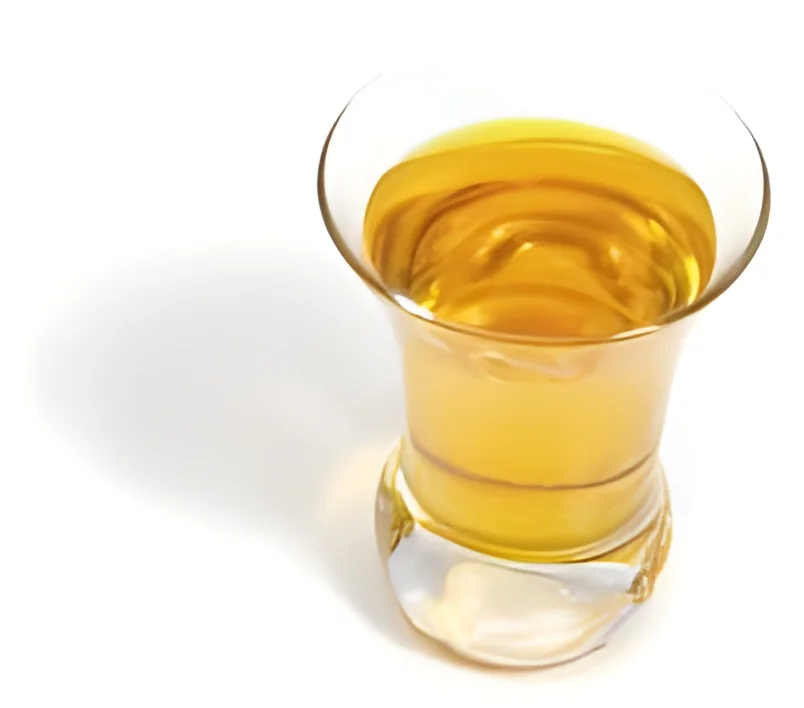
- Jojoba Oil: Light yellow, nearly odorless.
- Coconut Oil: White when solid, mild coconut scent.
- Almond Oil: Pale yellow with a subtle nutty aroma.
6. Viscosity
- Jojoba Oil: Light and easily absorbed.
- Coconut Oil: Viscous but melts easily when warmed.
- Almond Oil: Medium viscosity, smooth texture.
7. Nutritional Profile
- Jojoba Oil: Contains vitamins E and B-complex.
- Coconut Oil: Provides medium-chain triglycerides (MCTs).
- Almond Oil: Rich in vitamin E and antioxidants.
In summary, choosing the right carrier oil involves understanding its features and specifications. These factors can significantly influence the performance and appeal of the final product.
Common Applications and Use Cases
Carrier oils are highly versatile and serve various industries, including:
1. Cosmetics: Jojoba, coconut, and almond oils are commonly used in skincare products, such as moisturizers and serums, due to their nourishing properties.
2. Personal Care: These oils are ideal for formulating hair care products, including conditioners and treatments that enhance shine and manageability.
3. Aromatherapy: Carrier oils act as a base for essential oils, facilitating safe application during massages and other therapeutic practices.
4. Food Industry: Some carrier oils, particularly coconut and almond oil, are used in cooking and food preparation, valued for their health benefits.
5. Pharmaceutical: Carrier oils serve as excipients in drug formulations, aiding in the delivery of active ingredients.
6. Candle Making: Certain carrier oils are utilized in the production of scented candles, helping to disperse fragrance evenly.
7. Craft and DIY: DIY enthusiasts often use carrier oils in homemade beauty products, soaps, and lotions for their skin benefits.
Product Variants and Subcategories
Carrier oils are available in various forms, providing options for different business needs.
Jojoba Oil
This oil is known for its excellent moisturizing properties and skin compatibility. It is often used in cosmetics and skincare formulations due to its ability to absorb quickly without leaving a greasy residue.
Coconut Oil
Coconut oil is prized for its versatility and natural antimicrobial properties. It is widely used in cooking, cosmetics, and as a base for personal care products, making it a popular choice for businesses looking for multifunctional ingredients.
Almond Oil
Almond oil is celebrated for its light texture and nourishing qualities. It is commonly used in massage oils, skincare products, and as a carrier for essential oils, appealing to brands focused on natural ingredients.
Benefits and Advantages
Using carrier oils presents several benefits for businesses in various industries.
1. Skin Compatibility: Jojoba, coconut, and almond oils are gentle on the skin, making them suitable for all skin types, including sensitive skin.
2. Nutrient-Rich: These oils provide essential fatty acids and vitamins that enhance skin health and improve product efficacy.
3. Versatility: Carrier oils can be used in various applications, from cosmetics to cooking, providing flexibility in product development.
4. Natural Solutions: With the growing consumer preference for natural products, carrier oils align with the trend towards clean and organic formulations.
5. Cost-Effective: These oils are available at competitive prices, allowing businesses to formulate high-quality products without exceeding budget constraints.
6. Sustainable Sourcing: Many suppliers offer ethically sourced options, appealing to environmentally conscious brands and consumers.
Buying Guide for B2B Buyers
When sourcing carrier oils, businesses should consider several key factors to ensure they make informed decisions.
1. Quality Assessment: Evaluate the purity and extraction methods of carrier oils. Cold-pressed options are generally preferred for their superior quality.
2. Supplier Verification: Research suppliers to ensure they meet industry standards for quality and sustainability. Look for certifications and customer reviews.
3. Pricing and MOQ: Understand the pricing structure and minimum order quantities. Compare offers from multiple suppliers to find the best value.
4. Delivery and Lead Times: Consider logistics and delivery schedules. Ensure that suppliers can meet your timeline for production needs.
5. Compliance Requirements: Verify that the oils meet relevant regulations and industry standards. This may include certifications such as CE and adherence to safety requirements.
Compliance and Certifications
Carrier oils must adhere to various quality standards and certifications to ensure they are safe and effective for commercial use. Key standards include ISO 9001, which outlines quality management systems, and HACCP, focusing on food safety management.
Industry certifications such as CE indicate compliance with European health, safety, and environmental protection standards. These certifications help businesses assure consumers of the quality and safety of their products.
Safety and testing requirements are crucial, especially when used in cosmetic and food applications. Regular testing for contaminants and ensuring proper labeling are essential for maintaining compliance.
Regional compliance considerations vary by market. Businesses must be aware of specific regulations that apply to the regions where they sell their products to avoid potential legal issues.
Why Source Carrier Oils (Jojoba, Coconut, Almond) from Pepagora?
Pepagora is a trusted platform for sourcing carrier oils, offering several advantages for B2B buyers.
Verified Supplier Network: Pepagora connects businesses with a network of verified suppliers. This ensures that buyers can access high-quality carrier oils that meet their specific requirements.
Streamlined RFQ Process: The platform offers an efficient request for quotation (RFQ) process. Buyers can easily request quotes from multiple suppliers, saving time and effort in sourcing.
Trade Assurance and Support: Pepagora provides trade assurance, protecting buyers against potential risks associated with transactions. This support gives businesses peace of mind when sourcing products.
Regional Coverage: The platform has a strong presence in India, the GCC, and Southeast Asia, allowing businesses to tap into diverse markets and suppliers, enhancing their sourcing options.
Overall, Pepagora is committed to facilitating smooth transactions for businesses seeking quality carrier oils, making it an ideal choice for B2B buyers.

 IN
IN