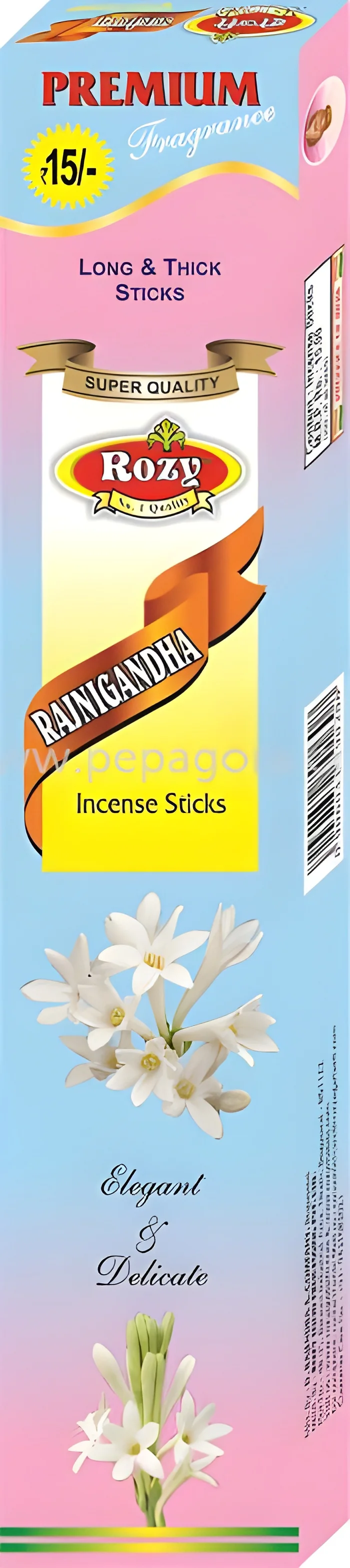
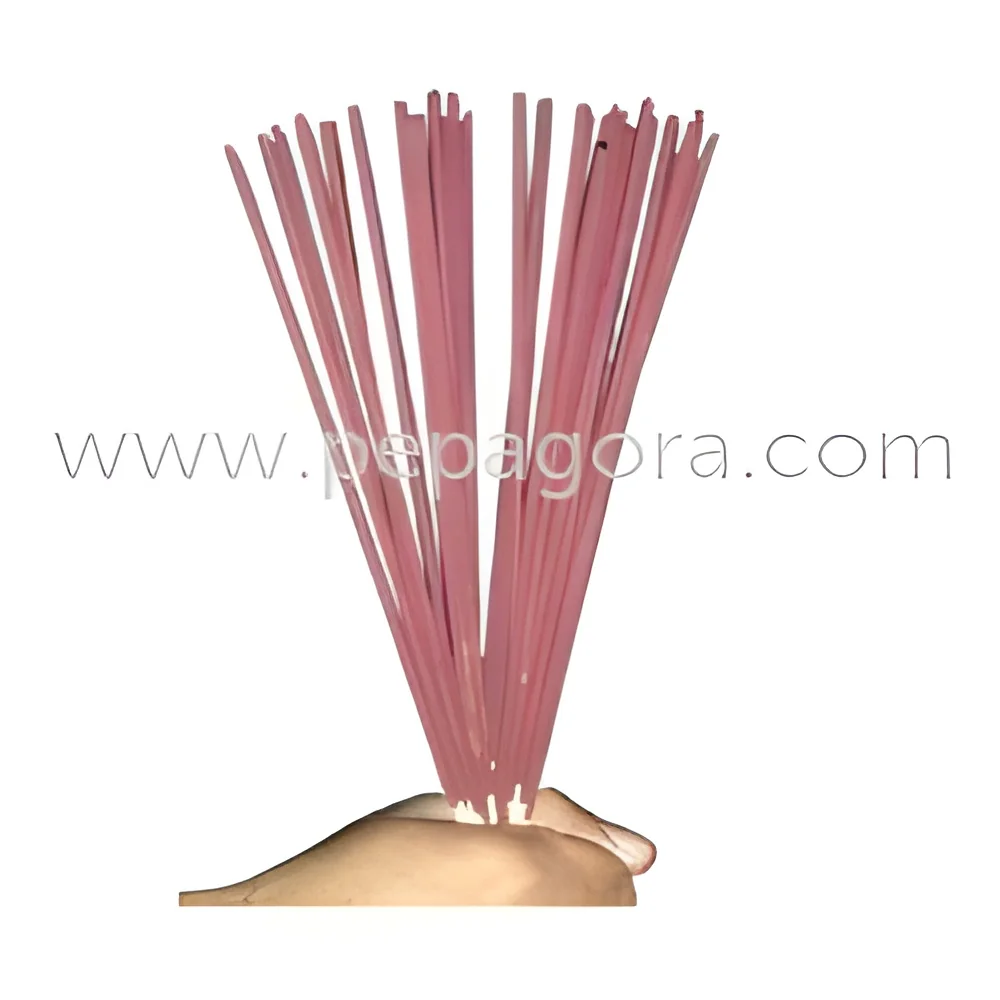
What are Floral Fragrances?
Floral fragrances are aromatic compounds derived from flowers, used extensively in various industries to create pleasing scents. These fragrances can be natural, extracted from real flowers, or synthetic, created using chemical processes to mimic floral scents. They play a significant role in enhancing the sensory experience of products and environments, making them essential in the fragrance, cosmetics, and home care sectors.
The primary applications of floral fragrances include use in perfumes, personal care products, household items, and industrial applications such as air fresheners and cleaning agents. Businesses leverage these fragrances to create brand identity, evoke emotions, and improve user experience. As consumer preferences shift towards more natural and sustainable products, the demand for floral fragrances continues to grow, reflecting a broader trend in the market towards environmentally friendly and ethically sourced ingredients.
In a rapidly evolving market, floral fragrances are not only relevant but also critical for companies looking to differentiate their offerings. The ability to provide unique and appealing scents can significantly influence consumer purchasing decisions, driving the demand for innovative fragrance solutions across various sectors.
Key Features and Specifications
Floral fragrances come with a variety of features and specifications that make them suitable for different applications. Understanding these characteristics is crucial for businesses looking to incorporate floral fragrances into their products.
Key specifications include:
1. Composition
- Floral fragrances may consist of natural essential oils or synthetic aroma compounds.
- The balance between natural and synthetic ingredients can affect scent strength and longevity.
2. Concentration Levels
- Different concentrations such as eau de parfum, eau de toilette, and eau de cologne define the intensity of the fragrance.
- Concentration impacts the pricing and application method.
3. Scent Profiles
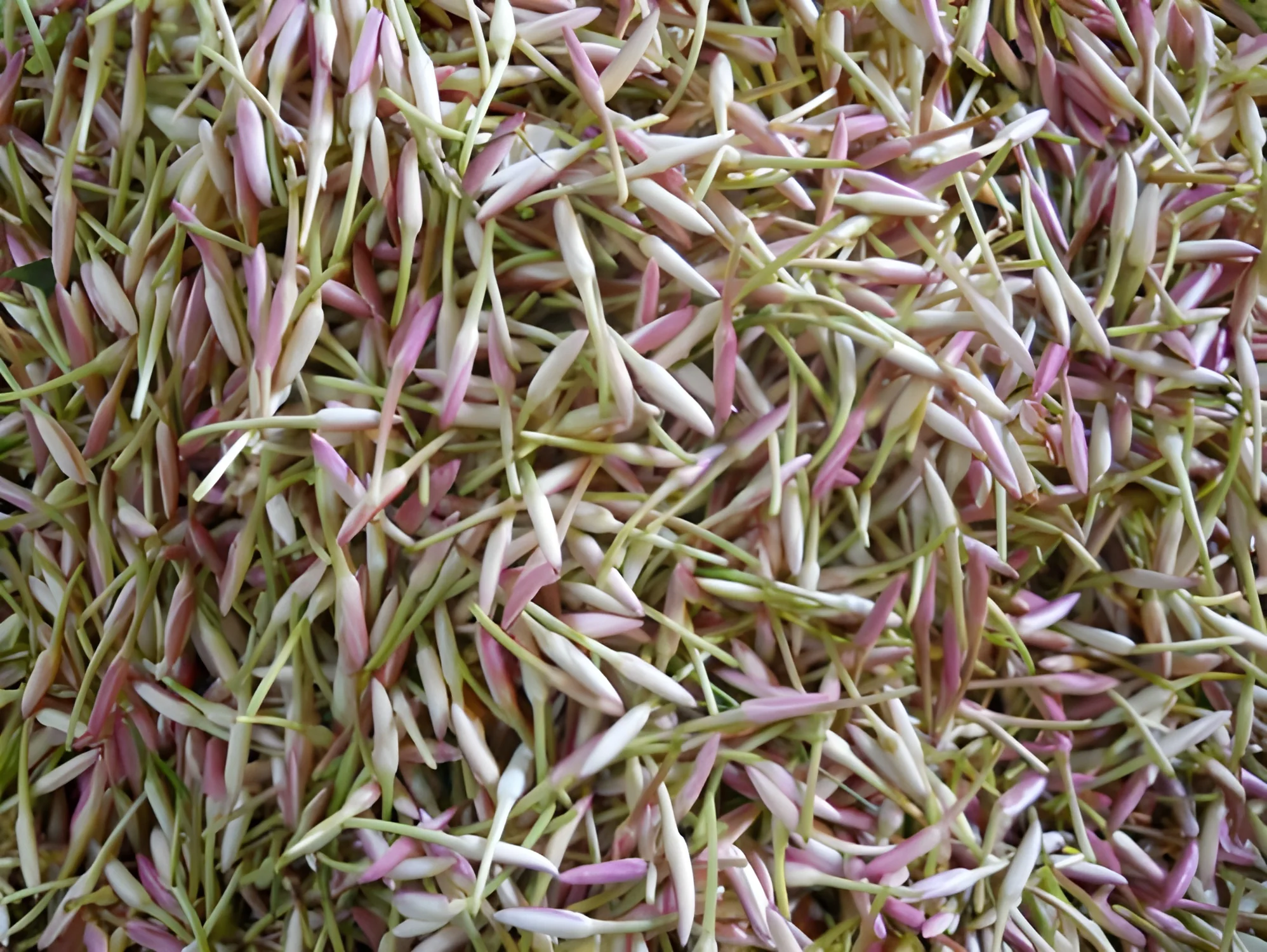
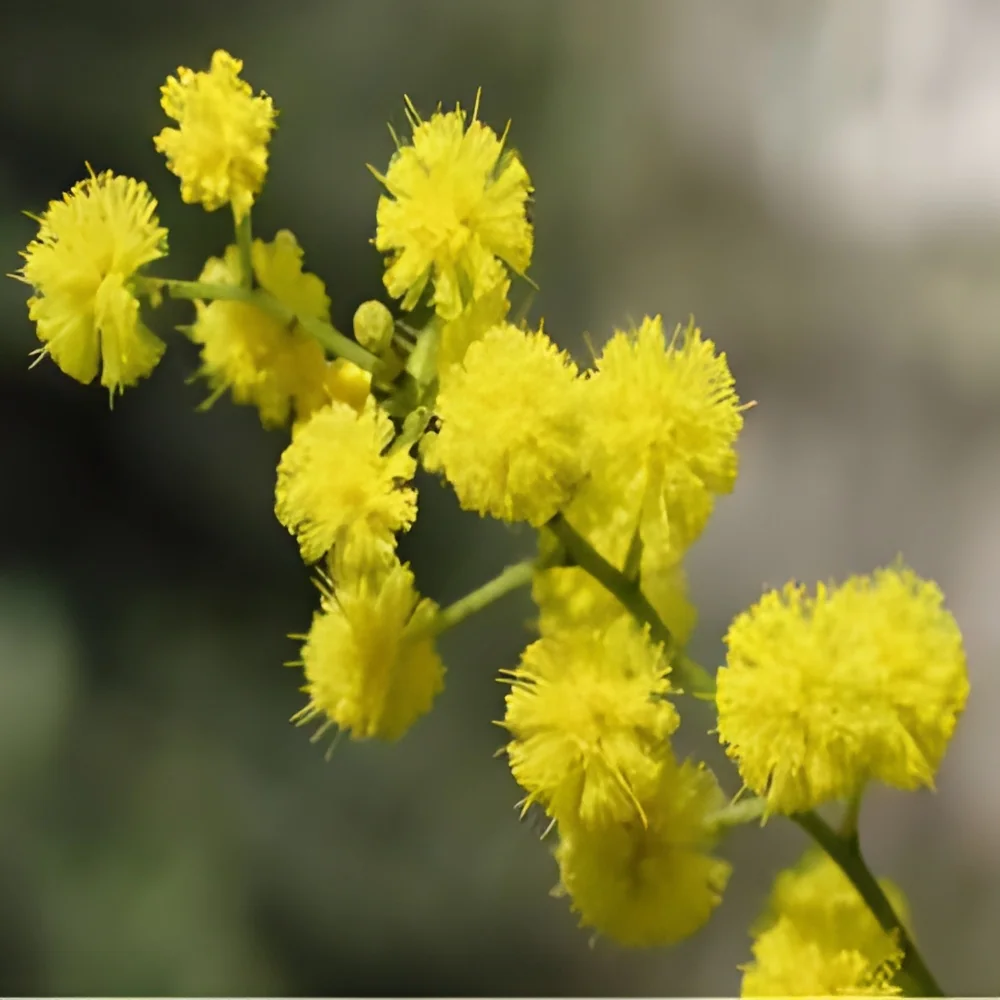
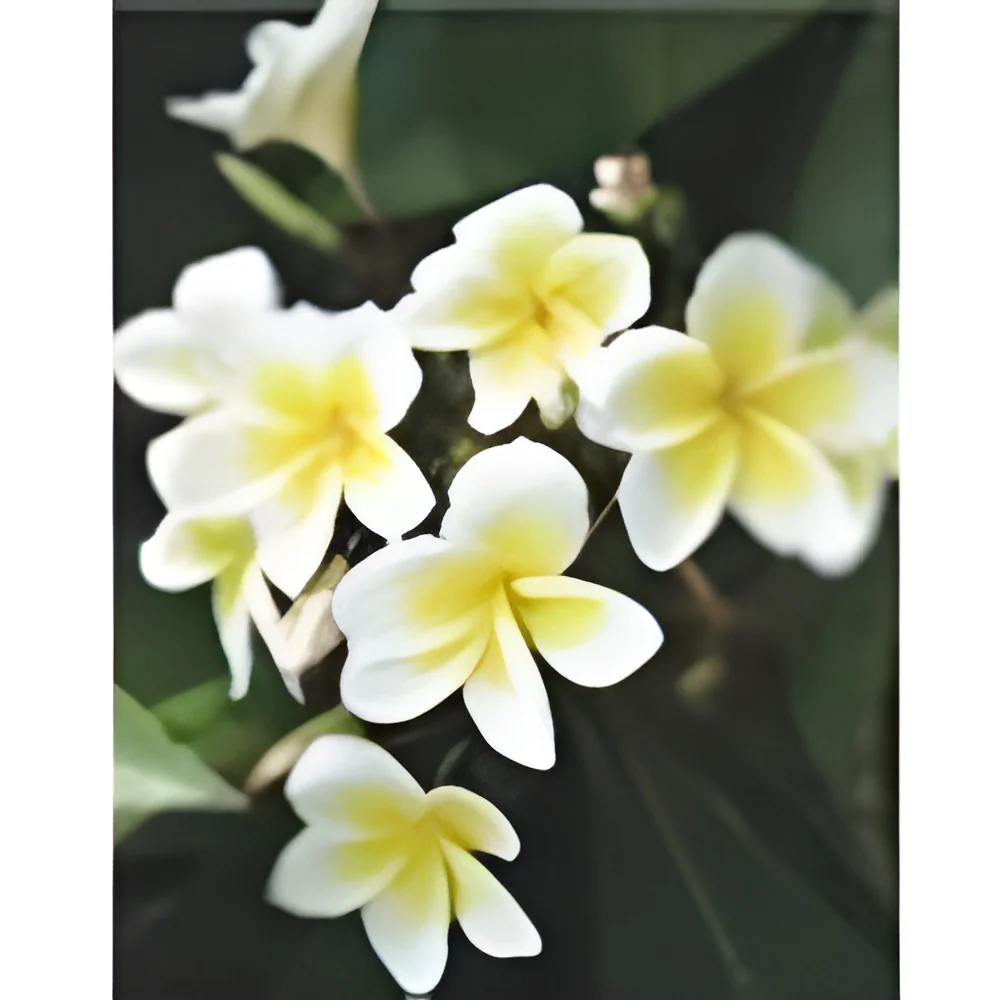
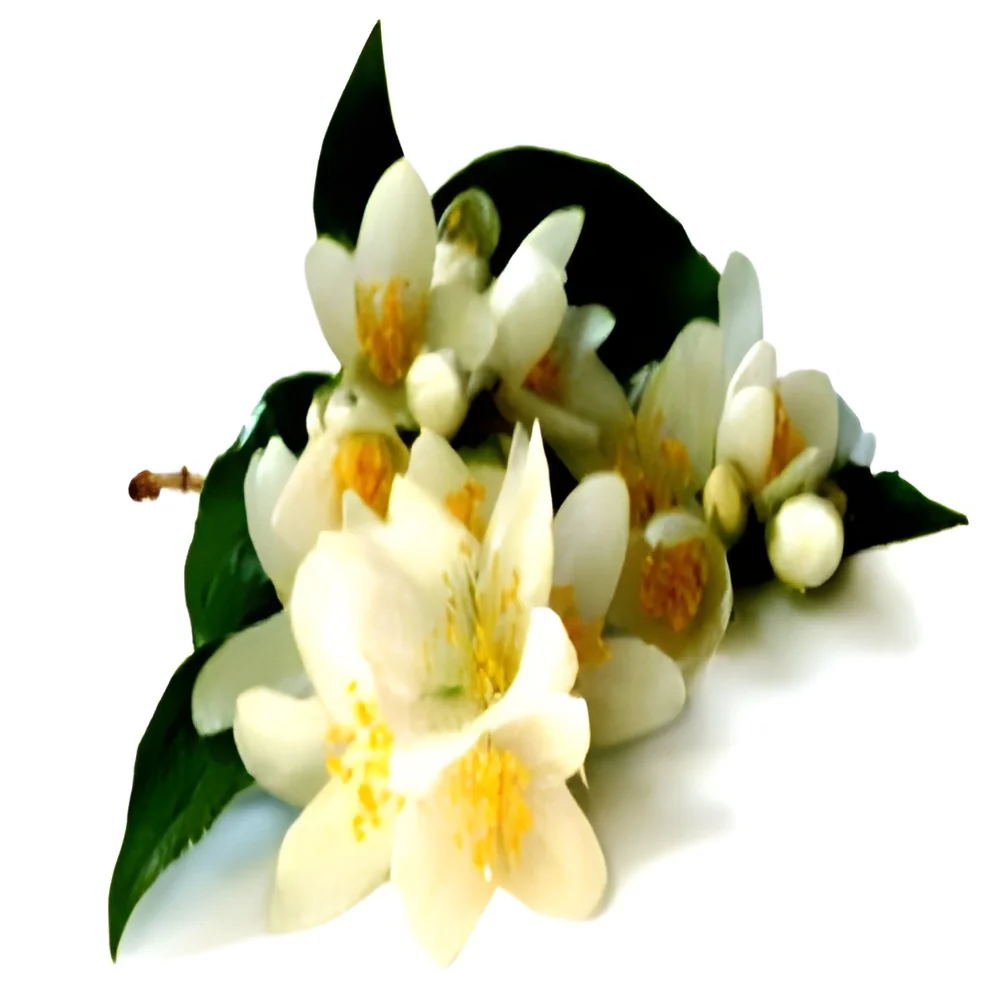
- Floral fragrances can have various scent profiles like rose, jasmine, lavender, or mixed floral bouquets.
- The choice of scent profile influences product positioning and target audience.
4. Stability
- Floral fragrances must be stable under different conditions, including temperature and humidity.
- Stability ensures longevity and effectiveness in various products.
5. Compliance with Standards
- Compliance with international standards such as CE certification is essential for market acceptance.
- Adhering to quality standards ensures safety and reliability.
6. Shelf Life
- The shelf life of floral fragrances typically ranges from 1 to 3 years, depending on the formulation.
- Longer shelf life is advantageous for inventory management.
7. Packaging
- Floral fragrances are often packaged in secure, aesthetically pleasing containers to preserve quality.
- Packaging plays a role in branding and consumer perception.
8. Customization Options
- Many suppliers offer customization of floral fragrances to meet specific client needs.
- Customization can include scent variations and packaging design.
In summary, understanding the key features and specifications of floral fragrances is vital for businesses looking to enhance their products and meet consumer demands effectively.
Common Applications and Use Cases
Floral fragrances are versatile and find applications across various industries. Each industry leverages floral scents in unique ways to enhance their products and user experiences.
1. Cosmetics Industry: Floral fragrances are commonly used in skincare and makeup products. They provide a pleasant scent that can enhance the usability and appeal of creams, lotions, and foundations.
2. Perfume Industry: The perfume industry relies heavily on floral fragrances. They form the base or middle notes of many perfumes, creating appealing and memorable scents.
3. Household Products: Floral fragrances are popular in air fresheners, candles, and cleaning products. They create a fresh and inviting atmosphere in homes and workplaces.
4. Food and Beverage: Some food and beverage products incorporate floral fragrances to enhance flavor profiles or provide aromatic experiences, such as in teas or desserts.
5. Personal Care Products: Items like shampoos, conditioners, and body washes often feature floral scents that contribute to a luxurious experience for users.
6. Hospitality Sector: Hotels and restaurants use floral fragrances for ambiance. Scented environments can improve customer satisfaction and create lasting impressions.
7. Spa and Wellness: Spas incorporate floral fragrances in treatments and products to promote relaxation and well-being, enhancing the overall customer experience.
Product Variants and Subcategories
Floral fragrances come in various forms, catering to different market needs and preferences. This diversity allows businesses to select the right type of fragrance for their specific applications.
Essential Oil Blends: These are concentrated extracts from flowers, often used in aromatherapy. They provide therapeutic benefits and are popular in wellness products.
Synthetic Floral Fragrances: Created through chemical processes, these fragrances mimic natural scents. They offer consistency and stability, making them suitable for mass production.
Perfume Oils: These are highly concentrated versions of floral fragrances used in the perfume industry. They are designed for long-lasting scent applications.
Fragrance Diffusers: Floral fragrances in diffuser formulations are popular for home and office use. They provide a continuous scent experience without the need for direct application.
Benefits and Advantages
Floral fragrances offer several benefits that make them a preferred choice in various applications. Understanding these advantages is essential for businesses looking to enhance their products.
1. Enhanced Brand Identity: Floral fragrances can help create a distinctive brand identity. A unique scent can evoke emotions and foster customer loyalty.
2. Mood Enhancement: Floral scents are known to have uplifting properties. They can improve mood and create a positive atmosphere in both personal and commercial spaces.
3. Customer Satisfaction: Products with appealing floral fragrances can lead to higher customer satisfaction. A pleasant scent can enhance the overall product experience.
4. Versatility: Floral fragrances can be used in a wide range of products, from personal care to household items. This versatility allows for cross-industry applications.
5. Customization Potential: Many suppliers offer customization options, allowing businesses to create unique scents that align with their brand and target market.
6. Market Demand: There is a growing consumer preference for floral fragrances, particularly those that are natural and sustainably sourced. Meeting this demand can enhance market competitiveness.
Buying Guide for B2B Buyers
When sourcing floral fragrances, businesses should consider several critical factors to ensure they select the right products for their needs.
1. Quality Assessment: Evaluate the quality of floral fragrances by examining ingredient sourcing, production methods, and supplier reputation. High-quality fragrances often lead to better product performance.
2. Supplier Verification: Conduct thorough vetting of suppliers to ensure reliability and consistency. Look for certifications, customer reviews, and case studies to assess supplier credibility.
3. Pricing and MOQ: Understand the pricing structure and minimum order quantities (MOQ) of floral fragrances. This helps in budgeting and inventory planning.
4. Delivery and Lead Times: Inquire about delivery schedules and lead times to ensure that sourcing aligns with production timelines. Timely delivery is crucial for maintaining supply chain efficiency.
5. Compliance Requirements: Be aware of regulatory compliance for floral fragrances, including safety standards and certification requirements. Ensuring compliance is vital for market entry and consumer safety.
Compliance and Certifications
Compliance with industry standards and certifications is crucial for floral fragrances. Various quality standards ensure that fragrances are safe and effective for consumers.
ISO 9001 is a widely recognized standard that focuses on quality management systems. Adhering to this standard ensures consistent quality in production processes.
HACCP (Hazard Analysis and Critical Control Points) emphasizes food safety and can be relevant for floral fragrances used in food and beverage applications.
CE certification indicates compliance with European health, safety, and environmental protection standards. This certification is essential for market acceptance in the European Union.
Safety and testing requirements are critical to verify that floral fragrances do not contain harmful substances. Rigorous testing ensures that products meet safety and regulatory standards.
Regional compliance considerations may vary based on local regulations and market requirements. Understanding these regional differences is essential for global sourcing.
Why Source Floral Fragrances from Pepagora?
Pepagora provides a trusted platform for sourcing floral fragrances, offering several key advantages that can benefit businesses.
Verified Supplier Network: Pepagora ensures a network of verified suppliers, allowing businesses to source high-quality floral fragrances with confidence. This network minimizes risks associated with unreliable suppliers.
Streamlined RFQ Process: The platform features a streamlined request for quotation (RFQ) process, simplifying the sourcing journey. Buyers can easily compare offerings and receive tailored proposals.
Trade Assurance and Support: Pepagora offers trade assurance, providing buyers with protection throughout the sourcing process. This support fosters trust and security in transactions.
Regional Coverage: With a strong presence in India, the GCC, and Southeast Asia, Pepagora provides extensive regional coverage for sourcing floral fragrances. This geographic reach ensures access to diverse suppliers and product options.
By choosing Pepagora for floral fragrance sourcing, businesses can enhance their product offerings while enjoying a reliable and efficient procurement process.

 IN
IN