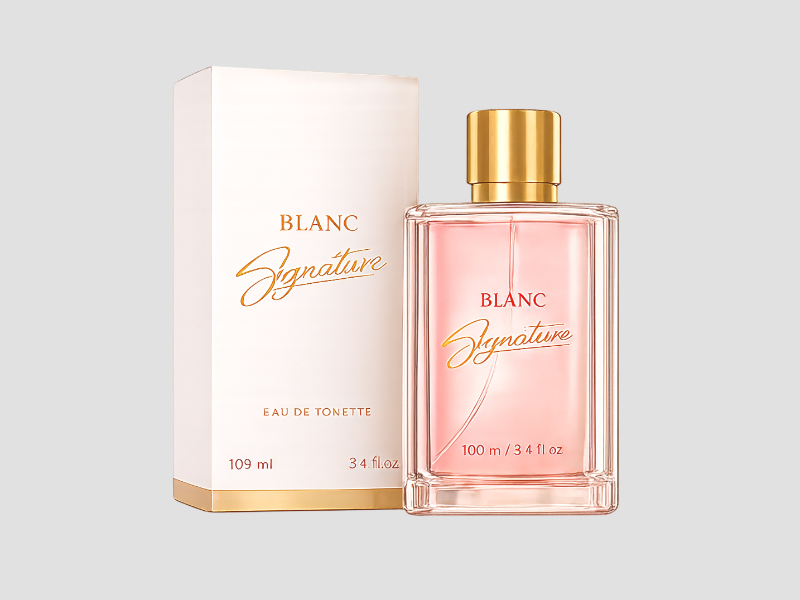
What are Perfume Concentrates?
Perfume concentrates are highly concentrated mixtures of aromatic compounds designed to impart fragrance to various products. These mixtures typically contain a blend of essential oils, aroma chemicals, and solvents that work together to create a specific scent profile. The high concentration allows for a smaller volume to be used in formulations while still delivering a potent fragrance, making them a preferred choice in many applications.
The primary uses of perfume concentrates span across multiple industries, including personal care, cosmetics, home care, and industrial applications. Businesses incorporate these concentrates into products such as perfumes, lotions, candles, and cleaning supplies. The versatility and effectiveness of perfume concentrates make them essential in creating appealing scents that enhance consumer experiences and product value.
In today's market, the demand for unique and customized fragrance solutions is on the rise. Perfume concentrates play a crucial role in this trend, as they allow manufacturers to craft distinct fragrances that can differentiate their products. The growing awareness of the importance of scent in influencing consumer behavior further emphasizes the relevance of perfume concentrates in various industries.
Key Features and Specifications
Perfume concentrates come with several key features that cater to diverse applications in the fragrance industry. Understanding these specifications helps businesses make informed decisions when selecting the right product for their needs.
Key specifications include:
1. Concentration Level
- Typically ranges from 10% to 40% concentration.
- Higher concentrations provide stronger scents.
2. Solvent Type
- Common solvents include ethanol and dipropylene glycol.
- The choice of solvent affects scent longevity and evaporation rate.
3. Flash Point
- Typically varies between 40°C to 70°C.
- Important for safety and handling considerations.
4. Shelf Life
- Generally lasts between 2 to 5 years.
- Proper storage conditions can extend shelf life.
5. Fragrance Type
- Can be floral, fruity, woody, spicy, or fresh.
- Each type serves different market segments and consumer preferences.
6. Compliance Standards
- Must meet regulatory standards such as CE certification.
- Important for market acceptance and safety assurances.
7. Customization Options
- Many suppliers offer customization for specific scent profiles.
- Allows businesses to create unique products tailored to their audience.
In summary, understanding the key features and specifications of perfume concentrates is vital for businesses aiming to select the right products for their applications. These specifications guide the formulation process and ensure compliance with industry standards.
Common Applications and Use Cases
Perfume concentrates are utilized across a variety of industries, reflecting their versatility and importance in product formulation.
1. Personal Care: Perfume concentrates are widely used in creating perfumes, body sprays, and colognes, allowing brands to offer distinctive scent experiences.
2. Cosmetics: These concentrates enhance the fragrance of makeup products, such as foundations and lipsticks, making them more appealing to consumers.
3. Home Care: Perfume concentrates are added to cleaning products and air fresheners, providing pleasant scents that enhance the home environment.
4. Candles: Candle manufacturers incorporate perfume concentrates to create a range of scented candles that cater to various consumer preferences.
5. Food and Beverage: Some perfume concentrates are suitable for flavoring food and drinks, offering unique aromatic profiles in culinary applications.
6. Automotive: Used in air fresheners and fragrance diffusers in vehicles, perfume concentrates help create a pleasant driving environment.
7. Industrial Applications: Perfume concentrates are also utilized in industrial products, such as lubricants and detergents, to mask unpleasant odors and enhance user experience.
Product Variants and Subcategories
Perfume concentrates come in various forms, catering to different market needs and preferences.
Conventional Perfume Concentrates
These are standard perfume concentrates that feature a range of fragrances, suitable for various applications from personal care to home products. They offer a balance of scent strength and longevity, making them versatile for different formulations.
Natural Perfume Concentrates
Derived from natural sources, these concentrates appeal to the growing market for organic and eco-friendly products. They often utilize essential oils and plant extracts, providing a more sustainable option for fragrance applications.
Synthetic Perfume Concentrates
These concentrates are composed of synthetic aroma compounds that can mimic natural scents or create entirely new fragrance profiles. They provide consistency and stability, making them ideal for mass production.
Benefits and Advantages
Perfume concentrates offer several advantages that make them a preferred choice for manufacturers.
1. Cost-Effective: Due to their high concentration, less product is needed to achieve the desired scent, resulting in lower production costs.
2. Versatility: Perfume concentrates can be used in a wide array of products across multiple industries, making them suitable for diverse applications.
3. Customization: Many suppliers provide options for tailored fragrances, allowing businesses to create unique products that stand out in the market.
4. Long-Lasting Fragrance: The concentrated nature ensures that the scent remains potent over time, enhancing product appeal and consumer satisfaction.
5. Compliance with Standards: Many perfume concentrates meet essential regulatory requirements, ensuring safety and market acceptance.
6. Enhanced Consumer Experience: The right fragrance can significantly influence consumer behavior, making perfume concentrates essential in product development.
Buying Guide for B2B Buyers
When sourcing perfume concentrates, businesses should consider several critical factors to ensure they make informed purchasing decisions.
1. Quality Assessment: It is essential to evaluate the quality of the perfume concentrates by reviewing supplier certifications and conducting sensory evaluations of the fragrances.
2. Supplier Verification: Vetting suppliers through references and industry reputation can help ensure reliability and product consistency.
3. Pricing and MOQ: Understanding the pricing structure and minimum order quantities (MOQ) is important for budgeting and planning production.
4. Delivery and Lead Times: Evaluating the supplier's logistics and delivery capabilities ensures timely receipt of materials, which is crucial for maintaining production schedules.
5. Compliance Requirements: Businesses must be aware of the regulatory requirements in their market, including safety and labeling standards, to ensure compliance.
Compliance and Certifications
Perfume concentrates must adhere to various quality and safety standards to ensure they are suitable for market use. Relevant standards include ISO 9001, which focuses on quality management systems, and HACCP, which emphasizes food safety when applicable.
Industry certifications, such as CE, indicate that the product meets European safety and health requirements. Additionally, perfume concentrates must comply with safety and testing requirements that assess their stability and potential allergens.
Regional compliance considerations are also critical, as regulations can vary significantly by country or region. Businesses should ensure that their chosen suppliers are knowledgeable about local regulations to avoid potential legal issues.
Why Source Perfume Concentrates from Pepagora?
Pepagora provides a trusted platform for sourcing perfume concentrates, offering several key advantages for B2B buyers.
Verified Supplier Network: Pepagora has established a network of verified suppliers, ensuring that businesses can find reliable partners for their fragrance needs. This network is built on rigorous vetting processes that prioritize quality and consistency.
Streamlined RFQ Process: The platform features a streamlined request for quotation (RFQ) process, allowing buyers to quickly obtain competitive quotes from multiple suppliers. This efficiency simplifies the sourcing process, saving time and resources.
Trade Assurance and Support: Buyers benefit from trade assurance programs that provide protection throughout the transaction process. This support builds confidence in purchasing decisions and ensures a smooth experience.
Regional Coverage: Pepagora serves a broad geographic area, including India, GCC countries, and Southeast Asia. This extensive reach enables businesses to connect with suppliers in various markets, facilitating trade and enhancing product availability.

 IN
IN