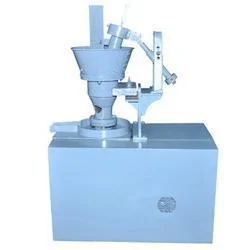
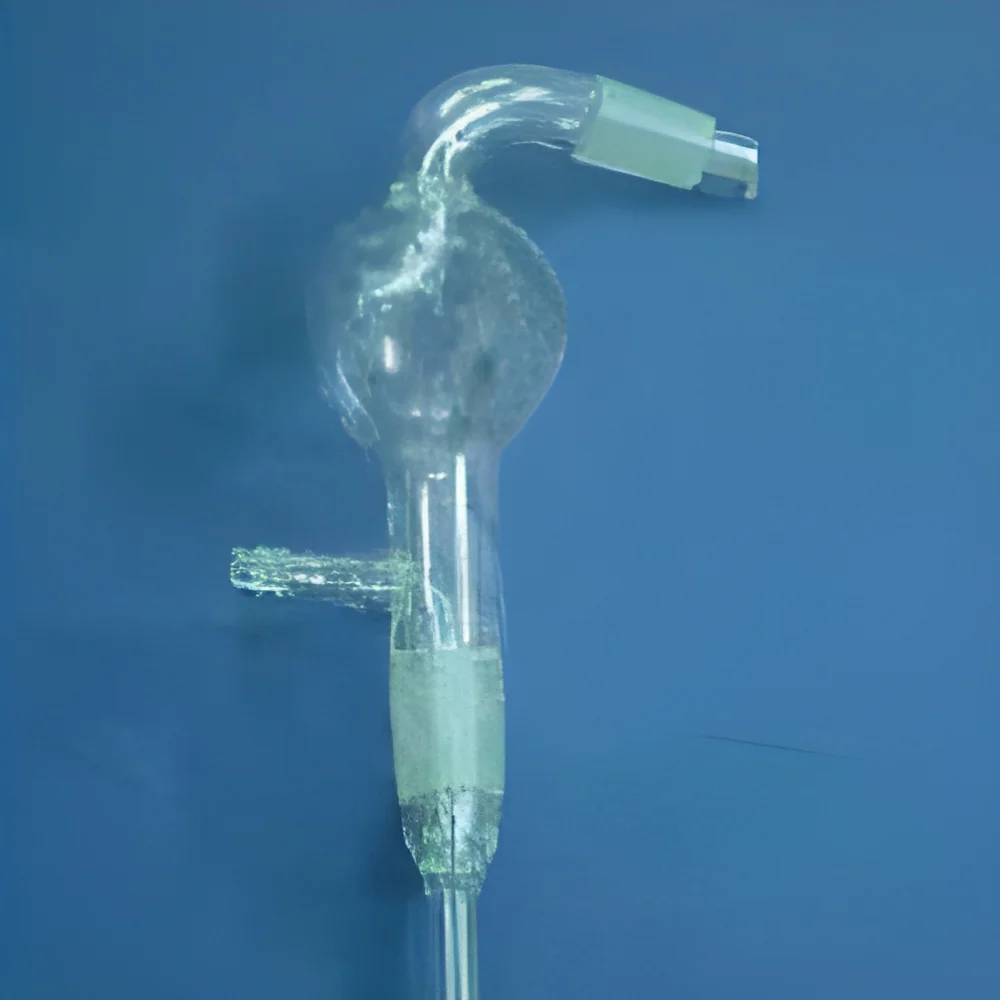
What are Essential Oil Extraction Machinery?
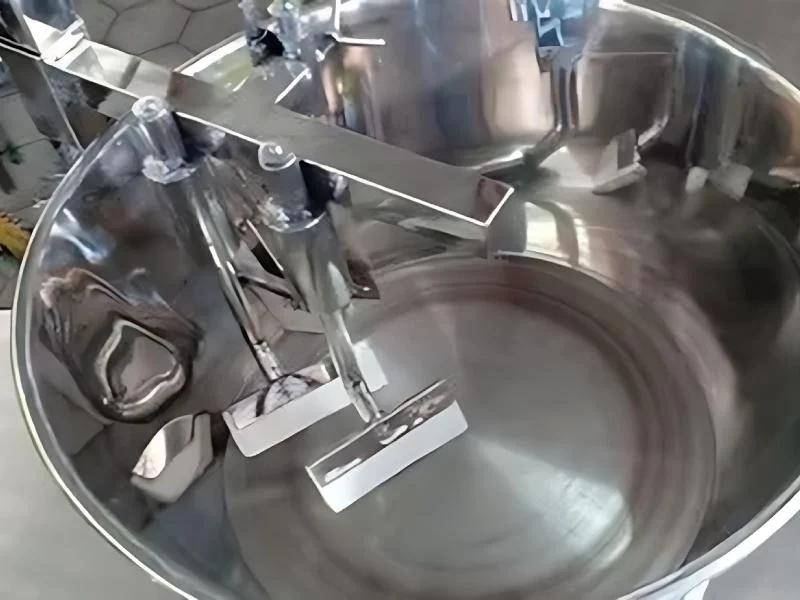
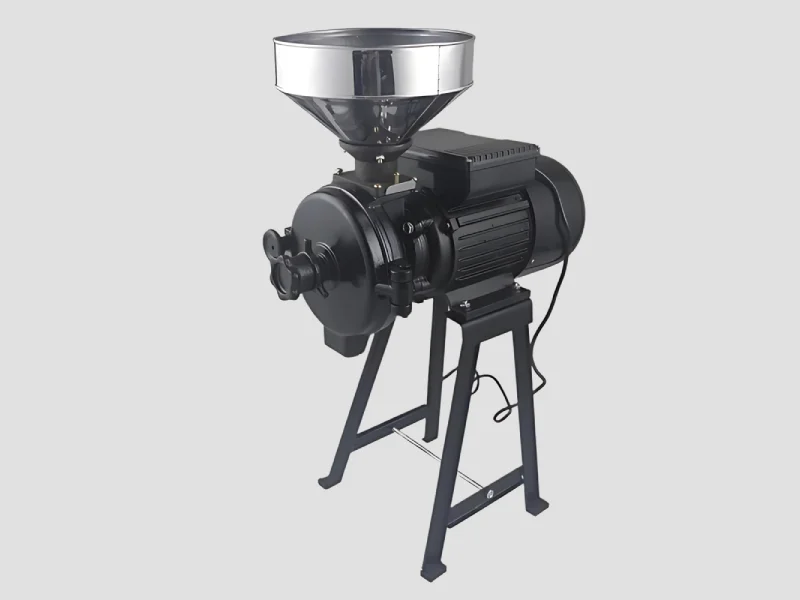
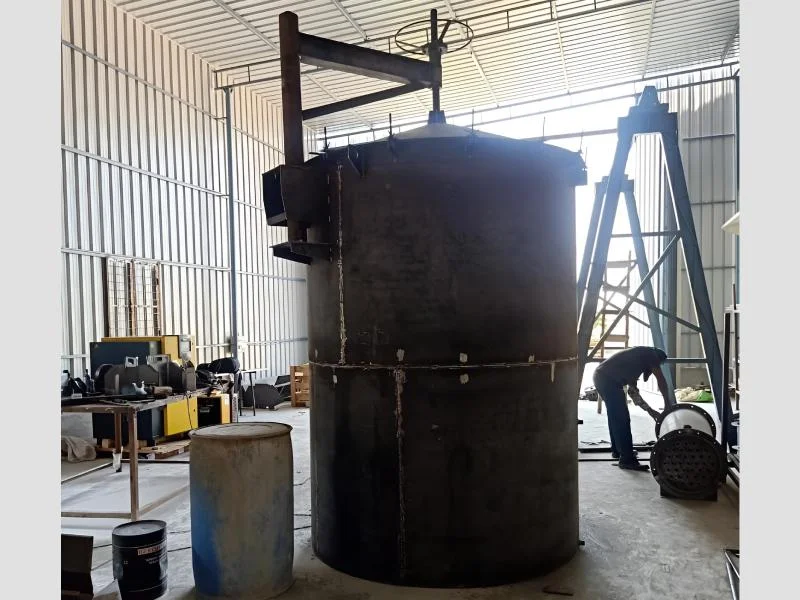
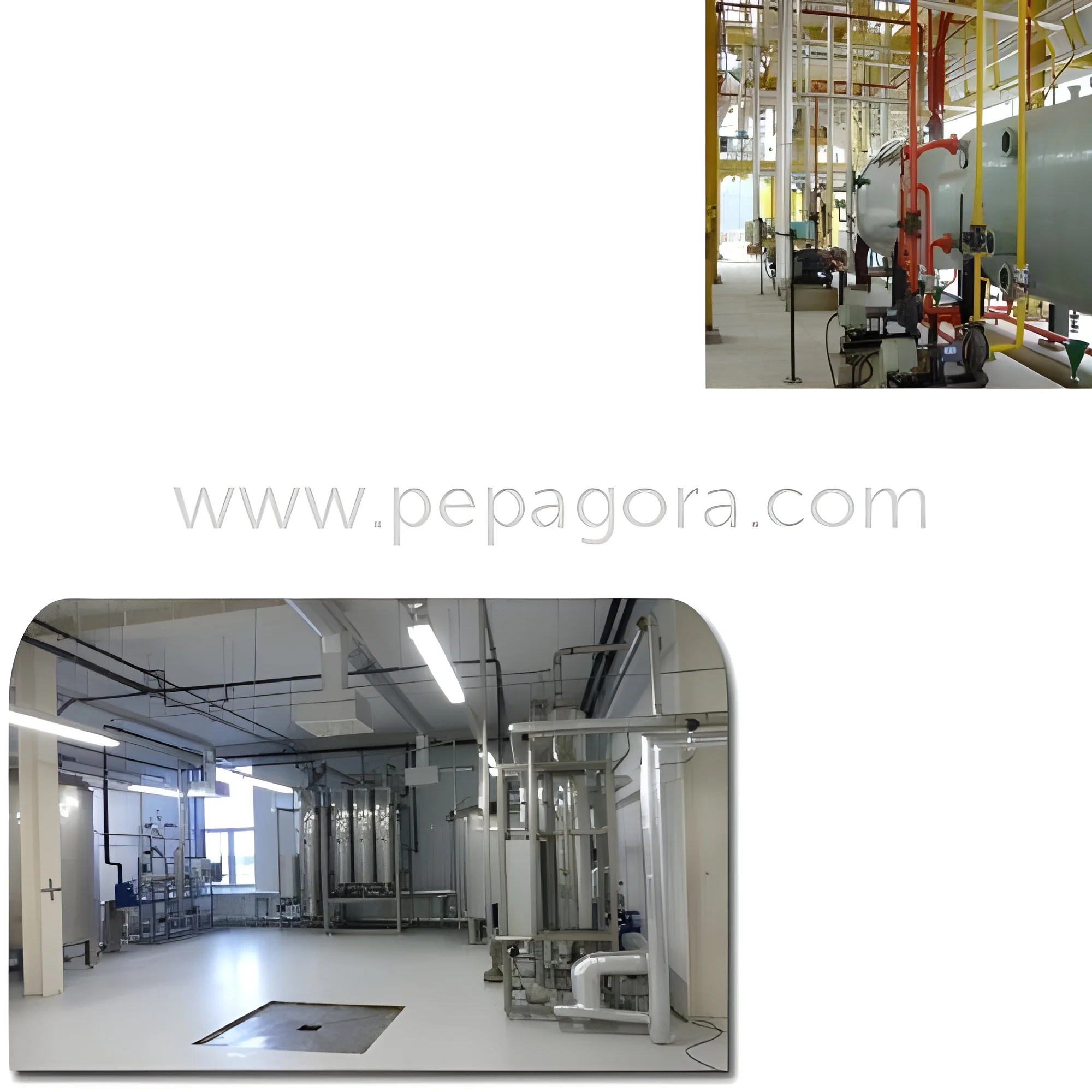
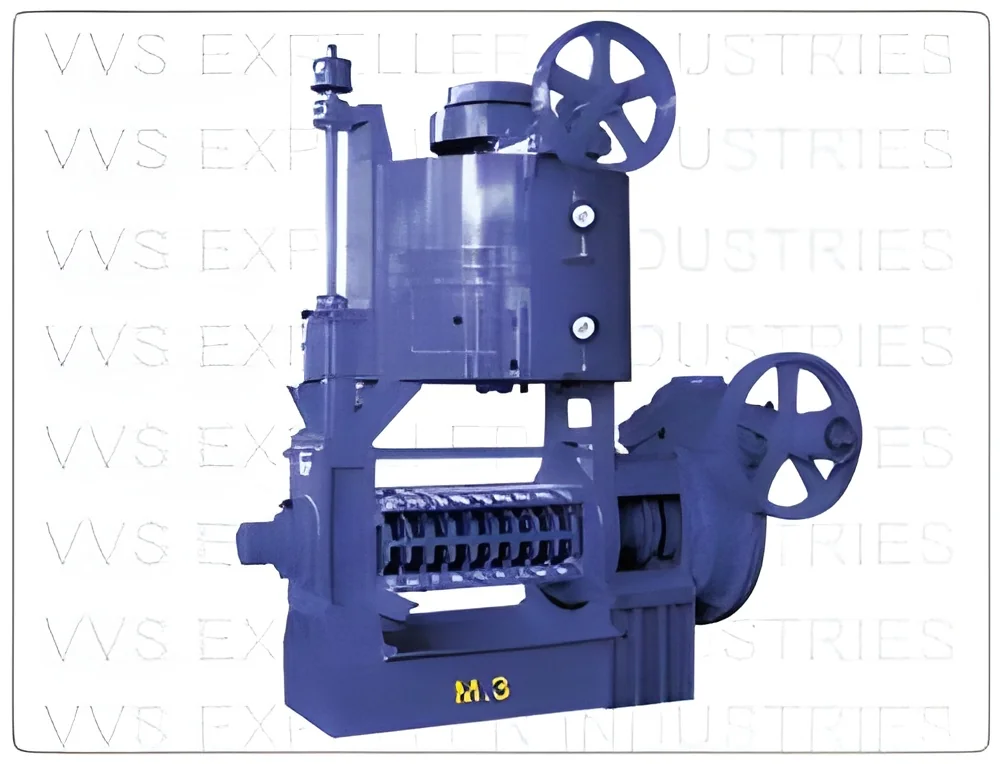
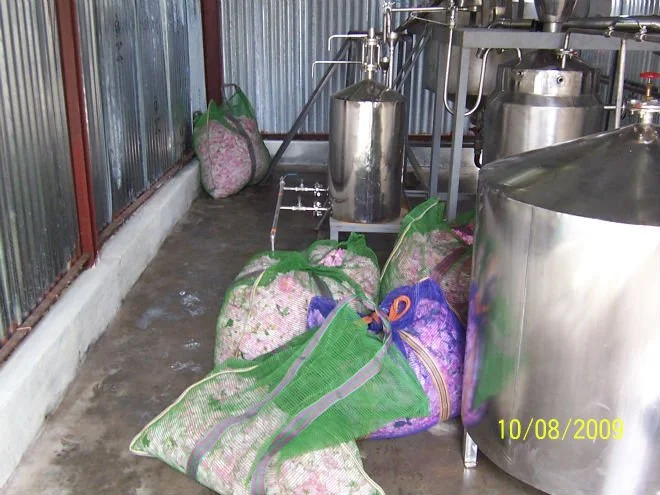
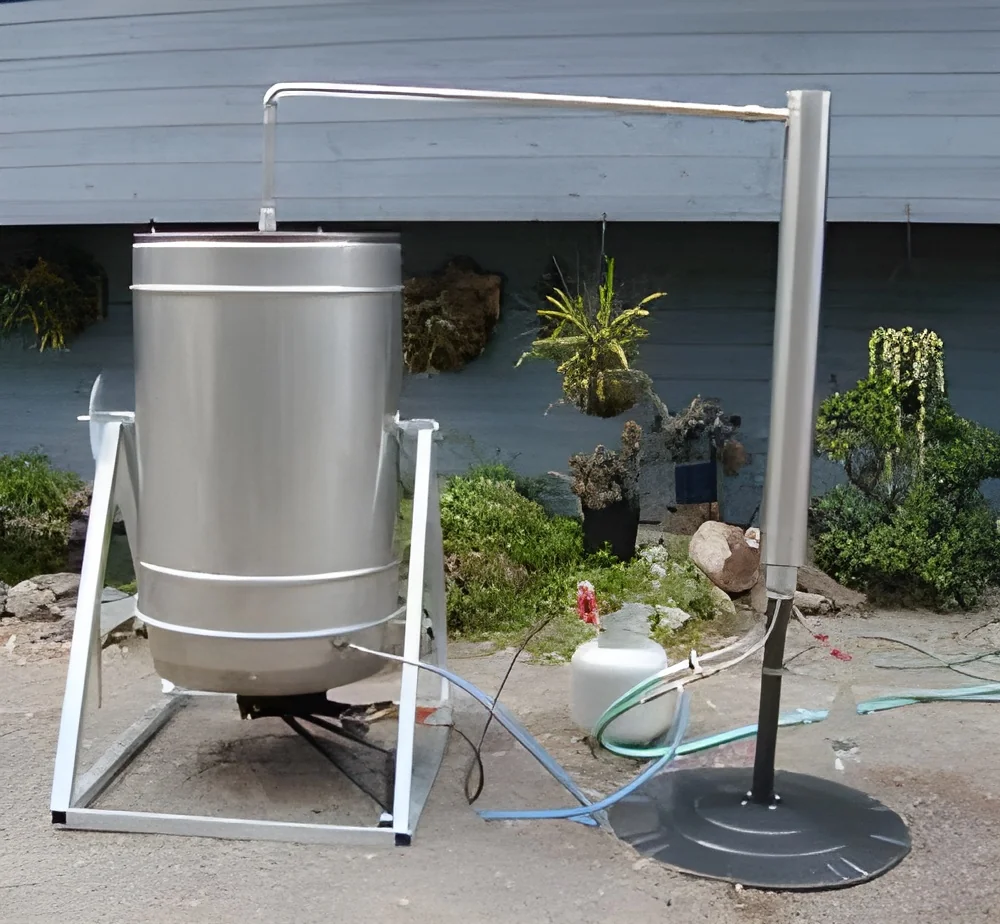
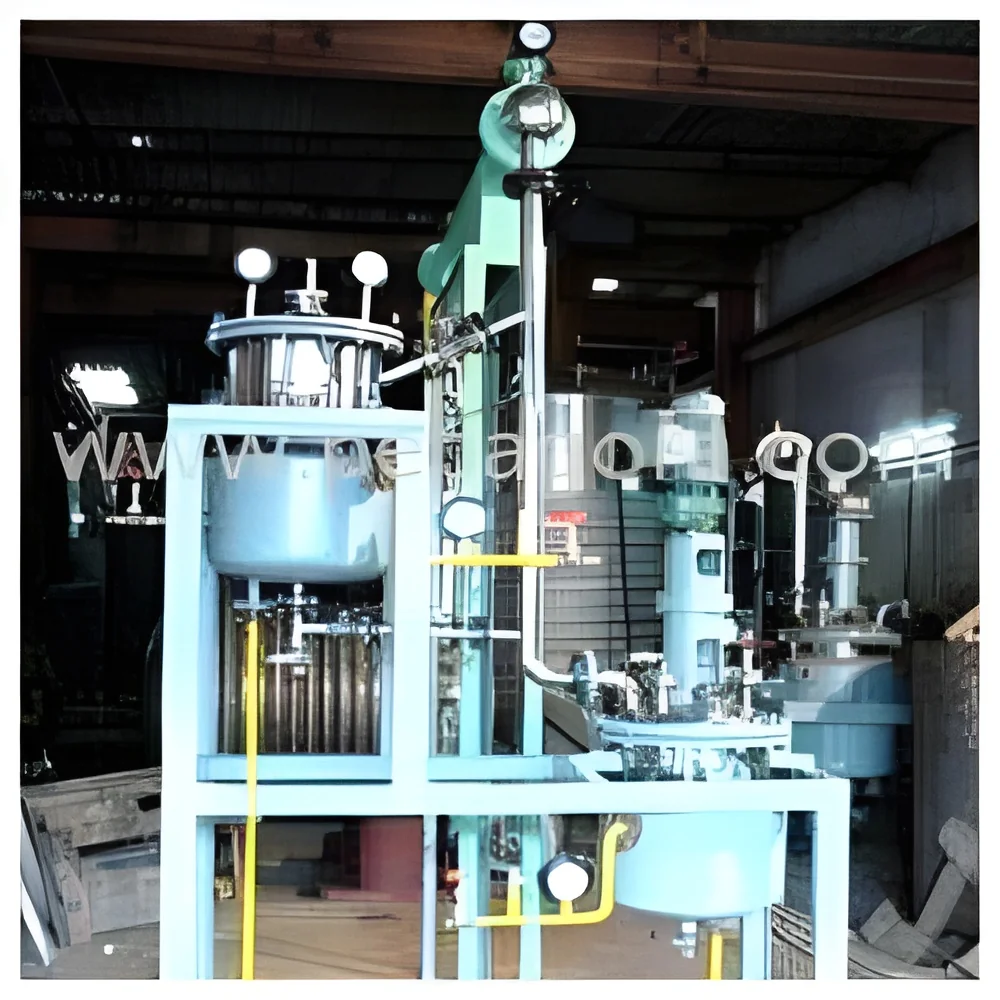
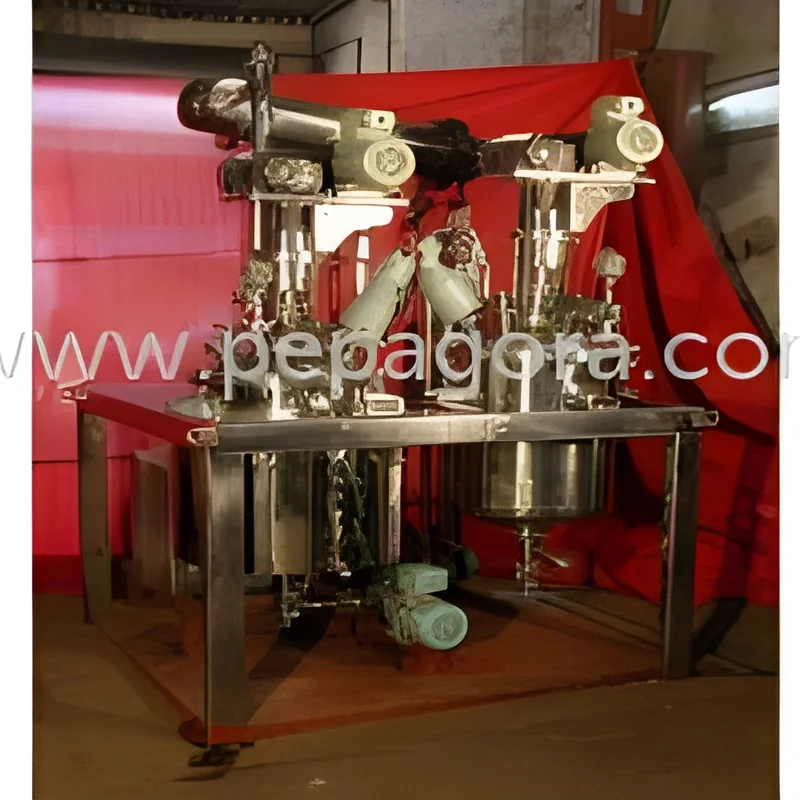
Essential oil extraction machinery refers to specialized equipment designed to extract essential oils from plant materials. This machinery employs various extraction methods, including steam distillation, cold pressing, and solvent extraction. The goal is to obtain high-quality essential oils that retain the aromatic and therapeutic properties of the source plants. By utilizing these machines, businesses can efficiently process large quantities of botanical materials, ensuring maximum yield and purity of the essential oils.
The primary uses of essential oil extraction machinery span multiple industries, including food and beverage, cosmetics, pharmaceuticals, and aromatherapy. Businesses leverage this machinery to produce essential oils for flavoring, fragrance, and therapeutic applications. As the demand for natural and organic products continues to rise, the relevance of essential oil extraction machinery has become increasingly pronounced in the market. Companies are investing in advanced technologies to enhance productivity and meet consumer expectations for quality and sustainability.
Key Features and Specifications
Essential oil extraction machinery is characterized by several key features and specifications that cater to various extraction needs. These specifications help businesses select the right equipment for their operations, ensuring efficiency and quality in oil production.
Key specifications include:
1. Extraction Method
- Common methods include steam distillation, cold pressing, and solvent extraction.
- Each method has unique benefits and is suited to different types of botanical materials.
2. Capacity
- The capacity of essential oil extraction machinery can vary significantly.
- Machines may range from small-scale units (1-5 kg per batch) to large industrial units (100 kg or more).
3. Material Construction
- Machines are typically constructed from high-grade stainless steel for durability and hygiene.
- Corrosion-resistant materials ensure longevity and minimize contamination.
4. Temperature Control
- Precise temperature control is essential for optimal extraction.
- Some machines come equipped with advanced temperature regulation systems.
5. Energy Efficiency
- Many modern machines are designed to operate with lower energy consumption.
- This feature helps businesses reduce operational costs.
6. Automation Level
- Automation ranges from manual operation to fully automated systems.
- Higher automation levels can enhance productivity and reduce labor costs.
7. Safety Features
- Essential oil extraction machinery is equipped with safety mechanisms to prevent accidents.
- Features may include pressure relief valves and emergency shut-off systems.
8. Compliance Certifications
- Equipment should meet industry standards and certifications, such as CE marking.
- Compliance ensures safety and quality in production processes.
In summary, understanding the key features and specifications of essential oil extraction machinery is critical for businesses looking to invest in this equipment. Proper evaluation helps ensure the selection of machinery that aligns with production goals.
Common Applications and Use Cases
Essential oil extraction machinery serves various industries, each with specific applications that benefit from essential oils.
1. Food and Beverage Industry: Essential oils are used for flavoring and preserving food products. For example, citrus oils are common in beverages, while herbs and spices are utilized in sauces and dressings.
2. Cosmetics Industry: Essential oils are popular in skincare and beauty products due to their natural fragrances and therapeutic properties. Lavender and tea tree oils are often incorporated into creams, lotions, and perfumes.
3. Pharmaceuticals Industry: Essential oils have medicinal properties and are used in various formulations, including ointments and capsules. Eucalyptus and peppermint oils are known for their therapeutic benefits.
4. Aromatherapy Sector: Essential oils are central to aromatherapy products, which are used for relaxation and wellness. Diffusers and massage oils often contain a blend of essential oils for holistic health.
5. Household Products: Essential oils are increasingly being used in cleaning products and air fresheners. Their natural antibacterial properties and pleasant scents make them ideal for eco-friendly cleaning solutions.
6. Textile Industry: Essential oils are used to impart fragrances to fabrics and textiles. They can also have antimicrobial properties, enhancing the longevity of textile products.
7. Spa and Wellness Centers: Essential oils are integral to spa treatments and wellness therapies. They contribute to a soothing environment and are often used in massages and skin treatments.
Product Variants and Subcategories
Essential oil extraction machinery encompasses a range of variants designed to cater to diverse extraction needs.
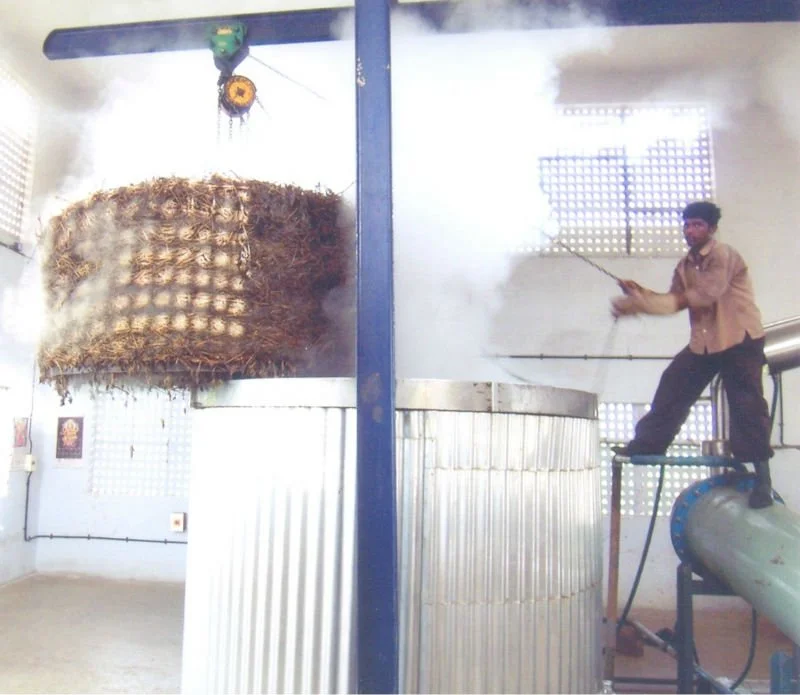
Steam Distillation Units: These units are widely used for extracting oils from plant materials. They utilize steam to vaporize the essential oils, which are then condensed and collected. This method is efficient and suitable for a variety of botanicals.
Cold Pressing Machines: These machines are specifically designed for extracting citrus oils. They operate without heat, preserving the oil's natural properties. Cold pressing is particularly popular for producing high-quality lemon and orange oils.
Solvent Extraction Systems: For delicate flowers and plant materials, solvent extraction is often employed. This method uses solvents to dissolve the essential oils, which are then separated from the solvent. It is ideal for extracting oils from fragile materials.
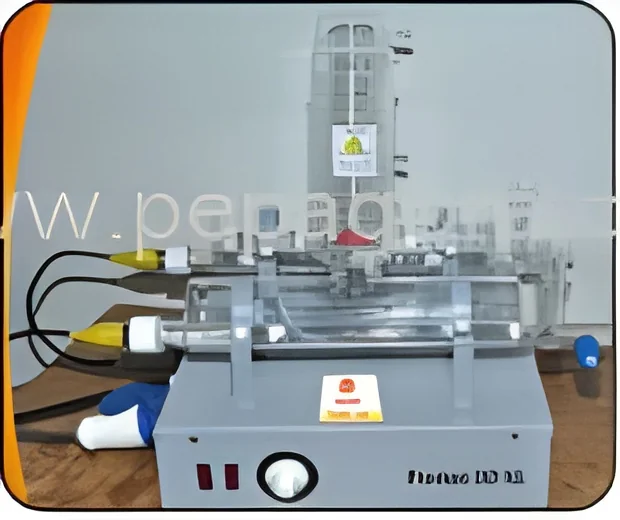
Batch Processing Equipment: This type of machinery is designed for smaller production runs. It allows for greater flexibility in processing different botanicals in smaller quantities, making it suitable for niche markets.
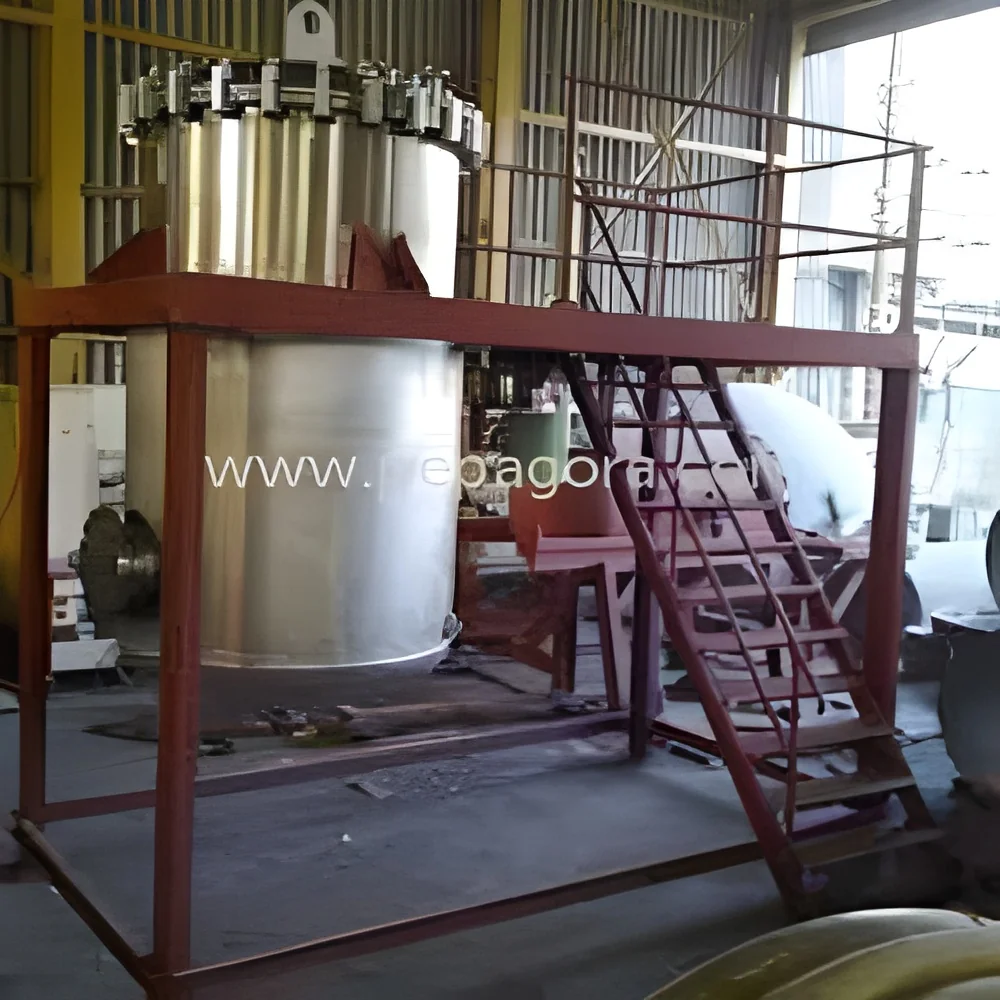
Continuous Extraction Systems: These systems are designed for large-scale production and continuous operation. They enable efficient extraction of essential oils from bulk materials, making them ideal for high-demand industries.
Benefits and Advantages
Investing in essential oil extraction machinery offers numerous benefits for businesses in various sectors.
Key benefits include:
1. High Yield: Essential oil extraction machinery is designed to maximize oil yield from raw materials, ensuring efficient use of resources.
2. Quality Assurance: Advanced extraction technologies help maintain the purity and quality of essential oils, meeting industry standards and consumer expectations.
3. Cost Efficiency: By automating processes and optimizing extraction methods, businesses can reduce operational costs and improve profit margins.
4. Versatility: Essential oil extraction machinery can handle a wide range of botanical materials, allowing businesses to diversify their product offerings.
5. Eco-Friendly Practices: Many machines are designed with energy efficiency in mind, supporting sustainable practices in production.
6. Customization Options: Some manufacturers offer tailored solutions, allowing businesses to acquire machinery that meets their specific extraction needs.
Buying Guide for B2B Buyers
When sourcing essential oil extraction machinery, it is crucial for buyers to consider several key factors to ensure they make informed decisions.
1. Quality Assessment: Evaluate the quality of machinery based on construction materials, performance standards, and user reviews. Look for equipment that meets recognized industry standards to ensure reliability.
2. Supplier Verification: Conduct thorough research on potential suppliers. Check their reputation, past performance, and customer feedback to ensure they are trustworthy and capable of delivering quality machinery.
3. Pricing and MOQ: Understand the pricing structure and minimum order quantities (MOQ) associated with the machinery. Compare quotes from multiple suppliers to find the best value without compromising quality.
4. Delivery and Lead Times: Inquire about delivery schedules and lead times. Timely delivery is essential for maintaining production schedules, so choose suppliers who can meet your deadlines.
5. Compliance Requirements: Ensure that the machinery complies with relevant regulatory standards and certifications. This is particularly important for industries with strict quality and safety requirements.
Compliance and Certifications
Essential oil extraction machinery must adhere to various compliance standards and certifications to ensure safety and quality.
ISO 9001 is a widely recognized quality management standard that ensures manufacturers maintain consistent quality in their production processes. Adherence to this standard indicates that a supplier is committed to quality assurance.
HACCP (Hazard Analysis and Critical Control Points) is crucial for businesses in the food and beverage industry. It focuses on food safety and requires manufacturers to identify potential hazards in their production processes.
CE marking indicates that the machinery meets European safety, health, and environmental protection standards. This certification is essential for manufacturers looking to sell their products in European markets.
Safety and testing requirements are also crucial aspects of compliance. Essential oil extraction machinery must undergo rigorous testing to ensure it operates safely and efficiently. Additionally, businesses must consider regional compliance requirements, as regulations can vary significantly depending on the market.
Why Source Essential Oil Extraction Machinery from Pepagora?
Pepagora provides a trusted platform for sourcing essential oil extraction machinery, offering several key advantages for businesses.
Verified Supplier Network: Pepagora has established a network of verified suppliers, ensuring that buyers have access to reliable manufacturers. Each supplier undergoes a thorough vetting process to guarantee quality and credibility.
Streamlined RFQ Process: The platform features a user-friendly request for quotation (RFQ) system, allowing buyers to easily request quotes from multiple suppliers. This simplifies the procurement process and helps businesses make informed purchasing decisions.
Trade Assurance and Support: Pepagora offers trade assurance to protect buyers during transactions. This support ensures that businesses can source machinery with confidence, knowing they are safeguarded against potential issues.
Regional Coverage: With a strong presence in India, GCC, and Southeast Asia, Pepagora provides geographic reach that facilitates sourcing for businesses across various markets. This extensive coverage helps buyers find the right equipment tailored to their specific needs.

 IN
IN