What are Soap & Detergent Fragrances?
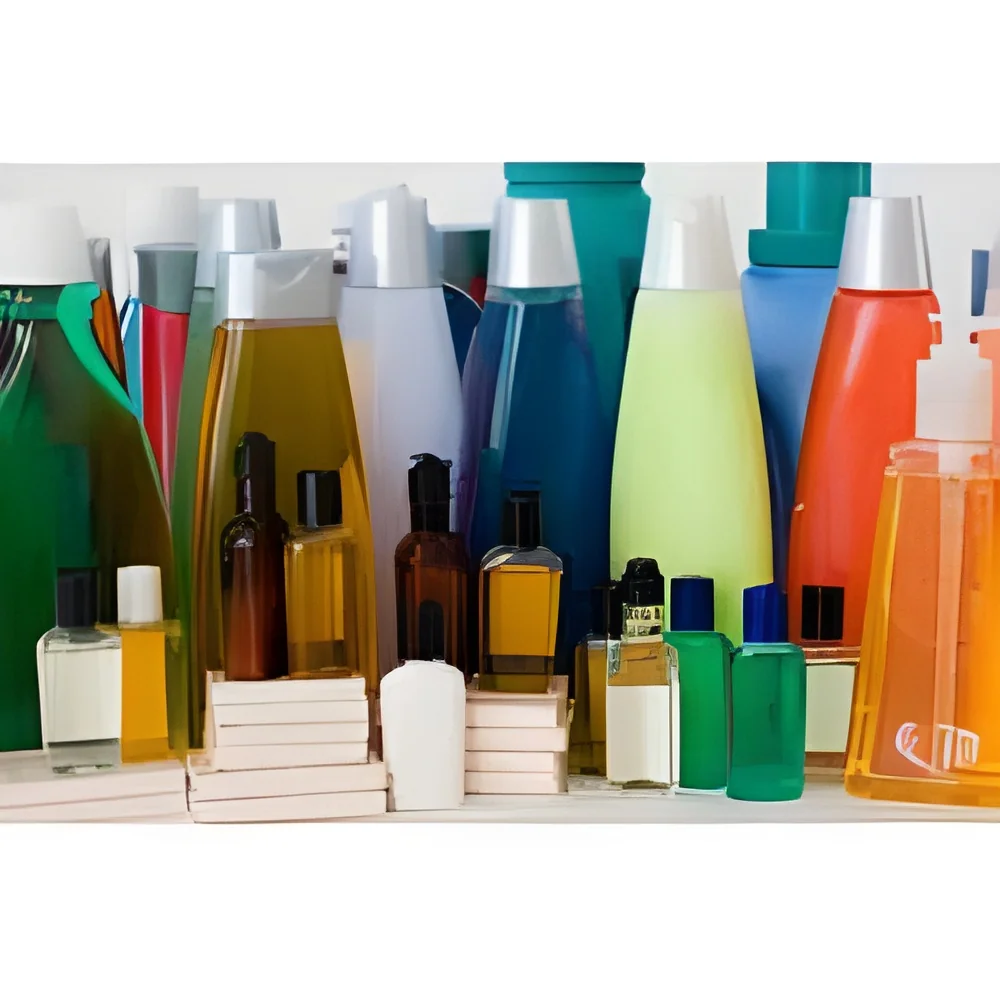
Soap and detergent fragrances are specially formulated scents used in cleaning products to enhance the user experience. These fragrances are designed to impart pleasant aromas to soaps, detergents, and various household and industrial cleaning products. They can be derived from natural sources or created synthetically, allowing for a wide range of scent profiles to meet diverse consumer preferences.
These fragrances play an essential role in various applications across multiple industries. They are primarily used in household cleaning products, personal care items, laundry detergents, and industrial cleaning solutions. The fragrance not only masks unpleasant odors but also adds to the overall appeal of the product, influencing customer satisfaction and brand loyalty. As sustainability and eco-friendliness become increasingly important, the market is seeing a rise in demand for natural and biodegradable fragrance options.
In the competitive landscape of the cleaning products market, the choice of fragrance can differentiate products and significantly impact consumer purchasing decisions. Awareness of scent preferences and industry trends is crucial for businesses looking to remain relevant and meet consumer demands. As such, soap and detergent fragrances are not merely add-ons but integral components that enhance the effectiveness and attractiveness of cleaning products.
Key Features and Specifications
Soap and detergent fragrances come with a range of features and specifications that cater to the needs of manufacturers and end-users alike. These specifications ensure consistency, quality, and compliance with industry standards.
Key specifications include:
1. Scent Profile
- Variety of fragrances available, including floral, citrus, and herbal.
- Customizable options to cater to specific client preferences.
2. Stability
- Fragrances should be stable during storage and use, maintaining integrity over time.
- Resistance to degradation under various conditions, including heat and light.
3. Concentration
- Different concentrations available to suit various applications.
- Typically measured in percentage of fragrance oil in the final product.
4. Solubility
- Compatibility with different bases, ensuring even distribution in formulations.
- Water-soluble and oil-soluble variants depending on the application.
5. Regulatory Compliance
- Must meet industry standards such as CE certification.
- Compliance with safety regulations and allergen labeling requirements.
6. Packaging
- Available in bulk containers or smaller retail sizes.
- Packaging must be secure to prevent leakage and contamination.
In summary, the features and specifications of soap and detergent fragrances are designed to support manufacturers in creating high-quality cleaning products that meet market demands and regulatory requirements.
Common Applications and Use Cases
Soap and detergent fragrances find extensive applications across various industries, enhancing product appeal and user experience.
1. Household Cleaning Products: These fragrances are commonly used in all-purpose cleaners, surface wipes, and bathroom cleaners to provide a fresh scent that contributes to a clean feeling in homes.
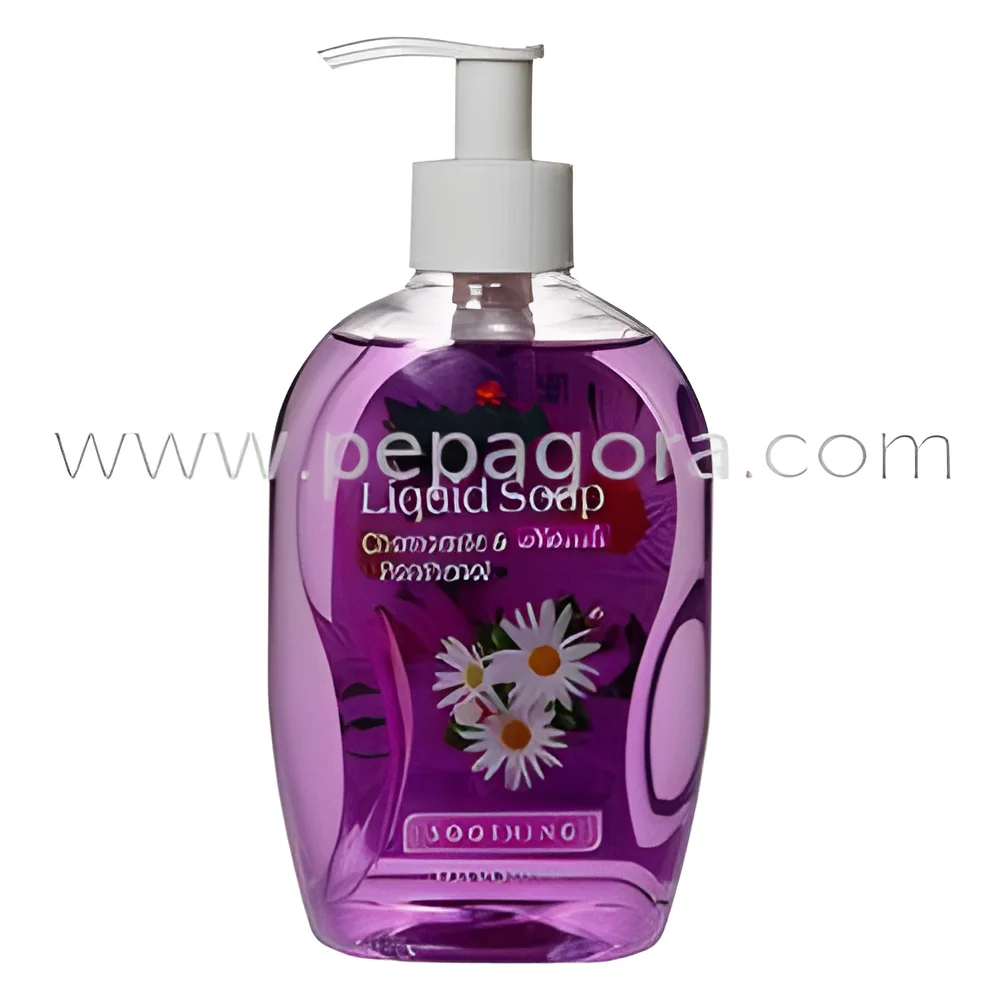
2. Personal Care: Fragrances are essential in soaps, shampoos, and body washes, where they not only improve user satisfaction but also influence purchasing decisions based on scent preferences.
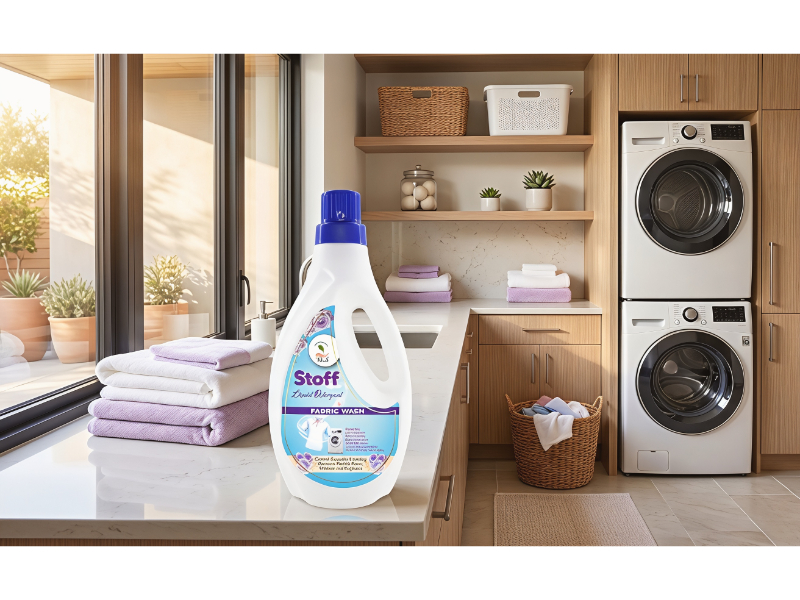
3. Laundry Detergents: The use of appealing fragrances in laundry products helps mask odors from clothing, providing a pleasant aroma that lingers after washing.
4. Industrial Cleaning: In commercial settings, fragrances are added to industrial cleaners to help neutralize unpleasant odors commonly associated with manufacturing and maintenance tasks.
5. Hospitality Sector: Fragrances in cleaning products used in hotels and restaurants enhance the overall atmosphere, contributing to a positive guest experience.
6. Automotive Care: Cleaning products for vehicles often include fragrances to ensure a pleasant scent inside the car after cleaning.
7. Pet Care: Specialized cleaning products for pet-related messes utilize fragrances to neutralize odors and provide a fresh scent.
Product Variants and Subcategories
Soap and detergent fragrances come in a diverse range of variants to cater to different market needs. Each variant is crafted to serve specific applications and preferences.
Citrus Fragrance
This variant offers a fresh, zesty scent that is popular for household cleaners and laundry detergents. The invigorating aroma not only masks odors but also creates a sense of cleanliness.
Floral Fragrance
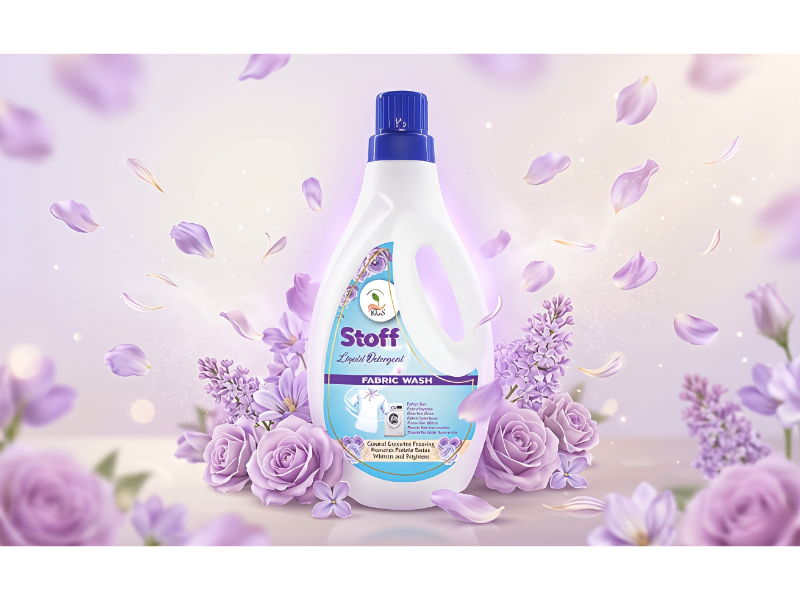
Floral scents are widely used in personal care products, adding a touch of elegance and freshness. This variant is ideal for shampoos, soaps, and body washes.
Herbal Fragrance
Herbal variants are favored for their natural and earthy aromas. They are commonly used in eco-friendly cleaning products and personal care items focused on natural ingredients.
Fruit Fragrance
Bright and fruity scents appeal to consumers looking for a vibrant experience. This variant is often used in children’s cleaning products and personal care items.
Ocean Breeze Fragrance
This refreshing scent mimics the essence of the ocean, making it a popular choice for laundry detergents and air fresheners, promoting a clean and fresh feeling.
Benefits and Advantages
The use of soap and detergent fragrances offers numerous benefits that enhance product value and consumer satisfaction.
Key benefits include:
1. Enhanced User Experience: Pleasant fragrances improve the overall experience of using cleaning products, making tasks more enjoyable.
2. Brand Differentiation: Unique scents can set products apart in a crowded market, helping brands establish a distinctive identity.
3. Consumer Preference: Many consumers select products based on scent, making fragrances a critical factor in purchasing decisions.
4. Odor Neutralization: Effective fragrances help mask unpleasant odors, providing a sense of cleanliness that appeals to users.
5. Emotional Connection: Scents can evoke emotions and memories, fostering a deeper connection with the product and brand.
6. Market Trends: Aligning with current fragrance trends can attract new customers and retain existing ones, ensuring relevance in the market.
Buying Guide for B2B Buyers
When sourcing soap and detergent fragrances, buyers should consider several key factors to ensure they make informed purchasing decisions.
1. Quality Assessment: Evaluate the quality of fragrances by requesting samples and checking for consistency in scent and performance. Look for suppliers who adhere to industry standards.
2. Supplier Verification: Vet potential suppliers by checking their reputation, certifications, and customer feedback. Reliable suppliers should have a track record of delivering quality products.
3. Pricing and MOQ: Consider the pricing structure and minimum order quantities. Ensure that the costs align with your budget while meeting your volume needs.
4. Delivery and Lead Times: Inquire about delivery options and lead times. Timely delivery is essential for maintaining production schedules and meeting customer demands.
5. Compliance Requirements: Ensure that fragrances meet relevant regulatory standards and safety requirements, including any regional compliance considerations.
Compliance and Certifications
Compliance and certifications are crucial in the soap and detergent fragrance industry to ensure product safety and quality. Key quality standards include ISO 9001, which outlines requirements for a quality management system, and HACCP, which focuses on food safety management systems.
Industry certifications such as CE signify that products meet European health, safety, and environmental protection standards. Meeting these standards is important for suppliers and manufacturers looking to market their products globally.
Safety and testing requirements are also vital. Fragrances must undergo thorough testing to ensure they are safe for consumer use, particularly in personal care products. Additionally, regional compliance considerations may vary, requiring manufacturers to stay informed about local regulations.
Why Source Soap & Detergent Fragrances from Pepagora?
Pepagora provides a trusted platform for sourcing soap and detergent fragrances, offering several key advantages to B2B buyers.
Verified Supplier Network: Pepagora features a network of verified suppliers, ensuring that buyers can access quality products from reputable sources. This network minimizes the risk of sourcing inferior fragrances.
Streamlined RFQ Process: The Request for Quotation process on Pepagora is designed to be user-friendly, allowing buyers to easily request pricing and information from multiple suppliers, facilitating informed decision-making.
Trade Assurance and Support: Buyers benefit from trade assurance services that protect their purchases, ensuring satisfaction and reliability in transactions. Pepagora's support team is available to assist throughout the sourcing process.
Regional Coverage: With a broad geographic reach, including India, GCC, and Southeast Asia, Pepagora connects buyers with suppliers across multiple regions, enhancing options and opportunities for sourcing soap and detergent fragrances effectively.

 IN
IN