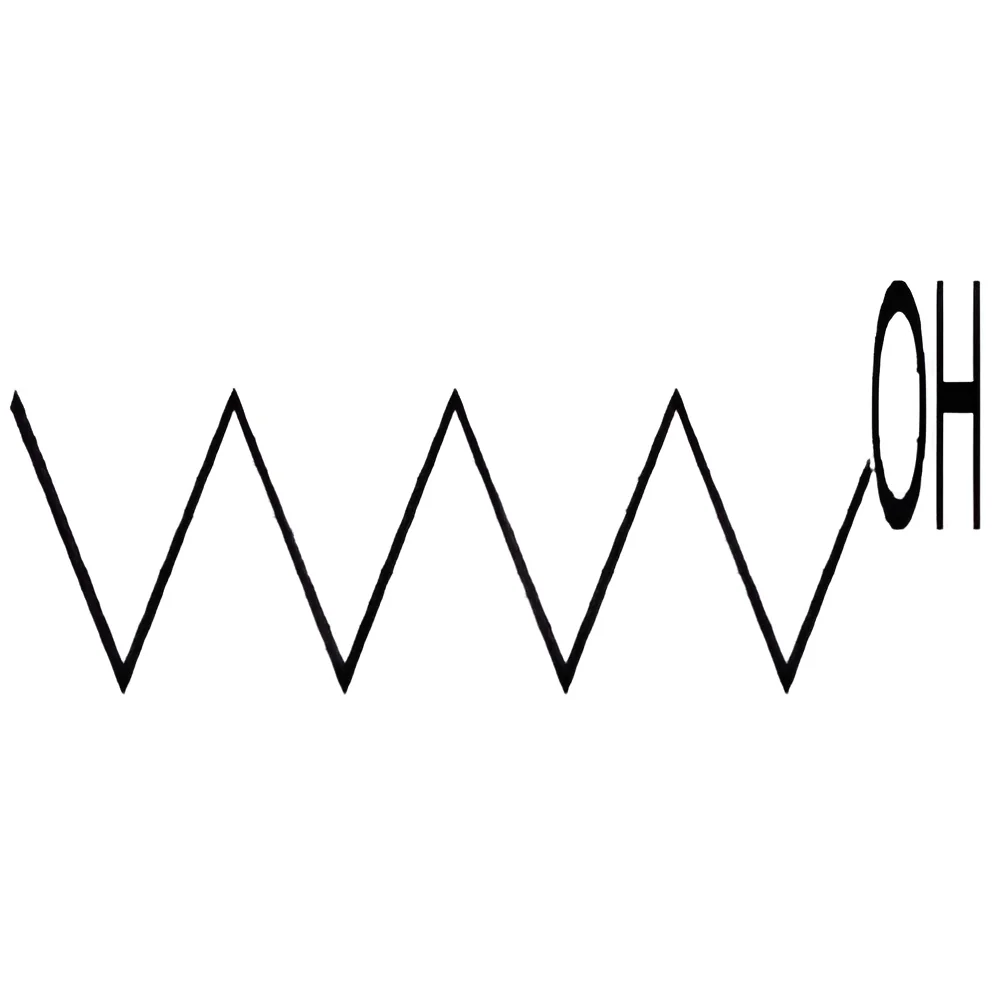
What are Synthetic Aroma Chemicals?
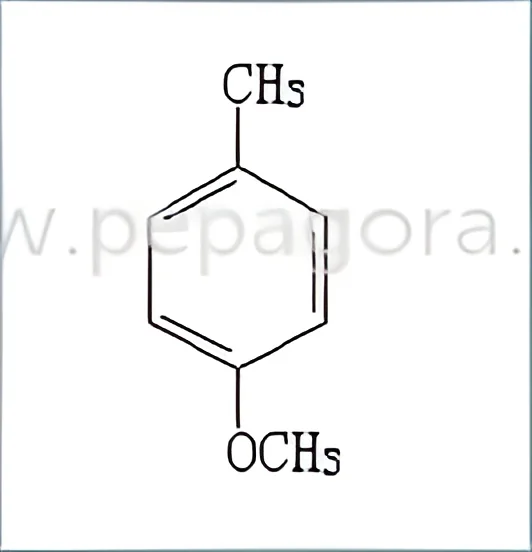
Synthetic aroma chemicals are man-made compounds designed to replicate or enhance natural scents. These chemicals play a crucial role in creating fragrances used in various products, such as perfumes, cosmetics, and household items. By mimicking the smells of natural sources or producing unique scents, synthetic aroma chemicals allow manufacturers to create a diverse range of fragrances with consistent quality and stability.
These chemicals find extensive use across multiple industries, including personal care, food and beverage, and cleaning products. In personal care, they are essential for formulating perfumes and lotions. In the food and beverage sector, they help create appealing flavors and aromas that enhance consumer experience. Cleaning products utilize synthetic aroma chemicals to provide fresh scents that improve the perception of cleanliness. The global market for synthetic aroma chemicals is significant, driven by consumer demand for innovative and varied fragrance options.
Key Features and Specifications
Synthetic aroma chemicals offer a range of features that make them suitable for various applications. These features include their stability, compatibility with different formulations, and the ability to provide customized fragrances. The specifications of these chemicals vary based on their intended use and formulation requirements.
Key specifications include:
1. Purity Level
- High purity levels ensure consistent fragrance quality.
- Purity typically ranges from 95% to 99%.
2. Odor Profile
- Each chemical has a distinct scent profile designed for specific applications.
- Profiles can include floral, fruity, spicy, or woody notes.
3. Solubility
- Important for compatibility with various products.
- Solubility levels vary depending on the chemical structure.
4. Stability
- Resistance to degradation over time and under various conditions.
- Stability is crucial for maintaining fragrance integrity.
5. Regulatory Compliance
- Must meet industry standards for safety and usage.
- Compliance with regulations such as IFRA guidelines.
6. Shelf Life
- Indicates how long the chemical can be stored without losing its properties.
- Typical shelf life ranges from 1 to 3 years.
7. Sensory Evaluation
- Assessed for aroma intensity and overall quality.
- Sensory tests are often performed by trained panels.
8. Application Versatility
- Suitable for use in multiple formulations.
- Can be incorporated into solid, liquid, or aerosol products.
In summary, synthetic aroma chemicals are characterized by their purity, stability, and versatility, making them essential in the fragrance industry.
Common Applications and Use Cases
Synthetic aroma chemicals are utilized in a variety of industries, each with specific applications that enhance the appeal of products.
1. Personal Care: In cosmetics and personal care products, synthetic aroma chemicals are used to create signature scents in lotions, shampoos, and deodorants, providing an enjoyable user experience.
2. Food and Beverage: These chemicals are critical for flavoring, helping to replicate the natural aromas of fruits, spices, and other food items, thereby enhancing taste and olfactory satisfaction.
3. Household Products: Cleaning agents and air fresheners utilize synthetic aroma chemicals to mask unpleasant odors and provide a sense of freshness, contributing to an improved ambiance.
4. Pharmaceuticals: In the pharmaceutical industry, they are used to improve the palatability of medications, making them more acceptable for consumers, particularly in pediatric formulations.
5. Candles: Synthetic aroma chemicals are key ingredients in scented candles, contributing to a wide range of fragrances that enhance home environments.
6. Detergents: These chemicals help to create pleasant scents in laundry detergents, which can influence consumer preference and brand loyalty.
7. Automotive: Fragrance additives are used in automotive products to enhance the in-car experience, making vehicles more enjoyable for drivers and passengers.
Product Variants and Subcategories
Synthetic aroma chemicals encompass a diverse range of variants tailored for different applications. Each variant possesses unique characteristics suitable for specific needs.
Vanilla Note
This variant mimics the sweet and creamy scent of natural vanilla. It is widely used in food products, perfumes, and personal care items to evoke warmth and comfort.
Citrus Blend
Citrus aroma chemicals replicate the fresh scents of oranges, lemons, and limes. These are commonly used in cleaning products and personal care items to impart a sense of cleanliness and vitality.
Floral Essence
Floral variants, such as rose or jasmine, are designed to provide the quintessential scents of flowers. They are often used in perfumes and scented personal care products to deliver a romantic or delicate fragrance.
Woody Undertone
This variant offers earthy and grounding scents reminiscent of woods like cedar and sandalwood. It is frequently found in men's fragrances and home scents, adding depth and richness.
Spicy Aroma
Spice-based aroma chemicals replicate scents such as cinnamon and clove, often used in holiday-themed products and certain food applications to create a warm, inviting atmosphere.
Benefits and Advantages
The use of synthetic aroma chemicals provides numerous benefits to manufacturers and consumers alike.
1. Cost-Effectiveness: Synthetic aroma chemicals are often more affordable than natural extracts, allowing for cost savings in production.
2. Consistency: They provide a uniform scent profile that remains stable over time, ensuring product reliability.
3. Customization: Manufacturers can create a wide range of fragrances tailored to specific consumer preferences and trends.
4. Safety: Synthetic aroma chemicals can be formulated to meet safety standards, minimizing the risk of allergic reactions.
5. Versatility: These chemicals can be used in a variety of applications, from food to personal care, making them highly adaptable to market needs.
6. Regulatory Compliance: They can be designed to comply with industry regulations, ensuring safe and approved usage across products.
Buying Guide for B2B Buyers
When sourcing synthetic aroma chemicals, B2B buyers should consider several key factors to make informed purchasing decisions.
1. Quality Assessment: It is essential to evaluate the quality of synthetic aroma chemicals through documentation and testing. Look for suppliers that provide certificates of analysis to ensure compliance with industry standards.
2. Supplier Verification: Vet suppliers thoroughly by checking their reputation, experience, and customer reviews. Reliable suppliers should demonstrate a commitment to quality and customer service.
3. Pricing and MOQ: Understand the pricing structure and minimum order quantities (MOQ) required by suppliers. This knowledge helps in budgeting and planning for procurement.
4. Delivery and Lead Times: Assess the logistics capabilities of suppliers, including their ability to meet delivery schedules. Reliable lead times are crucial to maintaining production timelines.
5. Compliance Requirements: Ensure that the chemicals sourced comply with relevant regulations and safety standards. This includes certifications and adherence to guidelines set by industry bodies.
Compliance and Certifications
Compliance and certifications are critical elements in the sourcing of synthetic aroma chemicals. Manufacturers must adhere to recognized quality standards to ensure product safety and performance.
ISO 9001 is a widely recognized standard that outlines a framework for quality management systems. Compliance with ISO 9001 ensures that suppliers maintain consistent quality in their products and services.
Industry certifications, such as CE, indicate that products meet European safety and health requirements. This certification is essential for companies looking to enter European markets.
Safety and testing requirements are also paramount. Synthetic aroma chemicals should undergo rigorous testing to ensure they are safe for use in various applications, particularly in food and personal care products.
Additionally, regional compliance considerations must be taken into account, as different countries may have unique regulations governing the use of synthetic aroma chemicals.
Why Source Synthetic Aroma Chemicals from Pepagora?
Pepagora is an established platform for sourcing synthetic aroma chemicals, offering a range of advantages for B2B buyers.
Verified Supplier Network: Pepagora provides access to a network of verified suppliers, ensuring that buyers can connect with reputable manufacturers. This verification process helps mitigate risks associated with sourcing.
Streamlined RFQ Process: The platform features an efficient request for quotation (RFQ) system, allowing buyers to easily obtain quotes from multiple suppliers. This streamlines the procurement process and enhances decision-making.
Trade Assurance and Support: Pepagora offers trade assurance measures that protect buyers during transactions. This includes support for resolving disputes and ensuring product quality.
Regional Coverage: With a strong presence in India, the GCC, and Southeast Asia, Pepagora enables buyers to access a wide range of suppliers across different geographic regions. This broad coverage enhances sourcing opportunities and market reach.

 IN
IN