What are Aromatherapy Oils?
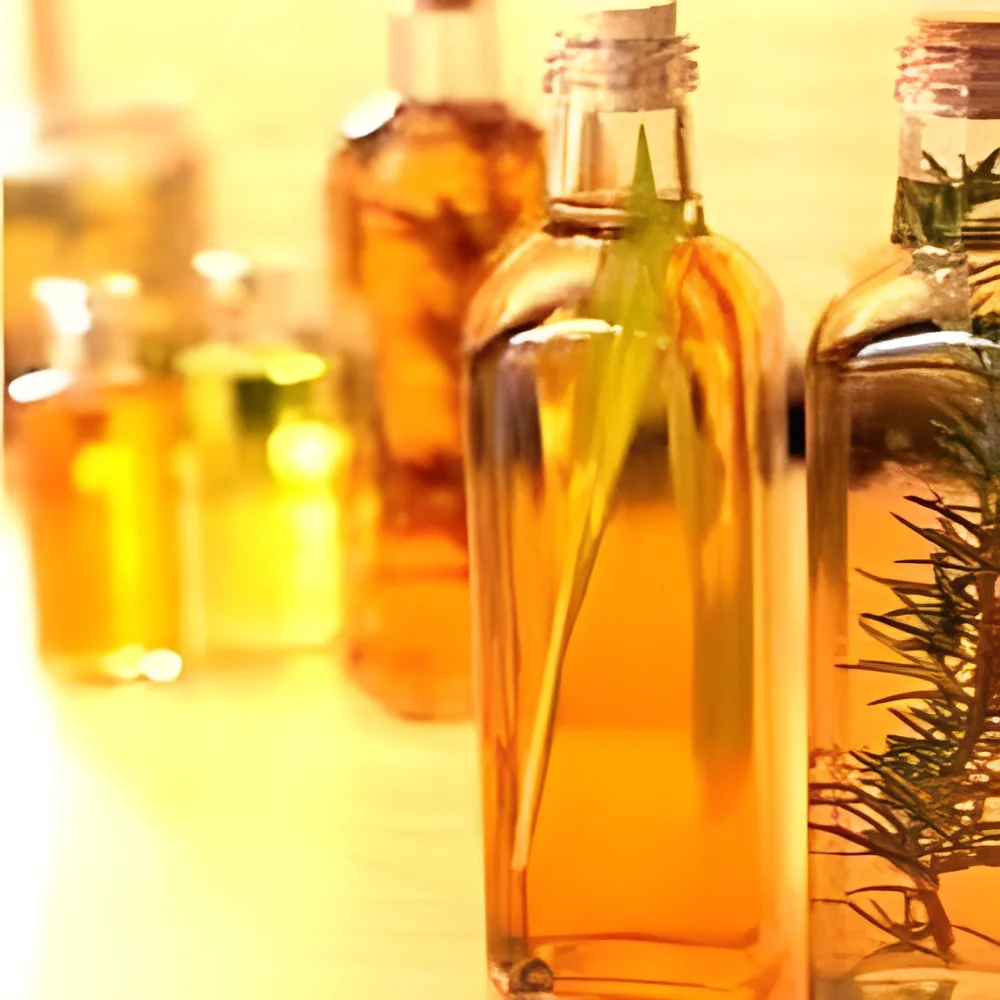
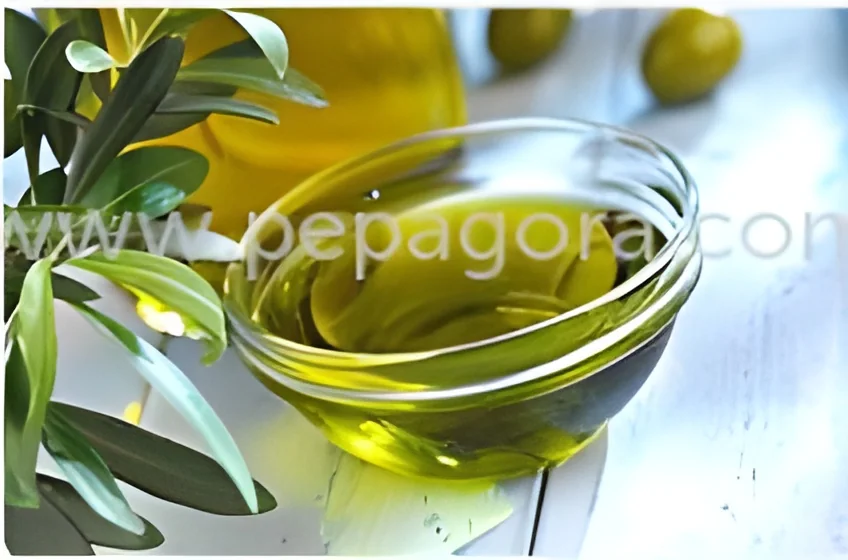
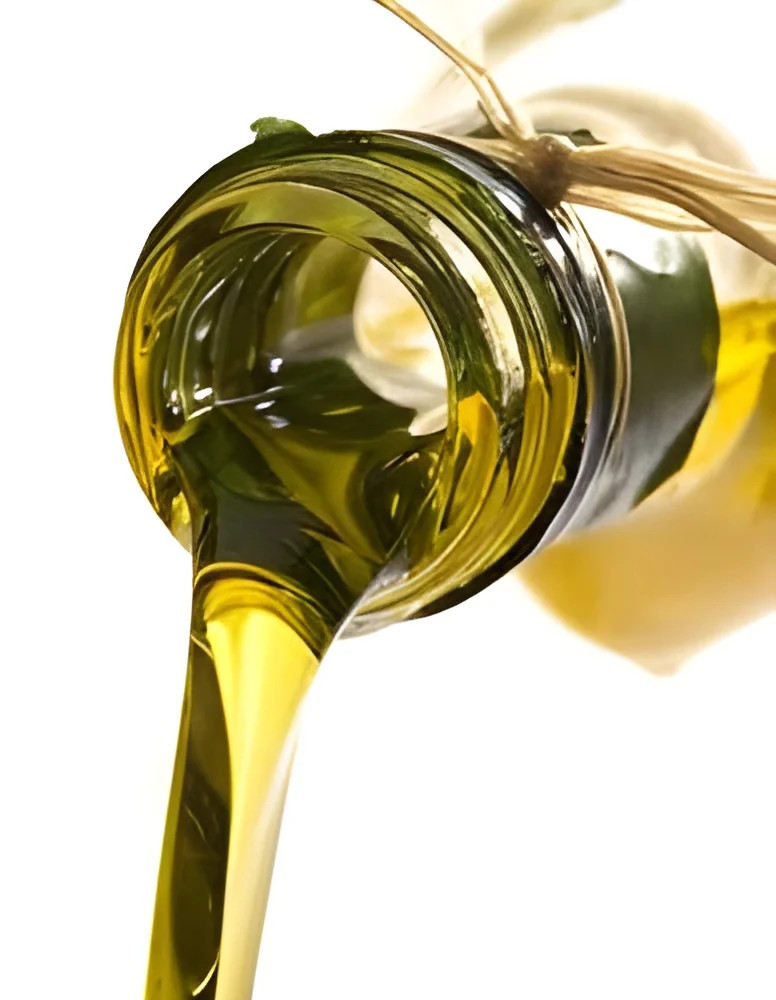
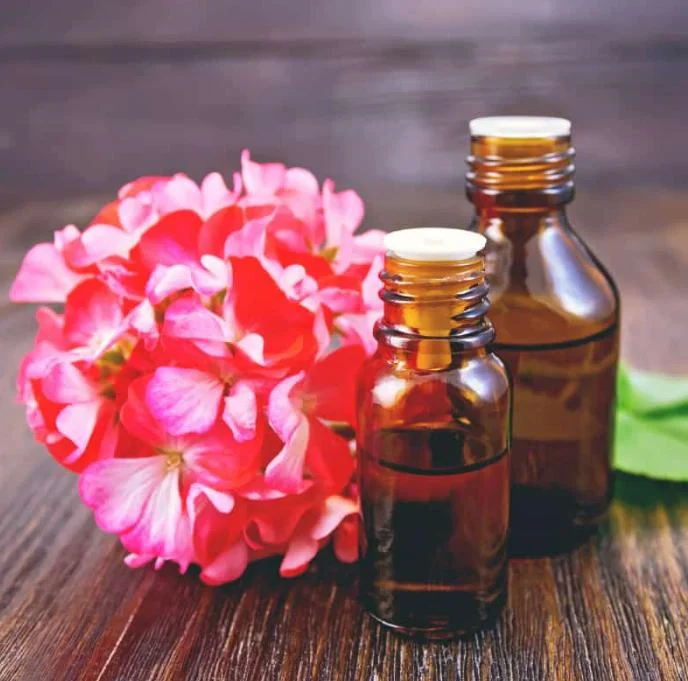
Aromatherapy oils, also known as essential oils, are concentrated plant extracts that capture the natural fragrance and therapeutic properties of various botanicals. These oils are derived from different parts of plants, including leaves, flowers, stems, and roots. They are commonly used in holistic practices to enhance physical and emotional well-being. Through methods like steam distillation and cold pressing, these oils are extracted to retain their potent aromatic qualities.
The primary uses of aromatherapy oils extend across multiple sectors. In wellness and spa industries, they are utilized for massage therapy, relaxation, and stress relief. In addition, these oils find applications in the cosmetic industry, where they enhance products such as creams, lotions, and perfumes. Their potential for promoting health and wellness has increased demand in markets focused on natural and organic products, making them a vital component in many businesses today.
As the global market for aromatherapy continues to grow, businesses are increasingly recognizing the importance of these oils. The rise in consumer awareness regarding health and wellness trends drives demand across various industries. Companies are actively seeking high-quality sources to meet this demand, positioning aromatherapy oils as a significant product in the holistic health market.
Key Features and Specifications
Aromatherapy oils are characterized by several key features that define their quality and effectiveness. Understanding these specifications is crucial for businesses looking to source the right products.
Key specifications include:
1. Purity and Concentration
- Aromatherapy oils should be 100% pure and free from synthetic additives.
- They typically have a high concentration of active compounds, often exceeding 90%.
2. Extraction Method
- Common extraction methods include steam distillation and cold pressing.
- These methods influence the oil's aroma and therapeutic properties.
3. Shelf Life
- The shelf life of aromatherapy oils varies but is generally 2-5 years.
- Proper storage in dark, cool conditions can extend shelf life.
4. Packaging
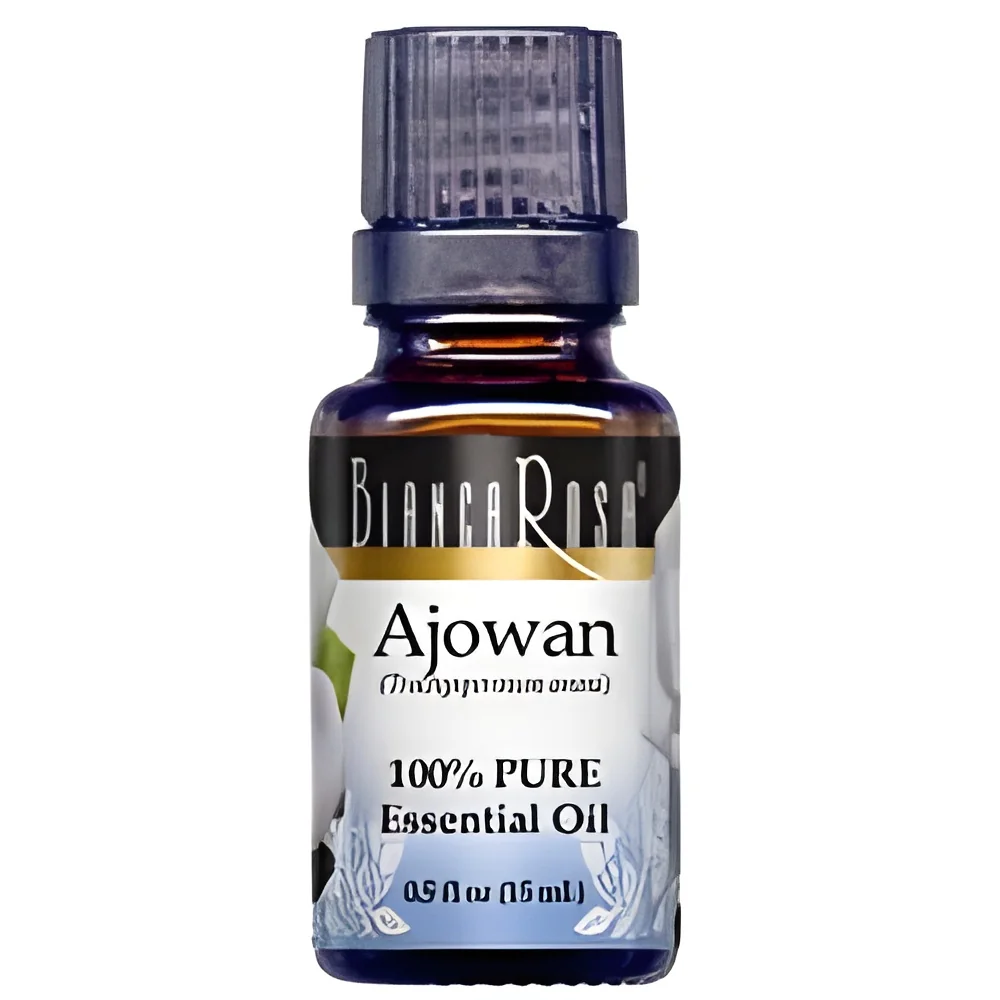
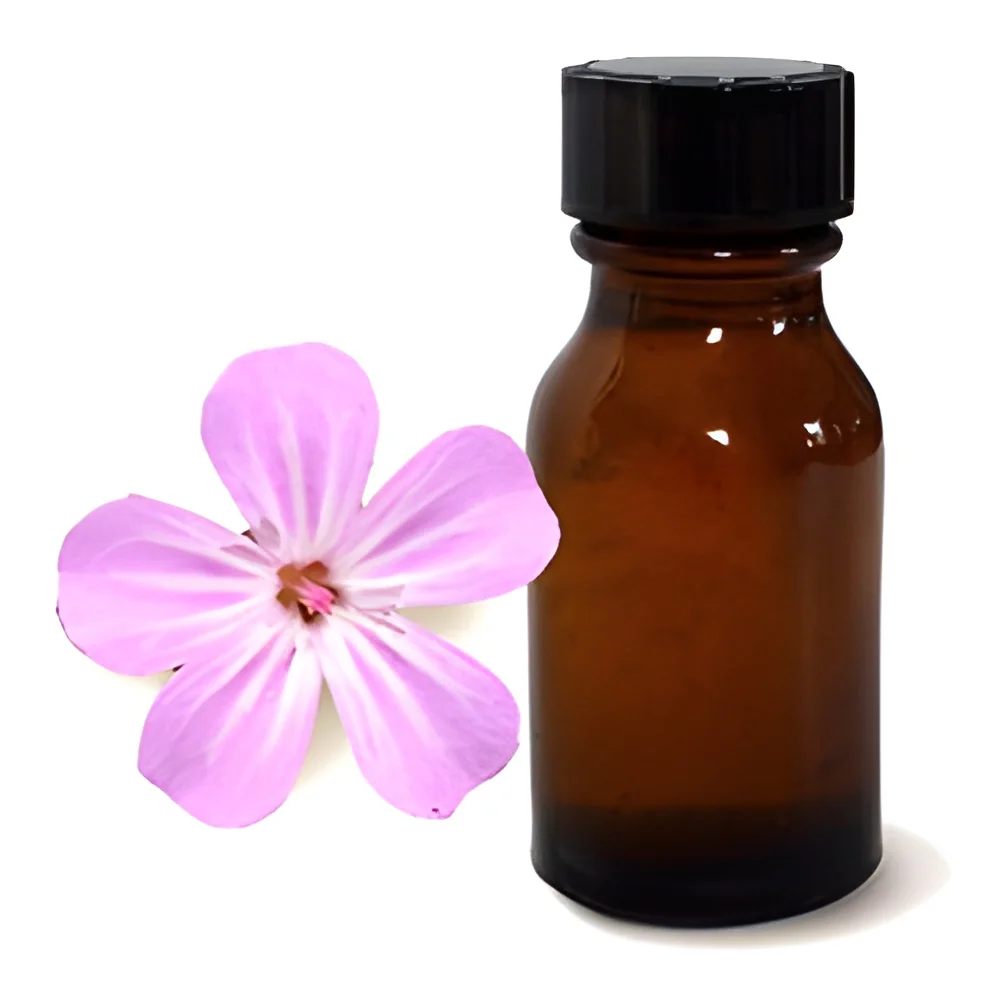
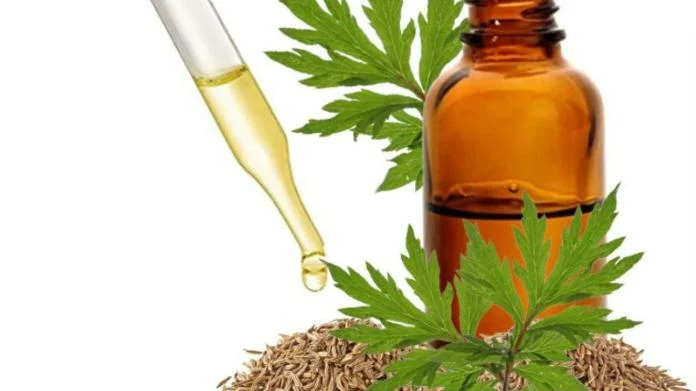
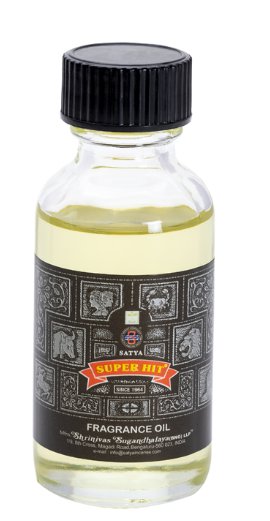
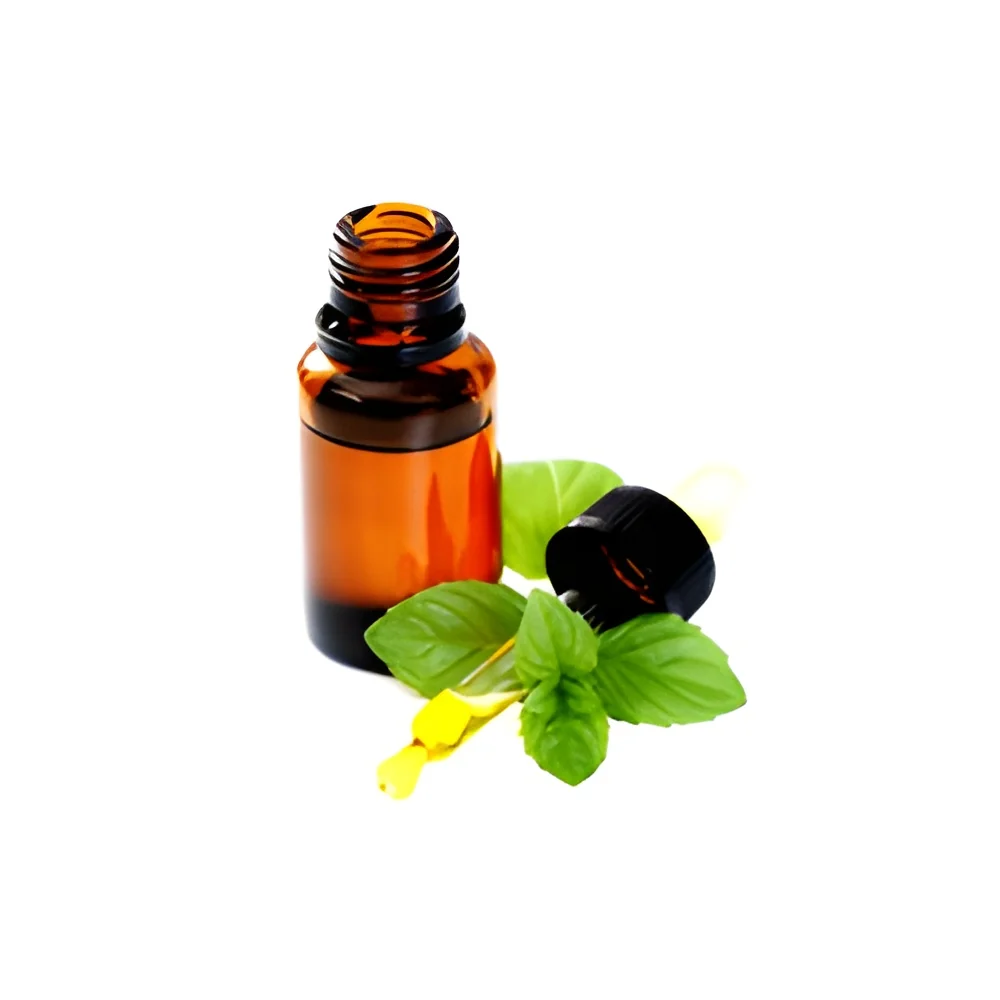
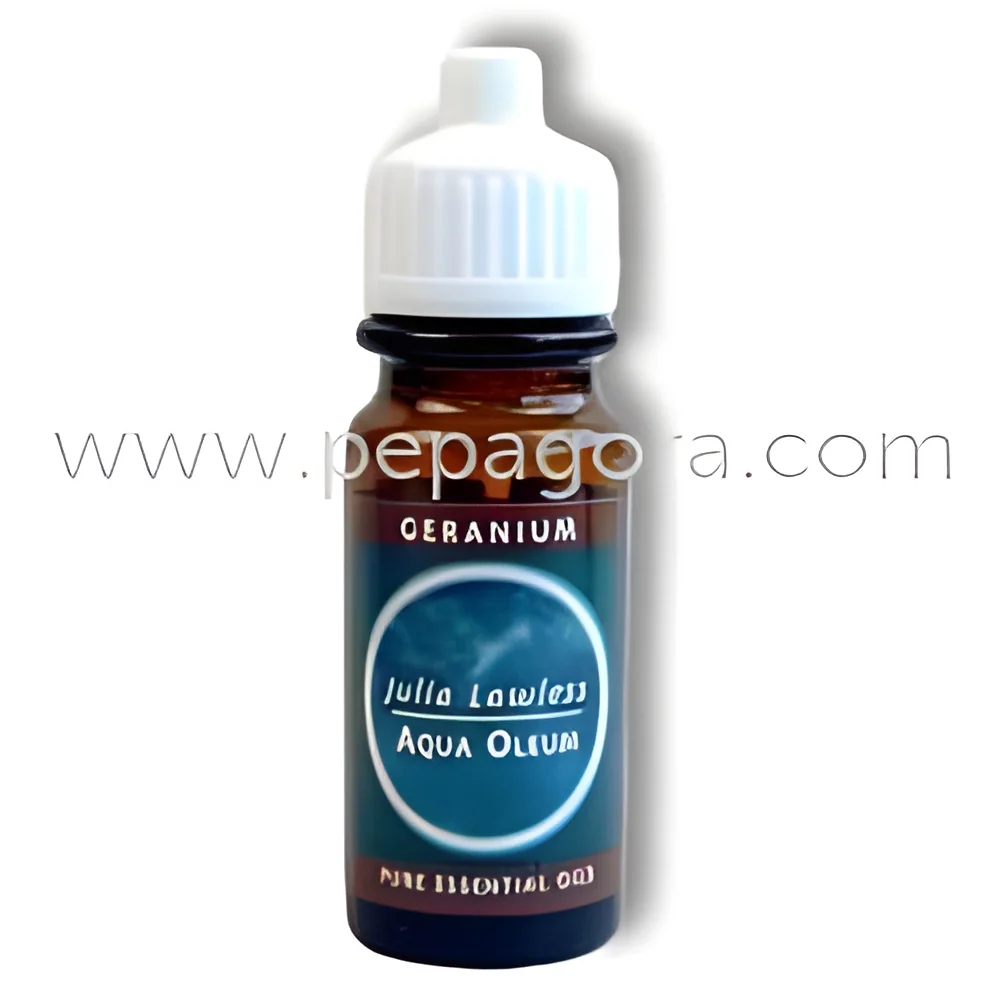
- Oils are usually packaged in dark glass bottles to protect from light.
- Sizes may range from 5ml to 100ml, accommodating different user needs.
5. Sourcing and Origin
- Oils can be sourced from various geographical locations, impacting their characteristics.
- Sourcing transparency is essential for quality assurance.
6. Compliance with Standards
- Many oils adhere to quality standards such as ISO 9001.
- Compliance ensures product safety and efficacy.
7. Fragrance Profile
- Each oil has a unique aroma profile, contributing to its applications in aromatherapy.
- Profiles can range from floral to woody, impacting user preference.
8. Certifications
- Many oils are certified organic or have other certifications like CE.
- Certifications add credibility and assurance for buyers.
In summary, the specifications of aromatherapy oils are vital for ensuring quality and effectiveness. Businesses should consider these features when selecting products for their applications.
Common Applications and Use Cases
Aromatherapy oils serve a wide range of industries with specific applications tailored to their unique needs.
1. Wellness and Spa Industry: Aromatherapy oils are used in massage therapy and relaxation treatments. They help create a calming atmosphere and promote mental well-being.
2. Cosmetic Industry: These oils are incorporated into skincare products, perfumes, and haircare formulations. Their natural aromas enhance user experience and product appeal.
3. Hospitality Industry: Hotels and resorts utilize aromatherapy oils in their ambiance to create inviting environments. Scented oils can influence guest satisfaction and comfort.
4. Health and Fitness: Fitness centers and yoga studios use aromatherapy oils to enhance relaxation and focus during sessions. They contribute to a holistic approach to health.
5. Home Care Products: Many cleaning products now include aromatherapy oils for their natural fragrance and antibacterial properties, appealing to eco-conscious consumers.
6. Food and Beverage: Certain oils are used as flavoring agents in culinary applications, enhancing the overall taste and aroma of dishes.
7. Aromatherapy Diffusers: These devices utilize essential oils to disperse fragrance in homes and offices, providing therapeutic benefits and improving air quality.
Product Variants and Subcategories
Aromatherapy oils come in various types, each with distinct characteristics and applications. This diversity allows businesses to cater to specific needs.
Lavender Oil
Lavender oil is renowned for its calming properties. It is commonly used in relaxation therapies and skincare products. Its floral scent is widely appreciated in the wellness industry.
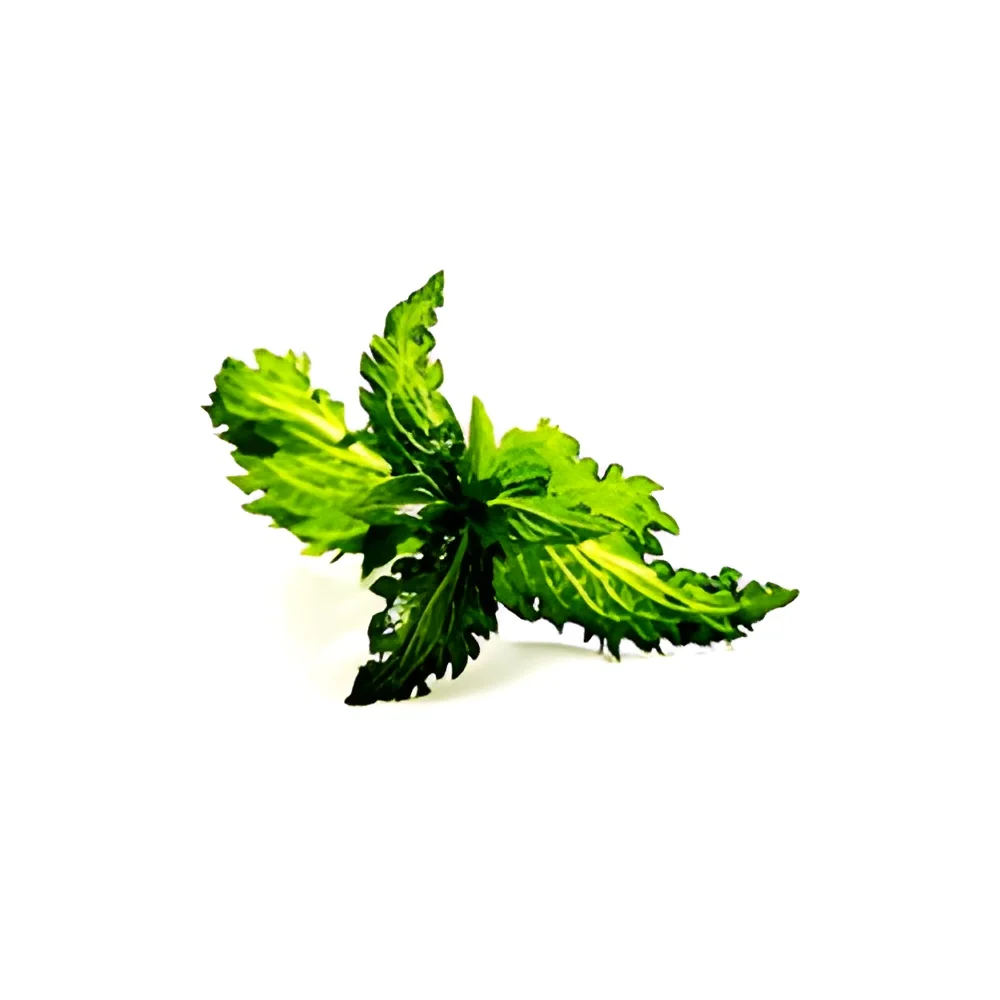
Peppermint Oil
Peppermint oil is known for its invigorating aroma. It is often utilized in aromatherapy to enhance focus and energy levels. Additionally, it is popular in culinary applications for flavor enhancement.
Eucalyptus Oil
Eucalyptus oil is recognized for its refreshing scent and respiratory benefits. It is commonly used in medicinal products and diffusers, making it a staple in health-focused industries.
Tea Tree Oil
Tea tree oil is celebrated for its antibacterial and antifungal properties. It is frequently found in skincare formulations targeting acne and blemishes, appealing to health-conscious consumers.
Lemon Oil
Lemon oil is favored for its uplifting aroma and cleansing properties. It is often used in household cleaning products and personal care items, contributing to a fresh scent.
Benefits and Advantages
Aromatherapy oils offer numerous benefits that make them essential for various applications.
Key benefits include:
1. Stress Relief: Aromatherapy oils can significantly reduce stress and anxiety levels. Their calming properties create a soothing environment for users.
2. Enhanced Mood: Many oils have uplifting effects, contributing to improved mood and emotional well-being. This makes them popular in therapeutic settings.
3. Natural Remedies: Aromatherapy oils provide natural alternatives for various health concerns. They can support physical wellness without synthetic additives.
4. Versatility: These oils can be used in a wide range of applications, from personal care to home fragrance. Their versatility allows businesses to explore various markets.
5. Eco-Friendly: Aromatherapy oils are often derived from natural sources, appealing to consumers seeking sustainable products. Their use can align with eco-conscious business practices.
6. Customization: Businesses can blend different oils to create unique products tailored to specific consumer preferences. This allows for innovation in product offerings.
Buying Guide for B2B Buyers
When sourcing aromatherapy oils, businesses should consider several critical factors to ensure they select high-quality products that meet their needs.
1. Quality Assessment: Evaluate the purity and concentration of oils. Look for oils that are 100% pure and free from synthetic additives to ensure effectiveness.
2. Supplier Verification: Vet suppliers thoroughly to confirm their credibility. Assess their sourcing practices and quality control measures to ensure reliable products.
3. Pricing and MOQ: Consider the pricing structure and minimum order quantities. Understanding cost dynamics will help in budgeting and inventory management.
4. Delivery and Lead Times: Review logistics and expected delivery times. Ensure that the supplier can meet your delivery requirements to avoid disruptions.
5. Compliance Requirements: Be aware of any regulatory standards that apply to aromatherapy oils. Compliance with local and international regulations is crucial for product safety.
Compliance and Certifications
Aromatherapy oils must adhere to various quality standards and certifications to ensure safety and effectiveness.
Relevant quality standards include ISO 9001, which sets requirements for quality management systems. This standard helps ensure that suppliers maintain high levels of quality in their production processes.
Industry certifications such as CE indicate that products meet European safety standards. This certification is essential for businesses looking to market their products in Europe and ensures compliance with necessary regulations.
Safety and testing requirements are also critical. Oils should undergo rigorous testing to confirm their purity and absence of harmful substances. This testing helps protect consumers and builds trust in the product.
Additionally, regional compliance considerations vary. Different countries may have specific regulations regarding the sale and use of aromatherapy oils. Understanding these requirements is essential for businesses operating in multiple regions.
Why Source Aromatherapy Oils from Pepagora?
Pepagora offers a reliable platform for sourcing aromatherapy oils, providing several key advantages for B2B buyers.
Verified Supplier Network: Pepagora boasts a network of verified suppliers dedicated to quality and reliability. This network ensures that buyers can access premium products with confidence.
Streamlined RFQ Process: The platform features a streamlined Request for Quotation process, simplifying the sourcing experience. Buyers can easily obtain quotes from multiple suppliers, saving time and effort.
Trade Assurance and Support: Pepagora provides trade assurance and support to protect buyers during transactions. This assurance builds trust and enhances the overall purchasing experience.
Regional Coverage: With a focus on markets in India, the GCC, and Southeast Asia, Pepagora offers extensive regional coverage. This allows businesses to tap into diverse markets and streamline their supply chains effectively.

 IN
IN