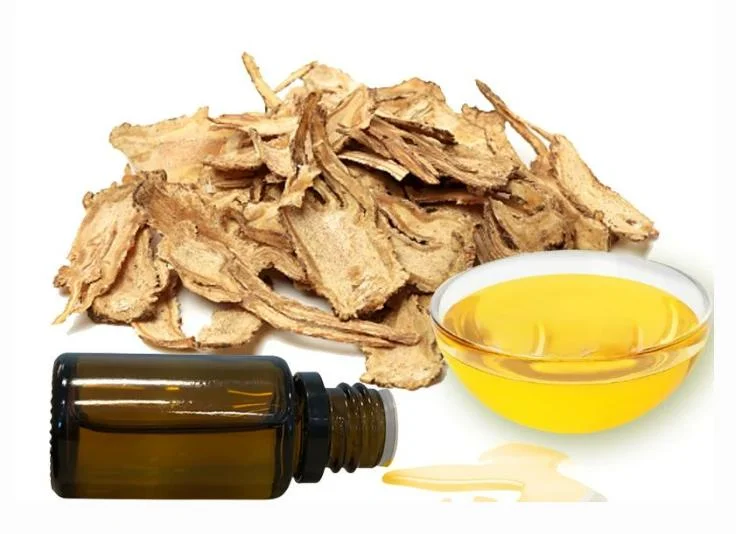
What are Therapeutic Grade Oils?
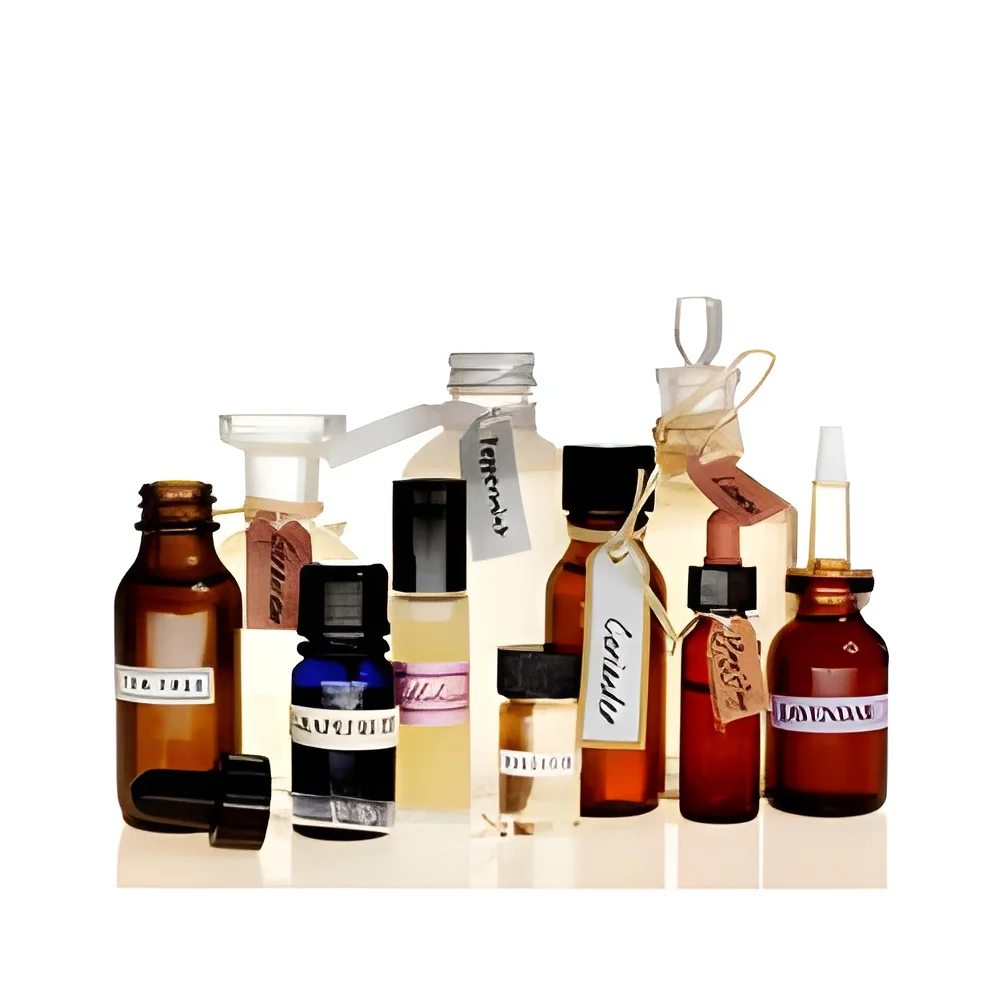
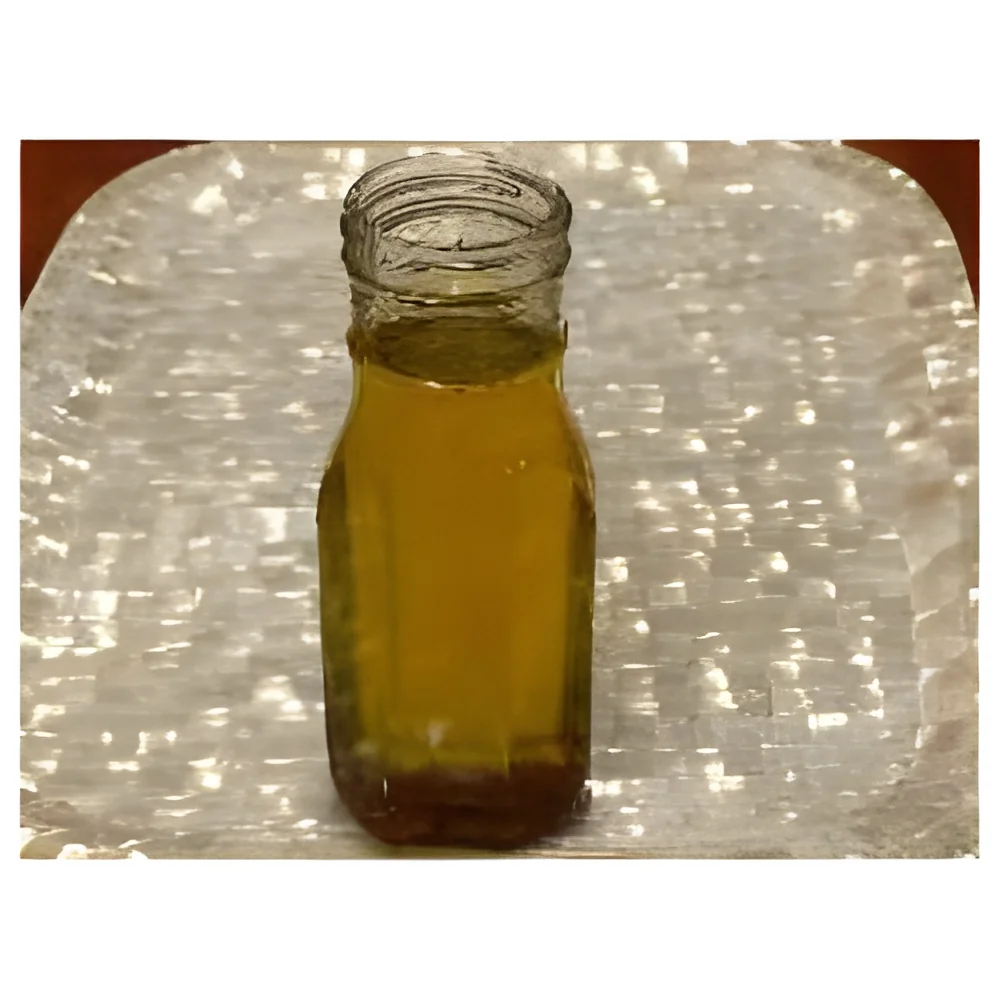
Therapeutic grade oils are high-quality essential oils derived from plants, which are produced to meet rigorous standards for purity and potency. These oils are extracted through methods such as steam distillation or cold pressing and are known for their therapeutic properties. The classification of "therapeutic grade" indicates that these oils are suitable for medicinal and holistic applications, ensuring they retain their natural constituents and beneficial effects.
Organizations and businesses use therapeutic grade oils in various sectors, including aromatherapy, cosmetics, and health products. These oils can be blended for specific therapeutic effects, such as stress relief, pain management, or skin care. Their versatility makes them valuable ingredients in products aimed at enhancing well-being, improving quality of life, and supporting health.
As the demand for natural and organic products continues to rise, the market for therapeutic grade oils has expanded significantly. Industries are increasingly seeking sustainable and ethically sourced oils, leading to greater emphasis on quality standards and certifications. This trend highlights the importance of reliable suppliers and the need for businesses to stay informed about industry developments and regulatory requirements.
Key Features and Specifications
Therapeutic grade oils are characterized by specific features and specifications that ensure their quality and effectiveness. These specifications are critical for businesses looking to source reliable products for their applications.
Key specifications include:
1. Purity Level
- Must contain at least 90% pure oil for therapeutic use
- Free from synthetic additives or fillers
2. Extraction Method
- Typically derived from steam distillation or cold pressing
- Ensures maximum retention of natural properties
3. Shelf Life
- Generally ranges from 1 to 3 years depending on the oil type
- Proper storage can extend longevity
4. Aroma Profile
- Distinct scent characteristic of the source plant
- Consistency in aroma is crucial for user satisfaction
5. Batch Testing
- Each batch should undergo testing for potency and purity
- Testing may include GC/MS analysis to verify constituents
6. Packaging Standards
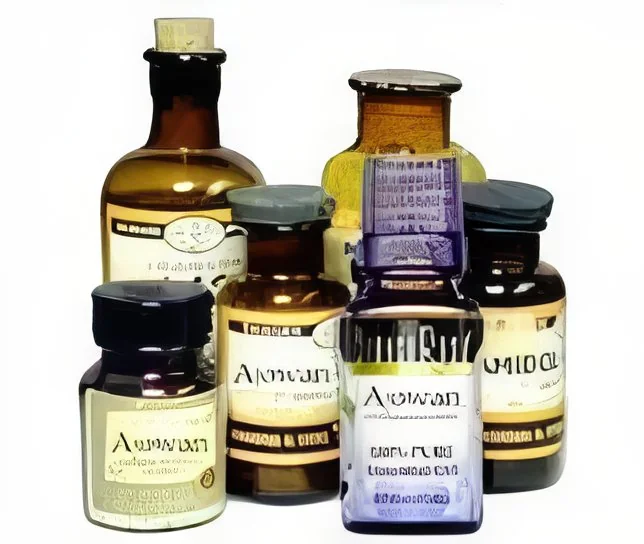
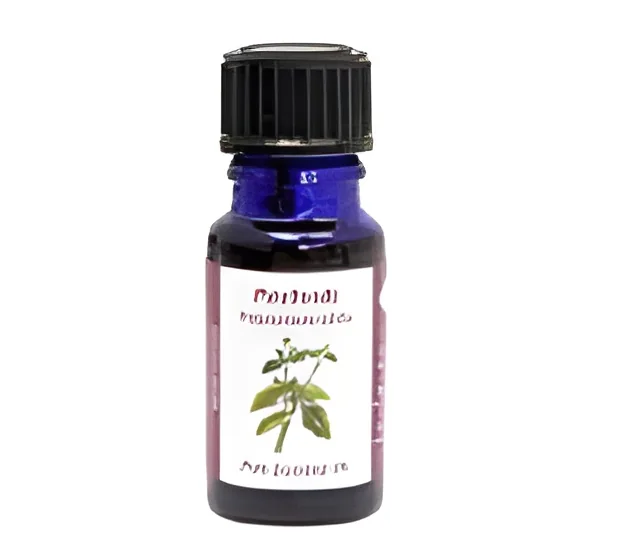
- Should be stored in dark glass containers to protect from light
- Sealed packaging helps maintain integrity
7. Compliance with Regulatory Standards
- Must meet industry standards such as CE certification
- Adherence to local regulations regarding natural products
8. Concentration Levels
- Varies by product; typically expressed in percentage
- Higher concentration may indicate stronger therapeutic effects
In summary, understanding these specifications is vital for businesses to ensure they are sourcing high-quality therapeutic grade oils that meet their needs.
Common Applications and Use Cases
Therapeutic grade oils find diverse applications across numerous industries, enhancing products and services in various ways.
1. Aromatherapy: Essential oils are widely used in diffusers and massage oils to promote relaxation and well-being. They are instrumental in stress relief, mood enhancement, and overall therapeutic practices.
2. Cosmetics: Many skincare and beauty products incorporate therapeutic grade oils for their beneficial properties. These oils can improve skin health, provide hydration, and enhance the sensory experience of products.
3. Healthcare: In the wellness industry, therapeutic grade oils are utilized for their potential health benefits. They may be included in holistic treatments and natural remedies aimed at various health concerns.
4. Food and Beverage: Some therapeutic grade oils are used in food products for flavoring or health benefits. They can enhance the nutritional profile of products while providing natural flavoring.
5. Cleaning Products: Essential oils are increasingly included in eco-friendly cleaning products due to their antibacterial and antimicrobial properties. Their pleasant aromas also improve the user experience.
6. Spa and Wellness Centers: Therapeutic grade oils are commonly used in spa treatments, such as massages and facials. They enhance relaxation and promote rejuvenation.
7. Veterinary Use: Some therapeutic oils are applied in veterinary settings for holistic treatment of pets. They assist in managing stress and promoting health in animals.
Product Variants and Subcategories
Therapeutic grade oils come in various forms, each tailored to specific uses and preferences.
Lavender Oil
Lavender oil is known for its calming properties, making it a popular choice in aromatherapy. It is often used in sleep aids and relaxation products due to its soothing effects on the mind and body.
Peppermint Oil
Peppermint oil is valued for its invigorating scent and potential digestive benefits. It is frequently included in both wellness products and cosmetics, providing a refreshing aroma and sensation.
Tea Tree Oil
Tea tree oil is renowned for its antimicrobial properties, commonly used in skincare products. It is effective in treating acne and other skin conditions, making it a staple in health and beauty formulations.
Eucalyptus Oil
Eucalyptus oil is often used for respiratory support and is a key ingredient in many cold and flu remedies. Its refreshing scent is also favored in personal care products.
Lemon Oil
Lemon oil is celebrated for its uplifting aroma and cleansing properties. It is commonly used in cleaning products and as a flavoring agent in food and beverages.
Benefits and Advantages
Sourcing therapeutic grade oils offers numerous advantages that can significantly enhance product offerings.
1. High Purity: Therapeutic grade oils are known for their high purity levels, ensuring that users receive the full benefits without harmful additives.
2. Versatile Applications: These oils can be used in various industries, making them suitable for a wide range of products, from health to cosmetics.
3. Natural Ingredients: Consumers increasingly prefer natural products, and therapeutic grade oils align with this trend, attracting a conscious customer base.
4. Enhanced Customer Satisfaction: The quality and efficacy of therapeutic grade oils can lead to improved customer experiences, fostering brand loyalty.
5. Regulatory Compliance: Sourcing from reputable suppliers ensures that products meet necessary compliance and safety standards, reducing risks for businesses.
6. Customization Opportunities: Businesses can customize blends for specific therapeutic effects, allowing for innovative product development.
Buying Guide for B2B Buyers
When sourcing therapeutic grade oils, businesses should consider several key factors to ensure they make informed purchasing decisions.
1. Quality Assessment: Evaluate the purity and potency of oils by reviewing supplier certifications and testing results. Look for documentation such as GC/MS analysis to confirm quality.
2. Supplier Verification: Conduct thorough background checks on suppliers to ensure they have a reliable track record. Look for reviews or testimonials from other customers.
3. Pricing and MOQ: Understand the pricing structure and minimum order quantities (MOQ) set by suppliers. This can impact budget planning and inventory management.
4. Delivery and Lead Times: Assess logistics capabilities, including shipping methods and estimated delivery times. Reliable suppliers should provide clear timelines for fulfillment.
5. Compliance Requirements: Familiarize yourself with regulatory standards relevant to therapeutic grade oils in your region. Ensure your suppliers adhere to these regulations.
Compliance and Certifications
Therapeutic grade oils must adhere to various quality standards and certifications to ensure their safety and effectiveness in commercial applications.
Standards such as ISO 9001 and HACCP are critical in establishing quality management systems that ensure consistent product quality. These standards guide the manufacturing processes and help maintain high hygiene and safety levels.
Industry certifications like CE indicate that the products meet European safety and health requirements. Such certifications are essential for building trust with buyers and ensuring compliance with international regulations.
Additionally, safety and testing requirements must be met to confirm the oils are free from contaminants. Regular testing ensures that the oils maintain their therapeutic properties and are safe for consumer use.
Regional compliance considerations vary based on local regulations governing essential oils. Buyers should be aware of these requirements to avoid legal complications and ensure their products can be marketed effectively.
Why Source Therapeutic Grade Oils from Pepagora?
Pepagora offers a trusted platform for sourcing therapeutic grade oils, providing several key advantages that benefit B2B buyers.
The verified supplier network ensures that all suppliers have undergone rigorous checks to confirm their reliability and product quality. This gives buyers confidence in their sourcing decisions.
The streamlined RFQ process simplifies the quotation and procurement process. Buyers can quickly compare offerings and receive tailored quotes, making it easier to choose the right supplier.
Trade assurance and support are critical features that protect buyers during transactions. Pepagora offers mechanisms to resolve disputes and ensure that orders are fulfilled as agreed.
Finally, Pepagora's regional coverage spans India, the GCC, and Southeast Asia, providing access to a wide range of suppliers. This geographic reach allows businesses to source products that meet their specific needs while benefiting from competitive pricing and diverse options.

 IN
IN