What are Spice Oils (Cinnamon, Clove, Nutmeg)?
Spice oils, including cinnamon, clove, and nutmeg, are concentrated essential oils derived from their respective spices. These oils are extracted through various methods, such as steam distillation or cold pressing, which capture the natural aromatic compounds present in the spices. The resulting products are aromatic and flavorful oils that possess various beneficial properties.
In the business realm, spice oils are primarily used in food and beverage manufacturing, culinary applications, and the cosmetic industry. They enhance flavors, preserve freshness, and provide distinct aromas to products. Beyond their culinary uses, these oils are also valued in aromatherapy and health-related applications for their potential therapeutic benefits, such as anti-inflammatory and antimicrobial properties. The global demand for spice oils continues to grow, driven by trends in natural ingredients and health consciousness among consumers.
๐๐ฒ๐ ๐๐ฒ๐ฎ๐๐๐ฟ๐ฒ๐ ๐ฎ๐ป๐ฑ ๐ฆ๐ฝ๐ฒ๐ฐ๐ถ๐ณ๐ถ๐ฐ๐ฎ๐๐ถ๐ผ๐ป๐
Spice oils offer several key features that make them valuable for various applications. These specifications help businesses understand the quality and usability of the products they are sourcing.
Key specifications include:
1. Aroma Profile
- Each spice oil has a unique aroma profile that contributes to its application.
- For example, cinnamon oil is warm and sweet, while clove oil has a strong and spicy scent.
2. Chemical Composition
- The primary active components vary by oil, affecting their flavor and benefits.
- Cinnamon oil typically contains cinnamaldehyde, clove oil has eugenol, and nutmeg oil includes myristicin.
3. Extraction Method
- The method of extraction can impact the quality and potency of the oil.
- Common methods include steam distillation for clove and cinnamon oils.
4. Shelf Life
- Spice oils generally have a good shelf life when stored properly.
- Typical shelf life ranges from 1 to 3 years depending on the oil and storage conditions.
5. Packaging Options
- Available in various packaging sizes to meet different business needs.
- Common packaging includes bottles, drums, or bulk containers.
6. Purity Level
- High-quality spice oils should be 100% pure without additives.
- Certification may be available to confirm purity.
7. Compliance with Standards
- Spice oils should meet food safety and quality standards.
- Compliance with regulations like CE and HACCP is often required.
8. Geographic Sourcing
- Spice oils are sourced from various regions known for their specific spices.
- Sourcing from established regions ensures quality and authenticity.
In summary, understanding the key features and specifications of spice oils is crucial for businesses seeking to incorporate these products into their offerings.
๐๐ผ๐บ๐บ๐ผ๐ป ๐๐ฝ๐ฝ๐น๐ถ๐ฐ๐ฎ๐๐ถ๐ผ๐ป๐ ๐ฎ๐ป๐ฑ ๐จ๐๐ฒ ๐๐ฎ๐๐ฒ๐
Spice oils find utility across multiple industries due to their unique properties and benefits.
1. Food and Beverage Industry: Spice oils are used to enhance flavor profiles in baked goods, beverages, and sauces, contributing to distinctive tastes and aromas.
2. Cosmetic Industry: These oils are incorporated into skincare and personal care products for their aromatic properties and potential skin benefits, such as anti-inflammatory effects.
3. Aromatherapy: Spice oils are popular in aromatherapy for their soothing and stimulating effects. They are used in diffusers and massage oils to promote relaxation and well-being.
4. Pharmaceutical Industry: The antimicrobial properties of spice oils make them useful in formulations for health supplements and medicinal products.
5. Household Products: Spice oils are used in cleaning products and air fresheners for their pleasant fragrances and natural antibacterial properties.
6. Flavoring Agents: Manufacturers use spice oils as natural flavoring agents in confectionery, marinades, and dressings.
7. Pet Care: Some spice oils are included in pet products for their natural benefits and pleasant scents.
๐ฃ๐ฟ๐ผ๐ฑ๐๐ฐ๐ ๐ฉ๐ฎ๐ฟ๐ถ๐ฎ๐ป๐๐ ๐ฎ๐ป๐ฑ ๐ฆ๐๐ฏ๐ฐ๐ฎ๐๐ฒ๐ด๐ผ๐ฟ๐ถ๐ฒ๐
Spice oils come in various forms to cater to different applications and preferences.
Cinnamon Oil
Cinnamon oil is known for its warm, sweet aroma and is widely used in food products, baked goods, and personal care items. Its strong antioxidant properties make it a popular choice in health and wellness applications.
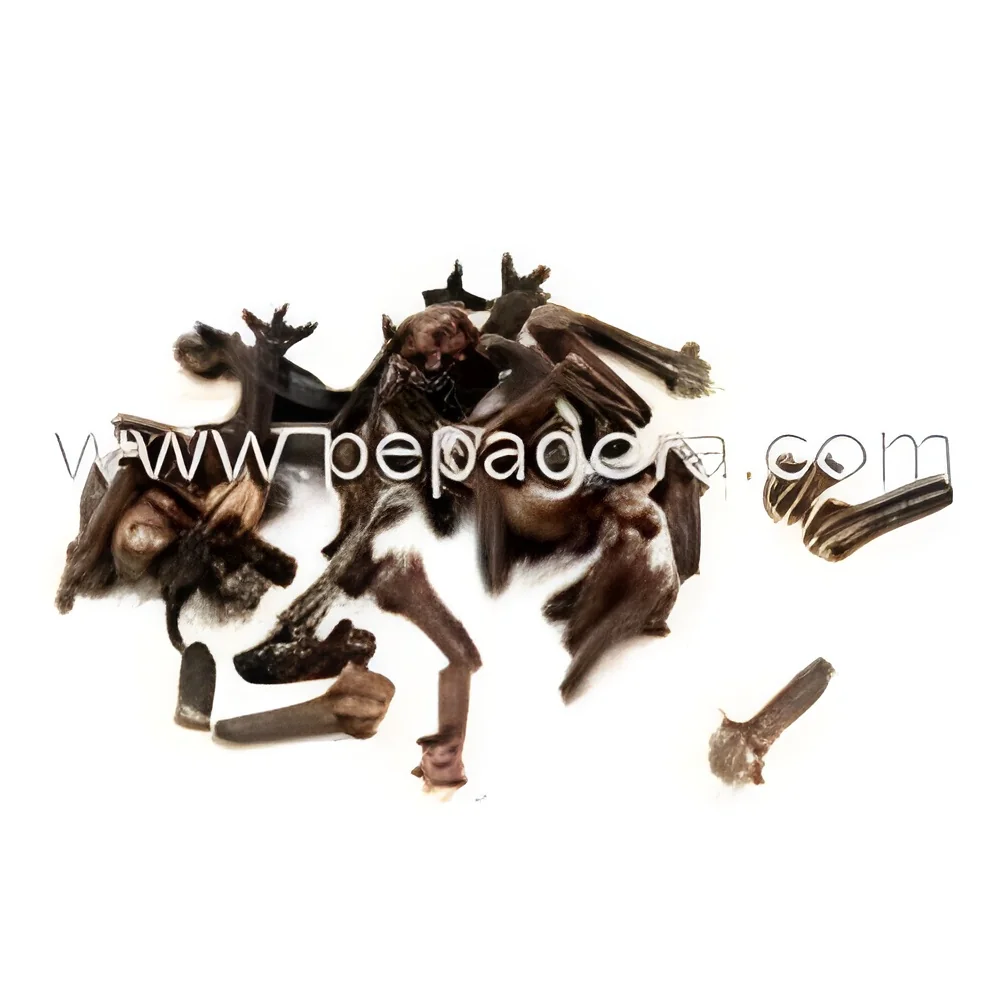
Clove Oil
Clove oil has a robust and spicy fragrance, often utilized in dental care products due to its analgesic properties. It is also prevalent in culinary uses, providing a unique flavor in both sweet and savory dishes.
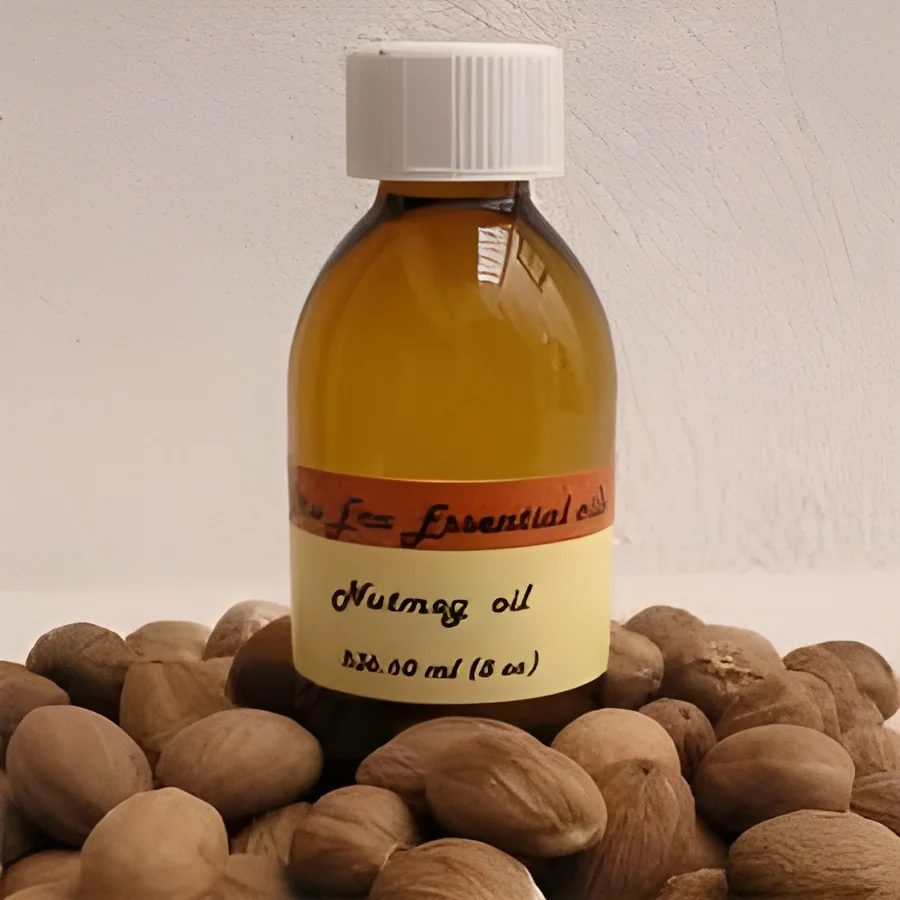
Nutmeg Oil
Nutmeg oil is characterized by its sweet and nutty aroma, making it ideal for flavoring desserts and beverages. It is also valued in aromatherapy for its calming effects and is often included in massage oils.
๐๐ฒ๐ป๐ฒ๐ณ๐ถ๐๐ ๐ฎ๐ป๐ฑ ๐๐ฑ๐๐ฎ๐ป๐๐ฎ๐ด๐ฒ๐
Sourcing spice oils provides several advantages for businesses looking to enhance their product offerings.
1. Natural Flavor Enhancement: Spice oils enrich food products with authentic flavors, appealing to consumer preferences for natural ingredients.
2. Versatile Applications: These oils can be used across various industries, increasing their utility and market potential.
3. Health Benefits: Many spice oils offer potential health benefits, making them attractive for inclusion in health products and supplements.
4. Cost-Effectiveness: Concentrated oils require smaller quantities for flavoring, enhancing cost efficiency in production.
5. Consumer Appeal: The trend towards natural and organic products increases consumer demand for spice oils, providing a competitive edge.
6. Regulatory Compliance: Sourcing from reputable suppliers ensures that products meet industry standards and regulatory requirements, reducing risk.
๐๐๐๐ถ๐ป๐ด ๐๐๐ถ๐ฑ๐ฒ ๐ณ๐ผ๐ฟ ๐๐ฎ๐ ๐๐๐๐ฒ๐ฟ๐
When sourcing spice oils, businesses should consider several critical factors to ensure they secure high-quality products.
1. Quality Assessment: It is essential to evaluate the quality of spice oils through sensory analysis and lab testing. Buyers should look for certifications that verify purity and quality.
2. Supplier Verification: Vetting suppliers is crucial for ensuring reliability. Buyers should check references, certifications, and reviews to assess a supplier's reputation.
3. Pricing and MOQ: Understanding the pricing structure and minimum order quantities (MOQs) is important for budgeting and ensuring sufficient supply without excessive inventory.
4. Delivery and Lead Times: Buyers should inquire about lead times to avoid production delays. Reliable logistics and timely deliveries are key considerations in the procurement process.
5. Compliance Requirements: Ensuring that the spice oils meet all relevant regulatory standards is essential for safety and legality in product formulations.
๐๐ผ๐บ๐ฝ๐น๐ถ๐ฎ๐ป๐ฐ๐ฒ ๐ฎ๐ป๐ฑ ๐๐ฒ๐ฟ๐๐ถ๐ณ๐ถ๐ฐ๐ฎ๐๐ถ๐ผ๐ป๐
Spice oils must adhere to several quality and safety standards to ensure their suitability for use in various applications.
Relevant quality standards include ISO 9001, which ensures quality management systems are in place, and HACCP, which focuses on food safety management. Compliance with these standards is critical for manufacturers seeking to ensure product safety and quality.
Industry certifications, such as CE, offer additional assurance that products meet European health, safety, and environmental protection standards. These certifications are important for businesses aiming to market their products in international markets.
Safety and testing requirements are also a vital aspect of compliance, including assessments for contaminants and potency. Each batch of spice oil may need to undergo testing for quality assurance.
Additionally, regional compliance considerations must be taken into account as regulations regarding spice oils can vary by country or region. Adhering to these regulations is essential for legal distribution and market access.
Why Source Spice Oils (Cinnamon, Clove, Nutmeg) from Pepagora?
Pepagora offers a reliable platform for sourcing spice oils, providing numerous advantages for B2B buyers.
Verified Supplier Network: Pepagora connects buyers with a network of verified suppliers, ensuring that businesses can source high-quality spice oils with confidence. Each supplier undergoes thorough vetting to maintain standards.
Streamlined RFQ Process: The request for quotation (RFQ) process on Pepagora is designed to be user-friendly and efficient, allowing buyers to obtain competitive pricing and product details swiftly.
Trade Assurance and Support: Buyers benefit from trade assurance programs that protect their investments and ensure safe transactions. Dedicated support is available to assist with any inquiries or issues that may arise.
Regional Coverage: Pepagora's geographic reach spans India, the GCC, and Southeast Asia, providing access to a diverse array of spice oils and supplier options. This broad coverage enables buyers to find the right products for their specific needs.