What are Perfumery Ingredients?
Perfumery ingredients are raw materials used in the formulation of fragrances. These ingredients can be natural, derived from plants and flowers, or synthetic, created through chemical processes. They play a crucial role in defining the scent profile of perfumes, cosmetics, and personal care products. The complexity of a fragrance often comes from the combination of various ingredients, resulting in unique and appealing aromas.
These ingredients are primarily used in the fragrance industry, where they are combined to produce perfumes and scented products. They also find applications in sectors such as cosmetics, soaps, and household products, enhancing the overall sensory experience. The market for perfumery ingredients has been expanding due to increased consumer demand for personal care and fragrance products, making it a vital area in the beauty and wellness industry.
Key Features and Specifications
Perfumery ingredients are characterized by several key features and specifications that determine their suitability for different applications. Understanding these specifications is essential for manufacturers and formulators in the fragrance industry.
Key specifications include:
1. Composition
- Ingredients can be classified into essential oils, aroma chemicals, and natural extracts.
- Each category has specific aromatic profiles and functional properties.
2. Purity Levels
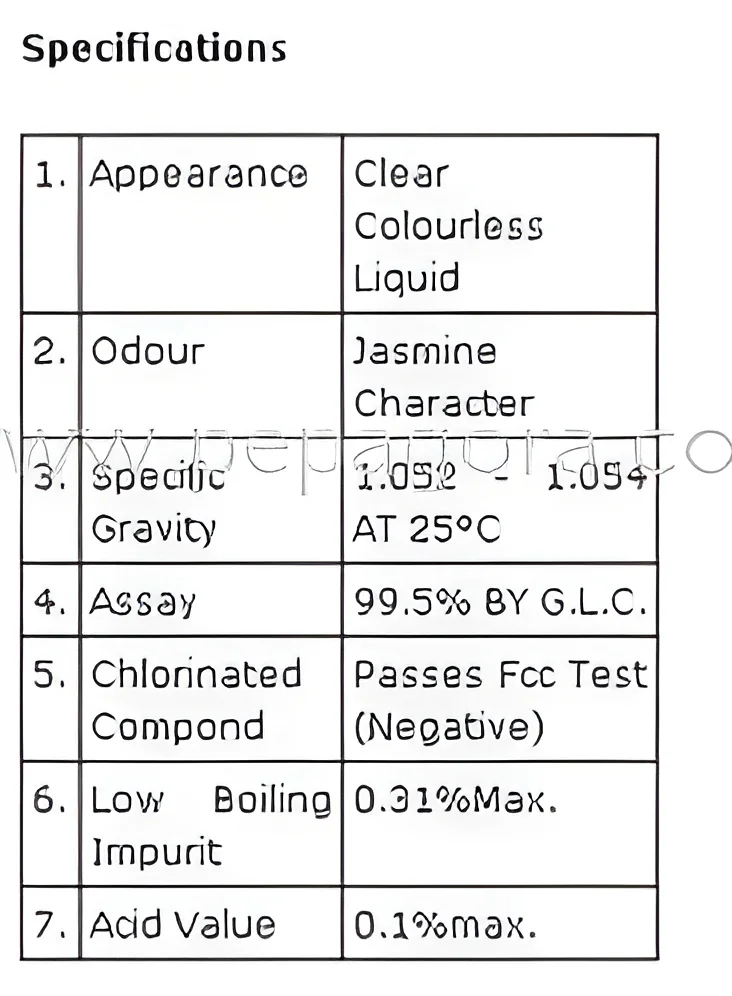
- High-quality perfumery ingredients should maintain a purity level of 95% or higher.
- Lower purity levels can affect the fragrance quality and stability.
3. Odor Characteristics
- Ingredients are defined by their scent profiles, such as floral, woody, fruity, or spicy.
- Each ingredient contributes to the overall fragrance complexity.
4. Solubility
- Ingredients may vary in their solubility in alcohol or oil, which affects formulation.
- Compatibility with other raw materials is essential for achieving desired outcomes.
5. Evaporation Rate
- Different ingredients have varying evaporation rates, influencing fragrance longevity.
- Top notes evaporate quickly, while base notes provide lasting scent.
6. Safety Data
- Relevant safety information, including potential allergens and irritants, must be assessed.
- Compliance with regulatory standards is critical for safe use.
7. Storage Conditions
- Proper storage conditions ensure ingredient stability and longevity.
- Factors such as temperature and humidity control are vital.
8. Regulatory Compliance
- Ingredients must meet industry standards and regulations to ensure safety and quality.
- Certification such as CE indicates adherence to safety protocols.
In summary, understanding the features and specifications of perfumery ingredients is crucial for achieving high-quality fragrances. This knowledge aids in selecting the right components for specific applications.
Common Applications and Use Cases
Perfumery ingredients are versatile and serve various industries.
1. Cosmetics: Ingredients are used in skincare and makeup products to enhance scent and user experience. They provide a pleasant aroma that can influence consumer preferences.
2. Personal Care: Products like shampoos, lotions, and deodorants incorporate these ingredients to create appealing fragrances, making them more marketable.
3. Household Products: Cleaning products and air fresheners often contain perfumery ingredients to mask unpleasant odors and leave a fresh scent in living spaces.
4. Food and Beverage: Some ingredients are utilized in flavoring, adding aromatic qualities to food products while ensuring compliance with safety regulations.
5. Fragrance Manufacturing: The primary use of these ingredients is in the creation of perfumes and colognes, where various components are blended to form unique scents.
6. Aromatherapy: Natural perfumery ingredients are employed in aromatherapy products to promote relaxation and well-being, appealing to health-conscious consumers.
7. Candle Making: Fragrance oils derived from perfumery ingredients are added to candles to enhance their aromatic appeal, creating a pleasant ambiance.
Product Variants and Subcategories
Perfumery ingredients come in various forms, catering to different consumer preferences and applications. Each variant offers unique features.
Natural Essential Oils
These oils are extracted from plants, flowers, and fruits. They are sought after for their therapeutic properties and are often used in high-end perfumes and aromatherapy products.
Synthetic Aroma Chemicals
These are man-made compounds that replicate natural scents. They offer consistency and stability in fragrance formulations. They are commonly used in mass-produced perfumes.
Fragrance Oils
These are blends of natural and synthetic components designed to create specific scents. They are widely used in personal care and household products.
Carrier Oils
Often used to dilute essential oils, carrier oils facilitate safe application on the skin and allow for the even distribution of fragrance.
Benefits and Advantages
Sourcing quality perfumery ingredients offers numerous advantages for businesses in the fragrance industry.
1. Enhanced Product Appeal: Quality ingredients elevate the overall fragrance, making products more attractive to consumers.
2. Versatile Applications: Perfumery ingredients can be used across various industries, allowing for diverse product offerings.
3. Improved Brand Image: Utilizing high-quality ingredients can enhance a brand's reputation and consumer trust.
4. Customization Potential: Ingredients can be blended to create unique scents tailored to market demands.
5. Regulatory Compliance: Sourcing from reputable suppliers ensures adherence to safety and quality standards, minimizing risk.
6. Cost Efficiency: Bulk purchasing from reliable suppliers can lead to cost savings and better pricing strategies in production.
Buying Guide for B2B Buyers
When sourcing perfumery ingredients, businesses should consider multiple factors to ensure they make informed decisions.
1. Quality Assessment: Evaluate the purity and composition of ingredients to guarantee they meet your formulation needs. Look for suppliers who provide certifications and safety data.
2. Supplier Verification: Conduct thorough vetting of suppliers to ensure reliability. Check for industry reputation, customer reviews, and compliance with safety regulations.
3. Pricing and MOQ: Understand the pricing structure and minimum order quantities (MOQ) from suppliers. This information will help in budgeting and managing inventory effectively.
4. Delivery and Lead Times: Assess suppliers’ logistics capabilities to ensure timely delivery. Consider lead times in relation to production schedules to avoid disruptions.
5. Compliance Requirements: Ensure that the ingredients comply with local and international regulations. Confirm that suppliers can provide necessary documentation and certifications.
Compliance and Certifications
Perfumery ingredients must adhere to various quality standards and certifications to ensure safety and effectiveness. Compliance with ISO 9001 standards is essential for maintaining quality management systems. These standards help manufacturers ensure that their ingredients meet customer and regulatory requirements consistently.
Industry certifications, such as CE, indicate that products meet European safety standards, ensuring they are safe for consumer use. Safety and testing requirements are critical, as they dictate how ingredients are evaluated for potential allergens and irritants.
Regional compliance considerations also play a role in sourcing, as different regions may have specific regulations governing the use of certain ingredients. It is important for businesses to stay informed about these regulations to avoid legal issues and ensure consumer safety.
Why Source Perfumery Ingredients from Pepagora?
Pepagora provides a trusted platform for sourcing perfumery ingredients, offering several key advantages for B2B buyers.
Verified Supplier Network: Pepagora connects buyers with a network of verified suppliers, ensuring that businesses can source high-quality ingredients with confidence. This network is built on stringent supplier vetting processes, enhancing reliability.
Streamlined RFQ Process: The platform features a user-friendly request for quotation (RFQ) system that simplifies the procurement process. Buyers can easily compare offers and choose suppliers that meet their specific needs.
Trade Assurance and Support: Pepagora offers trade assurance and buyer protection, providing peace of mind during transactions. This support helps businesses mitigate risks associated with sourcing.
Regional Coverage: With a wide geographic reach across India, the GCC, and Southeast Asia, Pepagora ensures that businesses can access a diverse range of perfumery ingredients tailored to their local markets. This extensive coverage enhances sourcing flexibility and efficiency.

 IN
IN