
 IN
Respiratory Masks (N95, Half/Full Face)
14 products available
Key Features and Specifications
Respiratory masks (N95, Half/Full Face) come with several important features and specifications that enhance their effectiveness and safety. Understanding these specifications is crucial for businesses looking to procure the right masks for their needs.
Key specifications include:
1. Filtration Efficiency
- N95 masks filter at least 95% of airborne particles
- Half and full face masks may have different filtration capabilities depending on design
2. Fit Testing
- Essential for ensuring a proper seal against the face
- Fit testing protocols vary by mask type and application
3. Materials Used
- Masks are typically made from non-woven polypropylene for N95
- Half and full face masks may use silicone or rubber for better sealing
4. Breathing Resistance
- Measured in mm H2O, indicating how easily a person can breathe through the mask
- Lower resistance is preferable for extended wear
5. Comfort Features
- Many masks come with adjustable straps and cushioning for comfort
- Some models include exhalation valves to reduce heat buildup
6. Reusability
- N95 masks are usually disposable, while half and full face masks may be reusable with proper cleaning
7. Certification Standards
- Compliance with standards such as NIOSH for N95 and EN 136 for full face masks
- Ensures reliability and safety of the masks
In summary, selecting the right respiratory mask involves understanding these specifications to ensure adequate protection and comfort for users in various workplaces.
Common Applications and Use Cases
Respiratory masks are essential tools in numerous industries, providing protection against airborne contaminants.
1. Healthcare: In hospitals and clinics, N95 masks are vital for protecting healthcare workers from airborne pathogens, especially during procedures that generate aerosols.
2. Construction: Workers are exposed to dust and harmful particles from construction materials. Half and full face masks help prevent respiratory issues.
3. Agriculture: Farmers and agricultural workers use masks to protect against dust, pesticides, and other harmful substances in the environment.
4. Manufacturing: In factories, masks protect workers from hazardous fumes and particles produced during manufacturing processes.
5. Firefighting: Firefighters wear respirators to protect against smoke and toxic gases during firefighting operations.
6. Laboratories: Research facilities utilize respiratory masks to protect personnel from airborne biological agents and chemicals.
7. Mining: Miners rely on respirators to safeguard against harmful dust and gases present in underground environments.
Product Variants and Subcategories
Respiratory masks come in various forms, each designed for specific applications and levels of protection.
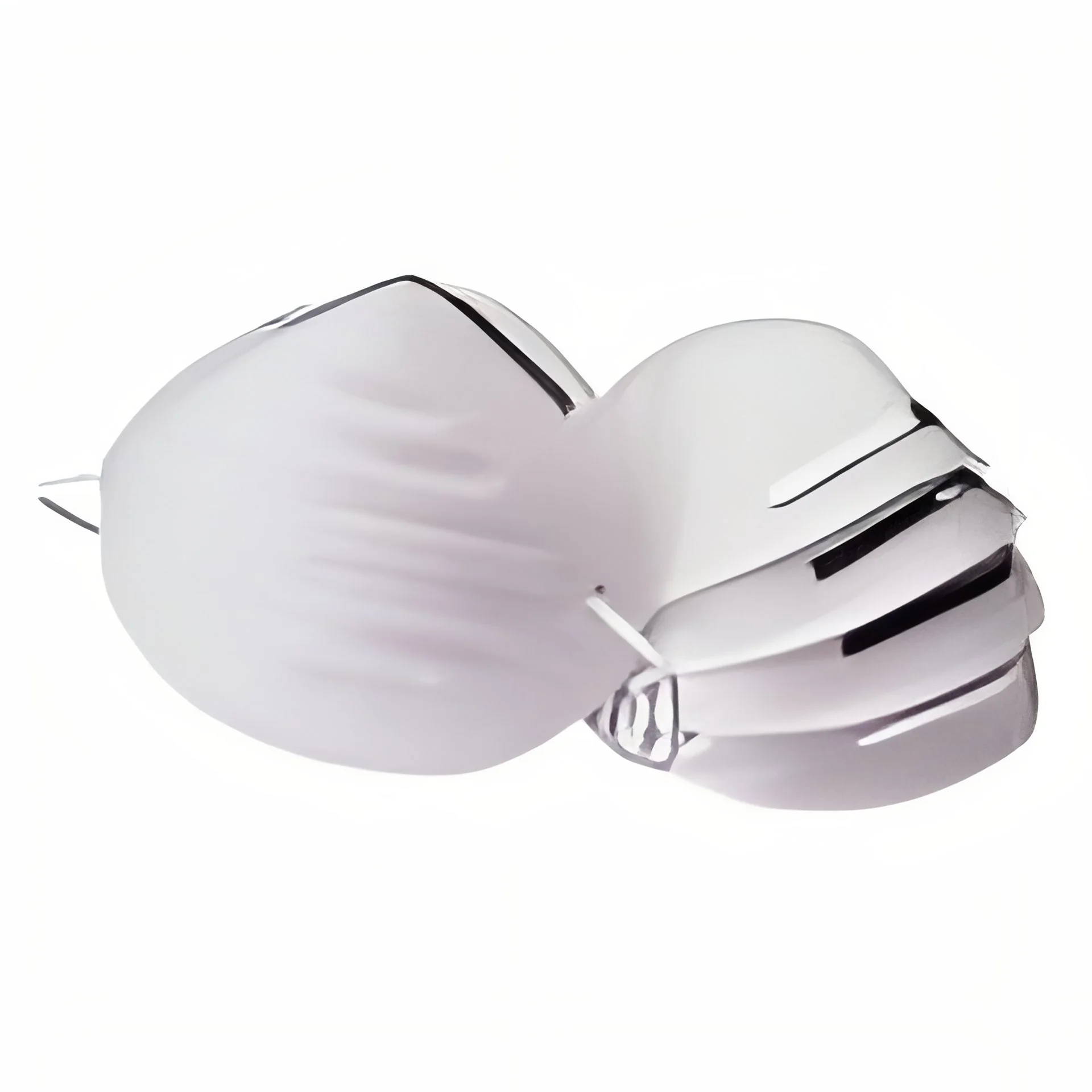
N95 Masks
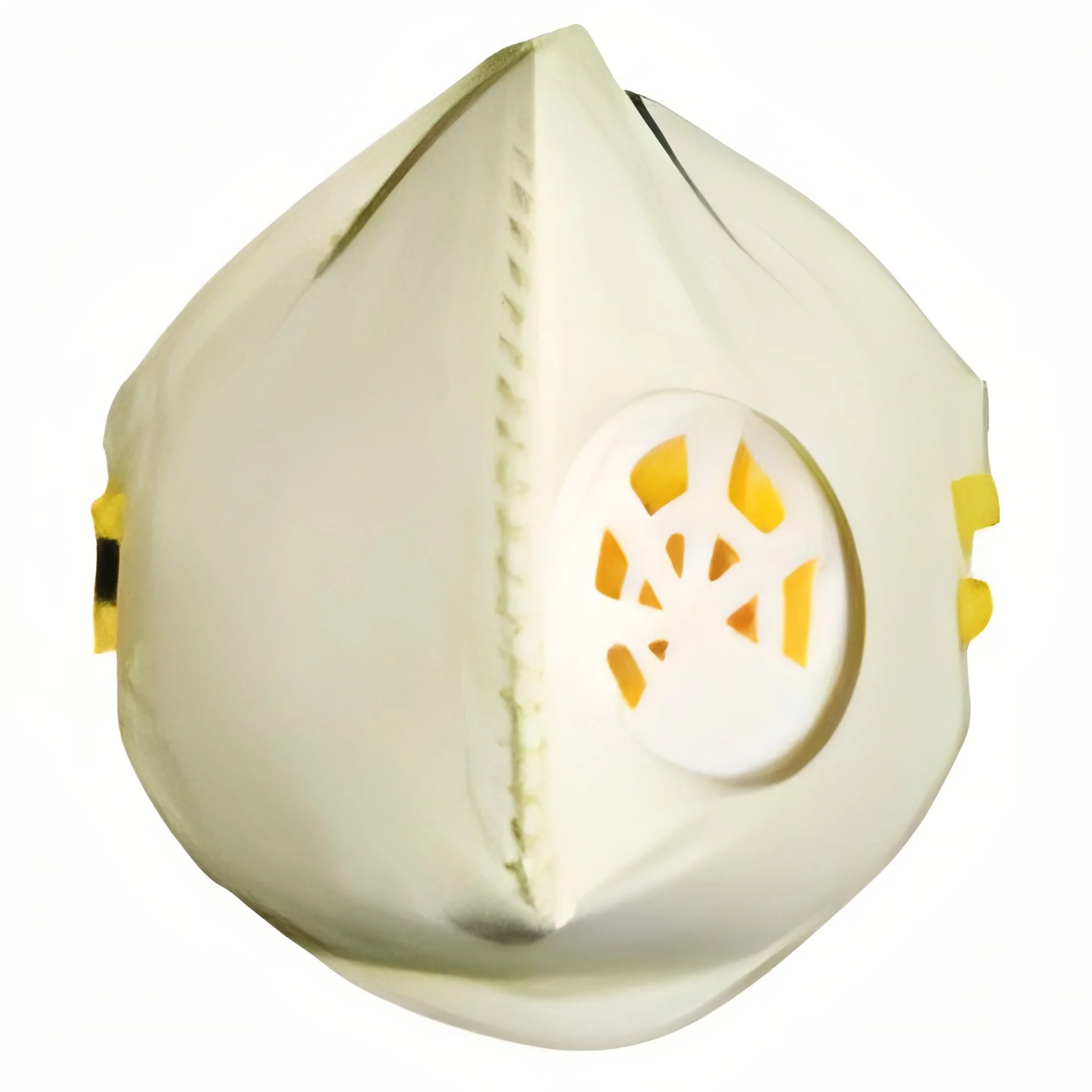
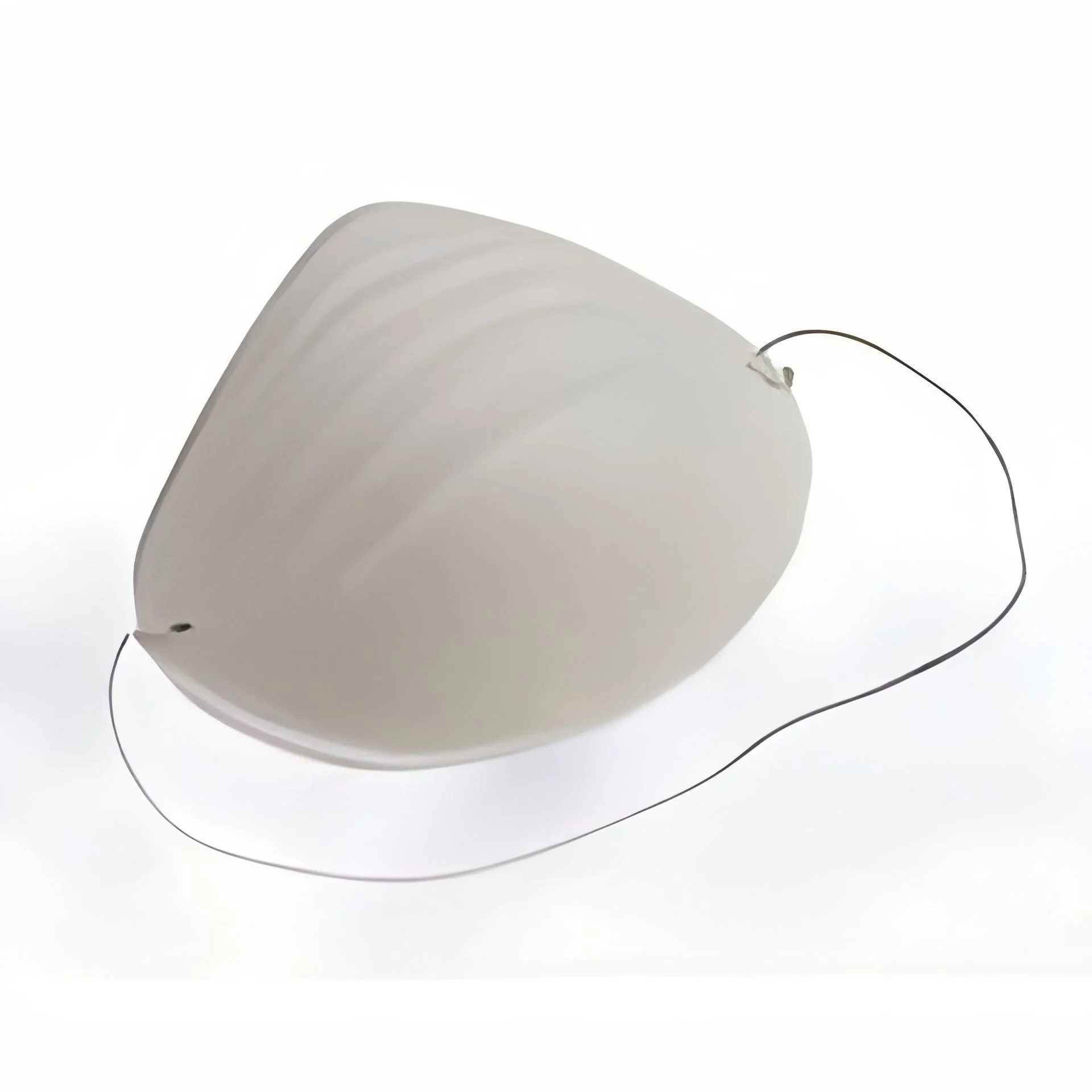
N95 masks are designed to fit tightly over the nose and mouth, filtering out at least 95% of airborne particles. They are commonly used in healthcare and industrial settings due to their effectiveness in preventing inhalation of harmful substances.
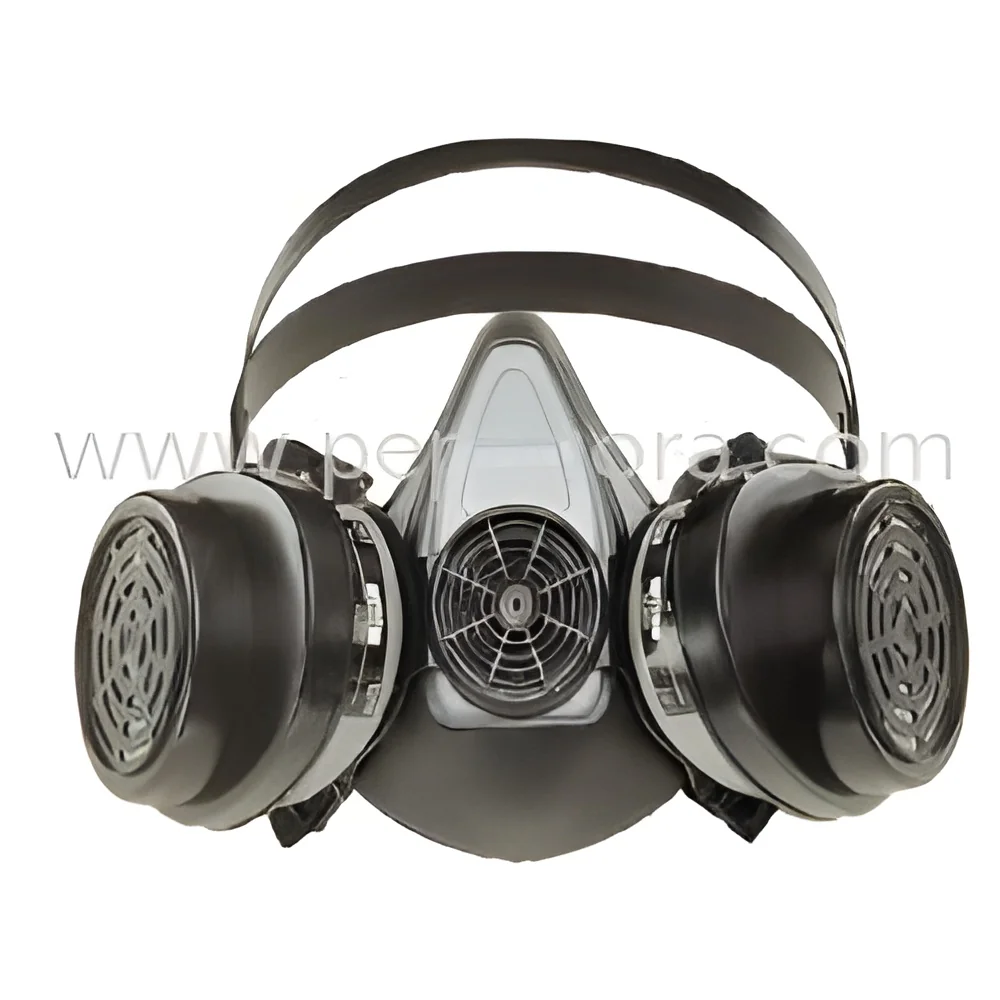
Half Face Masks
Half face masks cover the nose and mouth and are often used in environments where airborne contaminants are present. They can be fitted with various filters for different applications, providing flexibility in usage.
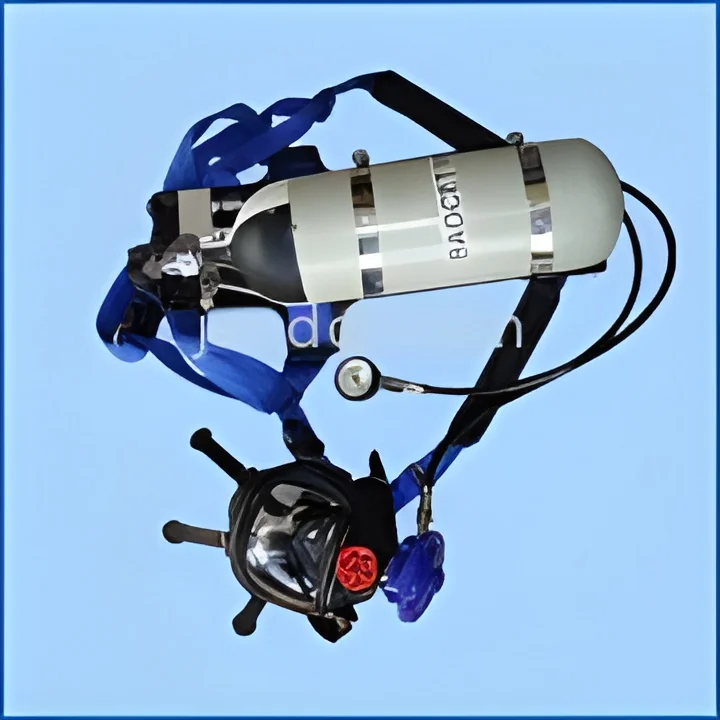
Full Face Masks
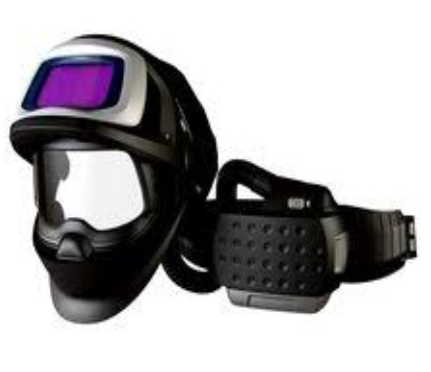
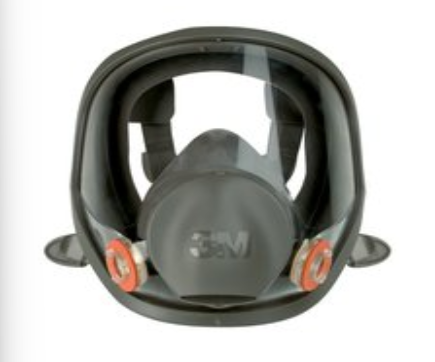
Full face masks provide comprehensive protection, covering the entire face, including the eyes. They are used in more hazardous environments where exposure to toxic substances is a concern, ensuring complete facial protection.
Benefits and Advantages
Choosing the right respiratory masks offers numerous benefits for businesses and their employees.
1. Enhanced Protection: Respiratory masks effectively filter harmful particles, safeguarding users' health in dangerous environments.
2. Improved Comfort: Many masks are designed with adjustable features and breathable materials, enhancing comfort during prolonged use.
3. Compliance with Regulations: Using certified masks helps businesses meet safety regulations and standards in their industry, reducing liability.
4. Increased Productivity: By protecting employees from respiratory hazards, businesses can maintain productivity and reduce absenteeism due to health issues.
5. Cost-Effectiveness: Investing in quality respiratory masks can reduce long-term healthcare costs by preventing work-related illnesses.
6. Versatile Use: With various types available, masks can be tailored to specific industry requirements, ensuring appropriate protection.
Buying Guide for B2B Buyers
When sourcing respiratory masks (N95, Half/Full Face), several key factors should be considered to ensure effective procurement.
1. Quality Assessment: Evaluate the quality of masks based on certification standards like NIOSH and CE. Ensure that the masks meet relevant safety and performance criteria.
2. Supplier Verification: Vet potential suppliers thoroughly to confirm their reliability and track record in providing quality products. Look for certifications and reviews from previous clients.
3. Pricing and MOQ: Understand the pricing structure and minimum order quantities (MOQ) that suppliers offer. Compare prices to ensure competitive purchasing without compromising quality.
4. Delivery and Lead Times: Discuss logistics with suppliers to establish feasible delivery schedules. Consider lead times to ensure timely availability of masks for your operations.
5. Compliance Requirements: Be aware of regional compliance requirements and ensure that the masks you source meet local and international standards for safety and health.
Compliance and Certifications
Respiratory masks must adhere to various quality standards and certifications to ensure safety and effectiveness.
Key standards include ISO 9001 for quality management systems, which ensures that manufacturers maintain high production standards. HACCP and GDP are also relevant in ensuring that products are safe for use in health-related environments.
Industry certifications such as UL and CE indicate that respiratory masks have been rigorously tested for safety and performance. These certifications provide assurance to buyers that the masks meet established safety criteria.
In addition to these standards, masks must pass safety and testing requirements that assess their filtration efficiency, fit, and comfort. Regional compliance considerations may vary, so it’s essential to be informed about local regulations that apply to respiratory protection equipment.
Why Source Respiratory Masks (N95, Half/Full Face) from Pepagora?
Pepagora offers a reliable platform for sourcing high-quality respiratory masks (N95, Half/Full Face) with several distinct advantages.
Verified Supplier Network: Our network consists of thoroughly vetted suppliers who have demonstrated reliability and quality in their products. This ensures that buyers receive only the best options available in the market.
Streamlined RFQ Process: Pepagora simplifies the request for quotation (RFQ) process, making it easier for buyers to obtain competitive pricing and terms from multiple suppliers efficiently.
Trade Assurance and Support: We provide trade assurance to protect buyers throughout the procurement process. Our dedicated support team is available to assist with any queries or issues that may arise.
Regional Coverage: Pepagora extends its services across India, the GCC, and Southeast Asia, making it easy for businesses in these regions to access quality respiratory masks that meet their needs.
By choosing Pepagora, buyers can ensure they receive reliable products and exceptional support, fostering a successful purchasing experience.


 India

 India
 India
 India
 India
Frequently Asked Questions
What are Respiratory Masks (N95, Half/Full Face)?
Respiratory Masks, including N95 and Half/Full Face masks, are protective devices designed to cover the nose and mouth to filter out airborne particles. N95 masks are designed to filter at least 95% of airborne particles, while Half and Full Face masks provide varying levels of protection and comfort, often incorporating a secure fit and additional filtration capabilities.
What are the different types of Respiratory Masks (N95, Half/Full Face)?
There are several types of Respiratory Masks, including N95 masks, which are disposable and designed for single use, and Half Face masks, which cover the nose and mouth but not the eyes. Full Face masks provide a complete seal around the face, protecting both the respiratory system and the eyes, and are often used in environments with hazardous substances.
How do I choose the right Respiratory Masks (N95, Half/Full Face)?
Choosing the right Respiratory Mask involves assessing the level of protection required for specific tasks or environments. Consider factors such as the type of contaminants present, duration of use, and comfort level, as well as fit testing to ensure an effective seal.
What are the standard specifications for Respiratory Masks (N95, Half/Full Face)?
Standard specifications for Respiratory Masks include filtration efficiency, fit testing requirements, and breathing resistance. N95 masks must meet the standards set by the National Institute for Occupational Safety and Health (NIOSH) in the United States, while Half and Full Face masks may adhere to additional regulatory standards depending on their intended use.
What is the price range for Respiratory Masks (N95, Half/Full Face)?
The price range for Respiratory Masks varies based on type, brand, and purchasing volume. N95 masks typically range from INR 50 to INR 200 per mask, while Half and Full Face masks can range from INR 500 to INR 5,000 depending on the features and materials used.
What quality standards apply to Respiratory Masks (N95, Half/Full Face)?
Quality standards for Respiratory Masks include compliance with regulations set by organizations such as NIOSH for N95 masks and other relevant safety certifications. In India, masks may also need to meet the Bureau of Indian Standards (BIS) guidelines to ensure safety and effectiveness.
Where can I find Respiratory Masks (N95, Half/Full Face) suppliers in India?
You can find Respiratory Masks (N95, Half/Full Face) suppliers in India through B2B marketplaces like Pepagora, trade directories, and industry exhibitions. Additionally, manufacturers often have online platforms that allow businesses to connect directly with suppliers for bulk orders.
Can Respiratory Masks (N95, Half/Full Face) be customized?
Yes, Respiratory Masks can often be customized to meet specific needs, including branding, sizes, and additional features such as filters. Customization options may vary by manufacturer, so it is advisable to discuss specific requirements directly with suppliers.
What is the typical minimum order quantity for Respiratory Masks (N95, Half/Full Face)?
The typical minimum order quantity (MOQ) for Respiratory Masks varies by supplier and product type, generally ranging from 50 to 1,000 units. It's best to check with individual suppliers for their specific MOQs and any potential discounts for larger orders.
What is the typical lead time for Respiratory Masks (N95, Half/Full Face)?
The typical lead time for Respiratory Masks depends on the supplier and the volume of the order, generally ranging from 1 to 4 weeks. Factors such as customization requests and current stock levels can also influence delivery times.
Why Businesses Trust Pepagora
Thousands of companies trust Pepagora to source smarter and sell faster
Expand Your Sales Globally

Source Smarter,Grow Faster
