
 IN
Gas Leak Detectors
5 products available
What are Gas Leak Detectors?
Gas leak detectors are specialized devices designed to identify and indicate the presence of hazardous gases in various environments. These detectors work by sensing the specific gas concentrations in the air and alerting users through visual or audible signals. Their primary function is to enhance safety by preventing accidents and ensuring compliance with safety regulations.
Gas leak detectors are widely used in various business applications such as manufacturing plants, chemical facilities, oil and gas industries, and residential buildings. They play a critical role in monitoring environments where flammable or toxic gases may pose a risk to personnel and operations. By quickly detecting leaks, these devices can prevent potential disasters and ensure a safer working environment.
The relevance of gas leak detectors in today's market cannot be overstated. As industries face increasing regulations concerning safety and environmental concerns, the demand for reliable gas detection technology continues to rise. Organizations are investing in advanced gas leak detection systems to protect both their employees and their assets, making these detectors essential tools in many industrial operations.
Key Features and Specifications
Gas leak detectors come with a variety of features designed to meet specific needs in different environments. Understanding these features and their specifications is critical for selecting the right detector for your application.
Key specifications include:
1. Detection Range
- The range of gas concentrations the detector can measure.
- Commonly ranges from parts per million (ppm) to higher concentrations depending on the gas type.
2. Response Time
- The time taken for the detector to respond to a gas leak.
- Typically in the range of seconds, crucial for ensuring rapid alerting.
3. Power Supply
- The type of power source used by the detector.
- Options include battery-operated, AC-powered, or rechargeable systems.
4. Alarm Systems
- The type of alarms integrated into the detector.
- Usually includes audible alarms, visual indicators, and sometimes wireless notifications.
5. Calibration Requirements
- Frequency and method for calibrating the device to ensure accurate readings.
- Varies by manufacturer but is essential for maintaining performance.
6. Environmental Resistance
- The ability of the detector to operate in harsh conditions.
- Many detectors are rated for humidity, temperature, and dust resistance.
7. Gas Types Detected
- The specific gases that the detector can identify.
- Common gases include methane, propane, carbon monoxide, and hydrogen sulfide.
8. Certification Standards
- Compliance with industry standards indicating reliability and safety.
- Many detectors are certified under CE regulations.
In summary, selecting a gas leak detector requires careful consideration of its features and specifications to ensure it meets the needs of the intended application.
Common Applications and Use Cases
Gas leak detectors are versatile tools used across multiple industries to safeguard environments against gas hazards.
1. Oil and Gas Industry: In this sector, gas leak detectors are crucial for monitoring pipelines and processing facilities to prevent explosions and ensure compliance with safety regulations.
2. Manufacturing Plants: Detectors are used to monitor the presence of hazardous gases in production facilities, protecting workers from potential exposure and maintaining operational safety.
3. Chemical Plants: In chemical processing, gas leak detectors help in identifying leaks of toxic chemicals, thus preventing environmental contamination and ensuring worker safety.
4. Residential Applications: Homeowners utilize gas leak detectors to monitor natural gas and propane levels, providing peace of mind and ensuring family safety.
5. Food and Beverage Industry: These detectors are employed in various food processing environments to monitor ammonia and other gases used in refrigeration and preservation.
6. Waste Management: In landfills and waste treatment facilities, gas leak detectors are essential for monitoring methane emissions, aiding in environmental compliance.
7. Laboratories: Gas detectors in laboratories help ensure safety when working with volatile chemicals, providing alerts for any hazardous gas leaks.
Product Variants and Subcategories
Gas leak detectors come in several variants, each tailored to specific applications and environments.
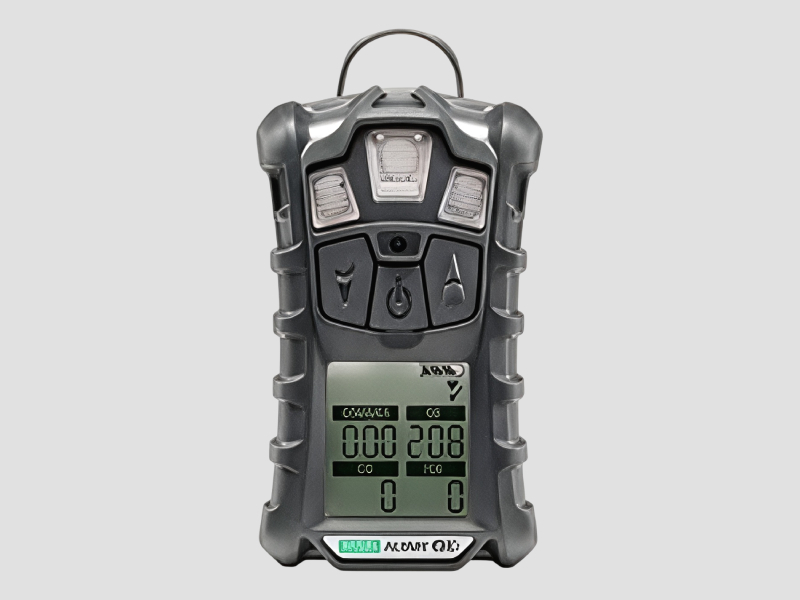
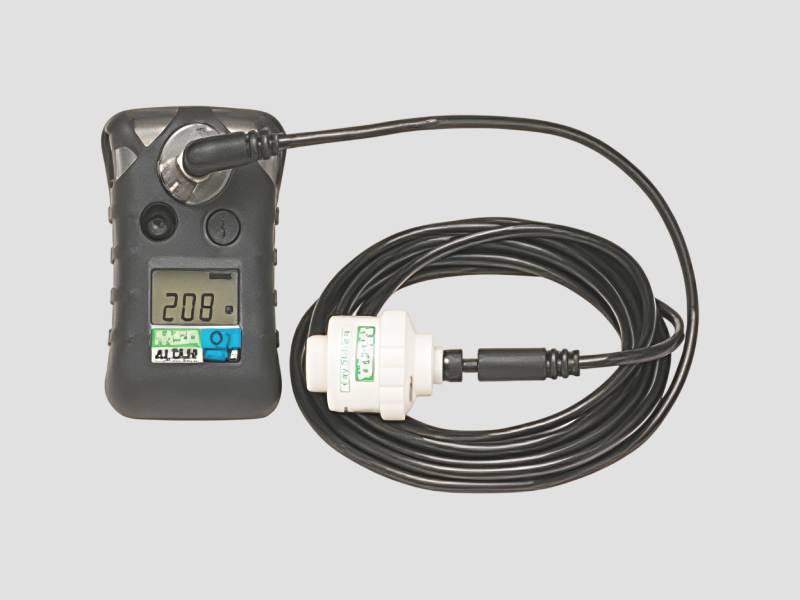
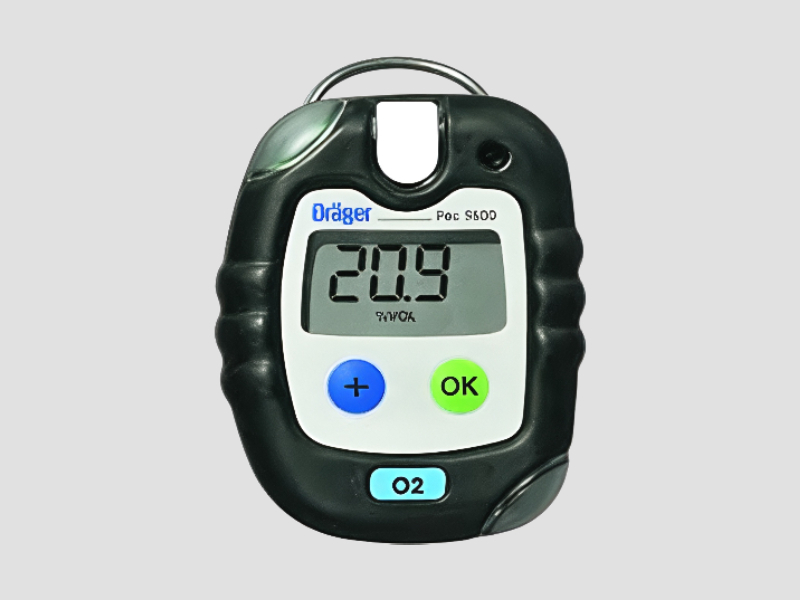
Portable Gas Leak Detectors: These are handheld devices designed for field use. They are lightweight, easy to operate, and often feature real-time monitoring capabilities, making them ideal for technicians conducting inspections.
Fixed Gas Leak Detectors: Installed in specific locations, these detectors offer continuous monitoring of gas levels in critical areas such as manufacturing plants and chemical storage facilities. They often connect to centralized alarm systems for enhanced safety.
Multi-Gas Detectors: These versatile devices can detect multiple types of gases simultaneously. They are particularly useful in environments where various gases may be present, providing comprehensive monitoring solutions.
Wireless Gas Leak Detectors: These detectors utilize wireless technology to transmit data to control systems. This feature allows for remote monitoring and alerting, making them suitable for large facilities with multiple monitoring points.
Benefits and Advantages
Gas leak detectors offer numerous benefits that enhance safety and operational efficiency in various industries.
1. Enhanced Safety: Gas leak detectors provide early warnings of leaks, significantly reducing the risk of accidents and ensuring a safer working environment.
2. Regulatory Compliance: Many industries are required to adhere to strict safety regulations. Gas detectors help organizations meet these requirements, avoiding potential fines and legal issues.
3. Cost Savings: By detecting leaks early, businesses can prevent costly accidents and damage to equipment, leading to overall cost savings.
4. Improved Operational Efficiency: Continuous monitoring of gas levels allows for timely interventions, minimizing downtime and maintaining productivity.
5. Peace of Mind: Ensuring the safety of employees and facilities provides peace of mind for business owners and stakeholders.
6. Easy Integration: Many gas leak detectors can be easily integrated into existing safety systems, allowing for seamless operation and monitoring.
Buying Guide for B2B Buyers
When sourcing gas leak detectors, businesses should consider several factors to ensure they select the most suitable product for their needs.
1. Quality Assessment: It is essential to evaluate the quality and performance of gas leak detectors. Look for products that meet recognized safety standards and have positive reviews from industry peers.
2. Supplier Verification: Verify the credentials of suppliers to ensure they have a solid reputation. Check for certifications and past customer satisfaction to gauge reliability.
3. Pricing and MOQ: Consider the pricing model and any minimum order quantities (MOQ) set by suppliers. This information is crucial for budgeting and procurement planning.
4. Delivery and Lead Times: Understand the supplier's delivery capabilities and lead times to ensure timely availability of products when needed.
5. Compliance Requirements: Ensure that the gas leak detectors meet the necessary compliance and regulatory standards relevant to your industry, which will help avoid future issues.
Compliance and Certifications
Gas leak detectors must adhere to various compliance and certification standards to ensure they are safe and reliable for use in industrial applications.
Relevant quality standards such as ISO 9001 ensure that products are manufactured under strict quality management systems. These standards guarantee that the detectors consistently perform at high levels.
Industry certifications like CE indicate that the product meets European safety requirements, ensuring it can be used safely within member countries.
Additionally, gas detectors must undergo rigorous safety and testing requirements to validate their performance in detecting hazardous gases. This process often includes subjecting the detectors to various environmental conditions to confirm their reliability.
Regional compliance considerations may vary, with different areas having specific regulations regarding gas detection technology. It is crucial for businesses to understand these requirements when selecting gas leak detectors for their operations.
Why Source Gas Leak Detectors from Pepagora?
Pepagora provides a trusted platform for sourcing gas leak detectors, offering numerous advantages to B2B buyers.
Verified Supplier Network: Pepagora connects buyers with a network of verified suppliers, ensuring that all products meet stringent quality and safety standards. This network fosters confidence in product selection.
Streamlined RFQ Process: The request for quotation (RFQ) process is designed to be efficient and user-friendly, allowing buyers to easily request and receive quotes from multiple suppliers, simplifying the procurement process.
Trade Assurance and Support: Pepagora offers trade assurance, providing buyers with protection during transactions. This includes support for any issues that may arise post-purchase, ensuring a smooth buying experience.
Regional Coverage: With a robust presence in regions such as India, the GCC, and Southeast Asia, Pepagora facilitates access to local suppliers, making it easier for businesses to find gas leak detectors that meet their specific needs while also supporting regional compliance.


Frequently Asked Questions
What are Gas Leak Detectors?
Gas leak detectors are devices designed to identify the presence of gases in an area, typically as a safety measure. They are used in various applications, including residential, commercial, and industrial settings, to prevent potential hazards associated with gas leaks.
What are the different types of Gas Leak Detectors?
There are several types of gas leak detectors, including catalytic bead sensors, infrared sensors, and electrochemical sensors. Each type operates based on different principles and is suitable for detecting specific gases, such as methane, propane, or carbon monoxide.
How do I choose the right Gas Leak Detectors?
Choosing the right gas leak detector involves considering factors such as the type of gas you need to detect, the environment in which it will be used, and the detector's sensitivity and response time. It's also important to evaluate features like alarms, display options, and ease of installation.
What are the standard specifications for Gas Leak Detectors?
Standard specifications for gas leak detectors typically include detection range, sensitivity, power supply requirements, and response time. Additionally, they may have features such as alarm levels, operating temperature range, and certification for safety standards.
What is the price range for Gas Leak Detectors?
The price range for gas leak detectors can vary significantly depending on the type, features, and brand. Generally, prices can start from a few thousand rupees for basic models and can go up to tens of thousands for advanced units with multiple features.
What quality standards apply to Gas Leak Detectors?
Gas leak detectors must comply with various quality standards, including ISO certifications and safety regulations specific to the region. In India, devices may also need to meet standards set by the Bureau of Indian Standards (BIS) for safety and reliability.
Where can I find Gas Leak Detectors suppliers in India?
You can find gas leak detector suppliers in India through B2B marketplaces like Pepagora.com, trade shows, and industry directories. Additionally, contacting manufacturers directly can also provide insights into available suppliers.
Can Gas Leak Detectors be customized?
Yes, many manufacturers offer customization options for gas leak detectors to meet specific requirements. This may include modifications in design, sensitivity settings, and additional features based on the buyer's needs.
What is the typical minimum order quantity for Gas Leak Detectors?
The typical minimum order quantity (MOQ) for gas leak detectors can vary by supplier and manufacturer. Generally, it ranges from 10 to 50 units, depending on the complexity and customization of the product.
What is the typical lead time for Gas Leak Detectors?
The typical lead time for gas leak detectors can vary based on the supplier and the order size. Generally, standard orders may take 2 to 4 weeks for delivery, while customized orders may require additional time.
Why Businesses Trust Pepagora
Thousands of companies trust Pepagora to source smarter and sell faster
Expand Your Sales Globally

Source Smarter,Grow Faster
