
 IN
INBarricade Tapes (Caution, Danger)
15 products available
Key Features and Specifications
Common Applications and Use Cases
Product Variants and Subcategories
Benefits and Advantages
Buying Guide for B2B Buyers
Compliance and Certifications



Frequently Asked Questions
What are Barricade Tapes (Caution, Danger)?
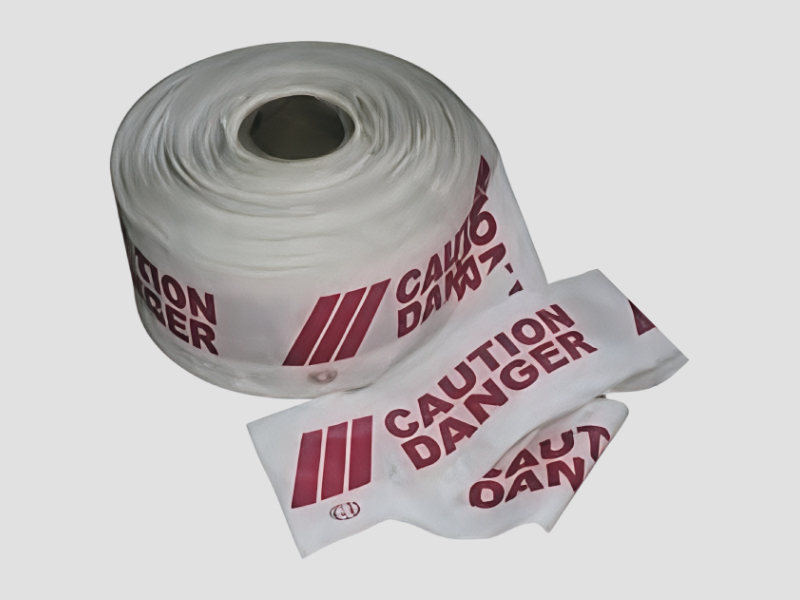
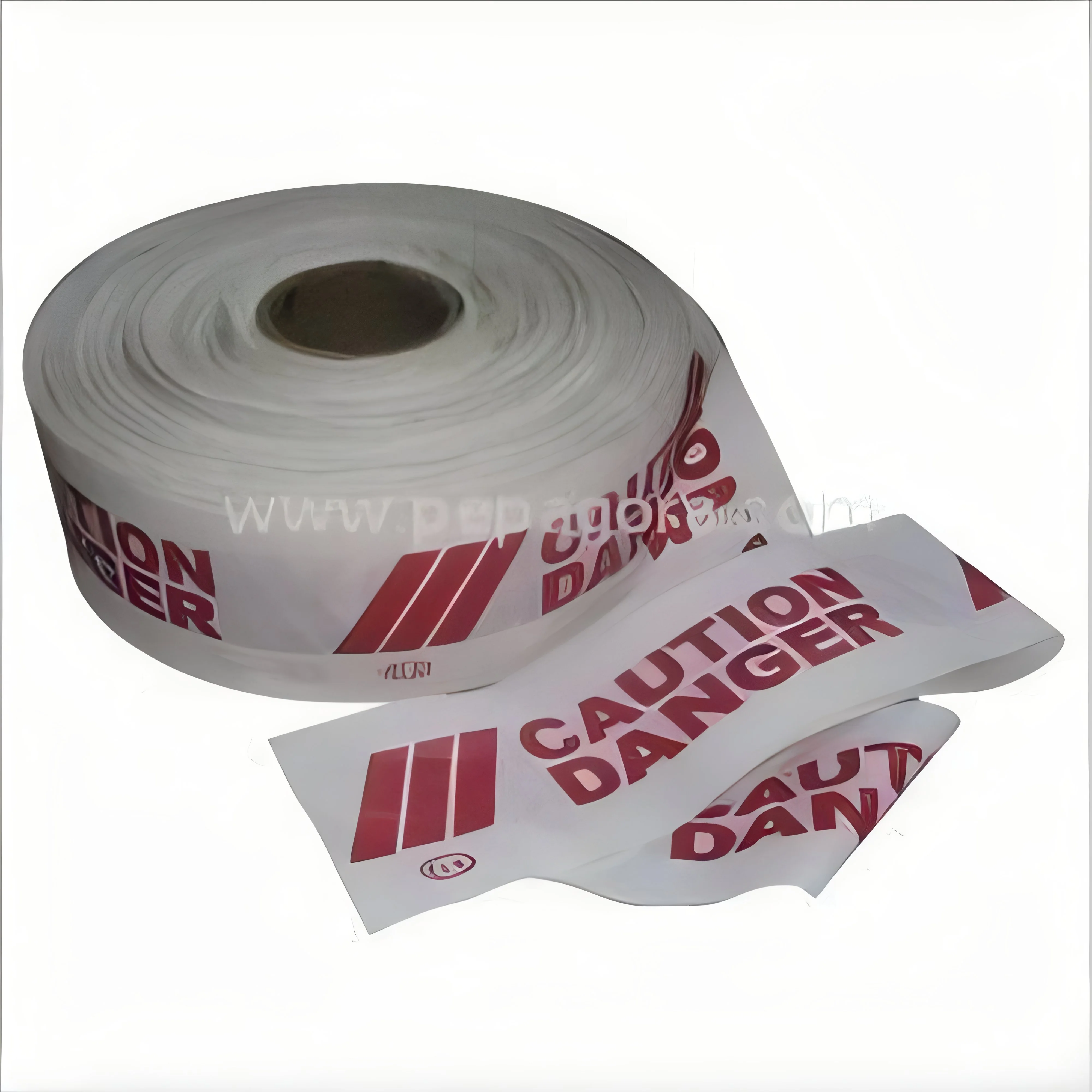
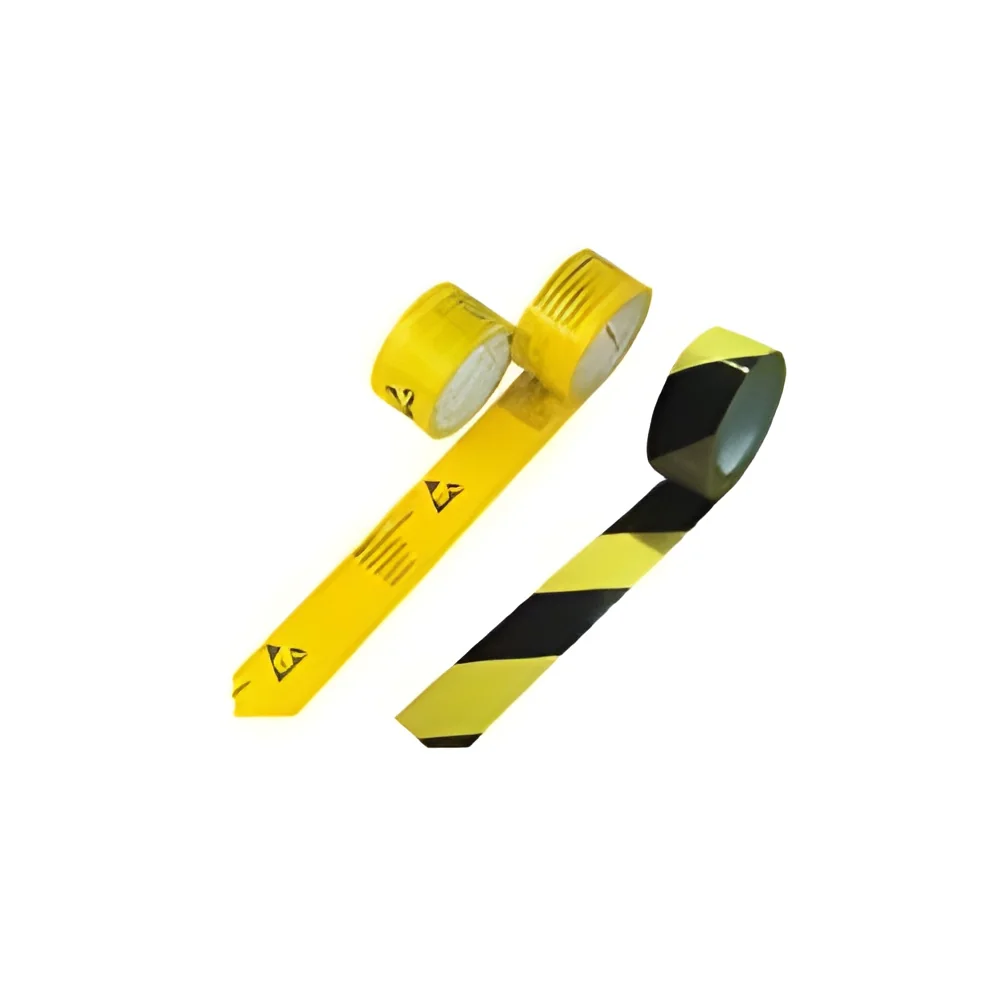
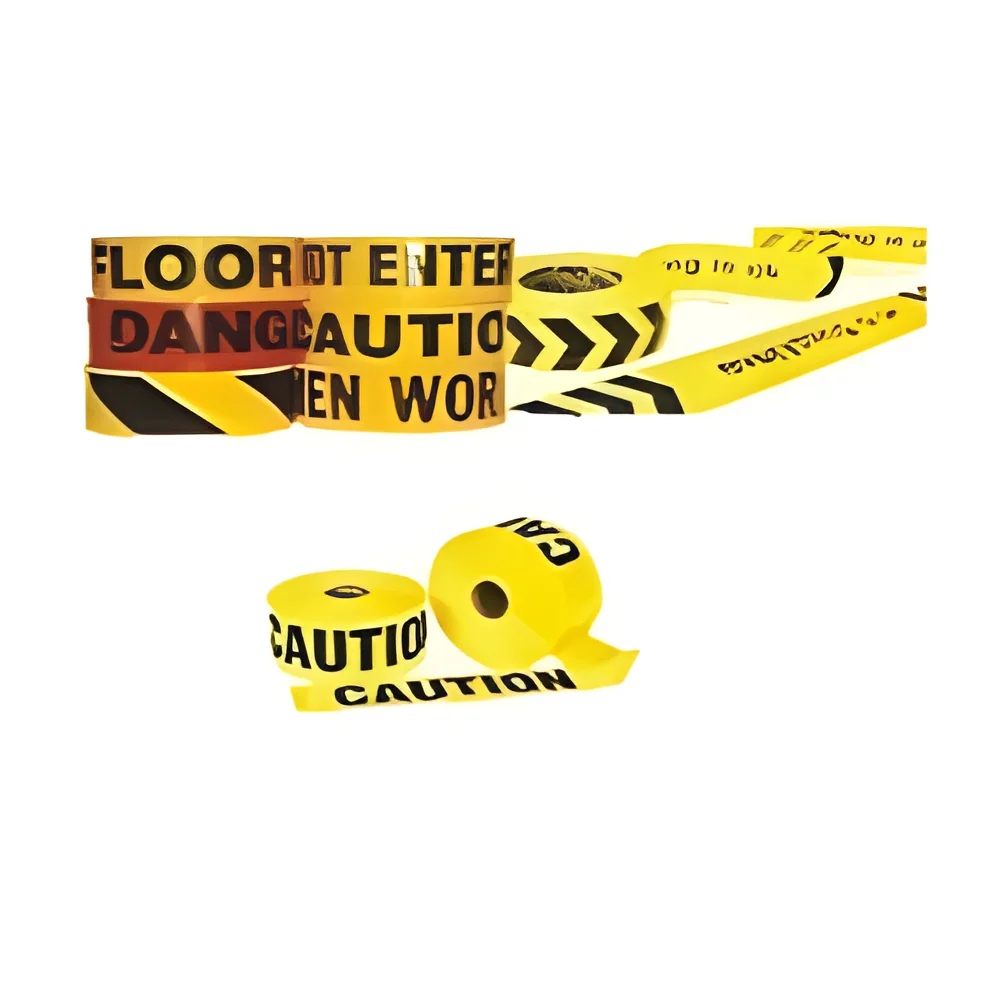
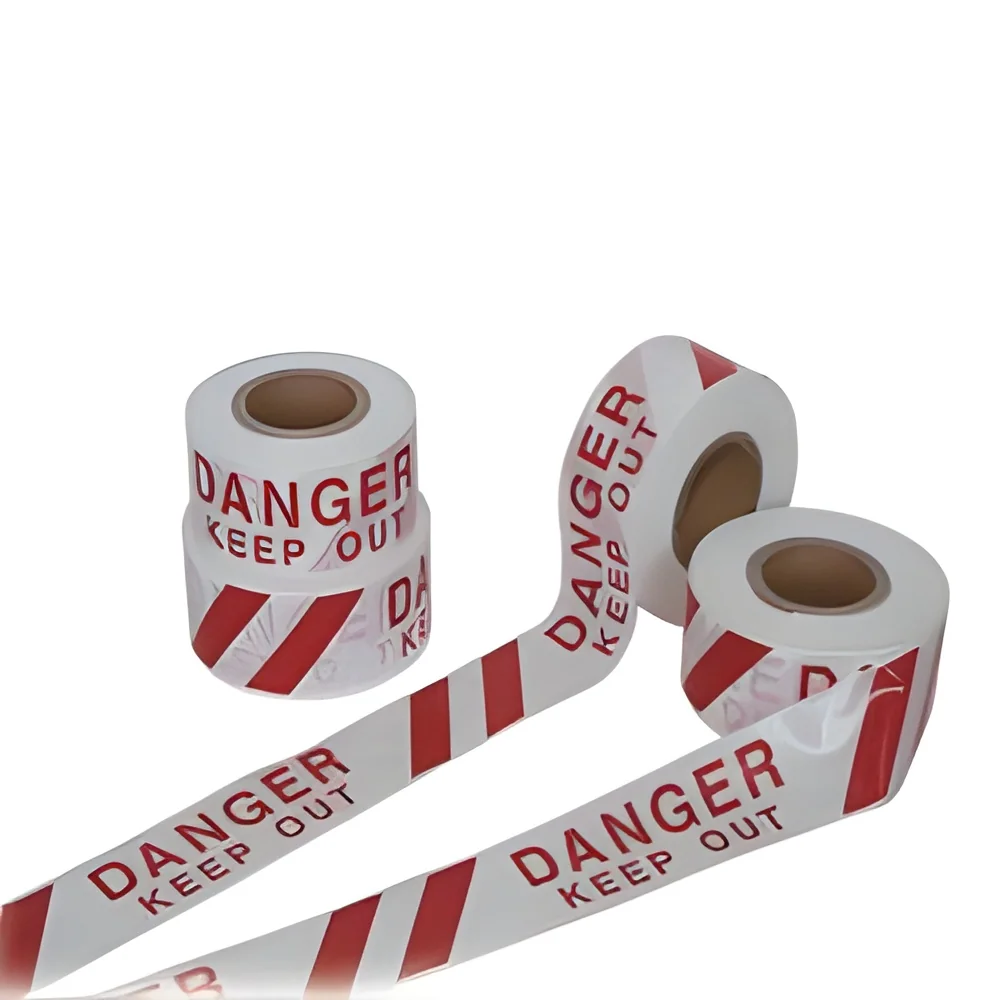
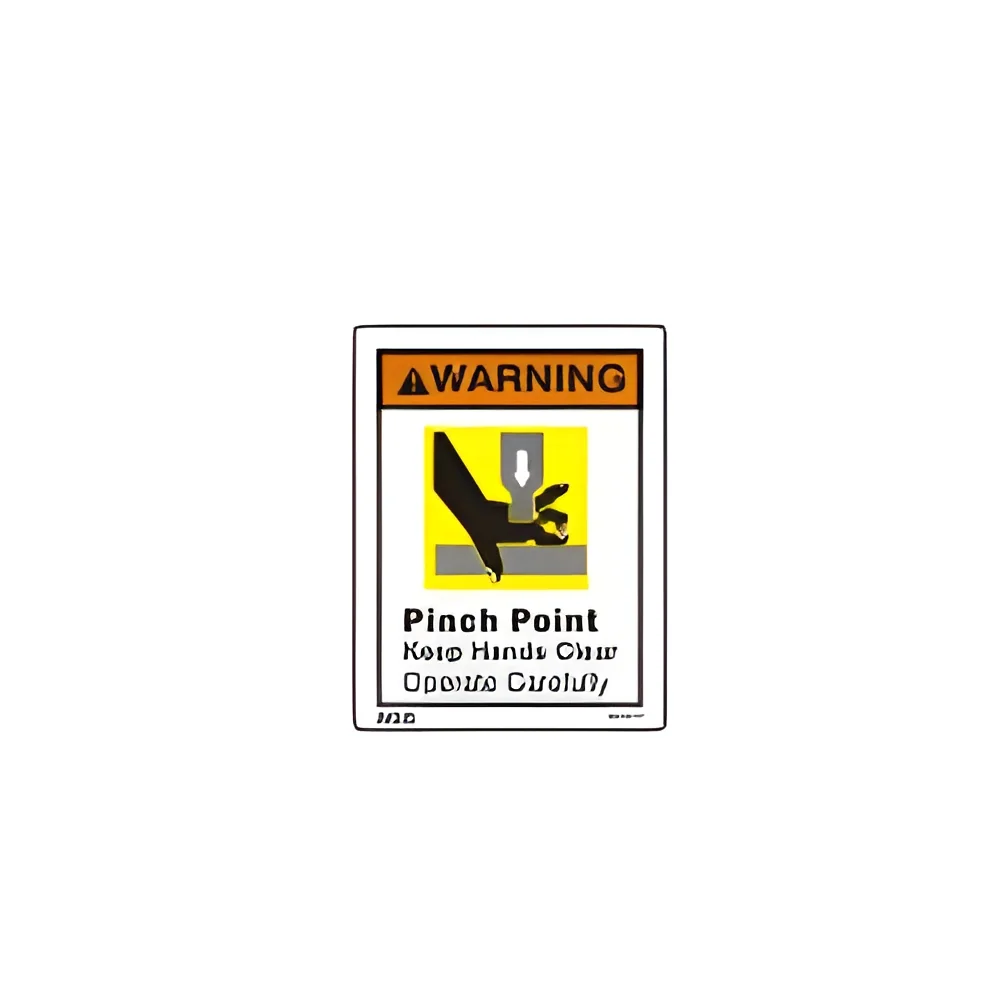
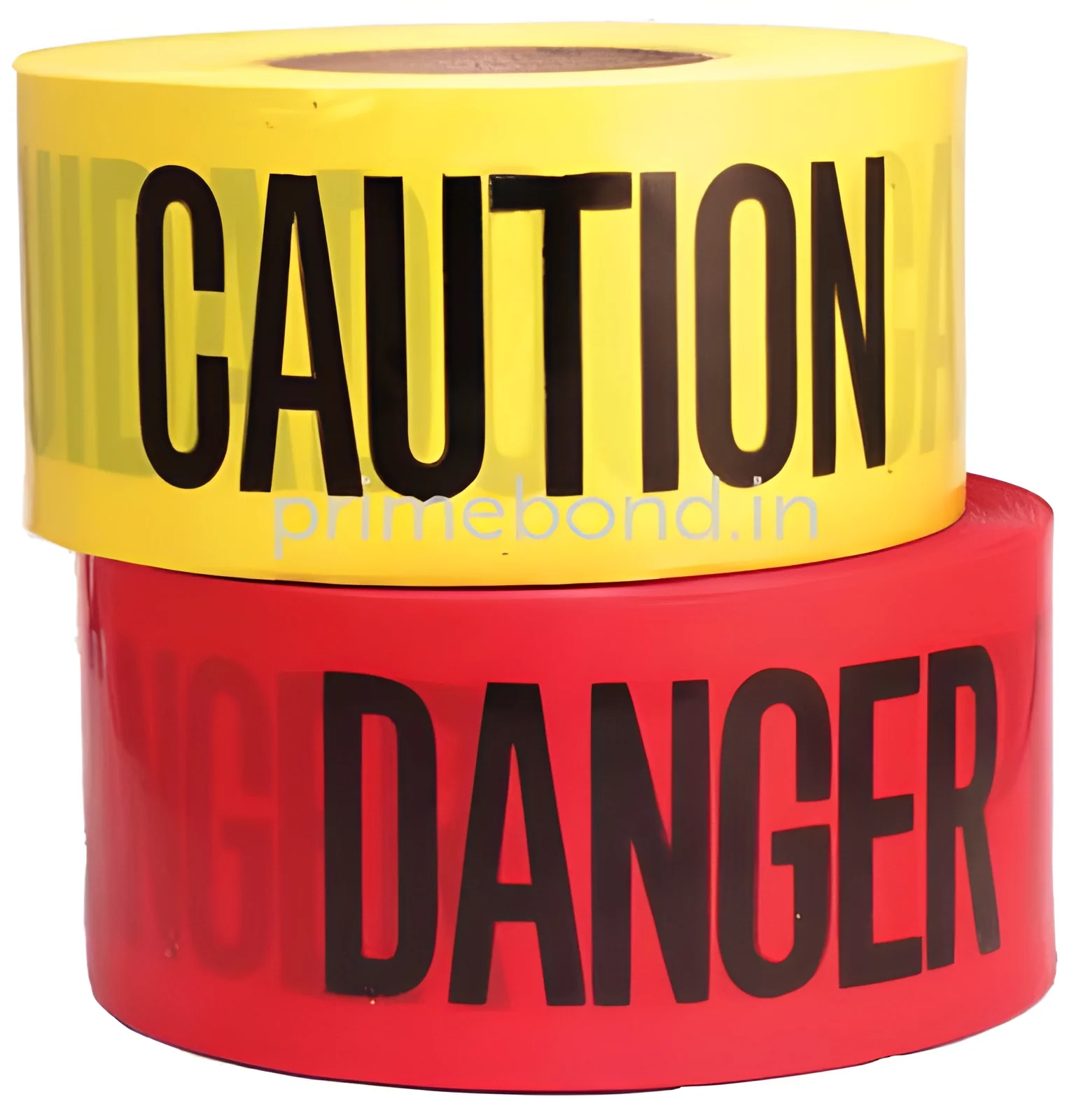
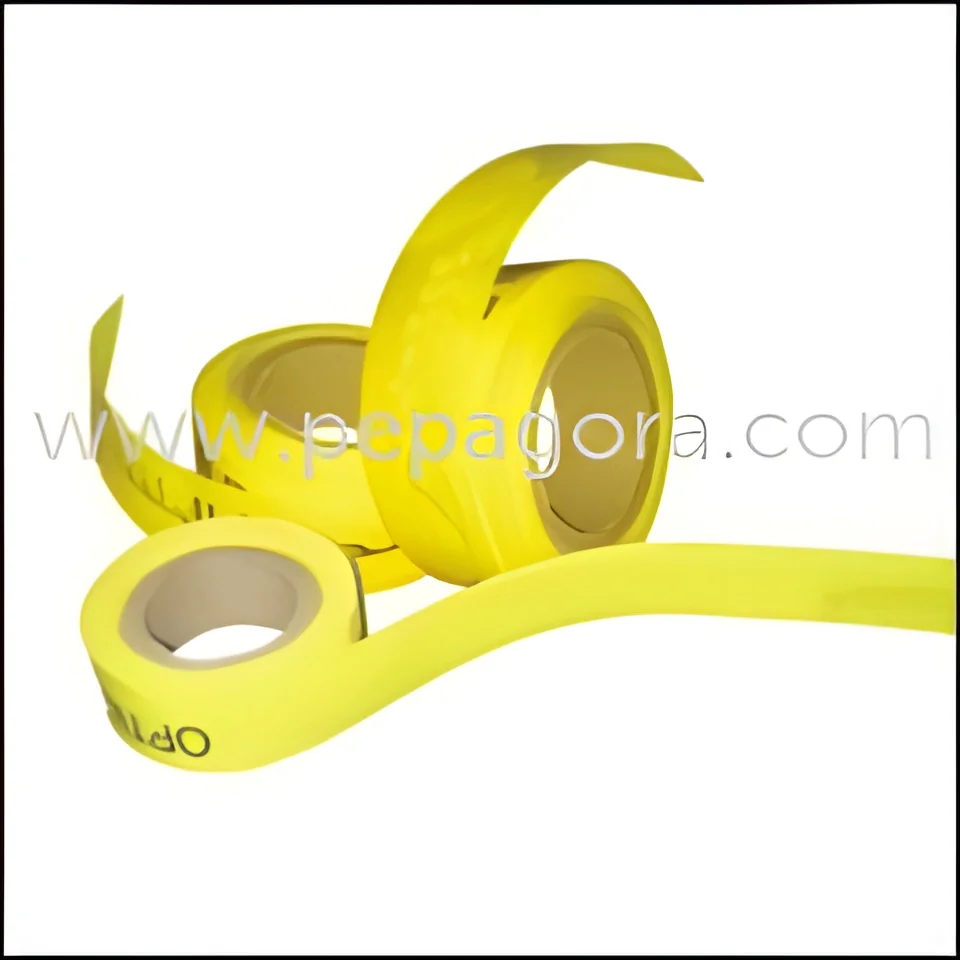
Barricade Tapes (Caution, Danger) are brightly colored warning tapes used to mark hazardous areas and communicate danger to individuals. These tapes are typically made from durable plastic materials and feature bold text or symbols to convey caution or danger effectively.
What are the different types of Barricade Tapes (Caution, Danger)?
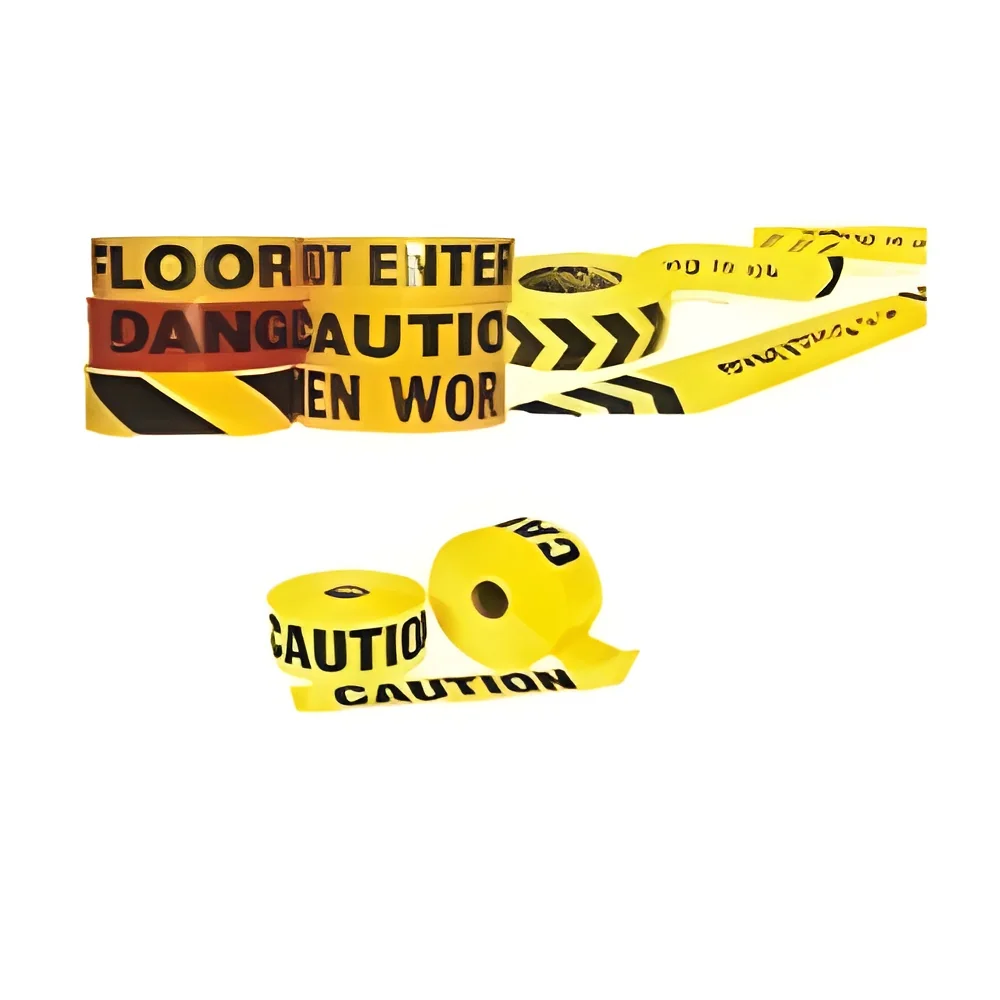
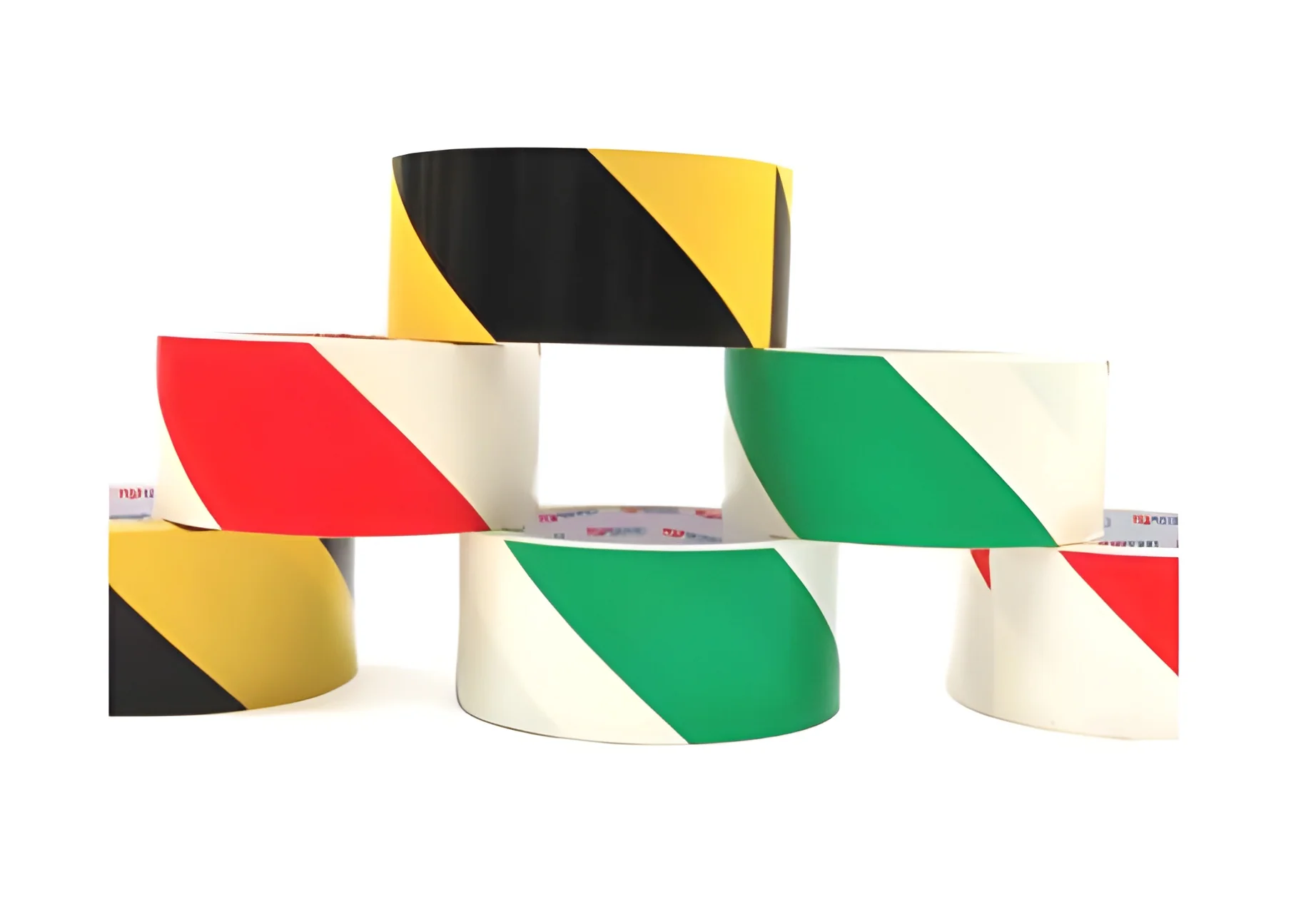
The different types of Barricade Tapes include caution tapes, which are usually yellow and indicate a warning, and danger tapes, often red, which signify immediate threats. Additionally, these tapes can vary in width, material thickness, and adhesive properties to suit specific applications.
How do I choose the right Barricade Tapes (Caution, Danger)?
To choose the right Barricade Tapes, consider the specific environment and purpose for use, such as indoor vs. outdoor settings. Also, evaluate the visibility, durability, and whether adhesive backing is required for secure placement.
What are the standard specifications for Barricade Tapes (Caution, Danger)?
Standard specifications for Barricade Tapes generally include a width of about 2 to 3 inches and a length that ranges from 100 to 300 feet. The material should be weather-resistant and non-adhesive unless specified otherwise.
What is the price range for Barricade Tapes (Caution, Danger)?
The price range for Barricade Tapes typically varies from INR 150 to INR 500 per roll, depending on factors such as material quality, length, and type. Bulk purchases may lead to discounts from suppliers.
What quality standards apply to Barricade Tapes (Caution, Danger)?
Quality standards for Barricade Tapes often include compliance with safety regulations set by organizations like OSHA or ANSI. These standards ensure the tapes are visible, durable, and suitable for intended hazardous environments.
Where can I find Barricade Tapes (Caution, Danger) suppliers in India?
You can find Barricade Tapes suppliers in India through online B2B marketplaces like Pepagora.com, trade shows, or local industrial supply stores. It's advisable to compare multiple suppliers to ensure the best quality and pricing.
Can Barricade Tapes (Caution, Danger) be customized?
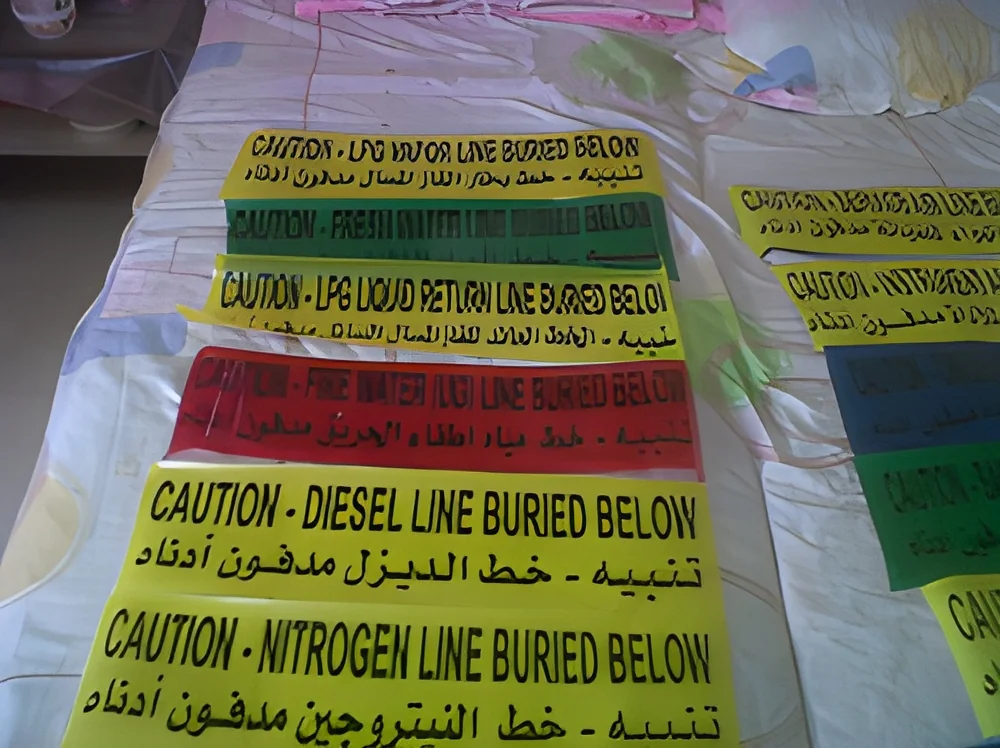
Yes, many manufacturers offer customization options for Barricade Tapes, allowing you to include specific text, logos, or colors according to your requirements. Customization can enhance visibility and convey particular messages effectively.
What is the typical minimum order quantity for Barricade Tapes (Caution, Danger)?
The typical minimum order quantity (MOQ) for Barricade Tapes can range from 50 to 100 rolls, depending on the supplier. It's essential to check individual supplier policies for precise MOQ requirements.
What is the typical lead time for Barricade Tapes (Caution, Danger)?
The typical lead time for Barricade Tapes can vary from 7 to 14 days, depending on the supplier's location and stock availability. Custom orders may require additional time for production and delivery.
Why Businesses Trust Pepagora
Thousands of companies trust Pepagora to source smarter and sell faster
Expand Your Sales Globally

Source Smarter,Grow Faster
