
 IN
Welding Helmets & Face Shields
28 products available
What are Welding Helmets & Face Shields?
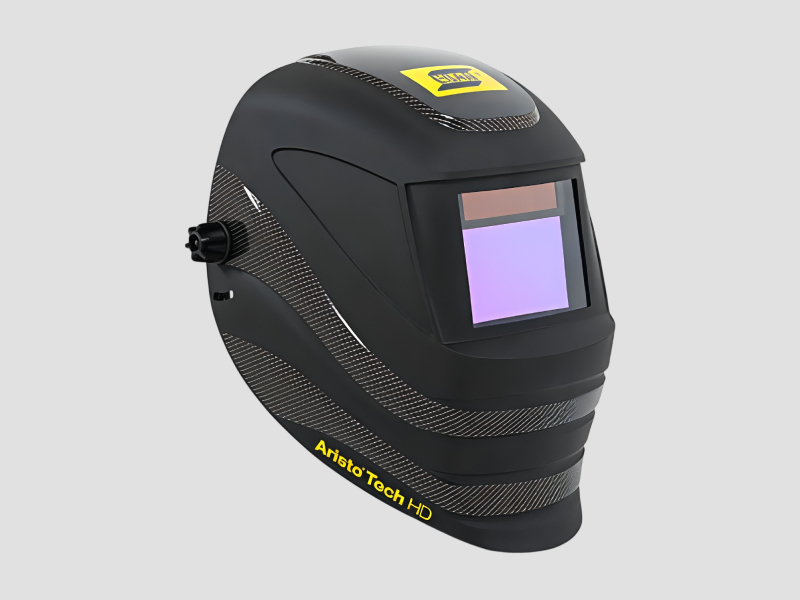
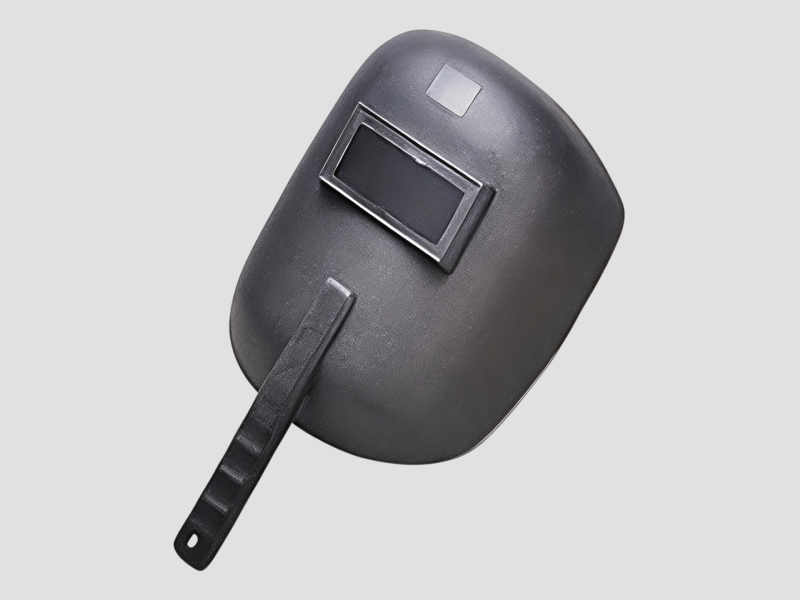
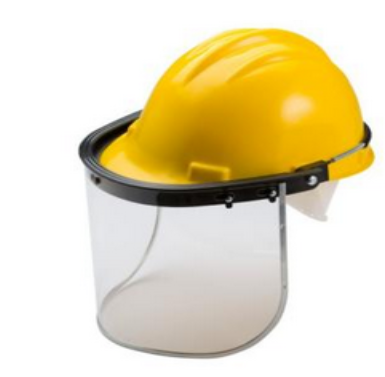
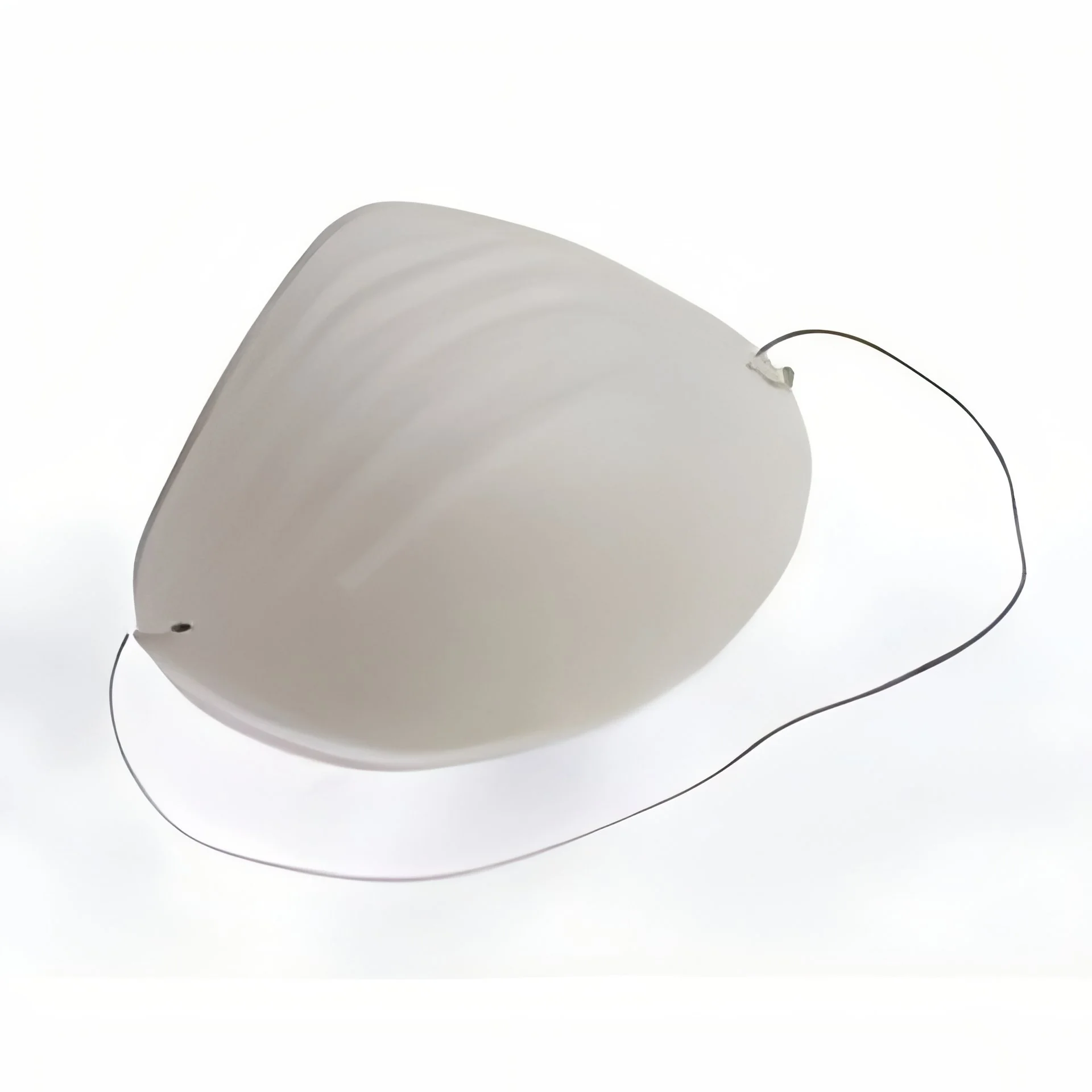
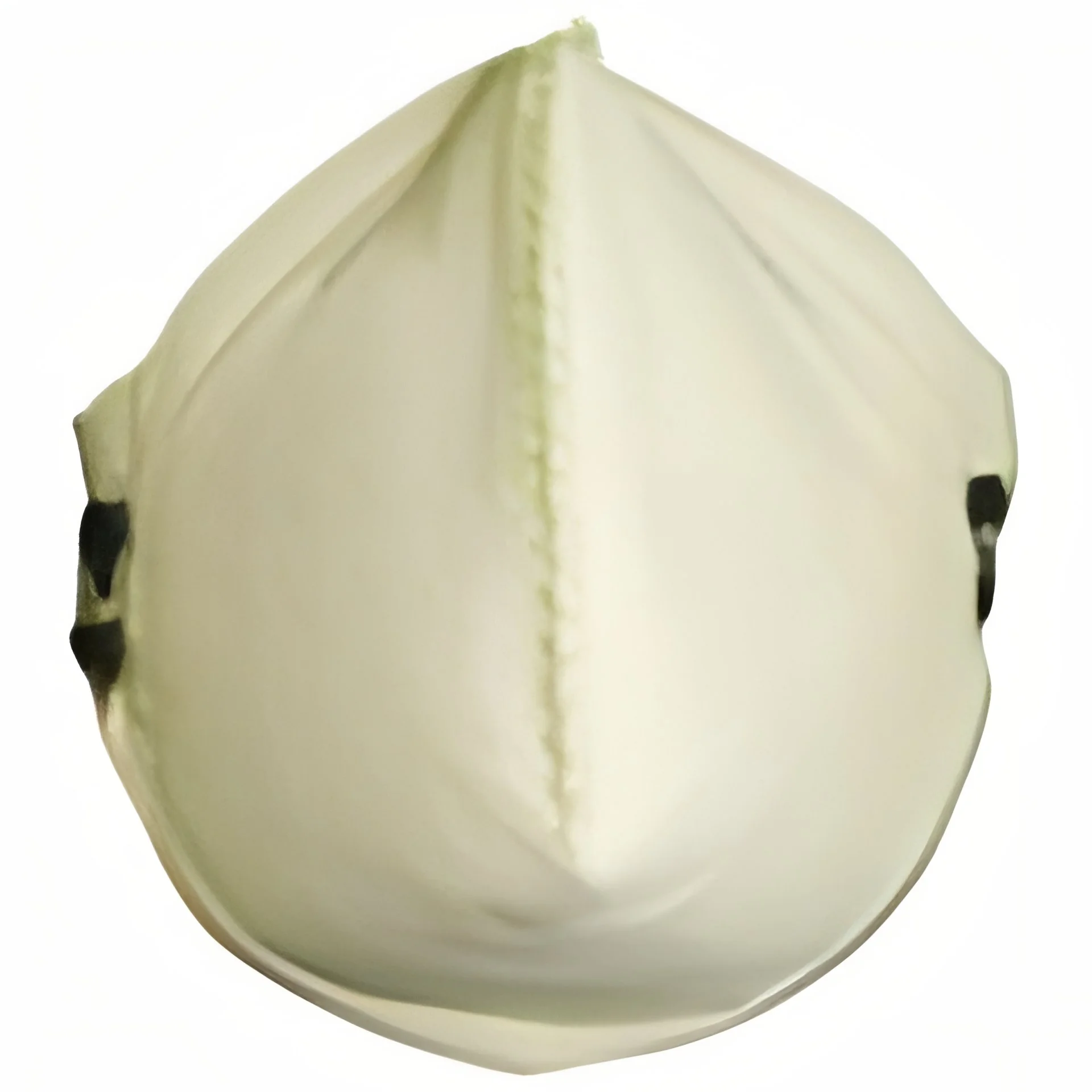
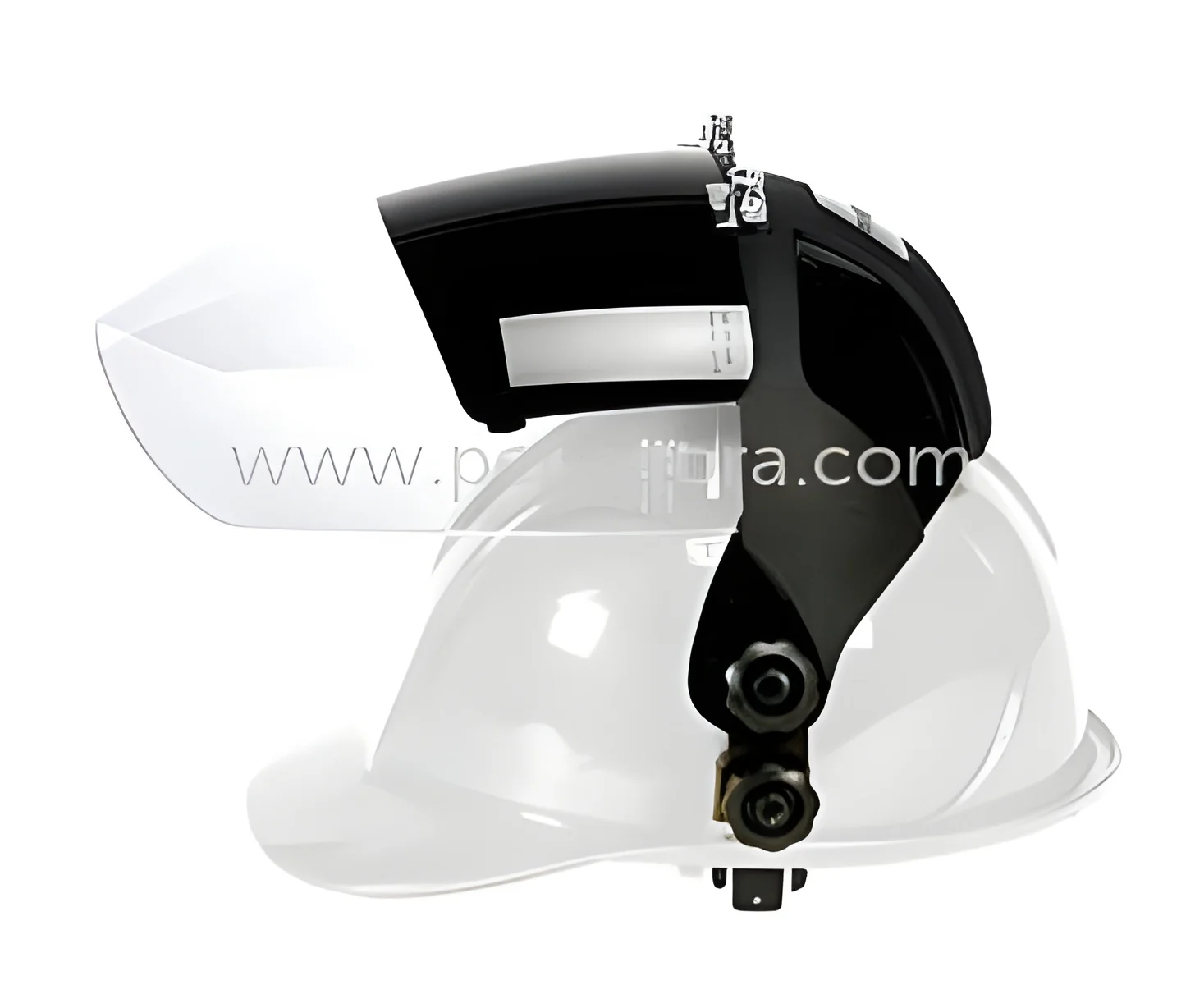
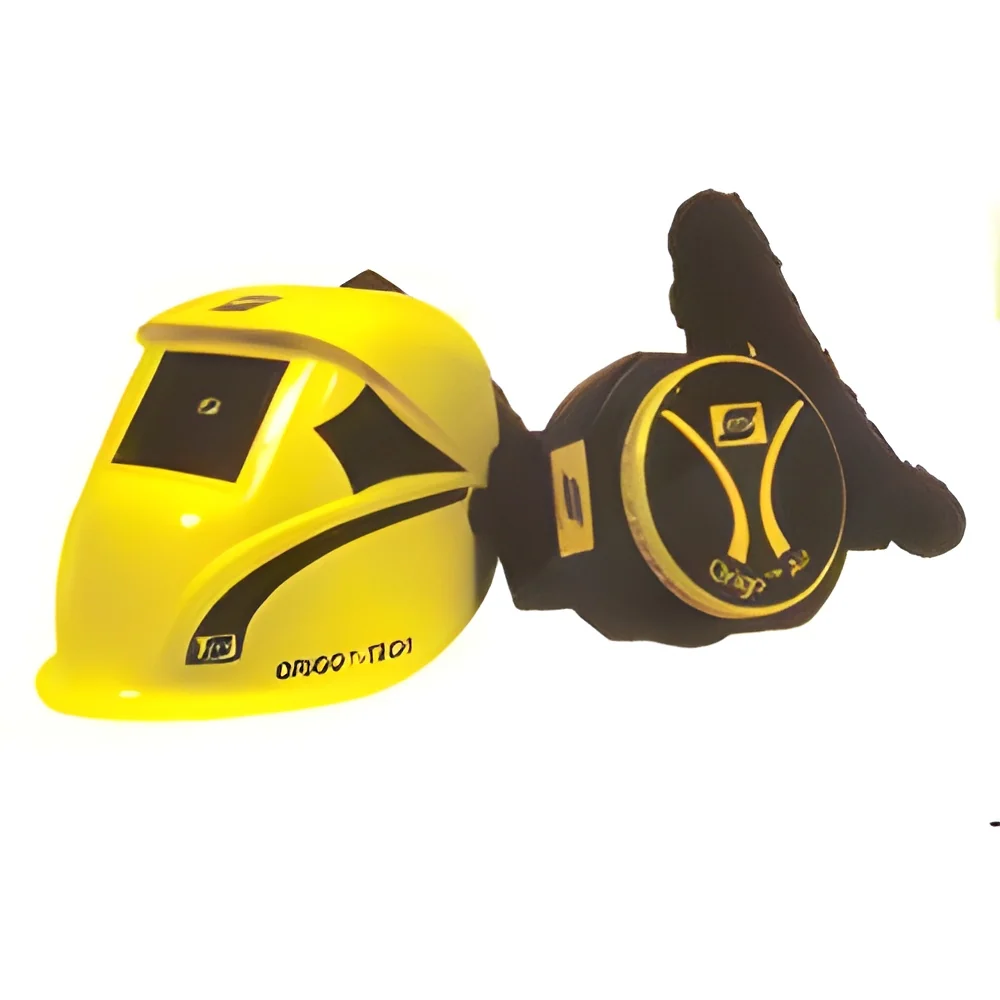
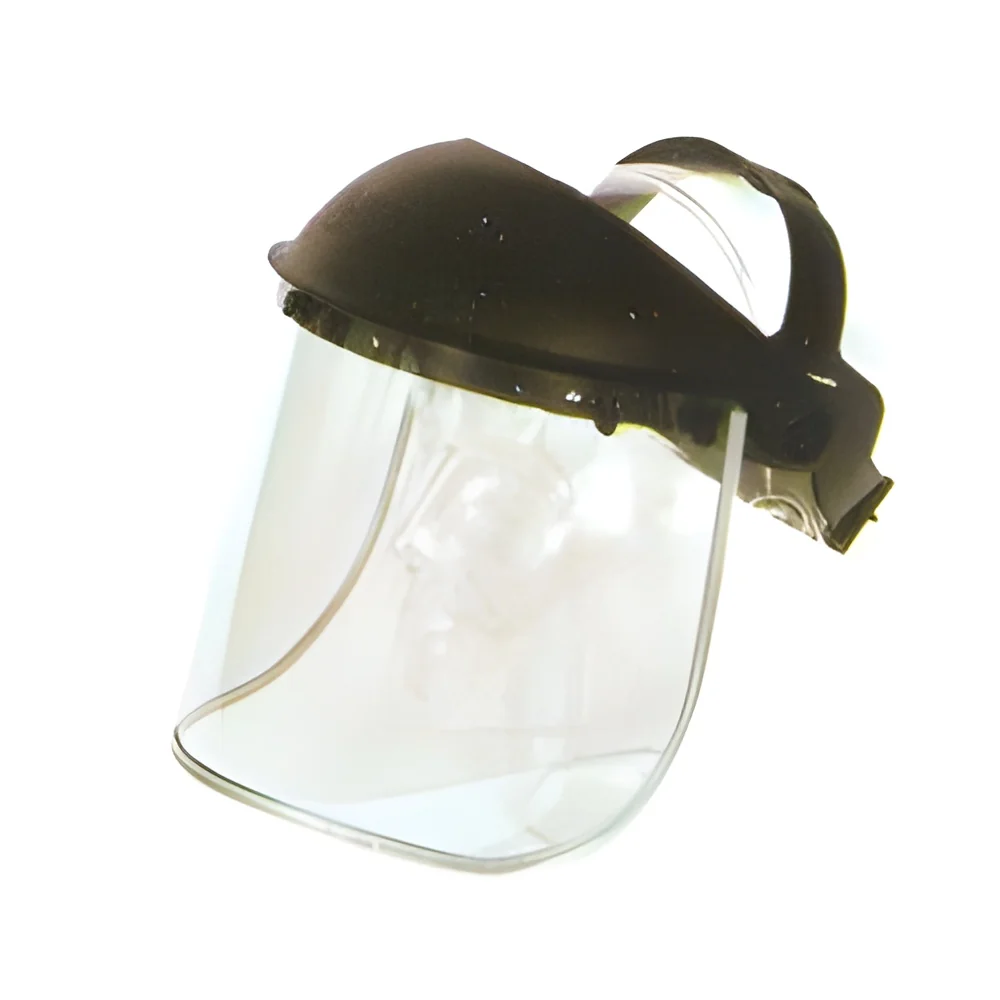
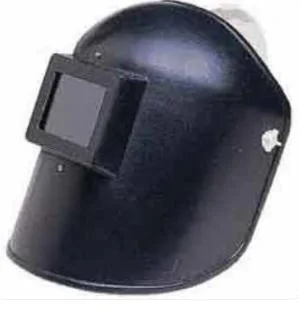
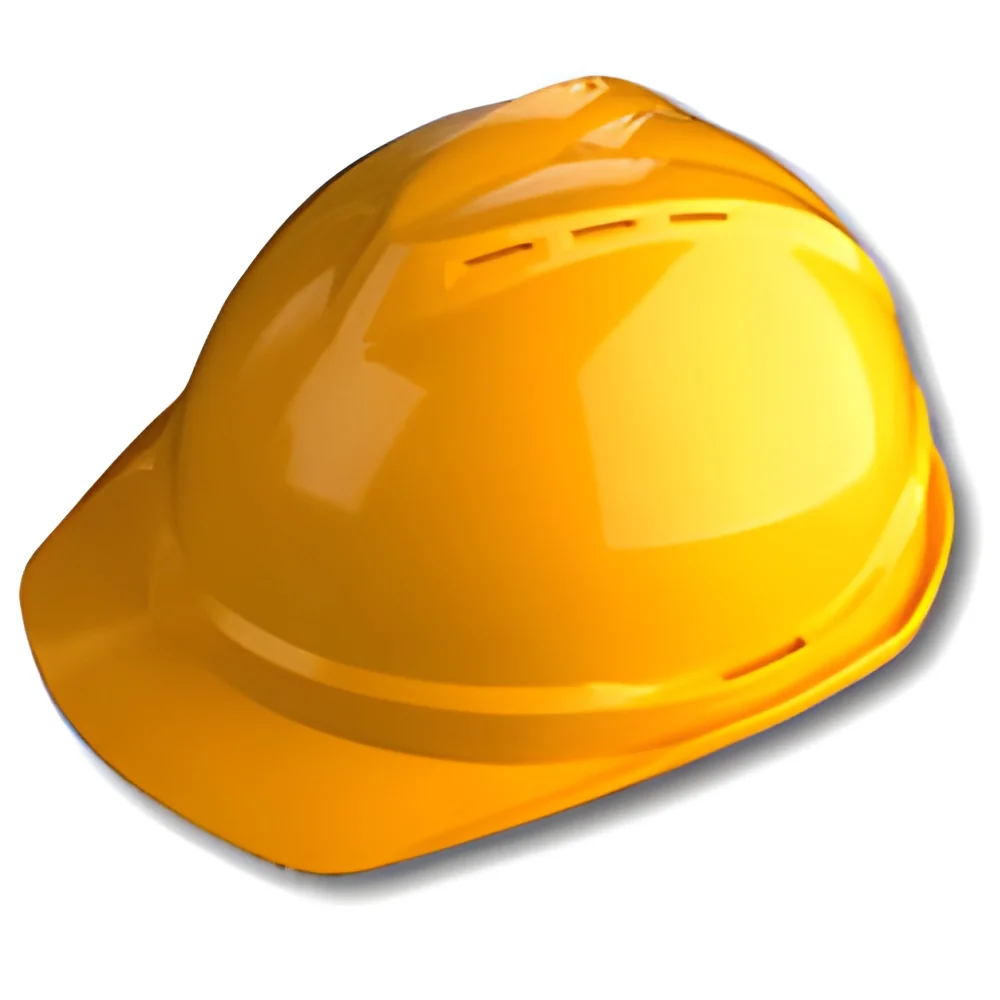
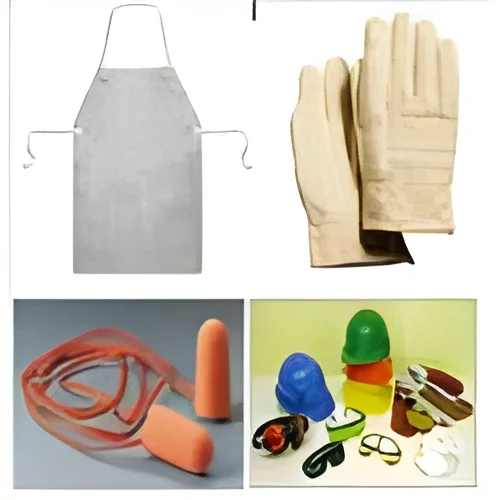
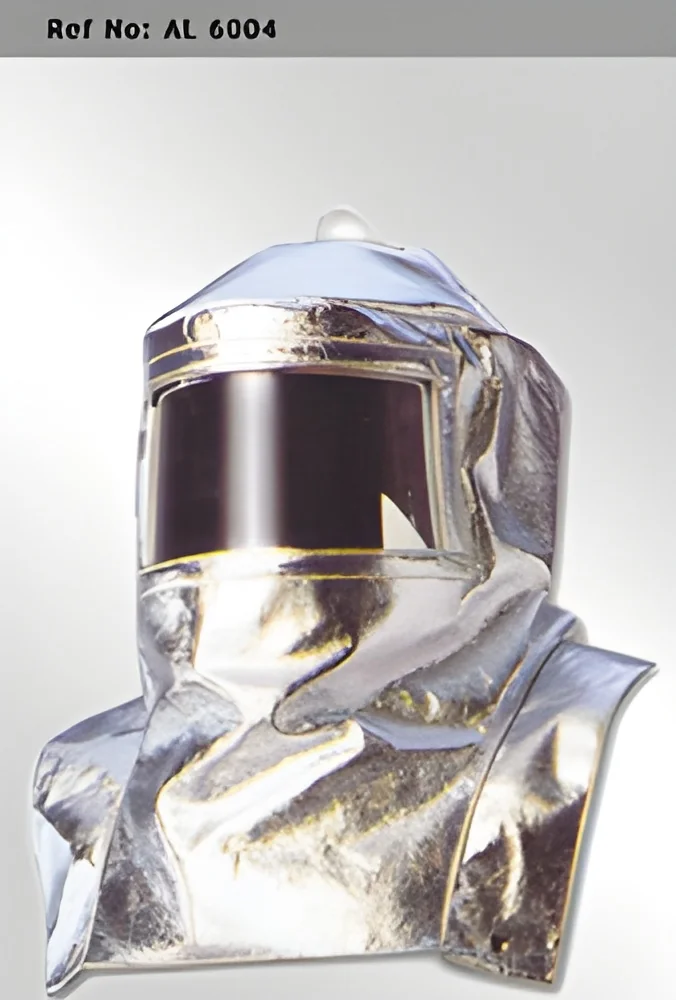
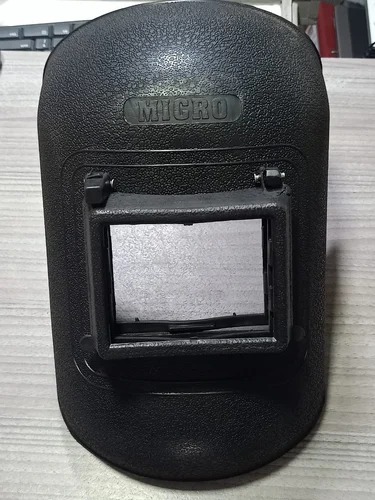
Welding helmets and face shields are essential personal protective equipment (PPE) designed to safeguard workers from hazards associated with welding, cutting, and grinding operations. These products protect the face and eyes from harmful radiation, intense heat, and flying debris. Welding helmets typically feature darkened lenses that filter out harmful ultraviolet and infrared light, while face shields provide additional protection to the entire face area.
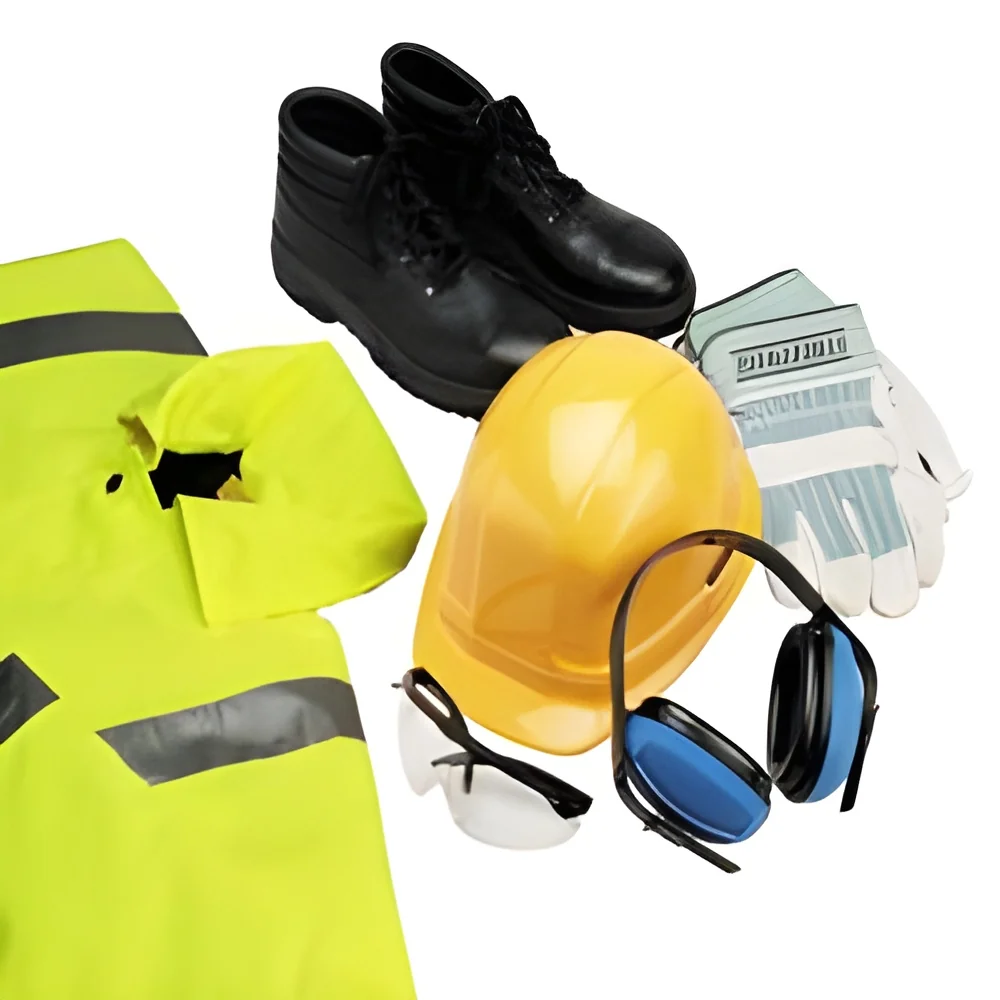
These protective devices are widely used in various industries, including manufacturing, construction, and automotive sectors. They ensure that operators can perform their tasks safely without the risk of injury from sparks, heat, or harmful light. In the context of increasing safety regulations and emphasis on worker protection, the demand for high-quality welding helmets and face shields continues to grow, making them a crucial investment for businesses focused on employee safety and compliance.
Key Features and Specifications
Welding helmets and face shields come with a variety of features tailored to meet the needs of different welding applications. Understanding these specifications is critical for ensuring optimal performance and safety.
Key specifications include:
1. Lens Shade
- Provides protection against harmful UV and IR radiation
- Shade levels typically range from 9 to 13 for different welding processes
2. Material
- Common materials include polycarbonate and fiberglass
- Ensures durability and resistance to heat and impact
3. Weight
- Lightweight designs enhance comfort during prolonged use
- Typical weights range from 1.5 to 3 pounds
4. Adjustable Headgear
- Allows for a customized fit for different users
- Often includes padding for increased comfort
5. Viewing Area
- Larger viewing areas enhance visibility and precision
- Typical sizes range from 3.5 x 4.5 inches to wider options
6. Auto-Darkening Feature
- Automatically adjusts lens shade based on arc brightness
- Reduces the need for manual adjustments during operation
7. Resistance Ratings
- Compliance with ANSI Z87.1 or similar standards for impact resistance
- Ensures helmets can withstand specific impact and heat levels
8. Certification
- CE certification indicates compliance with European safety standards
- Necessary for market acceptance in various regions
In summary, selecting welding helmets and face shields with the right features and specifications is crucial for ensuring safety, comfort, and compliance within the workplace.
Common Applications and Use Cases
Welding helmets and face shields are widely utilized across various industries to enhance worker safety.
1. Manufacturing: In manufacturing settings, these protective devices are essential for employees operating welding machines and performing metal fabrication tasks.
2. Construction: Construction workers use welding helmets and face shields when working with metal structures, ensuring protection from sparks and intense light during welding operations.
3. Automotive: In the automotive industry, technicians frequently employ welding helmets while repairing and fabricating parts, safeguarding against harmful emissions and heat.
4. Shipbuilding: Welders in shipyards rely on these products to protect their faces and eyes from harmful radiation and debris during assembly and repair work.
5. Maintenance and Repair: Maintenance staff in various sectors use welding helmets and face shields when conducting repairs on machinery, ensuring safety while working in potentially hazardous environments.
6. Aerospace: In aerospace applications, these helmets are critical for workers involved in welding and fabrication processes, where precision and safety are paramount.
7. Art and Sculpture: Artists and sculptors using welding techniques also benefit from using welding helmets to protect themselves during creative processes.
Product Variants and Subcategories
Welding helmets and face shields come in various designs to accommodate different user needs and preferences.
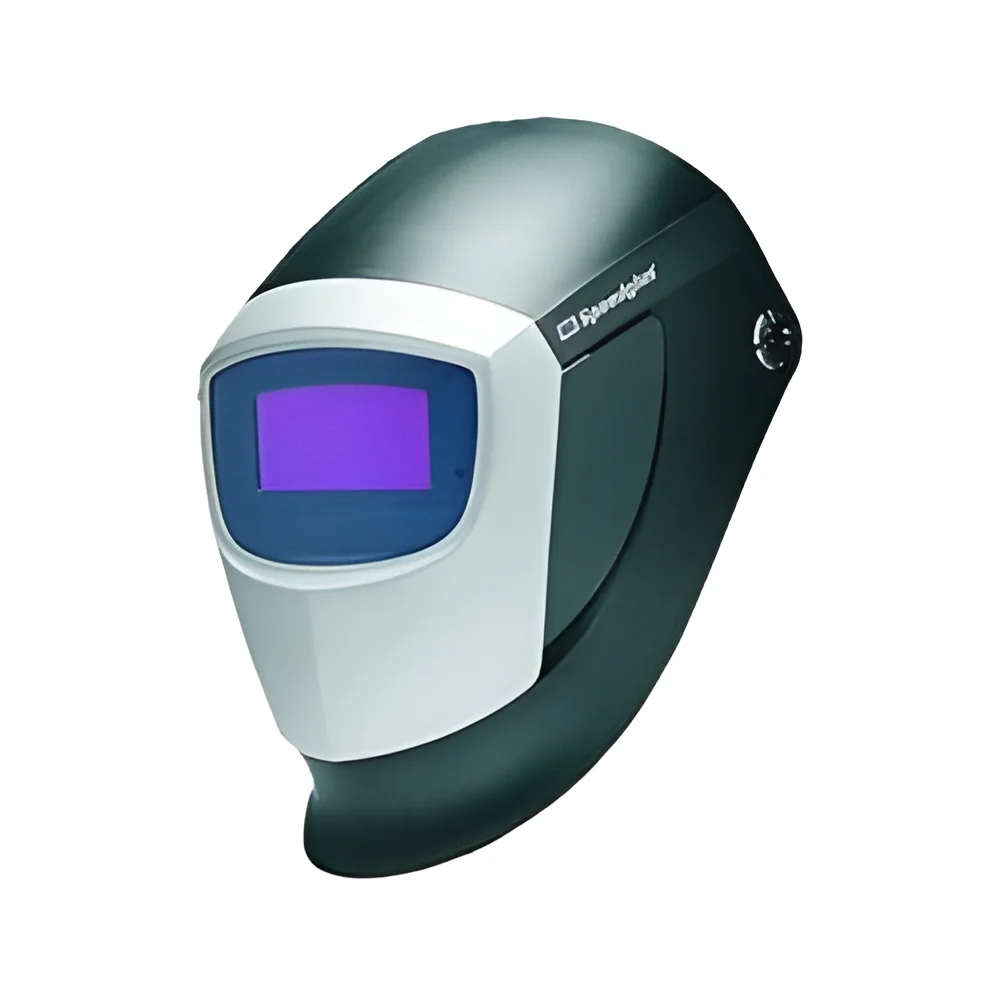
Auto-Darkening Welding Helmets: These helmets automatically adjust the lens shade in response to the brightness of the welding arc, providing convenience and enhanced visibility. They are ideal for professional welders who require quick adjustments during their work.
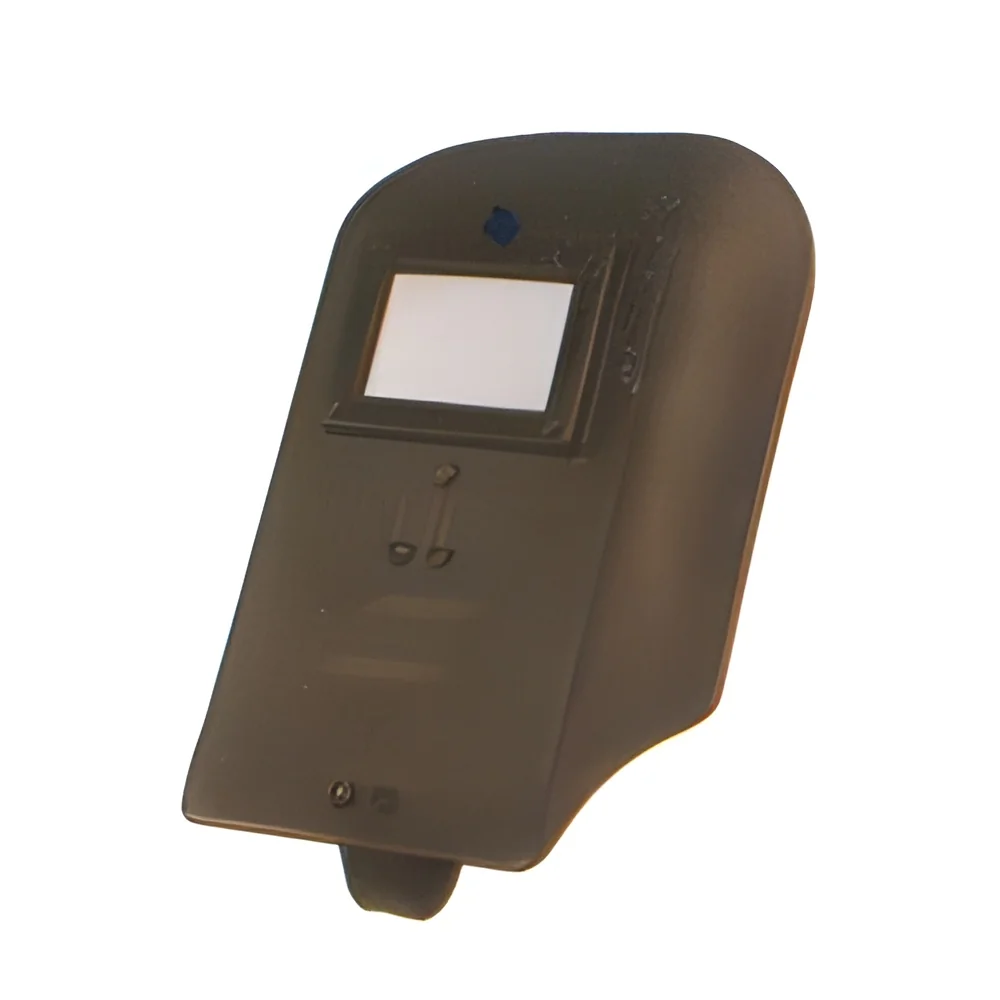
Fixed Shade Welding Helmets: These helmets feature a static lens shade that does not change. They are typically more affordable and suitable for less frequent welding tasks or for beginners learning the trade.
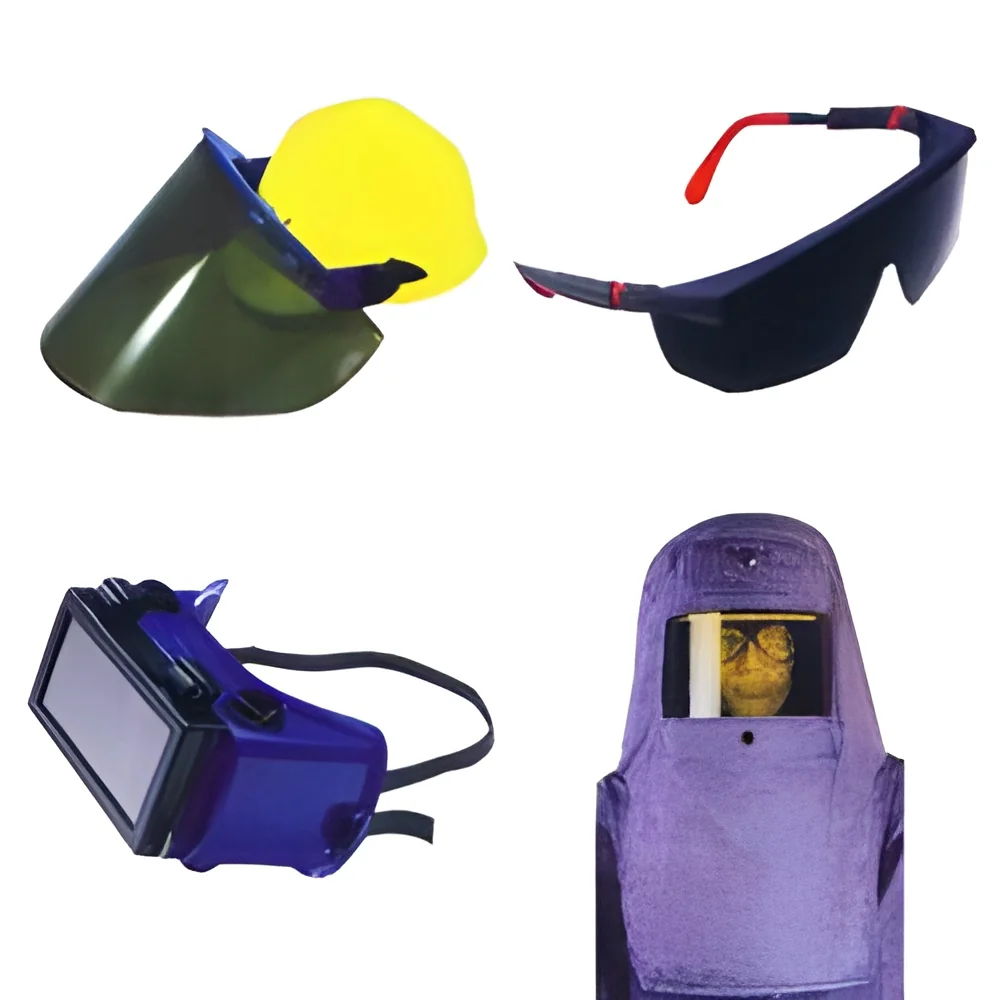
Face Shields with Welding Goggles: This combination offers comprehensive face and eye protection. The face shield guards against flying debris, while the goggles provide additional protection for the eyes during specific operations.
Benefits and Advantages
Investing in high-quality welding helmets and face shields offers numerous advantages for businesses.
1. Enhanced Safety: These products significantly reduce the risk of serious injuries from UV radiation, heat, and flying particles, ensuring a safer working environment.
2. Improved Comfort: Many modern designs focus on lightweight materials and adjustable features, enhancing comfort for workers during extended use.
3. Increased Productivity: By ensuring safety and comfort, these helmets allow workers to focus on their tasks without distractions, leading to higher productivity levels.
4. Compliance with Regulations: Utilizing certified helmets and face shields helps businesses meet industry safety standards and regulations, reducing the risk of legal issues.
5. Durability and Longevity: High-quality materials used in welding helmets and face shields ensure that they withstand harsh working conditions, leading to long-term cost savings.
6. Versatility: Many welding helmets and face shields are designed for various applications, making them suitable for different industries and tasks.
Buying Guide for B2B Buyers
When sourcing welding helmets and face shields, there are several key factors to consider to ensure a successful purchase.
1. Quality Assessment: Look for products that meet recognized safety standards, such as ANSI and CE certifications. Evaluate the materials and construction quality to ensure durability and protection.
2. Supplier Verification: Vet potential suppliers to confirm their reputation and reliability. Seek references and reviews from other businesses to gauge their track record.
3. Pricing and MOQ: Understand the pricing structures and minimum order quantities (MOQ) of different suppliers. Compare costs to find the best value while ensuring quality.
4. Delivery and Lead Times: Inquire about delivery times and logistics to avoid delays in procurement. Ensure that suppliers can meet your operational timelines.
5. Compliance Requirements: Familiarize yourself with local and industry-specific compliance requirements for PPE. Ensure that the products sourced meet all necessary regulations.
Compliance and Certifications
Welding helmets and face shields must adhere to relevant quality standards to ensure worker safety and product reliability. Common standards include ISO 9001, which focuses on quality management systems, and CE marking, indicating compliance with European health, safety, and environmental protection standards.
Industry certifications, such as ANSI Z87.1, are critical for impact resistance and overall safety performance. These certifications ensure that the products can withstand specific hazards associated with welding and related activities.
Additionally, safety and testing requirements may vary by region. It is essential to consider local regulations and compliance needs when sourcing these products. By ensuring compliance with applicable standards, businesses can protect their employees and minimize legal risks.
Why Source Welding Helmets & Face Shields from Pepagora?
Pepagora offers a reliable platform for sourcing high-quality welding helmets and face shields, providing several advantages to buyers.
Verified Supplier Network: Pepagora connects buyers with a network of verified suppliers, ensuring that businesses can source products from trustworthy manufacturers. This network helps mitigate risks related to product quality and reliability.
Streamlined RFQ Process: The request for quotation (RFQ) process on Pepagora is designed to be straightforward and efficient, allowing buyers to easily compare offers from multiple suppliers. This feature simplifies the procurement process and saves time.
Trade Assurance and Support: Pepagora provides trade assurance, offering buyers protection against potential issues with orders. Dedicated support teams are available to assist with any inquiries or concerns, ensuring a smooth purchasing experience.
Regional Coverage: Pepagora's extensive reach across India, the GCC, and Southeast Asia allows businesses to source welding helmets and face shields conveniently. This geographic coverage ensures that buyers can find suitable suppliers regardless of their location.



Frequently Asked Questions
What are Welding Helmets & Face Shields?
Welding helmets and face shields are protective gear designed to safeguard the eyes, face, and neck from harmful radiation, sparks, and debris generated during welding processes. They are essential for ensuring the safety of welders and other personnel working in environments where welding is performed.
What are the different types of Welding Helmets & Face Shields?
There are several types of welding helmets and face shields, including fixed shade helmets, auto-darkening helmets, and face shields with interchangeable lenses. Auto-darkening helmets are particularly popular as they automatically adjust the lens shade based on the brightness of the welding arc.
How do I choose the right Welding Helmets & Face Shields?
Choosing the right welding helmet or face shield depends on factors such as the type of welding you will be doing, the required protection level, and comfort. It is important to consider the lens type, shade range, and additional features like weight and adjustability to ensure optimal performance.
What are the standard specifications for Welding Helmets & Face Shields?
Standard specifications for welding helmets and face shields typically include lens shade ratings, optical class, and compliance with safety standards such as ANSI Z87.1 in the U.S. or IS 2925 in India. These specifications ensure that the equipment provides adequate protection against hazards encountered during welding.
What is the price range for Welding Helmets & Face Shields?
The price range for welding helmets and face shields can vary significantly based on the type and features. Generally, basic models start around INR 1,000, while advanced auto-darkening helmets can cost upwards of INR 10,000 or more.
What quality standards apply to Welding Helmets & Face Shields?
Welding helmets and face shields must meet quality standards set by organizations like the American National Standards Institute (ANSI) and the International Organization for Standardization (ISO). In India, helmets should comply with IS 2925 standards, ensuring that they provide adequate protection and durability.
Where can I find Welding Helmets & Face Shields suppliers in India?
You can find welding helmets and face shield suppliers in India through B2B marketplaces like Pepagora.com, local industrial supply stores, and specialized welding equipment distributors. Online platforms often provide a wide range of options from multiple manufacturers.
Can Welding Helmets & Face Shields be customized?
Yes, many manufacturers offer customization options for welding helmets and face shields, including personalized designs, logos, and additional features. Customization can enhance branding and improve usability for specific applications.
What is the typical minimum order quantity for Welding Helmets & Face Shields?
The typical minimum order quantity (MOQ) for welding helmets and face shields can vary by supplier but often ranges from 10 to 50 units. It's advisable to check with specific manufacturers for their MOQs and any bulk order discounts.
What is the typical lead time for Welding Helmets & Face Shields?
The typical lead time for welding helmets and face shields can range from 1 to 4 weeks depending on the supplier, product availability, and any customization requests. It's important to communicate with the supplier to confirm delivery timelines.
Why Businesses Trust Pepagora
Thousands of companies trust Pepagora to source smarter and sell faster
Expand Your Sales Globally

Source Smarter,Grow Faster
