
 IN
Scaffold Safety Nets
3 products available
What are Scaffold Safety Nets?
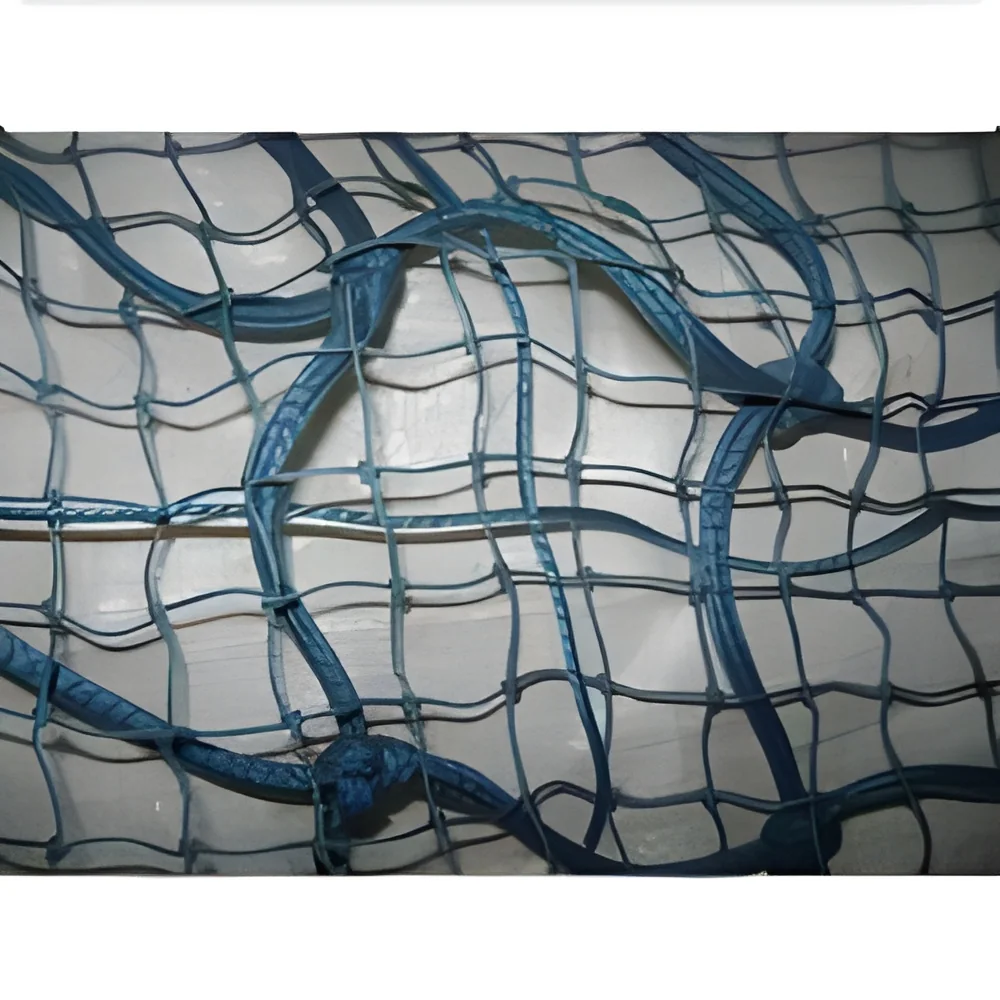
Scaffold safety nets are protective devices designed to catch materials or personnel that may fall from scaffolding during construction or maintenance activities. These nets are a vital component of construction safety systems, ensuring that workers remain protected from potential hazards associated with working at heights. Typically made from high-strength synthetic fibers, scaffold safety nets are lightweight yet durable, making them an essential safety tool in various industrial applications.
These nets are widely used across numerous industries, including construction, maintenance, and renovation, where scaffolding is employed. Their primary purpose is to prevent falls, protect workers, and minimize the risk of injury. By providing a safety barrier, scaffold safety nets contribute to creating a safer work environment, thus enhancing productivity and compliance with safety regulations. In today's competitive market, the demand for scaffold safety nets continues to grow as businesses prioritize safety and risk management.
The relevance of scaffold safety nets in the industry cannot be overstated. With increasing regulations concerning workplace safety, the adoption of these nets has become standard practice. As companies strive to comply with safety standards and improve their reputations, scaffold safety nets serve as a critical investment in both safety and efficiency.
Key Features and Specifications
Scaffold safety nets come with several key features and specifications that ensure their effectiveness and reliability in various applications. Understanding these specifications is crucial for businesses looking to invest in high-quality safety solutions.
Key specifications include:
1. Material Composition
- Typically made from high-density polyethylene or polypropylene
- Designed to withstand environmental factors such as UV exposure and moisture
2. Weight Capacity
- Rated to support a specific weight load, often between 100 kg to 300 kg
- Essential for ensuring safety during use
3. Mesh Size
- Commonly available in mesh sizes ranging from 50mm to 100mm
- Smaller mesh sizes provide better containment of debris
4. Dimensions
- Available in various sizes, typically ranging from 1.5m x 2.5m to 3m x 6m
- Custom sizes may be available upon request
5. Color Options
- Often available in bright colors such as green, blue, or orange
- Enhances visibility and safety on construction sites
6. Fire Resistance
- Some nets come with fire-retardant properties
- Important for compliance in specific industries
7. Installation Methods
- Available with various installation options, including hooks and ties
- Ensures secure attachment to scaffolding
8. Compliance Certifications
- Many products are CE certified
- Guarantees adherence to safety and quality standards
In summary, selecting scaffold safety nets with the right features and specifications is essential for ensuring safety on construction sites. High-quality materials, appropriate weight capacities, and compliance certifications contribute significantly to their effectiveness.
Common Applications and Use Cases
Scaffold safety nets find applications in various industries, reflecting their versatility and importance in safety management.
1. Construction: Scaffold safety nets are primarily used in construction projects to catch falling debris and prevent worker injuries. Their presence allows for safer working conditions at heights.
2. Maintenance: In maintenance work, scaffold safety nets protect workers while they perform tasks on elevated structures, such as buildings or bridges, ensuring safety from accidental falls.
3. Renovation: During renovation projects, safety nets help contain debris and dust, keeping the surrounding areas clear and reducing the risk of accidents for both workers and the public.
4. Industrial Cleaning: In industries requiring high-level cleaning, scaffold safety nets provide a safety barrier for workers performing tasks at elevated heights, giving them peace of mind.
5. Event Setup: In temporary structures for events, scaffold safety nets are used to secure equipment and protect personnel during setup and dismantling processes.
6. Infrastructure Projects: Safety nets are essential for infrastructure projects, such as roadwork or bridge repairs, where safety and containment of materials are crucial.
7. Shipbuilding: In shipyards, scaffold safety nets protect workers as they perform tasks on large vessels, ensuring safety in a challenging environment.
Product Variants and Subcategories
Scaffold safety nets come in diverse forms to meet various safety needs. While specific subcategories are not available, several variants can be highlighted based on features and applications.
Heavy-Duty Scaffold Safety Nets
These nets are designed for maximum strength and durability, ideal for high-risk construction sites. They typically feature reinforced stitching and heavier material, ensuring they can withstand greater impact and load.
Lightweight Scaffold Safety Nets
These variants are easier to handle and install, making them suitable for smaller projects or temporary setups. While they maintain safety standards, their lighter weight allows for greater flexibility.
Customizable Scaffold Safety Nets
Some manufacturers offer customization options, allowing businesses to request specific sizes, colors, or features. This flexibility ensures that companies can meet their unique safety requirements.
Benefits and Advantages
Investing in scaffold safety nets offers numerous benefits that enhance workplace safety and operational efficiency.
1. Enhanced Safety: Scaffold safety nets significantly reduce the risk of falls and injuries, providing a safer working environment for employees.
2. Compliance with Regulations: By using safety nets, companies can comply with safety regulations, avoiding potential fines and legal issues related to workplace safety.
3. Increased Productivity: With improved safety measures in place, workers can focus on their tasks without the constant worry of falls or accidents, leading to increased productivity.
4. Cost-Effectiveness: Investing in scaffold safety nets can reduce costs associated with workplace injuries, including medical expenses and downtime.
5. Versatility: Scaffold safety nets are suitable for various applications across different industries, making them a valuable investment for businesses.
6. Easy Installation: Most scaffold safety nets are designed for quick and easy installation, allowing for efficient setup and teardown on job sites.
Buying Guide for B2B Buyers
When sourcing scaffold safety nets, it is essential to consider several key factors to ensure that you make an informed decision.
1. Quality Assessment: Evaluate the material quality and construction standards of the safety nets. Look for products that meet industry certifications, ensuring durability and reliability.
2. Supplier Verification: Vet suppliers to confirm their reputation and reliability. Check for customer reviews and request references to ensure they deliver quality products consistently.
3. Pricing and MOQ: Understand the pricing structures and minimum order quantities (MOQ) from suppliers. This knowledge can help you budget accordingly and ensure you get the best value for your investment.
4. Delivery and Lead Times: Inquire about delivery timelines and logistics. Ensure that the supplier can meet your project schedules and provide timely shipments.
5. Compliance Requirements: Familiarize yourself with local safety regulations and compliance needs. Ensure that the safety nets you purchase meet these requirements to avoid potential legal issues.
Compliance and Certifications
Compliance and certifications are critical in ensuring that scaffold safety nets meet industry standards for safety and quality. Key quality standards include ISO 9001, which focuses on quality management systems, and CE certification, indicating that the product meets European safety requirements.
In addition to quality standards, scaffold safety nets must adhere to safety and testing requirements. This includes assessments for durability, strength, and resistance to environmental factors. Companies should also consider regional compliance, as safety regulations may vary by location. Understanding these compliance needs is essential for businesses aiming to maintain a safe working environment.
Why Source Scaffold Safety Nets from Pepagora?
Pepagora offers a trusted platform for sourcing scaffold safety nets, providing several key advantages to B2B buyers.
Verified Supplier Network: Pepagora has a robust network of verified suppliers, ensuring that buyers can access high-quality scaffold safety nets from reputable manufacturers. This verification process helps maintain product integrity.
Streamlined RFQ Process: The Request for Quotation (RFQ) system at Pepagora makes it easy for buyers to obtain competitive quotes from multiple suppliers. This efficiency allows businesses to make informed purchasing decisions quickly.
Trade Assurance and Support: Pepagora provides trade assurance, offering buyers protection throughout the purchasing process. This support ensures that transactions are secure and that any issues can be addressed promptly.
Regional Coverage: With a focus on geographic reach in India, the GCC, and Southeast Asia, Pepagora connects buyers with suppliers in key markets. This regional coverage enhances accessibility and fosters business growth in diverse areas.



Frequently Asked Questions
What are Scaffold Safety Nets?
Scaffold Safety Nets are protective nets used in construction sites to prevent falling debris and to ensure the safety of workers and pedestrians below. These nets are typically made from high-strength materials and are designed to withstand various environmental conditions.
What are the different types of Scaffold Safety Nets?
There are several types of Scaffold Safety Nets, including standard safety nets, debris nets, and anti-fall nets. Each type serves a specific purpose, with standard safety nets focusing on worker protection, debris nets designed to catch falling materials, and anti-fall nets preventing accidents in high-risk areas.
How do I choose the right Scaffold Safety Nets?
Choosing the right Scaffold Safety Nets involves considering factors such as the type of construction project, the height of the scaffolding, and the specific safety requirements. It is also important to evaluate the net's material, mesh size, and load capacity to ensure it meets safety standards.
What are the standard specifications for Scaffold Safety Nets?
Standard specifications for Scaffold Safety Nets typically include material strength, mesh size, and load capacity. Common materials used are polyethylene or polypropylene, with mesh sizes generally ranging from 3mm to 6mm, and load capacities should comply with local safety regulations.
What is the price range for Scaffold Safety Nets?
The price range for Scaffold Safety Nets can vary significantly based on factors such as size, material, and supplier. Generally, prices can range from INR 50 to INR 200 per square meter, depending on the specifications and quality of the nets.
What quality standards apply to Scaffold Safety Nets?
Scaffold Safety Nets must adhere to quality standards set by local and international safety organizations. In India, they should comply with the Bureau of Indian Standards (BIS) guidelines and may also need to meet additional certifications for materials used.
Where can I find Scaffold Safety Nets suppliers in India?
You can find Scaffold Safety Nets suppliers in India through B2B marketplaces like Pepagora.com, trade shows, or industry directories. Additionally, contacting local construction material suppliers can provide leads on reliable manufacturers and distributors.
Can Scaffold Safety Nets be customized?
Yes, Scaffold Safety Nets can often be customized based on specific project requirements. Customizations may include size alterations, color options, and additional features such as reinforced edges or specific load capacities.
What is the typical minimum order quantity for Scaffold Safety Nets?
The typical minimum order quantity (MOQ) for Scaffold Safety Nets can vary by supplier but usually ranges from 100 to 500 square meters. It's advisable to check with individual suppliers for their specific MOQs.
What is the typical lead time for Scaffold Safety Nets?
The typical lead time for Scaffold Safety Nets can range from 2 to 4 weeks, depending on the supplier and the customization requirements. It's important to confirm delivery timelines when placing an order to ensure they align with your project schedule.
Why Businesses Trust Pepagora
Thousands of companies trust Pepagora to source smarter and sell faster
Expand Your Sales Globally

Source Smarter,Grow Faster
