Key Features and Specifications
Disposable coveralls made from Tyvek and polypropylene offer a range of features that enhance their protective capabilities. These features are crucial for businesses looking to maintain safety standards while ensuring comfort and usability for their workforce.
Key specifications include:
1. Material Composition
- Made from Tyvek or polypropylene
- Offers lightweight and breathable properties
2. Protection Level
- Provides a barrier against dust, dirt, and light liquid splashes
- Meets specific industry safety standards
3. Size Options
- Available in various sizes to accommodate different body types
- Ensures a comfortable fit for users
4. Design Features
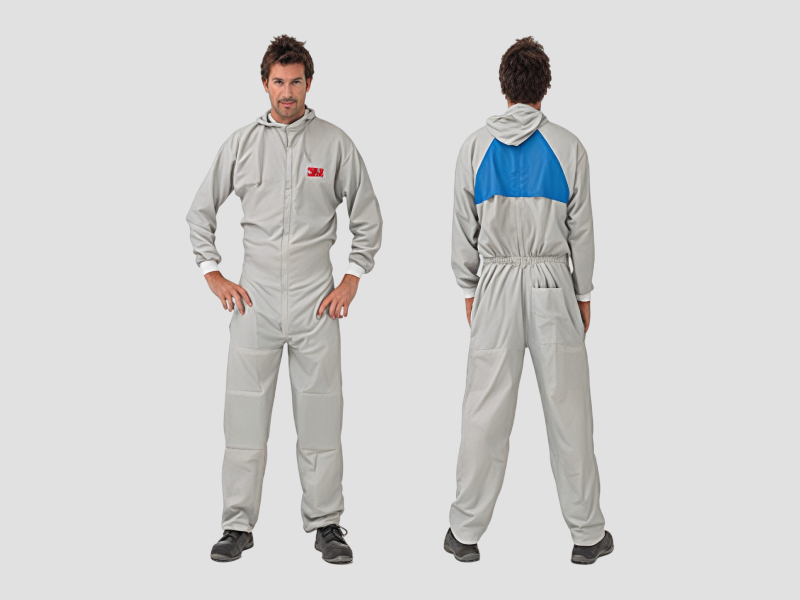
- Includes elastic cuffs, ankles, and waist for better fit
- Zipper front for easy wear and removal
5. Color Options
- Typically available in white or blue
- Allows for clear visibility of contaminants
6. Non-sterile and Sterile Variants
- Non-sterile for general use and sterile for medical applications
- Offers flexibility based on industry needs
7. Breathability
- Designed to allow moisture and heat to escape
- Reduces discomfort during extended wear
8. Compliance Certifications
- CE certified for quality assurance
- Adheres to relevant safety regulations
These specifications highlight the importance of selecting the right disposable coveralls to meet industry-specific needs.
Common Applications and Use Cases
Disposable coveralls are utilized across various sectors, providing essential protection in diverse environments.
1. Healthcare: In hospitals and clinics, disposable coveralls protect healthcare workers from exposure to infectious agents during medical procedures.
2. Construction: Workers in construction sites wear coveralls to shield themselves from dust, debris, and potential chemical spills, ensuring a safe working area.
3. Manufacturing: In manufacturing plants, these coveralls keep workers free from contaminants, maintaining product quality and safety.
4. Food Processing: Employees in food processing facilities use disposable coveralls to prevent contamination of food products, adhering to strict hygiene standards.
5. Pharmaceuticals: In pharmaceutical manufacturing, coveralls protect workers from exposure to potent compounds and maintain cleanroom environments.
6. Agriculture: Farmers and agricultural workers use these coveralls while handling pesticides and chemicals, ensuring their safety and compliance with regulations.
7. Hazardous Material Handling: In environments dealing with hazardous materials, coveralls serve as a protective barrier against harmful substances.
Product Variants and Subcategories
Disposable coveralls come in a variety of options to meet specific needs across different industries.
Standard Disposable Coveralls
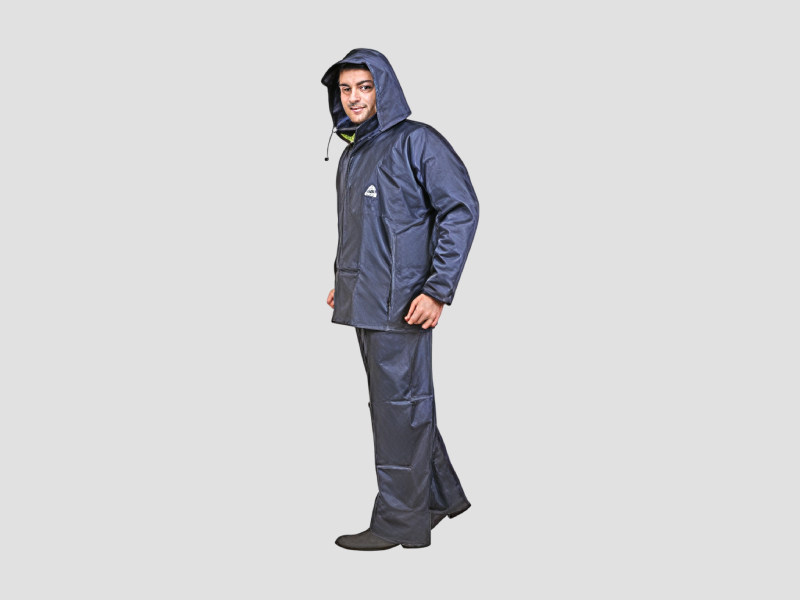
These are the most commonly used coveralls, offering basic protection against dust and light splashes. They are ideal for general industrial applications and are available in various sizes.
Chemical-Resistant Coveralls
Designed for environments where workers may be exposed to hazardous chemicals, these coveralls provide enhanced protection. They are often made from specially treated materials that resist chemical penetration.
Anti-Static Coveralls
These coveralls are designed for environments where static electricity could be a risk, such as electronics manufacturing. They include anti-static properties to prevent static discharge.
Flame-Resistant Coveralls
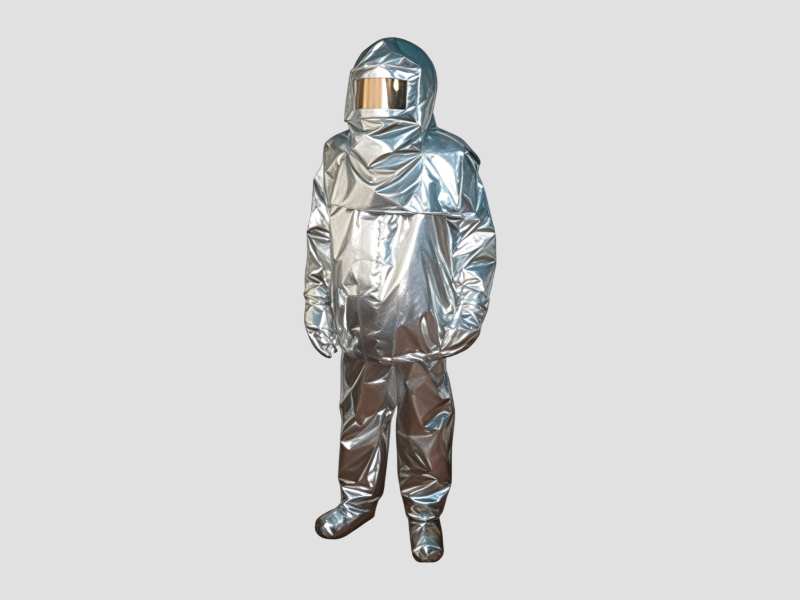
Tailored for use in environments with fire hazards, these coveralls offer additional protection against flames and heat. They are necessary for industries such as oil and gas.
Benefits and Advantages
Using disposable coveralls made from Tyvek and polypropylene offers several key benefits for businesses.
1. Enhanced Safety: These coveralls provide a reliable barrier against contaminants, protecting workers from exposure to hazardous substances.
2. Cost-Effectiveness: As single-use garments, disposable coveralls eliminate the need for laundering, reducing overall operational costs for businesses.
3. Convenience: Lightweight and easy to wear, these coveralls can be quickly donned and discarded, ensuring efficient workflow in busy environments.
4. Versatility: Suitable for various applications, disposable coveralls serve multiple industries, allowing businesses to standardize their protective equipment.
5. Compliance Assurance: Many disposable coveralls meet industry standards and regulations, ensuring businesses remain compliant with safety requirements.
6. Comfort and Breathability: Designed for extended wear, these coveralls allow for ease of movement and comfort, essential for workers engaged in physically demanding tasks.
Buying Guide for B2B Buyers
When sourcing disposable coveralls made from Tyvek and polypropylene, several factors should be considered to ensure optimal selection for your business needs.
1. Quality Assessment: Evaluate the quality of materials used in the coveralls. Look for certifications such as CE to ensure compliance with safety standards.
2. Supplier Verification: Vet potential suppliers to confirm their reliability and reputation in the market. Check for reviews and testimonials from previous clients.
3. Pricing and MOQ: Consider pricing structures and minimum order quantities. Ensure that the costs align with your budget while meeting your quantity requirements.
4. Delivery and Lead Times: Assess the supplier's logistics capabilities to ensure timely delivery. Inquire about lead times to avoid disruptions in your operations.
5. Compliance Requirements: Understand the regulatory requirements specific to your industry. Ensure that the disposable coveralls you choose meet these standards.
Compliance and Certifications
Disposable coveralls must adhere to specific quality standards and certifications to ensure safety and reliability in various applications. Key standards include ISO 9001 for quality management systems, ensuring that manufacturers maintain consistent quality in their products.
Additionally, compliance with HACCP (Hazard Analysis and Critical Control Points) is crucial in food-related industries, where safety and hygiene are paramount. The CE certification signifies that the coveralls meet European health, safety, and environmental protection standards, making them suitable for use in multiple sectors.
Safety and testing requirements also play a significant role in the manufacturing of disposable coveralls. Companies must conduct thorough testing to demonstrate compliance with safety protocols and industry standards. Regional compliance considerations may vary, so it is essential to ensure that the products conform to local regulations where they will be used.
Why Source Disposable Coveralls (Tyvek, PP) from Pepagora?
Pepagora offers a reliable platform for sourcing disposable coveralls made from Tyvek and polypropylene, providing several key advantages for B2B buyers.
Verified Supplier Network: Pepagora connects buyers with a network of verified suppliers, ensuring that you can source high-quality disposable coveralls from trusted manufacturers. This verification process helps mitigate risks associated with supplier reliability.
Streamlined RFQ Process: The platform features an efficient Request for Quotation (RFQ) system, allowing buyers to receive competitive quotes from multiple suppliers quickly. This streamlined process saves time and simplifies sourcing.
Trade Assurance and Support: Pepagora offers trade assurance, providing buyers with protection throughout the purchasing process. This support ensures that your investments are secure and that you receive the products as promised.
Regional Coverage: With a broad geographic reach, Pepagora serves businesses in India, the GCC region, and Southeast Asia. This extensive coverage enables buyers to access disposable coveralls tailored to their specific market needs.

 IN
IN