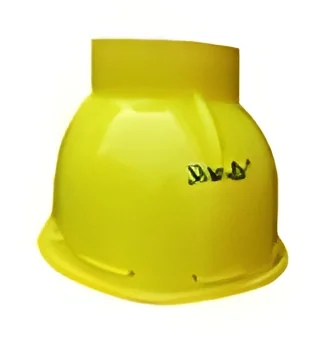
What are Safety Helmets?
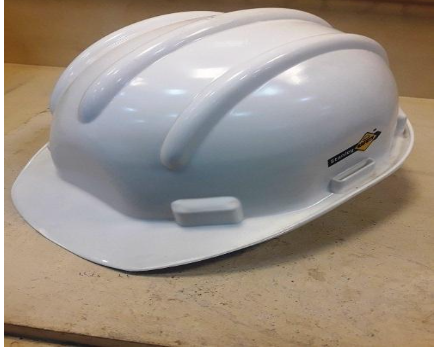
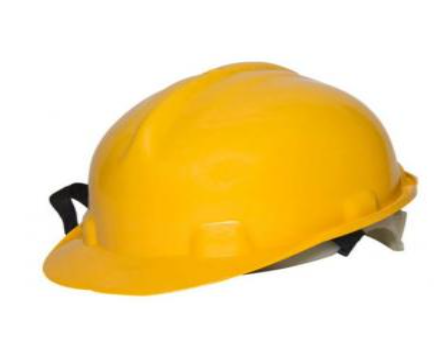
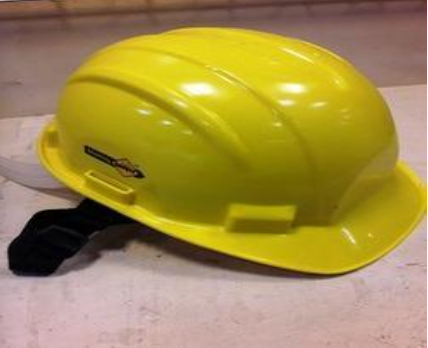
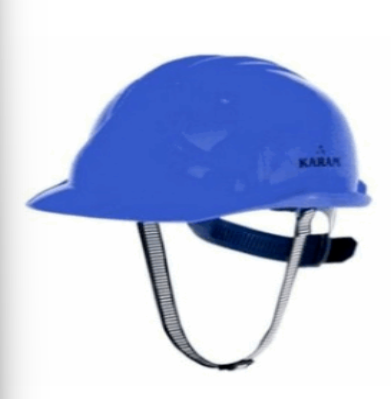
Safety helmets are protective headgear designed to safeguard the wearer from potential injuries caused by falling objects, collisions, and other hazardous conditions. These helmets typically feature a hard outer shell and an inner foam lining that absorbs impact energy. Safety helmets are essential in environments where head injuries are a risk, ensuring that workers remain safe while performing their duties.
The primary uses of safety helmets span a variety of industries including construction, manufacturing, mining, and forestry. They are a critical component of personal protective equipment (PPE) and are often mandated by safety regulations. Businesses utilize safety helmets to not only comply with legal requirements but also to promote a culture of safety within the workplace. In today’s market, the relevance of safety helmets is underscored by growing awareness around workplace safety and the need for protective gear in high-risk environments.
Key Features and Specifications
Safety helmets come with a range of features and specifications that enhance their functionality and protection levels. When selecting safety helmets, it is important to consider these specifications to ensure optimal safety for workers.
Key specifications include:
1. Material
- Typically made from high-density polyethylene (HDPE) or fiberglass for durability.
- Designed to withstand impacts and protect against penetration.
2. Weight
- Lightweight designs reduce strain on the neck during extended wear.
- Weights can vary from 300 to 500 grams depending on the model.
3. Ventilation
- Includes vents to improve airflow and reduce heat buildup.
- Essential for comfort in hot working conditions.
4. Liner System
- Often includes an inner foam liner that absorbs shock.
- Some models feature moisture-wicking properties for comfort.
5. Suspension System
- Typically adjustable to fit various head sizes securely.
- May include a ratchet or pinlock system for easy adjustments.
6. Chin Strap
- Designed to keep the helmet securely in place.
- Often includes a quick-release feature for emergency situations.
7. Certifications
- Must meet industry safety standards, such as CE certification.
- Ensures compliance with safety regulations.
8. Colors and Visibility
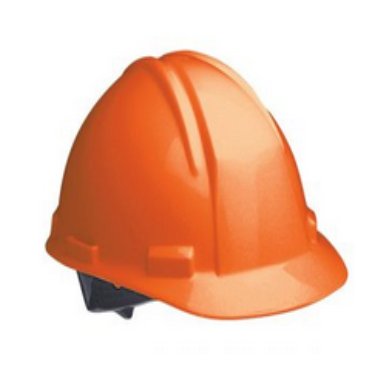
- Available in various colors for visibility and compliance with safety protocols.
- Bright colors can enhance visibility in low-light conditions.
In summary, the key specifications of safety helmets contribute significantly to their effectiveness in protecting workers in hazardous environments.
Common Applications and Use Cases
Safety helmets find applications across multiple industries, each with unique requirements for head protection.
1. Construction: Safety helmets are essential on construction sites where workers are exposed to falling debris and tools. They provide critical protection against head injuries.
2. Manufacturing: In manufacturing facilities, safety helmets protect workers from overhead hazards, including equipment and materials in motion.
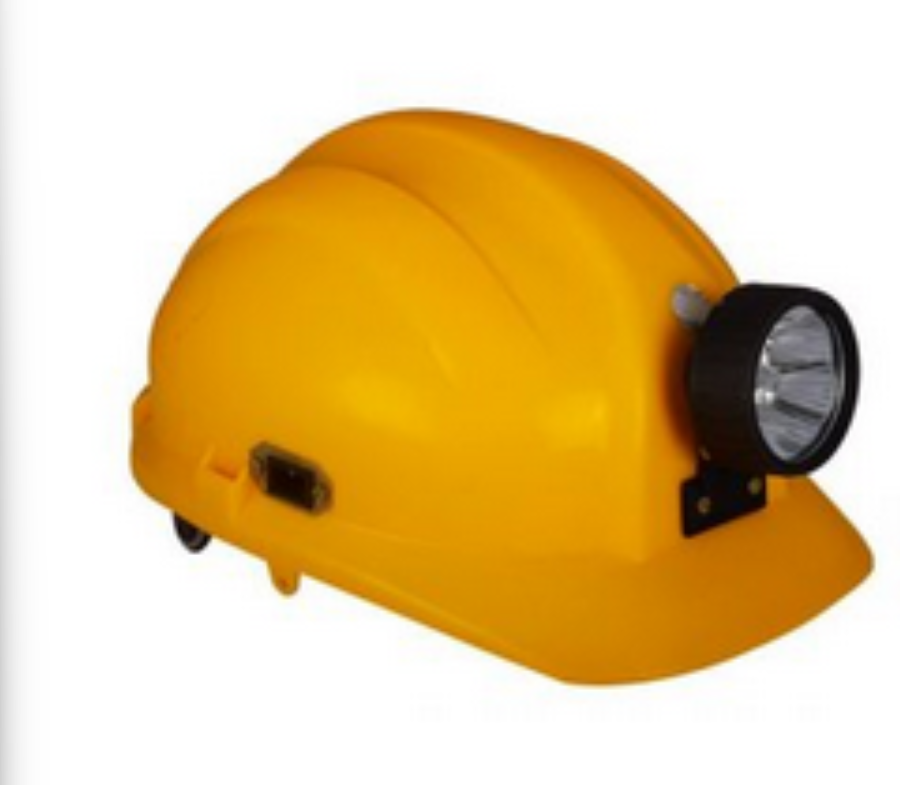
3. Mining: Miners face significant risks from falling rocks and equipment. Safety helmets are a vital part of their protective gear.
4. Forestry: In forestry operations, safety helmets protect against falling branches and tools, ensuring worker safety in rugged environments.
5. Oil and Gas: Workers in the oil and gas industry face potential hazards from equipment and environmental factors. Safety helmets are crucial for their protection.
6. Warehousing: In warehouses, safety helmets protect workers from falling items and provide visibility in busy environments.
7. Electrical Work: Electricians wear safety helmets to guard against falling objects and electrical hazards.
Product Variants and Subcategories
Safety helmets are available in various designs to cater to specific industry needs. Each variant offers distinct features tailored for different applications.
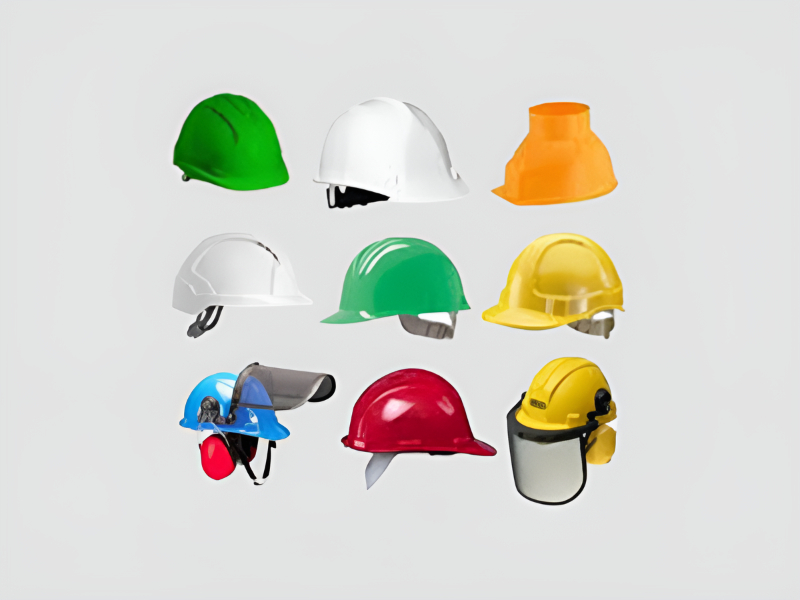
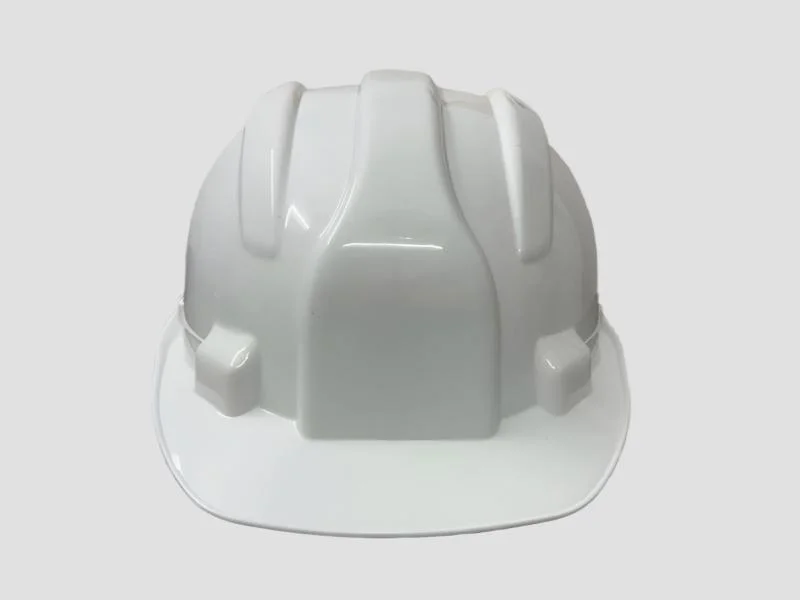
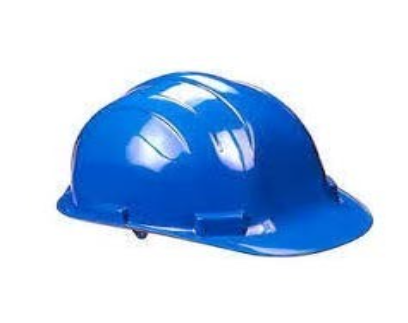
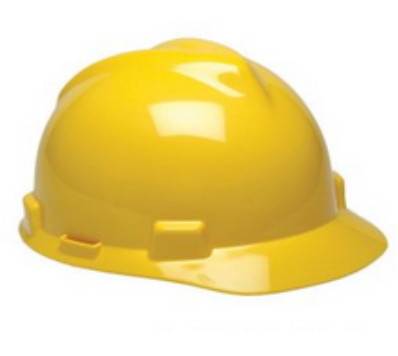
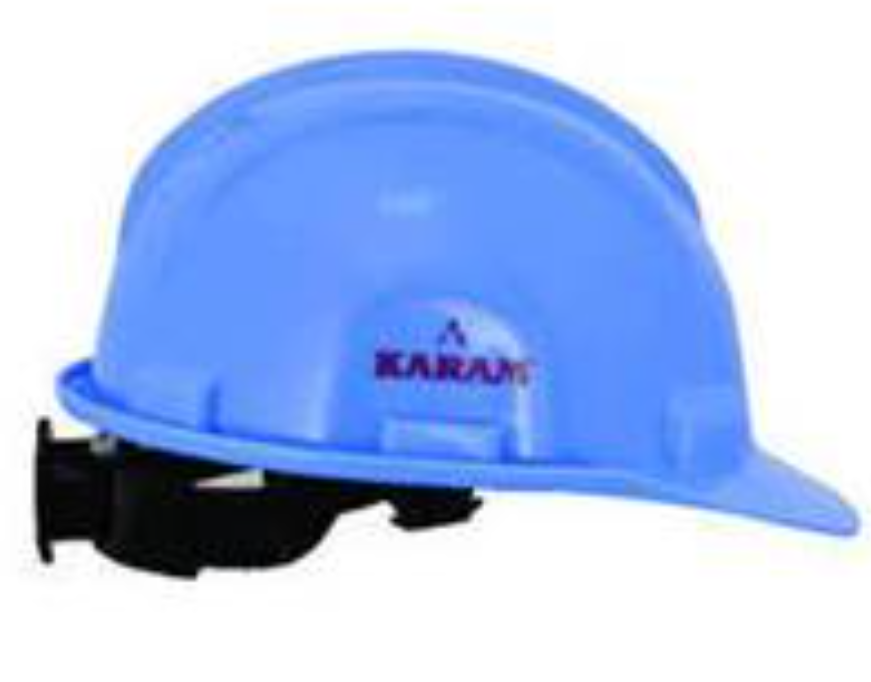
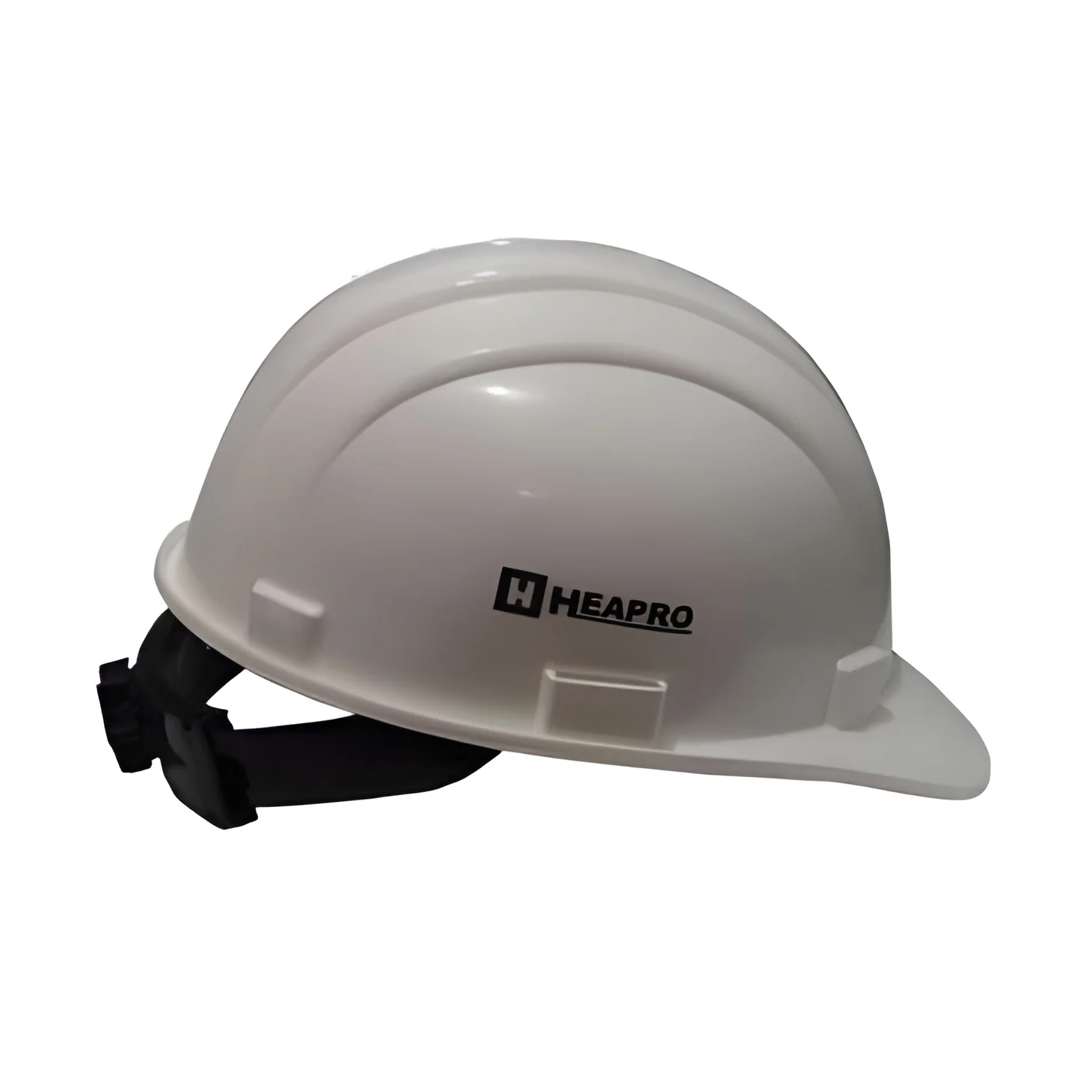
Classic Hard Hat: This standard safety helmet is designed for general construction and industrial applications. It provides reliable protection against impact and penetration.
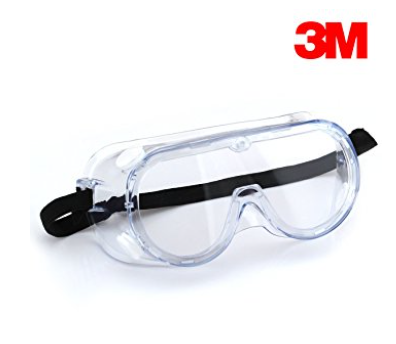
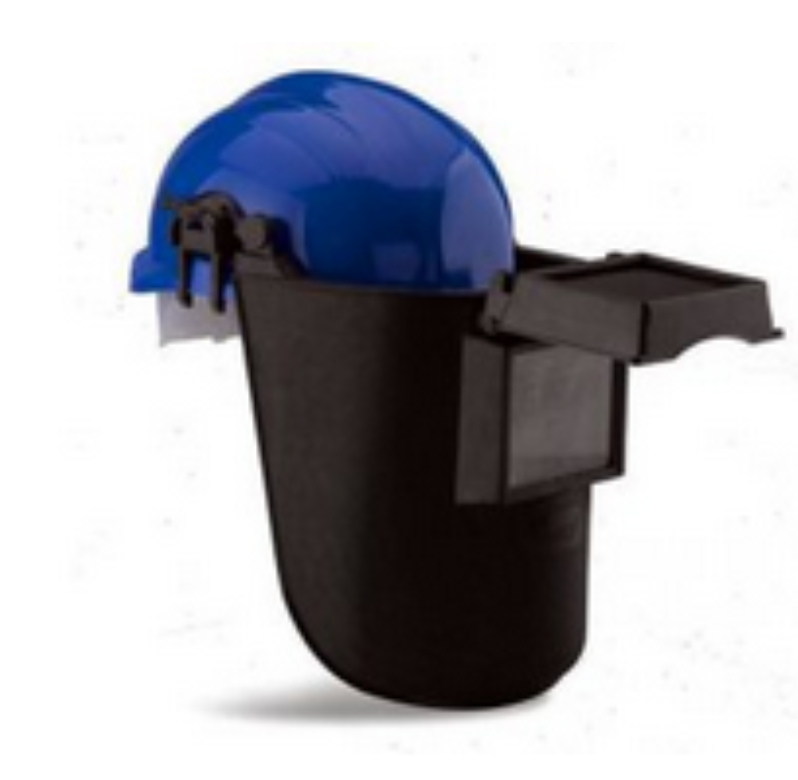
Full-Face Helmet: This variant offers additional protection by covering the face and neck. It is commonly used in environments with high risks of chemical exposure or extreme conditions.
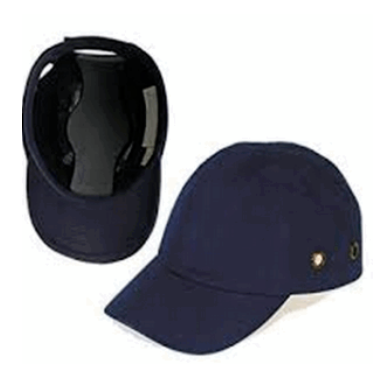
Bump Cap: Designed for low-risk environments, bump caps provide basic head protection against minor bumps and scrapes. They are commonly used in warehouses and light industrial settings.
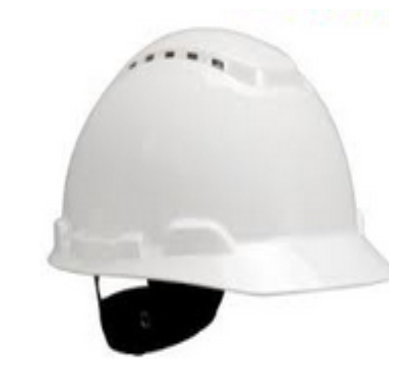
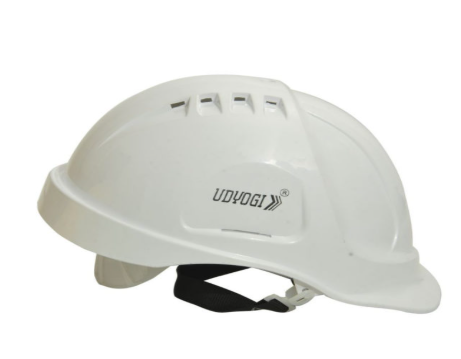
Ventilated Safety Helmet: This design includes enhanced airflow features, making it suitable for hot working conditions, such as construction sites in warmer climates.
Benefits and Advantages
Choosing safety helmets for your workforce offers numerous advantages that promote safety and efficiency.
1. Enhanced Protection: Safety helmets provide critical head protection against falling objects, reducing the risk of serious injuries.
2. Compliance with Regulations: Using safety helmets ensures compliance with occupational safety standards and regulations, protecting both workers and companies from legal repercussions.
3. Increased Visibility: Many safety helmets come in bright colors or with reflective materials, enhancing visibility and safety in low-light environments.
4. Comfort and Fit: Modern safety helmets are designed for comfort, with adjustable suspension systems and ventilation, ensuring that workers can wear them for extended periods without discomfort.
5. Customization Options: Safety helmets can be customized with logos and colors, allowing companies to strengthen branding while ensuring compliance with safety standards.
6. Versatile Applications: Safety helmets are suitable for various industries and environments, making them a versatile choice for businesses.
Buying Guide for B2B Buyers
When sourcing safety helmets for your organization, it is essential to consider several key factors to ensure you make the right choice.
1. Quality Assessment: Evaluate the quality of materials and construction. Look for helmets that meet industry standards and have certifications such as CE, which ensures safety and reliability.
2. Supplier Verification: Vet suppliers to ensure they have a good reputation and are known for delivering high-quality safety products. Consider their experience in the industry and customer feedback.
3. Pricing and MOQ: Analyze pricing structures and minimum order quantities (MOQs) offered by suppliers. This will help you budget effectively and meet your business needs.
4. Delivery and Lead Times: Confirm delivery timelines and lead times with suppliers to ensure that you receive your helmets when needed. Discuss logistics and potential delays.
5. Compliance Requirements: Understand the regulatory requirements in your region and ensure that the helmets you purchase comply with local safety regulations and standards.
Compliance and Certifications
Safety helmets must adhere to various quality standards and certifications to ensure they provide adequate protection. One of the most recognized standards is CE certification, which indicates compliance with European safety regulations. This certification assures buyers that the helmets have undergone rigorous testing for durability and impact resistance.
Additionally, manufacturers may adhere to industry-specific standards, ensuring that helmets are suitable for particular applications. Compliance with these standards is essential for maintaining workplace safety and minimizing legal liability.
Regional compliance considerations are also crucial, as different countries may have specific regulations regarding head protection gear. Buyers should familiarize themselves with local laws to ensure that the products they procure meet all necessary safety requirements.
Why Source Safety Helmets from Pepagora?
Pepagora offers a reliable platform for sourcing safety helmets, providing several advantages that benefit B2B buyers.
Verified Supplier Network: Pepagora connects buyers with a network of verified suppliers who are committed to quality and safety. This reduces the risk of purchasing substandard products.
Streamlined RFQ Process: The platform simplifies the request for quotation (RFQ) process, allowing buyers to easily compare prices and specifications from multiple suppliers, making informed decisions quickly.
Trade Assurance and Support: Pepagora offers trade assurance, providing buyers with protection against risks associated with transactions. This includes support throughout the purchasing process to ensure satisfaction.
Regional Coverage: With a strong presence in India, the GCC, and Southeast Asia, Pepagora provides extensive regional coverage, facilitating easy access to quality safety helmets tailored to the needs of various markets.

 IN
IN