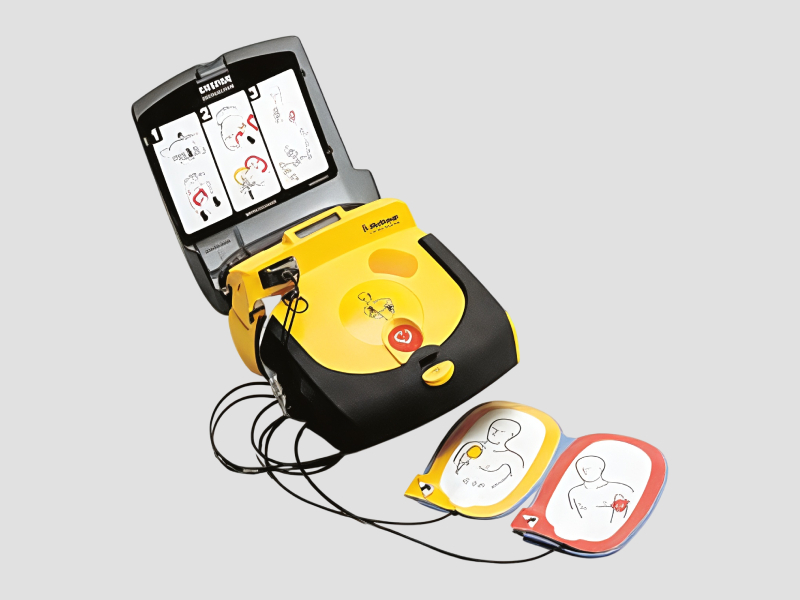
𝗪𝗵𝗮𝘁 𝗮𝗿𝗲 𝗙𝗶𝗿𝘀𝘁 𝗔𝗶𝗱 𝗞𝗶𝘁𝘀?
First Aid Kits are essential collections of medical supplies and equipment designed to provide immediate care in emergency situations. They typically include items such as bandages, antiseptics, gauze, scissors, and other tools necessary for addressing minor injuries and medical emergencies. First Aid Kits can vary in size and complexity, from basic kits for home use to comprehensive kits intended for workplaces, industrial settings, or specific outdoor activities.
The primary use of First Aid Kits is to offer prompt assistance in case of accidents, injuries, or sudden health issues. Businesses across various industries often require First Aid Kits to ensure the safety and well-being of their employees. In many cases, having a well-stocked First Aid Kit is not just a best practice but a legal requirement. These kits are relevant in industries such as manufacturing, construction, healthcare, and education, ensuring compliance with safety regulations while promoting a culture of safety in the workplace.
𝗞𝗲𝘆 𝗙𝗲𝗮𝘁𝘂𝗿𝗲𝘀 𝗮𝗻𝗱 𝗦𝗽𝗲𝗰𝗶𝗳𝗶𝗰𝗮𝘁𝗶𝗼𝗻𝘀
First Aid Kits come with a variety of features and specifications designed to meet different needs and standards. The specifications can vary based on the intended use, size, and regulatory requirements.
Key specifications include:
1. Contents and Supplies
- A standard First Aid Kit typically includes items such as adhesive bandages, antiseptic wipes, gauze pads, and adhesive tape.
- The quantity and variety of items can vary based on the kit's size and intended use.
2. Packaging and Durability
- Kits are often housed in durable, waterproof containers to protect the contents from damage.
- Many kits are designed for portability, featuring handles or straps for easy transport.
3. Compliance and Certification
- First Aid Kits should comply with relevant safety standards and regulations, such as CE certification.
- Compliance ensures that the kit meets quality and safety requirements for medical supplies.
4. Customization Options
- Some suppliers offer customizable kits tailored to specific industries or business needs.
- Custom kits can include specialized supplies for particular hazards or workplace environments.
5. Size Variations
- Kits are available in various sizes, from compact kits suitable for personal use to larger kits designed for group settings.
- The size often correlates with the number of individuals the kit is intended to serve.
6. User Instructions
- Many First Aid Kits include instructional materials or guides for administering first aid.
- Clear instructions can help users respond effectively in emergencies.
7. Shelf Life and Expiration Dates
- Items within the kit often have specific shelf lives, and regular checks are necessary to ensure all supplies are up-to-date.
- Maintaining an inventory of supplies helps ensure readiness in emergencies.
In summary, First Aid Kits are vital for ensuring safety in various environments, and understanding their specifications helps organizations choose the right products for their needs.
𝗖𝗼𝗺𝗺𝗼𝗻 𝗔𝗽𝗽𝗹𝗶𝗰𝗮𝘁𝗶𝗼𝗻𝘀 𝗮𝗻𝗱 𝗨𝘀𝗲 𝗖𝗮𝘀𝗲𝘀
First Aid Kits are versatile products used across many industries to address emergency medical needs. Their applications vary based on the specific requirements of each sector.
1. Healthcare: First Aid Kits in hospitals and clinics are stocked with medical supplies necessary for treating minor injuries and stabilizing patients before professional care is available.
2. Construction: In construction sites, First Aid Kits are crucial for addressing injuries that may occur due to falls, cuts, or equipment-related accidents.
3. Educational Institutions: Schools and universities often maintain First Aid Kits to manage student injuries and health emergencies, promoting a safe learning environment.
4. Manufacturing: Factories and manufacturing facilities require First Aid Kits to provide immediate care in case of workplace accidents involving machinery or tools.
5. Outdoor Activities: First Aid Kits designed for hiking, camping, or sports include specialized supplies for treating injuries related to outdoor activities.
6. Corporate Offices: Offices typically maintain First Aid Kits to handle minor injuries that can occur in a workplace setting, ensuring employee safety.
7. Transportation: Vehicles used for transport, such as buses or delivery trucks, are often equipped with First Aid Kits to respond to emergencies on the road.
𝗣𝗿𝗼𝗱𝘂𝗰𝘁 𝗩𝗮𝗿𝗶𝗮𝗻𝘁𝘀 𝗮𝗻𝗱 𝗦𝘂𝗯𝗰𝗮𝘁𝗲𝗴𝗼𝗿𝗶𝗲𝘀
First Aid Kits come in various forms, each tailored to specific environments and user needs.
Compact First Aid Kits: These kits are designed for personal use, featuring essential supplies that can be carried in a bag or vehicle. They are ideal for individuals who participate in outdoor activities or travel frequently.
Workplace First Aid Kits: Larger kits that meet regulatory standards for workplace safety. They include supplies necessary for treating common workplace injuries and are often customizable based on industry needs.
Sports First Aid Kits: Specifically designed for athletes and sports teams, these kits include items tailored to treat sports-related injuries, such as sprains, strains, and abrasions.
Family First Aid Kits: Comprehensive kits that cater to the diverse needs of families, including supplies for children and adults. They are often stocked with additional items like insect bite relief and burn treatments.
Marine First Aid Kits: These kits are designed for use on boats and include waterproof items tailored for maritime environments. They often contain supplies for treating injuries specific to water activities.
𝗕𝗲𝗻𝗲𝗳𝗶𝘁𝘀 𝗮𝗻𝗱 𝗔𝗱𝘃𝗮𝗻𝘁𝗮𝗴𝗲𝘀
First Aid Kits offer numerous benefits that enhance safety and preparedness in various settings.
1. Immediate Response: First Aid Kits enable prompt treatment of injuries, reducing the risk of complications or severe outcomes.
2. Compliance Assurance: Having a First Aid Kit helps businesses comply with health and safety regulations, thereby minimizing legal risks associated with workplace injuries.
3. Peace of Mind: Knowing that a First Aid Kit is readily available fosters a sense of security among employees and visitors, promoting a safe environment.
4. Cost-Effective: Investing in First Aid Kits can save organizations money by reducing the severity of workplace injuries and associated medical costs.
5. Versatility: First Aid Kits are versatile and can be used in multiple settings, from home to workplace, making them a valuable resource.
6. Training Opportunities: First Aid Kits can be used as part of employee training programs, enhancing overall safety awareness and emergency preparedness.
𝗕𝘂𝘆𝗶𝗻𝗴 𝗚𝘂𝗶𝗱𝗲 𝗳𝗼𝗿 𝗕𝟮𝗕 𝗕𝘂𝘆𝗲𝗿𝘀
When sourcing First Aid Kits, businesses should consider several key factors to ensure they select the right products.
1. Quality Assessment: Evaluate the quality of the supplies included in the kit. Look for reputable brands that adhere to safety standards and certifications.
2. Supplier Verification: Vet potential suppliers to ensure they are reliable and provide high-quality products. Check for reviews, ratings, and certifications.
3. Pricing and MOQ: Understand the pricing structure and minimum order quantities (MOQ) to align with your budget and purchasing needs.
4. Delivery and Lead Times: Confirm delivery timelines and lead times to ensure that the kits will be available when needed, especially in emergencies.
5. Compliance Requirements: Ensure that the First Aid Kits meet any industry-specific compliance requirements to avoid legal issues and maintain safety standards.
𝗖𝗼𝗺𝗽𝗹𝗶𝗮𝗻𝗰𝗲 𝗮𝗻𝗱 𝗖𝗲𝗿𝘁𝗶𝗳𝗶𝗰𝗮𝘁𝗶𝗼𝗻𝘀
First Aid Kits must adhere to various quality standards and certifications to ensure their effectiveness and safety. ISO 9001 is a widely recognized standard for quality management systems, reflecting a commitment to consistent quality and customer satisfaction.
In addition to ISO certification, First Aid Kits may carry the CE mark, indicating compliance with European health, safety, and environmental protection standards. This certification assures users that the kits meet rigorous safety and performance criteria, making them suitable for various applications.
Safety and testing requirements are crucial for the contents of First Aid Kits. Items must be tested to ensure they are effective and safe for use in emergency situations. Regular audits and inspections can help maintain compliance and ensure that all supplies meet the necessary standards.
Regional compliance considerations may vary based on local regulations and industry requirements. Therefore, businesses should be aware of the specific certifications and standards applicable in their region to ensure full compliance.
𝗪𝗵𝘆 𝗦𝗼𝘂𝗿𝗰𝗲 𝗙𝗶𝗿𝘀𝘁 𝗔𝗶𝗱 𝗞𝗶𝘁𝘀 𝗳𝗿𝗼𝗺 𝗣𝗲𝗽𝗮𝗴𝗼𝗿𝗮?
Pepagora provides a trusted platform for sourcing First Aid Kits, offering several key advantages to businesses.
Verified Supplier Network: Pepagora connects buyers with a network of verified suppliers, ensuring that all products meet high-quality standards. This verification process helps reduce risks associated with sourcing.
Streamlined RFQ Process: The platform features a user-friendly request for quotation (RFQ) system that allows buyers to easily request quotes from multiple suppliers. This process simplifies procurement and fosters competitive pricing.
Trade Assurance and Support: Pepagora offers trade assurance and support, providing buyers with protection and assistance throughout the purchasing process. This added layer of security enhances buyer confidence.
Regional Coverage: With a broad geographic reach across India, GCC, and Southeast Asia, Pepagora connects businesses with suppliers that cater to their specific regional needs, ensuring easy access to quality First Aid Kits.

 IN
IN