
 IN
Plastic Road Barriers
2 products available
What are Plastic Road Barriers?
Plastic road barriers are safety devices designed to manage and redirect vehicle traffic. These barriers are typically made from high-density polyethylene or similar materials, offering a lightweight yet sturdy option for various applications. They are engineered to withstand impact while remaining easy to install and relocate as needed. The use of plastic also makes them resistant to weather and corrosion, extending their lifespan compared to traditional concrete or metal barriers.
These barriers find their primary use in road construction sites, traffic management, and event management. They effectively delineate lanes, create safe zones for pedestrians, and prevent unauthorized vehicle access in restricted areas. Businesses involved in construction, event planning, and public safety frequently utilize plastic road barriers to ensure compliance with safety regulations and to enhance operational efficiency. In a market that increasingly prioritizes safety and flexibility, plastic road barriers have become essential components for various industrial applications.
Key Features and Specifications
Plastic road barriers come with a range of features that make them suitable for different environments and uses. These specifications highlight their versatility and reliability in traffic management.
Key specifications include:
1. Material Composition
- High-density polyethylene (HDPE) for durability
- Resistant to impact, UV light, and chemicals
2. Dimensions
- Standard lengths of 1.2 meters to 2.5 meters
- Height typically around 1 meter for visibility
3. Weight
- Lightweight design, generally ranging from 10 kg to 20 kg
- Easy to transport and set up
4. Color Options
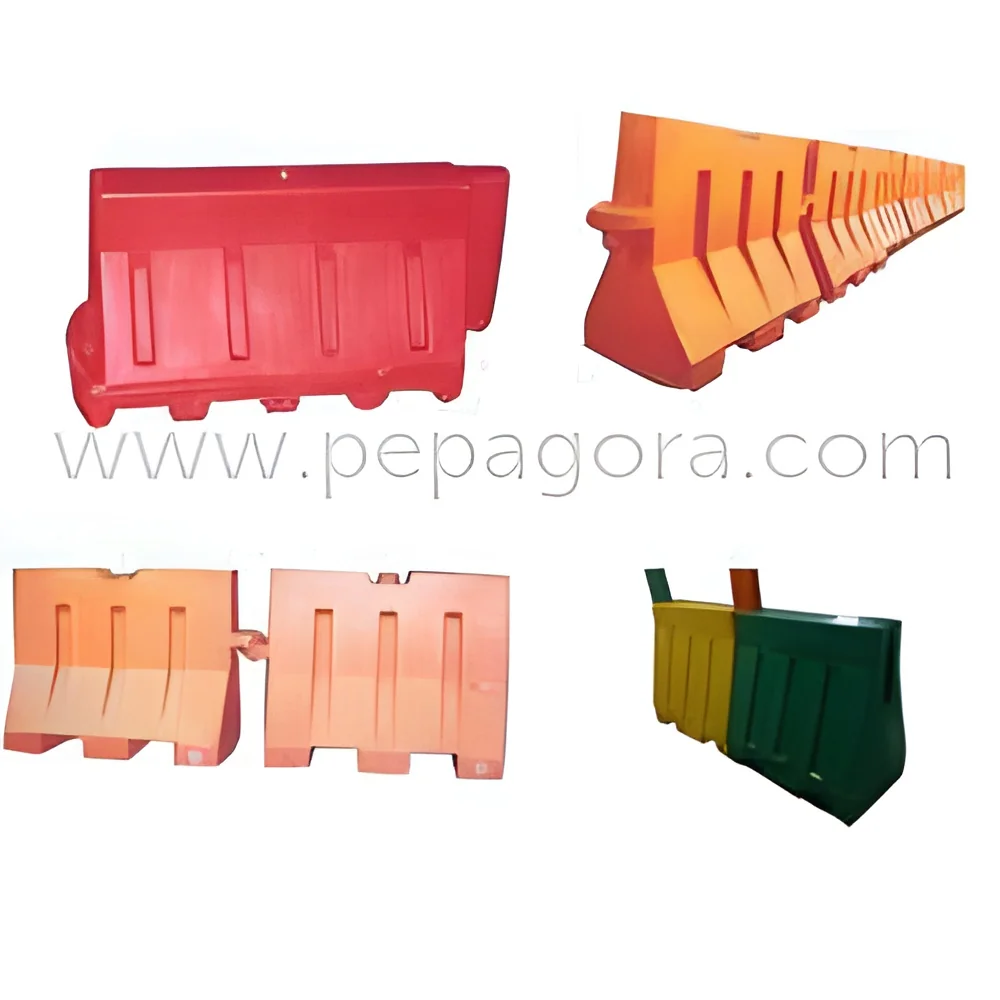
- Available in high-visibility colors such as orange, yellow, and white
- Custom color options may be available
5. Interlocking Design
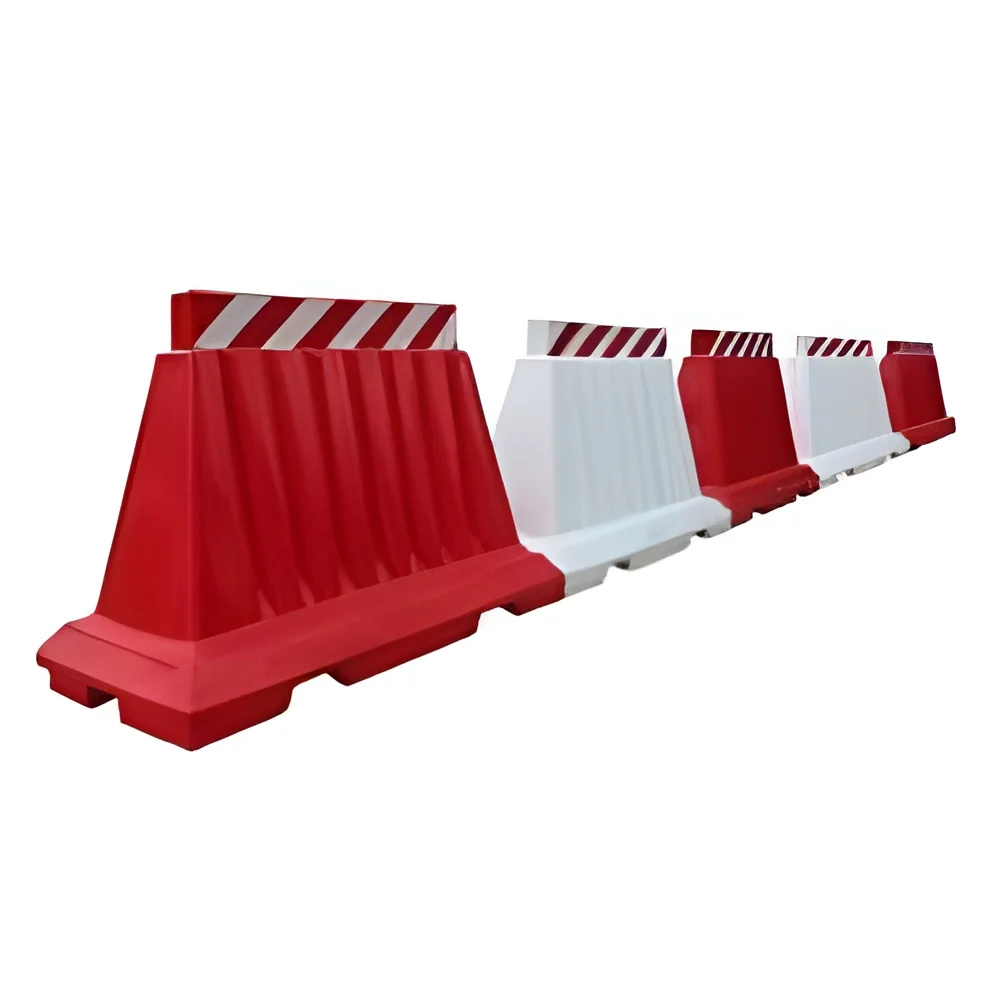
- Modular system allowing barriers to connect securely
- Facilitates long runs for extended road closure or delineation
6. Reflective Strips
- Optional reflective tape for enhanced visibility at night
- Helps improve safety during low-light conditions
7. Base Design
- Hollow or solid bases for stability
- Can be filled with water or sand for added weight
8. Certifications
- Compliance with CE standards for safety and performance
- Adherence to local regulations may vary
These specifications contribute to the overall effectiveness and safety of plastic road barriers in a variety of settings.
Common Applications and Use Cases
Plastic road barriers serve various industries, enhancing safety and organization across multiple environments.
1. Construction: In construction zones, these barriers protect workers and pedestrians by clearly marking hazardous areas and redirecting traffic.
2. Events: For public events, plastic road barriers are used to create safe pathways, control crowds, and ensure the safety of attendees.
3. Traffic Management: Municipalities utilize barriers to manage road closures, direct traffic during emergencies, and set up detours.
4. Airports: Plastic barriers are employed in airport settings to guide vehicles and pedestrians, ensuring smooth operations and safety.
5. Parking Lots: These barriers delineate parking spaces and create safe walkways for pedestrians, improving overall organization.
6. Emergency Services: During emergency situations, they help in quickly establishing no-go zones and guiding traffic away from hazardous areas.
7. Sports Facilities: In sports venues, barriers create secure zones for spectators and manage access to restricted areas.
Product Variants and Subcategories
Plastic road barriers come in various forms, catering to specific needs and applications.
Standard Road Barrier
This variant is designed for general traffic management and construction use. It features a lightweight build for easy handling and can be interlocked for extended applications.
Water-Filled Barrier
This type of barrier is filled with water for added stability. It is ideal for temporary setups where flexibility and strength are required. It can easily be emptied and transported when not in use.
Traffic Cone Barrier
Combining the features of a cone and a barrier, this variant is useful for directing traffic and creating safe zones in limited spaces. It is highly visible and often used at events and construction sites.
Benefits and Advantages
Plastic road barriers offer numerous advantages that make them a preferred choice for many industries.
Key benefits include:
1. Lightweight Design: Their lightness allows for easy transport and relocation, making them ideal for temporary setups.
2. Durability: Made from high-quality materials, they withstand harsh weather conditions and resist wear and tear.
3. Cost-Effectiveness: Compared to concrete or metal barriers, plastic barriers often present a lower initial investment and reduced transportation costs.
4. Versatility: Suitable for various applications, they can adapt to different environments and uses with ease.
5. Safety Features: Many barriers come with reflective strips, enhancing visibility and safety during low-light conditions.
6. Easy Storage: Their modular design allows for efficient storage when not in use, minimizing space requirements.
Buying Guide for B2B Buyers
When sourcing plastic road barriers, it is essential to consider several factors to ensure quality and reliability.
1. Quality Assessment: Look for barriers made from high-density polyethylene or similar materials that meet safety standards. Inspect for durability and resistance to UV light and chemicals.
2. Supplier Verification: Vet suppliers to confirm their credibility and reliability. Check for industry certifications and customer reviews to ensure they meet your quality requirements.
3. Pricing and MOQ: Understand the pricing structure and minimum order quantities (MOQ) that suppliers impose. This helps in budgeting and securing the best deals.
4. Delivery and Lead Times: Clarify delivery timelines and logistics arrangements. Ensure that suppliers can meet your project deadlines without delays.
5. Compliance Requirements: Be aware of local regulations and safety standards that your barriers must meet. This ensures compliance and avoids potential legal issues.
Compliance and Certifications
Plastic road barriers must adhere to various quality standards to ensure their reliability and safety in use.
Relevant quality standards often include ISO 9001, which focuses on quality management systems, ensuring consistent product quality. Compliance with HACCP and GDP may also be applicable depending on the specific use case, particularly in environments requiring stringent safety protocols.
Industry certifications such as CE indicate that the barriers meet European safety requirements. This certification assures buyers of the product's safety and performance standards.
Safety and testing requirements are crucial, particularly for barriers used in high-traffic environments. Regular testing and compliance checks help maintain standards and ensure ongoing safety.
Regional compliance considerations may vary, so it is essential to consult local regulations to guarantee that the barriers meet all necessary requirements for your specific location.
Why Source Plastic Road Barriers from Pepagora?
Pepagora provides a trusted platform for sourcing plastic road barriers with several key advantages.
Verified Supplier Network: Pepagora connects buyers with a network of verified suppliers, ensuring that you can source high-quality products reliably. Each supplier undergoes a rigorous verification process to maintain the integrity of the platform.
Streamlined RFQ Process: The request for quotation (RFQ) process is designed to be efficient, allowing buyers to easily compare options and receive competitive pricing. This simplifies the decision-making process and saves valuable time.
Trade Assurance and Support: Pepagora offers trade assurance that protects buyers against uncertainties in the procurement process. With dedicated support for buyers, you can navigate any challenges that arise during sourcing.
Regional Coverage: With a broad geographic reach, Pepagora serves buyers across India, the GCC, and Southeast Asia. This ensures that no matter where you are located, you have access to reliable suppliers of plastic road barriers tailored to your needs.

Frequently Asked Questions
What are Plastic Road Barriers?
Plastic road barriers are safety devices made from high-density polyethylene or similar materials, designed to redirect traffic and protect road workers and pedestrians. They are lightweight, durable, and often used in construction sites, road maintenance, and traffic management.
What are the different types of Plastic Road Barriers?
There are several types of plastic road barriers, including collapsible barriers, water-filled barriers, and rigid barriers. Each type serves different purposes, such as temporary traffic control or permanent installations, depending on the specific requirements of a construction project or traffic management.
How do I choose the right Plastic Road Barriers?
When choosing plastic road barriers, consider factors such as the intended use, the environment where they will be placed, and the level of visibility required. Additionally, assess the barrier's weight, stability, and ease of installation to ensure it meets your project's needs.
What are the standard specifications for Plastic Road Barriers?
Standard specifications for plastic road barriers typically include dimensions (height, width, length), weight, material composition, and color. These specifications may vary based on the manufacturer and the intended application of the barriers.
What is the price range for Plastic Road Barriers?
The price range for plastic road barriers can vary significantly depending on factors such as design, material quality, and supplier. Generally, prices may range from a few hundred to several thousand Indian Rupees per unit.
What quality standards apply to Plastic Road Barriers?
Plastic road barriers must comply with various quality standards, including those set by the Bureau of Indian Standards (BIS) and other relevant safety regulations. These standards ensure that the barriers are durable, reliable, and effective in traffic management.
Where can I find Plastic Road Barriers suppliers in India?
You can find plastic road barriers suppliers in India through online B2B marketplaces like Pepagora.com, trade directories, and industry trade shows. It is advisable to compare different suppliers based on product quality, pricing, and customer reviews.
Can Plastic Road Barriers be customized?
Yes, many manufacturers offer customization options for plastic road barriers, including size, color, and branding. Customized barriers can enhance visibility and meet specific project requirements.
What is the typical minimum order quantity for Plastic Road Barriers?
The typical minimum order quantity (MOQ) for plastic road barriers varies by supplier but often ranges from 10 to 50 units. It is essential to check with the manufacturer for specific MOQ requirements.
What is the typical lead time for Plastic Road Barriers?
The typical lead time for plastic road barriers can range from a few days to several weeks, depending on the supplier's inventory, customization requests, and order quantity. It is advisable to confirm lead times when placing an order.
Why Businesses Trust Pepagora
Thousands of companies trust Pepagora to source smarter and sell faster
Expand Your Sales Globally

Source Smarter,Grow Faster
