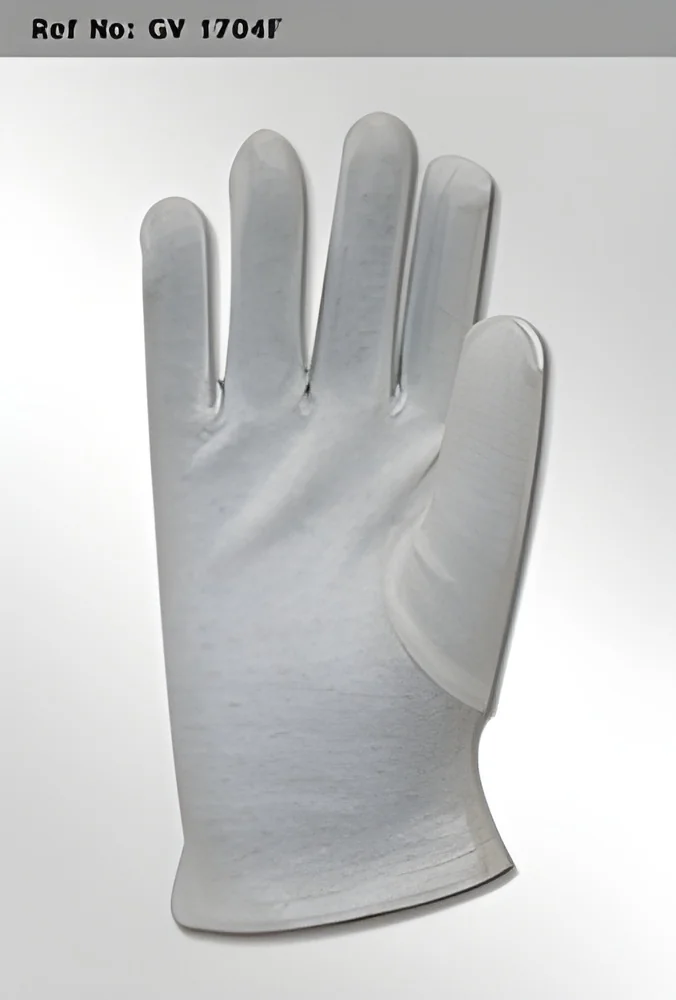
𝗪𝗵𝗮𝘁 𝗮𝗿𝗲 𝗥𝘂𝗯𝗯𝗲𝗿 𝗚𝗹𝗼𝘃𝗲𝘀 & 𝗖𝗵𝗲𝗺𝗶𝗰𝗮𝗹 𝗥𝗲𝘀𝗶𝘀𝘁𝗮𝗻𝘁 𝗚𝗹𝗼𝘃𝗲𝘀?
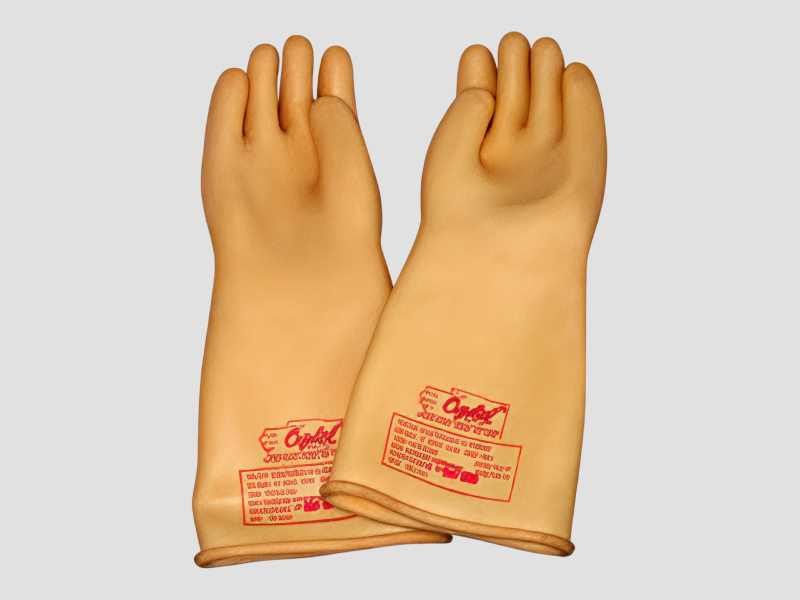
Rubber gloves and chemical-resistant gloves are essential personal protective equipment (PPE) designed to safeguard hands from chemicals, abrasives, and other hazardous materials. Rubber gloves are typically made from natural latex or synthetic rubber, offering a flexible and comfortable fit. Chemical-resistant gloves, on the other hand, are crafted from materials such as nitrile, neoprene, or PVC, specifically engineered to withstand exposure to various chemicals and solvents. These gloves provide a barrier that prevents harmful substances from coming into contact with the skin.
The primary uses for rubber and chemical-resistant gloves span a range of industries including manufacturing, healthcare, food processing, and laboratory work. In manufacturing, these gloves protect workers from exposure to oils and chemicals. In healthcare settings, they serve to prevent cross-contamination and protect medical staff during procedures. Food processing facilities require gloves that meet safety standards to ensure hygiene and prevent foodborne illness. Both types of gloves are critical for maintaining safety and compliance across various sectors.
With increasing regulatory requirements and awareness of workplace safety, the market for rubber gloves and chemical-resistant gloves is expanding. Industries are investing in high-quality gloves to ensure the safety of their employees and to comply with health and safety standards. As companies prioritize workplace safety, the demand for reliable and effective protective gear continues to grow.
𝗞𝗲𝘆 𝗙𝗲𝗮𝘁𝘂𝗿𝗲𝘀 𝗮𝗻𝗱 𝗦𝗽𝗲𝗰𝗶𝗳𝗶𝗰𝗮𝘁𝗶𝗼𝗻𝘀
Rubber gloves and chemical-resistant gloves come with several key features and specifications that determine their effectiveness and usability. Understanding these specifications is crucial for selecting the right type of glove for specific applications.
Key specifications include:
1. Material Composition
- Rubber gloves are commonly made from latex or synthetic rubber, while chemical-resistant gloves may be made from nitrile, neoprene, or PVC.
- Each material offers different levels of chemical resistance and durability.
2. Thickness
- Glove thickness can vary from 0.1 mm to 1 mm or more, affecting both dexterity and protection.
- Thicker gloves provide better protection but may reduce tactile sensitivity.
3. Length
- Gloves can range in length from wrist-length to elbow-length, offering varying levels of coverage.
- Longer gloves are preferable for tasks involving higher risks of exposure to chemicals.
4. Grip Texture
- Many gloves feature textured surfaces for improved grip, especially in wet or oily conditions.
- This feature enhances safety and control during handling.
5. Chemical Resistance Rating
- Gloves are rated for their resistance to specific chemicals, with testing protocols used to determine their effectiveness.
- It is essential to select gloves with appropriate ratings for the chemicals being handled.
6. Size Options
- Gloves are available in various sizes to ensure a proper fit, which is crucial for both comfort and protection.
- Sizes typically range from small to extra-large.
7. Compliance Certifications
- Gloves may carry certifications such as CE marking, indicating they meet European health, safety, and environmental protection standards.
- Other relevant certifications may include ISO and industry-specific compliance.
8. Price Range
- The price of gloves can vary based on material, brand, and specifications, typically ranging from a few cents to several dollars per pair.
- Evaluating the cost against quality and compliance is important for purchasing decisions.
Overall, understanding these features and specifications is vital for selecting the appropriate gloves for specific industrial applications.
𝗖𝗼𝗺𝗺𝗼𝗻 𝗔𝗽𝗽𝗹𝗶𝗰𝗮𝘁𝗶𝗼𝗻𝘀 𝗮𝗻𝗱 𝗨𝘀𝗲 𝗖𝗮𝘀𝗲𝘀
Rubber gloves and chemical-resistant gloves find applications across a variety of industries, ensuring safety and compliance in potentially hazardous environments.
1. Healthcare: In hospitals and clinics, these gloves are essential for protecting medical staff during examinations and procedures, preventing cross-contamination and the spread of infections.
2. Food Processing: The food industry relies on these gloves for hygiene compliance, protecting both food products and workers from contaminants.
3. Manufacturing: In manufacturing settings, gloves protect workers from exposure to oils, chemicals, and other materials that can cause skin irritations or injuries.
4. Chemical Handling: Laboratories and chemical plants use chemical-resistant gloves to safeguard against spills and splashes, ensuring worker safety during handling and experimentation.
5. Janitorial Services: Cleaning crews utilize rubber gloves to protect against harsh cleaning agents and disinfectants, promoting safe cleaning practices.
6. Agriculture: Farmers and agricultural workers wear these gloves to protect against pesticides and herbicides, ensuring safe handling of chemicals.
7. Automotive: In the automotive industry, gloves are used to prevent exposure to oils and solvents, protecting workers during maintenance and repair tasks.
𝗣𝗿𝗼𝗱𝘂𝗰𝘁 𝗩𝗮𝗿𝗶𝗮𝗻𝘁𝘀 𝗮𝗻𝗱 𝗦𝘂𝗯𝗰𝗮𝘁𝗲𝗴𝗼𝗿𝗶𝗲𝘀
Rubber gloves and chemical-resistant gloves are available in a variety of variants to suit different applications and user needs. This diversity allows businesses to select the most appropriate gloves for their specific requirements.
Latex Gloves
These gloves are made from natural latex and are known for their excellent elasticity and comfort. They are commonly used in the healthcare sector for examination and procedural tasks due to their tactile sensitivity.
Nitrile Gloves
Nitrile gloves offer superior chemical resistance and are often used in laboratory and manufacturing settings. They are puncture-resistant and provide a high level of protection against a wide range of chemicals.
PVC Gloves
PVC gloves are a cost-effective option for general-purpose use. They are primarily used in food processing and janitorial applications, providing adequate protection against mild chemicals and cleaning agents.
Neoprene Gloves
Neoprene gloves are designed for heavy-duty applications and are highly resistant to chemicals and heat. They are ideal for industrial settings where exposure to harsh substances is common.
𝗕𝗲𝗻𝗲𝗳𝗶𝘁𝘀 𝗮𝗻𝗱 𝗔𝗱𝘃𝗮𝗻𝘁𝗮𝗴𝗲𝘀
Rubber gloves and chemical-resistant gloves offer numerous benefits that enhance workplace safety and compliance.
1. Enhanced Protection: These gloves provide a reliable barrier against harmful chemicals, oils, and contaminants, significantly reducing the risk of skin exposure.
2. Improved Dexterity: Many rubber and chemical-resistant gloves are designed to maintain tactile sensitivity, allowing workers to perform tasks with precision and ease.
3. Comfort and Fit: These gloves come in various sizes and materials, ensuring a comfortable fit that can be worn for extended periods without causing fatigue.
4. Versatility: Available in various materials and styles, these gloves can be used across multiple industries, making them a versatile safety solution.
5. Compliance Assurance: By using certified gloves, businesses can ensure compliance with health and safety regulations, minimizing liability and enhancing their safety reputation.
6. Cost-Effectiveness: Investing in high-quality gloves can reduce the risk of workplace injuries and associated costs, offering a strong return on investment.
𝗕𝘂𝘆𝗶𝗻𝗴 𝗚𝘂𝗶𝗱𝗲 𝗳𝗼𝗿 𝗕𝟮𝗕 𝗕𝘂𝘆𝗲𝗿𝘀
When sourcing rubber gloves and chemical-resistant gloves, several factors should be considered to ensure the right products are selected for your business needs.
1. Quality Assessment: Evaluate the quality of gloves based on material, thickness, and certifications. High-quality gloves provide better protection and durability.
2. Supplier Verification: Vet potential suppliers to ensure they have a good reputation and can provide reliable products. Check for customer reviews and industry experience.
3. Pricing and MOQ: Consider the price per unit and minimum order quantities (MOQ). Balance cost with quality to ensure you get the best value for your investment.
4. Delivery and Lead Times: Assess the logistics involved in delivery. Understand lead times to ensure that your supply chain remains uninterrupted.
5. Compliance Requirements: Ensure that the gloves meet all necessary regulatory standards and certifications relevant to your industry, enhancing safety and compliance.
𝗖𝗼𝗺𝗽𝗹𝗶𝗮𝗻𝗰𝗲 𝗮𝗻𝗱 𝗖𝗲𝗿𝘁𝗶𝗳𝗶𝗰𝗮𝘁𝗶𝗼𝗻𝘀
Rubber gloves and chemical-resistant gloves are subject to various quality standards and certifications that ensure their safety and effectiveness in industrial applications.
Relevant quality standards include ISO 9001, which ensures that products meet consistent quality management principles. Compliance with HACCP (Hazard Analysis Critical Control Point) is crucial in industries such as food processing, where safety and hygiene are paramount.
Industry certifications such as CE marking indicate that the gloves meet European Union safety, health, and environmental protection standards. This certification assures buyers of the product's reliability.
Safety and testing requirements are essential to ascertain the gloves' effectiveness against specific chemicals and hazards. Regional compliance considerations may vary, and businesses should ensure that the gloves they choose meet local regulations.
𝗪𝗵𝘆 𝗦𝗼𝘂𝗿𝗰𝗲 𝗥𝘂𝗯𝗯𝗲𝗿 𝗚𝗹𝗼𝘃𝗲𝘀 & 𝗖𝗵𝗲𝗺𝗶𝗰𝗮𝗹 𝗥𝗲𝘀𝗶𝘀𝘁𝗮𝗻𝘁 𝗚𝗹𝗼𝘃𝗲𝘀 𝗳𝗿𝗼𝗺 𝗣𝗲𝗽𝗮𝗴𝗼𝗿𝗮?
Pepagora provides a trusted platform for sourcing rubber gloves and chemical-resistant gloves, offering several key advantages to B2B buyers.
Verified Supplier Network: Pepagora connects buyers with verified suppliers who have been thoroughly vetted for quality and reliability. This ensures that businesses can find high-quality protective gear with confidence.
Streamlined RFQ Process: The request for quotation (RFQ) process on Pepagora is designed to be user-friendly, allowing buyers to obtain quotes from multiple suppliers quickly. This efficiency saves time and facilitates better decision-making.
Trade Assurance and Support: Pepagora offers trade assurance, providing buyers with protection throughout the purchasing process. This assurance builds trust and encourages safe transactions.
Regional Coverage: With extensive geographic reach in India, the GCC, and Southeast Asia, Pepagora can cater to diverse market needs. This regional coverage ensures that businesses have access to the products they need, regardless of location.

 IN
IN