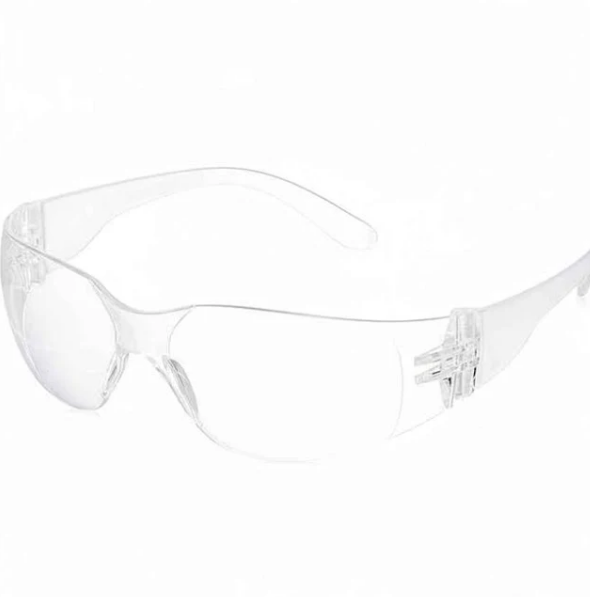
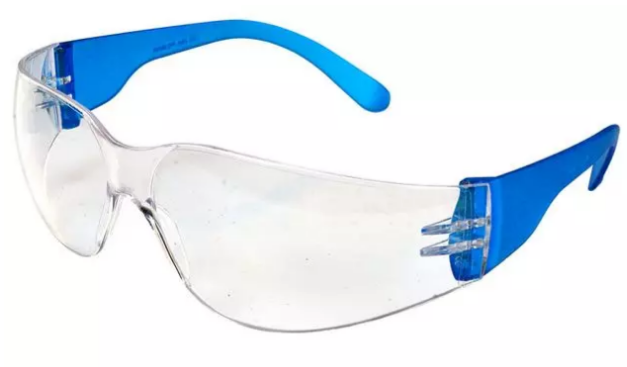
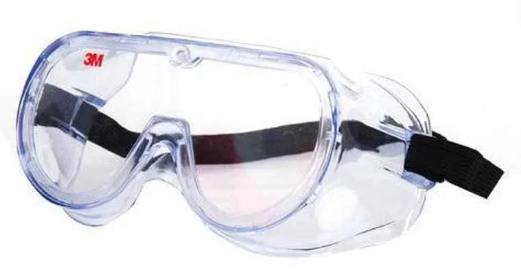
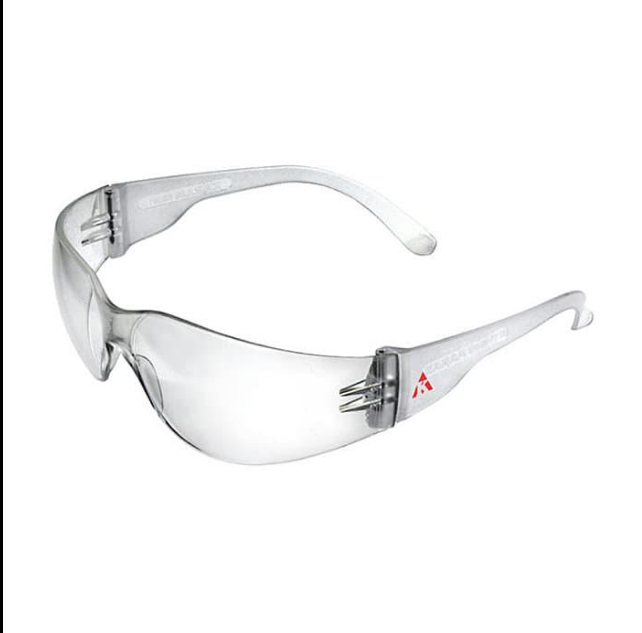
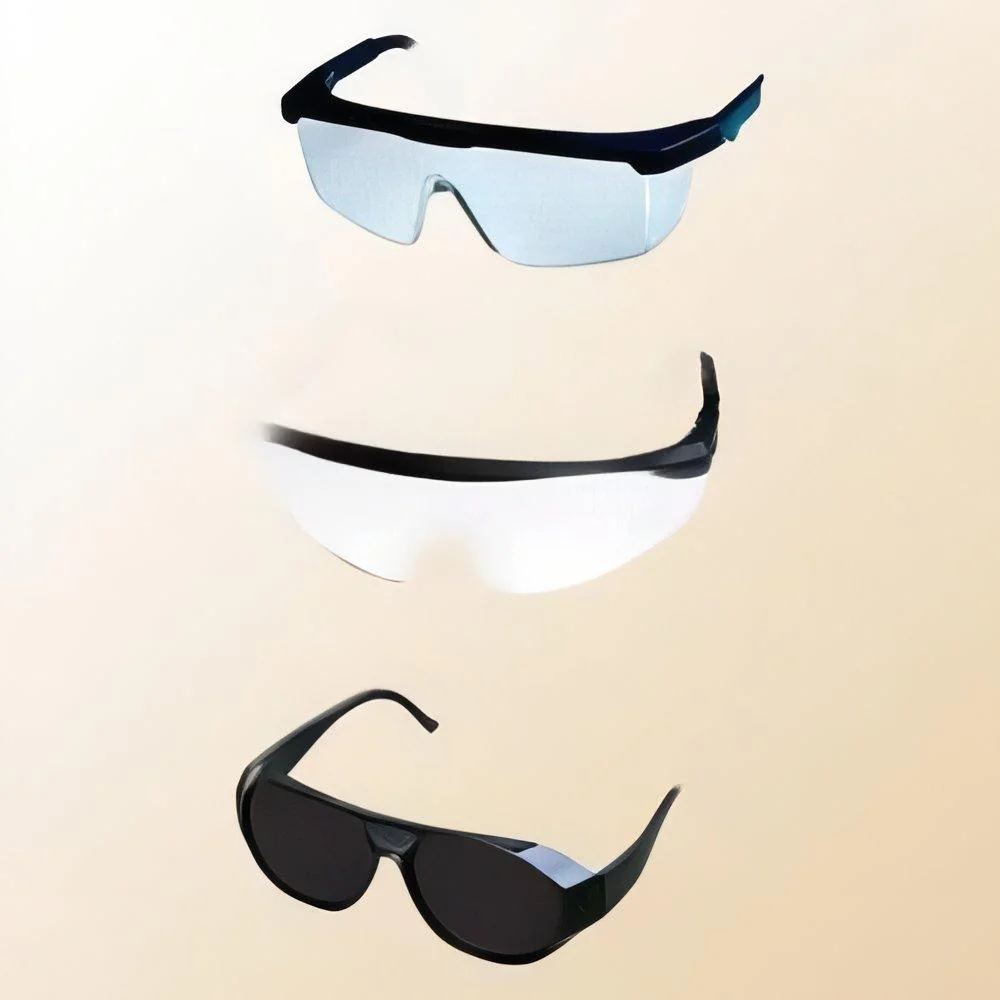
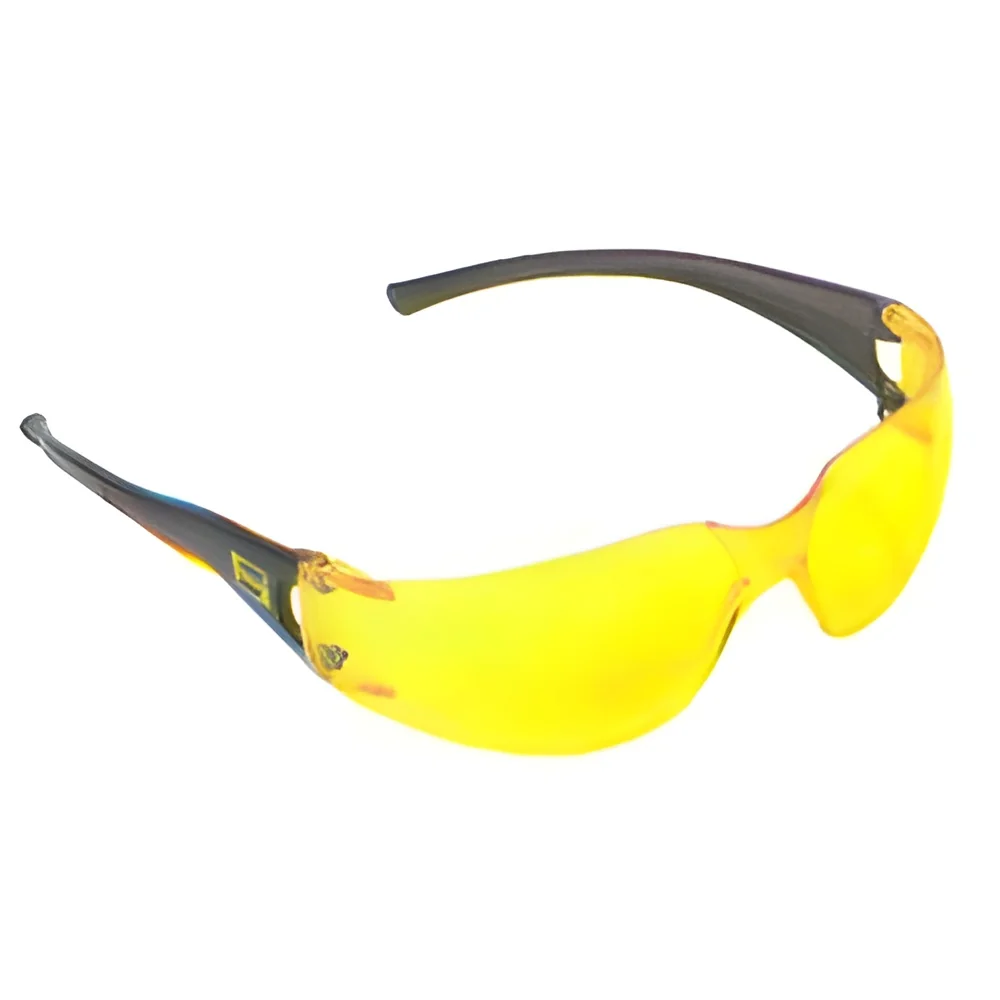
What are Protective Eyewear & Goggles?
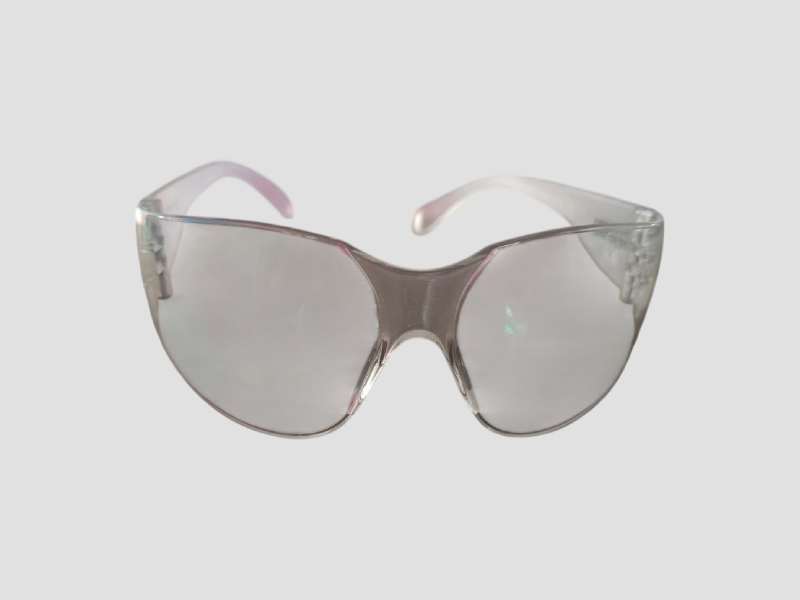
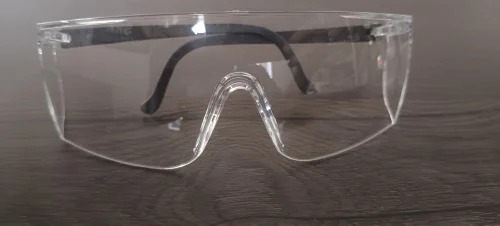
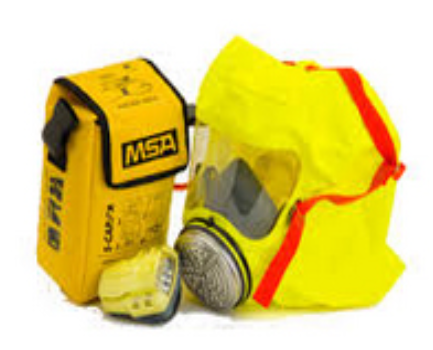
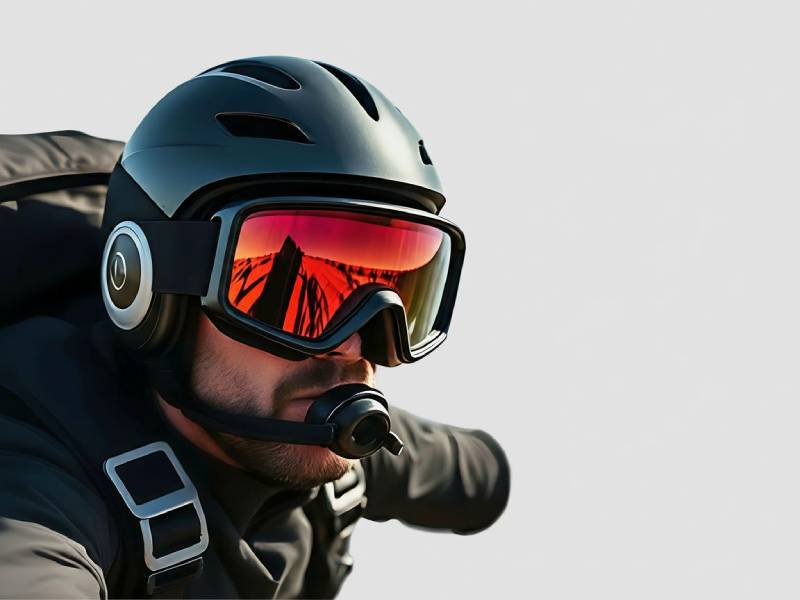
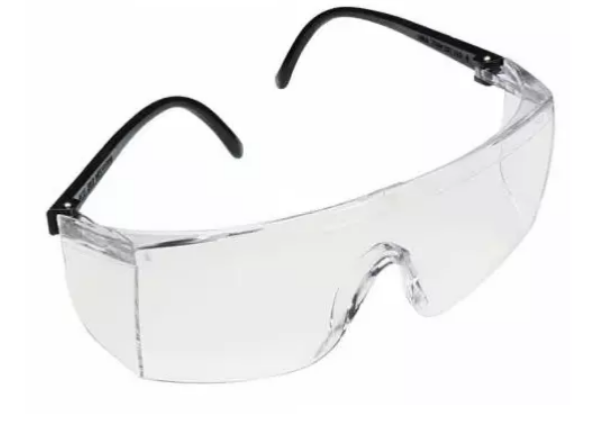
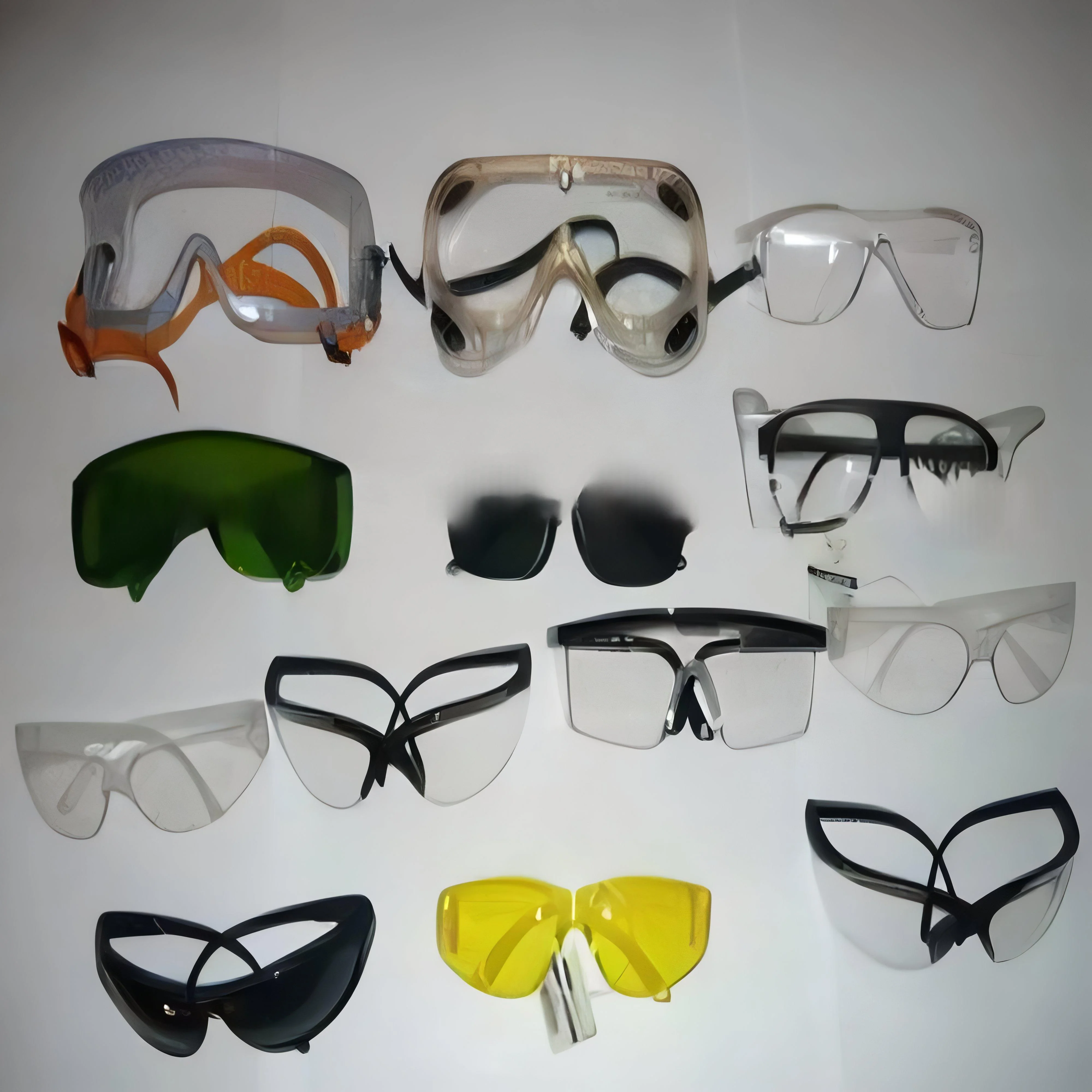
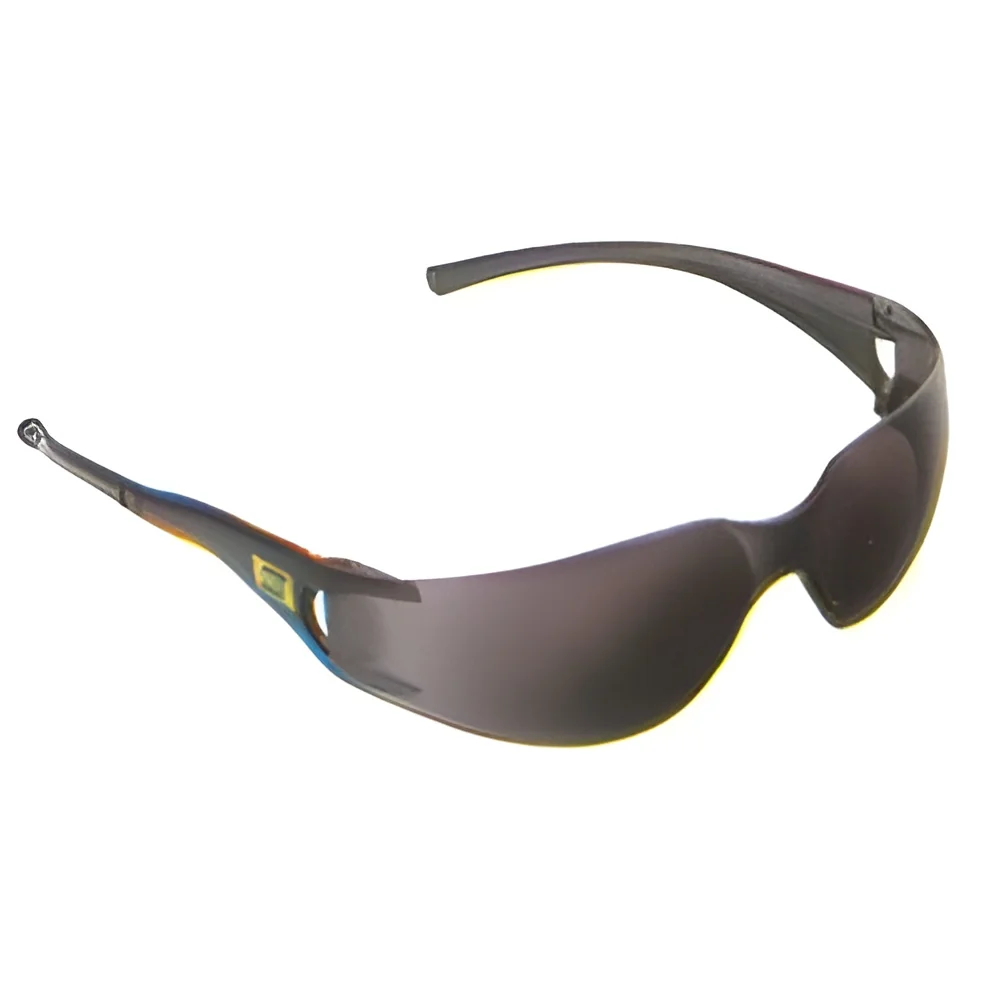
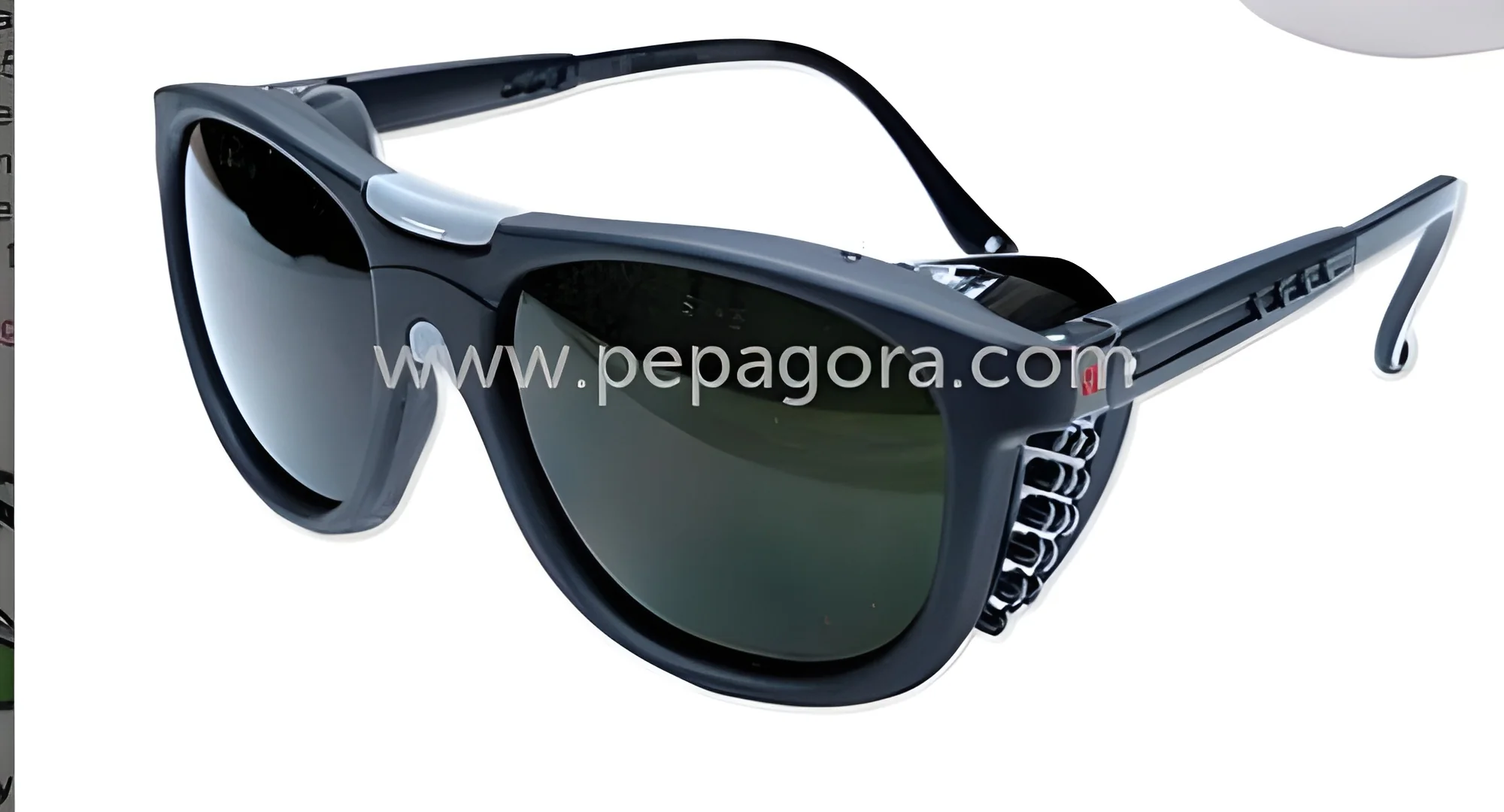
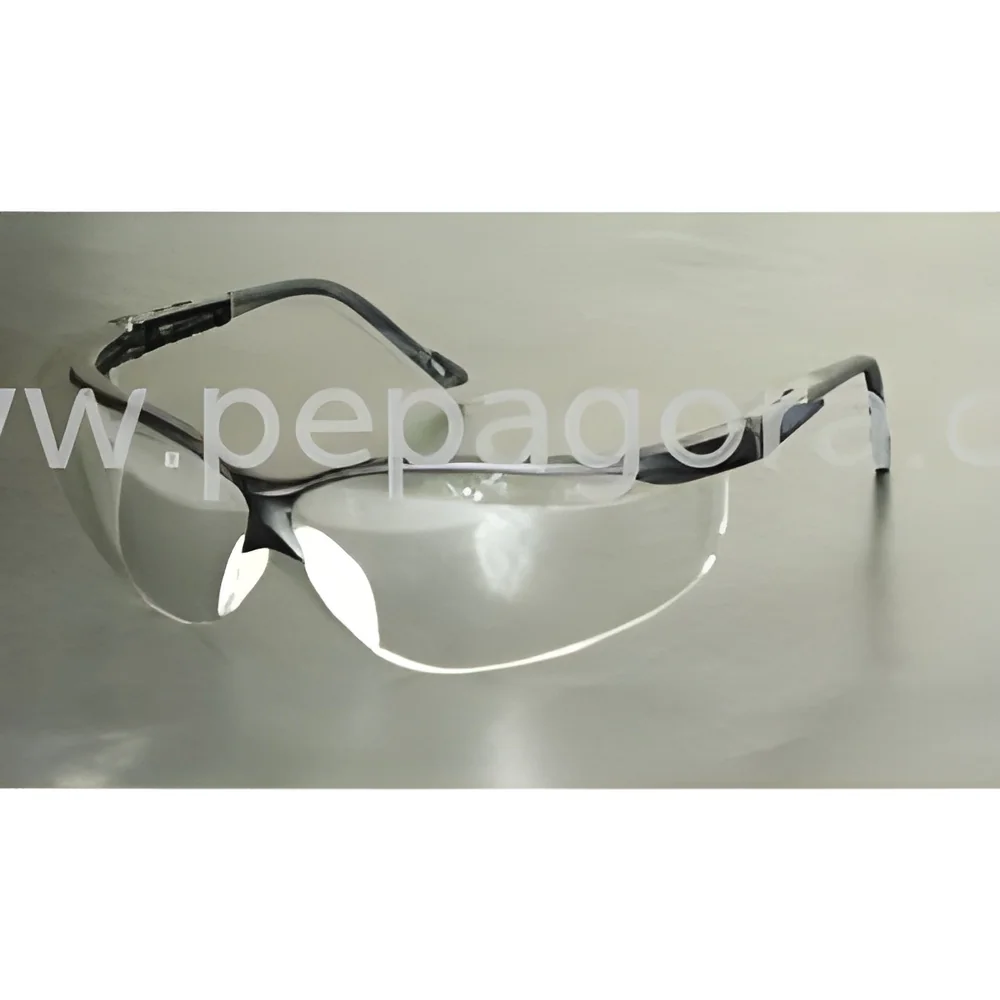
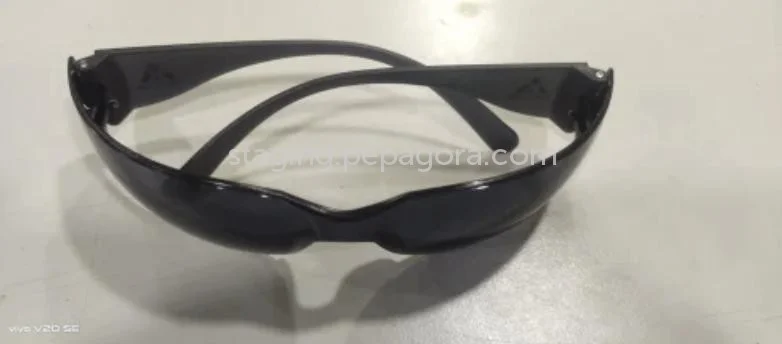
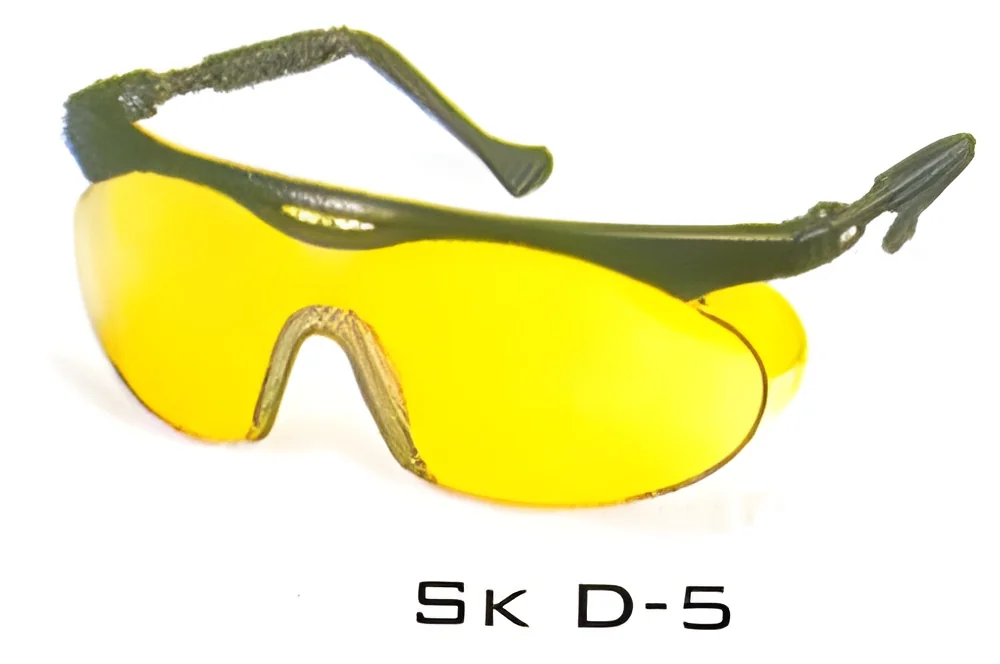
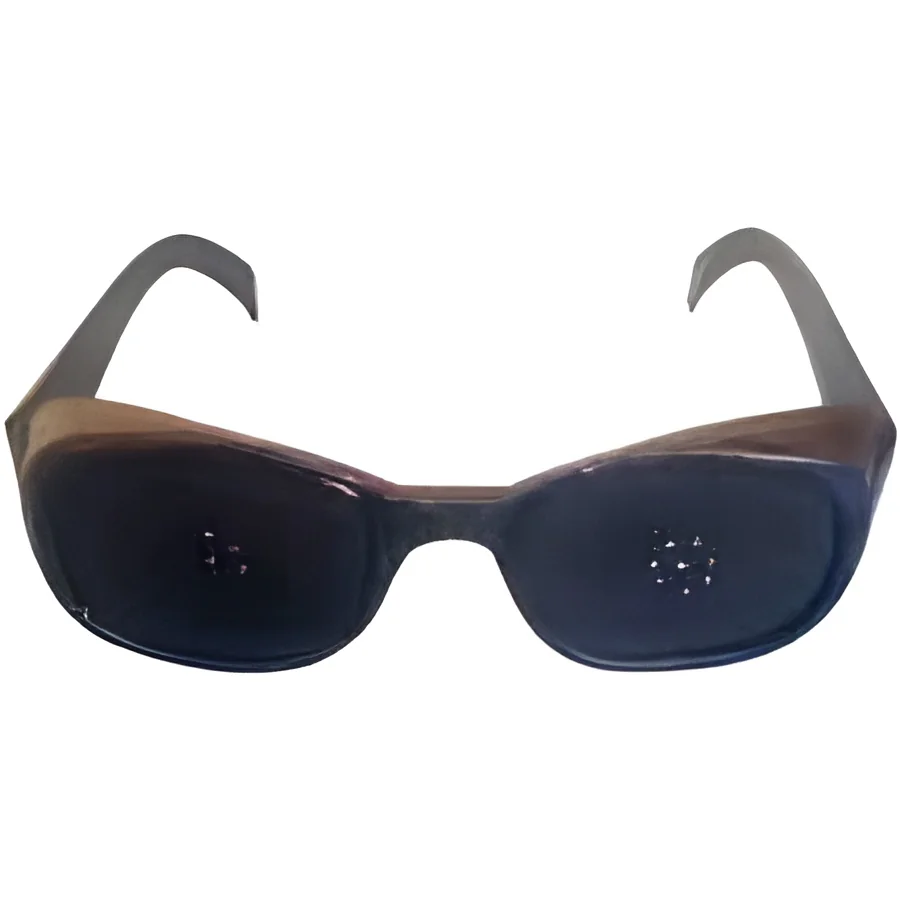
Protective eyewear and goggles are specialized safety equipment designed to shield the eyes from various hazards. These products encompass a variety of designs and features tailored to meet specific safety standards. They prevent injuries from flying debris, chemical splashes, harmful radiation, and other occupational hazards. The materials used in construction often include polycarbonate lenses and impact-resistant frames, ensuring durability and clarity.
In a business context, protective eyewear and goggles are essential in many industries including manufacturing, construction, healthcare, and laboratories. Their primary function is to ensure the safety of workers while performing tasks that pose risks to eye health. For example, in construction, goggles protect workers from dust and debris, while in healthcare, they provide a barrier against biological hazards. The market for protective eyewear is steadily growing as safety regulations become more stringent across various sectors.
Key Features and Specifications
Protective eyewear and goggles come equipped with several key features that enhance their effectiveness and usability. Understanding these specifications is vital for businesses looking to procure suitable eyewear for their workforce.
Key specifications include:
1. Lens Material
- Polycarbonate or Trivex lenses
- High impact resistance and lightweight properties
2. UV Protection
- Filters harmful ultraviolet rays
- Protects against sun exposure during outdoor work
3. Anti-Fog Coating
- Reduces fogging during temperature changes
- Ensures clear visibility for the wearer
4. Adjustable Straps
- Provides a secure fit for different head sizes
- Enhances comfort during prolonged use
5. Scratch Resistance
- Coating that protects lenses from scratches
- Maintains clarity and longevity of the eyewear
6. Ventilation Features
- Designed with vents to allow airflow
- Reduces moisture build-up inside the goggles
7. Prescription Options
- Customizable for those who need vision correction
- Ensures safety without compromising vision quality
8. Compliance with Safety Standards
- Meets specific industry regulations
- Ensures reliable protection during use
In summary, selecting protective eyewear involves understanding these features to ensure adequate safety and comfort for users.
Common Applications and Use Cases
Protective eyewear and goggles find applications across a wide range of industries, ensuring safety and compliance with regulations.
1. Construction: In this industry, protective eyewear is crucial for safeguarding workers from flying debris, dust, and harmful substances encountered on job sites.
2. Manufacturing: Goggles are used to protect employees from exposure to chemicals and heavy machinery, minimizing the risk of eye injuries.
3. Healthcare: Protective eyewear is essential for medical professionals to shield against biological hazards and chemical splashes during procedures.
4. Laboratories: In laboratory settings, goggles protect against chemical spills and biohazards, ensuring a safe working environment.
5. Automotive: Technicians use safety glasses to guard against particles and chemicals while working on vehicles, enhancing safety during repairs and maintenance.
6. Mining: Protective eyewear is necessary for miners to prevent injuries from dust and flying objects in underground environments.
7. Agriculture: In agricultural settings, eyewear protects workers from chemical sprays and debris while handling equipment and crops.
Product Variants and Subcategories
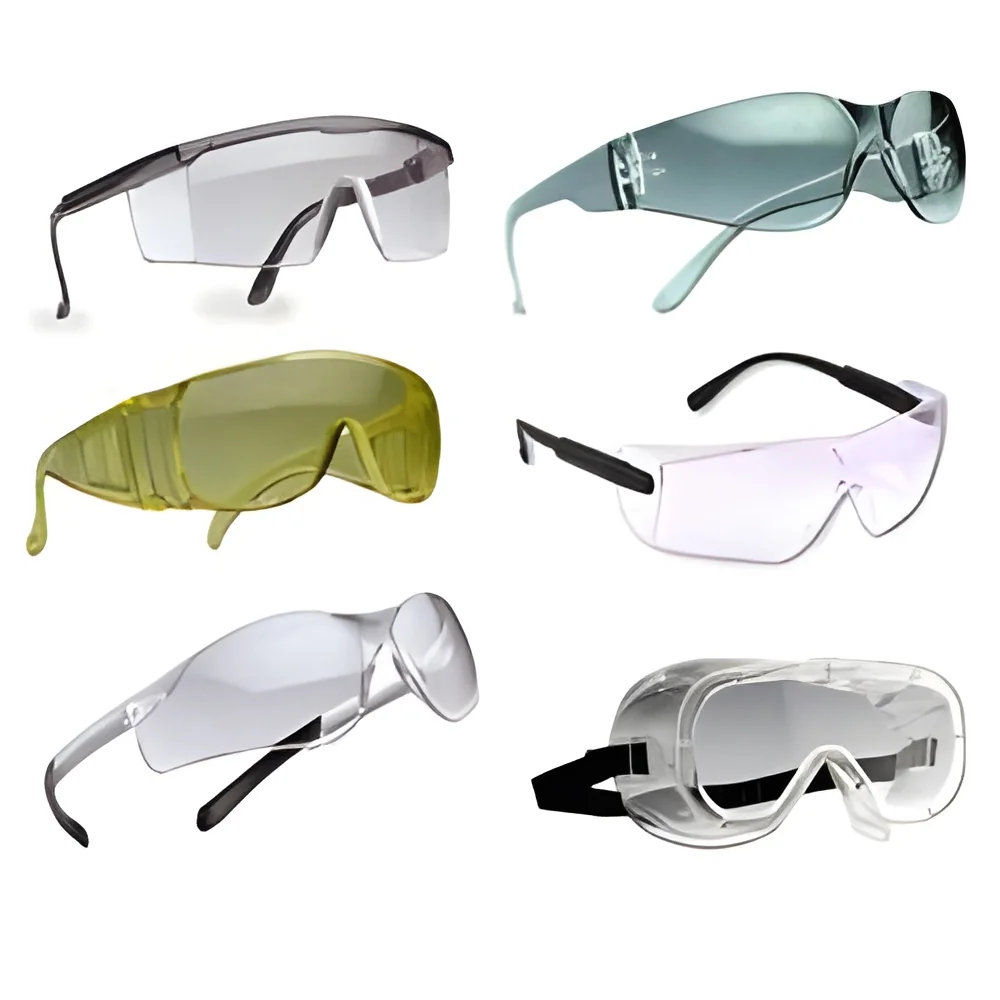
Protective eyewear and goggles come in various forms to address different safety needs and preferences.
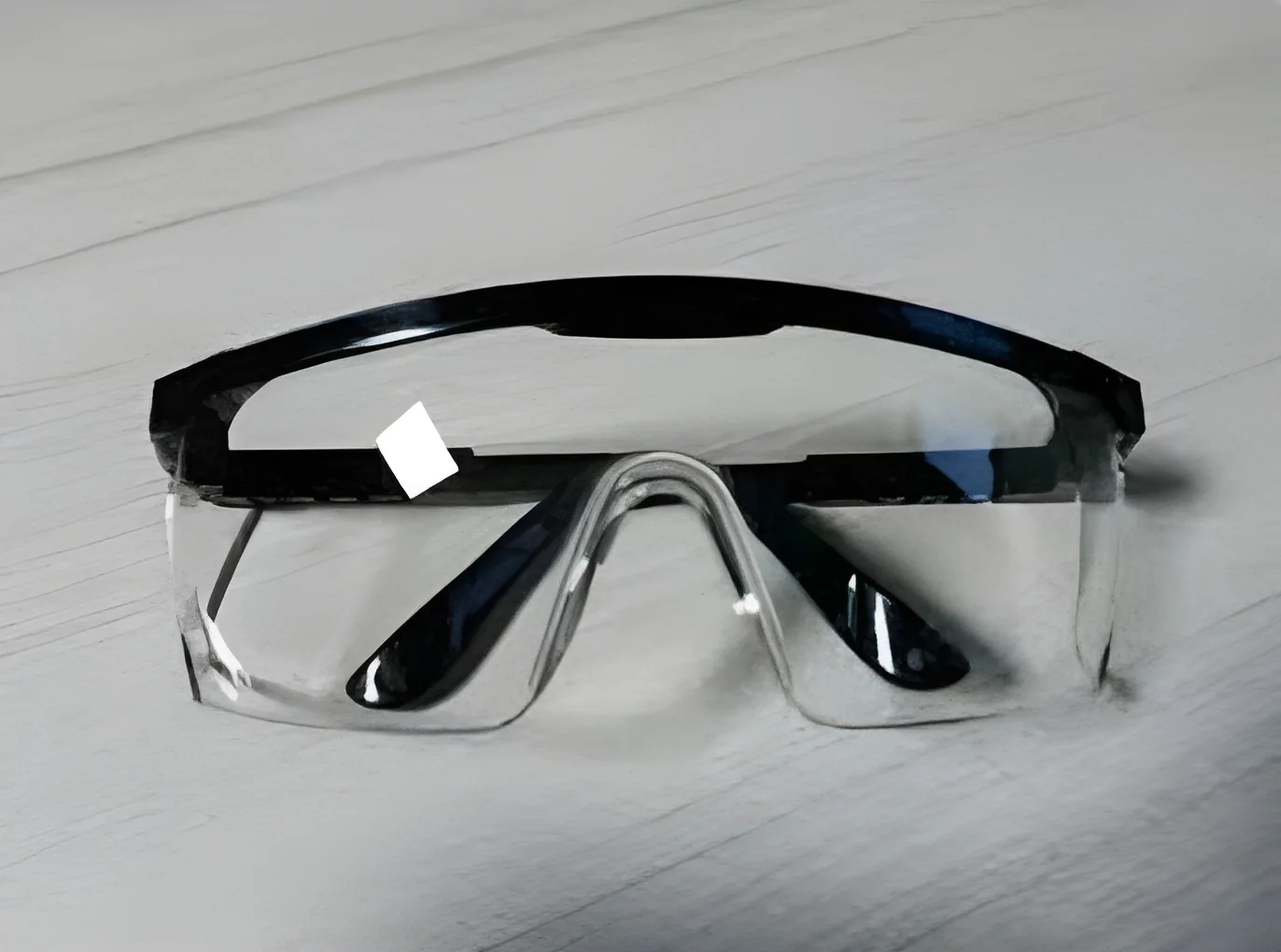
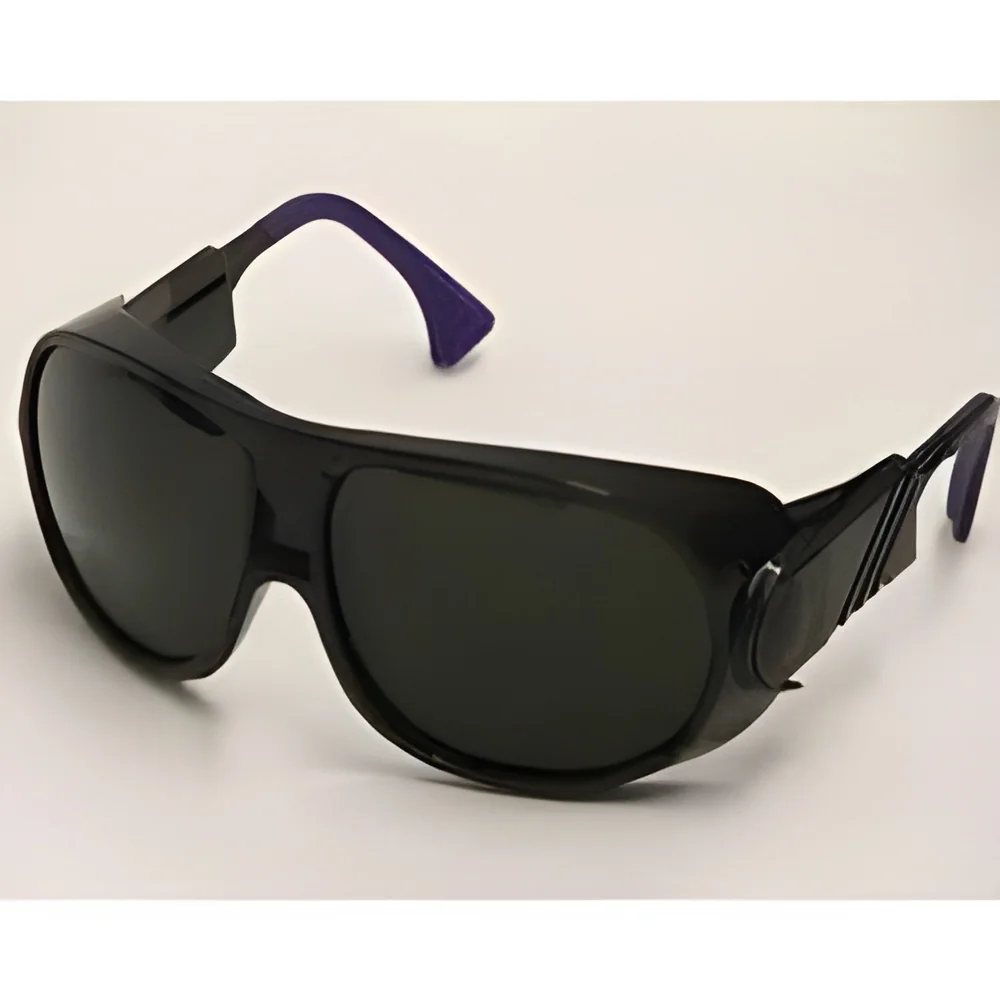
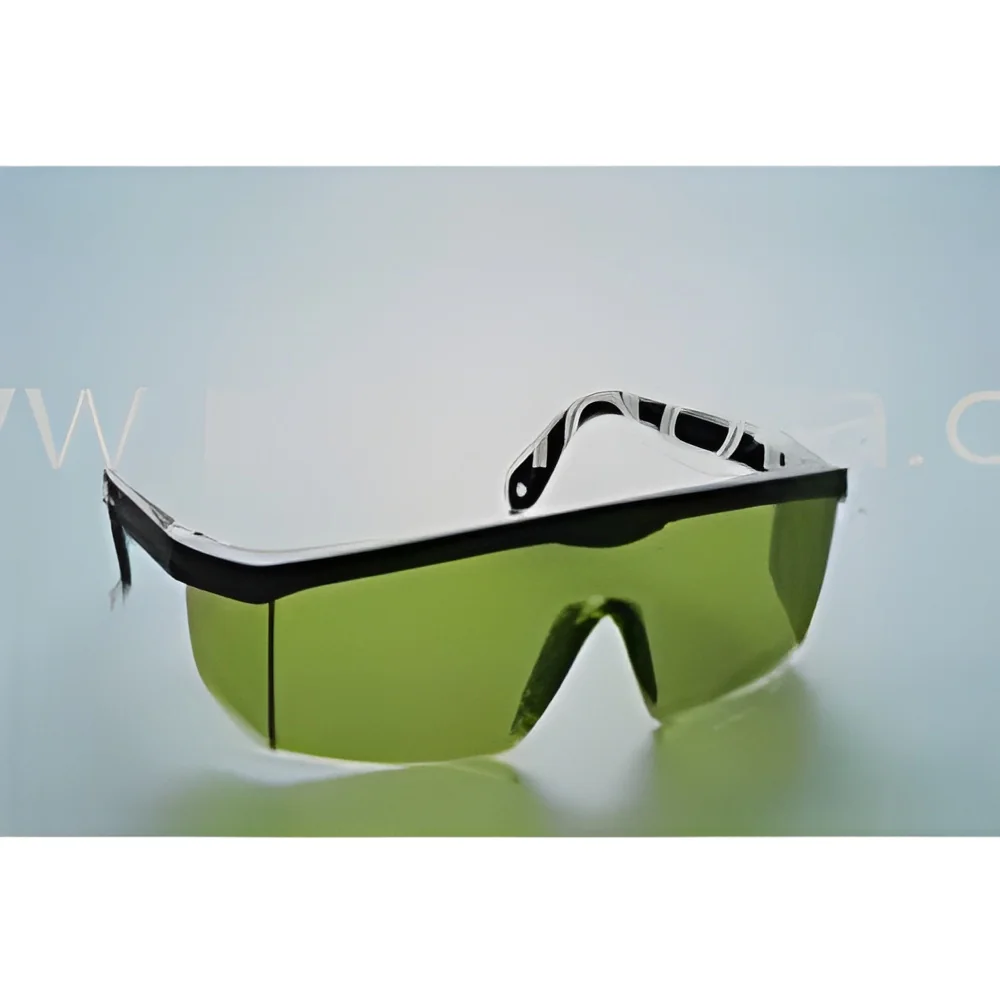
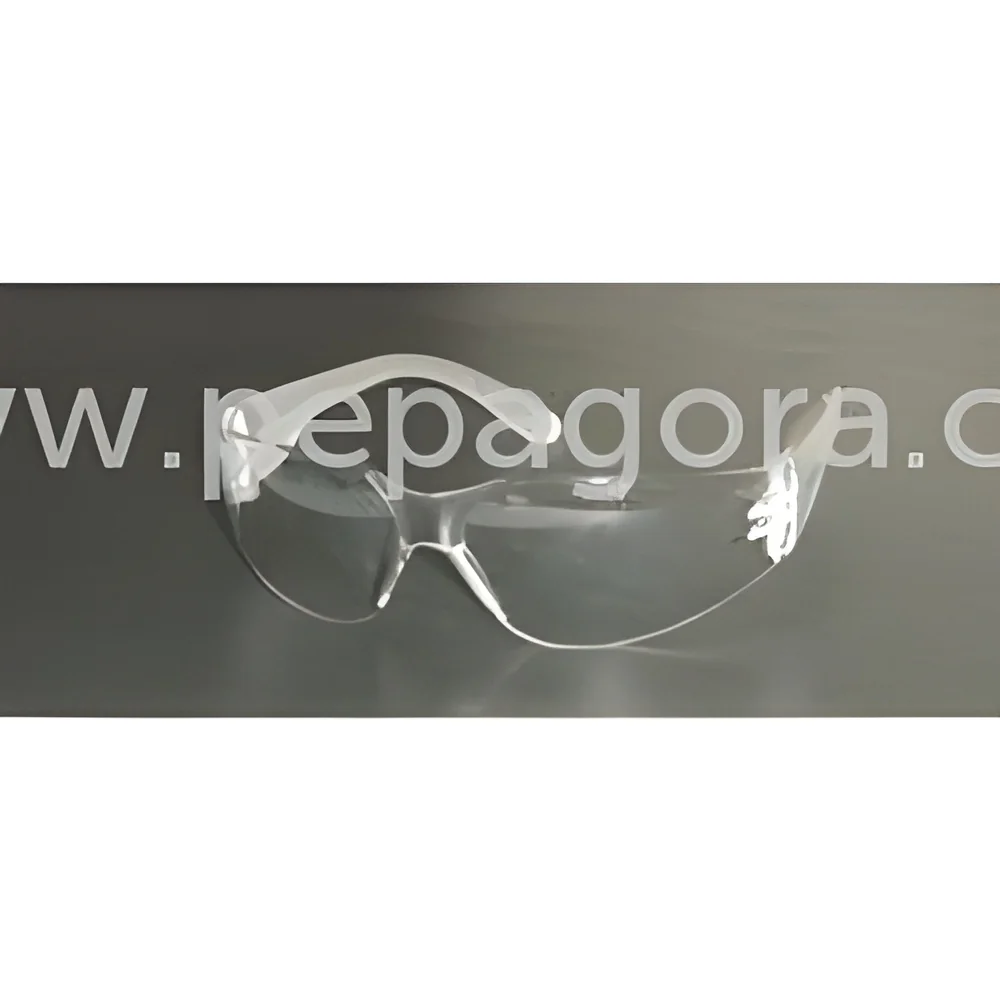
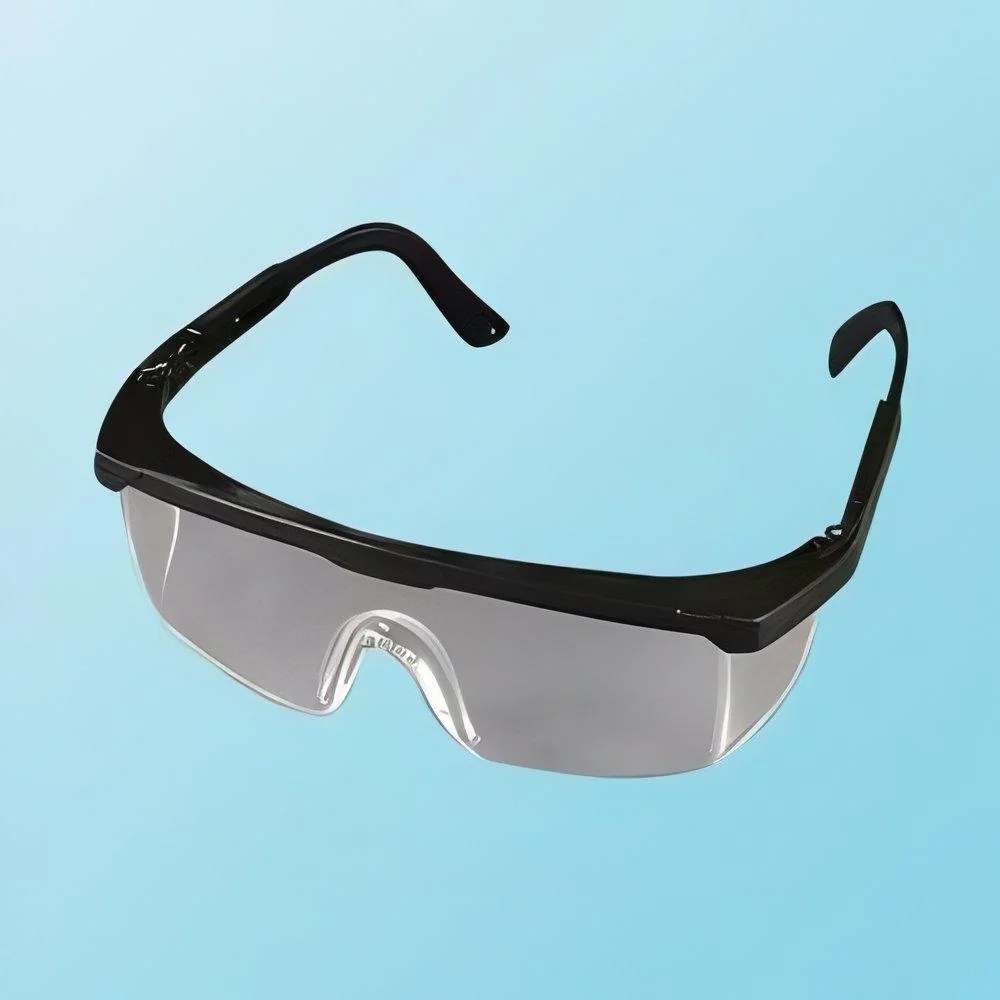
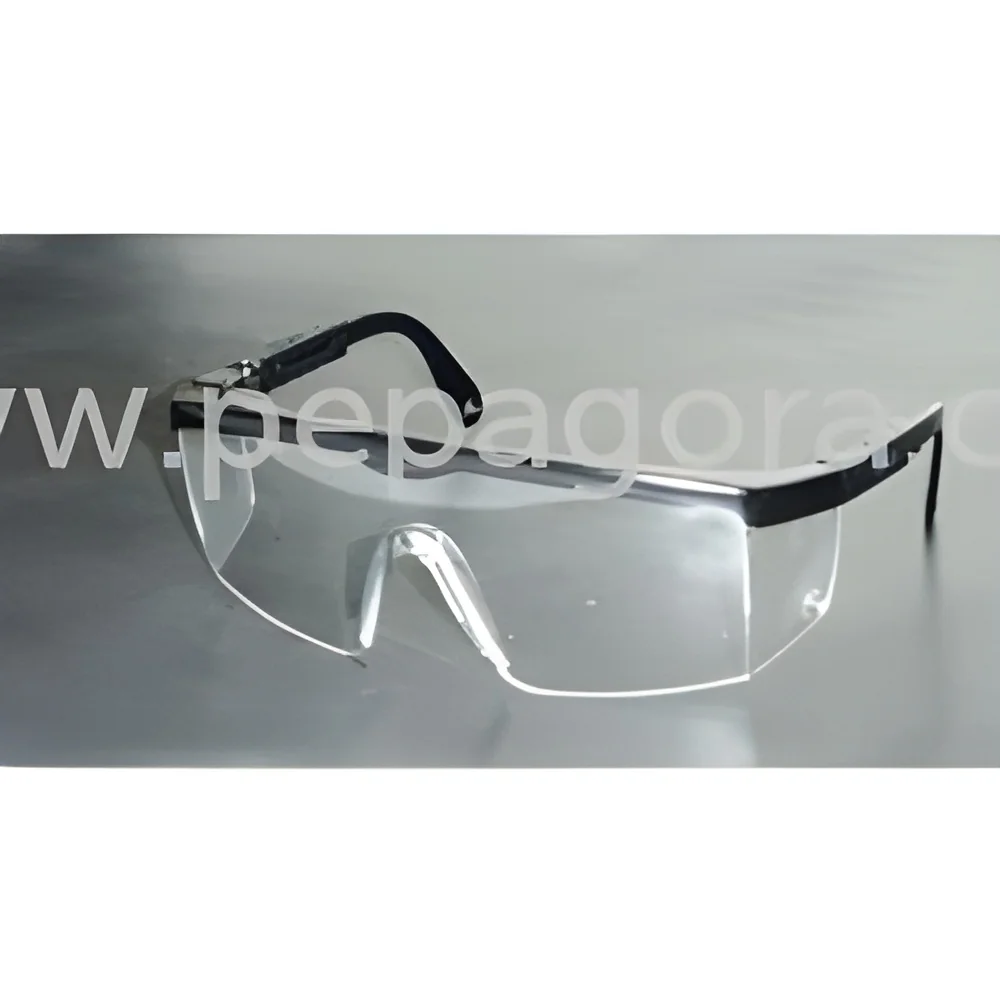
Safety Glasses
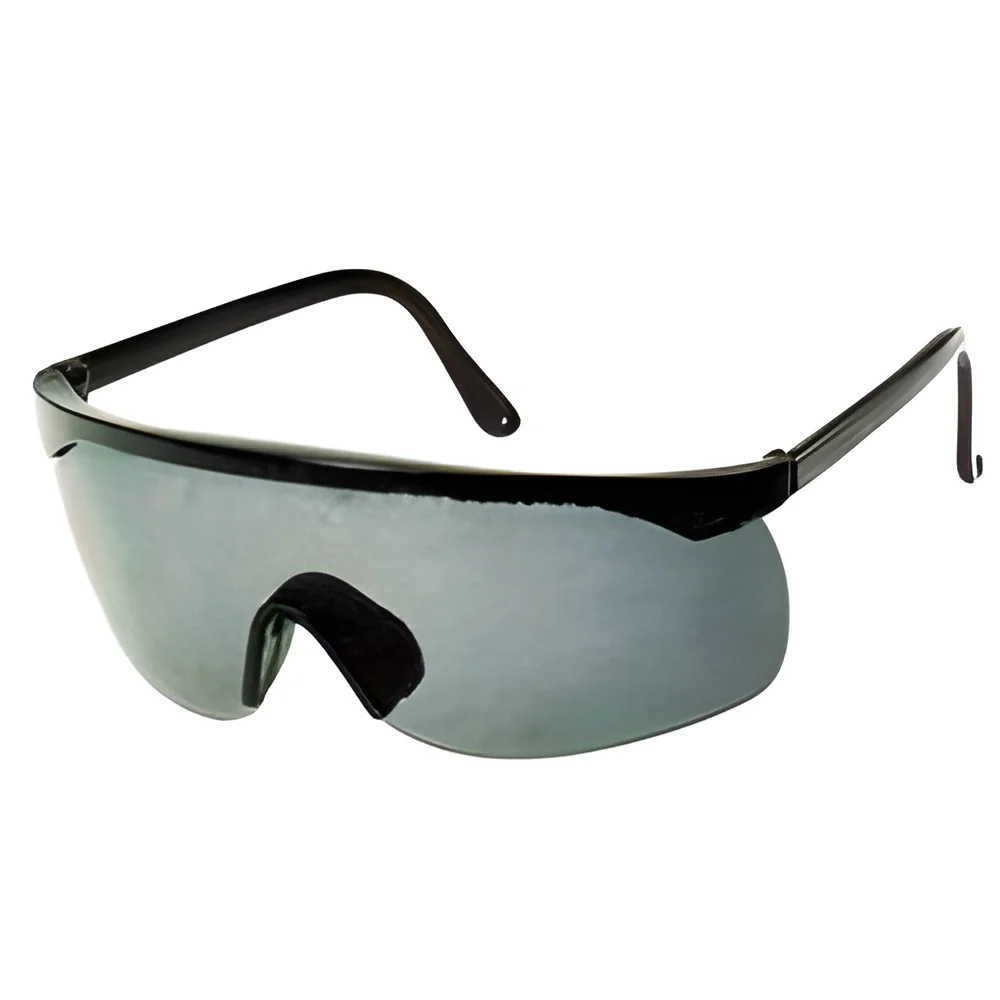
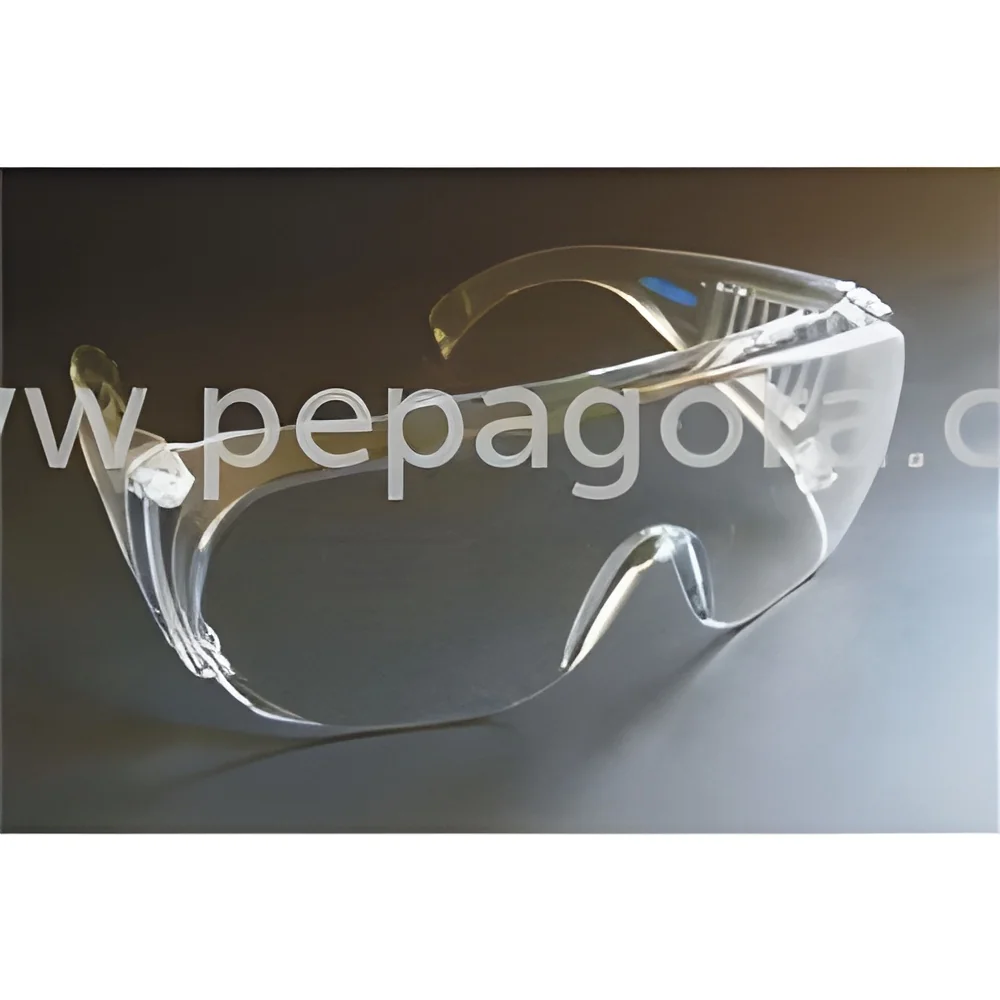
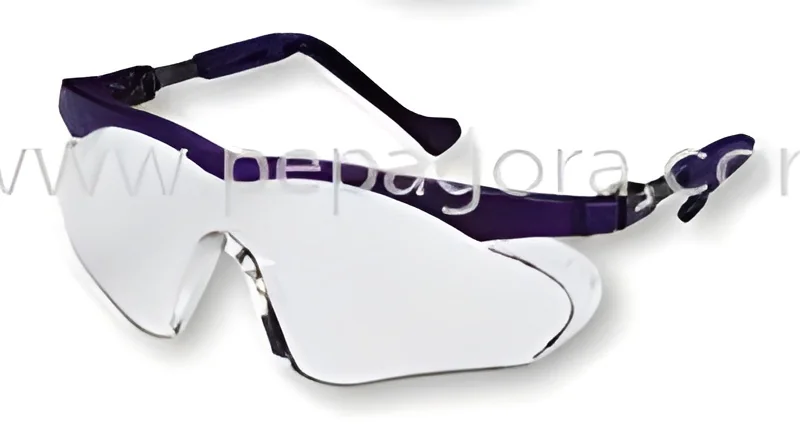
These lightweight options provide basic protection against impact and are ideal for general use in low-risk environments.
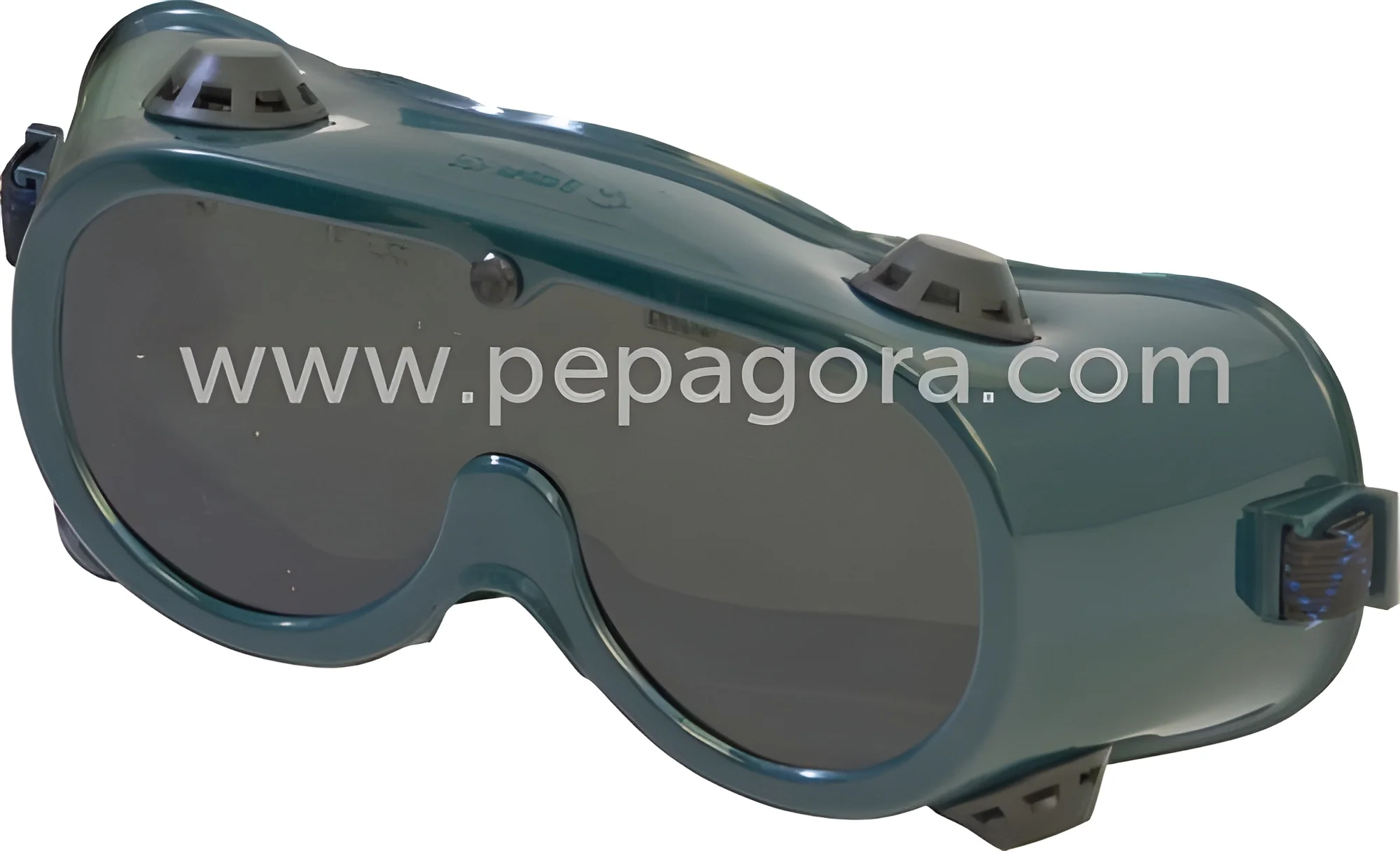
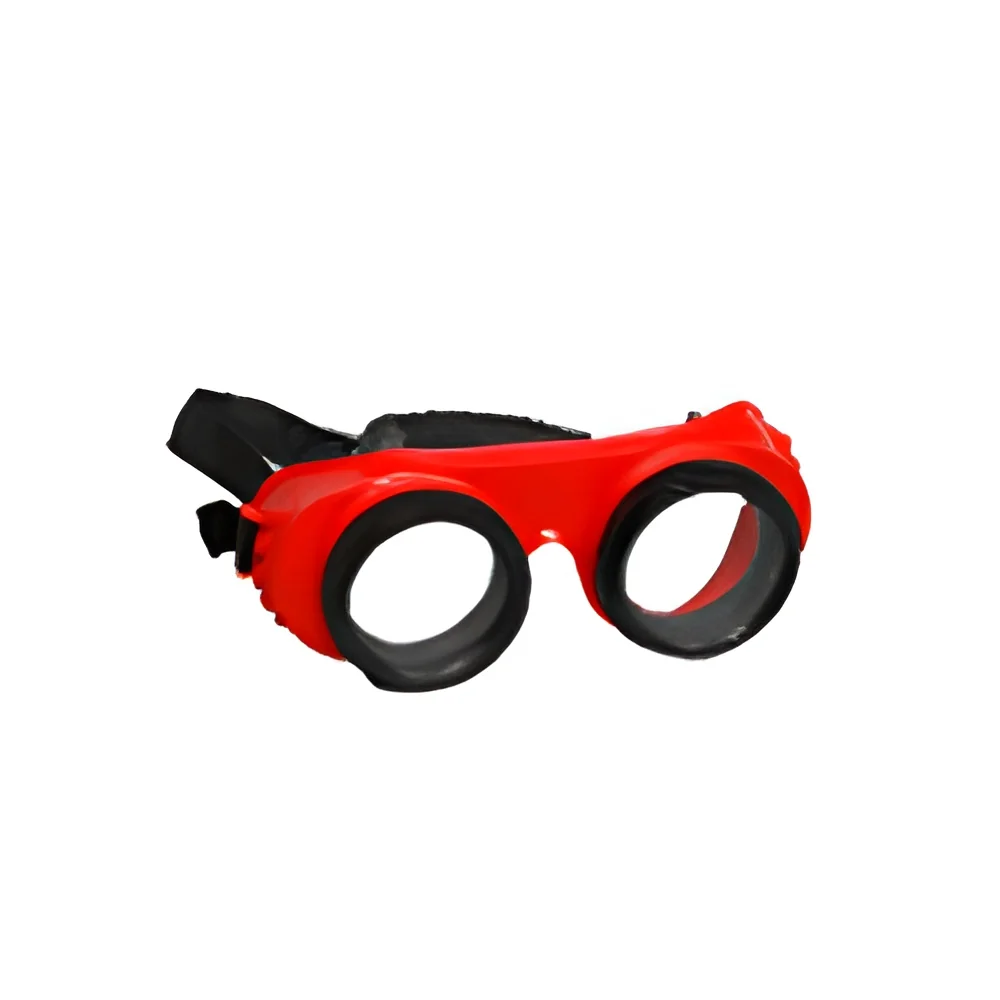
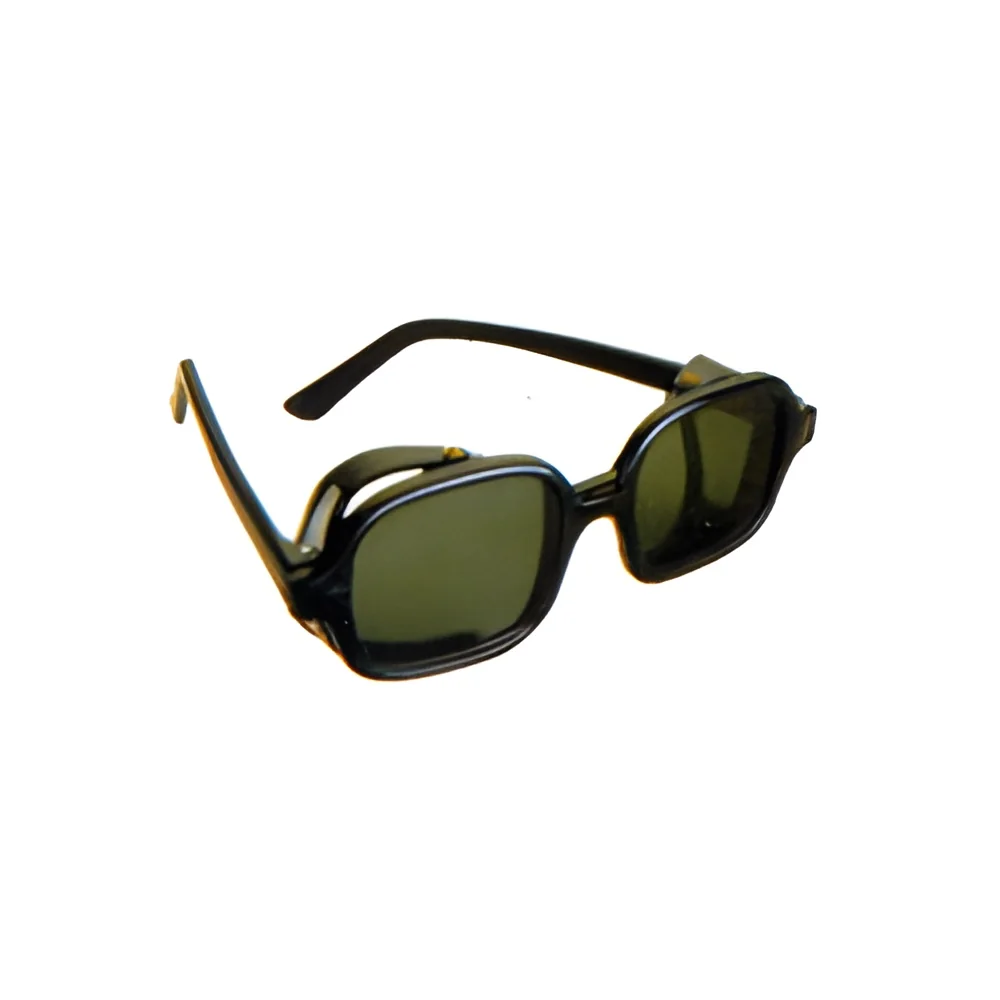
Goggles
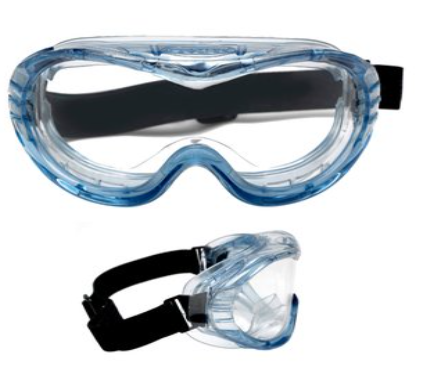
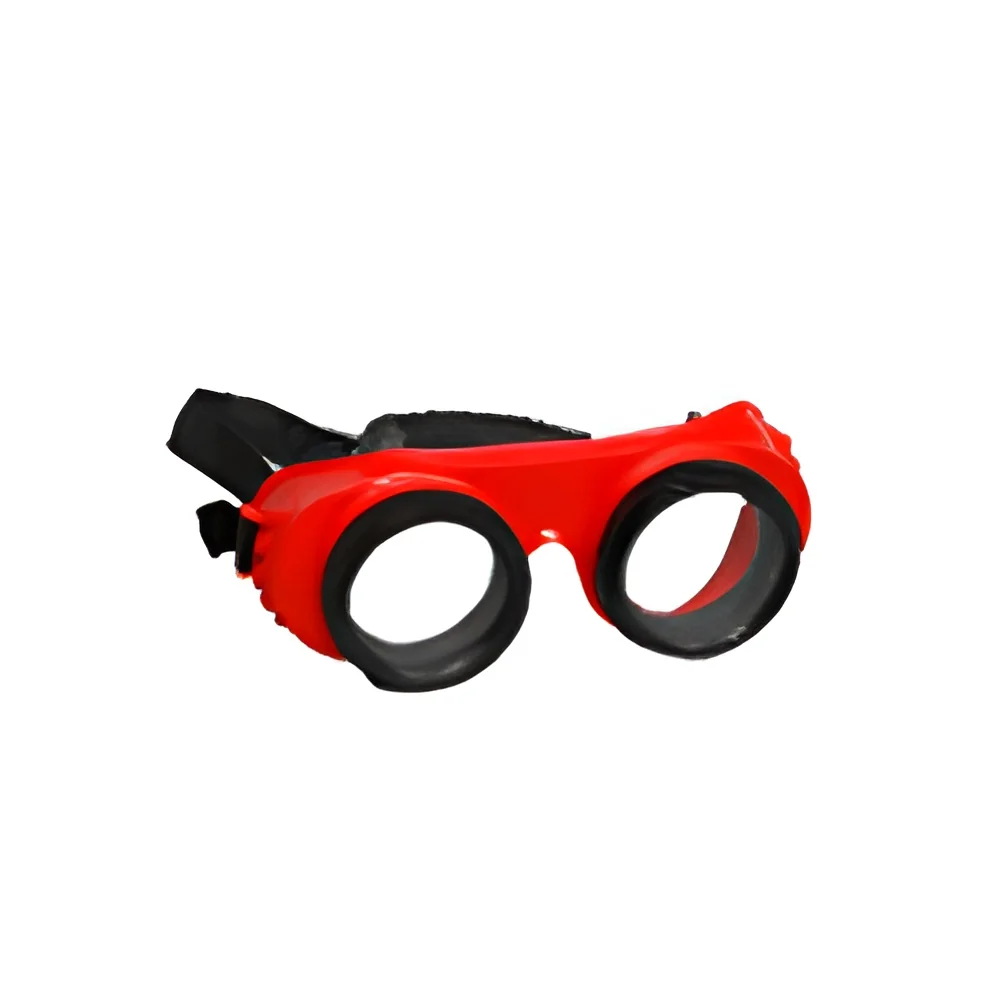
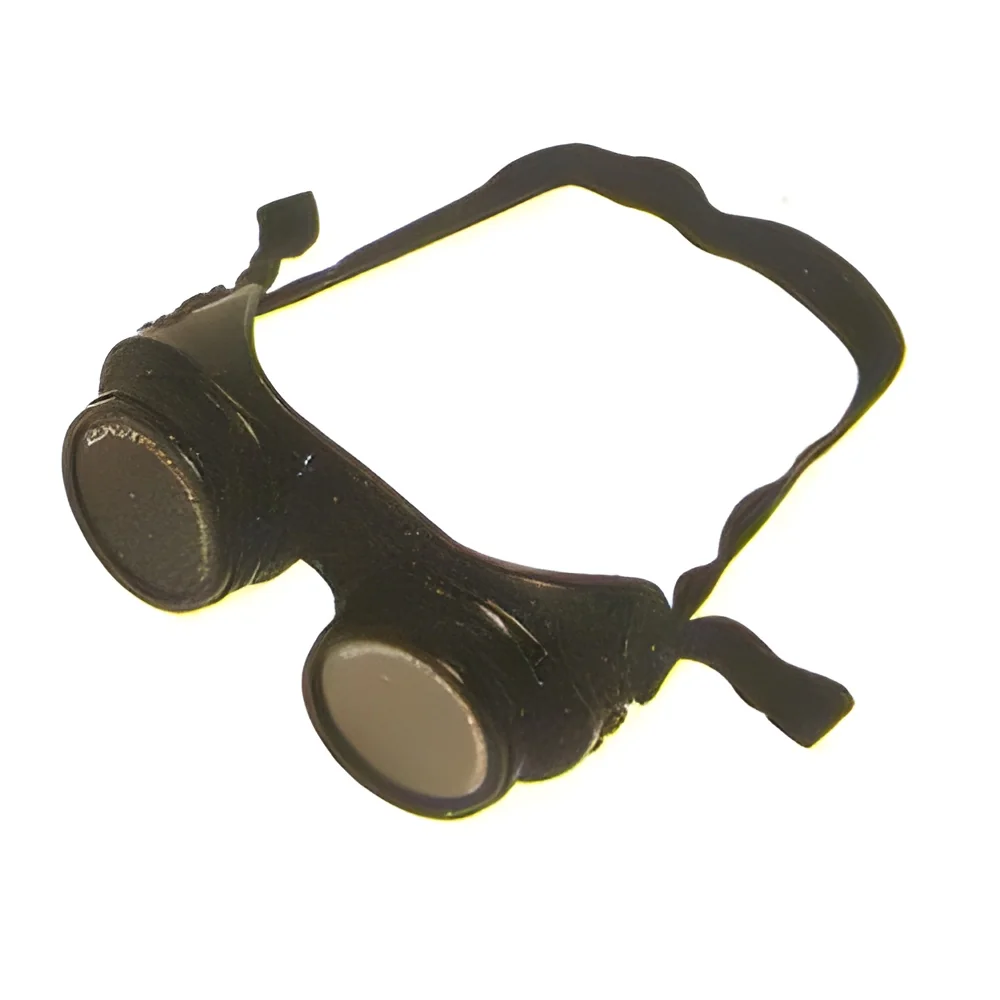
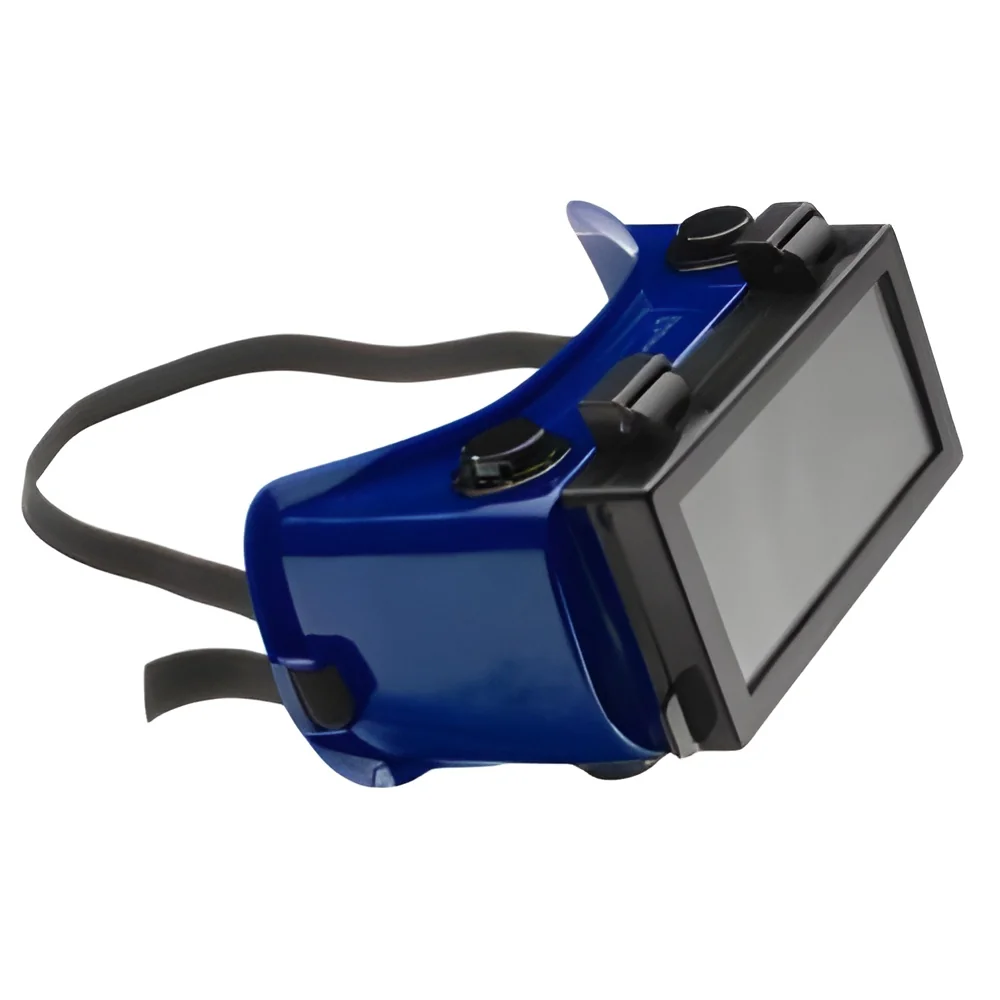
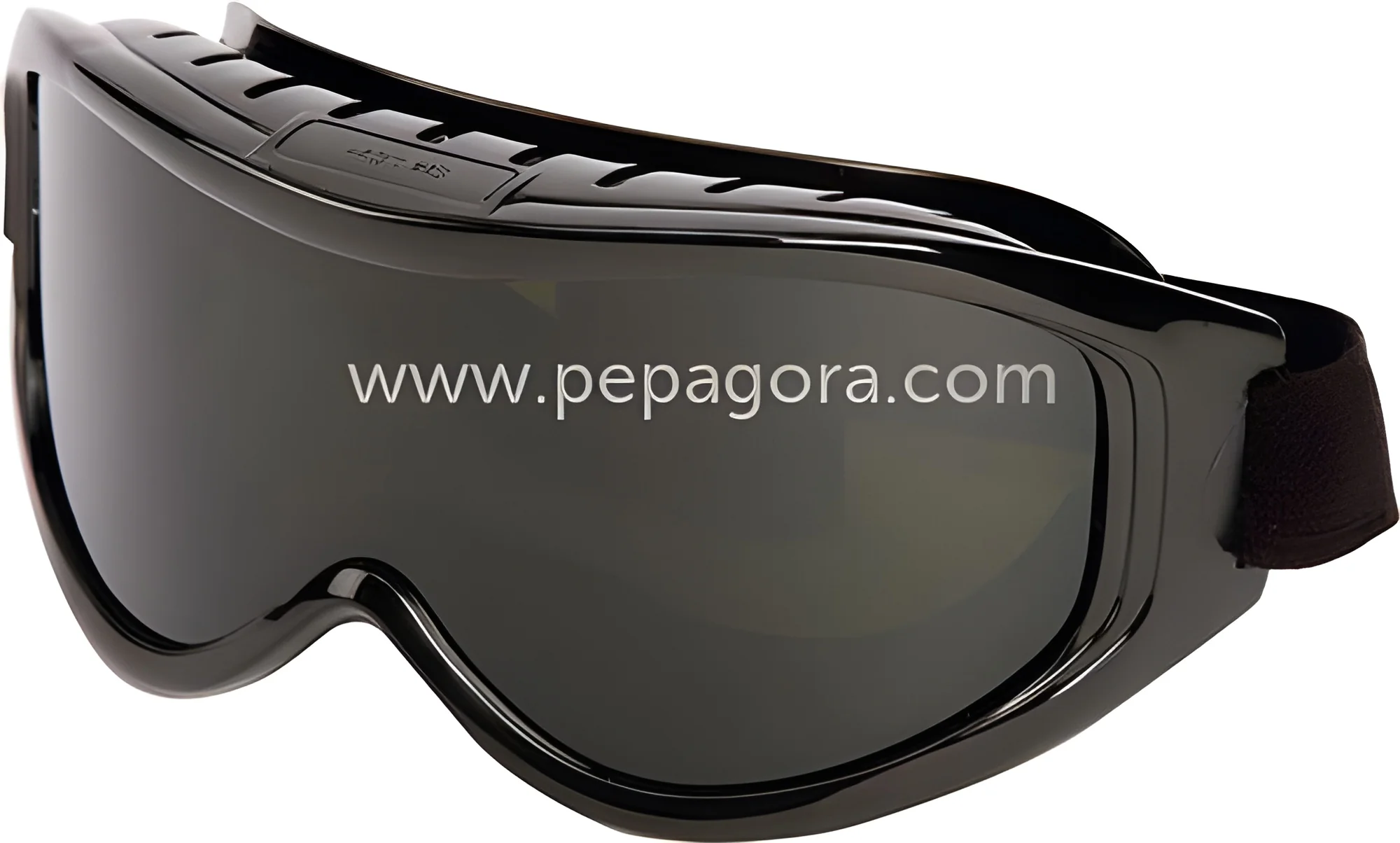
Full-seal goggles offer maximum protection against dust, liquids, and chemicals, making them suitable for high-risk applications.
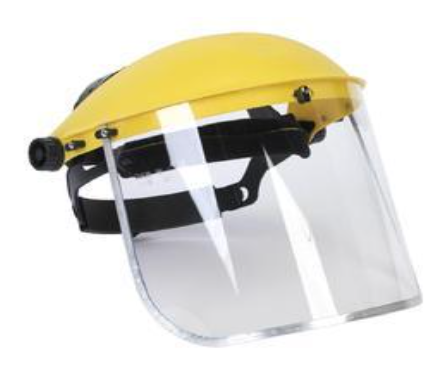
Face Shields
These provide an additional layer of protection for the entire face and are often used in conjunction with goggles or safety glasses in hazardous environments.
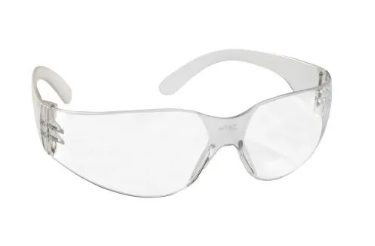
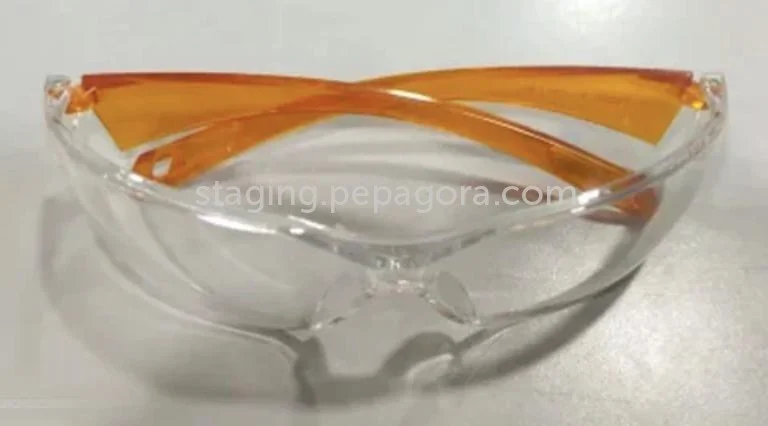
Wraparound Safety Glasses
These glasses feature a curved design that hugs the face, providing comprehensive protection from side impacts and debris.
Benefits and Advantages
The use of protective eyewear and goggles offers numerous benefits to businesses and employees alike.
1. Enhanced Safety: The primary advantage is the significant reduction in eye-related injuries, ensuring a safer working environment.
2. Compliance with Regulations: Using protective eyewear helps businesses comply with safety regulations, reducing legal risks and potential fines.
3. Improved Productivity: When employees feel safe, they can focus better on their tasks, leading to increased productivity.
4. Comfortable Fit: Many modern designs emphasize comfort, allowing for extended wear without discomfort, which encourages consistent use.
5. Versatile Applications: Protective eyewear can be used in multiple industries, making them a flexible investment for businesses.
6. Cost-Effective: Investing in quality protective eyewear reduces the risk of costly injuries and medical expenses in the long term.
Buying Guide for B2B Buyers
When sourcing protective eyewear and goggles, B2B buyers should consider several key factors to ensure they make informed decisions.
1. Quality Assessment: It is essential to assess the quality of the eyewear by looking for certifications and standards that guarantee safety and effectiveness.
2. Supplier Verification: Vetting suppliers is crucial to ensure they provide reliable products and services. Verify their reputation, customer reviews, and compliance with safety regulations.
3. Pricing and MOQ: Understand the pricing structure and minimum order quantities to align with your budget and procurement needs.
4. Delivery and Lead Times: Consider logistics and delivery timelines to ensure that the eyewear is available when needed without disrupting operations.
5. Compliance Requirements: Ensure that the eyewear meets industry-specific compliance and safety standards to avoid potential liabilities.
Compliance and Certifications
Protective eyewear and goggles must adhere to various quality standards and certifications to ensure safety and reliability.
ISO 9001 is a widely recognized standard that outlines quality management principles, ensuring that manufacturers maintain consistent quality in their products.
CE certification indicates that the eyewear meets European safety standards, providing assurance of its safety and effectiveness in protecting users.
Safety and testing requirements are critical for protective eyewear, including impact resistance and UV protection tests to validate performance.
Regional compliance considerations may vary, so it is essential to understand local regulations regarding protective equipment to ensure adherence to safety standards.
Why Source Protective Eyewear & Goggles from Pepagora?
Pepagora offers a trusted platform for sourcing protective eyewear and goggles, providing several key advantages to buyers.
Verified Supplier Network: Pepagora has a robust network of verified suppliers, ensuring that buyers can select from reputable manufacturers known for quality and reliability.
Streamlined RFQ Process: The Request for Quotation process is designed to be efficient, allowing businesses to easily compare offers and make informed purchasing decisions.
Trade Assurance and Support: Buyers benefit from trade assurance that protects their investments, along with dedicated support to address any queries or concerns.
Regional Coverage: Pepagora operates across India, the GCC, and Southeast Asia, making it easy for businesses in these regions to find suitable protective eyewear tailored to their needs.

 IN
IN