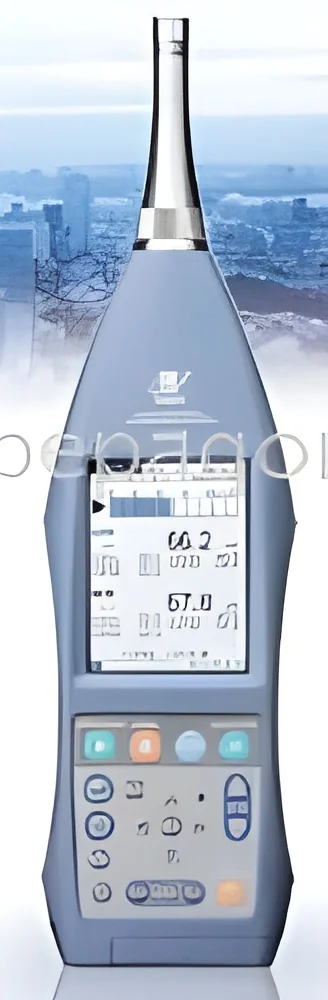
What are Noise Level Meters?
Noise Level Meters are specialized instruments designed to measure sound levels in various environments. These devices convert sound waves into electrical signals, allowing users to quantify noise in decibels (dB). They provide essential data for assessing environmental noise pollution, workplace safety, and compliance with regulatory standards.
The primary uses of Noise Level Meters span across multiple industries. They are vital in construction sites, manufacturing plants, and urban planning to monitor noise levels. Businesses use these meters not only to ensure compliance with local regulations but also to maintain a safe and conducive work environment. Accurate noise measurements can help in noise mitigation efforts and enhance overall occupational health.
In today's market, the relevance of Noise Level Meters continues to grow as industries face increasing scrutiny regarding noise pollution. As urbanization expands, effective noise management has become a priority for businesses and regulatory bodies alike. This trend is particularly pronounced in sectors such as construction, transportation, and entertainment, where noise levels can significantly impact community well-being.
Key Features and Specifications
Noise Level Meters are equipped with various features that enhance their usability and accuracy. Understanding these specifications is crucial for selecting the right device for specific applications.
Key specifications include:
1. Measurement Range
- Typically from 30 dB to 130 dB
- Covers a wide range of sound levels for various environments
2. Weighting Filters
- A and C weighting options
- A-weighting is used for general noise assessment, while C-weighting is suitable for measuring low-frequency noise
3. Display Type
- Digital or analog display options
- Digital displays offer clearer readings and additional features such as data logging
4. Data Logging Capability
- Built-in memory for storing measurements
- Useful for long-term monitoring and analysis
5. Frequency Range
- Usually from 20 Hz to 20 kHz
- Ensures accurate measurement across the audible spectrum
6. Power Source
- Battery-operated or rechargeable options
- Important for portability and field use
7. Calibration Options
- Manual or automatic calibration settings
- Ensures ongoing accuracy of measurements
8. Compliance Certification
- CE marked indicating compliance with European safety standards
- Important for regulatory assurance in various applications
In summary, understanding the features and specifications of Noise Level Meters is crucial for making informed purchasing decisions. These specifications help ensure that the selected meter meets the specific needs of the application.
Common Applications and Use Cases
Noise Level Meters serve a wide range of industries, each with unique requirements for sound measurement.
1. Construction: In construction sites, these meters monitor noise levels to comply with regulations and minimize disruption to nearby communities.
2. Manufacturing: Factories utilize Noise Level Meters to ensure safe working conditions and adhere to occupational health and safety standards.
3. Environmental Monitoring: Government agencies and environmental organizations use these meters to assess noise pollution levels in urban areas.
4. Entertainment Venues: Concert halls and theaters employ Noise Level Meters to manage sound levels and ensure audience safety.
5. Transportation: Airports and railways monitor noise levels to evaluate the impact of operations on surrounding populations.
6. Research and Development: Academic institutions use Noise Level Meters in studies related to acoustics and environmental science.
7. Healthcare Facilities: Hospitals and clinics monitor noise levels to create a peaceful atmosphere conducive to patient recovery.
Product Variants and Subcategories
Noise Level Meters come in various types to cater to different needs and applications.
Basic Noise Level Meter
This variant typically features essential measurement capabilities and is suitable for general use in various industries. It is user-friendly and ideal for those who need straightforward noise assessments.
Advanced Noise Level Meter
Equipped with advanced data logging and analysis features, this variant is designed for professionals who require detailed noise assessments over time. It often includes software for data analysis and reporting.
Pocket-Sized Noise Level Meter
Designed for portability, this compact variant is ideal for fieldwork and on-the-go measurements. Despite its size, it maintains accuracy and essential features for effective noise level monitoring.
Benefits and Advantages
Noise Level Meters offer several key benefits for businesses and organizations.
1. Compliance Assurance: These meters help ensure that businesses comply with local noise regulations, avoiding fines and legal issues.
2. Improved Workplace Safety: Accurate noise measurement contributes to a safer working environment, protecting employees from potential hearing damage.
3. Enhanced Community Relations: Monitoring noise levels can help businesses maintain positive relationships with neighboring communities by minimizing disruptions.
4. Data-Driven Decision Making: The ability to log and analyze noise data enables informed decision-making regarding noise management strategies.
5. Versatility: Noise Level Meters can be used across various industries, making them a valuable tool for diverse applications.
6. Increased Productivity: By managing noise levels, businesses can create a more focused and productive work environment.
Buying Guide for B2B Buyers
When sourcing Noise Level Meters, several important factors should be considered to ensure a successful purchase.
1. Quality Assessment: It is essential to evaluate the quality of the meters by checking specifications and reading user reviews. Reliable brands often have a history of producing durable and accurate devices.
2. Supplier Verification: Vetting suppliers is crucial to ensure they are reputable and capable of providing reliable products. Look for certifications and customer testimonials.
3. Pricing and MOQ: Understanding the price range and minimum order quantities (MOQ) will help budget effectively. Compare prices across suppliers to find the best deal without compromising quality.
4. Delivery and Lead Times: Consider the logistics of delivery and lead times, especially if the meters are needed urgently for compliance or project requirements.
5. Compliance Requirements: Ensure that the Noise Level Meters meet relevant industry standards and certifications. This step is vital for regulatory compliance and operational safety.
Compliance and Certifications
Noise Level Meters must adhere to specific quality standards and regulations to ensure their effectiveness and safety in various applications.
Relevant quality standards such as ISO 9001 are crucial as they guarantee that products meet consistent quality management criteria. This standard ensures that manufacturers maintain high production and operational standards.
Industry certifications, such as CE marking, indicate that the Noise Level Meters comply with European health, safety, and environmental protection standards. This certification is vital for businesses operating in or exporting to European markets.
Safety and testing requirements are also key considerations. Noise Level Meters should undergo rigorous testing to ensure they provide accurate and reliable measurements. Additionally, regional compliance considerations may vary, so it is important to stay informed about local regulations.
Why Source Noise Level Meters from Pepagora?
Pepagora serves as a trusted platform for sourcing Noise Level Meters, offering numerous advantages to B2B buyers.
Verified Supplier Network: Pepagora features a network of verified suppliers, ensuring that buyers can trust the quality and reliability of the products offered. This verification process minimizes the risks associated with sourcing industrial equipment.
Streamlined RFQ Process: The Request for Quotation (RFQ) system simplifies the purchasing process. Buyers can easily submit their requirements and receive competitive quotes from multiple suppliers, enabling better decision-making.
Trade Assurance and Support: Pepagora provides trade assurance, offering protection to buyers throughout the purchasing process. This support helps build confidence in transactions and ensures a smooth experience.
Regional Coverage: With a strong presence in India, the GCC, and Southeast Asia, Pepagora facilitates access to a wide range of suppliers. This geographic reach allows buyers to find suitable Noise Level Meters tailored to their specific regional needs.

 IN
IN