What are Respiratory Masks (N95, Half/Full Face)?
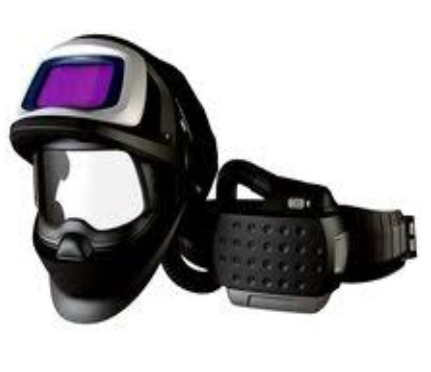
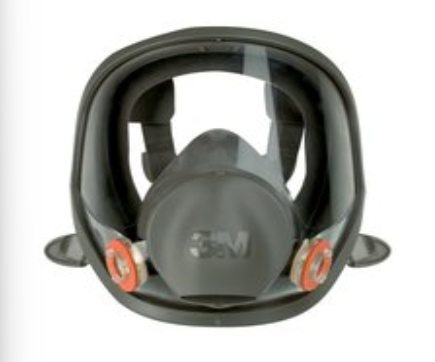
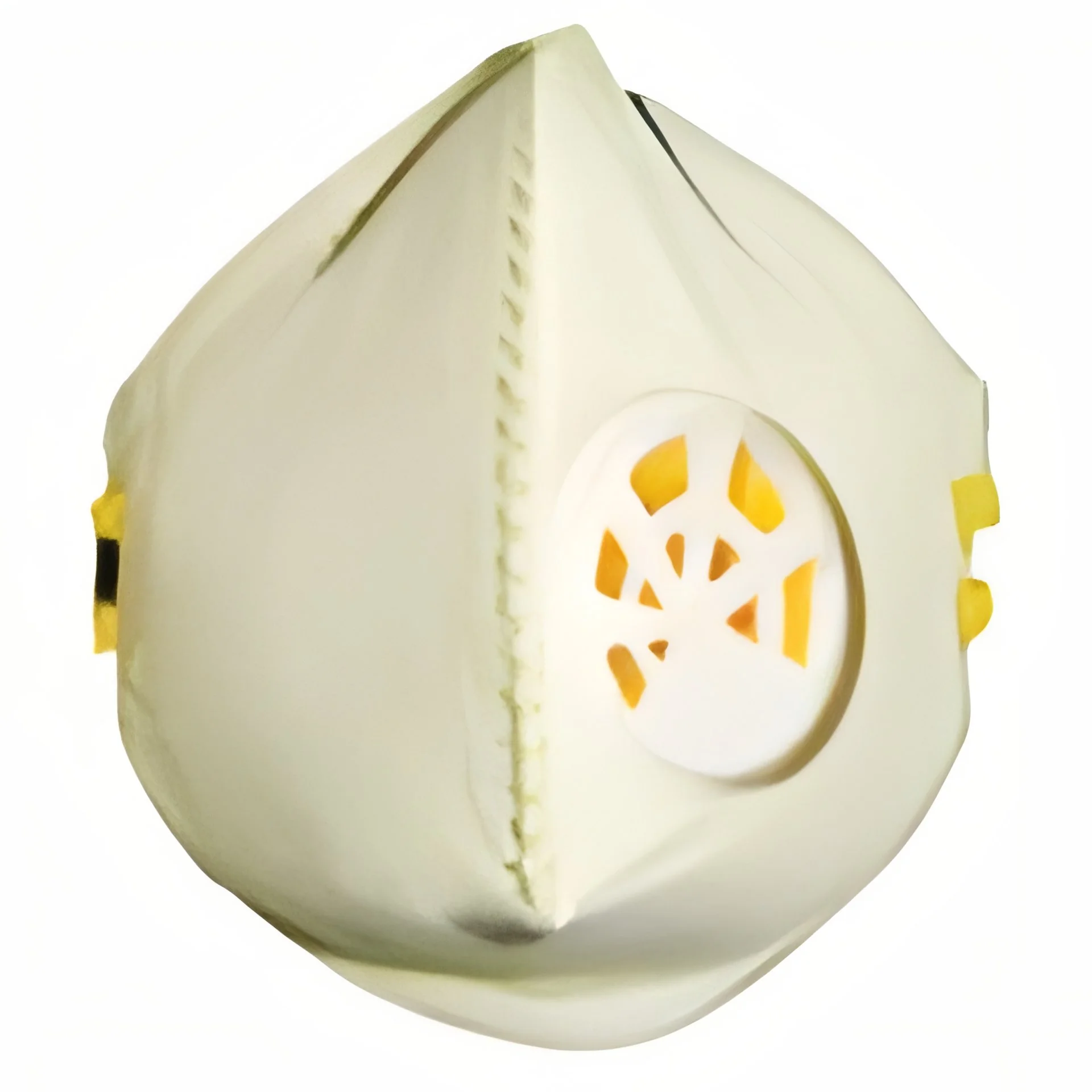
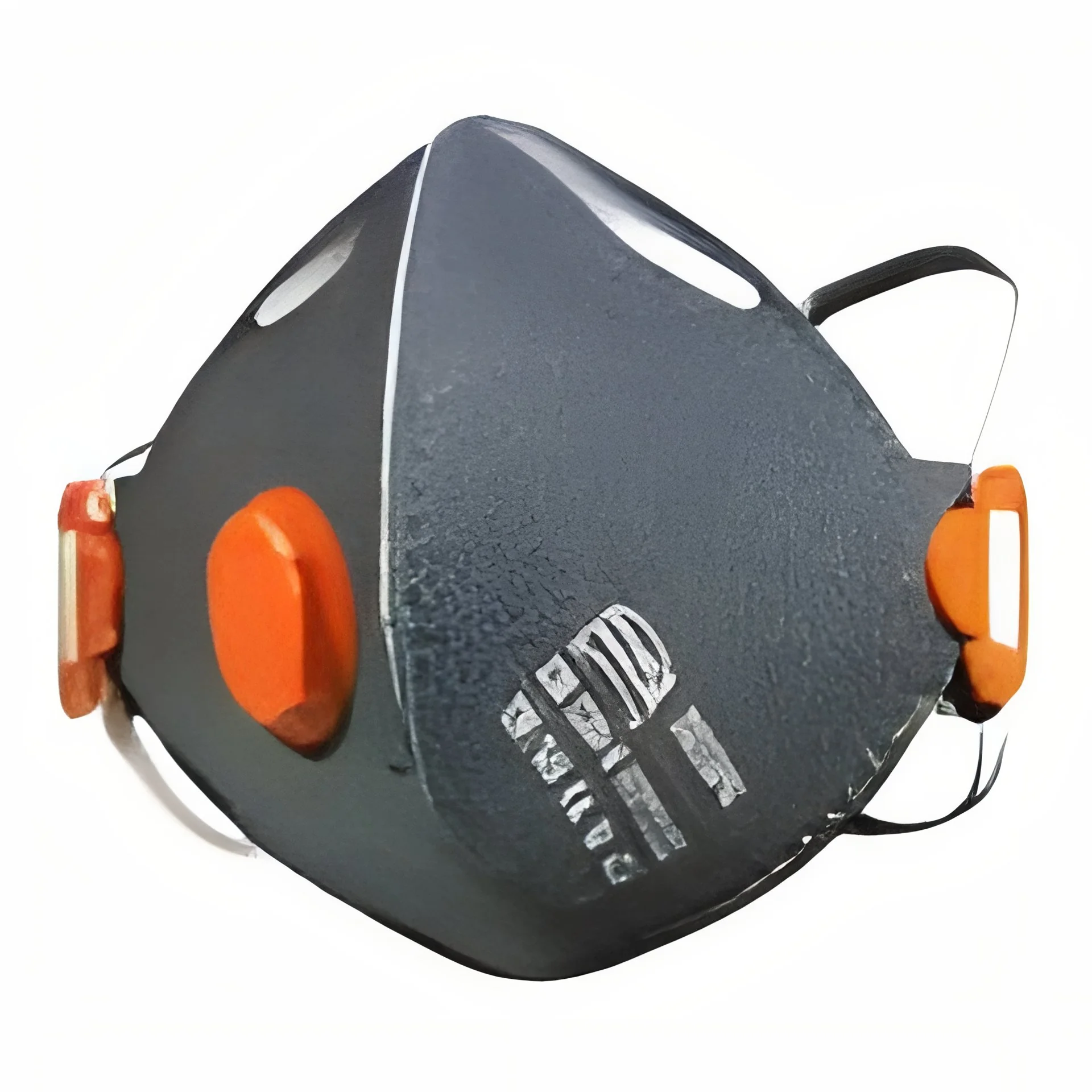
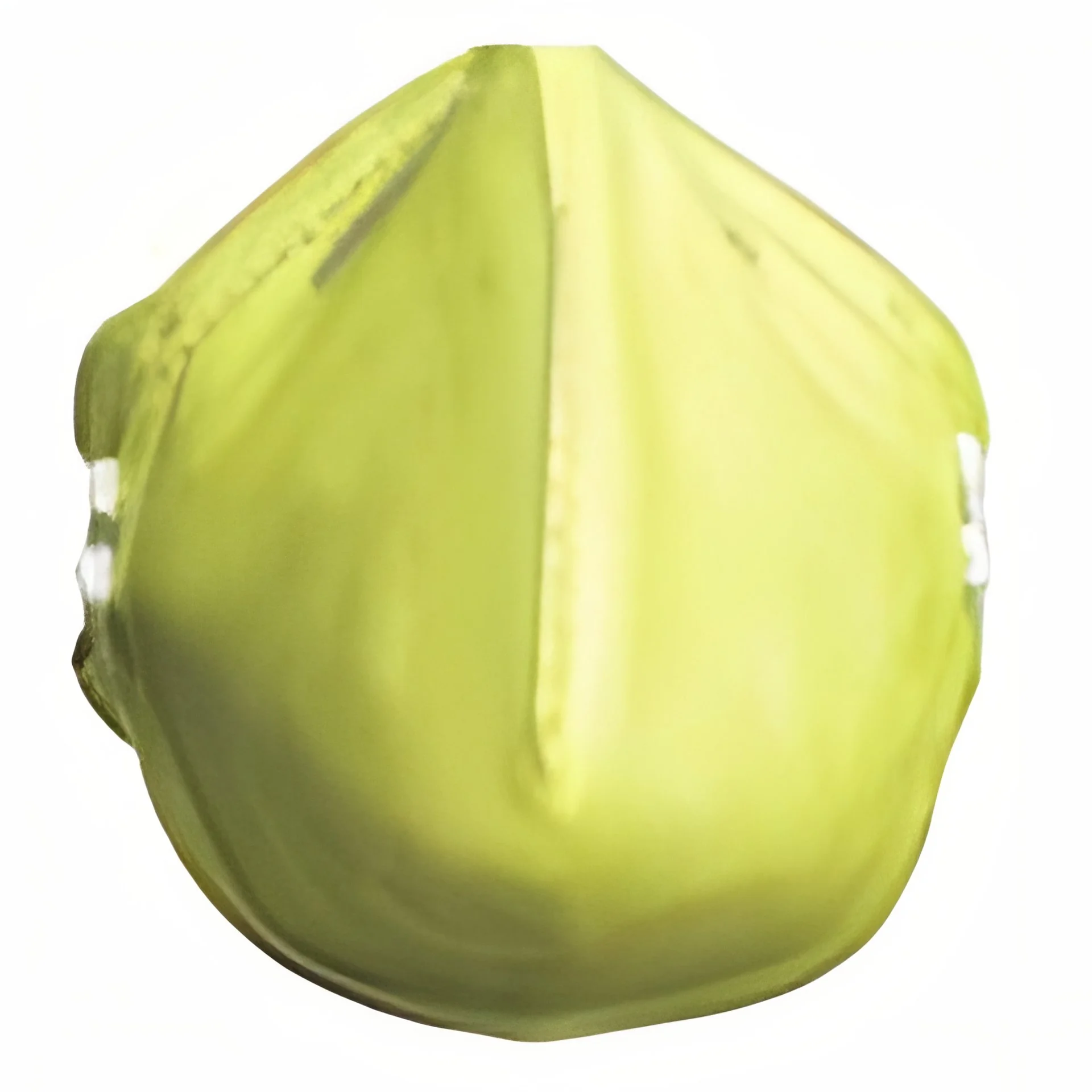
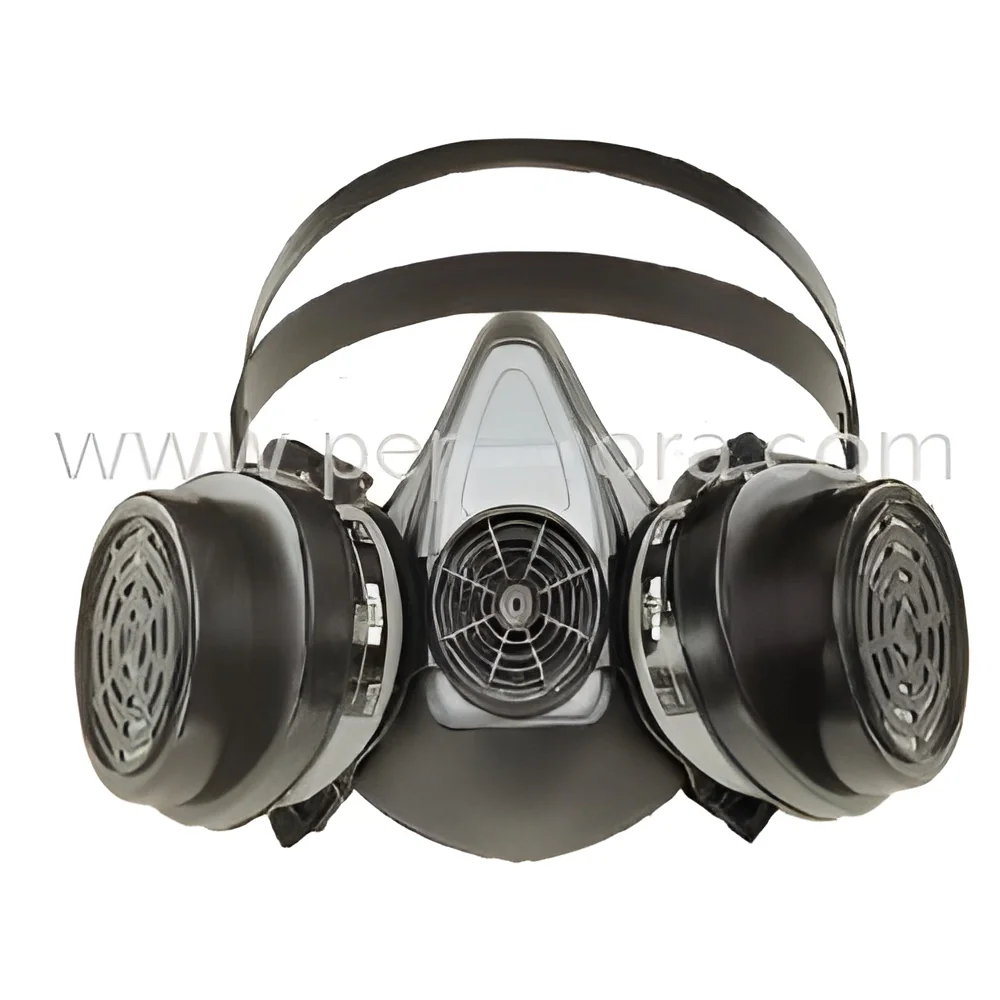
Respiratory masks, specifically N95 and half/full face variants, are personal protective equipment designed to filter airborne particles, including dust, aerosols, and pathogens. The N95 mask is particularly known for its ability to filter at least 95% of airborne particles, making it crucial in environments where respiratory protection is necessary. Half face masks cover the mouth and nose, while full face masks provide additional protection for the eyes and face, making them suitable for more hazardous environments.
These masks are widely used in various sectors such as healthcare, construction, and manufacturing. In healthcare settings, they protect against infectious diseases, while in industrial applications, they shield workers from harmful dust and chemicals. The demand for respiratory masks has surged in recent years due to increased awareness of airborne diseases and stricter occupational safety regulations. This has led to a growing market for quality respiratory protection across multiple industries.
๐๐ฒ๐ ๐๐ฒ๐ฎ๐๐๐ฟ๐ฒ๐ ๐ฎ๐ป๐ฑ ๐ฆ๐ฝ๐ฒ๐ฐ๐ถ๐ณ๐ถ๐ฐ๐ฎ๐๐ถ๐ผ๐ป๐
Respiratory masks (N95, Half/Full Face) come with several important features and specifications that enhance their effectiveness and safety. Understanding these specifications is crucial for businesses looking to procure the right masks for their needs.
Key specifications include:
1. Filtration Efficiency
- N95 masks filter at least 95% of airborne particles
- Half and full face masks may have different filtration capabilities depending on design
2. Fit Testing
- Essential for ensuring a proper seal against the face
- Fit testing protocols vary by mask type and application
3. Materials Used
- Masks are typically made from non-woven polypropylene for N95
- Half and full face masks may use silicone or rubber for better sealing
4. Breathing Resistance
- Measured in mm H2O, indicating how easily a person can breathe through the mask
- Lower resistance is preferable for extended wear
5. Comfort Features
- Many masks come with adjustable straps and cushioning for comfort
- Some models include exhalation valves to reduce heat buildup
6. Reusability
- N95 masks are usually disposable, while half and full face masks may be reusable with proper cleaning
7. Certification Standards
- Compliance with standards such as NIOSH for N95 and EN 136 for full face masks
- Ensures reliability and safety of the masks
In summary, selecting the right respiratory mask involves understanding these specifications to ensure adequate protection and comfort for users in various workplaces.
๐๐ผ๐บ๐บ๐ผ๐ป ๐๐ฝ๐ฝ๐น๐ถ๐ฐ๐ฎ๐๐ถ๐ผ๐ป๐ ๐ฎ๐ป๐ฑ ๐จ๐๐ฒ ๐๐ฎ๐๐ฒ๐
Respiratory masks are essential tools in numerous industries, providing protection against airborne contaminants.
1. Healthcare: In hospitals and clinics, N95 masks are vital for protecting healthcare workers from airborne pathogens, especially during procedures that generate aerosols.
2. Construction: Workers are exposed to dust and harmful particles from construction materials. Half and full face masks help prevent respiratory issues.
3. Agriculture: Farmers and agricultural workers use masks to protect against dust, pesticides, and other harmful substances in the environment.
4. Manufacturing: In factories, masks protect workers from hazardous fumes and particles produced during manufacturing processes.
5. Firefighting: Firefighters wear respirators to protect against smoke and toxic gases during firefighting operations.
6. Laboratories: Research facilities utilize respiratory masks to protect personnel from airborne biological agents and chemicals.
7. Mining: Miners rely on respirators to safeguard against harmful dust and gases present in underground environments.
๐ฃ๐ฟ๐ผ๐ฑ๐๐ฐ๐ ๐ฉ๐ฎ๐ฟ๐ถ๐ฎ๐ป๐๐ ๐ฎ๐ป๐ฑ ๐ฆ๐๐ฏ๐ฐ๐ฎ๐๐ฒ๐ด๐ผ๐ฟ๐ถ๐ฒ๐
Respiratory masks come in various forms, each designed for specific applications and levels of protection.
N95 Masks
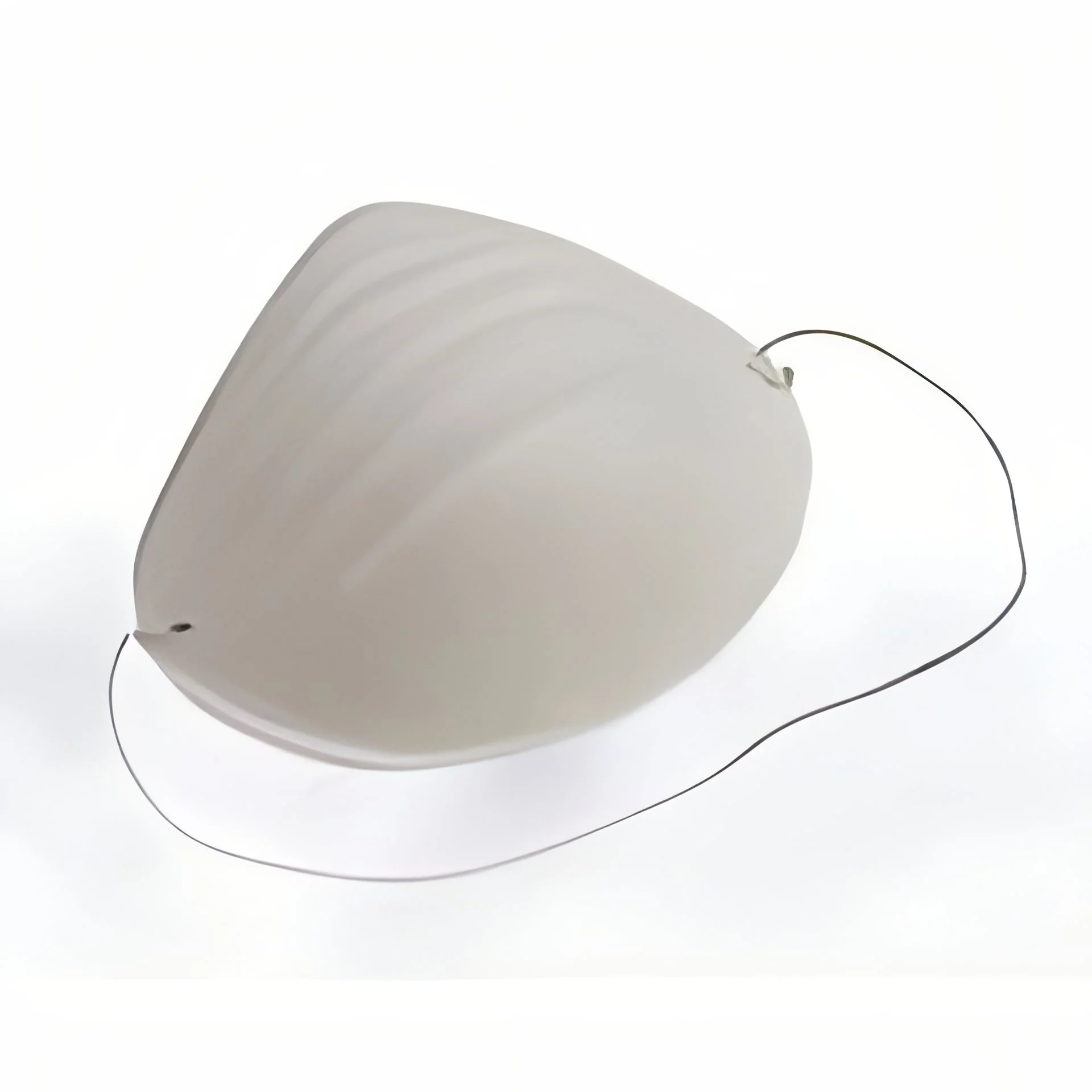
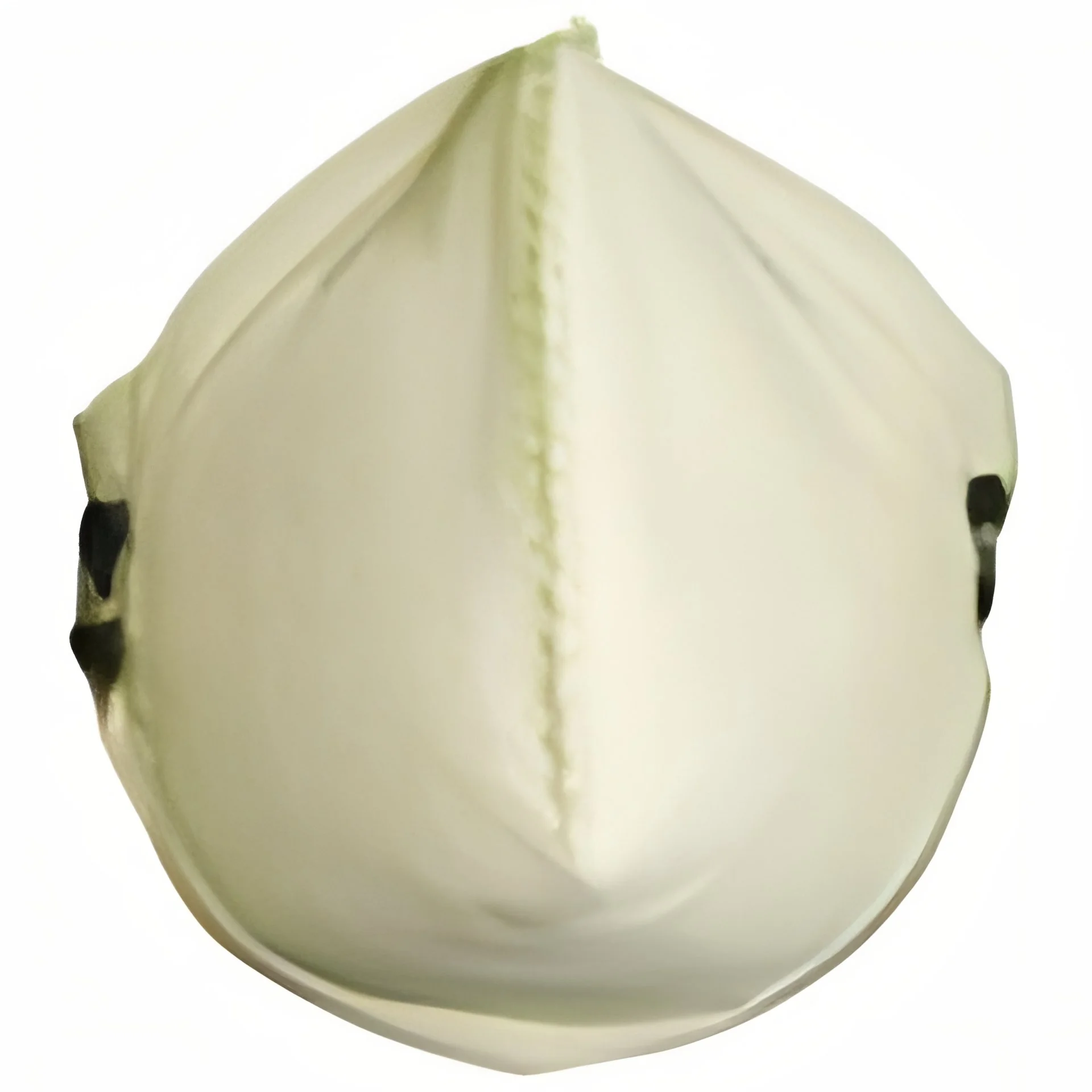
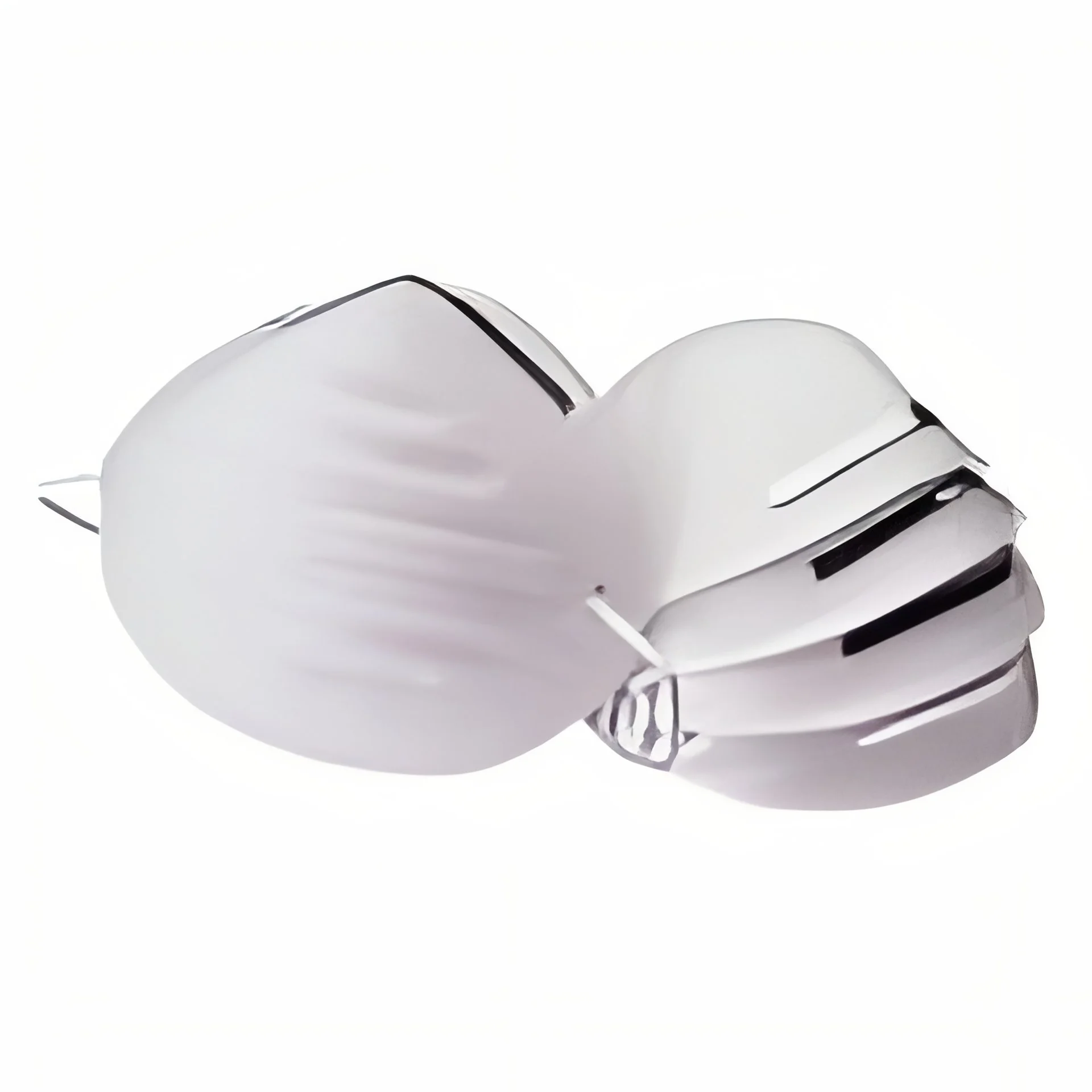
N95 masks are designed to fit tightly over the nose and mouth, filtering out at least 95% of airborne particles. They are commonly used in healthcare and industrial settings due to their effectiveness in preventing inhalation of harmful substances.
Half Face Masks
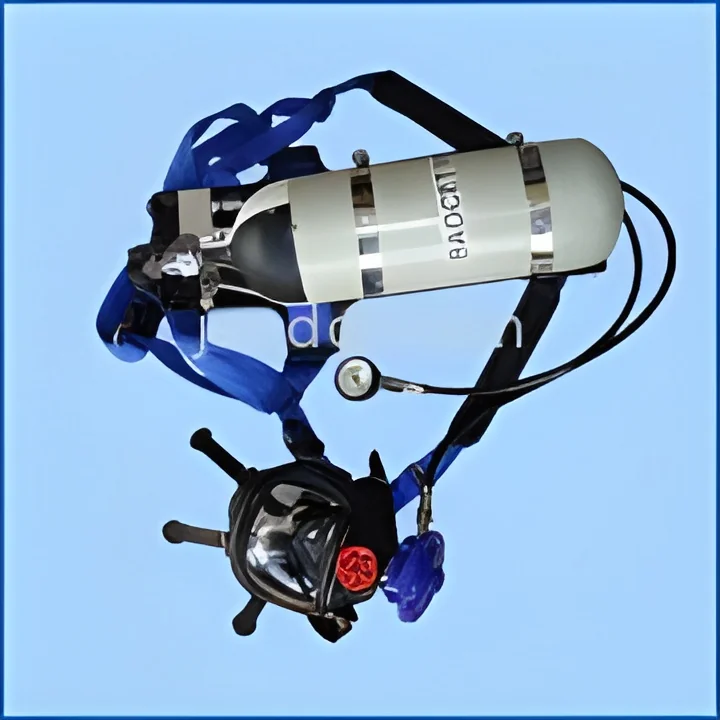
Half face masks cover the nose and mouth and are often used in environments where airborne contaminants are present. They can be fitted with various filters for different applications, providing flexibility in usage.
Full Face Masks
Full face masks provide comprehensive protection, covering the entire face, including the eyes. They are used in more hazardous environments where exposure to toxic substances is a concern, ensuring complete facial protection.
๐๐ฒ๐ป๐ฒ๐ณ๐ถ๐๐ ๐ฎ๐ป๐ฑ ๐๐ฑ๐๐ฎ๐ป๐๐ฎ๐ด๐ฒ๐
Choosing the right respiratory masks offers numerous benefits for businesses and their employees.
1. Enhanced Protection: Respiratory masks effectively filter harmful particles, safeguarding users' health in dangerous environments.
2. Improved Comfort: Many masks are designed with adjustable features and breathable materials, enhancing comfort during prolonged use.
3. Compliance with Regulations: Using certified masks helps businesses meet safety regulations and standards in their industry, reducing liability.
4. Increased Productivity: By protecting employees from respiratory hazards, businesses can maintain productivity and reduce absenteeism due to health issues.
5. Cost-Effectiveness: Investing in quality respiratory masks can reduce long-term healthcare costs by preventing work-related illnesses.
6. Versatile Use: With various types available, masks can be tailored to specific industry requirements, ensuring appropriate protection.
๐๐๐๐ถ๐ป๐ด ๐๐๐ถ๐ฑ๐ฒ ๐ณ๐ผ๐ฟ ๐๐ฎ๐ ๐๐๐๐ฒ๐ฟ๐
When sourcing respiratory masks (N95, Half/Full Face), several key factors should be considered to ensure effective procurement.
1. Quality Assessment: Evaluate the quality of masks based on certification standards like NIOSH and CE. Ensure that the masks meet relevant safety and performance criteria.
2. Supplier Verification: Vet potential suppliers thoroughly to confirm their reliability and track record in providing quality products. Look for certifications and reviews from previous clients.
3. Pricing and MOQ: Understand the pricing structure and minimum order quantities (MOQ) that suppliers offer. Compare prices to ensure competitive purchasing without compromising quality.
4. Delivery and Lead Times: Discuss logistics with suppliers to establish feasible delivery schedules. Consider lead times to ensure timely availability of masks for your operations.
5. Compliance Requirements: Be aware of regional compliance requirements and ensure that the masks you source meet local and international standards for safety and health.
๐๐ผ๐บ๐ฝ๐น๐ถ๐ฎ๐ป๐ฐ๐ฒ ๐ฎ๐ป๐ฑ ๐๐ฒ๐ฟ๐๐ถ๐ณ๐ถ๐ฐ๐ฎ๐๐ถ๐ผ๐ป๐
Respiratory masks must adhere to various quality standards and certifications to ensure safety and effectiveness.
Key standards include ISO 9001 for quality management systems, which ensures that manufacturers maintain high production standards. HACCP and GDP are also relevant in ensuring that products are safe for use in health-related environments.
Industry certifications such as UL and CE indicate that respiratory masks have been rigorously tested for safety and performance. These certifications provide assurance to buyers that the masks meet established safety criteria.
In addition to these standards, masks must pass safety and testing requirements that assess their filtration efficiency, fit, and comfort. Regional compliance considerations may vary, so itโs essential to be informed about local regulations that apply to respiratory protection equipment.
Why Source Respiratory Masks (N95, Half/Full Face) from Pepagora?
Pepagora offers a reliable platform for sourcing high-quality respiratory masks (N95, Half/Full Face) with several distinct advantages.
Verified Supplier Network: Our network consists of thoroughly vetted suppliers who have demonstrated reliability and quality in their products. This ensures that buyers receive only the best options available in the market.
Streamlined RFQ Process: Pepagora simplifies the request for quotation (RFQ) process, making it easier for buyers to obtain competitive pricing and terms from multiple suppliers efficiently.
Trade Assurance and Support: We provide trade assurance to protect buyers throughout the procurement process. Our dedicated support team is available to assist with any queries or issues that may arise.
Regional Coverage: Pepagora extends its services across India, the GCC, and Southeast Asia, making it easy for businesses in these regions to access quality respiratory masks that meet their needs.
By choosing Pepagora, buyers can ensure they receive reliable products and exceptional support, fostering a successful purchasing experience.