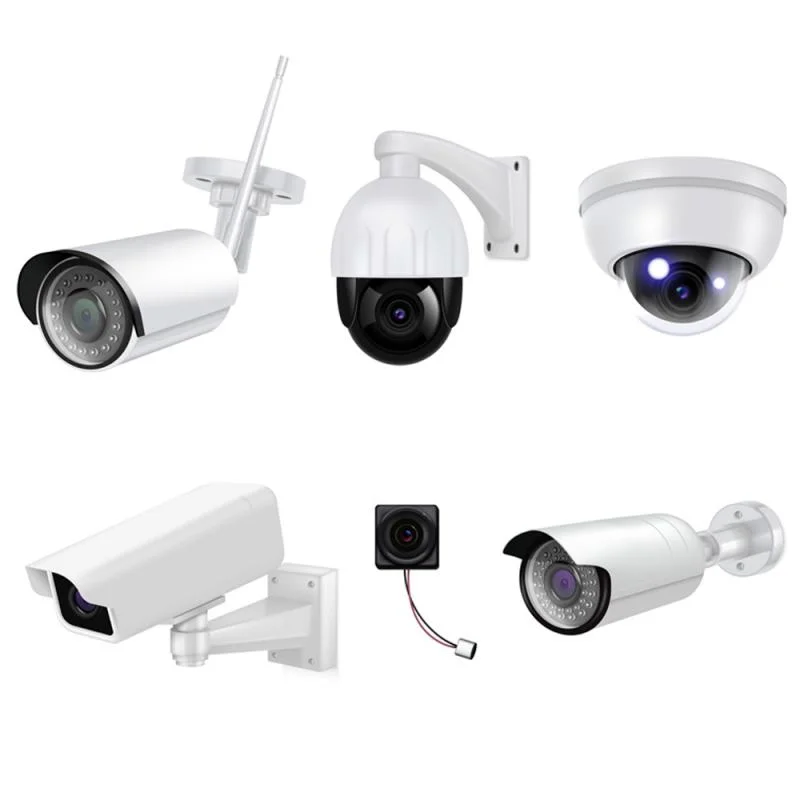
What are Workplace Safety Cameras?
Workplace safety cameras are surveillance devices specifically designed to monitor and enhance safety in various industrial and commercial settings. These cameras provide real-time video feeds, allowing for constant observation of employee activities, safety compliance, and environmental conditions. Equipped with advanced technologies, they serve as a critical tool for preventing accidents, ensuring adherence to safety protocols, and providing evidence in case of incidents.
The primary applications of workplace safety cameras include monitoring hazardous areas, overseeing employee behavior, and recording incidents for training and compliance purposes. Businesses utilize these cameras to enhance workplace safety, reduce liability, and foster a culture of accountability among employees. As workplace safety becomes increasingly prioritized across industries, the demand for these cameras continues to grow, reflecting a broader trend toward the integration of technology in safety management.
In terms of market relevance, workplace safety cameras are becoming essential across various sectors, including manufacturing, construction, hospitality, and healthcare. As regulations tighten and safety standards evolve, companies are investing in these cameras to mitigate risks and ensure compliance with legal requirements. The rise of smart technology and IoT devices also contributes to the growing popularity of enhanced surveillance solutions in workplaces.
Key Features and Specifications
Workplace safety cameras come with a range of features and specifications tailored to meet the unique needs of different environments. Understanding these specifications is crucial for businesses looking to enhance their safety protocols.
Key specifications include:
1. Resolution
- High-definition video quality ensures clear images for detailed monitoring.
- Typical resolutions range from 720p to 4K.
2. Field of View
- Wide-angle lenses cover larger areas for comprehensive surveillance.
- Field of view can range from 90 to 180 degrees.
3. Night Vision
- Infrared capabilities allow for visibility in low-light conditions.
- Night vision range typically extends up to 30 meters.
4. Motion Detection
- Advanced sensors trigger recording when movement is detected.
- Adjustable sensitivity settings help reduce false alarms.
5. Remote Access
- Users can view live feeds via mobile devices or computers.
- Cloud storage options are available for easy access to recorded footage.
6. Weather Resistance
- Cameras are designed to withstand harsh environmental conditions.
- IP ratings typically range from IP65 to IP67.
7. Audio Capabilities
- Two-way audio features allow for communication through the camera.
- Integrated microphones capture sound for comprehensive monitoring.
8. Power Options
- Cameras can be powered via traditional electrical outlets or PoE.
- Battery-operated options are available for flexibility in installation.
In summary, these specifications enhance the functionality and applicability of workplace safety cameras, making them an essential investment for businesses aiming to improve safety and compliance.
Common Applications and Use Cases
Workplace safety cameras find utility across various industries, addressing specific safety and monitoring needs.
1. Manufacturing: Cameras are used to oversee machinery operations, ensuring that safety protocols are followed and minimizing the risk of accidents.
2. Construction: Surveillance cameras monitor job sites to prevent unauthorized access and ensure worker safety in hazardous environments.
3. Healthcare: Cameras help monitor patient areas, ensuring safety compliance and providing support during emergencies.
4. Retail: In retail environments, cameras assist in loss prevention and monitor employee interactions to enhance customer service.
5. Warehousing: Cameras are used to track inventory handling and ensure that safety procedures are adhered to during loading and unloading operations.
6. Transportation: Surveillance in transport hubs helps monitor loading docks and vehicle movements, improving safety and efficiency.
7. Hospitality: Cameras enhance safety in hotels and restaurants by monitoring public areas and ensuring compliance with safety standards.
Product Variants and Subcategories
Workplace safety cameras come in various configurations to suit different needs and environments. The diversity in product offerings allows businesses to choose the right solution based on their specific requirements.
Variant 1: Indoor Safety Cameras
These cameras are designed for indoor environments, providing high-definition surveillance for office spaces, manufacturing floors, and employee areas. They often come equipped with advanced features such as motion detection and remote access capabilities.
Variant 2: Outdoor Safety Cameras
Built to withstand harsh weather conditions, outdoor safety cameras are ideal for monitoring external areas such as construction sites and parking lots. These cameras typically feature enhanced night vision and weather-resistant housing.
Variant 3: PTZ Cameras
Pan-tilt-zoom (PTZ) cameras offer the ability to remotely control the camera’s movement, allowing for dynamic monitoring of large areas. They are particularly useful in environments where surveillance of multiple areas is required.
Variant 4: Wireless Safety Cameras
Wireless cameras provide flexibility in installation, making them suitable for temporary setups or areas without existing wiring. They can connect to Wi-Fi for remote monitoring and data storage.
Benefits and Advantages
Investing in workplace safety cameras presents several key advantages for businesses looking to improve safety and compliance.
1. Enhanced Safety: Continuous monitoring helps identify potential hazards, allowing for prompt corrective action to prevent accidents.
2. Liability Reduction: Recorded footage provides documentation that can be invaluable in case of disputes or investigations, reducing liability risks.
3. Employee Accountability: Surveillance encourages employees to adhere to safety protocols, fostering a culture of responsibility and compliance.
4. Improved Training: Footage of incidents can be used in training programs, helping employees learn from real-life scenarios and improve their safety practices.
5. Increased Productivity: Monitoring can lead to improved workflow and efficiency, as employees are more likely to stay focused when aware of surveillance.
6. Remote Monitoring: Businesses can keep an eye on operations from anywhere, ensuring safety even when management is not on-site.
Buying Guide for B2B Buyers
When considering the purchase of workplace safety cameras, businesses should evaluate several key factors to ensure they make an informed decision.
1. Quality Assessment: It is crucial to assess the quality of the cameras by reviewing specifications such as resolution, durability, and features. Choose brands known for reliability and performance in industrial settings.
2. Supplier Verification: Vet potential suppliers by checking their reputation, customer reviews, and the quality of their products. This ensures that you source from trusted manufacturers.
3. Pricing and MOQ: Understand the pricing structure and minimum order quantities (MOQ) to ensure that the investment aligns with your budget and operational needs.
4. Delivery and Lead Times: Consider logistics and expected lead times for delivery. Timeliness can significantly impact your operations, so choose suppliers who can meet your deadlines.
5. Compliance Requirements: Be aware of any industry-specific regulations or standards that may apply to the cameras, ensuring that your purchase complies with necessary safety and quality requirements.
Compliance and Certifications
Workplace safety cameras must adhere to relevant quality and safety standards to ensure they function effectively and meet regulatory requirements. Key standards include ISO 9001, which focuses on quality management systems and ensures consistency in production and service delivery.
Additionally, industry certifications such as CE signify compliance with European safety regulations, ensuring that products meet health, safety, and environmental protection standards.
In many regions, safety and testing requirements mandate rigorous evaluations of surveillance equipment to confirm their reliability in critical applications. Companies must also consider regional compliance, as these requirements may vary by location, impacting the selection and installation of workplace safety cameras.
Why Source Workplace Safety Cameras from Pepagora?
Pepagora offers a reliable platform for sourcing workplace safety cameras, providing businesses with several key advantages that enhance the purchasing experience.
Verified Supplier Network: Pepagora collaborates with a network of verified suppliers, ensuring that buyers have access to high-quality products from trusted manufacturers. This verification process helps mitigate risks associated with sourcing equipment.
Streamlined RFQ Process: The platform features a streamlined Request for Quotation (RFQ) system, allowing buyers to easily compare prices and specifications from multiple suppliers. This transparency facilitates informed decision-making.
Trade Assurance and Support: Pepagora provides trade assurance, protecting buyers through various measures that promote secure transactions and reliable support. This buyer protection fosters confidence in the purchasing process.
Regional Coverage: With a broad geographic reach, including India, the GCC, and Southeast Asia, Pepagora connects businesses with suppliers across these regions, ensuring access to a diverse range of workplace safety camera solutions.
By choosing Pepagora, businesses can simplify their sourcing process while securing top-quality workplace safety cameras that meet their specific needs.

 IN
IN