What are Other Safety Equipment?
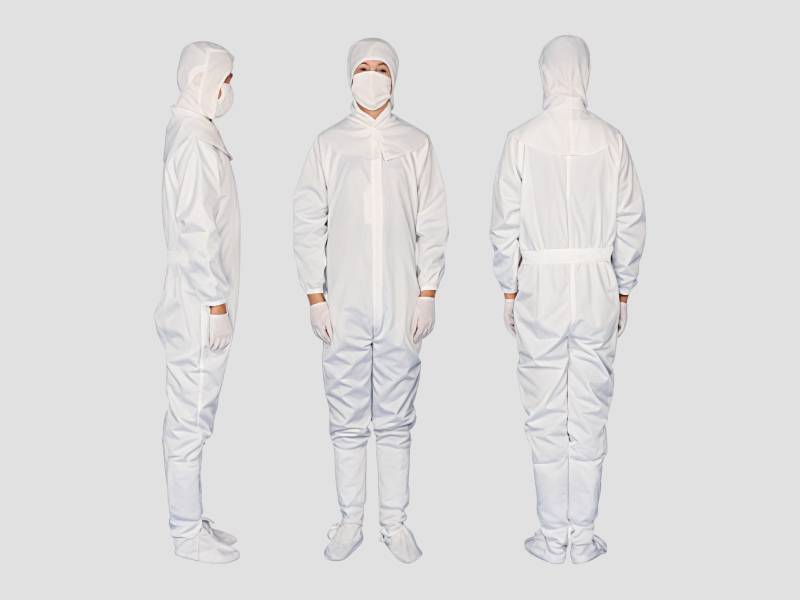
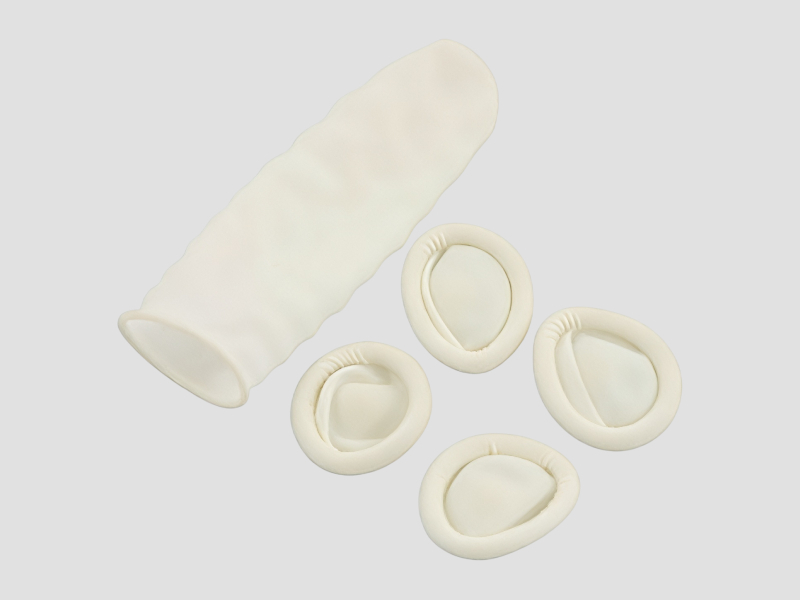
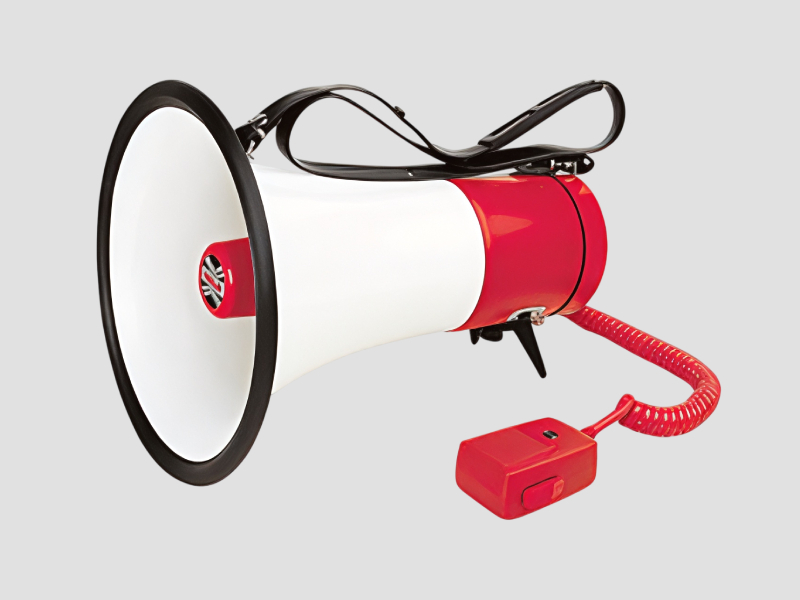
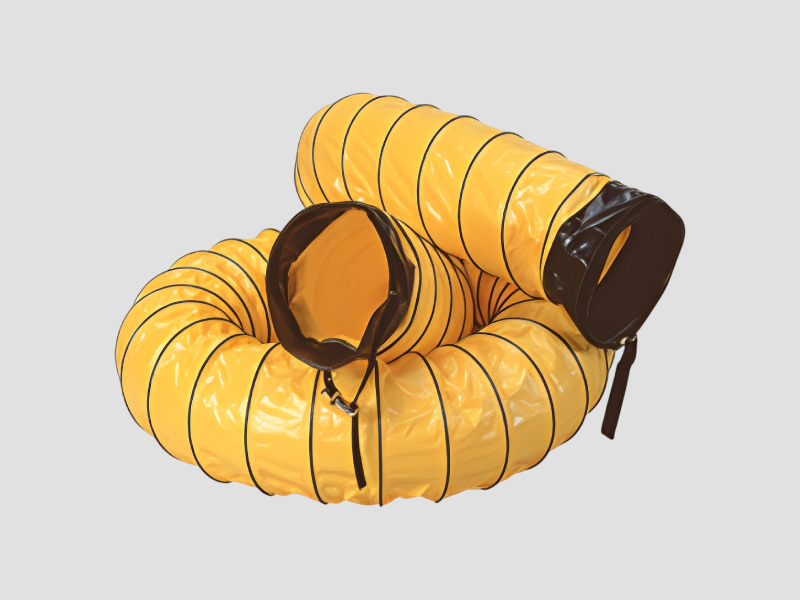
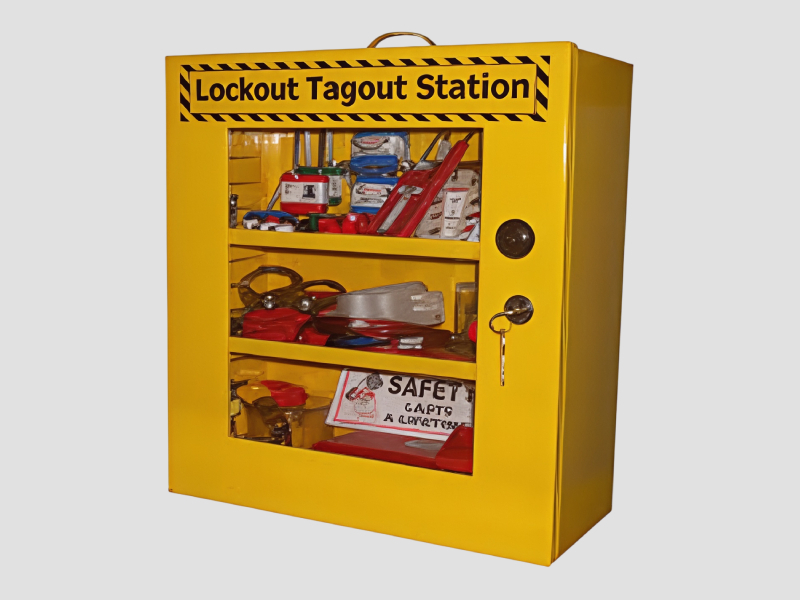
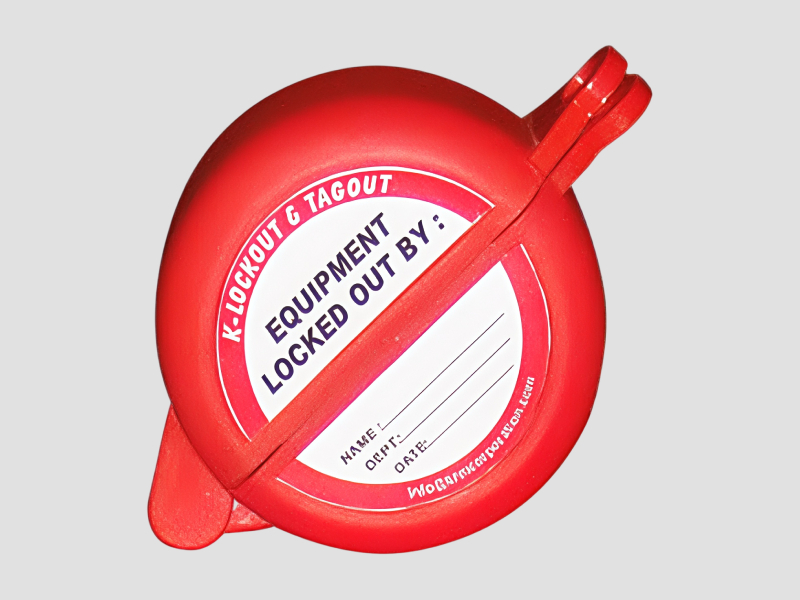
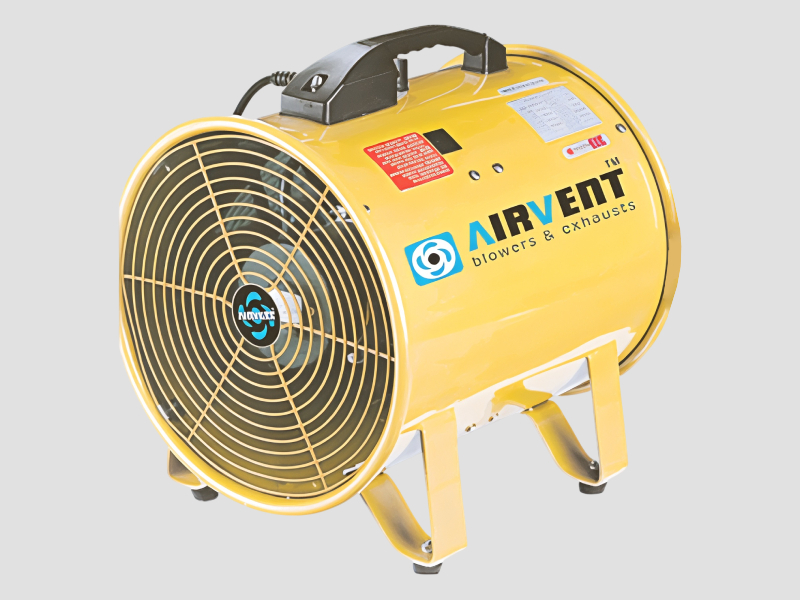
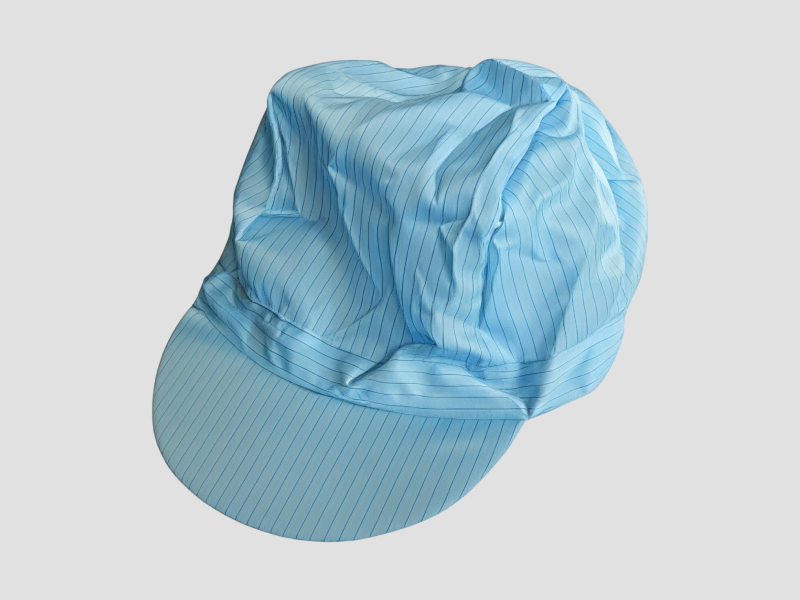
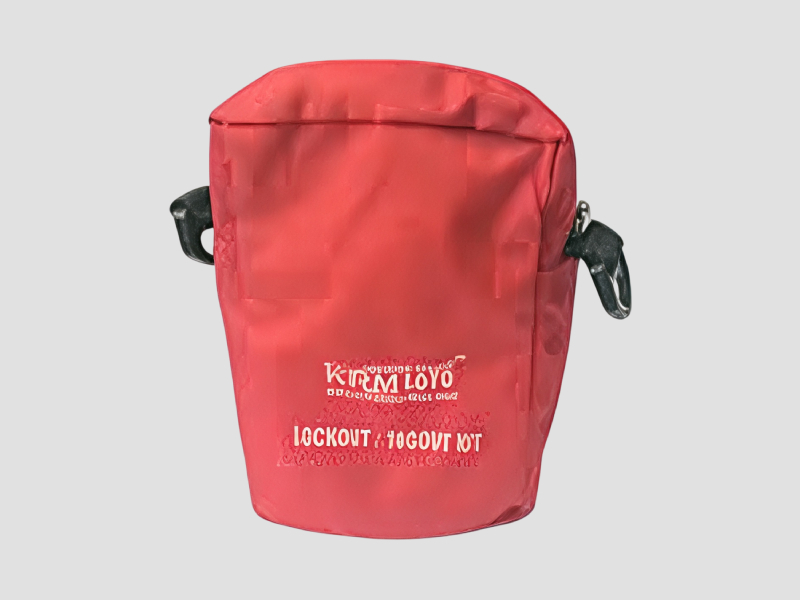
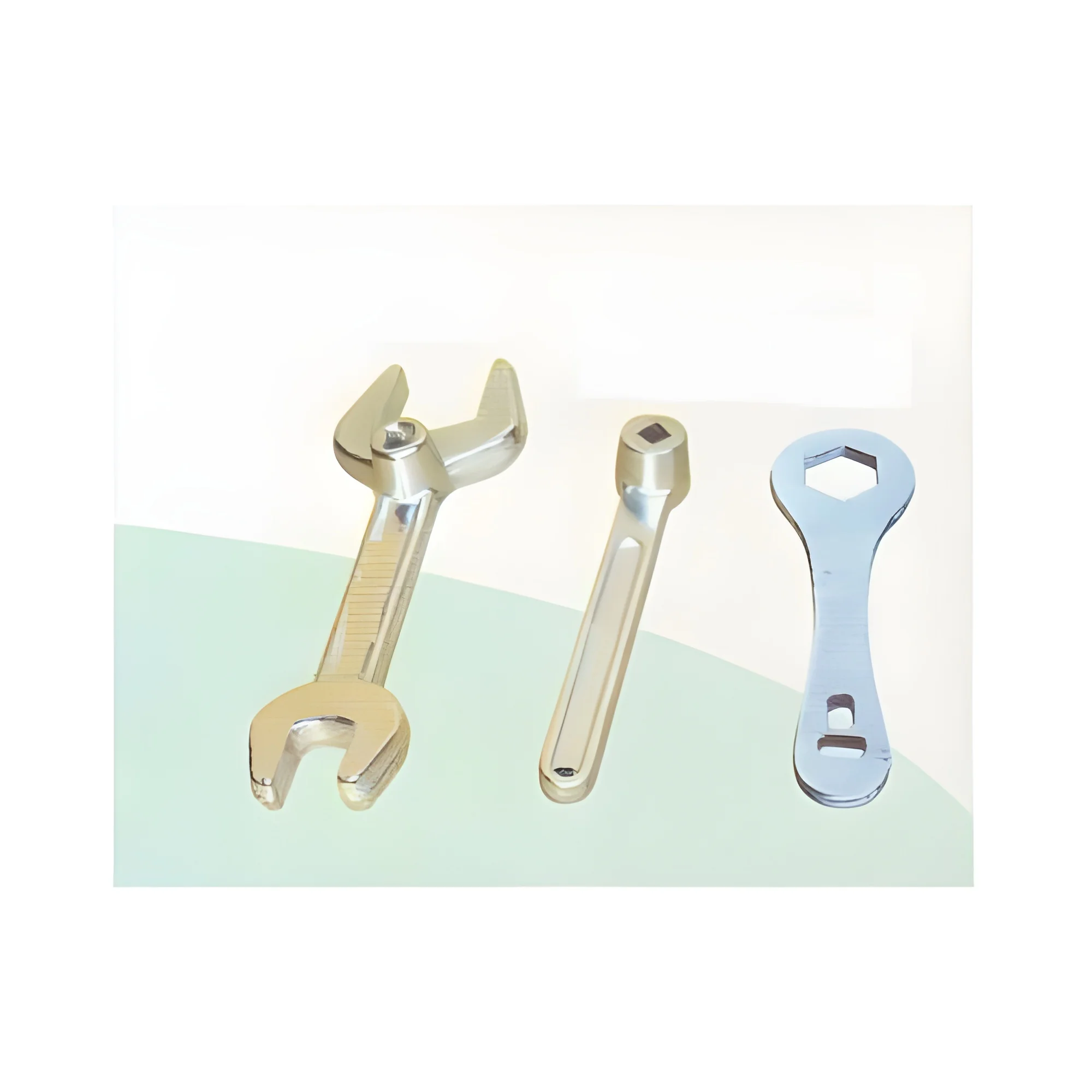
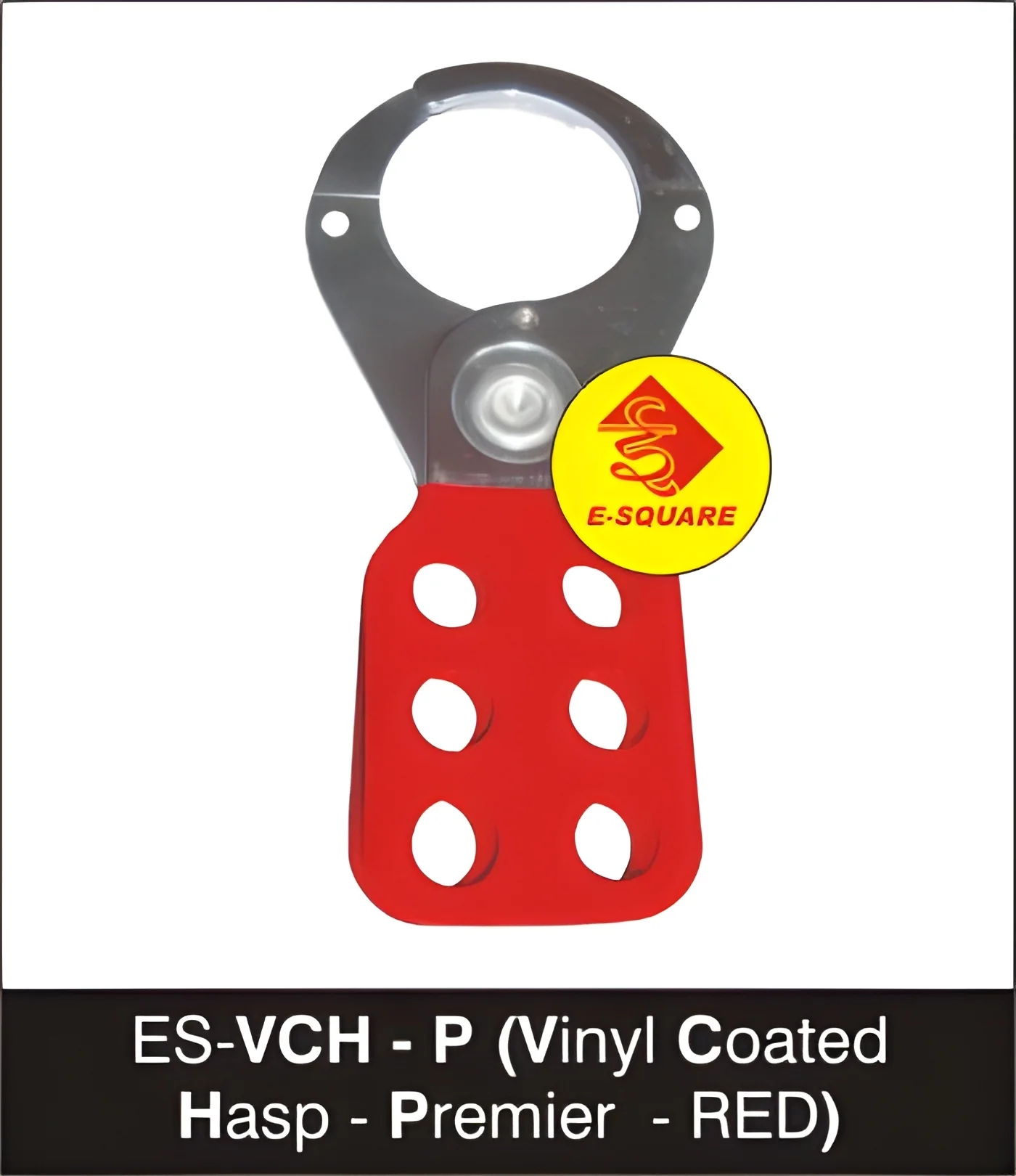
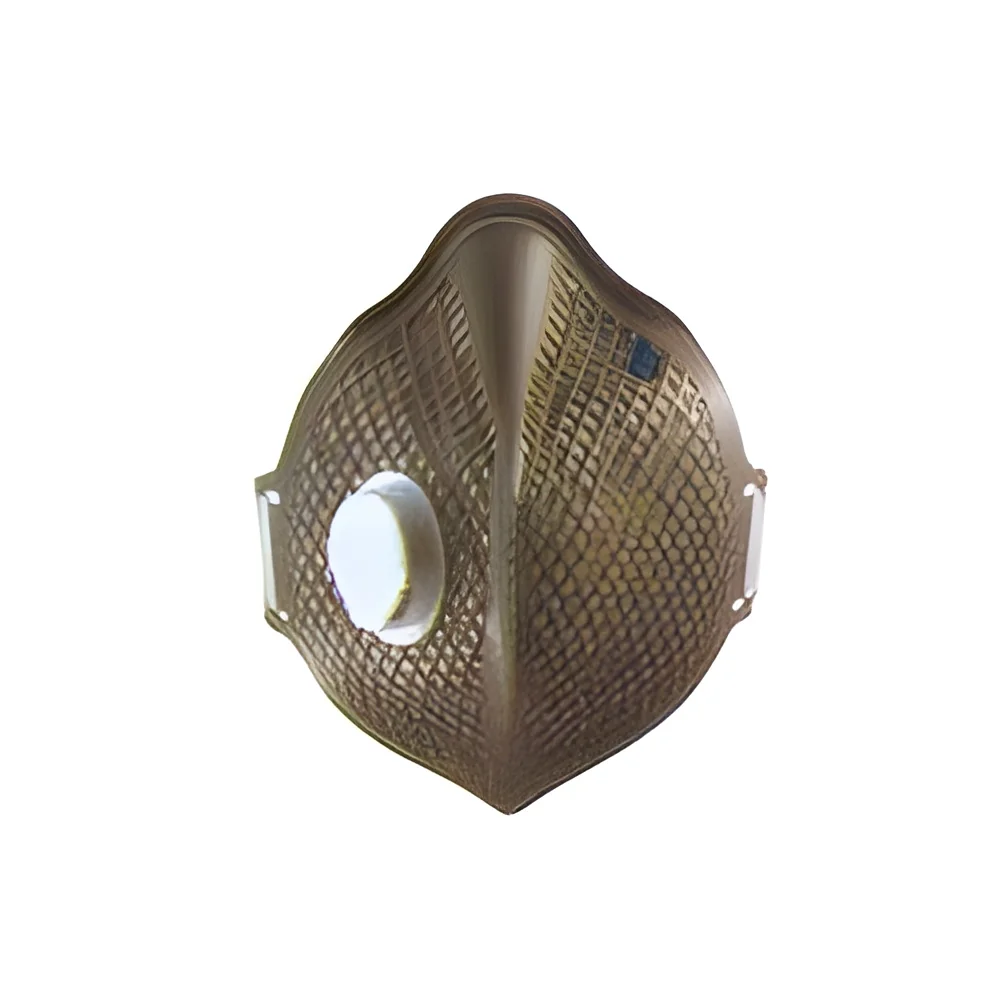
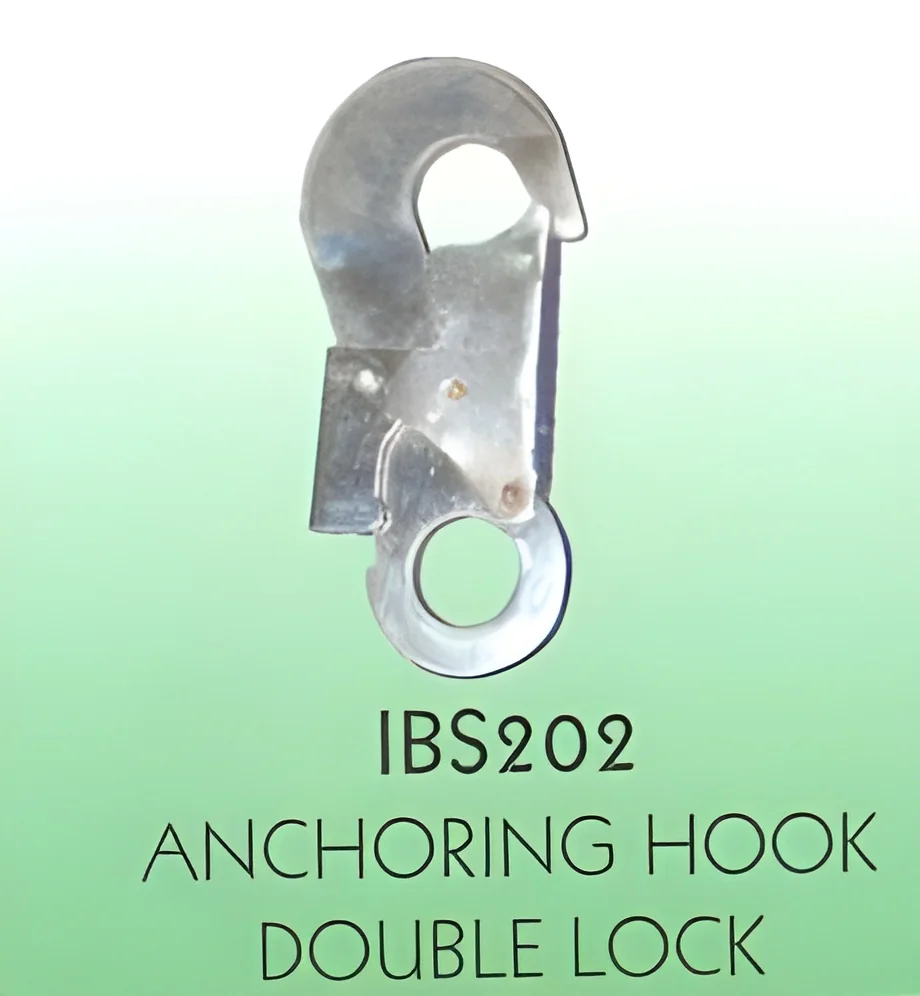
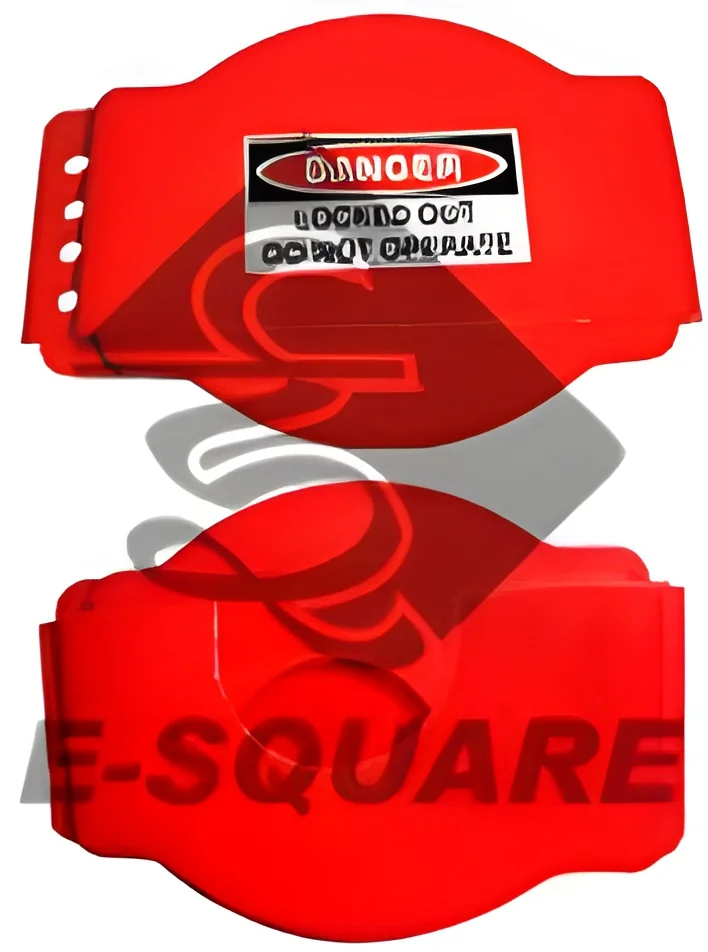
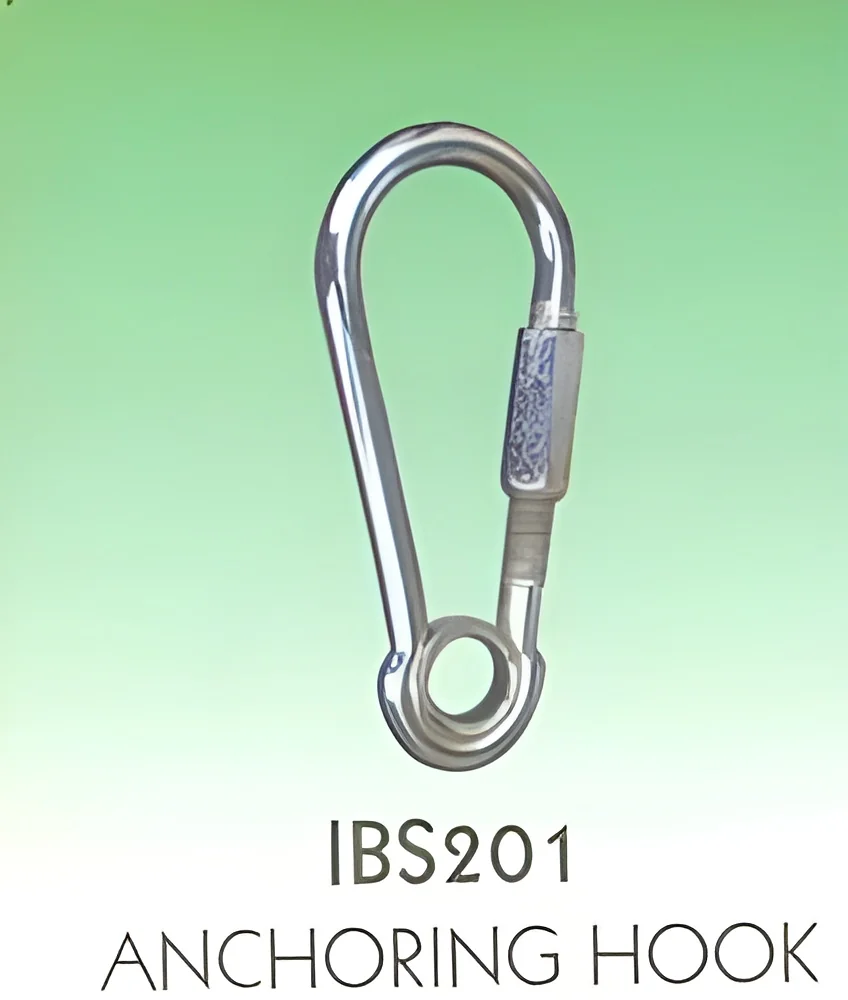
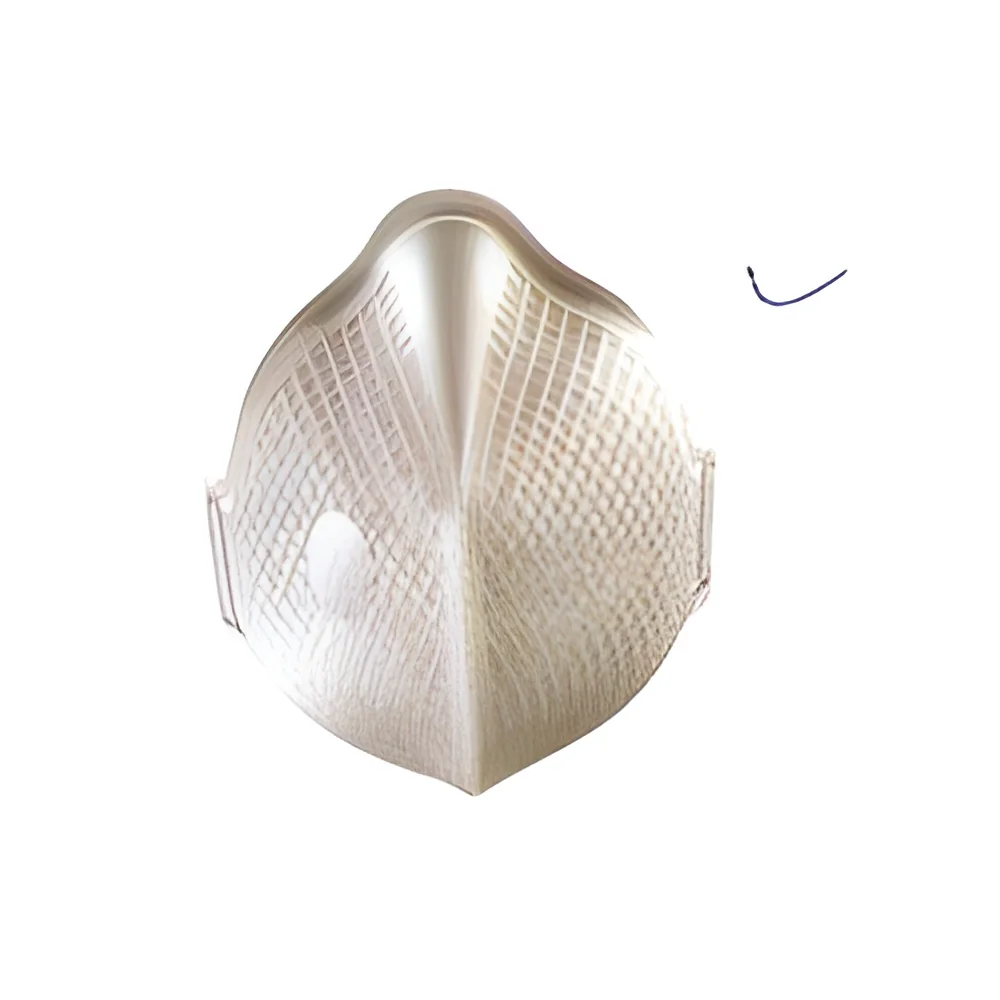
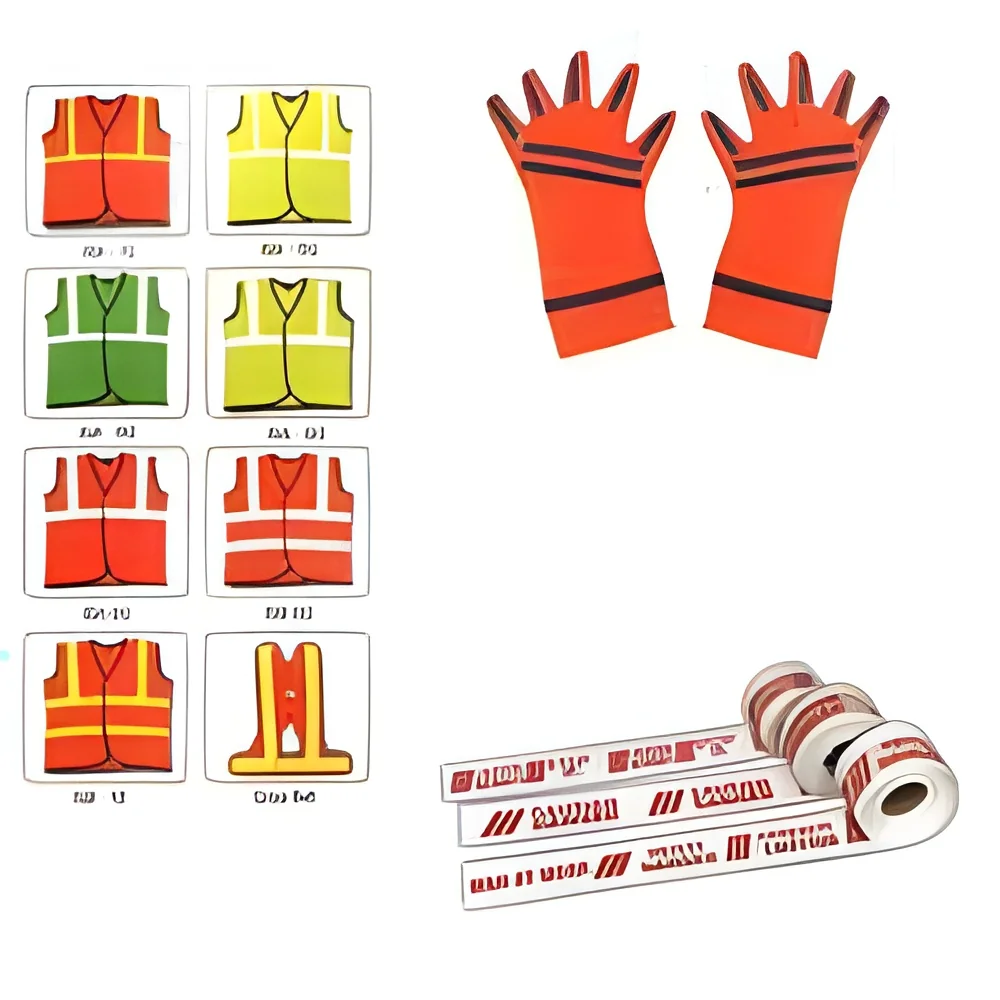
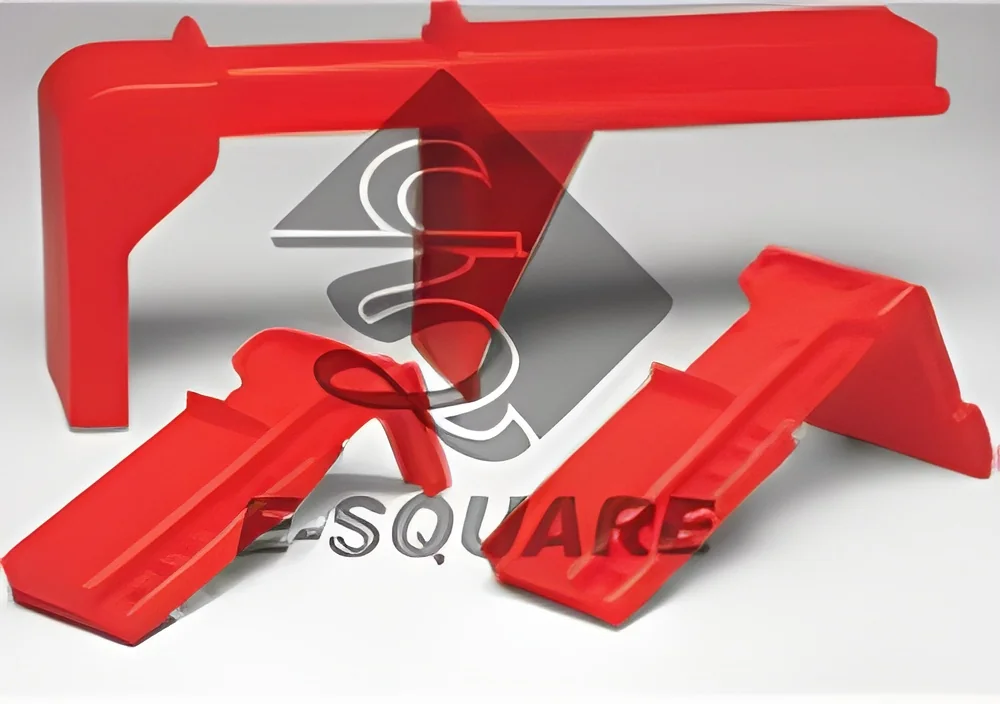
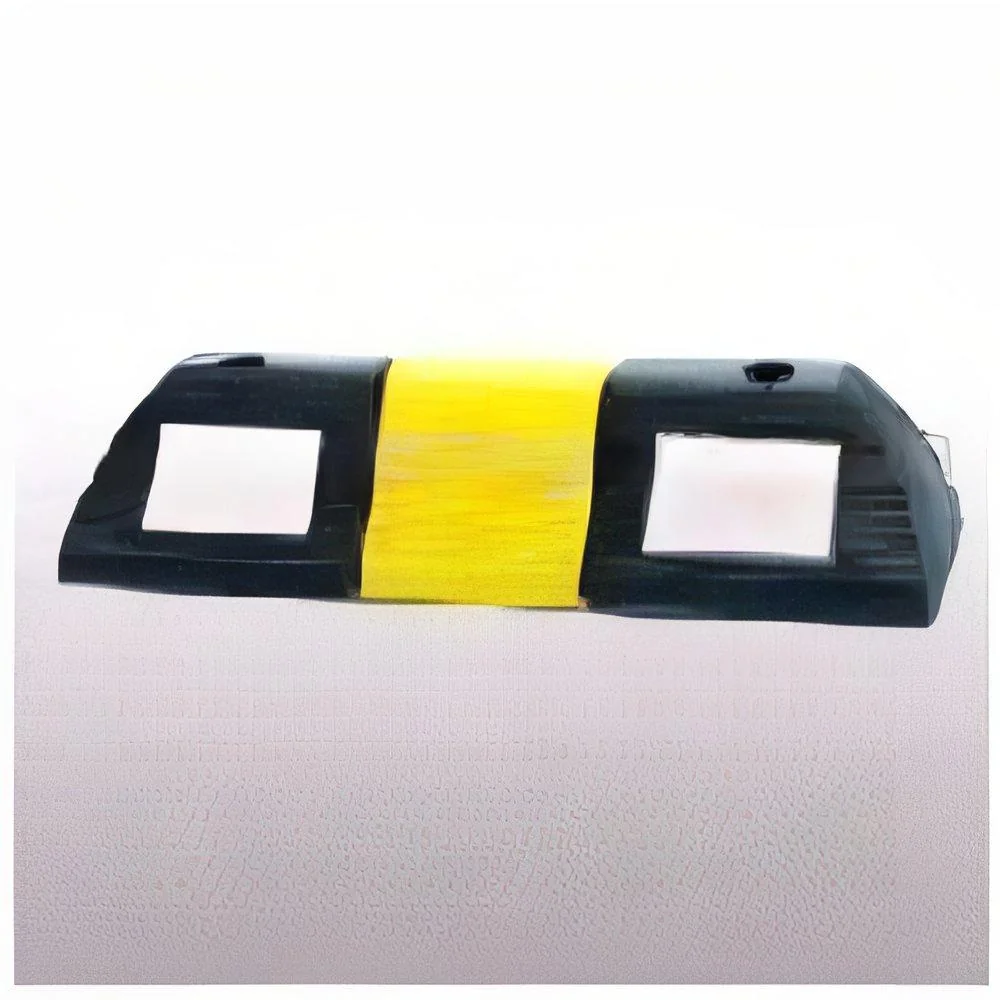
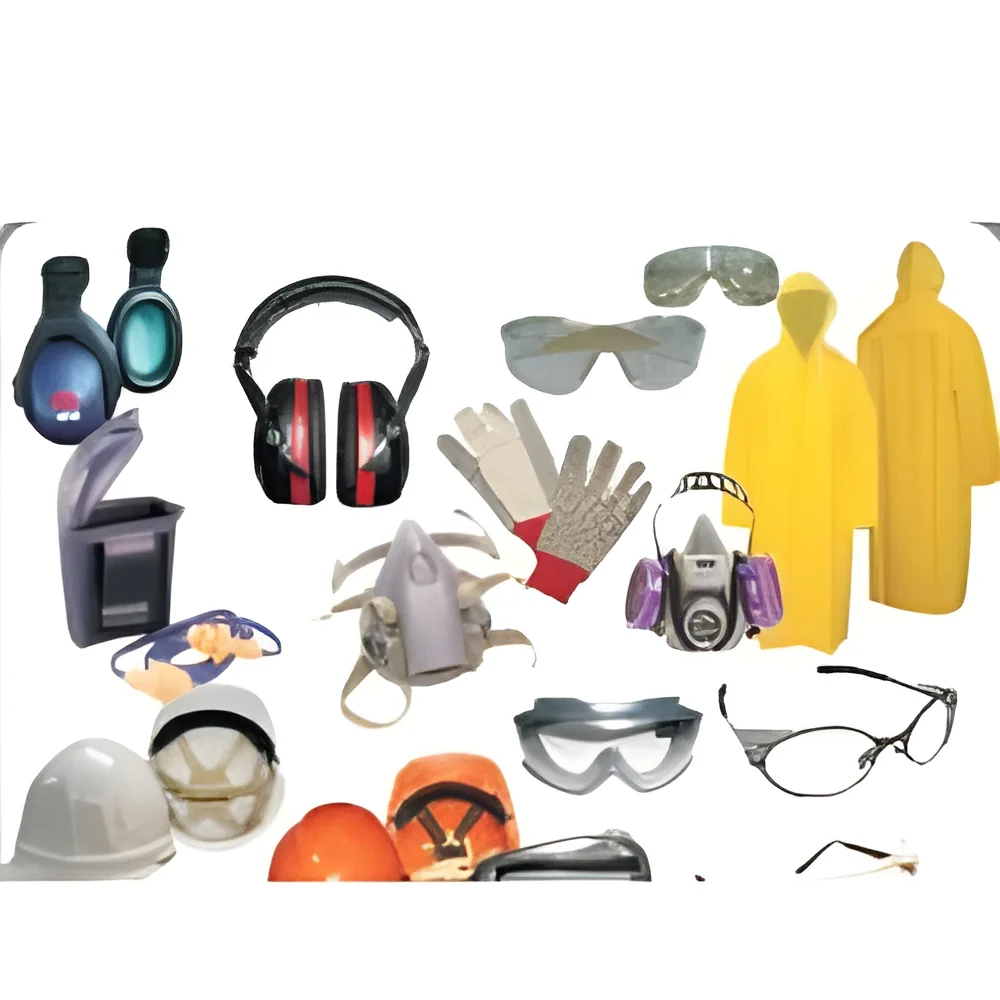
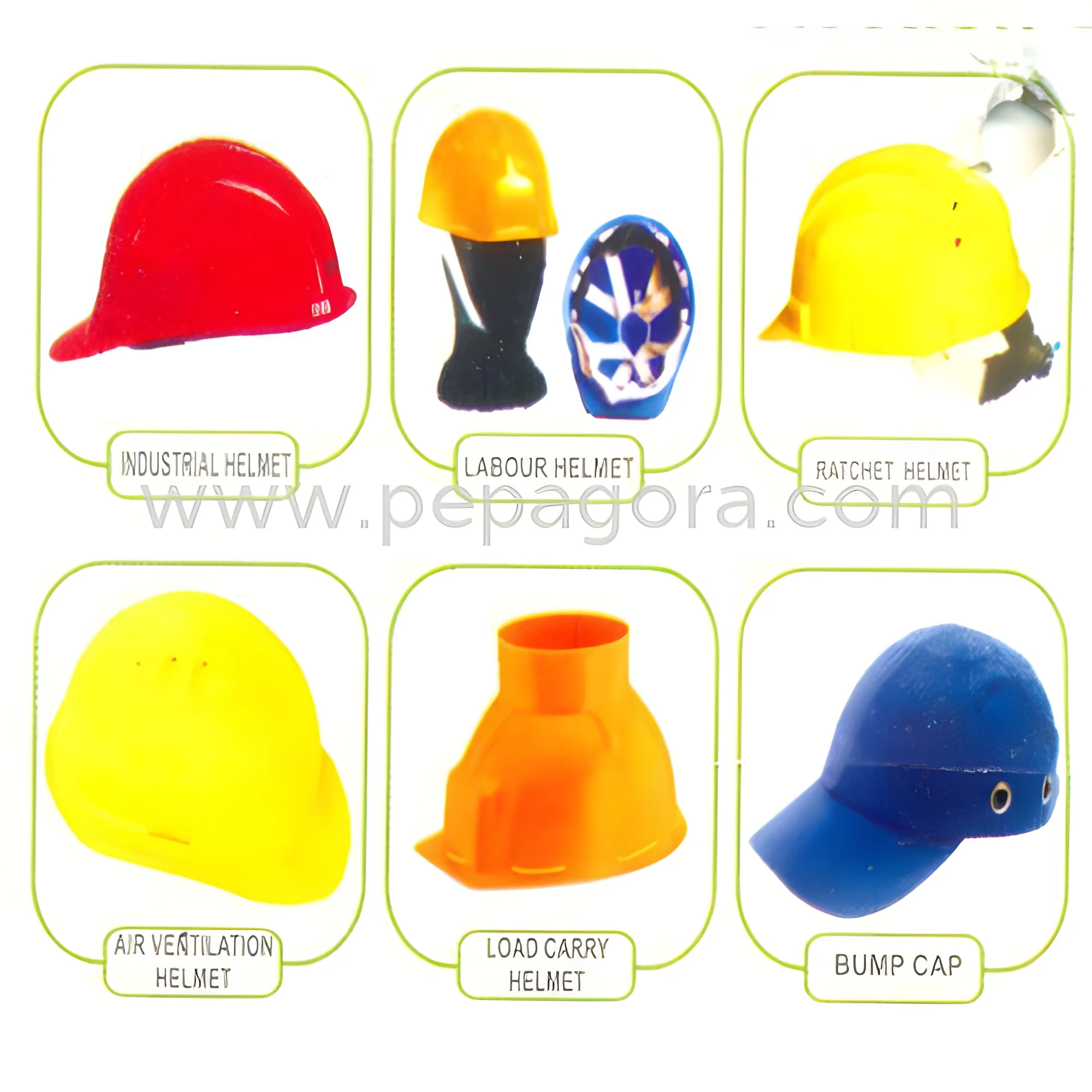
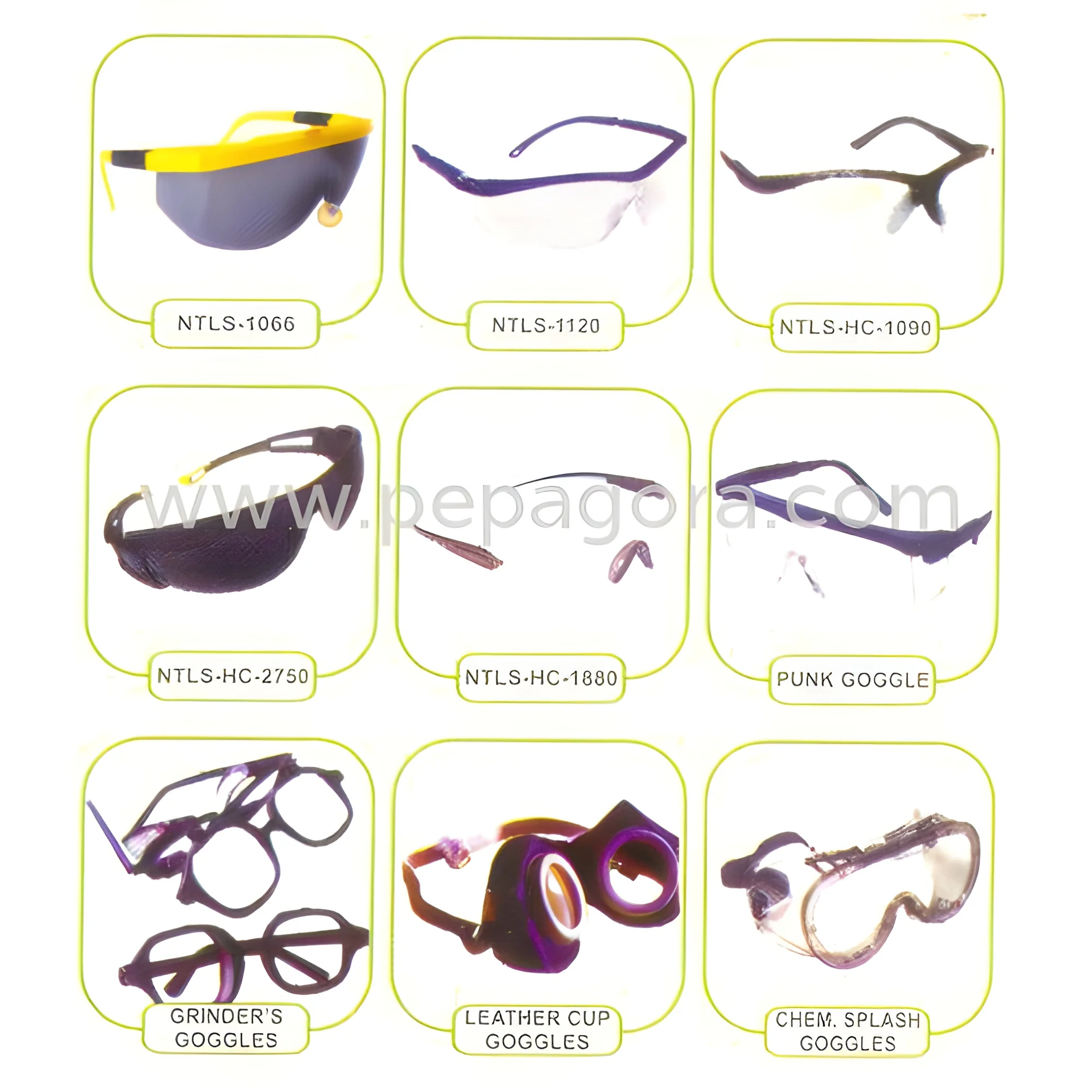
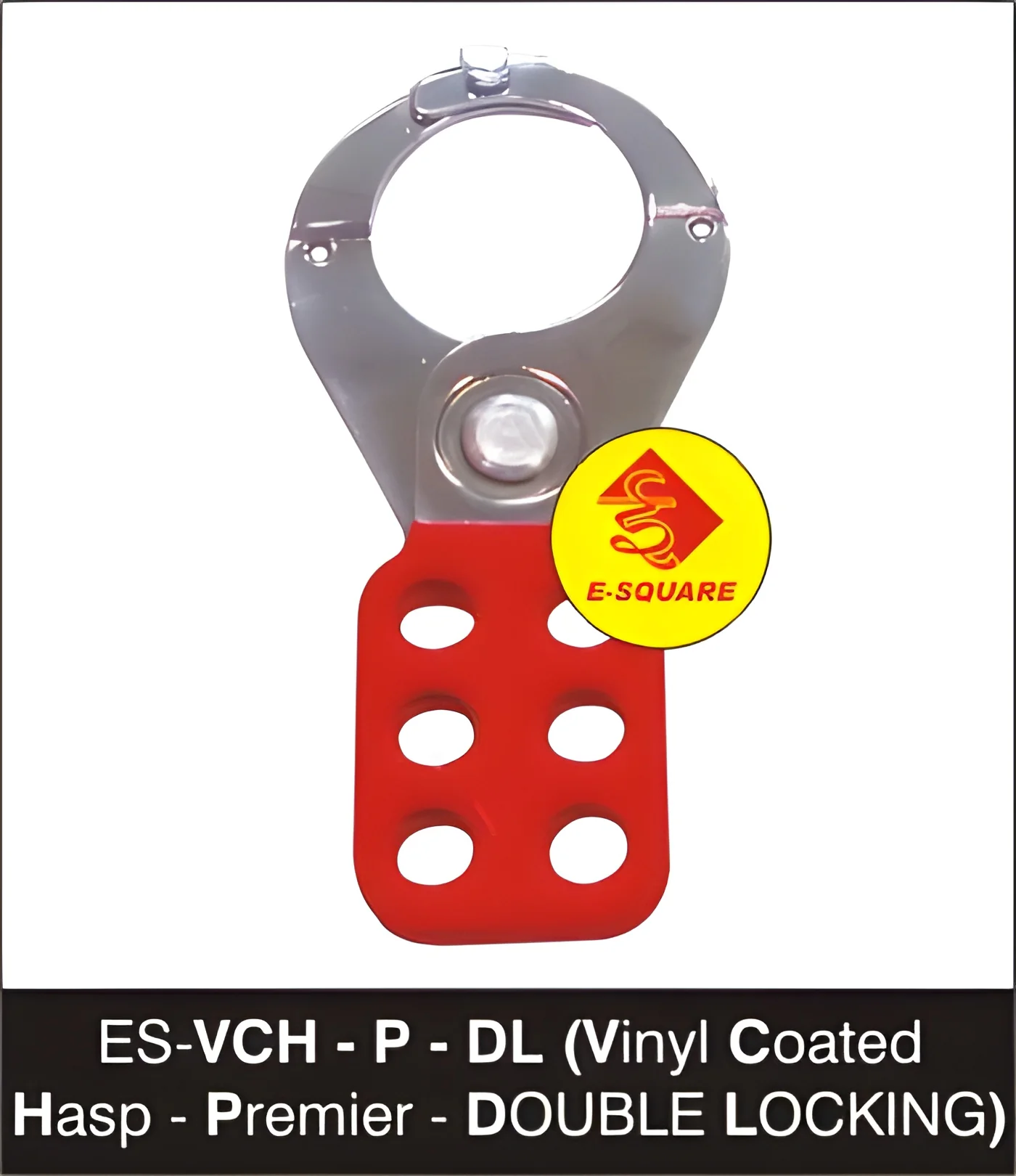
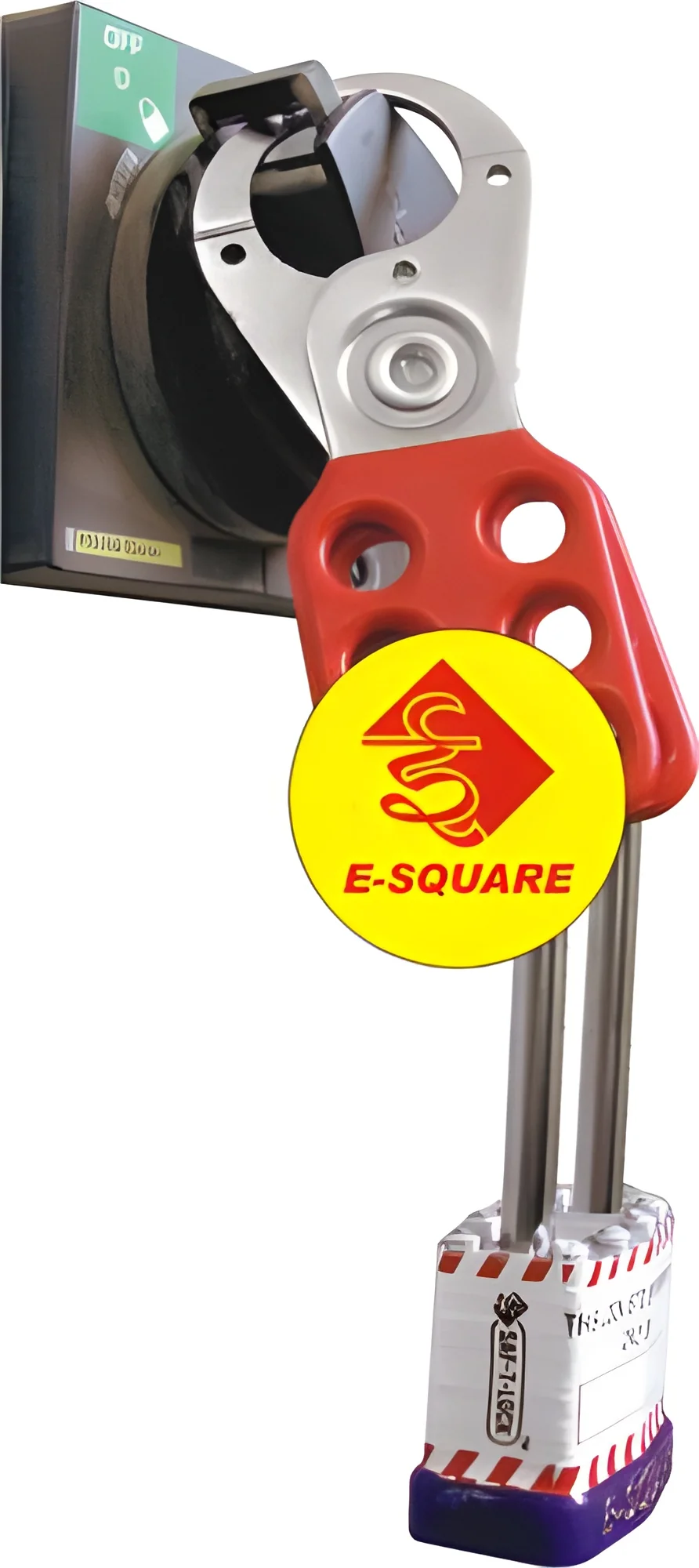
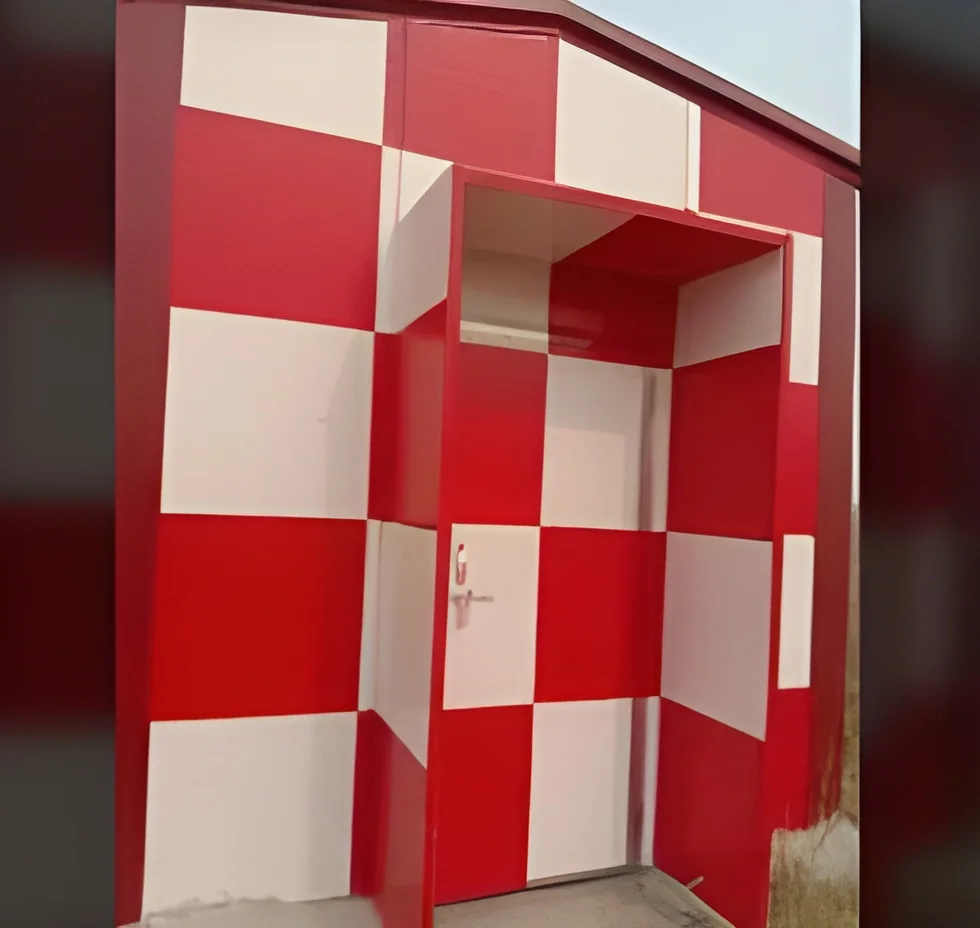
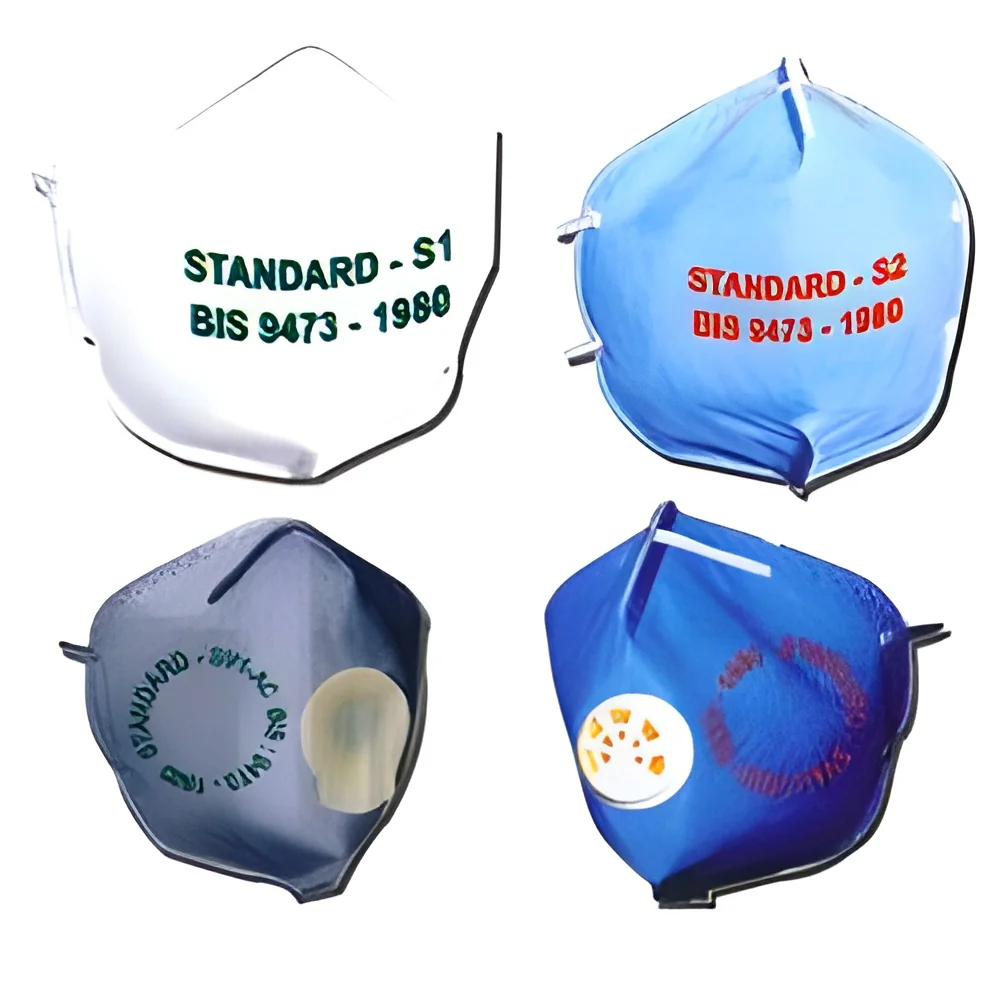
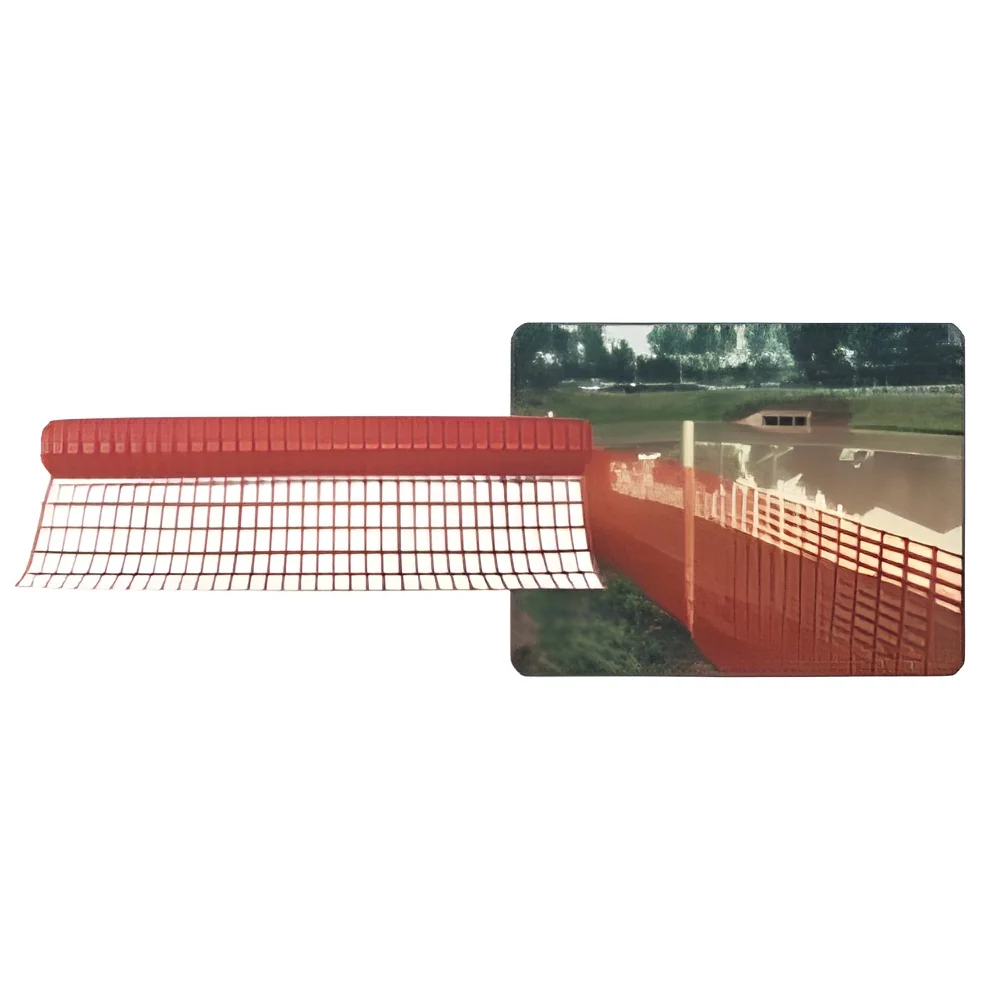
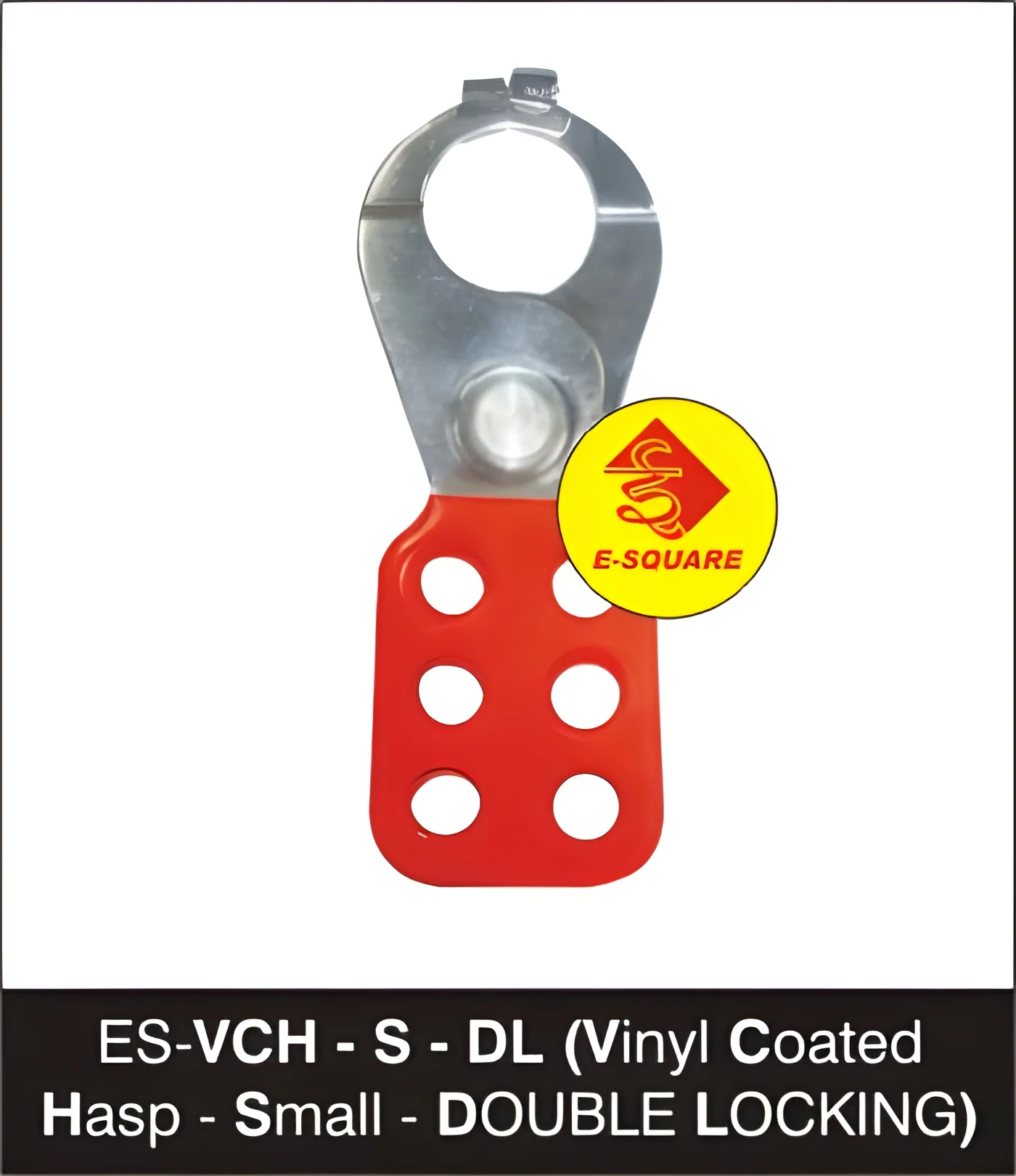
Other Safety Equipment encompasses a wide range of products designed to protect workers in various industrial environments. This category includes items that are not classified under conventional personal protective equipment (PPE) but are essential for maintaining safety standards in the workplace. Examples include safety barriers, emergency eyewash stations, and spill containment products. The primary goal of these safety solutions is to minimize risks and ensure a safe working environment for employees.
These products are widely used across multiple industries, including manufacturing, construction, and healthcare, where safety regulations are stringent. Businesses use Other Safety Equipment to comply with legal requirements and to foster a culture of safety within their operations. The relevance of this equipment in today’s market is underscored by the increasing emphasis on workplace safety and the growing number of regulations governing worker protection. Companies that prioritize safety are not only protecting their employees but also enhancing their reputation and operational efficiency.
Key Features and Specifications
When considering Other Safety Equipment, it is essential to understand the key features and specifications that define its effectiveness and applicability. These specifications help businesses select the right products that meet their specific safety needs and compliance requirements.
Key specifications include:
1. Material Durability
- High-quality materials ensure long-lasting performance
- Resistance to wear and environmental factors
2. Compliance Standards
- Adherence to industry safety standards such as CE marking
- Certifications that validate product reliability and safety
3. Ease of Installation
- User-friendly design for quick setup
- Minimal maintenance requirements
4. Versatility
- Suitable for various applications across different industries
- Adaptable to specific safety protocols
5. Size and Dimensions
- Available in multiple sizes to fit different environments
- Custom sizes may be available upon request
6. Performance Testing
- Products undergo rigorous testing to ensure reliability
- Independent testing may validate product claims
7. Safety Features
- Integrated safety mechanisms to prevent accidents
- Design considerations that enhance user protection
8. Environmental Impact
- Eco-friendly materials and processes
- Compliance with environmental regulations
In summary, understanding these specifications is vital for businesses to make informed purchasing decisions and ensure their safety equipment meets the necessary standards.
Common Applications and Use Cases
Other Safety Equipment plays a crucial role in various industries by providing solutions tailored to specific challenges.
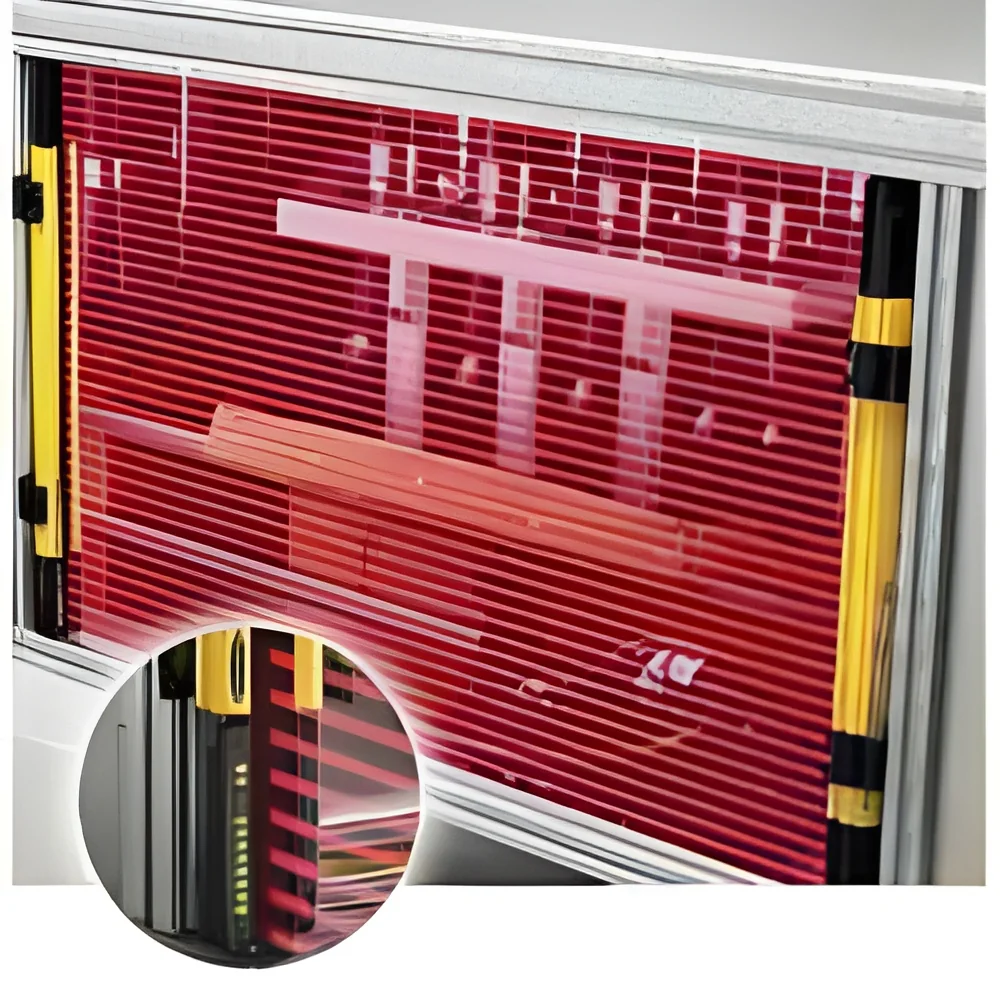
1. Manufacturing: In manufacturing plants, safety barriers and guardrails help prevent accidents related to machinery and heavy equipment. Emergency eye wash stations are also crucial for responding to chemical spills.
2. Construction: Construction sites require safety signage and barriers to protect workers from hazards. Temporary fencing can keep unauthorized individuals away from dangerous areas.
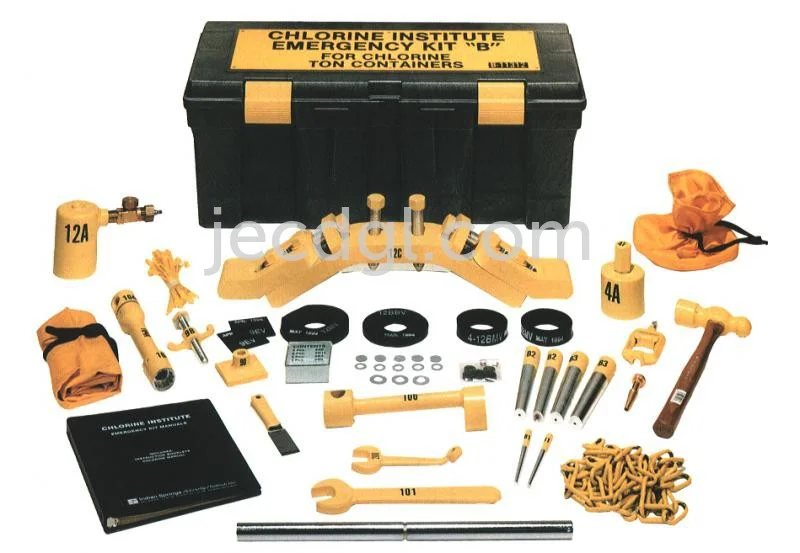
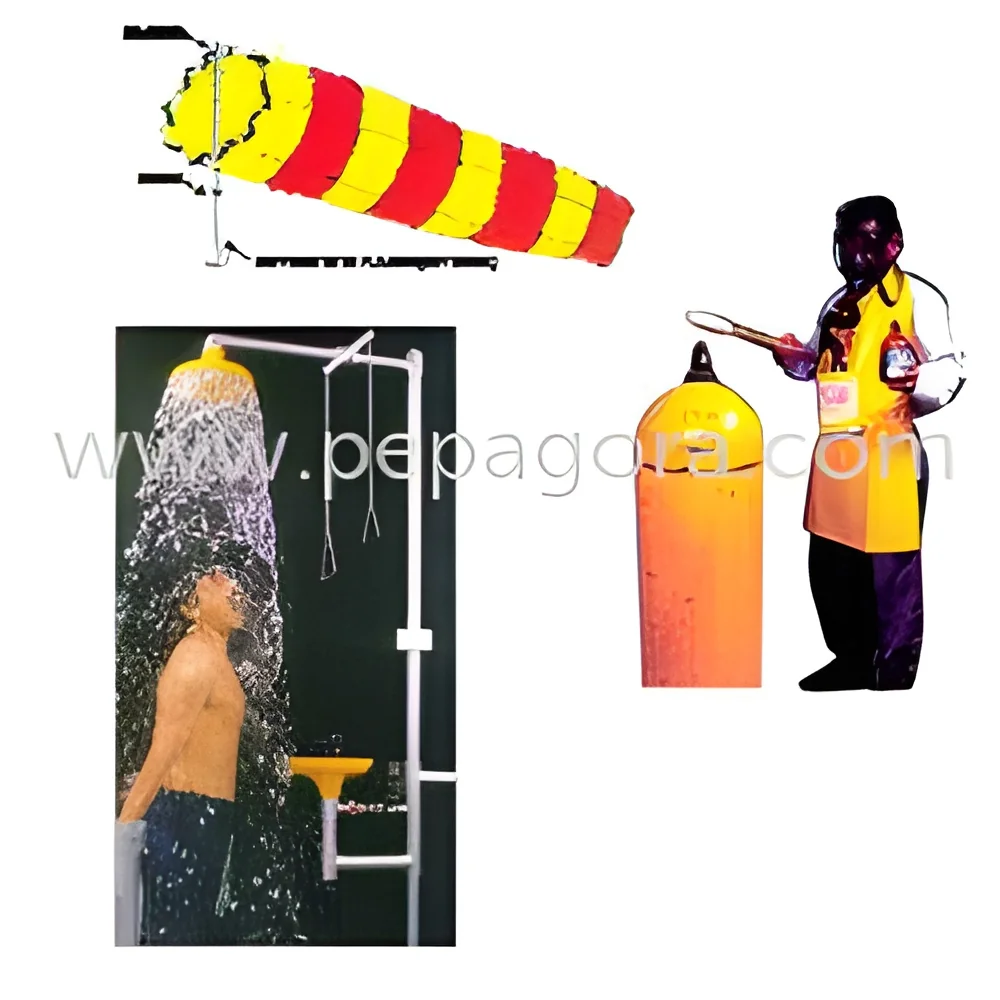
3. Healthcare: In healthcare settings, spill containment products are essential for managing hazardous materials. Emergency safety showers and eyewash stations are vital for protecting staff in case of chemical exposure.
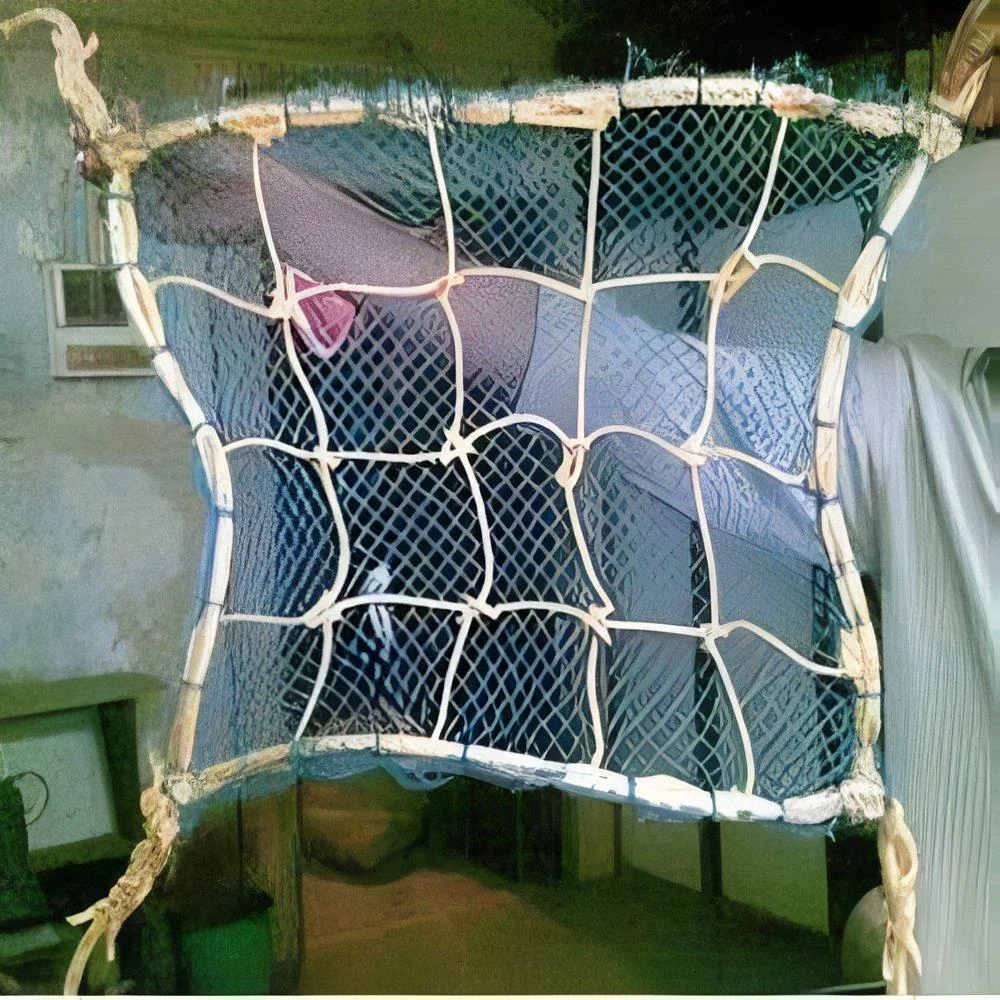
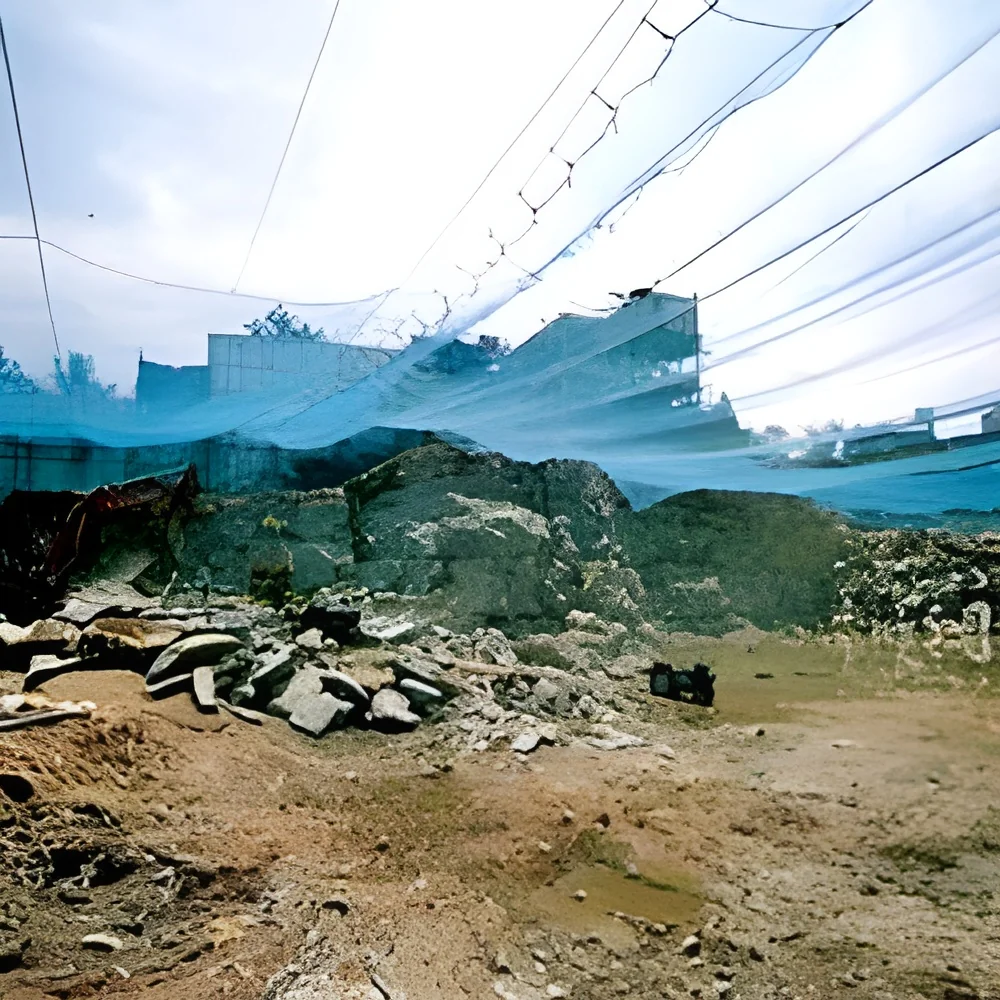
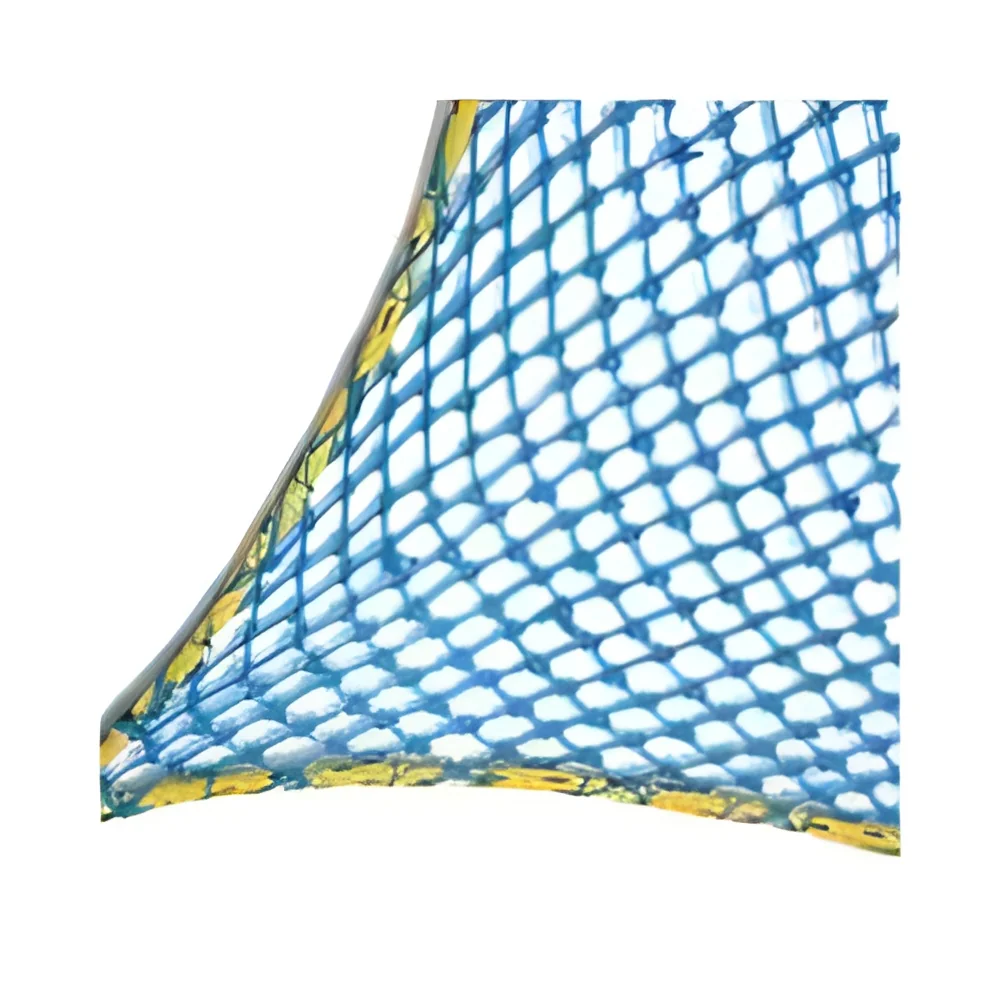
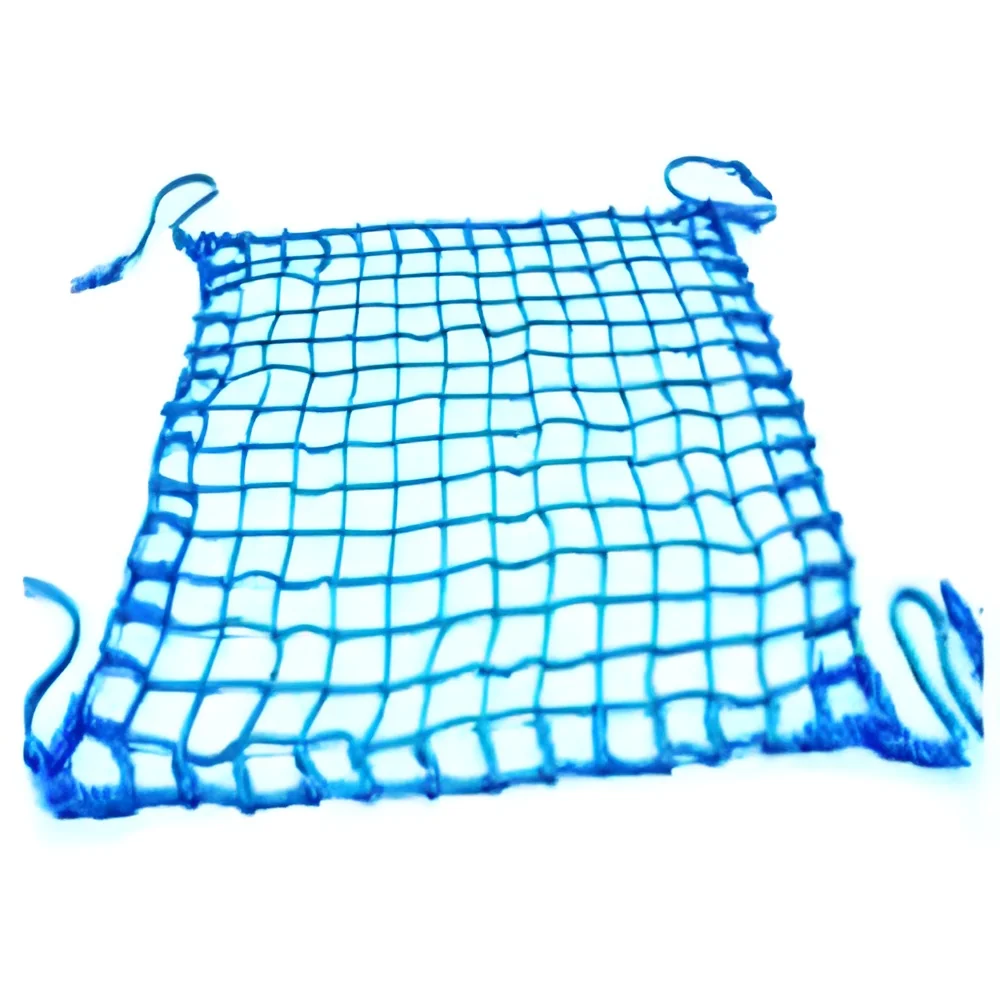
4. Warehousing: Safety equipment such as pallet racking safety nets and fall protection gear is essential in warehouses to prevent accidents during material handling.
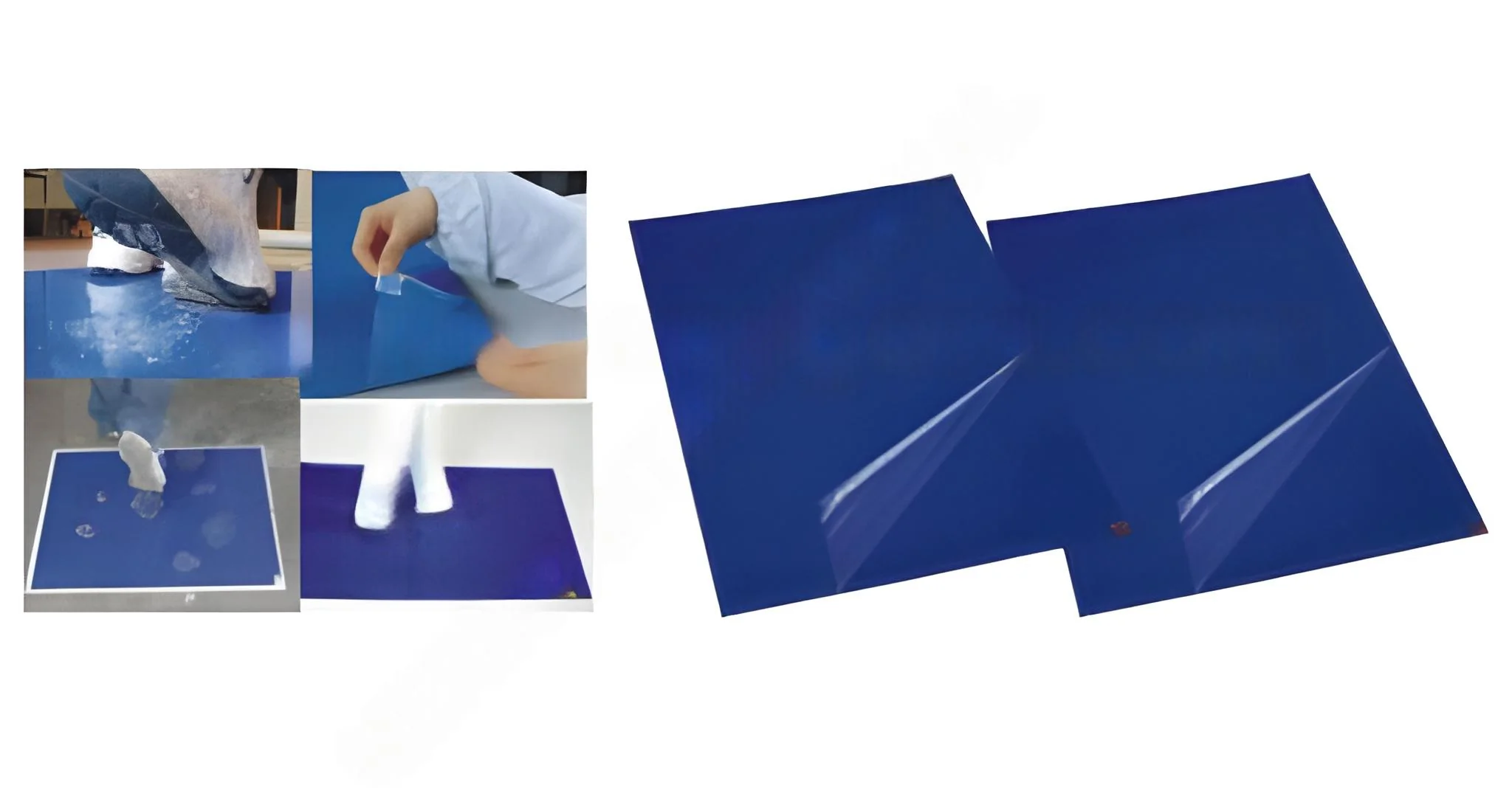
5. Hospitality: In hotels and restaurants, slip-resistant mats and safety signage help prevent accidents, ensuring a safe environment for both staff and guests.
Product Variants and Subcategories
While specific subcategories are not available, it is important to recognize the diversity of Other Safety Equipment.
Safety Barriers
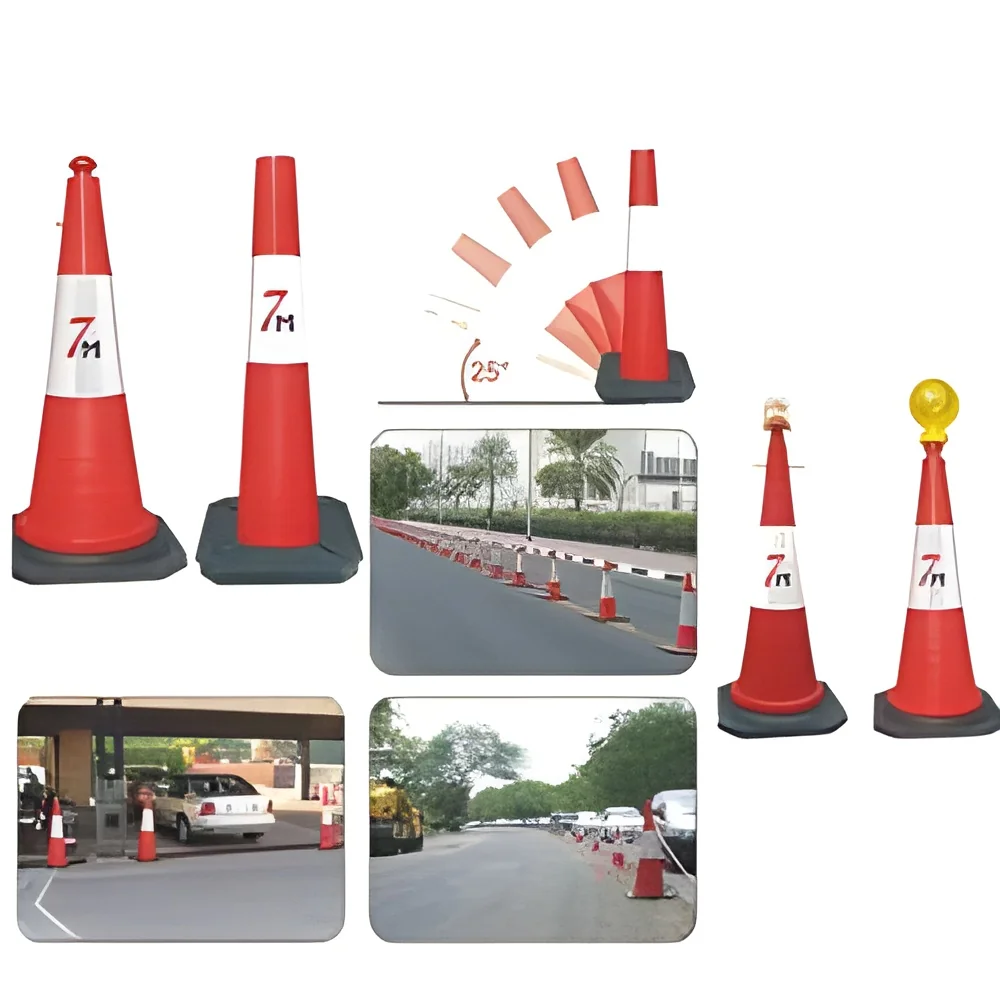
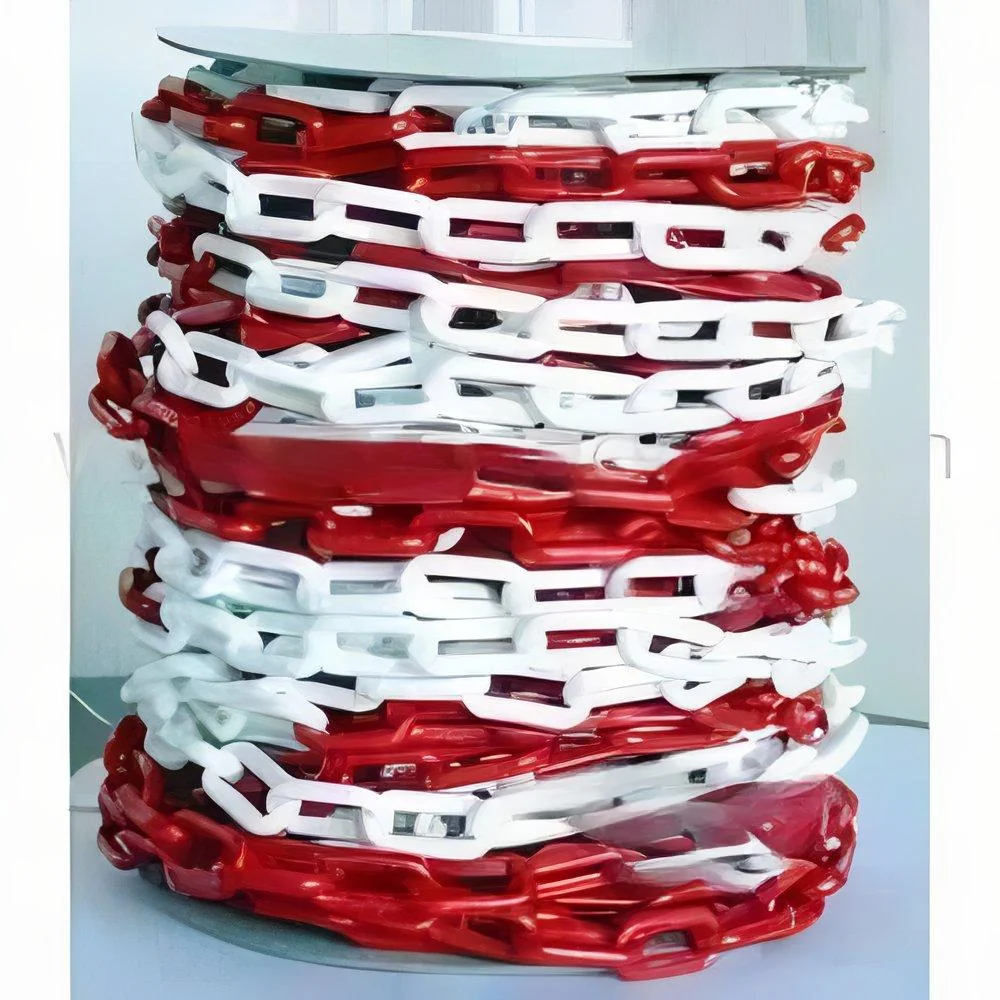
Safety barriers are designed to control access to hazardous areas, protecting both workers and visitors. They can be used in various settings, from manufacturing plants to construction zones.
Emergency Eyewash Stations
These stations provide immediate access to flushing fluids, ensuring quick action in the event of chemical exposure. They are critical in laboratories and industrial environments where hazardous materials are handled.
Spill Containment Products
These products are designed to manage and contain spills of hazardous substances, preventing environmental contamination. They are widely used in industries such as oil and gas, chemicals, and manufacturing.
Benefits and Advantages
Investing in Other Safety Equipment offers numerous advantages for businesses looking to enhance workplace safety.
1. Increased Safety: These products significantly reduce the risk of accidents and injuries in the workplace, promoting a safer environment for employees.
2. Regulatory Compliance: Utilizing safety equipment helps businesses meet legal safety requirements, avoiding fines and legal repercussions.
3. Improved Employee Morale: A commitment to safety enhances employee satisfaction and confidence, leading to higher productivity.
4. Cost Savings: Preventing accidents reduces the potential costs associated with injuries, insurance claims, and legal issues.
5. Enhanced Reputation: Companies known for prioritizing safety are viewed more favorably by clients and stakeholders, enhancing their market position.
6. Versatility: Many safety products can be adapted for use in various industries, providing flexibility and value.
Buying Guide for B2B Buyers
When sourcing Other Safety Equipment, businesses should consider several critical factors to ensure they select the right products.
1. Quality Assessment: Evaluate the quality of materials and construction to ensure long-lasting performance. Look for products that meet recognized safety standards.
2. Supplier Verification: Vet suppliers carefully to ensure they have a track record of reliability and quality. Check for certifications and customer reviews.
3. Pricing and MOQ: Understand the pricing structure and minimum order quantities. Compare prices across suppliers to ensure competitive rates.
4. Delivery and Lead Times: Consider logistics and delivery times to avoid disruptions in operations. Ensure suppliers can meet your timelines.
5. Compliance Requirements: Be aware of specific regulatory needs for your industry to ensure that the equipment meets all safety and compliance standards.
Compliance and Certifications
Compliance and certifications are critical factors that influence the choice of Other Safety Equipment. Products must adhere to relevant quality standards to ensure safety and reliability. Common standards include ISO 9001, which focuses on quality management systems, and CE marking, which signifies conformity with health, safety, and environmental protection standards.
Industry certifications provide further assurance of product quality and performance. Adhering to safety and testing requirements is essential for maintaining compliance. Companies should also consider regional compliance issues, as different areas may have specific regulations governing safety equipment.
Why Source Other Safety Equipment from Pepagora?
Pepagora offers a trusted platform for sourcing Other Safety Equipment with several key advantages.
Verified Supplier Network: Pepagora connects buyers with a network of verified suppliers, ensuring access to high-quality products and reliable service. This verification process helps businesses make informed decisions.
Streamlined RFQ Process: The platform provides a streamlined request for quotation (RFQ) process, simplifying the procurement experience. Buyers can quickly obtain quotes and compare options to find the best fit for their needs.
Trade Assurance and Support: Pepagora offers trade assurance and support to protect buyers. This includes assistance with order tracking and resolution of any issues that may arise during the procurement process.
Regional Coverage: With a broad geographic reach in regions like India, the GCC, and Southeast Asia, Pepagora serves a diverse clientele. This coverage helps businesses find suitable safety solutions tailored to their specific markets.

 IN
IN