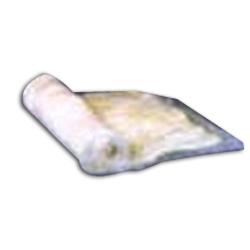
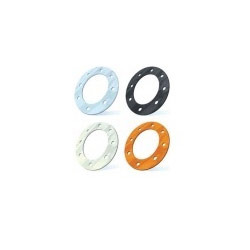
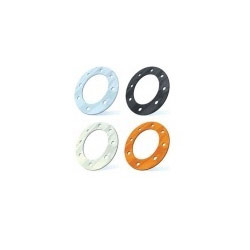
𝗪𝗵𝗮𝘁 𝗮𝗿𝗲 𝗥𝗲𝗳𝗿𝗮𝗰𝘁𝗼𝗿𝘆 𝗙𝗶𝗯𝗲𝗿𝘀 & 𝗕𝗹𝗮𝗻𝗸𝗲𝘁𝘀?
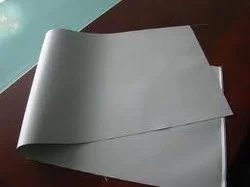
Refractory fibers and blankets are high-temperature insulation materials designed to withstand extreme heat while providing thermal protection. These products are typically made from alumina-silicate fibers or other specialized materials that offer excellent thermal stability. Refractory fibers are lightweight and flexible, making them suitable for various applications that require superior insulation performance.
These products are widely used in industries such as steel manufacturing, petrochemical processing, and power generation. They are essential for high-temperature environments, including furnaces, kilns, and reactors, where they help maintain energy efficiency and safety. The increasing demand for energy-efficient solutions and stringent regulatory requirements in industrial settings have contributed to the growth of the refractory fiber market.
The relevance of refractory fibers and blankets in the industrial sector cannot be overstated. As industries seek to optimize processes and reduce energy consumption, the demand for these materials continues to rise. Their ability to provide effective insulation in harsh conditions makes them a critical component in various applications, supporting overall operational efficiency and safety.
𝗞𝗲𝘆 𝗙𝗲𝗮𝘁𝘂𝗿𝗲𝘀 𝗮𝗻𝗱 𝗦𝗽𝗲𝗰𝗶𝗳𝗶𝗰𝗮𝘁𝗶𝗼𝗻𝘀
Refractory fibers and blankets come with several key features that enhance their performance in high-temperature applications. These materials are designed to provide excellent thermal insulation while being lightweight and easy to handle.
Key specifications include:
1. Temperature Resistance
- Capable of withstanding temperatures up to 1,600 degrees Celsius.
- Suitable for applications in extreme heat environments.
2. Density
- Typically ranges from 32 kg/m3 to 128 kg/m3.
- Provides a balance between strength and thermal efficiency.
3. Chemical Stability
- Resistant to chemical corrosion.
- Maintains integrity in the presence of various industrial chemicals.
4. Thermal Conductivity
- Low thermal conductivity values, often below 0.1 W/mK.
- Ensures minimal heat loss and improved energy efficiency.
5. Fiber Diameter
- Generally available in diameters ranging from 2 to 6 microns.
- Enhances flexibility and performance in insulation applications.
6. Insulation Thickness
- Available in various thicknesses to meet specific application needs.
- Customizable thickness options for tailored solutions.
7. Fire Resistance
- Non-combustible materials that contribute to safety.
- Compliant with fire safety standards.
8. Acoustic Properties
- Provides sound insulation in addition to thermal protection.
- Useful in environments requiring noise reduction.
In summary, refractory fibers and blankets are engineered to offer exceptional performance in high-temperature industrial applications. Their diverse specifications enable customization to meet specific operational requirements.
𝗖𝗼𝗺𝗺𝗼𝗻 𝗔𝗽𝗽𝗹𝗶𝗰𝗮𝘁𝗶𝗼𝗻𝘀 𝗮𝗻𝗱 𝗨𝘀𝗲 𝗖𝗮𝘀𝗲𝘀
Refractory fibers and blankets serve a wide range of industries, showcasing their versatility and effectiveness in high-temperature environments.
1. Steel Manufacturing: Used in furnaces and ladles to provide insulation, reducing heat loss and improving energy efficiency during steel production.
2. Petrochemical Processing: Essential in reactors and distillation columns, these materials help maintain optimal temperatures for chemical reactions.
3. Power Generation: Employed in boiler applications, refractory blankets ensure thermal efficiency and safety in power plants.
4. Aerospace: Used in thermal protection systems for engines and other components exposed to extreme heat during flight.
5. Glass Manufacturing: Applied in melting furnaces to enhance insulation and reduce energy consumption during glass production.
6. Ceramics: Utilized in kilns to provide efficient thermal insulation, facilitating high-temperature firing processes.
7. Foundries: Important for insulation in metal casting, helping maintain temperature control during the melting and molding processes.
𝗣𝗿𝗼𝗱𝘂𝗰𝘁 𝗩𝗮𝗿𝗶𝗮𝗻𝘁𝘀 𝗮𝗻𝗱 𝗦𝘂𝗯𝗰𝗮𝘁𝗲𝗴𝗼𝗿𝗶𝗲𝘀
Refractory fibers and blankets come in various forms to cater to specific needs, ensuring a wide range of applications across industries.
𝗛𝗶𝗴𝗵-𝗧𝗲𝗺𝗽𝗲𝗿𝗮𝘁𝘂𝗿𝗲 𝗕𝗹𝗮𝗻𝗸𝗲𝘁
This variant is designed for environments with temperatures exceeding 1,500 degrees Celsius. It offers superior insulation and is ideal for use in kilns and furnaces. The high-temperature blanket is lightweight and flexible, making it easy to install and shape as needed.
𝗖𝗲𝗿𝗮𝗺𝗶𝗰 𝗙𝗶𝗯𝗲𝗿 𝗕𝗼𝗮𝗿𝗱
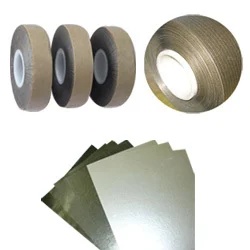
Ceramic fiber boards provide excellent thermal insulation and are often used in applications that require structural support. They are rigid and can withstand high temperatures, making them suitable for use in industrial furnaces and heat shields.
𝗙𝗹𝗲𝘅𝗶𝗯𝗹𝗲 𝗜𝗻𝘀𝘂𝗹𝗮𝘁𝗶𝗼𝗻 𝗕𝗹𝗮𝗻𝗸𝗲𝘁
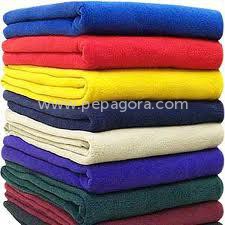
This variant is designed for applications that require both insulation and flexibility. It is commonly used in heat exchangers and applications where ease of installation is paramount. The flexible insulation blanket adapts easily to different shapes and surfaces.
𝗕𝗲𝗻𝗲𝗳𝗶𝘁𝘀 𝗮𝗻𝗱 𝗔𝗱𝘃𝗮𝗻𝘁𝗮𝗴𝗲𝘀
Refractory fibers and blankets offer numerous benefits that enhance their value in industrial applications.
1. Energy Efficiency: These materials significantly reduce heat loss, leading to lower energy consumption and cost savings.
2. Lightweight: Their lightweight nature makes handling and installation easier, reducing labor costs and time.
3. High Temperature Performance: Capable of withstanding extreme temperatures, they ensure safety in high-heat environments.
4. Chemical Resistance: Resistant to various chemicals, they maintain integrity in harsh industrial conditions, extending service life.
5. Versatility: Suitable for a wide range of applications across different industries, providing tailored solutions for specific needs.
6. Compliance with Standards: Many products meet international quality standards, ensuring reliability and safety in use.
𝗕𝘂𝘆𝗶𝗻𝗴 𝗚𝘂𝗶𝗱𝗲 𝗳𝗼𝗿 𝗕𝟮𝗕 𝗕𝘂𝘆𝗲𝗿𝘀
When sourcing refractory fibers and blankets, it is crucial to consider several factors to ensure the selection of the right products for your application.
1. Quality Assessment: Evaluate the quality of materials based on industry standards and performance specifications. Look for certifications that guarantee product reliability.
2. Supplier Verification: Vet suppliers to ensure they have a proven track record of providing high-quality refractory products. Check for customer reviews and industry reputation.
3. Pricing and MOQ: Consider the pricing structure and minimum order quantities (MOQ) that fit your budget and project requirements. Compare quotes from multiple suppliers.
4. Delivery and Lead Times: Assess the logistics involved in the delivery process. Ensure suppliers can meet your timelines without compromising quality.
5. Compliance Requirements: Understand regulatory and compliance needs specific to your industry. Ensure products meet necessary safety and quality standards.
𝗖𝗼𝗺𝗽𝗹𝗶𝗮𝗻𝗰𝗲 𝗮𝗻𝗱 𝗖𝗲𝗿𝘁𝗶𝗳𝗶𝗰𝗮𝘁𝗶𝗼𝗻𝘀
Refractory fibers and blankets must comply with various quality standards to ensure they meet industry requirements. ISO 9001 certification indicates that a supplier has implemented a quality management system that meets international standards for product quality and reliability.
Industry certifications such as CE mark signify compliance with European safety and performance standards, ensuring that products meet specific safety requirements for use in industrial applications.
Safety and testing requirements are crucial for these materials, as they must withstand high temperatures without compromising performance. Rigorous testing ensures that they meet necessary thermal and fire safety standards.
Regional compliance considerations may also apply, depending on the geographic area where the products are used. Understanding local regulations is essential for ensuring compliance and safety in various industrial settings.
𝗪𝗵𝘆 𝗦𝗼𝘂𝗿𝗰𝗲 𝗥𝗲𝗳𝗿𝗮𝗰𝘁𝗼𝗿𝘆 𝗙𝗶𝗯𝗲𝗿𝘀 & 𝗕𝗹𝗮𝗻𝗸𝗲𝘁𝘀 𝗳𝗿𝗼𝗺 𝗣𝗲𝗽𝗮𝗴𝗼𝗿𝗮?
Pepagora provides a trusted platform for sourcing refractory fibers and blankets, offering several key advantages that make it a preferred choice for B2B buyers.
Verified Supplier Network: Pepagora has established a comprehensive network of verified suppliers. Each supplier is vetted for quality and reliability, ensuring that buyers receive top-notch products.
Streamlined RFQ Process: The Request for Quotation (RFQ) process is designed to be user-friendly and efficient. Buyers can easily submit their requirements and receive multiple quotations from suppliers, allowing for informed decision-making.
Trade Assurance and Support: Pepagora offers trade assurance to protect buyers during transactions. This includes support for resolving issues and ensuring that products meet specified standards.
Regional Coverage: With a focus on regions such as India, GCC, and Southeast Asia, Pepagora provides access to a wide range of suppliers and products, facilitating sourcing for businesses operating in these areas.
By choosing Pepagora, businesses can benefit from a reliable sourcing experience for refractory fibers and blankets, ensuring they find the right products for their industrial applications.

 IN
IN
 India
India