IN
IN₹
Apparel & Fashion
Description
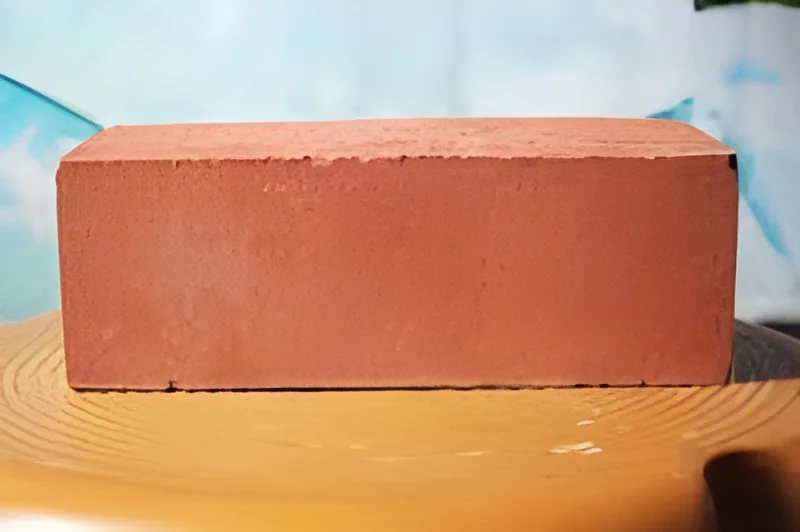
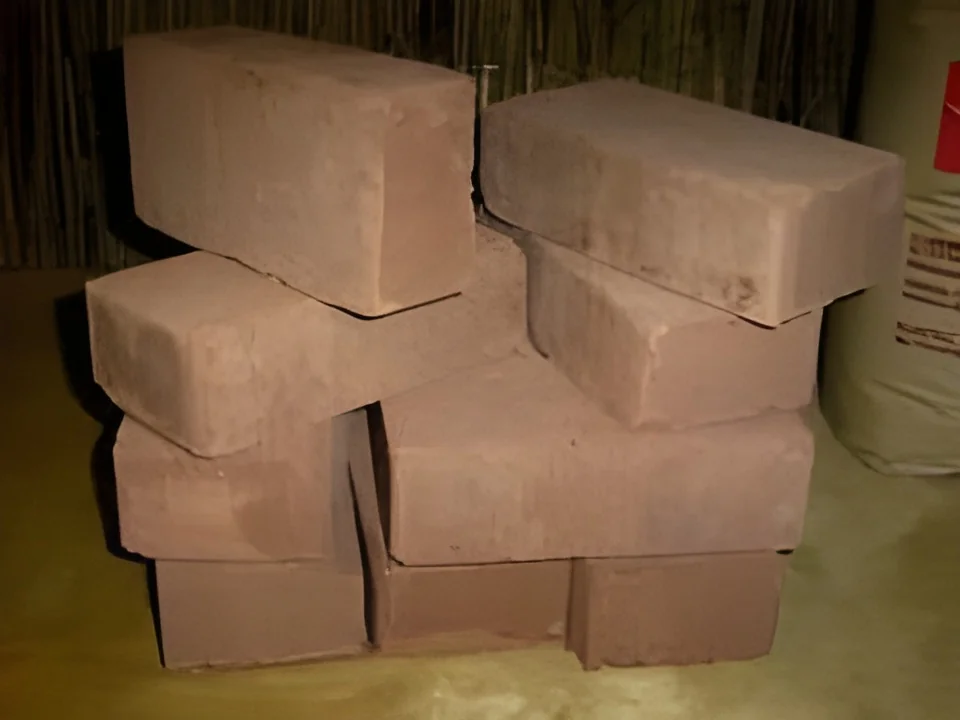
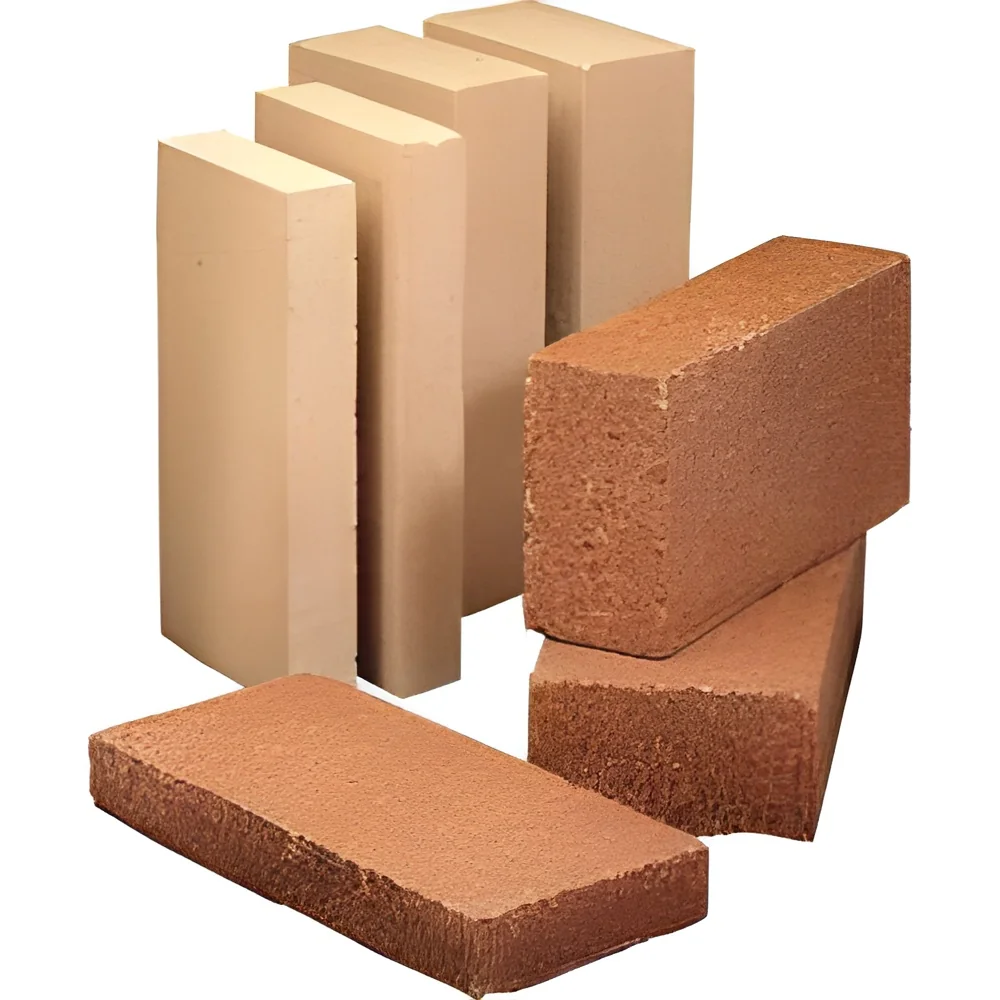
Our industrial fire bricks represent advanced refractory technology engineered specifically for extreme temperature applications. These specialized bricks are manufactured using premium ceramic materials and precision firing processes to maintain structural integrity at temperatures exceeding 1500°C. Unlike conventional materials, they feature low thermal conductivity, high density and exceptional resistance to thermal shock, making them indispensable for industries where precise heat management is critical. Each brick undergoes rigorous quality testing to verify thermal stability, mechanical strength and durability before delivery, ensuring consistent performance in the most demanding environments.

These fire bricks serve vital roles across numerous heavy industries operating high-temperature processes. In steel and metallurgy, they line blast furnaces, reheating furnaces and soaking pits where they contain molten metal and withstand extreme thermal cycling. The glass manufacturing i...
Our industrial fire bricks represent advanced refractory technology engineered specifically for extreme temperature applications. These specialized bricks are manufactured using premium ceramic materials and precision firing processes to maintain structural integrity at temperatures exceeding 1500°C. Unlike conventional materials, they feature low thermal conductivity, high density and exceptional resistance to thermal shock, making them indispensable for industries where precise heat management is critical. Each brick undergoes rigorous quality testing to verify thermal stability, mechanical strength and durability before delivery, ensuring consistent performance in the most demanding environments.

These fire bricks serve vital roles across numerous heavy industries operating high-temperature processes. In steel and metallurgy, they line blast furnaces, reheating furnaces and soaking pits where they contain molten metal and withstand extreme thermal cycling. The glass manufacturing industry depends on them for furnace linings, regenerator chambers and forehearths where consistent thermal performance is essential for quality production. Chemical processing plants utilize these bricks in reactors, reformers and cracking units where they provide both thermal protection and corrosion resistance. Power generation facilities install them in boiler settings, incinerators and thermal oxidizers to ensure efficient energy production while maintaining operational safety.

The operational value of our fire bricks extends beyond technical specifications to deliver measurable business benefits and cost savings. Their exceptional thermal efficiency reduces energy consumption by minimizing heat loss, leading to significant fuel cost reductions over time. The bricks' durability and resistance to thermal shock translate to longer service life and reduced maintenance downtime, enhancing overall operational efficiency. Their reliability ensures consistent process temperatures, which improves product quality and reduces rejection rates in manufacturing processes. The proven performance across diverse industries demonstrates their suitability for the most challenging high-temperature applications.

Key Features:
- Withstands temperatures exceeding 1500°C without structural degradation
- Exceptional resistance to thermal shock and rapid temperature changes
- Low thermal conductivity for superior energy efficiency
- High density and mechanical strength for extended service life
- Premium quality materials ensure consistent performance

Benefits:
- Reduces energy consumption through superior thermal insulation
- Minimizes maintenance downtime with exceptional durability
- Enhances operational safety by maintaining structural integrity
- Improves product quality through consistent temperature control
- Delivers long-term cost savings through extended service life
Specifications
| Additional Information | |
|---|---|
| Country of Origin | India |
Application
Our industrial fire bricks provide critical thermal protection in extreme temperature environments where ordinary materials would fail. They maintain structural integrity and insulation properties under continuous high heat exposure, making them essential for furnaces, kilns, boilers and other high-temperature processing equipment across multiple industrial sectors. The bricks' composition ensures consistent performance even during rapid temperature fluctuations that would damage standard refractory materials.
Manufactured to exacting standards, these fire bricks deliver reliable performance in demanding industrial settings including steel production, glass manufacturing, chemical processing and power generation. Their superior thermal management capabilities help maintain optimal process temperatures while protecting equipment from heat damage. The consistent quality ensures predictable performance and extended service life in critical applications where downtime is costly.
- Lining industrial furnaces and kilns in metal processing facilities
- Thermal insulation in glass manufacturing furnaces and annealing systems
- Refractory lining for boilers and incinerators in power plants
- Heat containment in chemical processing reactors and reformers
- Foundry applications including crucibles and metal pouring systems
Trade Details
| Available Stock | In Stock |
| Sample Availability | No |
Payment Terms
| Payment Terms |
|
Company Profile
Aryan Bricks, New Delhi
 New Delhi, India
New Delhi, IndiaManufacturer•Distributor / Wholesaler•Importer / Exporter
Factory Details
Factory SizeBelow 1000 sqm
Annual Production Capacity0
Industrial Fire Bricks For High Temperature Furnaces Kilns Boilers
Industrial fire bricks for high temperature furnaces, kilns and boilers. Withstand extreme heat and thermal shock. Reliable refractory solution for steel, glass, chemical industries. Premium quality ensures long service life.
Min. Order Quantity: 1 unit
Shipping
Shipping fee and delivery date to be negotiated. Contact supplier now for more details.
Aryan Bricks
 New Delhi, India
New Delhi, IndiaManufacturer