
 IN
Pure Sine Wave Inverters
11 products available
What are Pure Sine Wave Inverters?
Pure sine wave inverters are devices that convert direct current (DC) into alternating current (AC) in a waveform that is smooth and continuous. This type of output is essential for sensitive electronic devices and appliances that require a stable power supply. Unlike modified sine wave inverters, which produce a choppier waveform, pure sine wave inverters provide a cleaner and more efficient power source, making them ideal for a range of applications.
The primary uses of pure sine wave inverters extend across various industries, including telecommunications, healthcare, and renewable energy systems. They are crucial for powering equipment such as medical devices, computers, and communication equipment that depend on high-quality power for optimal performance. In commercial settings, these inverters are often used in backup power systems to ensure that critical operations continue without interruption during power outages.
In the current market, the demand for pure sine wave inverters is driven by the increasing reliance on electronic devices and the need for reliable power solutions. As industries evolve and technology advances, the importance of using high-quality power sources becomes more evident. This positions pure sine wave inverters as a critical component in the infrastructure of modern businesses.
Key Features and Specifications
Pure sine wave inverters come with several key features that enhance their performance and reliability. Understanding these specifications is essential for making informed purchasing decisions.
Key specifications include:
1. Output Waveform
- Pure sine wave output ensures compatibility with sensitive electronics.
- Delivers a voltage range typically between 110V and 240V AC.
2. Efficiency Rating
- High efficiency, often exceeding 90%, reduces energy loss during conversion.
- Optimal efficiency levels help lower operational costs.
3. Power Rating
- Available in various power ratings, commonly from 300 watts to 5000 watts.
- Different models cater to specific power needs for various applications.
4. Input Voltage Range
- Acceptable DC input ranges from 12V to 48V, depending on the model.
- Flexibility in input voltage ensures compatibility with different battery systems.
5. Protection Features
- Built-in protection against overload, short circuit, and overheating.
- Enhances safety and durability of the inverter.
6. Dimensions and Weight
- Compact designs facilitate easier installation and portability.
- Weight typically ranges from 5 to 30 kg, depending on power capacity.
7. Cooling System
- Integrated cooling fans or passive cooling to prevent overheating.
- Ensures reliable performance during extended use.
8. Warranty and Support
- Warranty periods can range from one year to five years.
- Manufacturer support and customer service enhance user experience.
In summary, understanding the features and specifications of pure sine wave inverters is crucial for selecting the right model to meet specific needs and applications.
Common Applications and Use Cases
Pure sine wave inverters are versatile devices used across numerous industries to ensure reliable power supply.
1. Telecommunications: These inverters are essential for powering communication equipment, ensuring uninterrupted service even during power outages.
2. Healthcare: In medical facilities, pure sine wave inverters power critical devices such as ventilators and imaging equipment, where reliability is paramount.
3. Renewable Energy: In solar power systems, pure sine wave inverters convert energy generated by solar panels for use in homes and businesses.
4. Agriculture: Farmers use these inverters to power irrigation systems and other farm equipment, enhancing productivity and efficiency.
5. Transportation: Pure sine wave inverters are utilized in electric vehicles and charging stations, providing stable power for essential systems.
6. Hospitality: Hotels and restaurants rely on these inverters to maintain consistent power for lighting, HVAC, and kitchen equipment.
7. Construction: On job sites, pure sine wave inverters power tools and equipment, ensuring that work can continue without interruption.
In conclusion, the applications of pure sine wave inverters are broad, making them essential in various sectors.
Product Variants and Subcategories
Pure sine wave inverters come in various models designed to meet different power needs and applications. Although the specifics of subcategories are not available, the diversity in product offerings allows businesses to select the best fit for their requirements.
Compact Model
This variant is designed for smaller applications, providing up to 1000 watts of power. It is ideal for personal use, including powering laptops and small appliances.
Heavy-Duty Model
Offering higher power capacities of up to 5000 watts, this model is suitable for industrial applications. It is built to handle demanding equipment and long operational hours.
Portable Model
Featuring lightweight and compact designs, portable pure sine wave inverters are perfect for outdoor use and emergencies. They often come with built-in batteries for added convenience.
In conclusion, the variety in pure sine wave inverter models ensures that businesses can find the appropriate solution for their specific power needs.
Benefits and Advantages
Pure sine wave inverters offer several advantages that contribute to their popularity in the B2B sector.
1. Compatibility: These inverters are compatible with a wide range of devices, ensuring that sensitive electronics operate efficiently and without damage.
2. Energy Efficiency: High efficiency ratings lead to reduced energy consumption, lowering operational costs for businesses.
3. Improved Performance: Devices powered by pure sine wave inverters tend to perform better, providing stability and reliability for critical applications.
4. Enhanced Safety: Integrated protection features minimize risks associated with electrical faults, promoting a safer operating environment.
5. Longevity: The quality of power provided by pure sine wave inverters contributes to the longevity of equipment, reducing maintenance and replacement costs.
6. Quiet Operation: These inverters operate quietly, making them suitable for environments where noise reduction is important.
In summary, the benefits of using pure sine wave inverters make them a valuable investment for businesses across various industries.
Buying Guide for B2B Buyers
When sourcing pure sine wave inverters, several factors should be considered to ensure the right choice is made.
1. Quality Assessment: Evaluate the quality of the inverter based on manufacturer reputation and product reviews. Look for inverters that meet industry standards for performance and safety.
2. Supplier Verification: Vet suppliers thoroughly to ensure reliability and credibility. Check certifications, customer feedback, and their history in the market.
3. Pricing and MOQ: Understand the price range for different models and inquire about minimum order quantities. Consider bulk purchasing options for cost savings.
4. Delivery and Lead Times: Discuss logistics with suppliers to determine expected delivery times. Ensure that lead times align with project schedules.
5. Compliance Requirements: Be aware of any regulatory standards applicable to your industry, including safety and environmental regulations. Ensure that the products sourced comply with these requirements.
In conclusion, taking these factors into account will help B2B buyers make informed decisions when purchasing pure sine wave inverters.
Compliance and Certifications
Compliance and certifications are critical aspects of pure sine wave inverters that ensure quality and safety. Many manufacturers adhere to relevant quality standards such as ISO 9001, which focuses on maintaining high quality in manufacturing processes. This certification indicates a commitment to continuous improvement and customer satisfaction.
In addition to ISO standards, pure sine wave inverters may hold industry certifications such as CE, which signifies compliance with European health, safety, and environmental protection standards. This certification is essential for products sold in European markets, ensuring they meet necessary safety and performance requirements.
Safety and testing requirements are also significant, as inverters must undergo rigorous testing to ensure they can operate safely under various conditions. Manufacturers often follow established testing protocols to verify performance and reliability.
Regional compliance considerations are essential for businesses operating in different geographical areas. Understanding local regulations can help ensure that the products sourced meet all necessary legal and safety standards, reducing the risk of issues during import or use.
In summary, compliance and certifications play a vital role in ensuring the safety and quality of pure sine wave inverters.
Why Source Pure Sine Wave Inverters from Pepagora?
Pepagora provides a trusted platform for sourcing pure sine wave inverters, offering numerous advantages for B2B buyers. One of the key benefits is access to a verified supplier network. All suppliers are thoroughly vetted to ensure quality and reliability, giving businesses confidence in their purchasing decisions.
The streamlined RFQ process simplifies the procurement of pure sine wave inverters. Buyers can easily submit requests for quotations and receive competitive pricing from multiple suppliers, allowing for informed decision-making.
Trade assurance and support are also significant advantages offered by Pepagora. This feature protects buyers during transactions, providing peace of mind in their investments. The platform ensures that buyers receive the products as promised, enhancing the overall purchasing experience.
Moreover, Pepagora has a broad regional coverage, extending its services across India, the GCC, and Southeast Asia. This wide reach allows businesses to access a diverse range of suppliers and products, facilitating smoother transactions and quicker delivery times.
In conclusion, sourcing pure sine wave inverters from Pepagora offers businesses a reliable and efficient solution for their power needs.


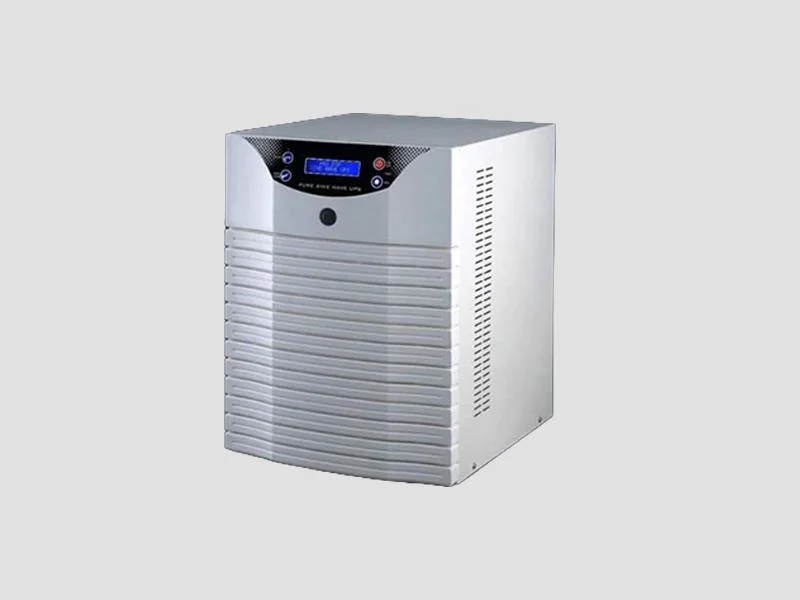


 India
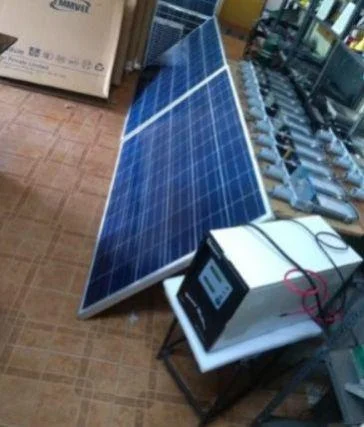


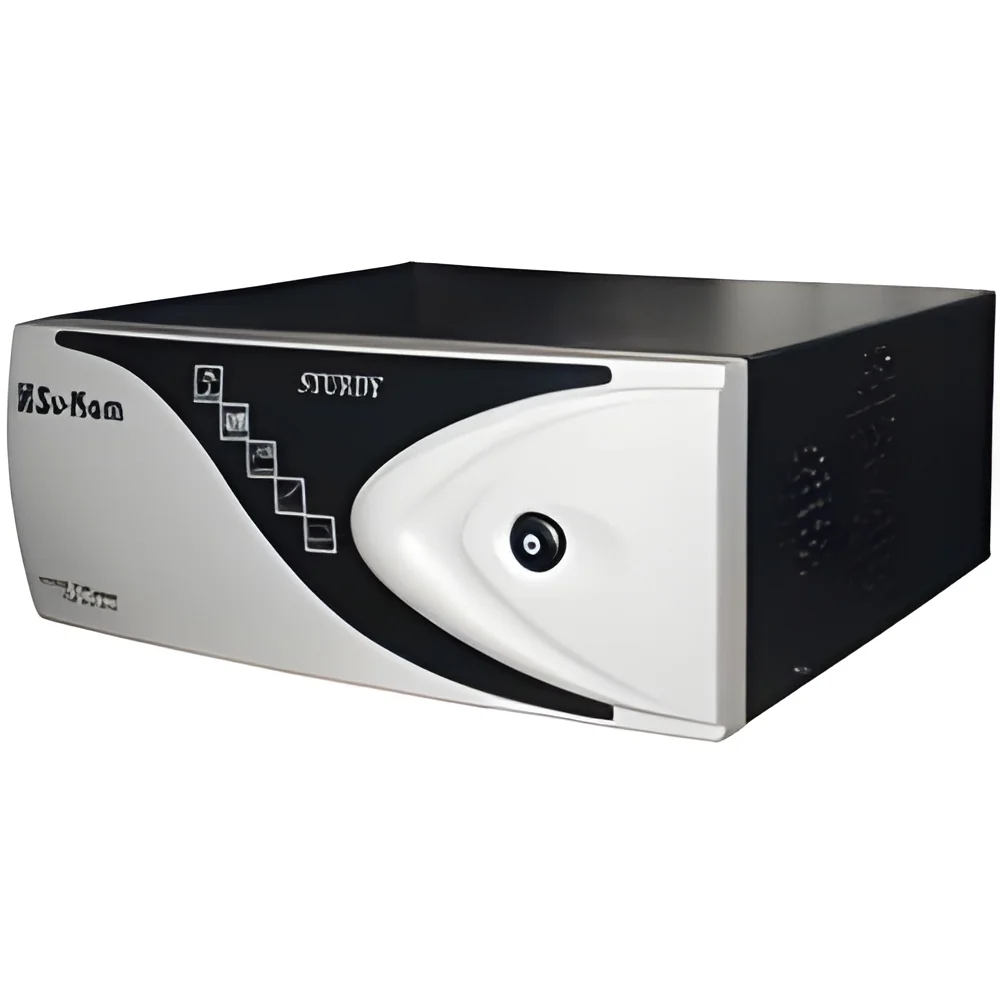 India
 India
 India
 India
Frequently Asked Questions
What are Pure Sine Wave Inverters?
Pure Sine Wave Inverters are devices that convert direct current (DC) into alternating current (AC) with a pure sine wave output. This type of inverter produces a smooth and constant waveform, making it ideal for sensitive electronic devices and appliances that require a stable power supply.
What are the different types of Pure Sine Wave Inverters?
The main types of Pure Sine Wave Inverters include off-grid inverters, grid-tied inverters, and hybrid inverters. Off-grid inverters are used in standalone systems, grid-tied inverters connect to the utility grid, and hybrid inverters can operate both on and off the grid.
How do I choose the right Pure Sine Wave Inverters?
Choosing the right Pure Sine Wave Inverter involves considering the power requirements of your appliances, the inverter's output capacity, and its efficiency ratings. Additionally, evaluate features such as battery compatibility, surge capacity, and warranty options to ensure it meets your needs.
What are the standard specifications for Pure Sine Wave Inverters?
Standard specifications for Pure Sine Wave Inverters include input voltage, output voltage, power rating (measured in watts), and efficiency percentage. Other important features may include protection mechanisms against overload, short circuit, and thermal issues.
What is the price range for Pure Sine Wave Inverters?
The price range for Pure Sine Wave Inverters varies significantly based on capacity and features, typically ranging from INR 5,000 to INR 50,000 or more. Higher capacity and advanced features such as smart technology may lead to increased costs.
What quality standards apply to Pure Sine Wave Inverters?
Quality standards for Pure Sine Wave Inverters often include certifications such as ISO, IEC, and BIS to ensure safety and performance. Manufacturers should comply with these standards to guarantee product reliability and efficiency.
Where can I find Pure Sine Wave Inverters suppliers in India?
You can find Pure Sine Wave Inverters suppliers in India through online B2B marketplaces like Pepagora.com, industry trade shows, and local distributors. It is advisable to research and compare suppliers based on their reputation, product offerings, and customer reviews.
Can Pure Sine Wave Inverters be customized?
Yes, many manufacturers offer customization options for Pure Sine Wave Inverters to meet specific requirements. Customizations may include adjustments in output capacity, additional features, or tailored designs based on the application.
What is the typical minimum order quantity for Pure Sine Wave Inverters?
The typical minimum order quantity (MOQ) for Pure Sine Wave Inverters can vary by supplier but often ranges from 10 to 50 units. It is important to confirm the MOQ with the supplier before placing an order.
What is the typical lead time for Pure Sine Wave Inverters?
The typical lead time for Pure Sine Wave Inverters can range from 2 to 8 weeks, depending on the manufacturer and the complexity of the order. Factors such as customization, production capacity, and shipping logistics can influence the lead time.
Why Businesses Trust Pepagora
Thousands of companies trust Pepagora to source smarter and sell faster
Expand Your Sales Globally

Source Smarter,Grow Faster
