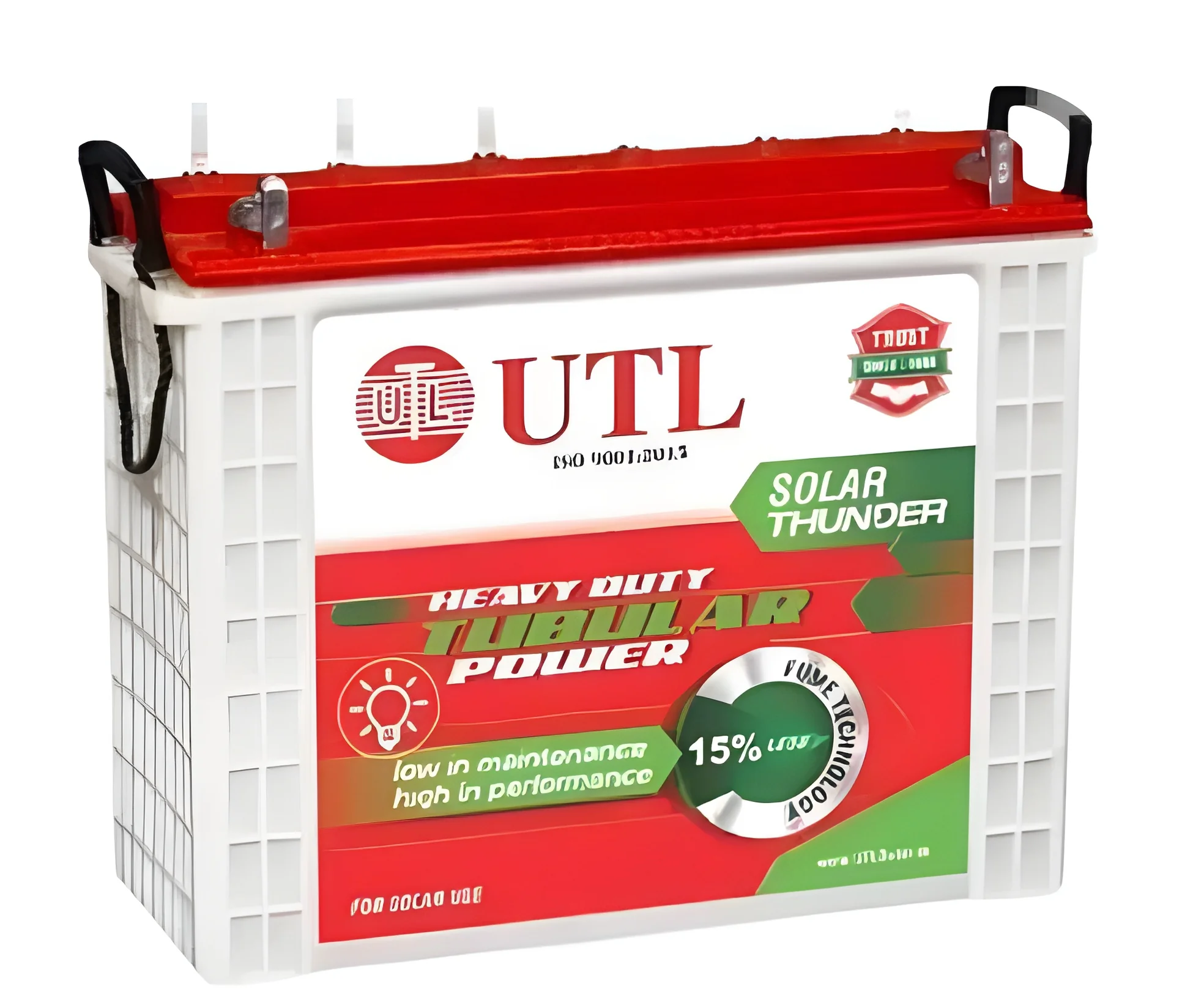
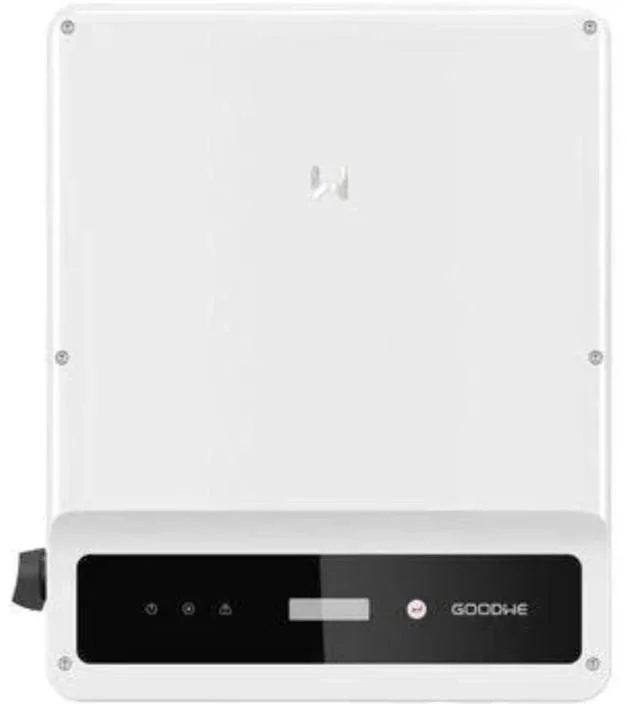
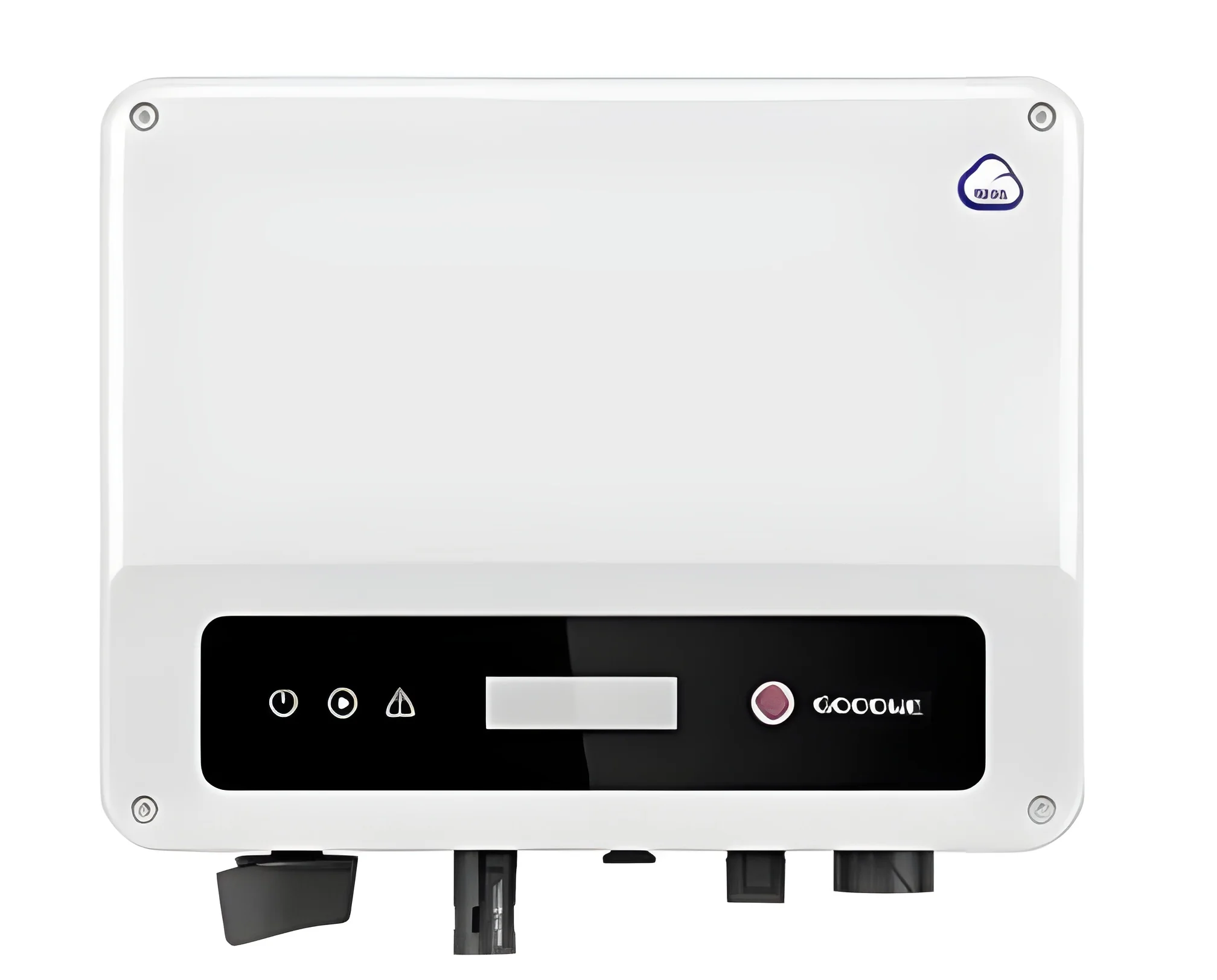
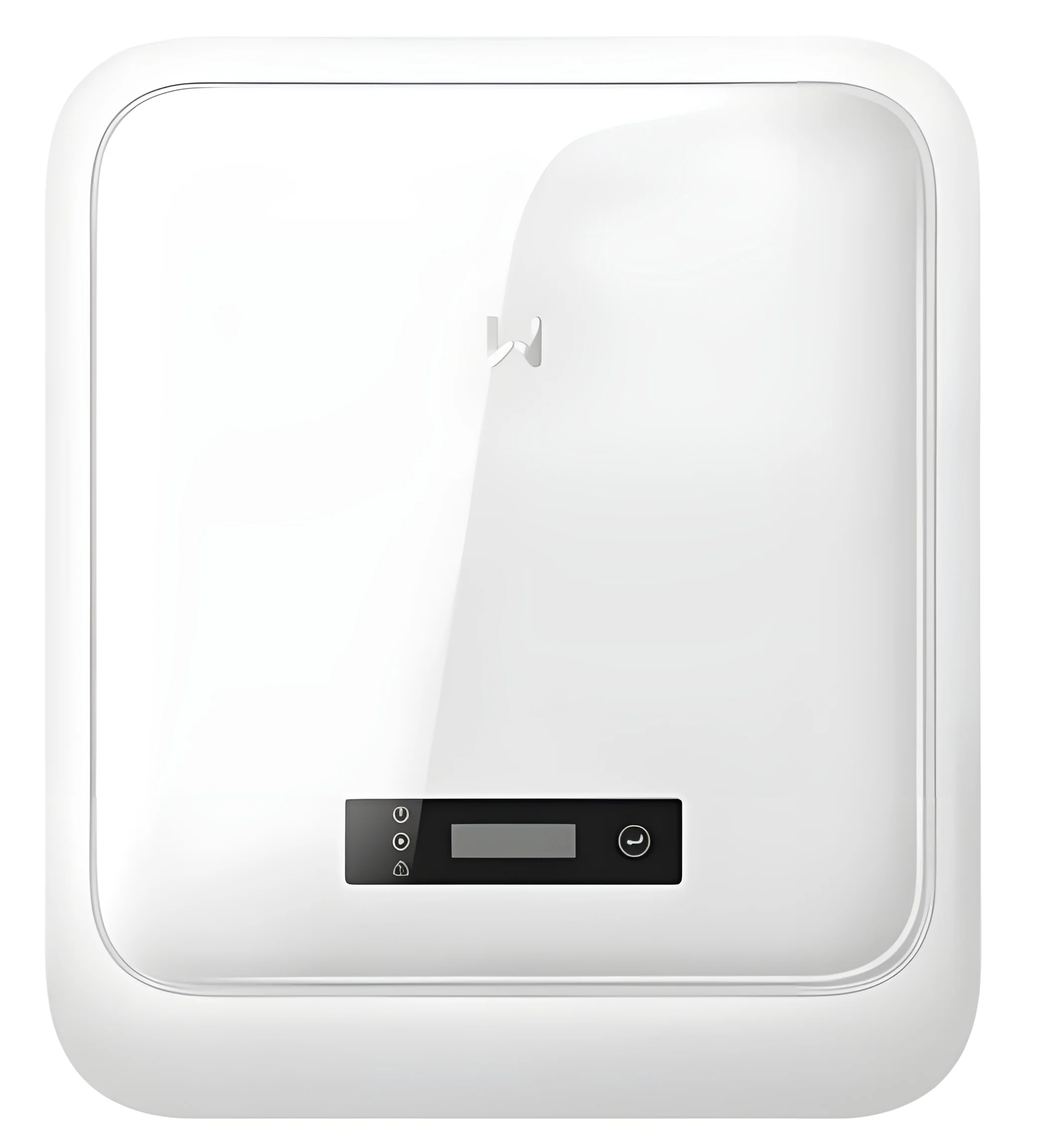
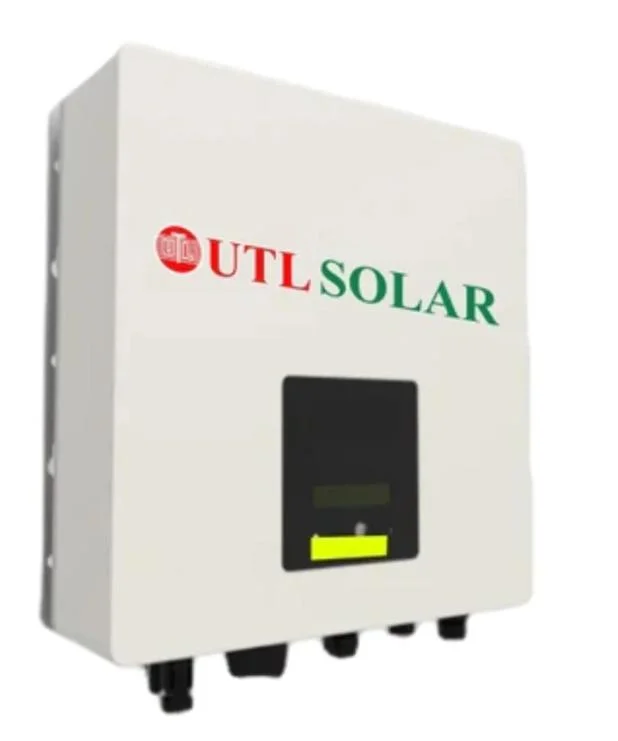
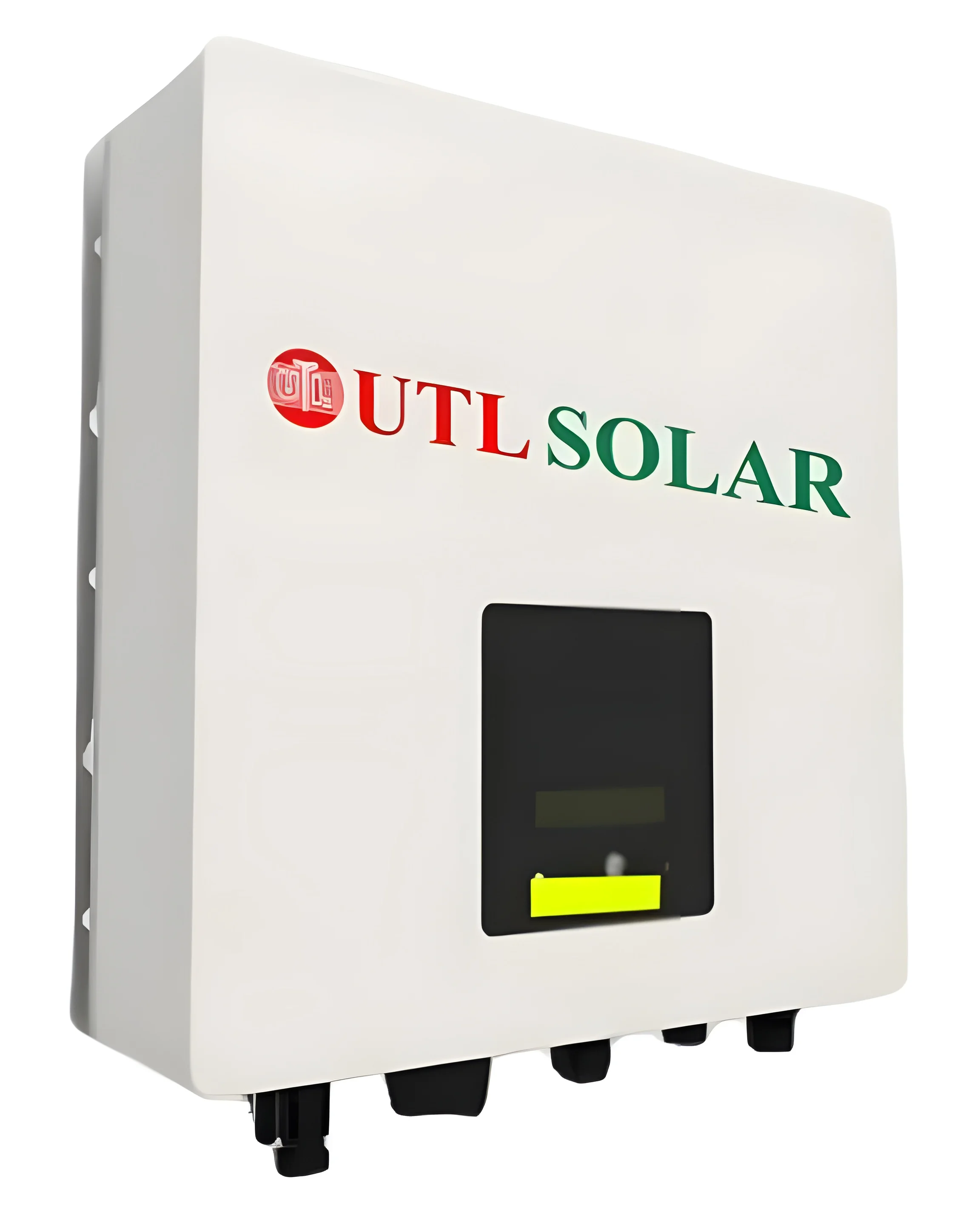
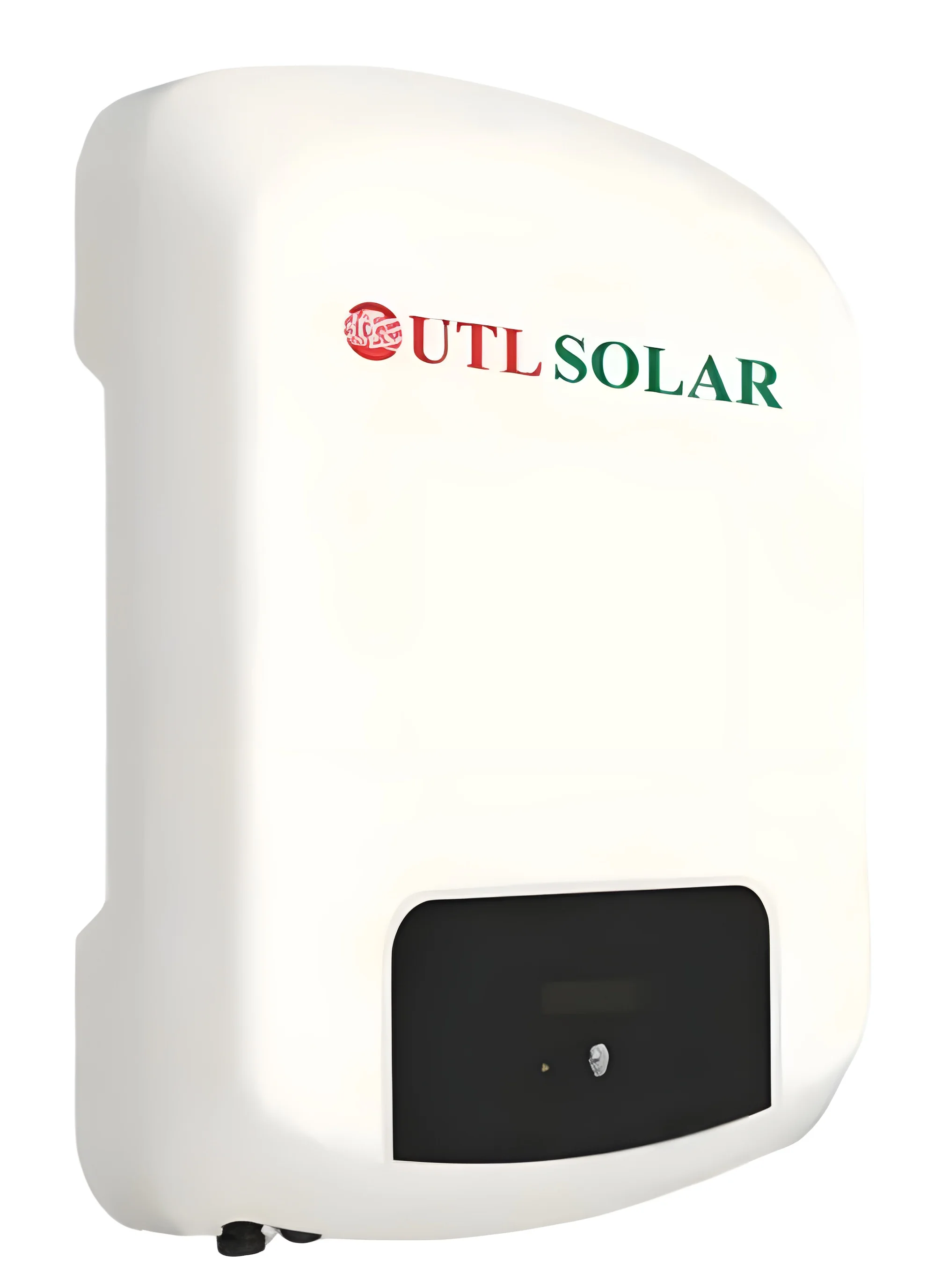
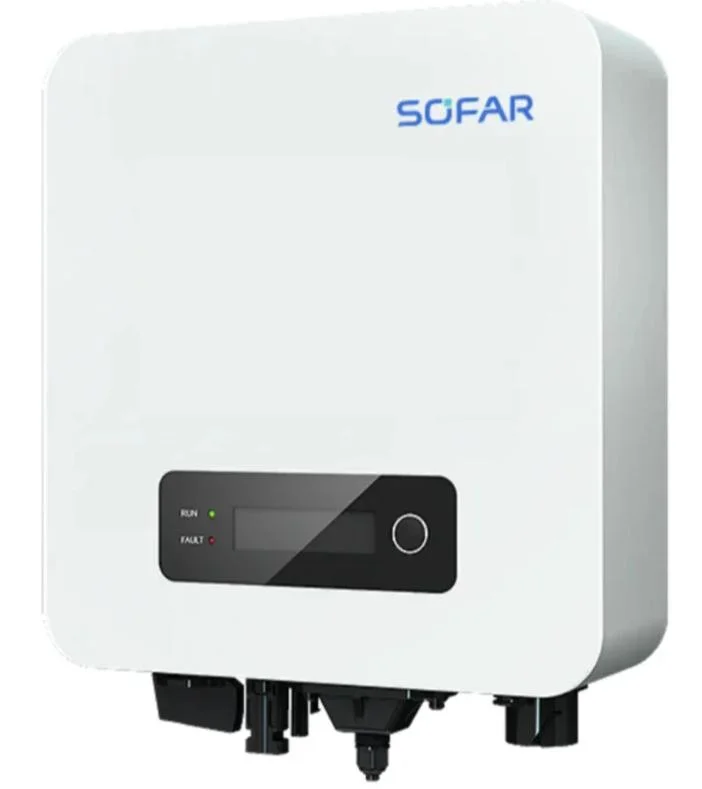
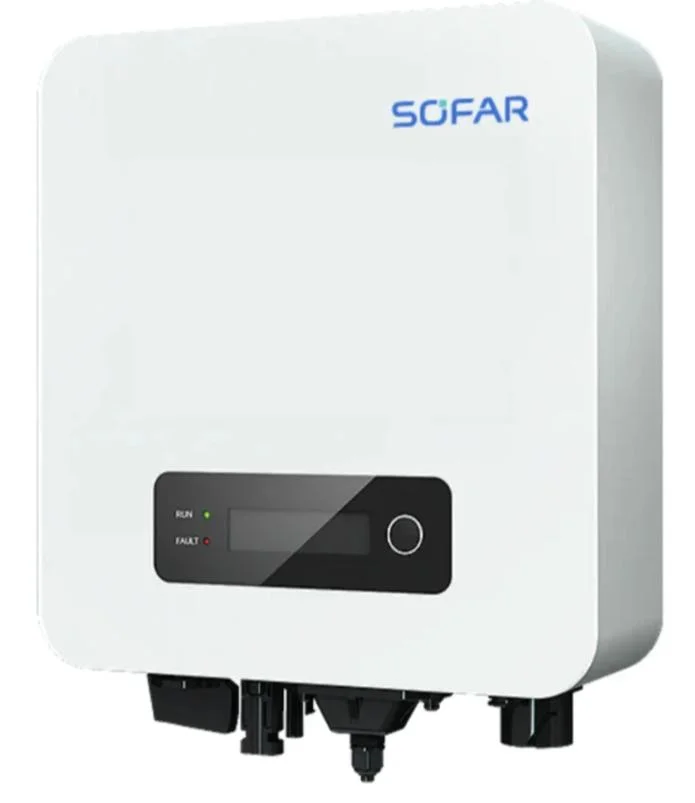
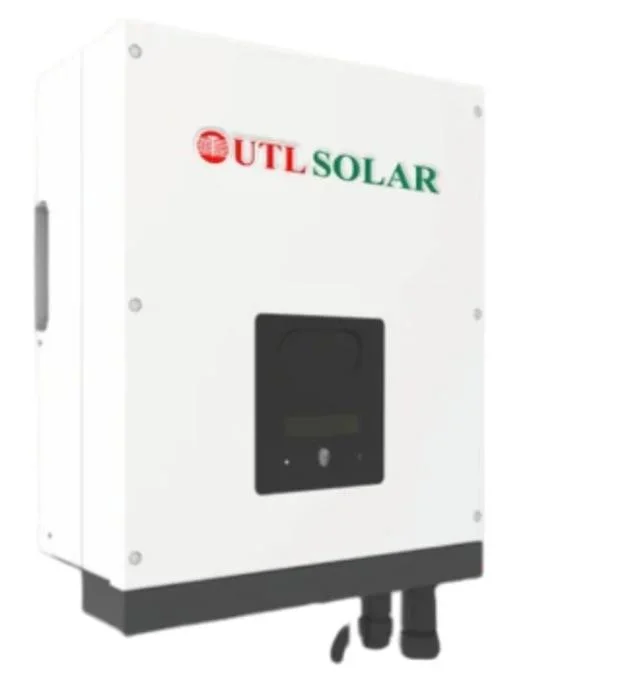
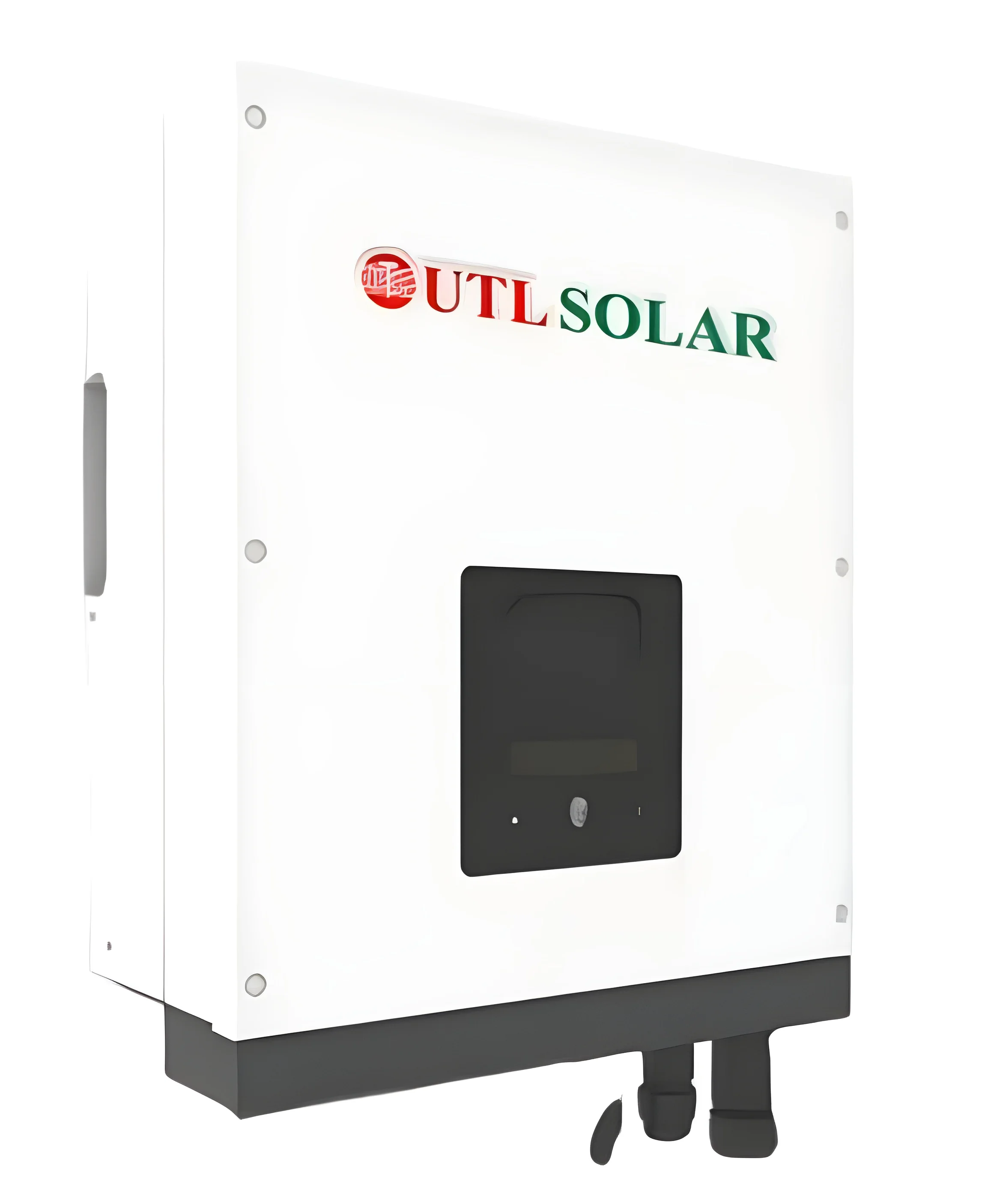
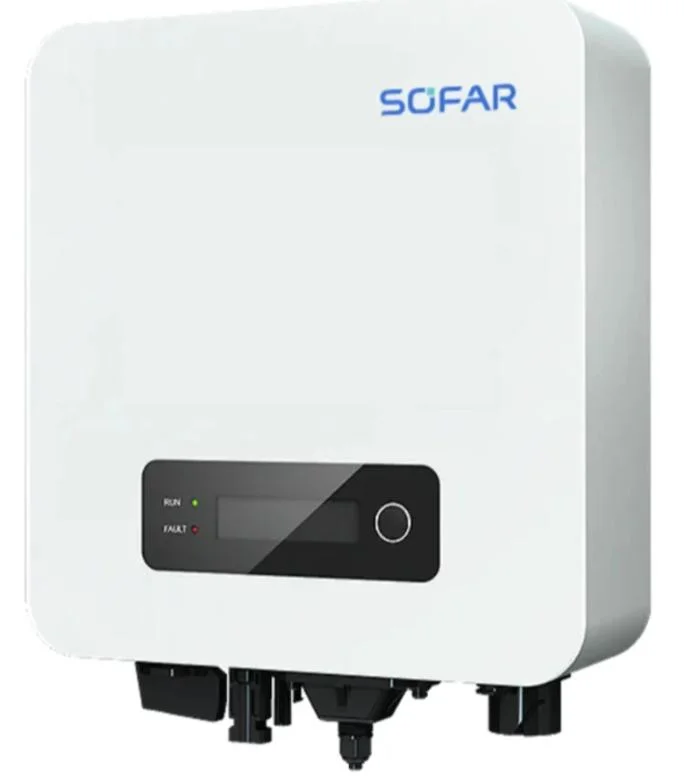
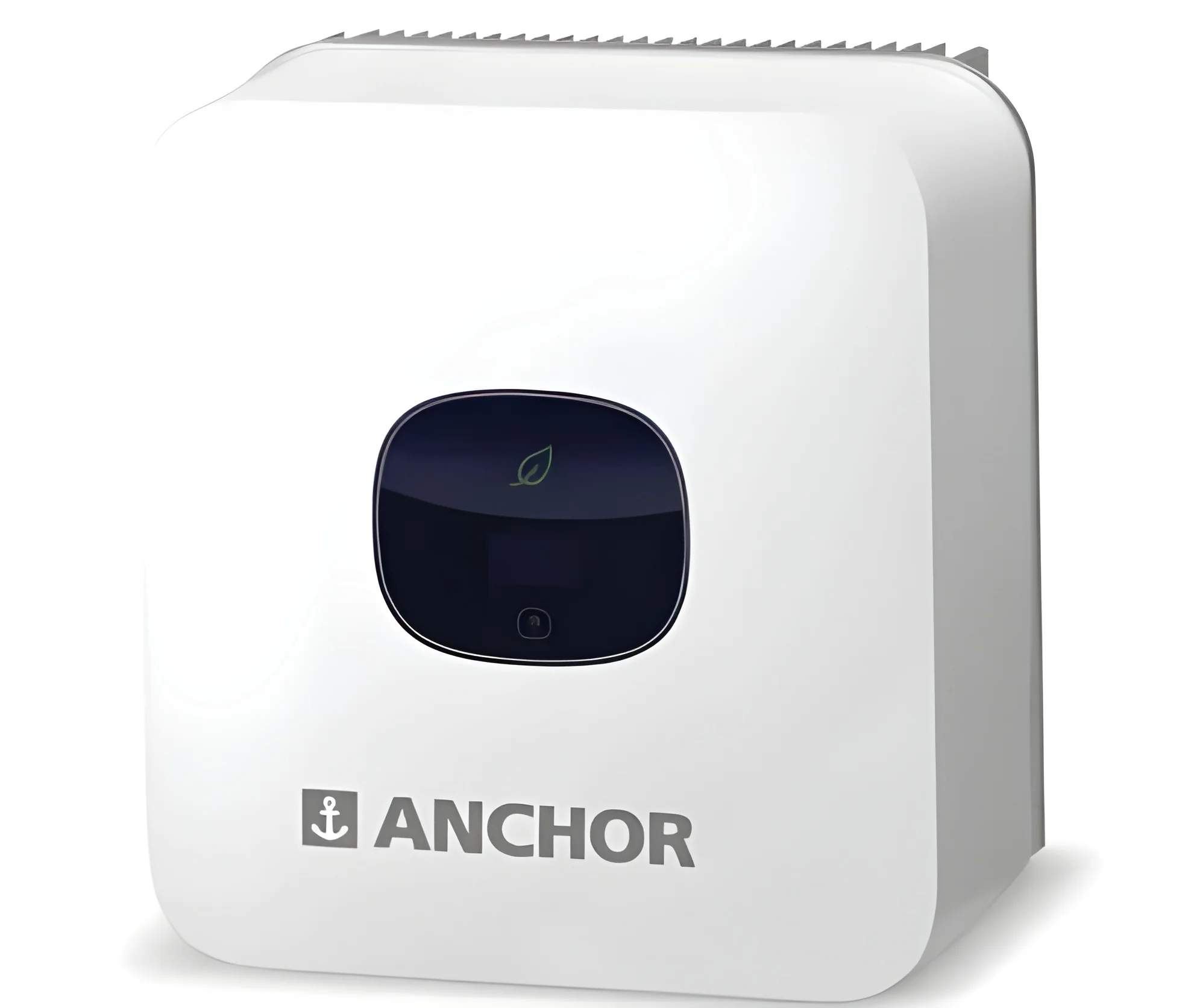
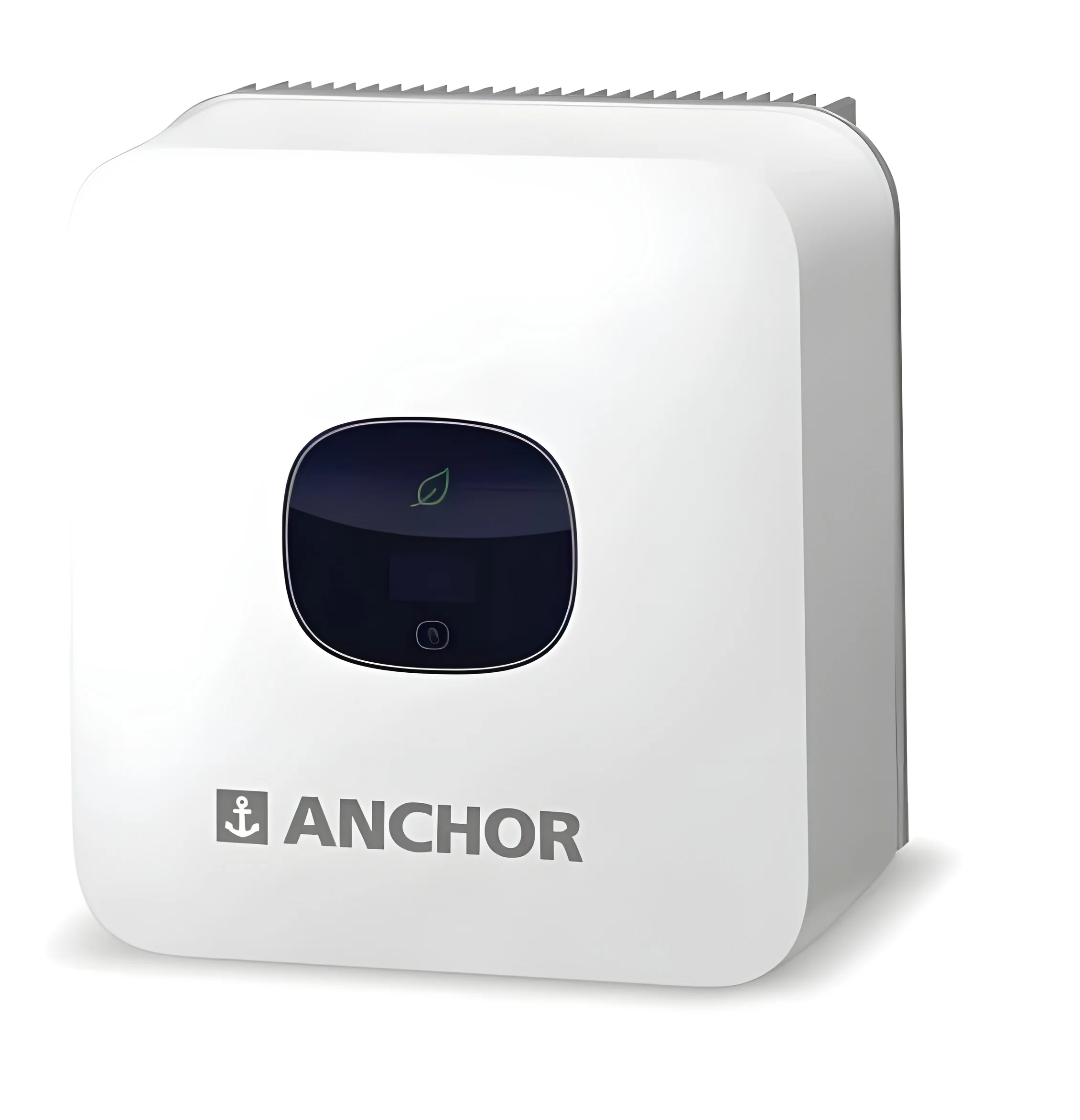
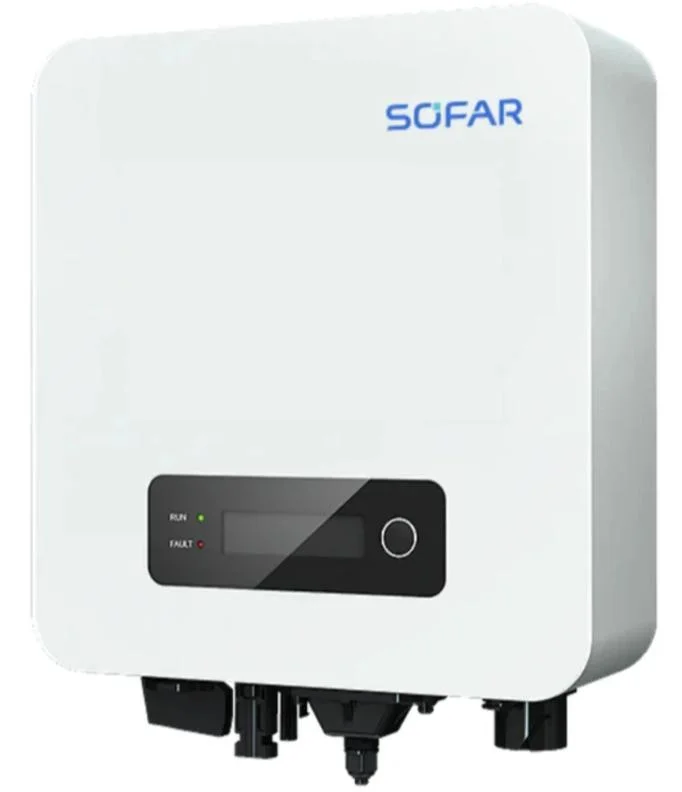
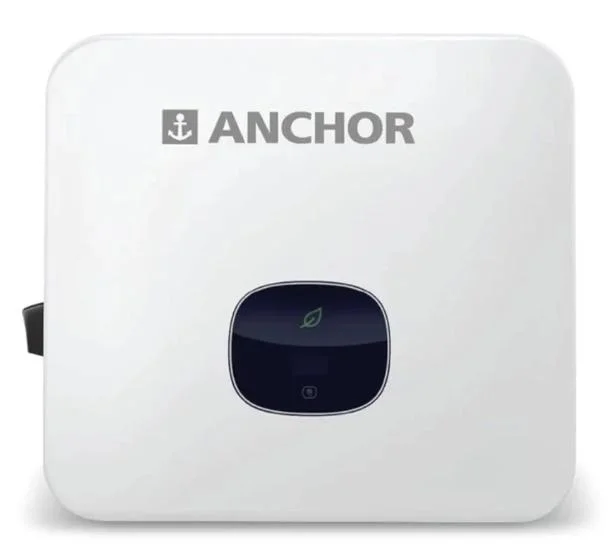
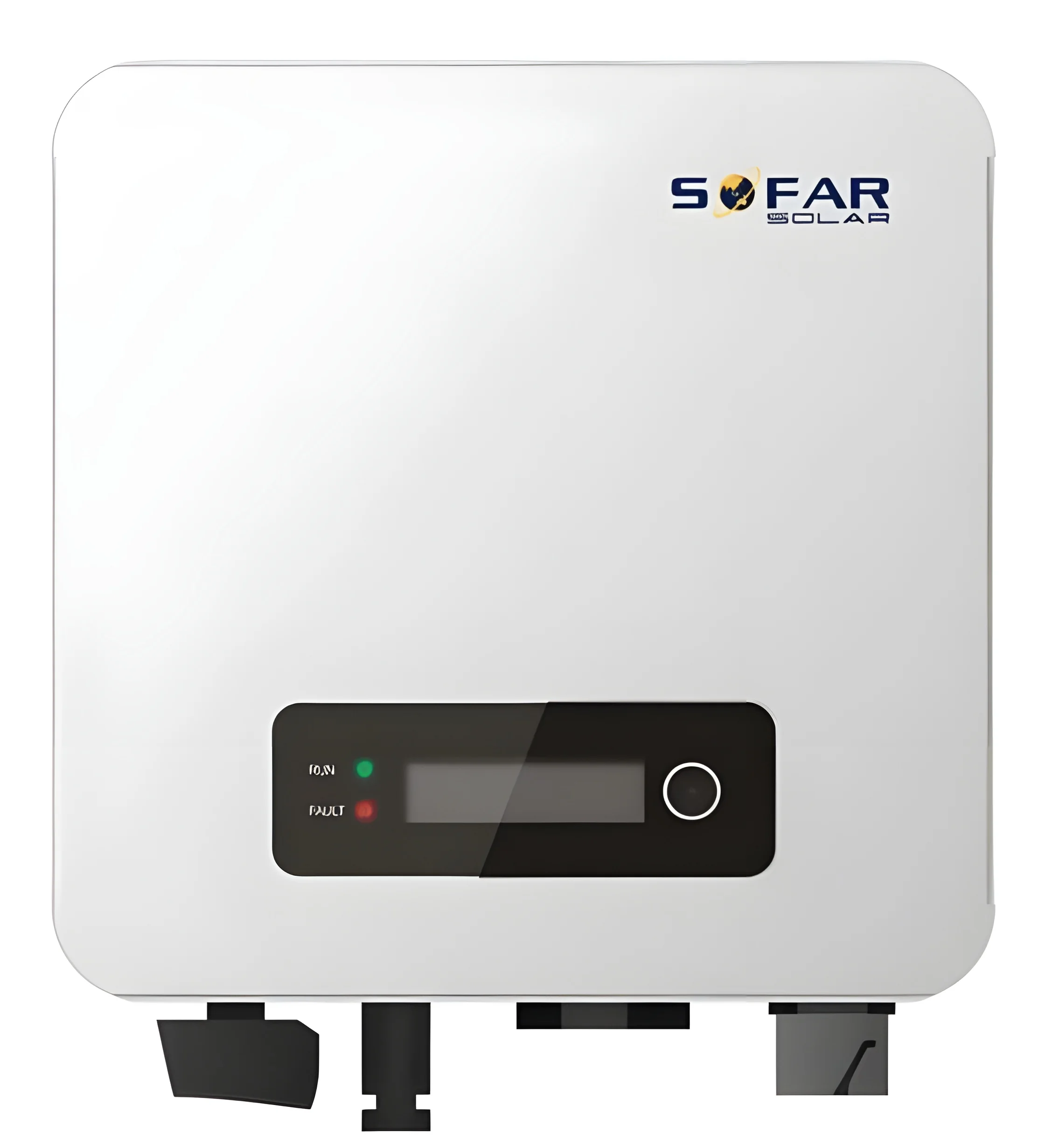
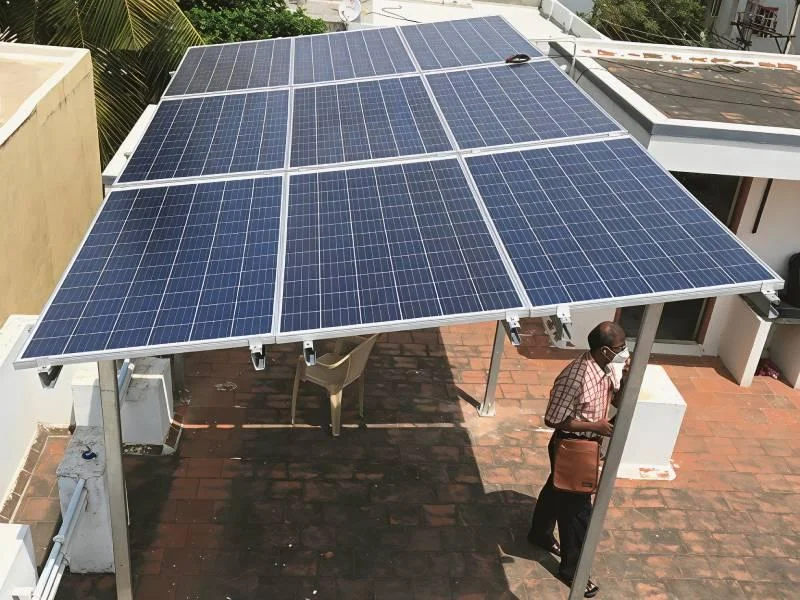
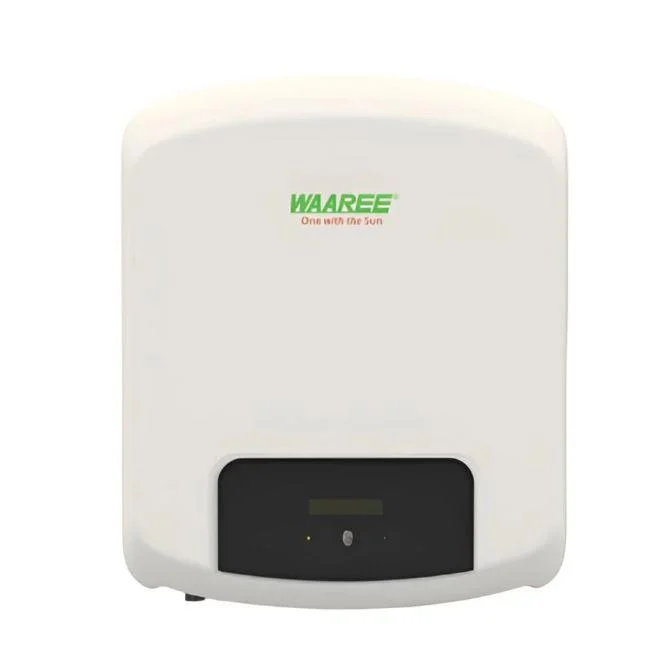
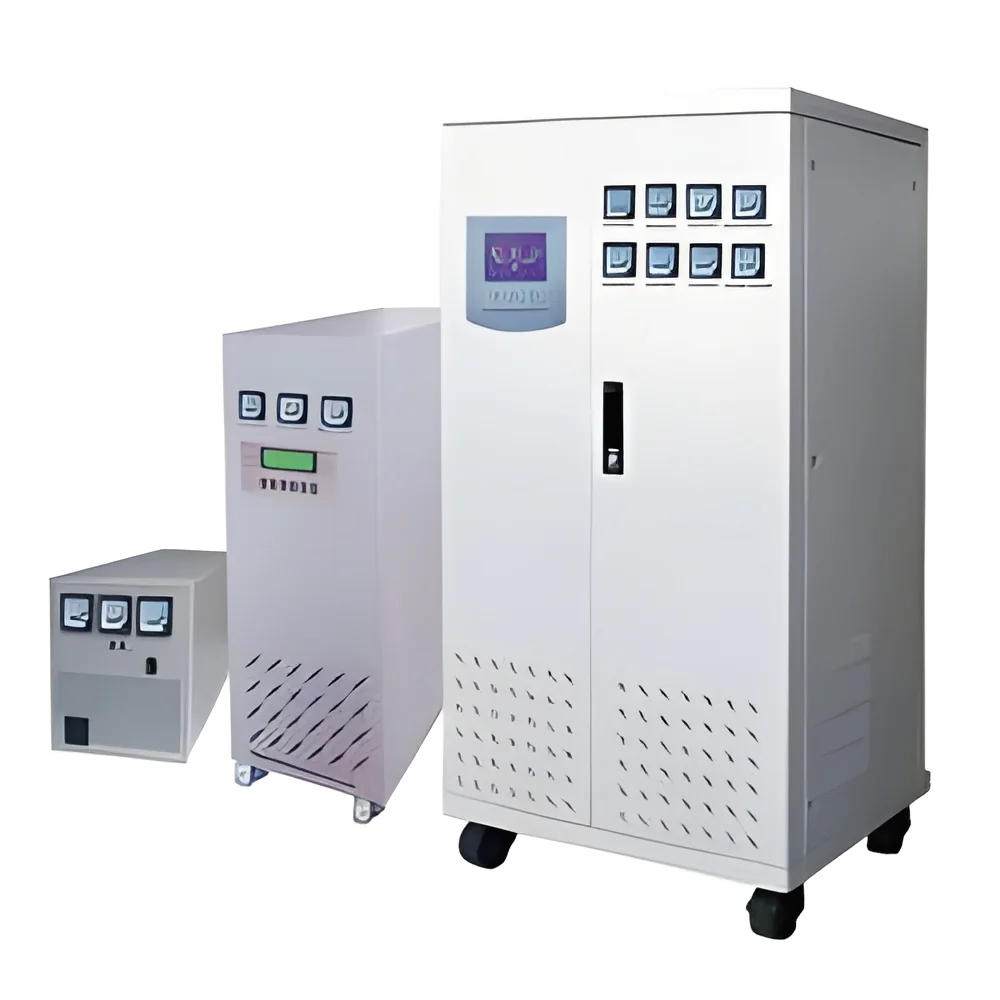
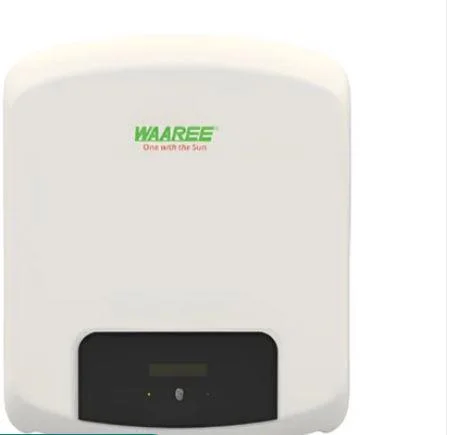
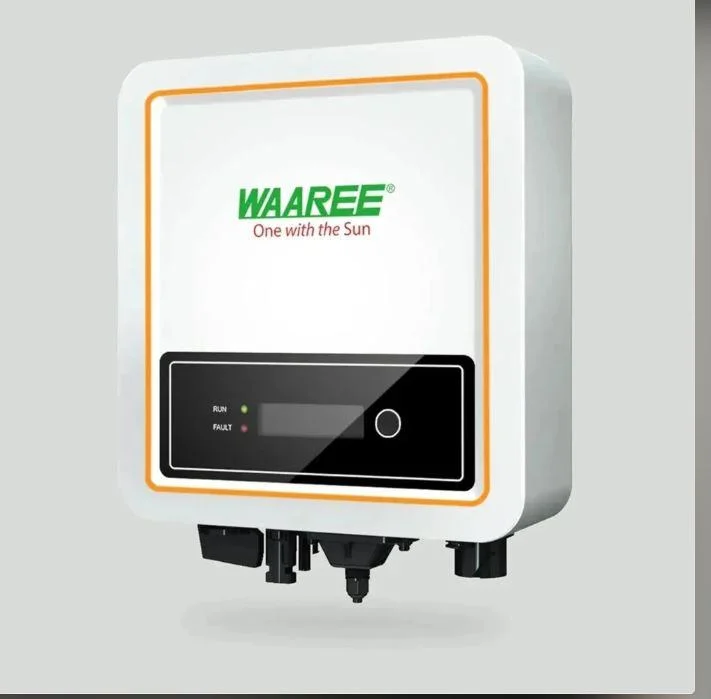
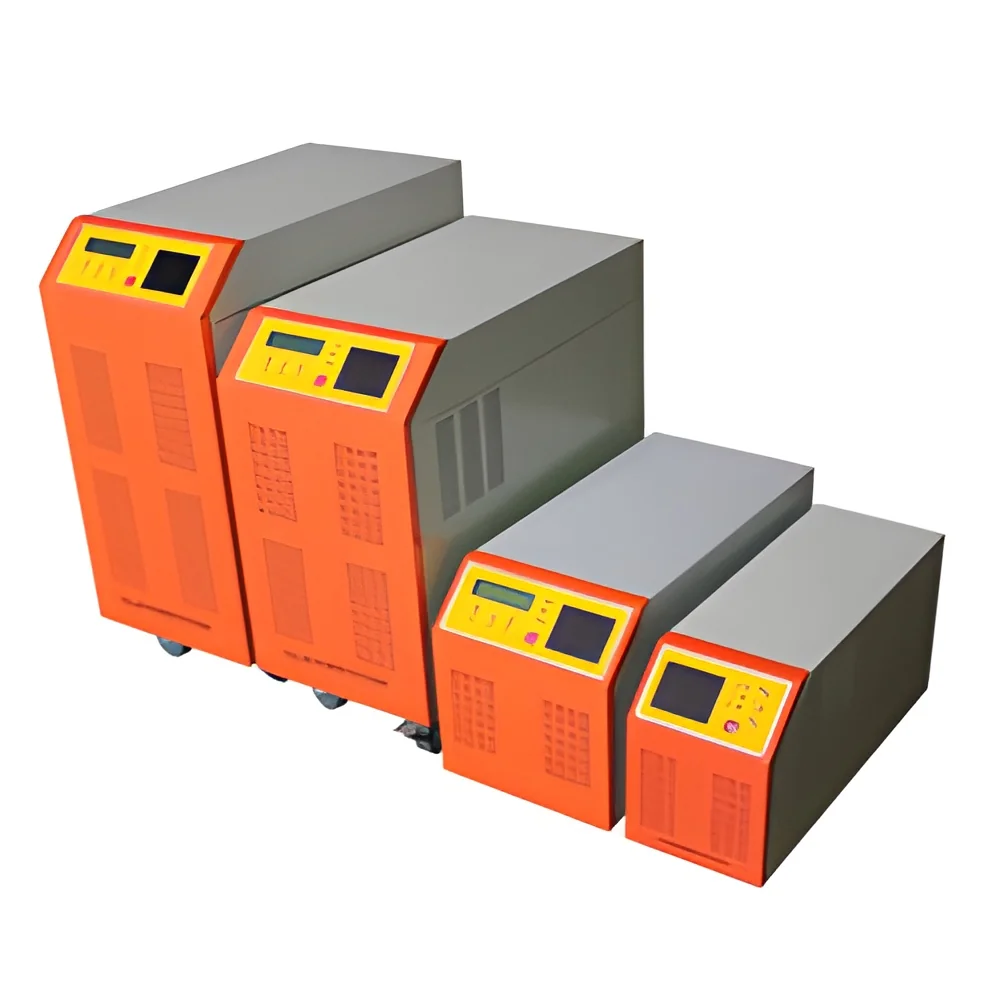
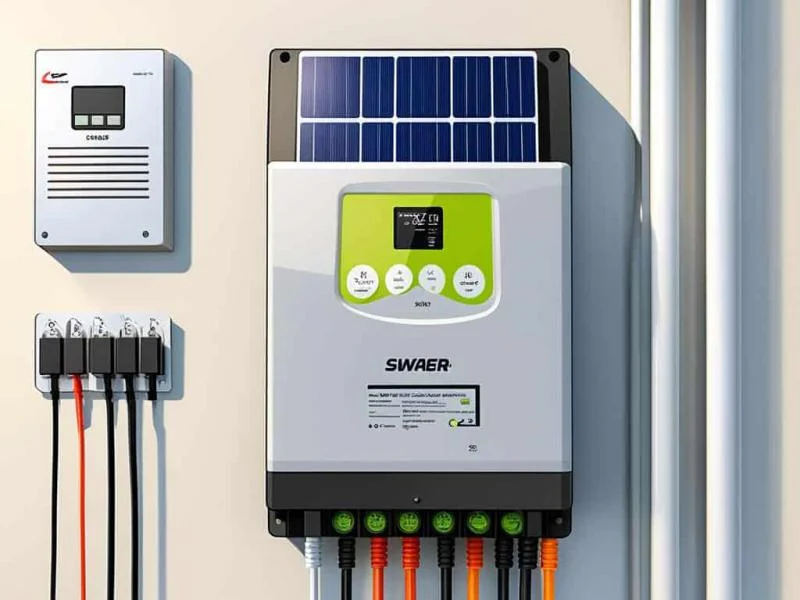
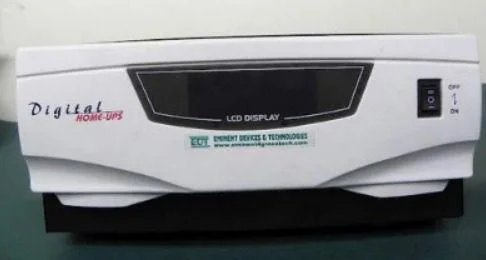
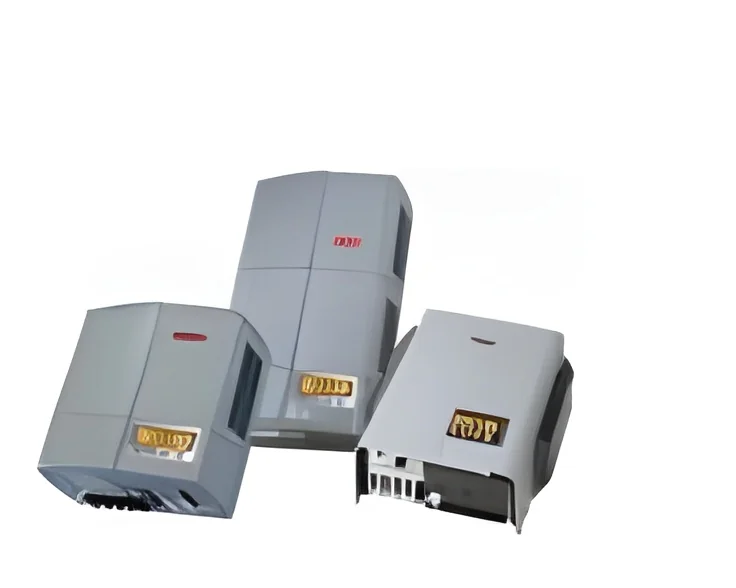
What are Solar Inverters?
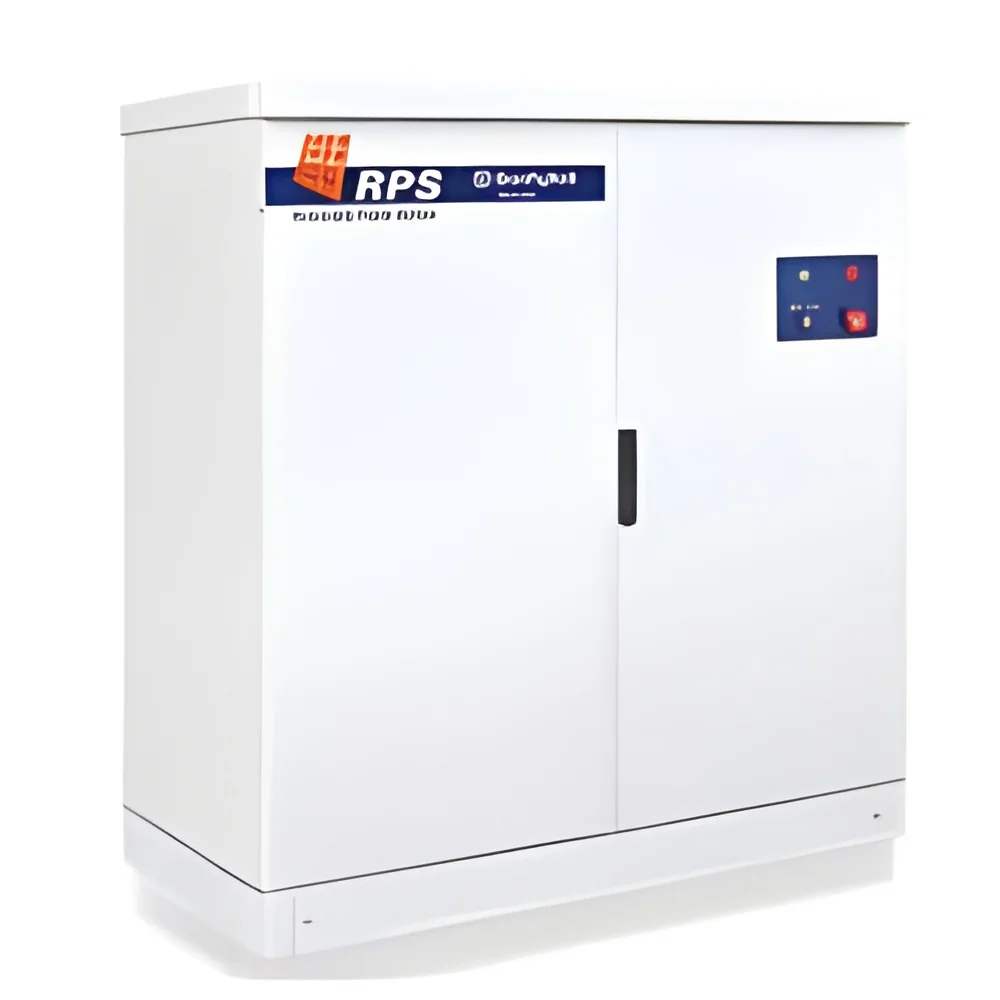
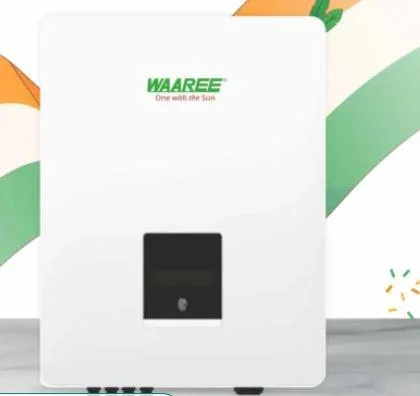
Solar inverters are essential components in solar energy systems. They convert the direct current (DC) generated by solar panels into alternating current (AC), which can be used to power homes, businesses, and connect to the electrical grid. By performing this conversion, solar inverters facilitate the efficient use of solar energy, making it a viable alternative to traditional energy sources.
Solar inverters find primary applications in residential, commercial, and industrial settings. They are critical in solar power plants, where large arrays of solar panels generate electricity for local grids. Businesses leverage solar inverters to reduce energy costs and enhance sustainability by utilizing renewable energy. As the demand for renewable energy grows, the market for solar inverters expands, reflecting an increasing reliance on solar technology across various sectors.
Key Features and Specifications
Solar inverters come with a variety of features and specifications that enhance their performance and reliability. Understanding these specifications is crucial for selecting the right inverter for specific applications.
Key specifications include:
1. Output Power Capacity
- Determines the maximum amount of power the inverter can handle.
- Typically ranges from a few kilowatts for residential systems to several megawatts for utility-scale applications.
2. Efficiency Rating
- Indicates how effectively the inverter converts DC to AC power.
- High-quality inverters often achieve efficiencies above 95%.
3. Input Voltage Range
- Defines the range of voltage levels the inverter can accept from solar panels.
- Usually between 100V to 1000V, depending on the inverter type.
4. Operating Temperature Range
- Specifies the temperature limits within which the inverter can function optimally.
- Generally, inverters operate well in temperatures from -20°C to 60°C.
5. Protection Features
- Includes safety mechanisms like over-voltage, under-voltage, and short-circuit protection.
- Ensures the durability and safety of the inverter and connected systems.
6. Communication Capabilities
- Many inverters offer monitoring features for real-time performance analysis.
- Connectivity options may include Wi-Fi, Ethernet, or mobile app integration.
7. Dimensions and Weight
- Important for installation considerations, especially in space-constrained environments.
- Inverter sizes can vary significantly based on power capacity and design.
8. Warranty and Service Options
- A robust warranty period demonstrates manufacturer confidence in the product.
- Typical warranties range from 5 to 10 years, with options for extended coverage.
Understanding these specifications can help buyers make informed decisions based on their specific energy needs.
Common Applications and Use Cases
Solar inverters serve various industries by enabling the efficient use of solar energy.
1. Residential: Homeowners use solar inverters to harness solar power for household electricity needs, reducing dependence on the grid and lowering energy bills.
2. Commercial: Businesses install solar inverters in commercial solar installations to power their operations sustainably and minimize energy expenses over time.
3. Industrial: Factories and large facilities utilize solar inverters to support energy-intensive operations while contributing to corporate sustainability goals.
4. Agriculture: Farmers adopt solar technology with inverters to power irrigation systems and other farm operations, promoting energy independence.
5. Telecommunications: Solar inverters are used to power remote communication towers, ensuring connectivity in off-grid locations.
6. Government and Municipal Projects: Public sector initiatives implement solar inverters in various projects to promote renewable energy and reduce carbon footprints.
7. Solar Farms: Large-scale solar farms rely on robust inverters to manage power distribution efficiently and supply energy to the grid.
Product Variants and Subcategories
Solar inverters are available in various types to suit different applications and requirements.
String Inverters: These inverters are commonly used in residential installations. They connect multiple solar panels in a series, optimizing the energy output from each panel.
Microinverters: Installed on each solar panel, microinverters maximize energy production by allowing each panel to operate independently, making them ideal for shaded or complex roof structures.
Central Inverters: Used in large solar power plants, central inverters manage the output of many strings of solar panels, providing a high level of efficiency and scalability.
Hybrid Inverters: These versatile inverters can manage both solar energy and battery storage, making them suitable for systems that require energy backup solutions.
Benefits and Advantages
Solar inverters offer numerous benefits that make them a valuable addition to energy systems.
1. Energy Efficiency: High-quality solar inverters convert a significant amount of generated power, ensuring maximum energy utilization.
2. Cost Savings: By enabling the use of solar energy, businesses can significantly reduce their electricity costs over time.
3. Environmental Impact: Using solar energy helps lower carbon emissions and promotes sustainability.
4. Reliability: Modern solar inverters come with built-in safety features that enhance the overall reliability of solar power systems.
5. Monitoring Capabilities: Many inverters offer advanced monitoring features, allowing users to track performance and optimize energy use.
6. Scalability: Solar inverters can be easily integrated into larger systems, making it simple to expand energy production as needed.
Buying Guide for B2B Buyers
When sourcing solar inverters, it is essential to consider several factors to ensure an informed purchase.
1. Quality Assessment: Look for reputable manufacturers that adhere to industry standards. Check for certifications that indicate product reliability and performance.
2. Supplier Verification: Conduct thorough background checks on suppliers to ensure they have a solid reputation and experience in the market.
3. Pricing and MOQ: Understand the pricing model and minimum order quantities associated with different suppliers to ensure the purchase aligns with your budget.
4. Delivery and Lead Times: Assess logistics capabilities and lead times to ensure timely project completion and installation.
5. Compliance Requirements: Investigate applicable regulatory standards and certifications required in your region to ensure that the products meet local guidelines.
Compliance and Certifications
Compliance with established standards and certifications is crucial in the solar inverter industry. Key quality standards include ISO 9001, which ensures a consistent quality management system, and CE certification, indicating that products meet European safety and environmental requirements.
Safety and testing requirements are also vital, ensuring that inverters can withstand various operational stresses and environmental conditions. Manufacturers must adhere to regional compliance considerations, which may vary based on local regulations and market demands.
Ensuring that solar inverters meet these certifications and standards not only enhances product reliability but also assures buyers of their safety and effectiveness in various applications.
Why Source Solar Inverters from Pepagora?
Pepagora provides a trusted platform for sourcing solar inverters, offering several key advantages to B2B buyers.
Verified Supplier Network: Pepagora connects buyers with a robust network of verified suppliers, ensuring access to high-quality products and reliable service.
Streamlined RFQ Process: The platform simplifies the request for quotation process, enabling buyers to receive competitive bids quickly and efficiently.
Trade Assurance and Support: Pepagora offers buyer protection through trade assurance, ensuring that transactions are secure and that buyers receive the products as promised.
Regional Coverage: With a strong presence in markets like India, the GCC, and Southeast Asia, Pepagora ensures that buyers can find suitable suppliers across diverse geographic regions, enhancing accessibility and convenience in sourcing solar inverters.

 IN
IN