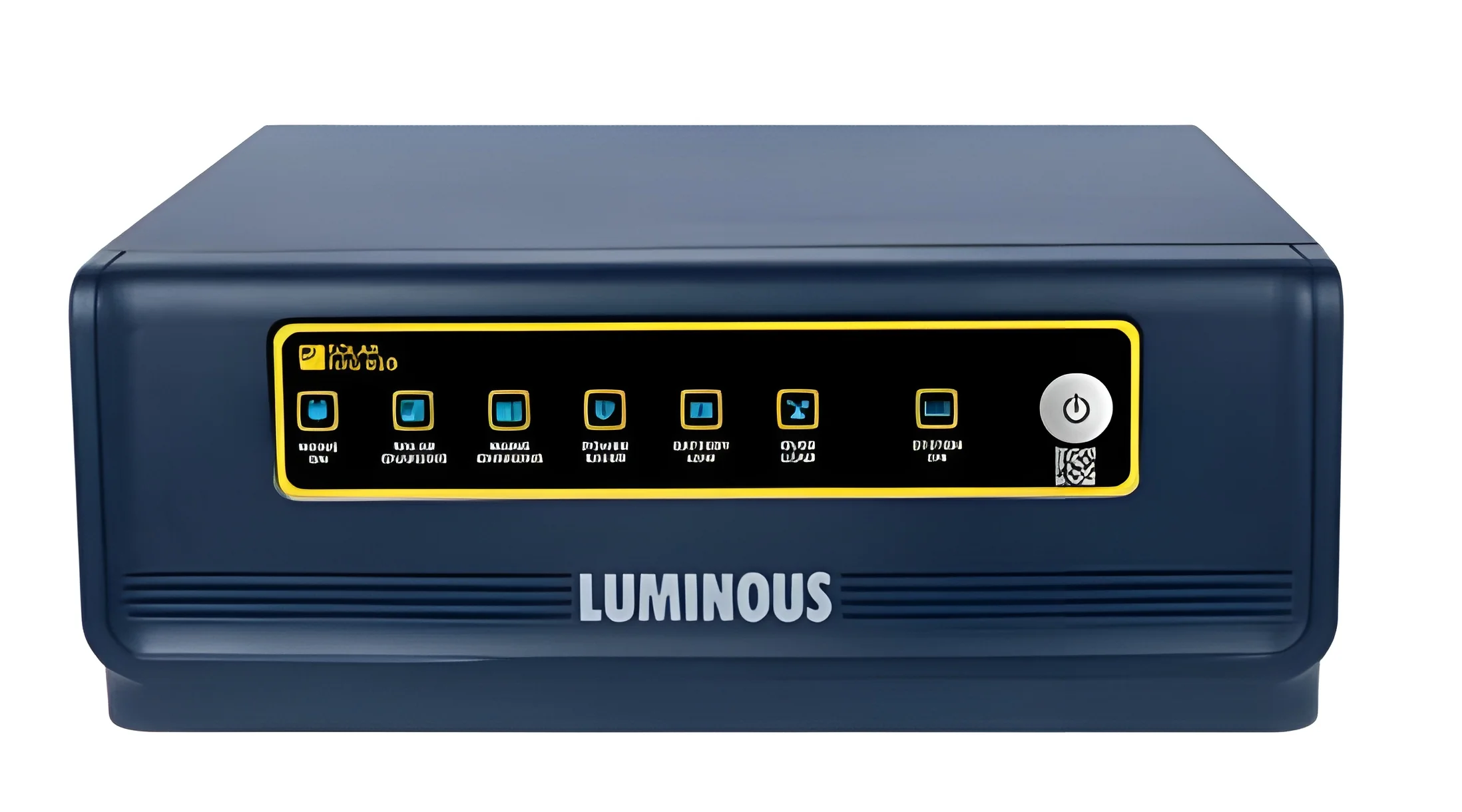
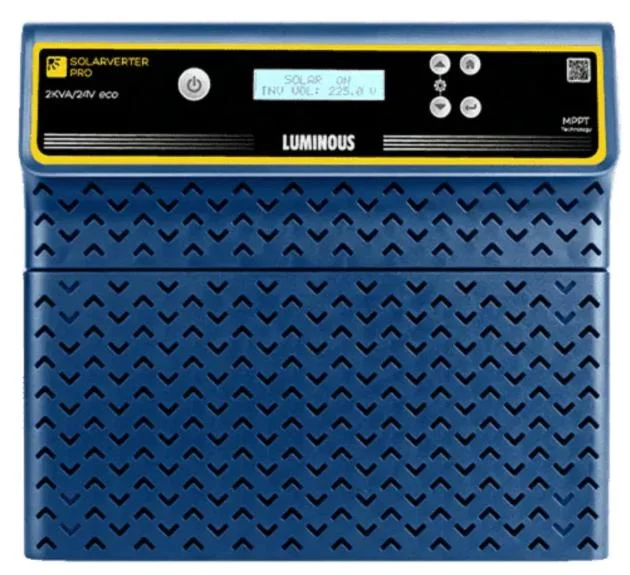
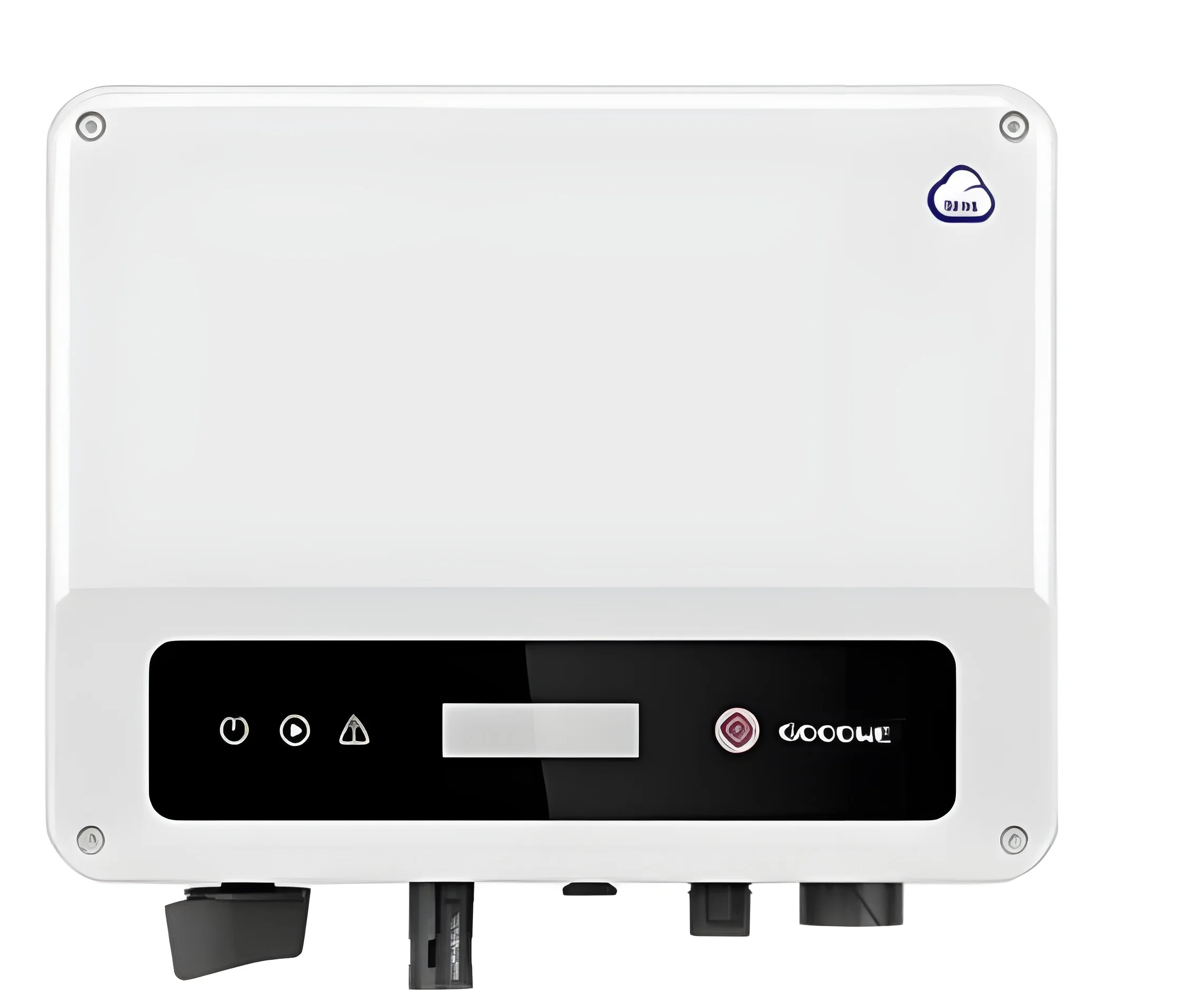
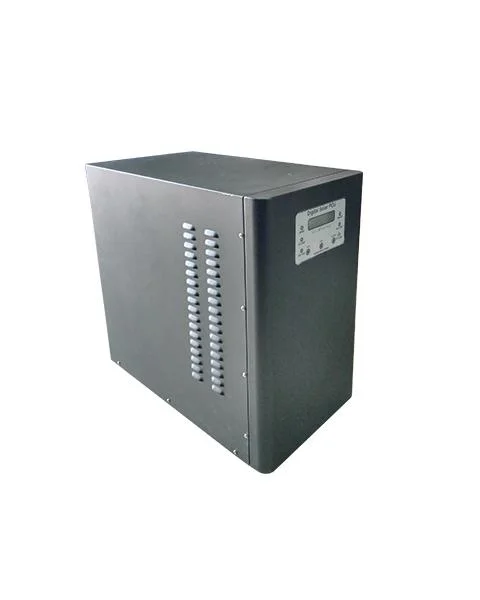
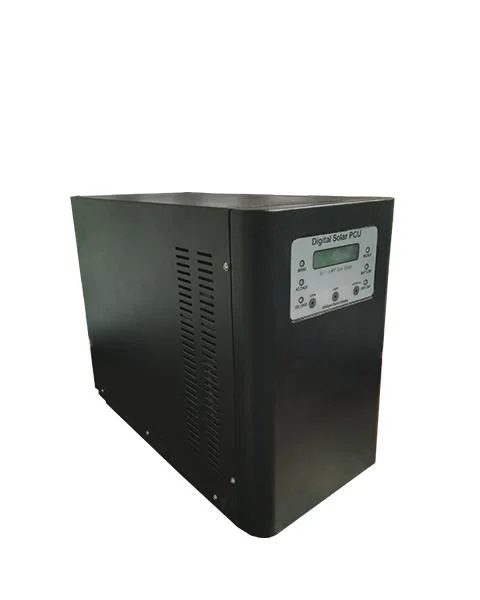
What are Hybrid Inverters?
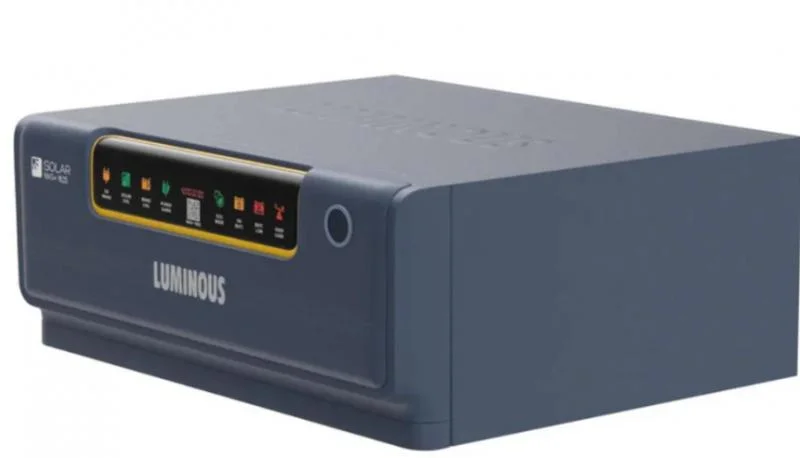
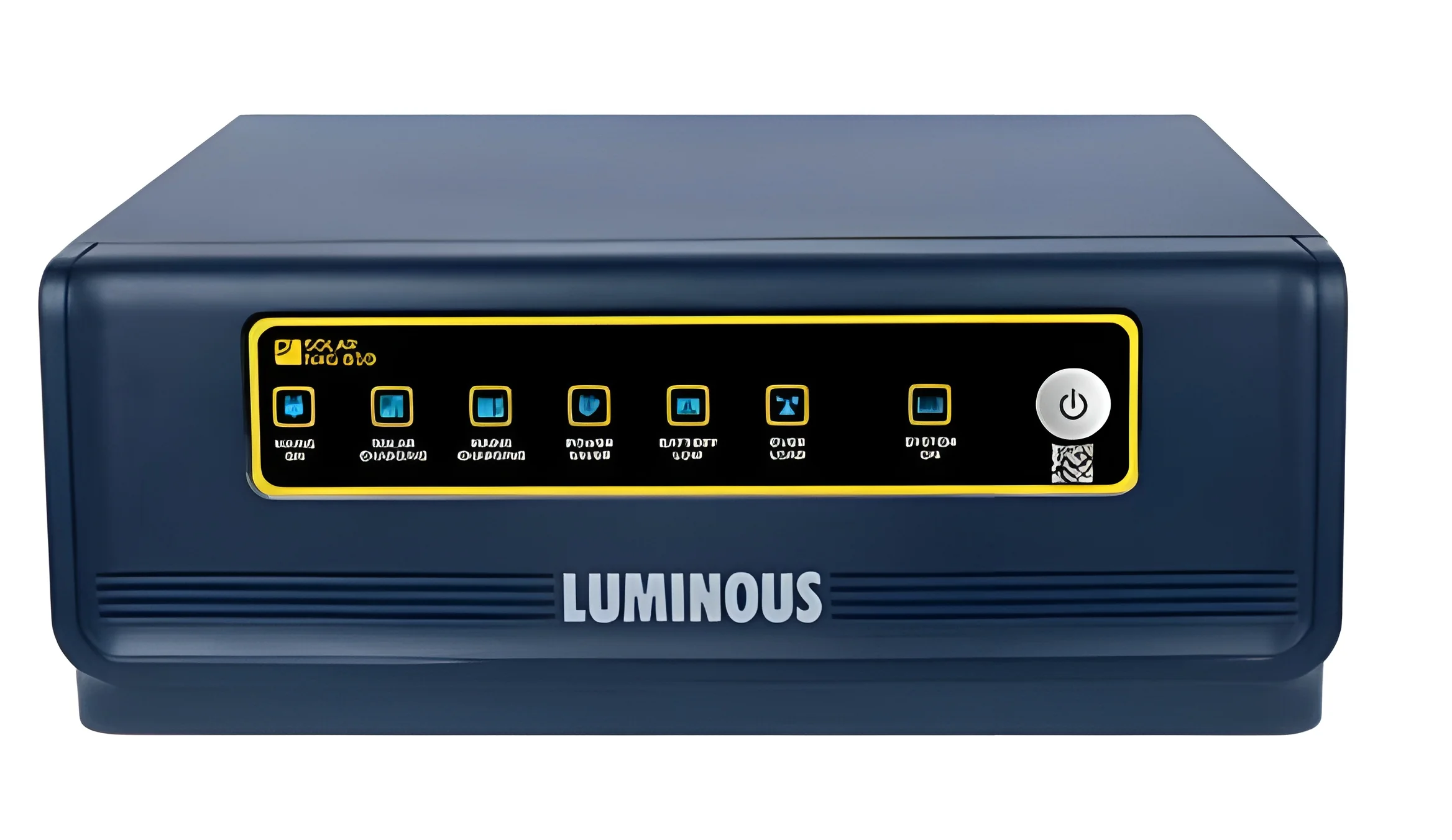
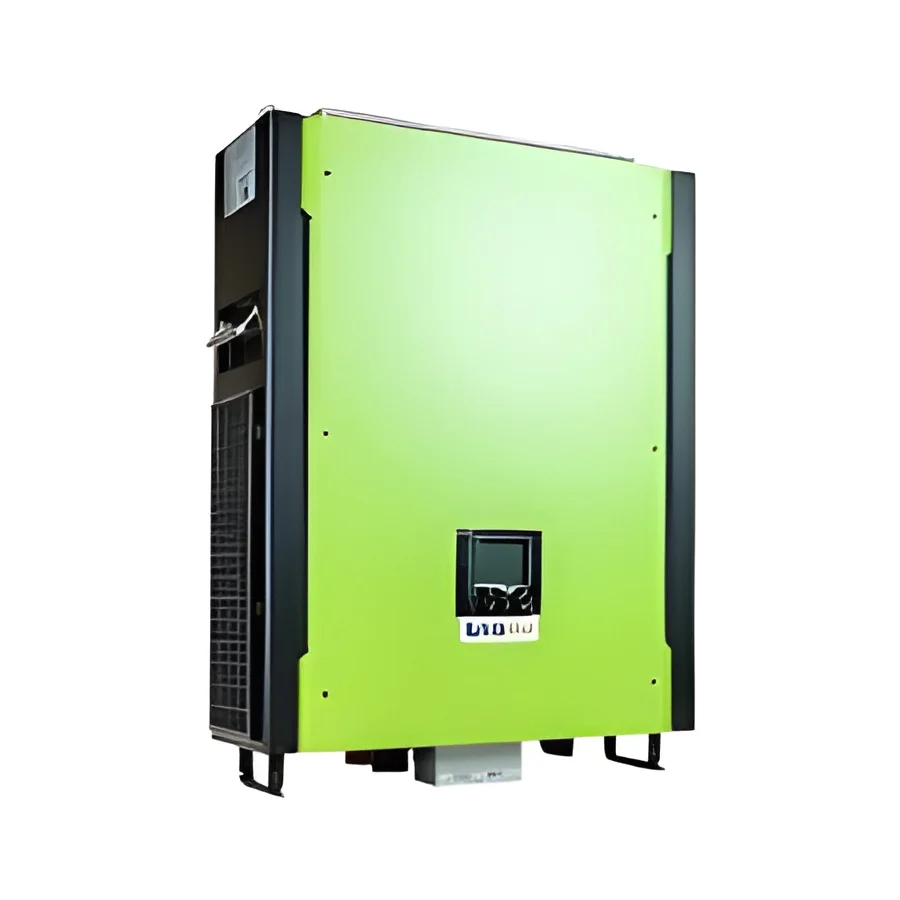
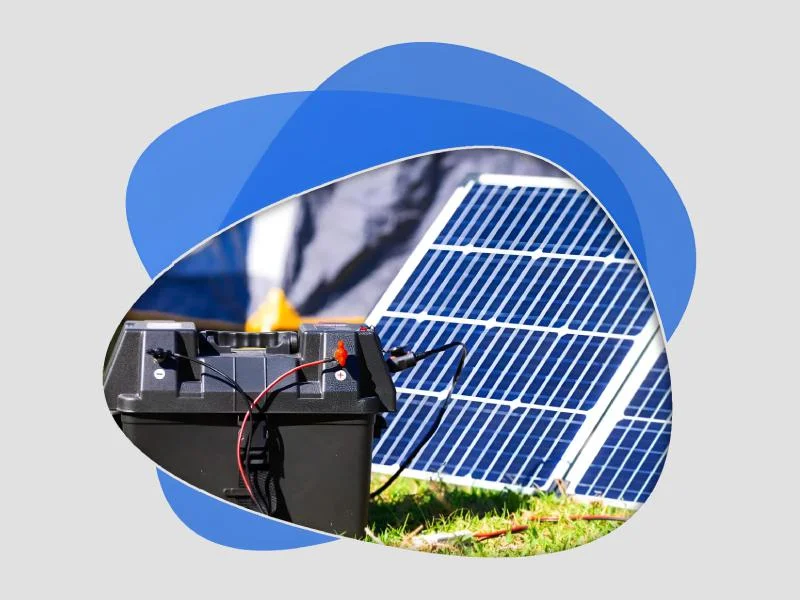
Hybrid inverters are advanced devices that combine the functionalities of traditional inverters with energy storage capabilities. They effectively manage energy from multiple sources, such as solar panels and battery systems, allowing for seamless energy conversion and distribution. This technology enables users to harness renewable energy while ensuring a reliable power supply during peak demand or grid outages.
Primarily, hybrid inverters are utilized in residential, commercial, and industrial applications where energy independence and efficiency are paramount. They play a critical role in managing energy flow, optimizing the use of generated solar power, and enhancing overall energy reliability. The growing emphasis on sustainable energy solutions has heightened the demand for hybrid inverters, making them a vital component in the transition towards greener energy systems.
In the current market landscape, hybrid inverters are increasingly relevant as industries strive to reduce their carbon footprint and enhance energy efficiency. Their ability to integrate with smart grid technologies and support various energy management strategies positions them as key players in the renewable energy sector. As businesses look for ways to optimize energy consumption, hybrid inverters serve as an essential solution.
Key Features and Specifications
Hybrid inverters are equipped with a range of features that enhance their functionality and performance. Their specifications can vary based on manufacturer and model, but common elements are crucial for potential buyers to consider.
Key specifications include:
1. Input Voltage Range
- The input voltage range determines the voltage levels the inverter can handle.
- Typically ranges from 100V to 600V.
2. Output Power Rating
- This specification indicates the maximum power output the inverter can deliver.
- Common ratings range from 3 kW to 10 kW for residential models.
3. Battery Compatibility
- Indicates which types of batteries can be paired with the inverter.
- Often includes lithium-ion and lead-acid batteries.
4. Efficiency Rating
- The efficiency rating measures how effectively the inverter converts DC to AC power.
- Typical efficiencies range from 90% to 98%.
5. Communication Interfaces
- Features such as Wi-Fi, Ethernet, or RS485 for monitoring and control.
- Facilitates real-time data access for performance tracking.
6. Protection Features
- Includes over-voltage, over-current, and short circuit protection mechanisms.
- Ensures safe operation and longevity of the system.
7. Dimensions and Weight
- Important for installation considerations.
- Varies widely, with typical dimensions around 600mm x 400mm x 200mm and weighs between 20kg to 60kg.
8. Operating Temperature Range
- Specifies the temperature range in which the inverter operates effectively.
- Generally between -10°C to 60°C.
In summary, understanding these specifications helps businesses select hybrid inverters that align with their operational needs and energy management goals.
Common Applications and Use Cases
Hybrid inverters find applications across various sectors due to their versatility and efficiency in energy management.
1. Residential: Homeowners utilize hybrid inverters to optimize their solar energy use and enhance energy independence, especially during grid outages.
2. Commercial: Businesses leverage hybrid inverters to manage energy costs and reduce reliance on traditional power sources, leading to significant savings.
3. Industrial: Industrial facilities implement hybrid inverters to support large-scale operations, ensuring consistent energy supply and reducing operational costs.
4. Agricultural: Farmers use hybrid inverters to power irrigation systems and other equipment, improving efficiency and sustainability in agricultural practices.
5. Telecommunications: Hybrid inverters support telecommunication towers by providing reliable backup power, ensuring uninterrupted service.
6. Electric Vehicle Charging Stations: They are used to manage energy flow in EV charging stations, optimizing charging times and energy costs.
7. Off-Grid Systems: Hybrid inverters are ideal for off-grid applications, allowing users to generate and store energy independently from the main grid.
Product Variants and Subcategories
Hybrid inverters come in a variety of types to accommodate different needs and applications. This diversity allows businesses to select the most suitable option for their specific energy requirements.
Residential Hybrid Inverters
These models are designed for home use, offering features that maximize solar energy utilization. They often include built-in battery management systems for efficient energy storage.
Commercial Hybrid Inverters
Tailored for business applications, these inverters provide higher power ratings and enhanced features, such as remote monitoring and advanced communication interfaces. They support larger energy demands and integration with building management systems.
Industrial Hybrid Inverters
Engineered for large facilities, industrial variants can handle significant loads and offer robust performance. They often include multiple input channels for connecting various energy sources.
Benefits and Advantages
Hybrid inverters offer numerous advantages that make them an attractive choice for businesses seeking energy solutions.
1. Enhanced Energy Efficiency: These inverters optimize the use of renewable energy, reducing dependency on conventional power sources and lowering energy costs.
2. Improved Reliability: With their ability to manage energy from multiple sources, hybrid inverters provide a consistent power supply, even during outages.
3. Scalability: Businesses can easily expand their energy systems by adding more solar panels or batteries, thanks to the flexibility offered by hybrid inverters.
4. Environmental Sustainability: By promoting the use of renewable energy, hybrid inverters contribute to reducing carbon footprints and supporting global sustainability efforts.
5. Advanced Monitoring: Many models come equipped with monitoring features that allow businesses to track energy consumption and system performance in real-time.
6. Cost Savings: Investing in hybrid inverters can lead to substantial savings on energy bills over time, making them a cost-effective solution for energy management.
Buying Guide for B2B Buyers
When sourcing hybrid inverters, businesses must consider several key factors to ensure they make informed purchasing decisions.
1. Quality Assessment: It is important to evaluate the quality of the hybrid inverter by reviewing manufacturer certifications and customer reviews. Look for products that meet recognized quality standards.
2. Supplier Verification: Vetting suppliers is crucial to ensure reliability and quality. Conduct background checks, request references, and review previous projects to confirm their credibility.
3. Pricing and MOQ: Understand the pricing structure and minimum order quantities (MOQ) required by suppliers. This will help in budgeting and planning for purchases.
4. Delivery and Lead Times: Inquire about delivery schedules and lead times to ensure that the hybrid inverters will arrive in a timely manner to meet project deadlines.
5. Compliance Requirements: Familiarize yourself with any regulatory and compliance requirements relevant to your industry and region to ensure that the products meet necessary standards.
Compliance and Certifications
Hybrid inverters must adhere to various quality standards and certifications to ensure they meet industry requirements. ISO 9001, for instance, is a quality management standard that emphasizes consistent product quality and customer satisfaction. Compliance with safety standards is crucial, particularly those related to electrical equipment and energy systems.
Additionally, many hybrid inverters hold CE certification, indicating they meet European safety, health, and environmental protection standards. This certification helps in gaining market access and ensuring product safety.
Testing requirements often include assessments for efficiency, performance under different conditions, and long-term durability. Regional compliance may vary, so businesses must ensure their hybrid inverters meet local regulations and standards before purchasing.
Why Source Hybrid Inverters from Pepagora?
Pepagora provides a trusted platform for sourcing hybrid inverters, offering several key advantages to B2B buyers.
Verified Supplier Network: Pepagora connects buyers with a network of verified suppliers, ensuring that all partners have been thoroughly vetted for quality and reliability.
Streamlined RFQ Process: The platform features a straightforward Request for Quotation (RFQ) system, allowing buyers to easily solicit and compare offers from multiple suppliers, facilitating informed decision-making.
Trade Assurance and Support: Pepagora offers trade assurance services that protect buyers throughout the purchasing process, providing peace of mind and support in case of disputes.
Regional Coverage: With a strong presence in regions such as India, the GCC, and Southeast Asia, Pepagora can effectively connect buyers with suppliers that meet their geographic and logistical needs, enhancing accessibility to quality hybrid inverters.

 IN
IN