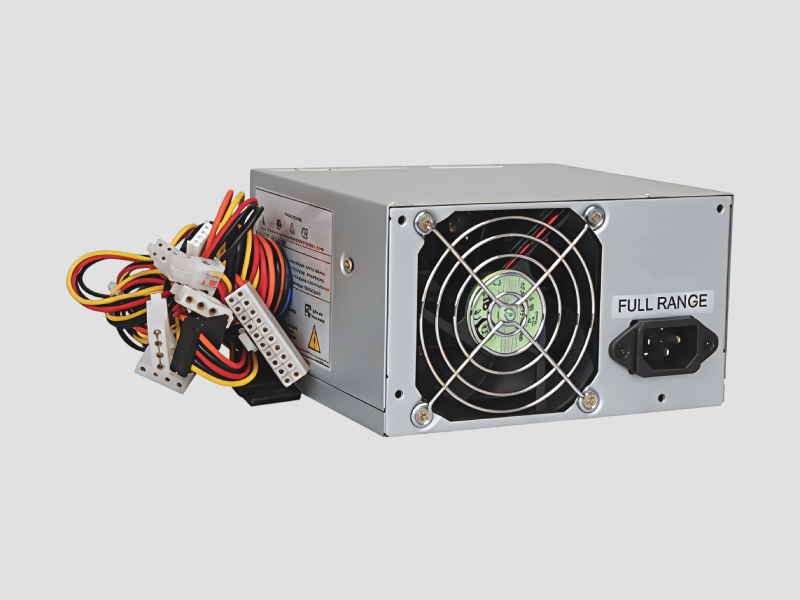
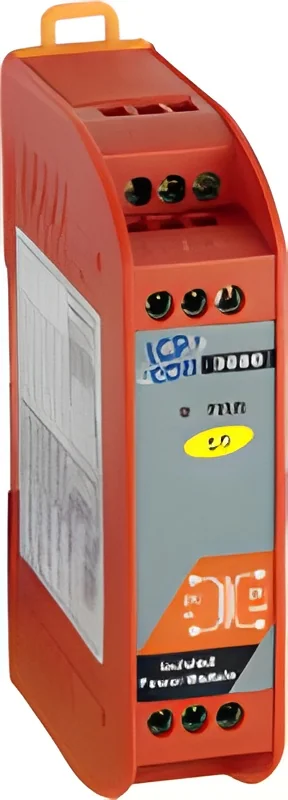
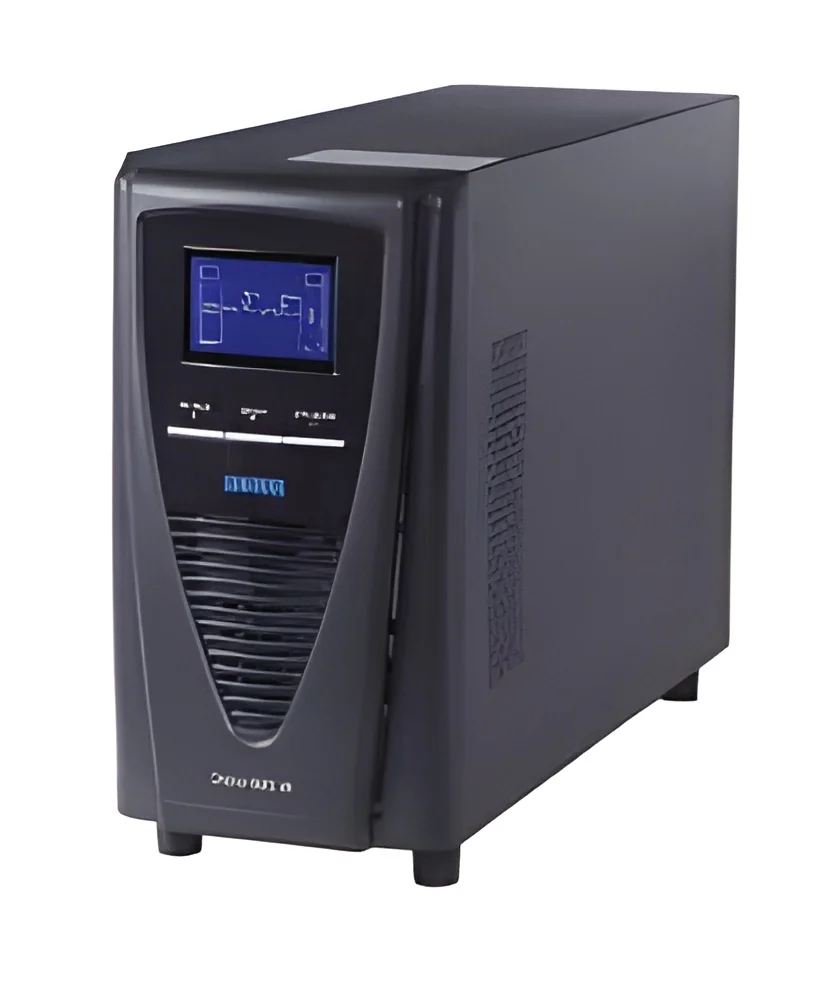
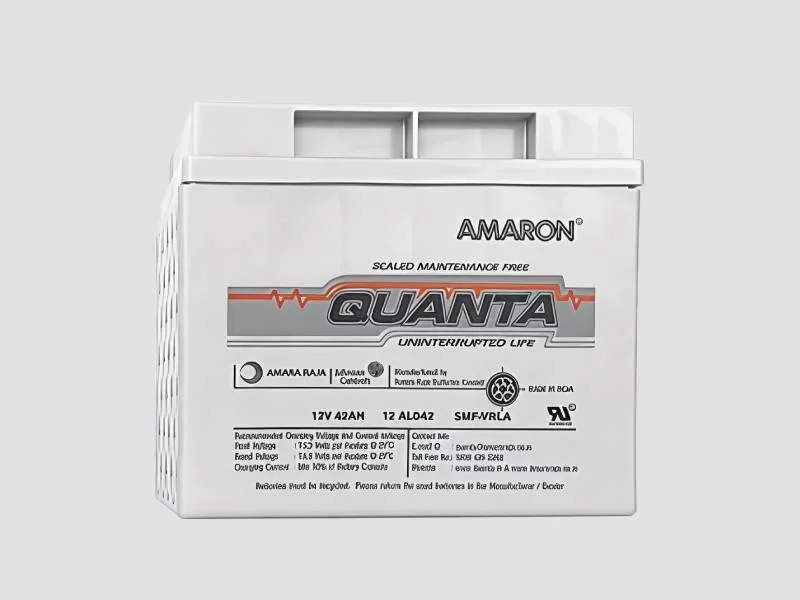
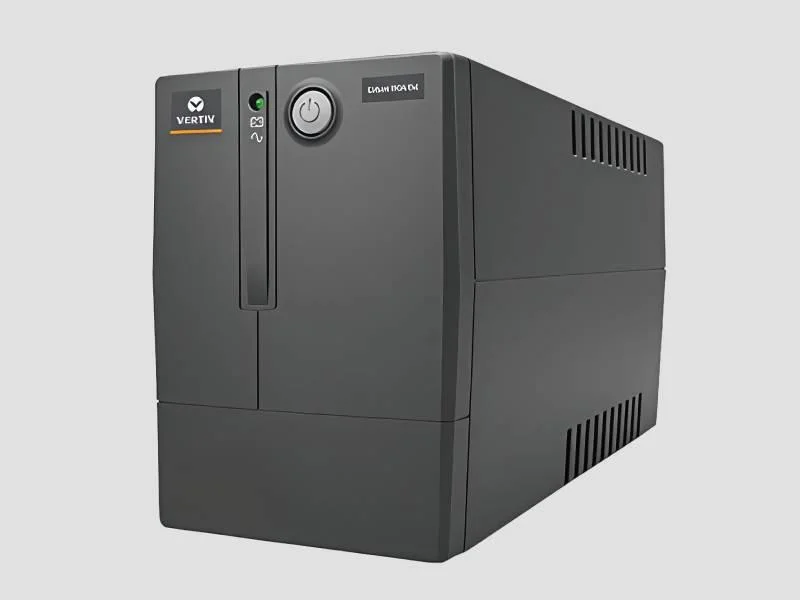
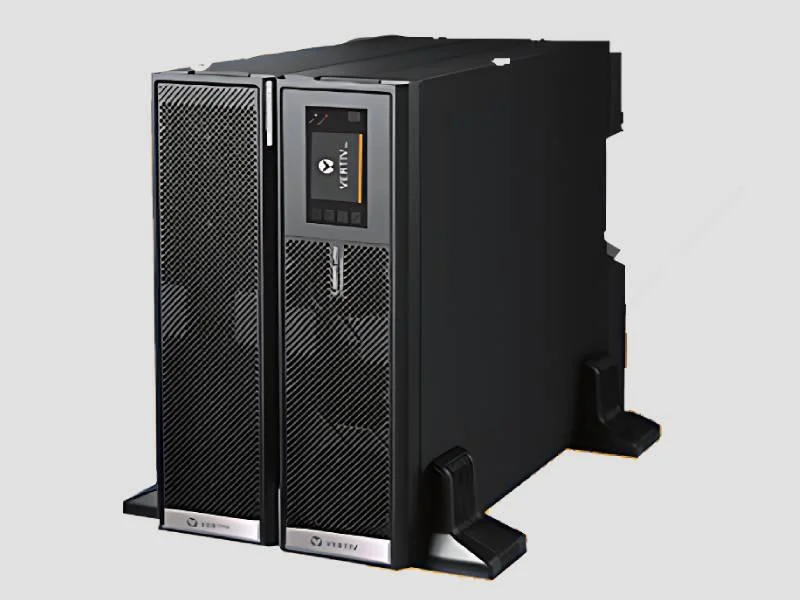
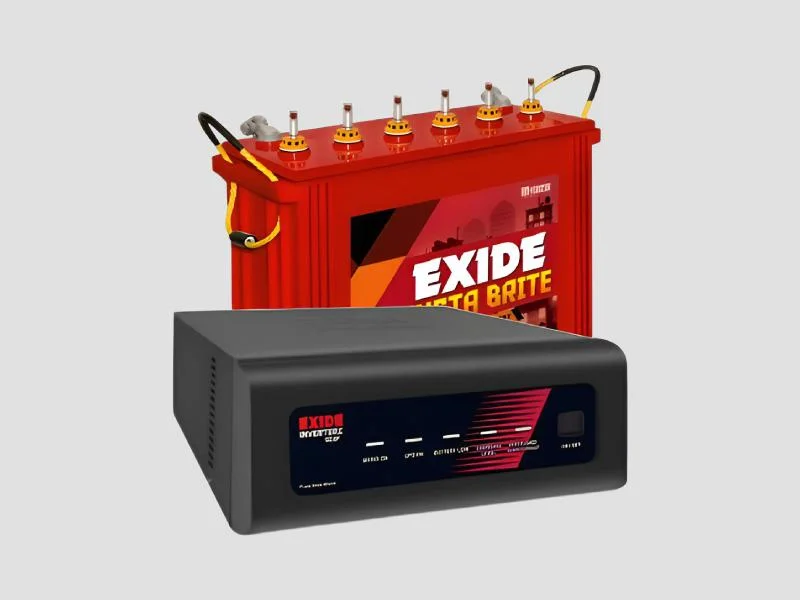
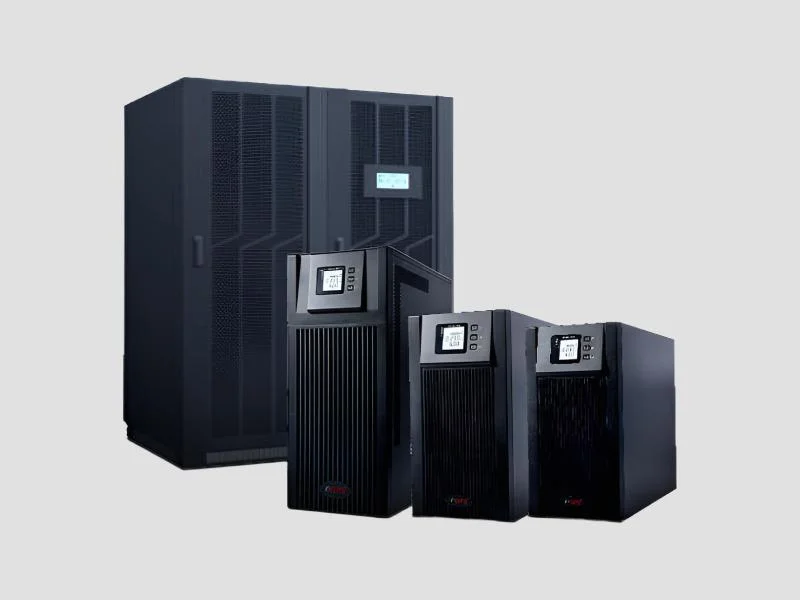
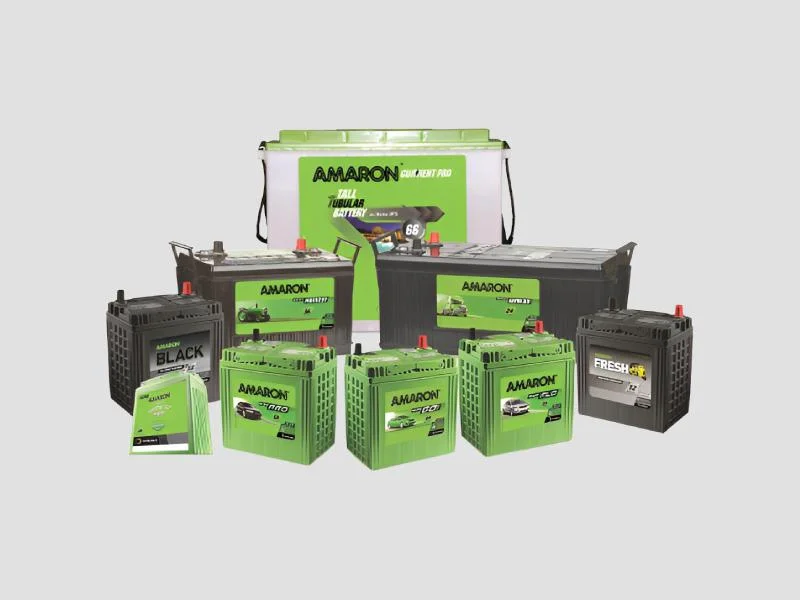
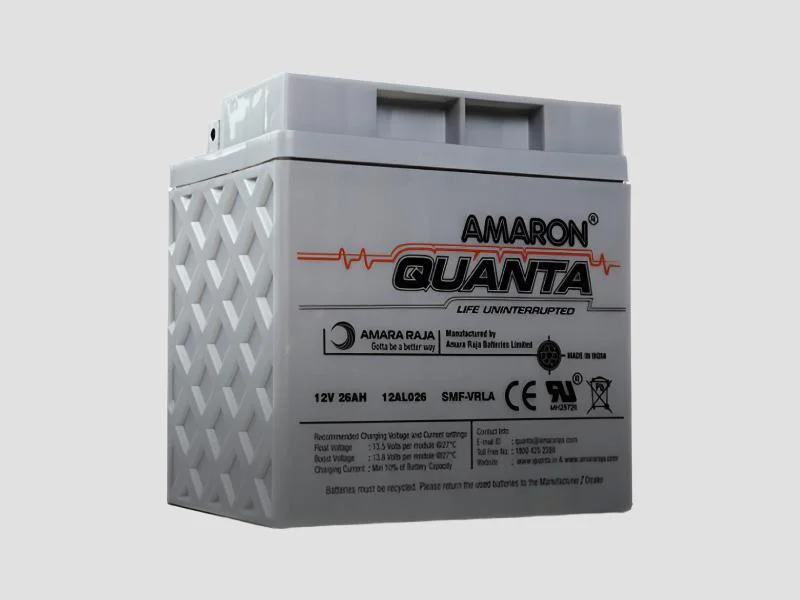
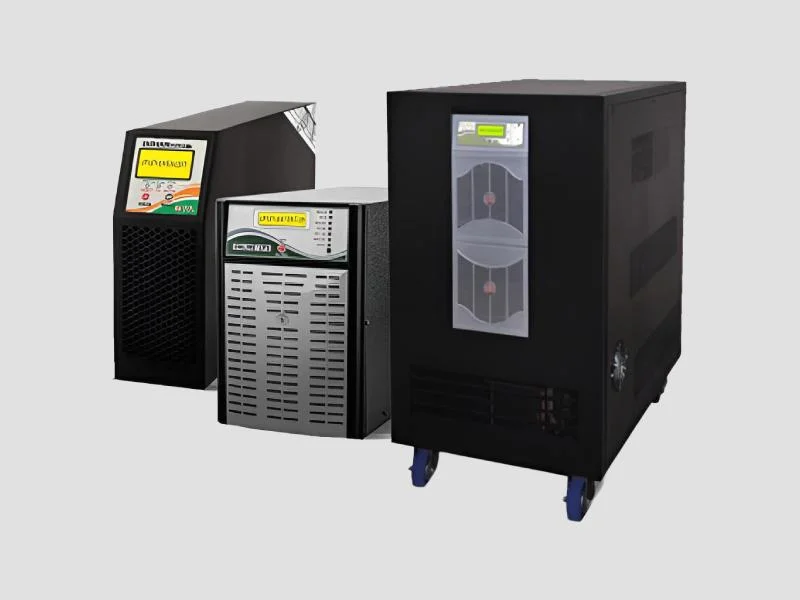
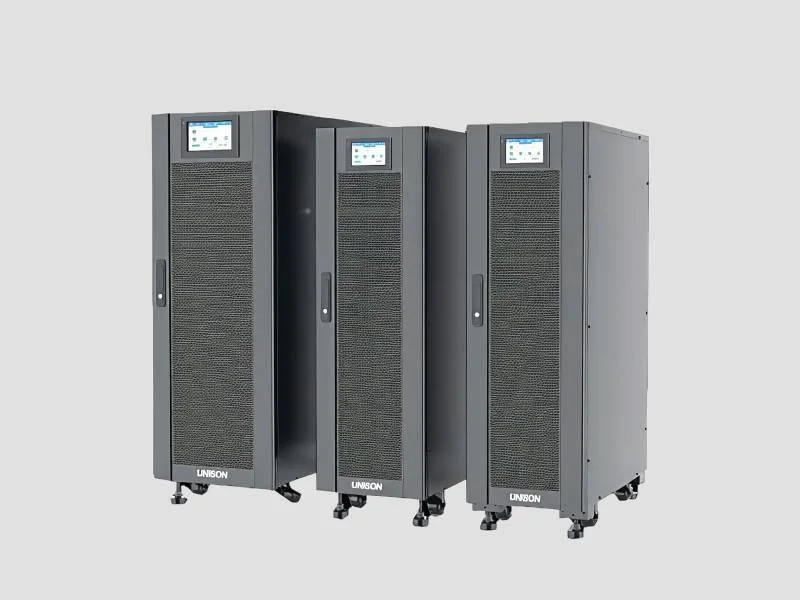
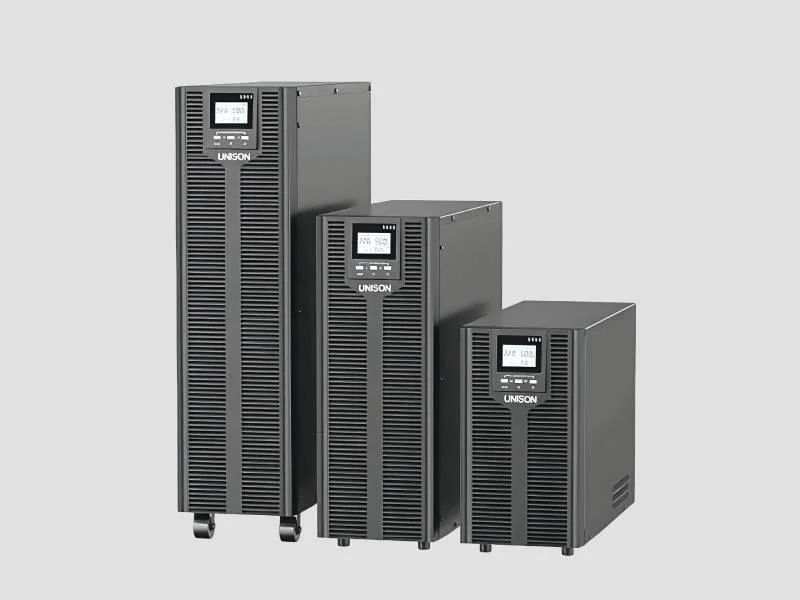
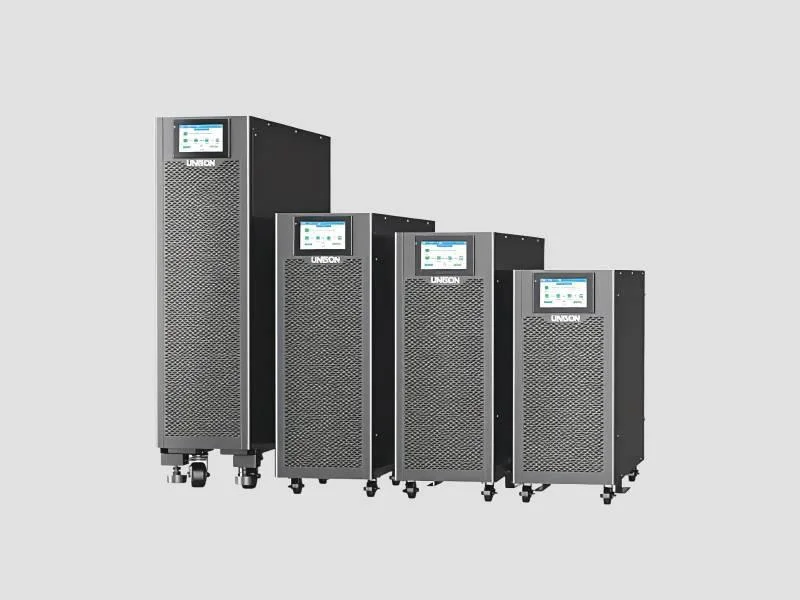
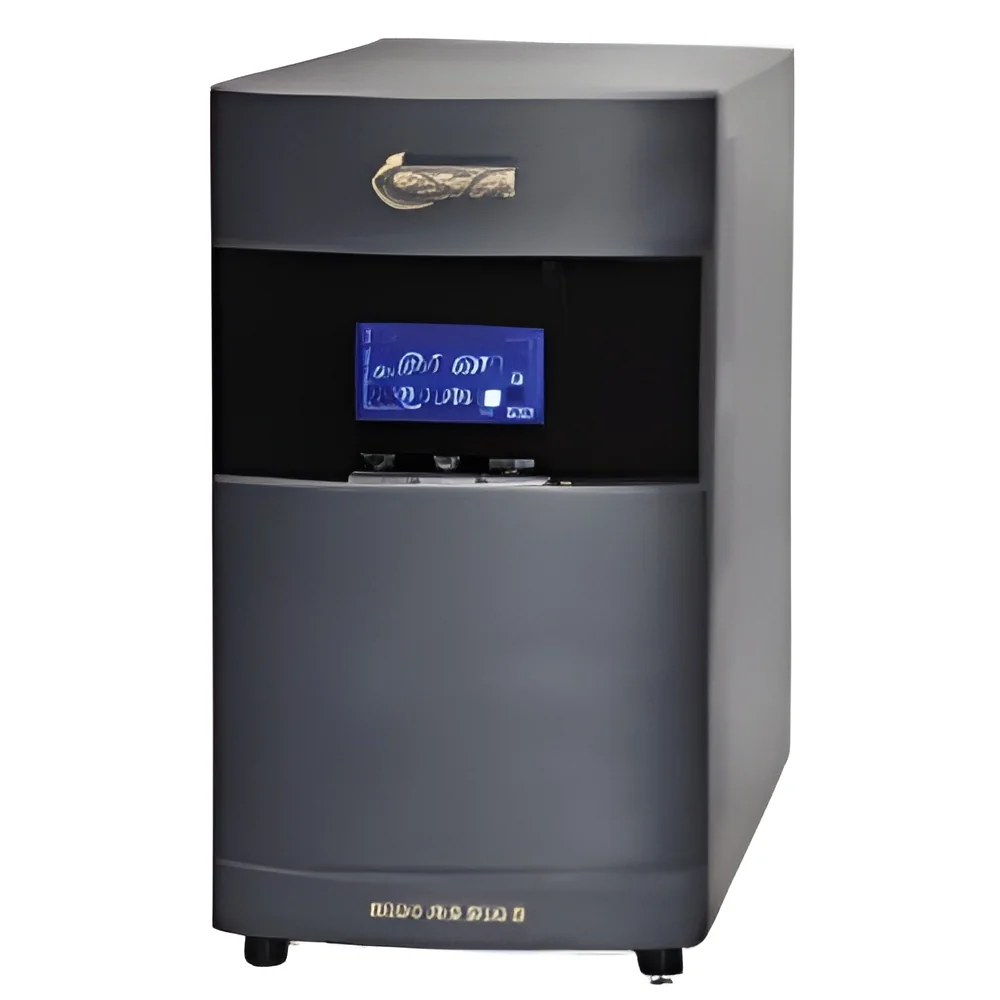
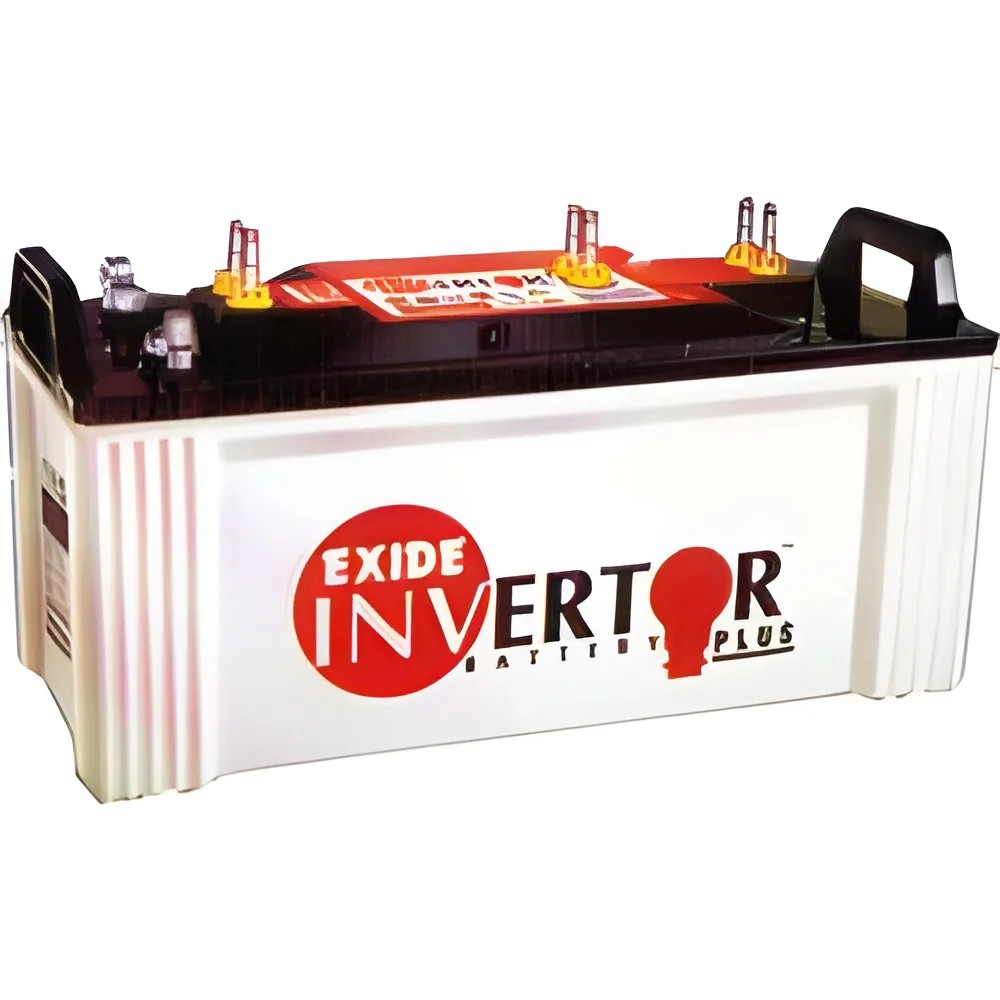
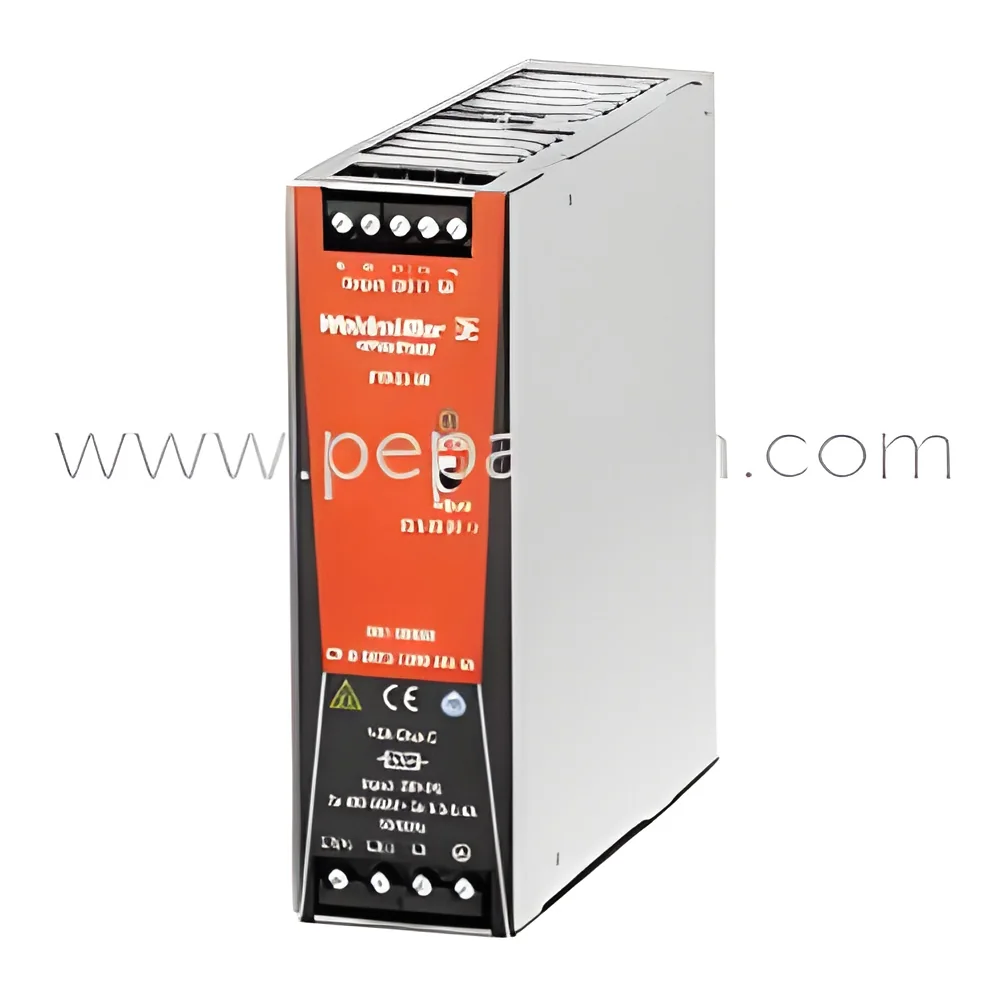
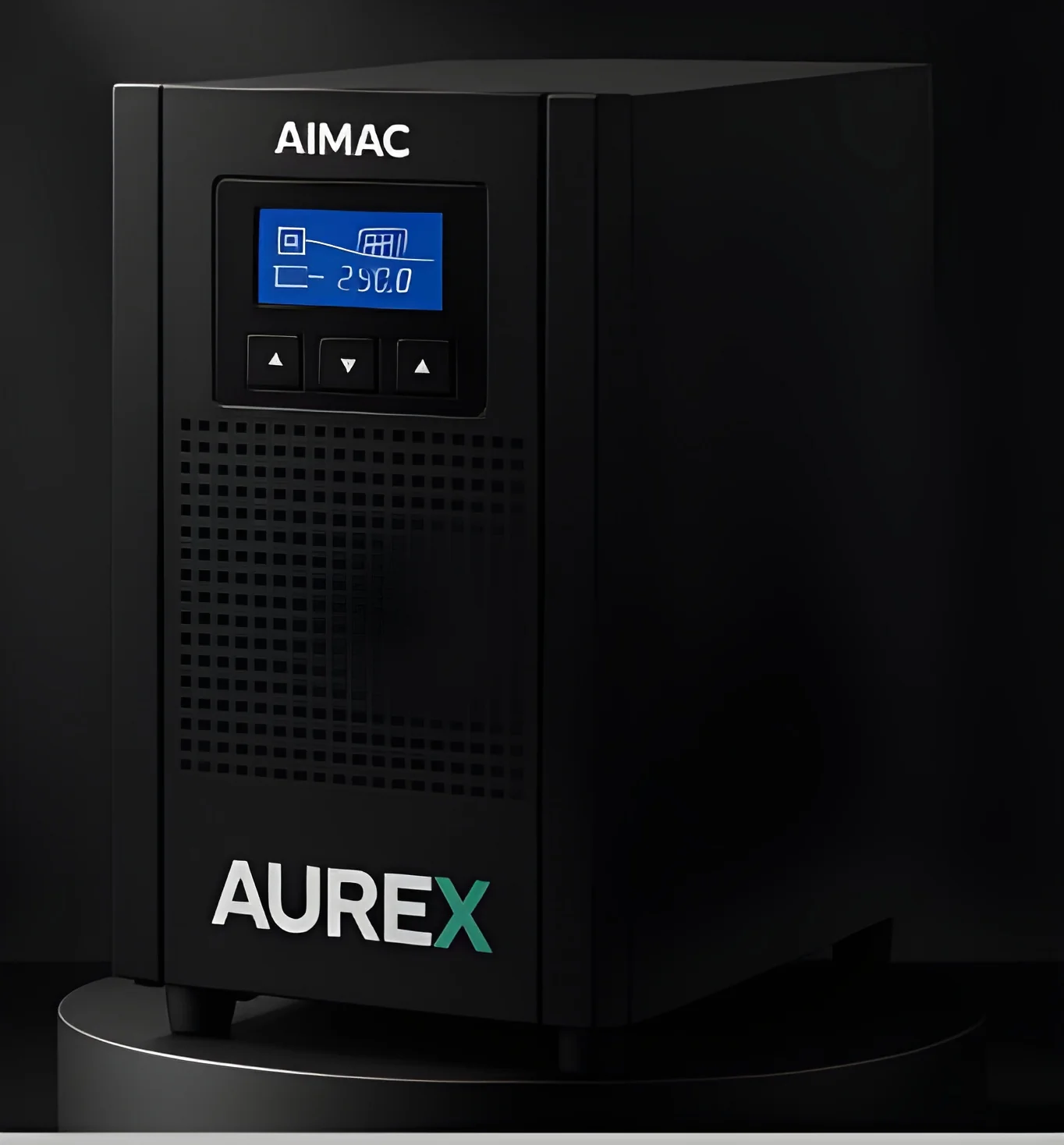
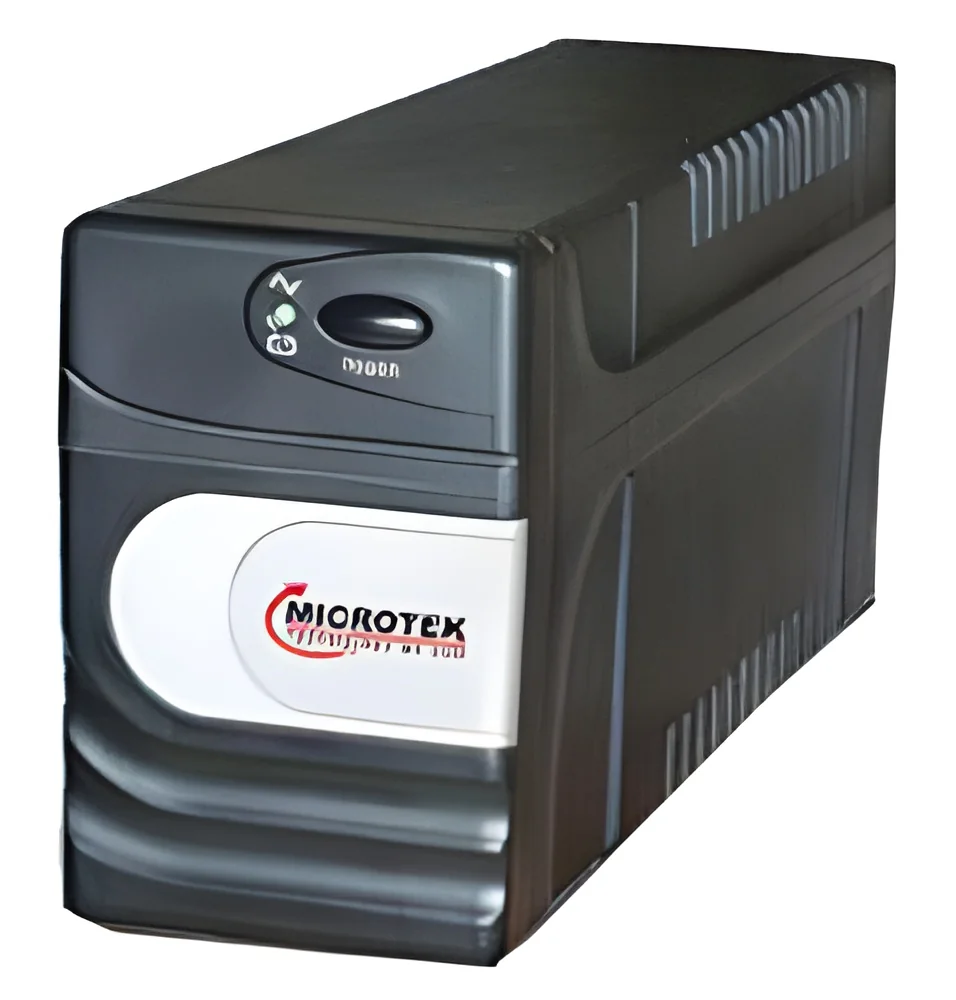
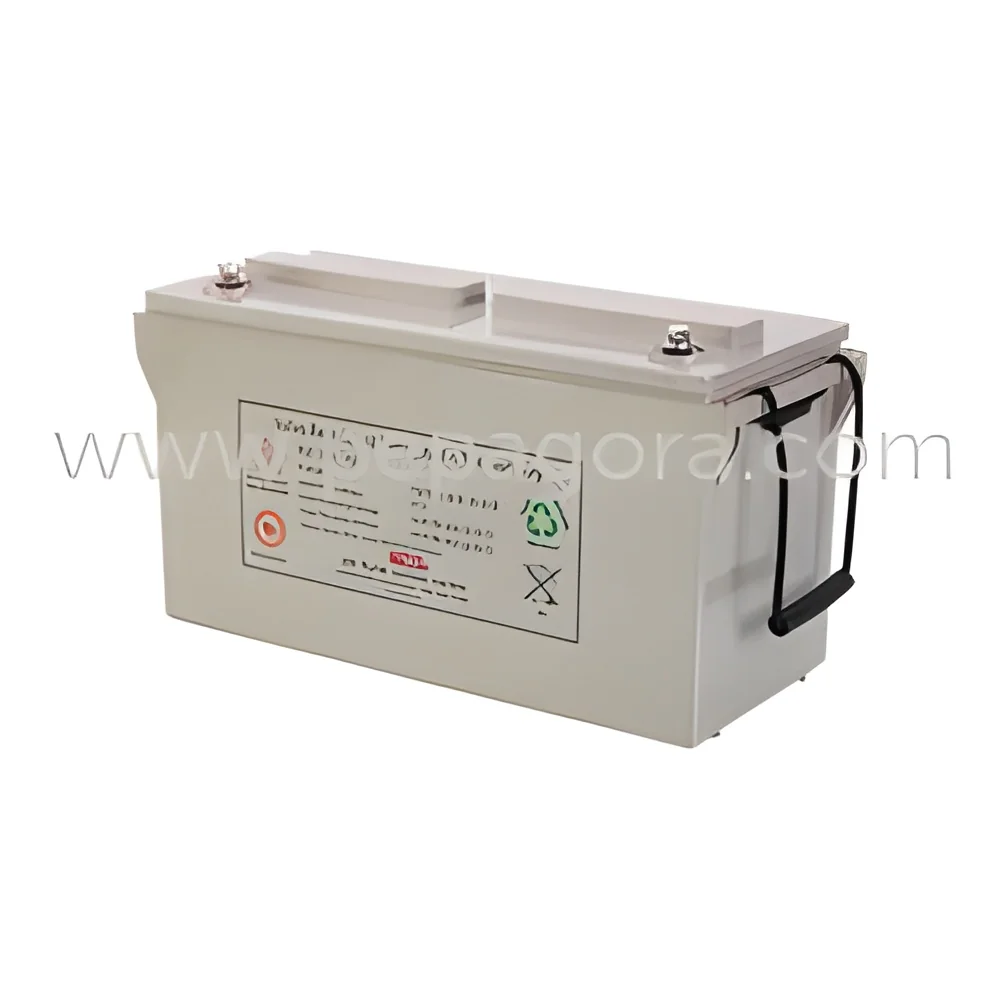
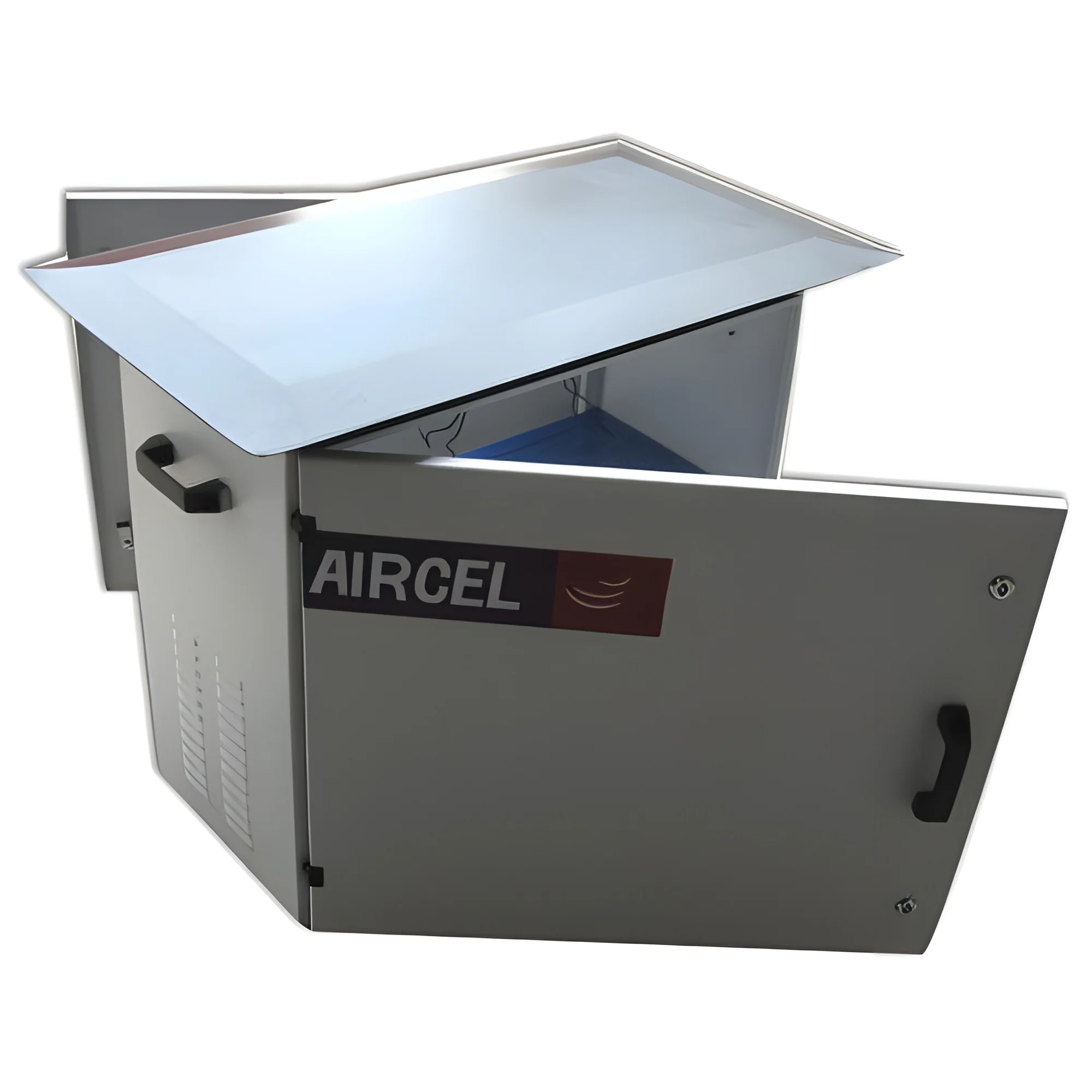
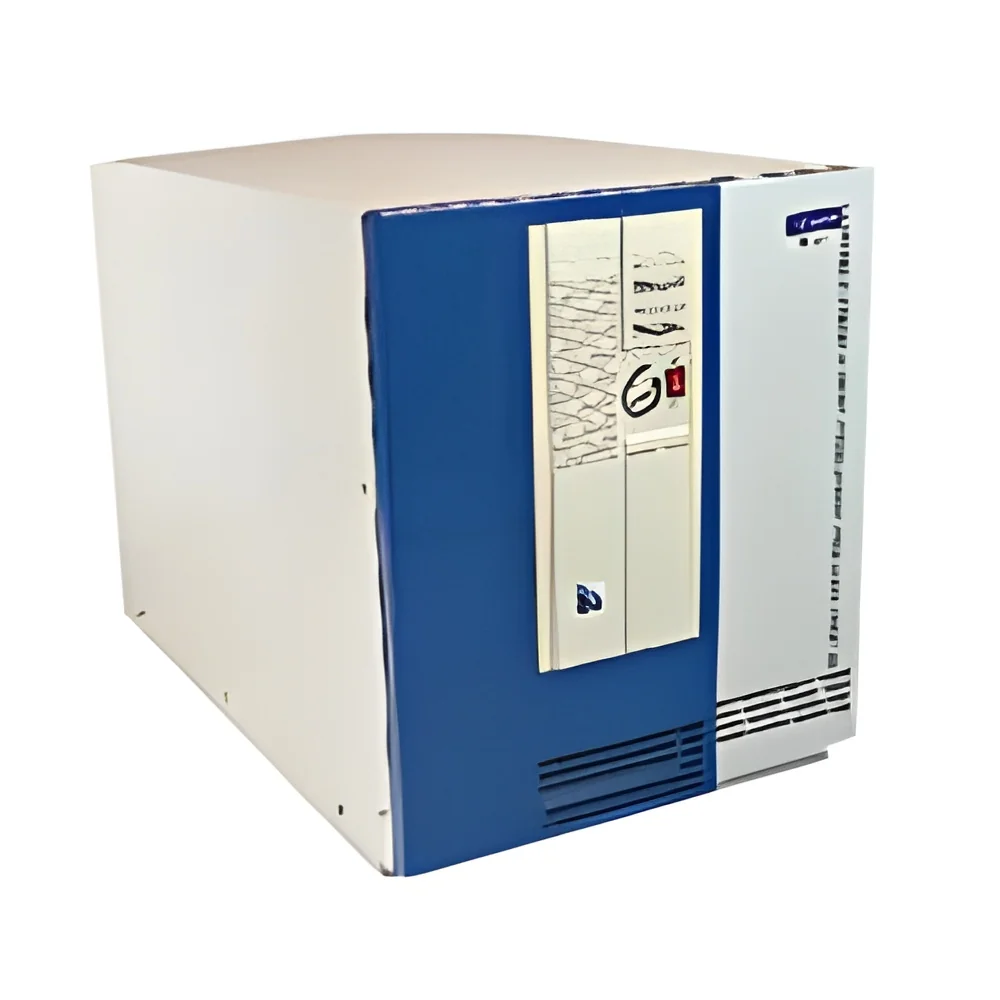
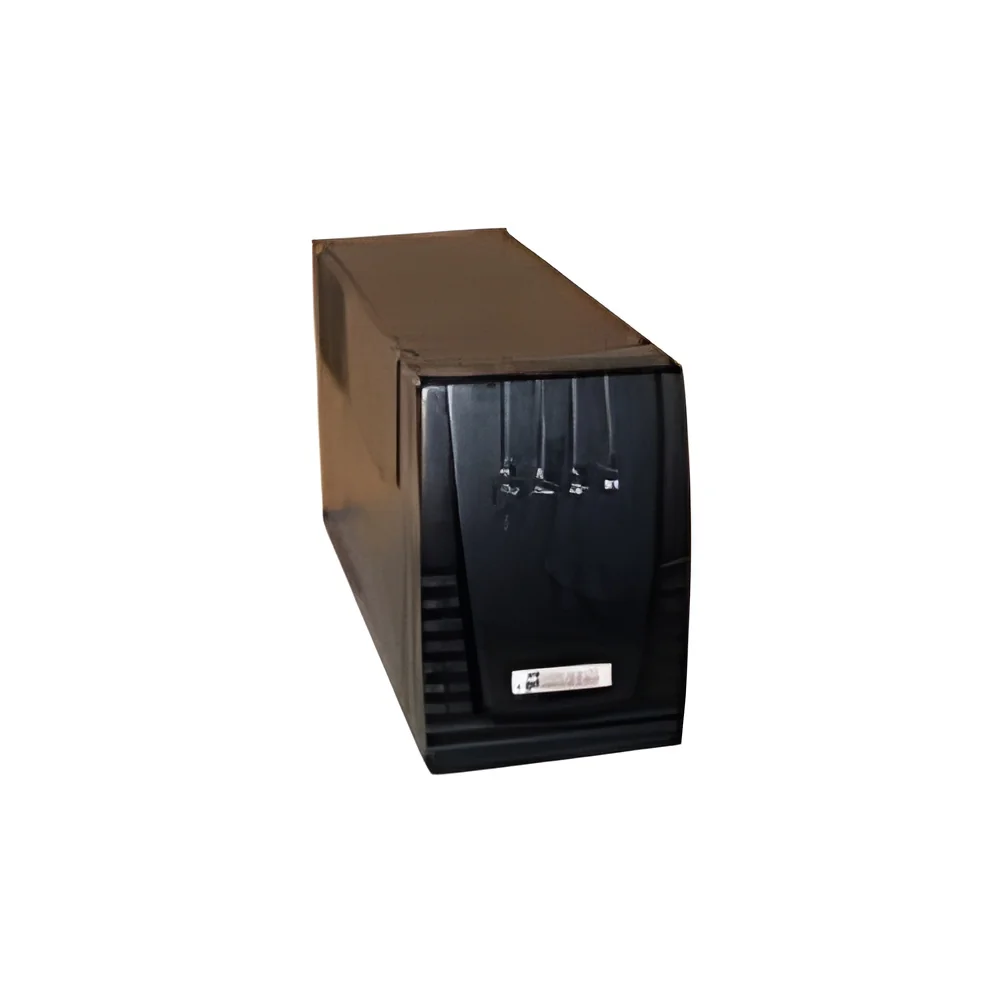
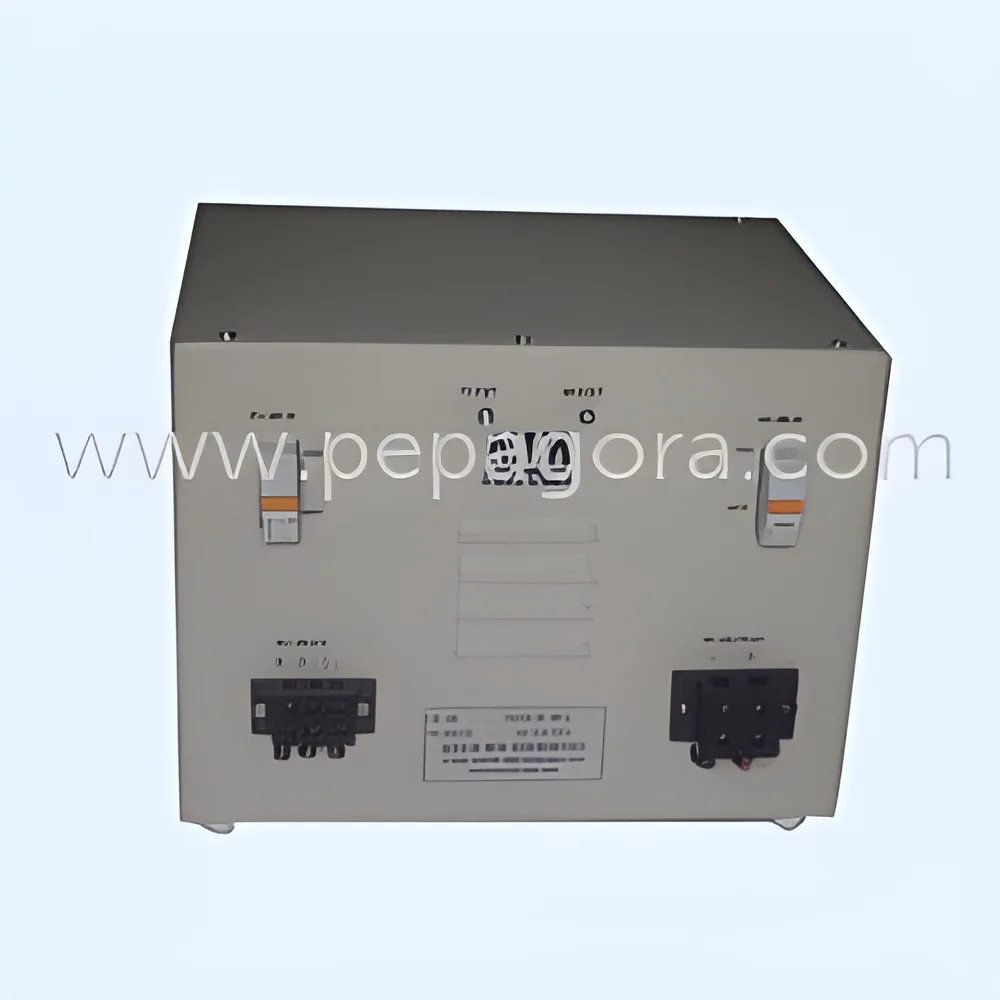
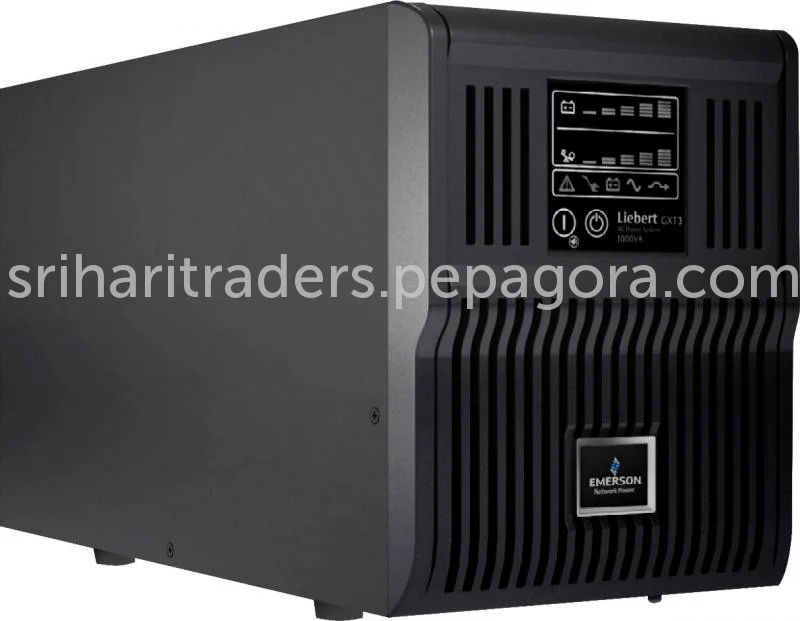
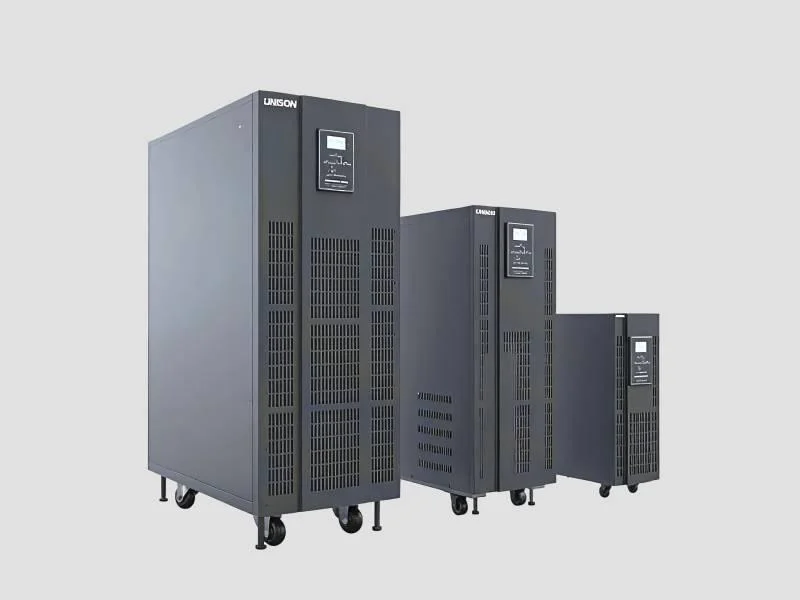
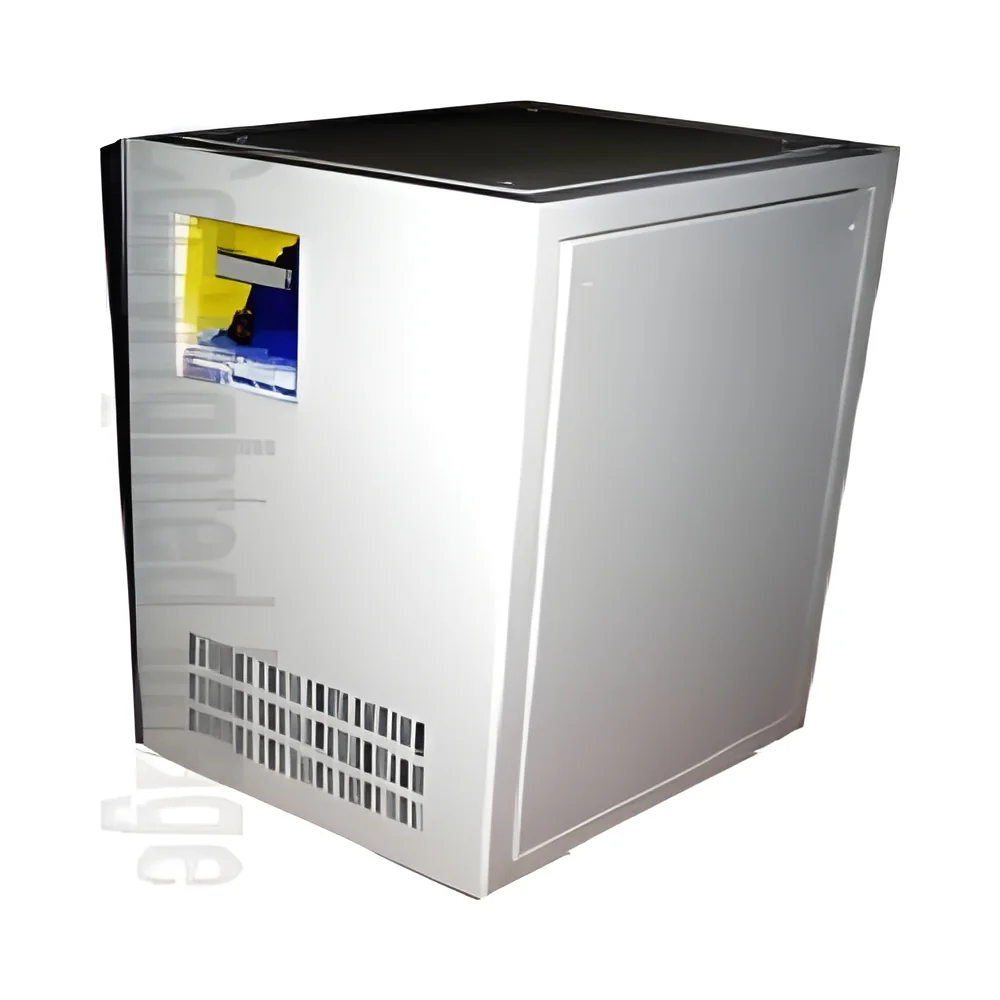
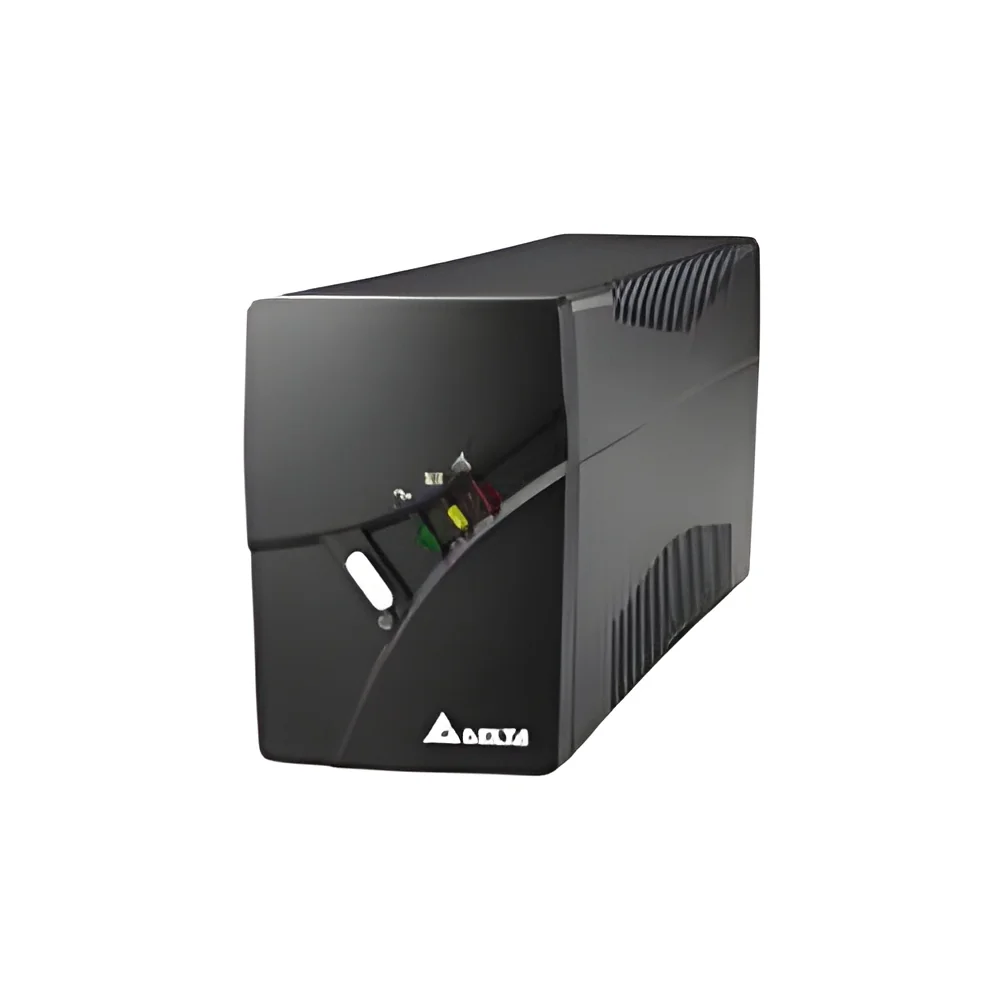
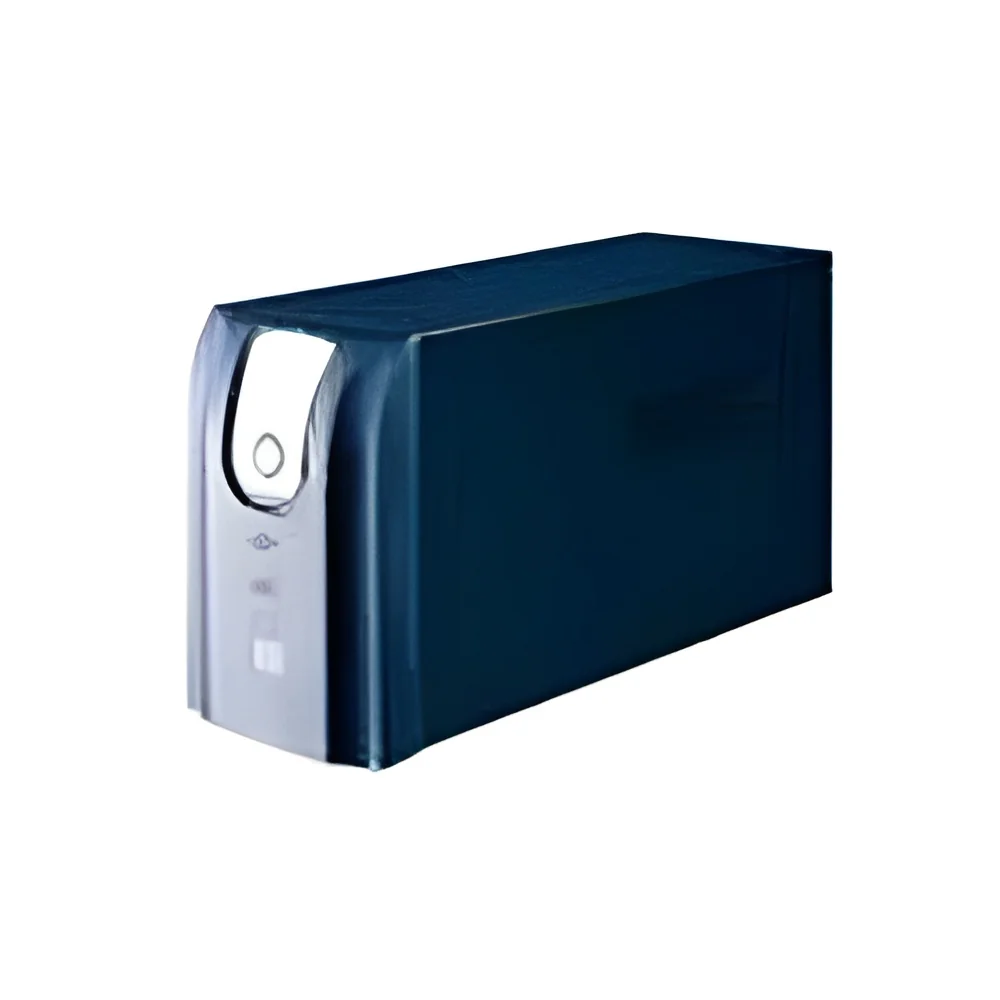
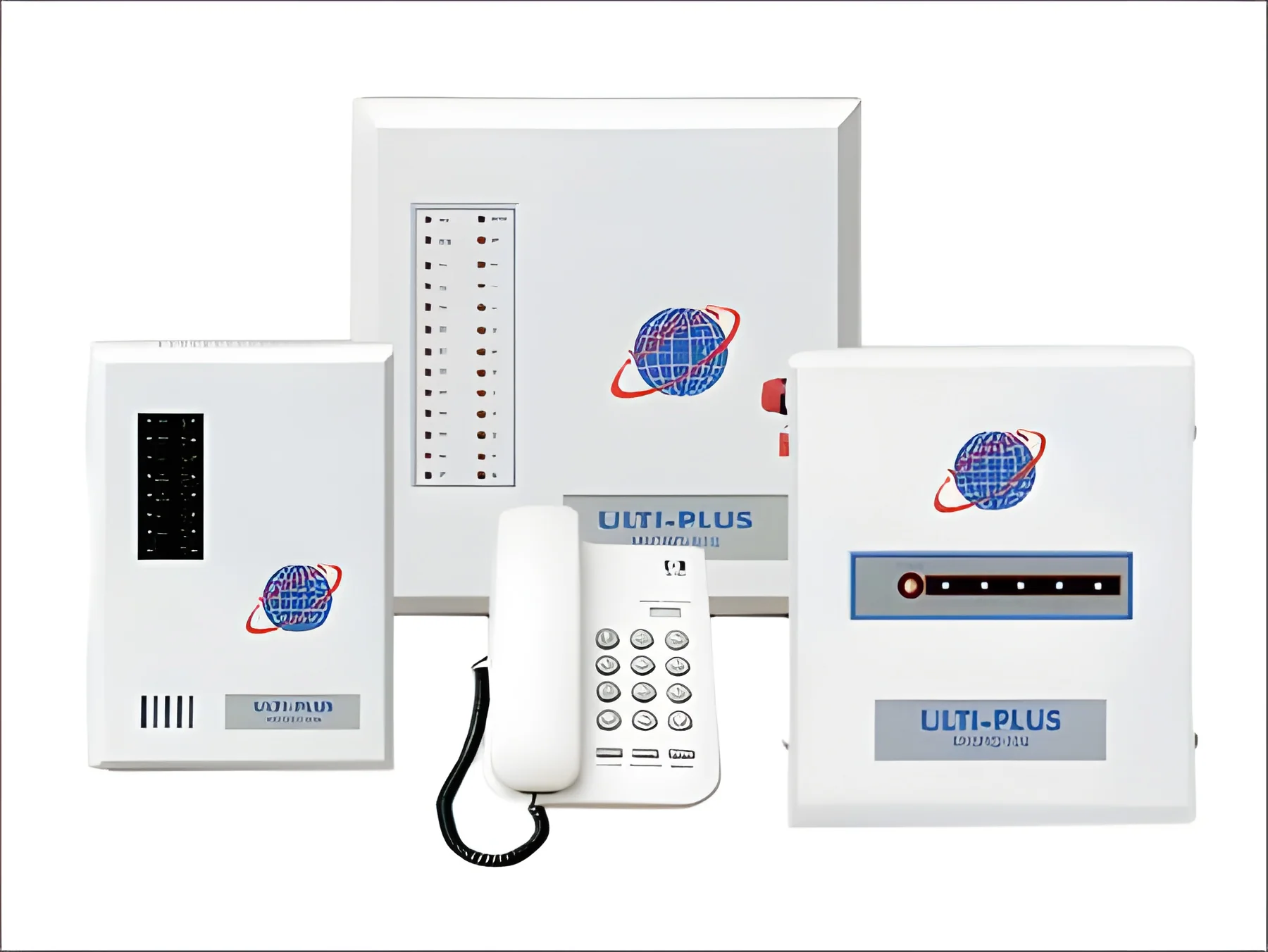
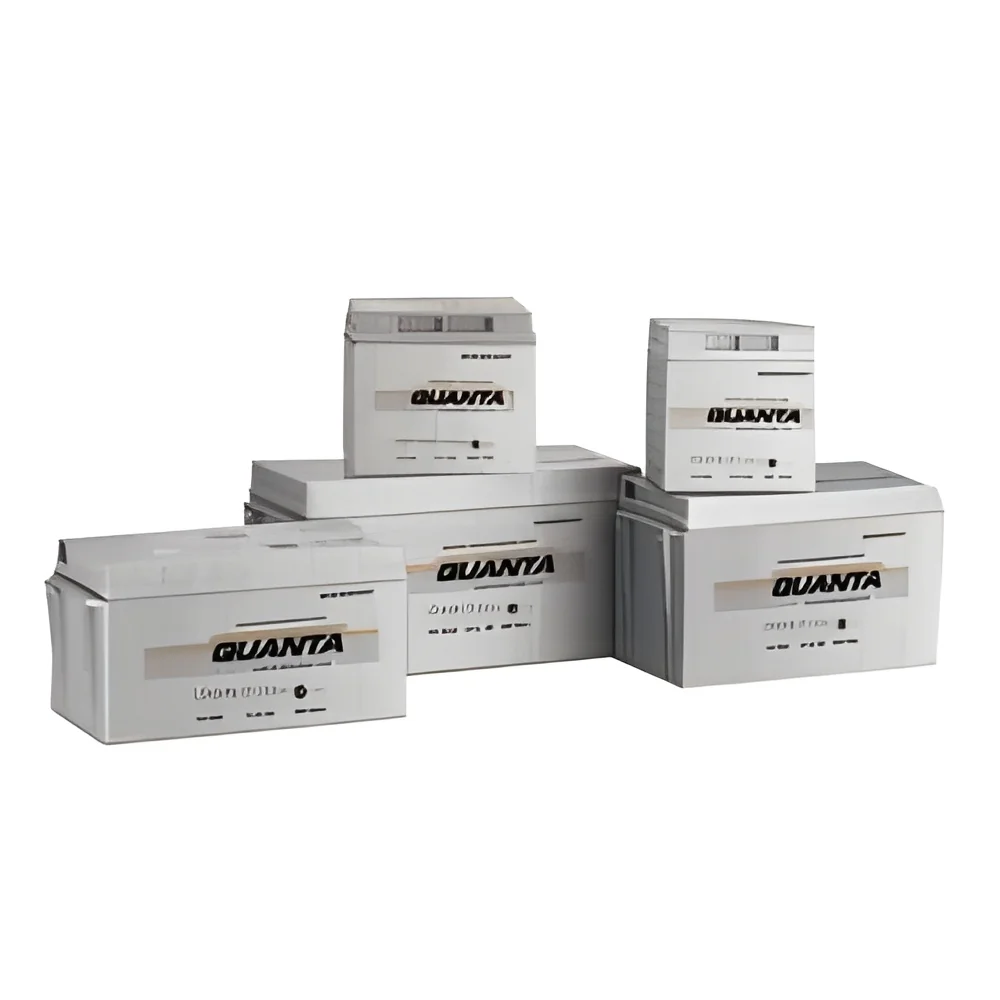
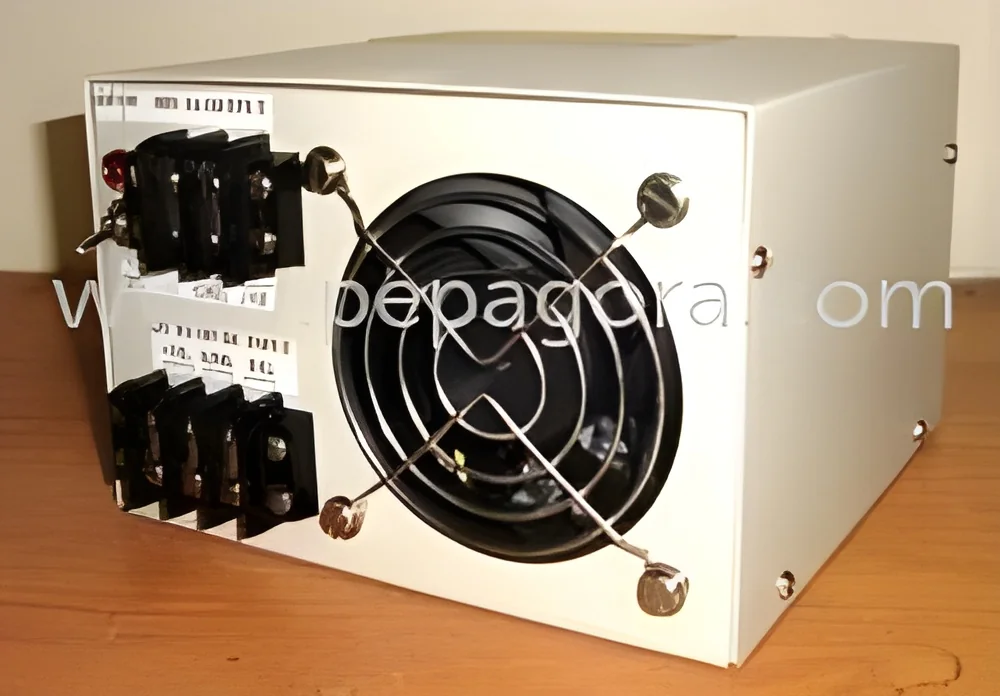
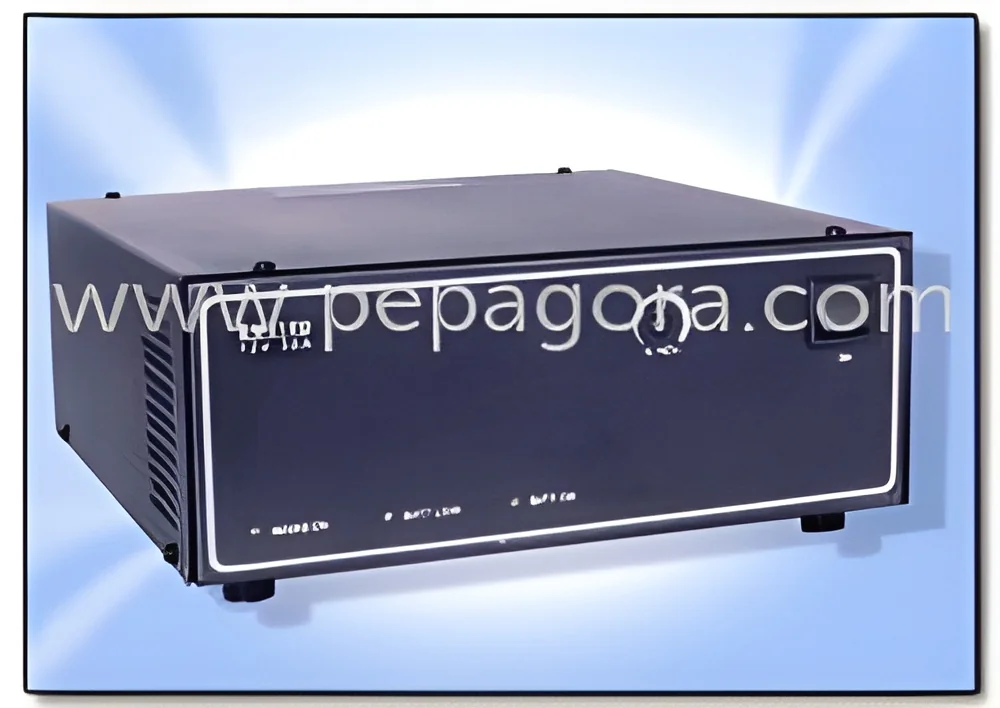
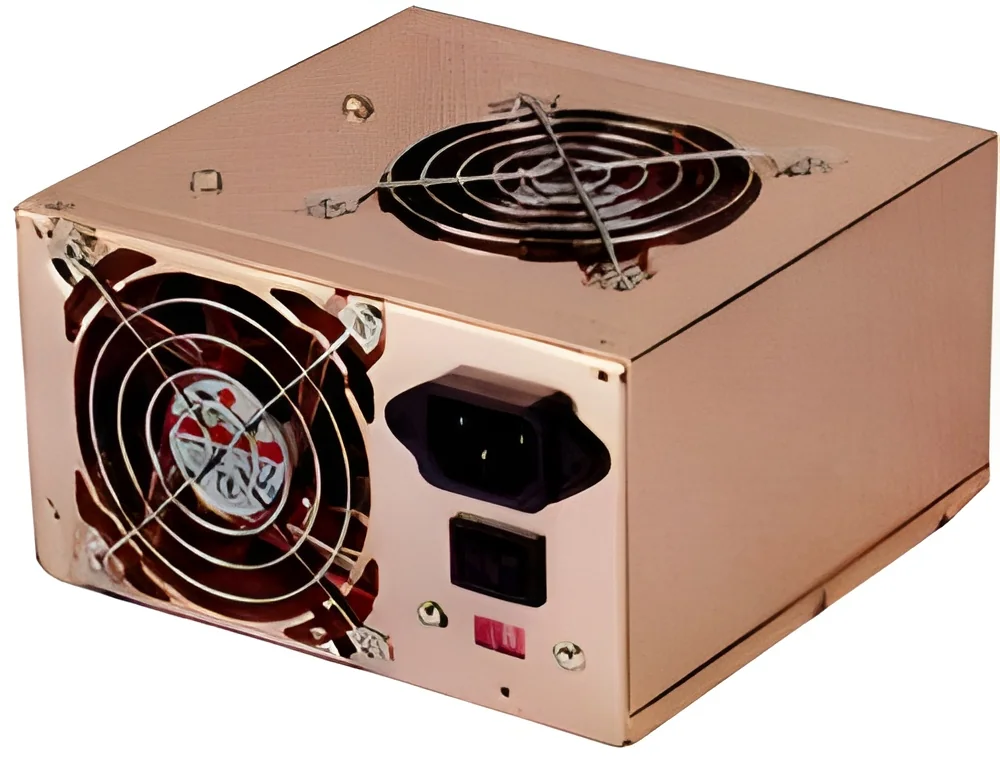
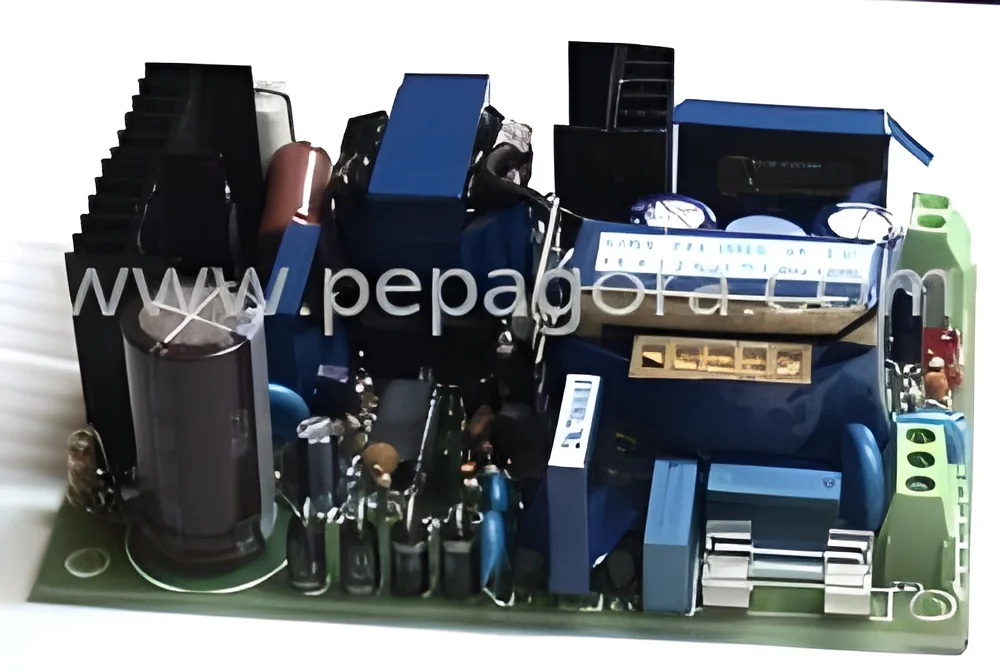
What are UPS for Industrial Use?
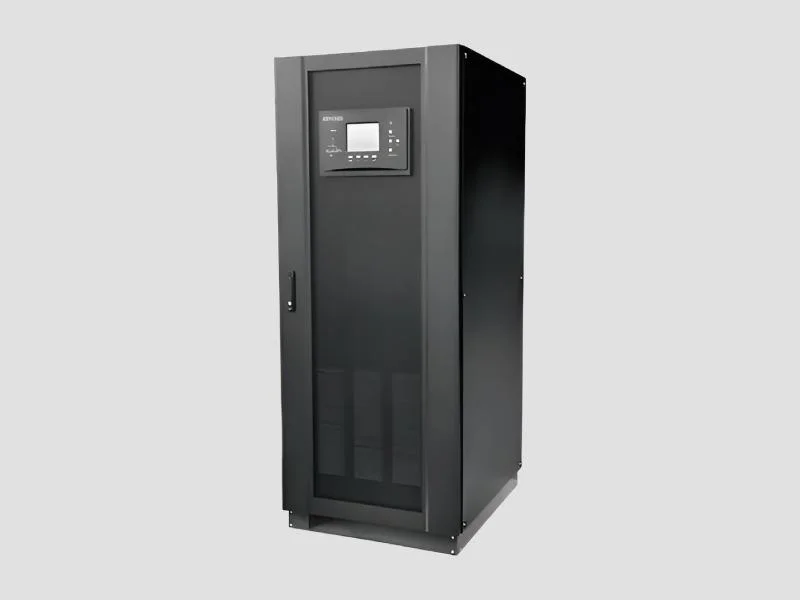
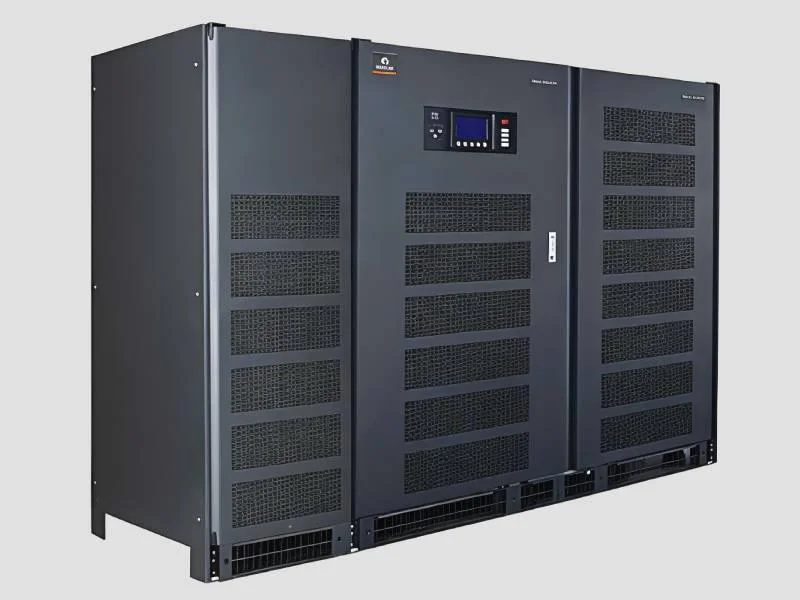
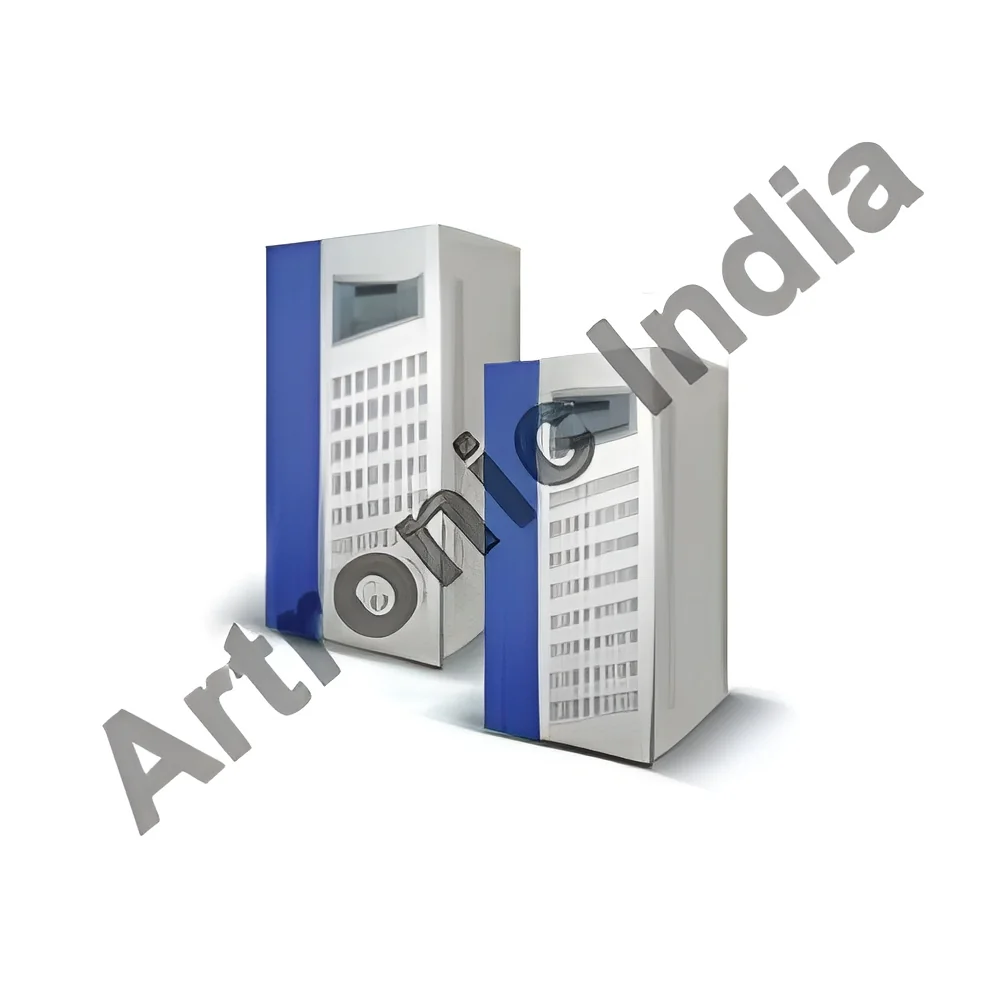
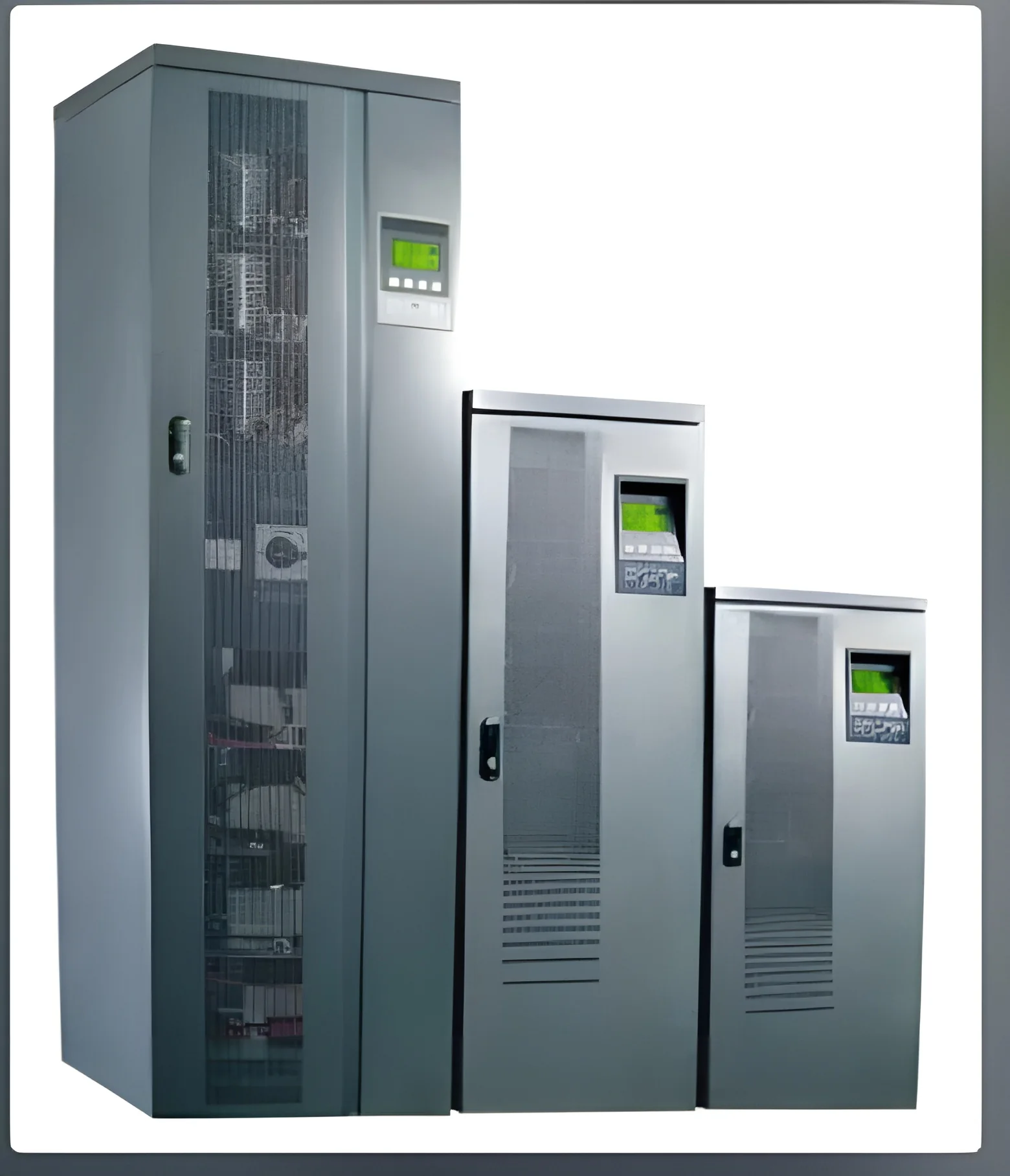
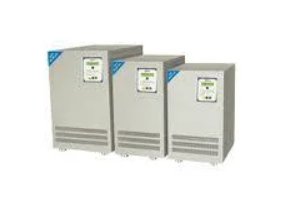
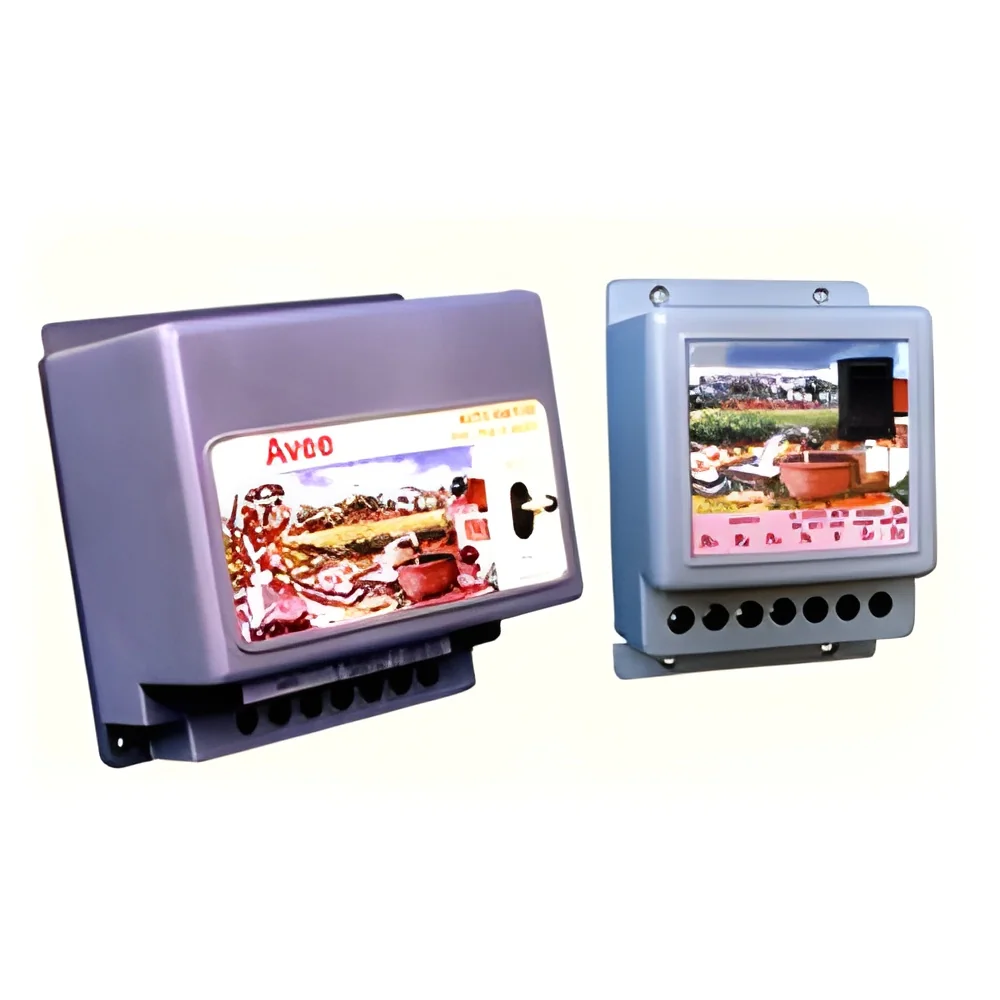
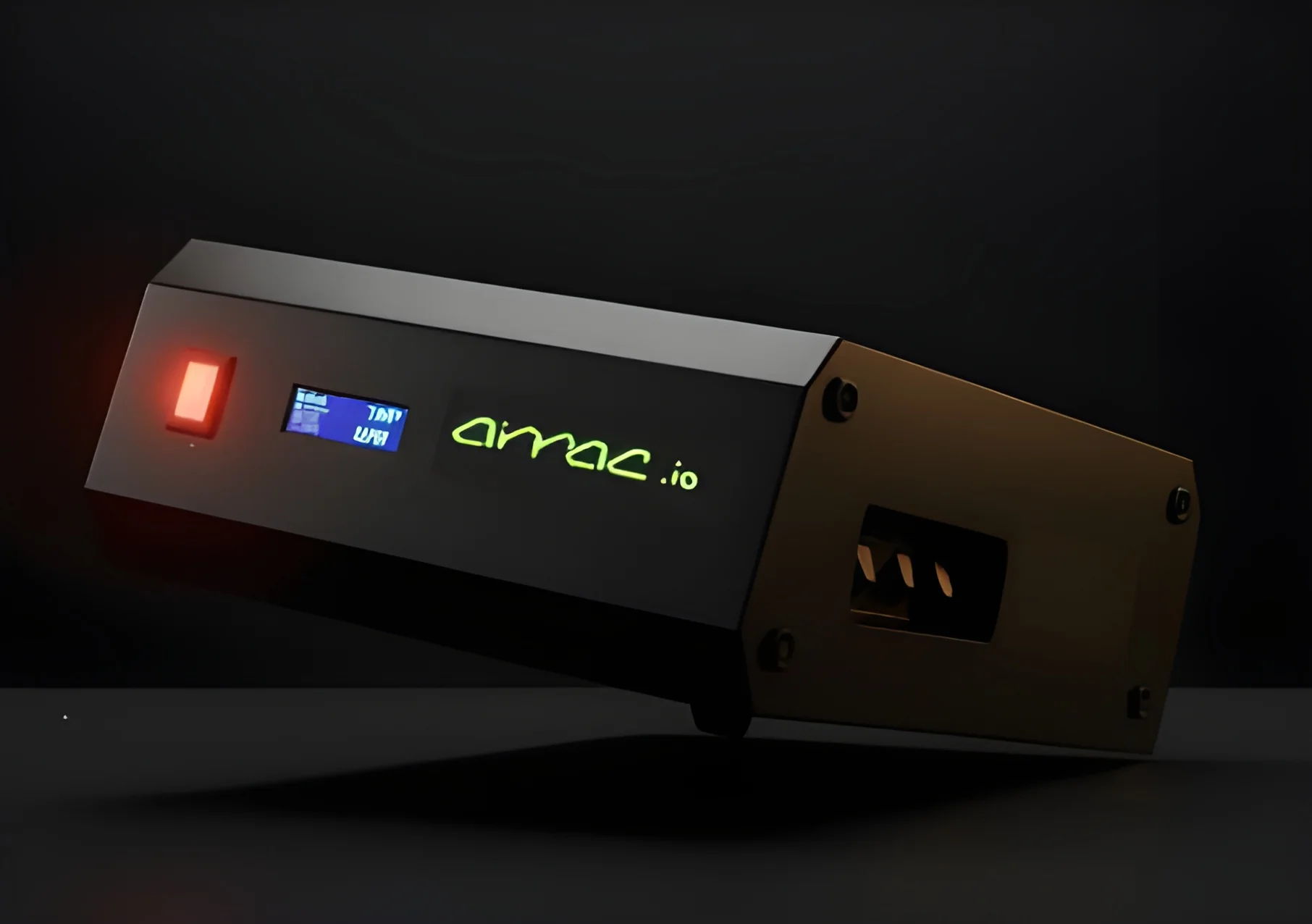
Uninterruptible Power Supplies (UPS) for industrial use are specialized systems designed to provide backup power and ensure continuous operation of critical equipment during power interruptions. These systems protect sensitive electronic devices from voltage fluctuations, surges, and complete power outages, ensuring that operations remain uninterrupted. They are crucial in environments where power reliability is essential, such as manufacturing facilities, data centers, and telecommunications.
In industrial settings, UPS units are utilized to maintain power to critical machinery, IT infrastructure, and control systems. They help prevent downtime, data loss, and equipment damage, which can lead to significant financial losses. Industries such as healthcare, finance, and logistics depend heavily on UPS systems to maintain operational integrity and safeguard against power-related disruptions. As industries increasingly rely on technology, the relevance of UPS systems continues to grow, driving demand and innovation in the market.
Key Features and Specifications
UPS systems for industrial use come equipped with various features tailored to meet specific performance and reliability criteria. Understanding these specifications is crucial for selecting the right unit for your needs.
Key specifications include:
1. Power Capacity
- Rated in kilovolt-amperes (kVA) or kilowatts (kW)
- Typical ranges from 10 kVA to 500 kVA depending on application
2. Battery Type
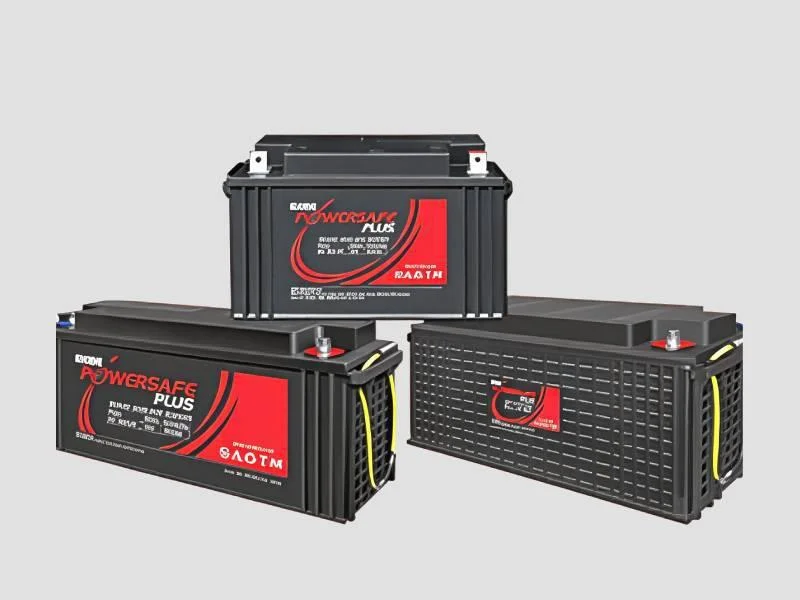
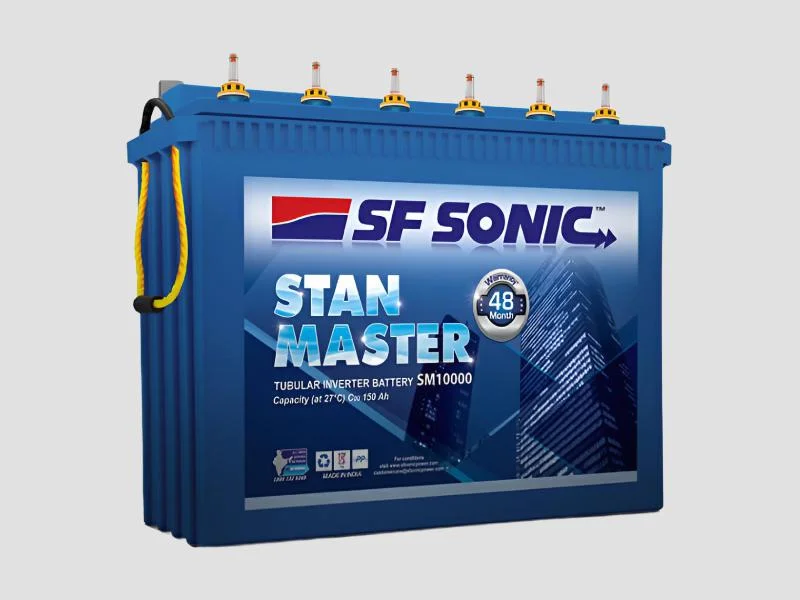
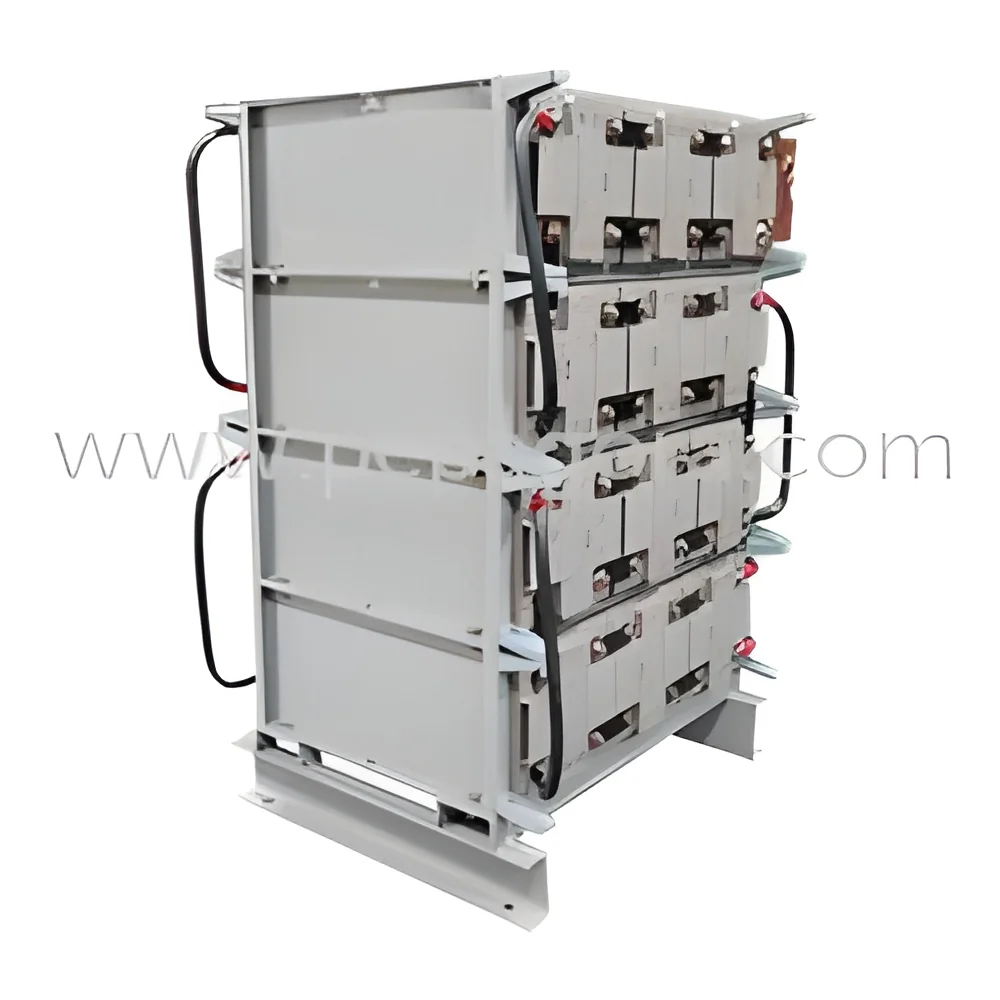
- Common types include lead-acid and lithium-ion batteries
- Lithium-ion batteries offer longer life and faster charging
3. Runtime
- Duration the UPS can power equipment during an outage
- Typically ranges from a few minutes to several hours
4. Input Voltage Range
- Acceptable voltage levels the UPS can handle
- Common ranges are 100-240V or 380-480V
5. Output Waveform
- Type of power output provided (sine wave or modified sine wave)
- Sine wave outputs are preferred for sensitive equipment
6. Transfer Time
- Time taken to switch from main power to battery backup
- Ideally less than 10 milliseconds for critical applications
7. Communication Interfaces
- Options for monitoring and management, such as RS-232, USB, or SNMP
- Allows integration with building management systems
8. Dimensions and Weight
- Physical size and weight considerations for installation
- Varies widely based on capacity and design
In summary, understanding these key specifications will help buyers choose the right UPS system that meets their operational demands and ensures reliability.
Common Applications and Use Cases
UPS systems have a wide range of applications across various industries, ensuring continuous operation and protection of critical systems.
1. Manufacturing: UPS systems are used to protect automated machinery and production lines from power interruptions, reducing downtime and enhancing productivity.
2. Data Centers: They provide backup power for servers and networking equipment, preventing data loss and maintaining uptime for critical applications.
3. Telecommunications: UPS units safeguard communication systems against power outages, ensuring uninterrupted service and connectivity.
4. Healthcare: Hospitals and medical facilities rely on UPS systems to maintain power for life-saving equipment and ensure patient safety during outages.
5. Transportation: UPS systems are used in traffic control systems and railway signaling to ensure operational continuity.
6. Oil and Gas: They provide reliable power for exploration, drilling, and refining operations, which are critical for continuous production.
7. Financial Institutions: Banks and trading floors use UPS systems to protect sensitive financial data and transaction processing systems.
Product Variants and Subcategories
UPS systems for industrial use come in various configurations to cater to specific needs. This diversity allows businesses to select systems that align with their operational requirements.
Online UPS: This variant provides continuous power without any interruption in the event of a power failure. It is ideal for sensitive electronic equipment that requires constant power.
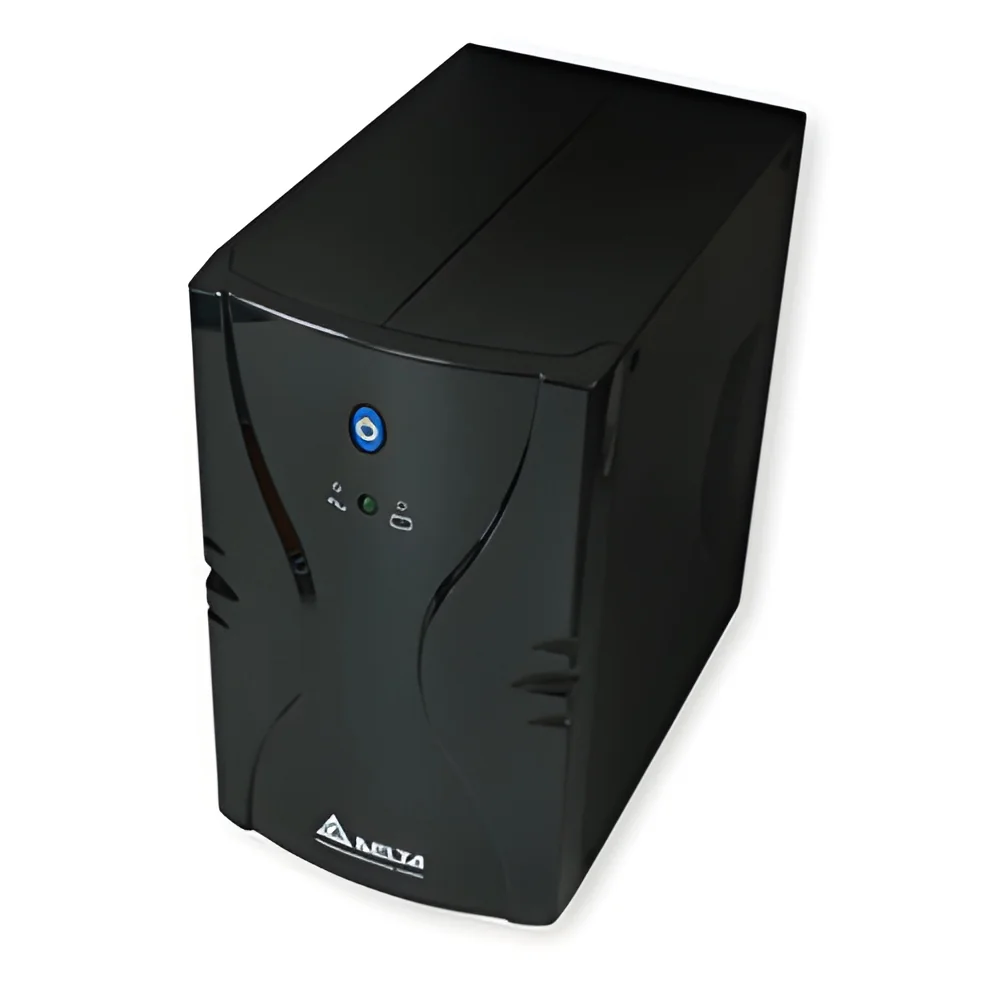
Offline UPS: This type offers power backup after a power outage is detected. It is typically more cost-effective for less critical applications.
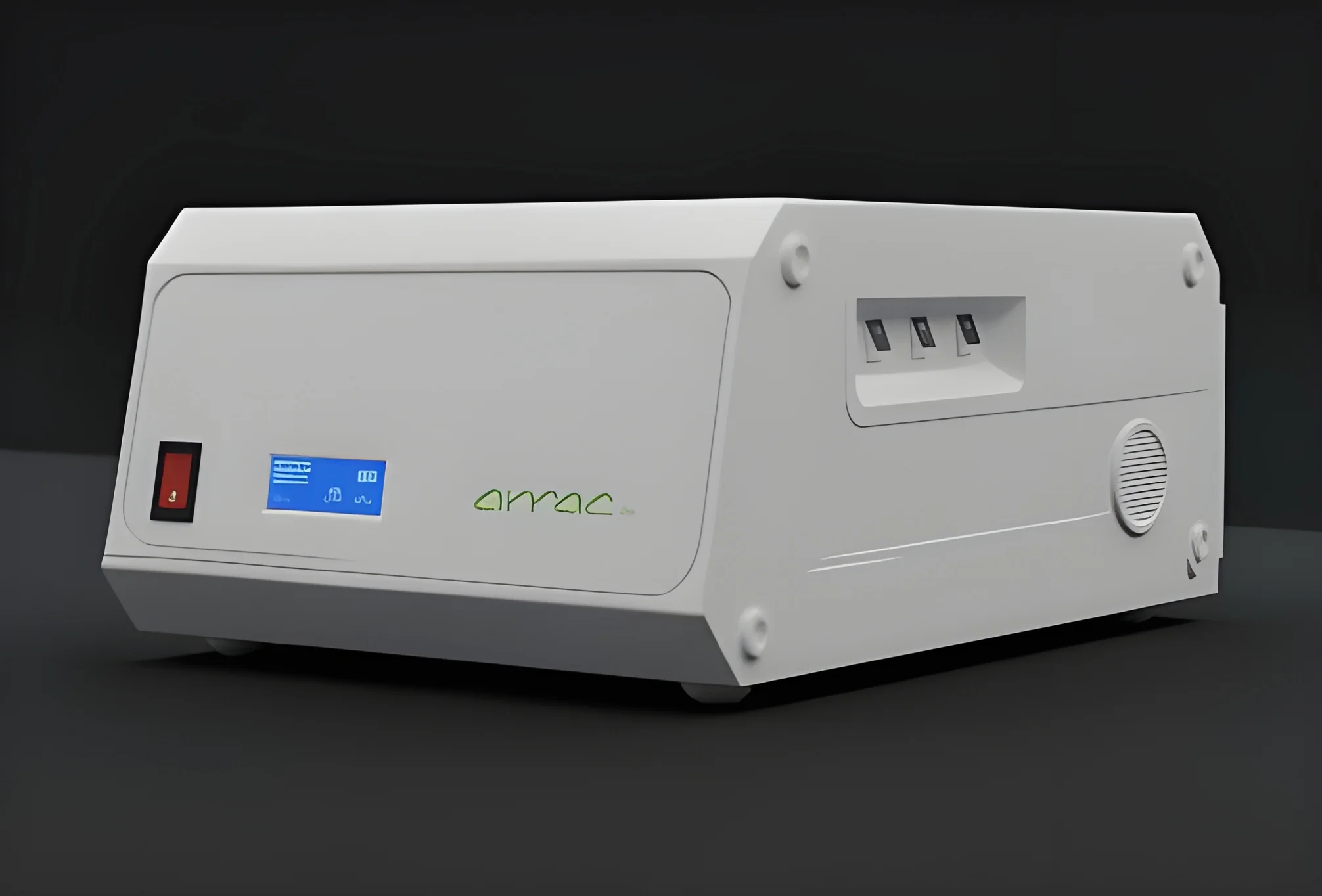
Line-Interactive UPS: This variant has a built-in voltage regulation feature that corrects minor power fluctuations without switching to battery power. It is suitable for environments with frequent voltage variations.
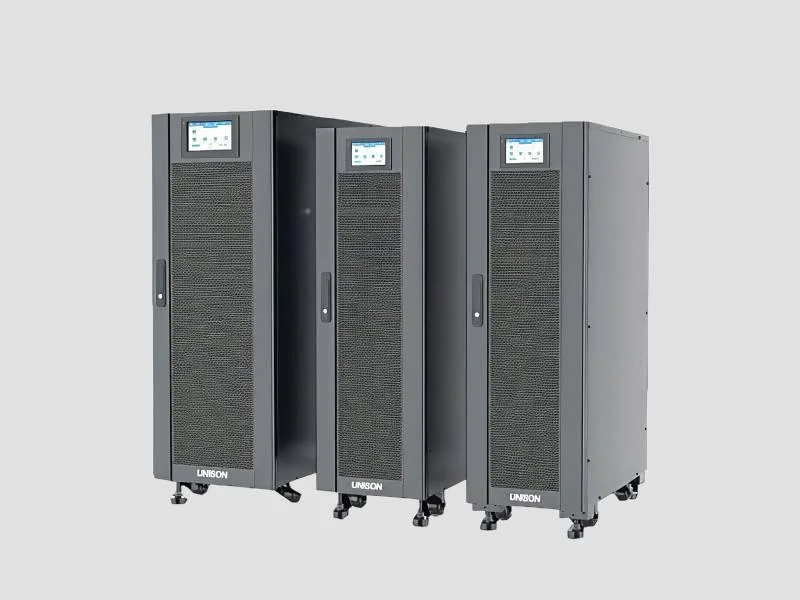
Modular UPS: This system allows for scalability, enabling businesses to add additional capacity as needed. This flexibility is beneficial for growing companies.
Benefits and Advantages
Investing in UPS systems for industrial use provides several key benefits that enhance operational reliability and efficiency.
1. Power Reliability: UPS systems ensure that critical equipment remains operational during power outages, preventing costly downtime.
2. Equipment Protection: They protect sensitive devices from power surges and fluctuations, extending the lifespan of machinery and electronics.
3. Data Integrity: By providing backup power, UPS systems safeguard against data loss during unexpected power interruptions, maintaining business continuity.
4. Enhanced Productivity: With reliable power supply, operations can proceed without interruptions, thereby increasing overall efficiency.
5. Safety Assurance: UPS systems contribute to workplace safety by maintaining power for emergency lighting and safety equipment during outages.
6. Cost Savings: By preventing equipment damage and minimizing downtime, UPS systems can lead to significant long-term savings for businesses.
Buying Guide for B2B Buyers
When sourcing UPS for industrial use, several factors should be considered to ensure a smart purchase decision.
1. Quality Assessment: Evaluate the quality of UPS systems based on the manufacturer's reputation, reviews, and certifications. Look for systems that comply with industry standards.
2. Supplier Verification: Vet suppliers by checking their credentials, customer references, and product warranties. A reliable supplier will provide ongoing support and service.
3. Pricing and MOQ: Understand the pricing structure and minimum order quantities (MOQ) required by suppliers. This will help in budgeting and inventory planning.
4. Delivery and Lead Times: Inquire about delivery schedules and lead times for the UPS systems. Timely delivery is critical for minimizing operational disruptions.
5. Compliance Requirements: Ensure that the UPS systems meet relevant regulatory and safety standards. This may include certifications such as CE and compliance with local regulations.
Compliance and Certifications
Compliance and certifications are vital for ensuring the reliability and safety of UPS systems for industrial use.
UPS systems often adhere to quality standards such as ISO 9001, which ensures consistent quality management practices. Compliance with HACCP and GDP is important in industries like food and pharmaceuticals, where power reliability is crucial for safety and compliance.
Industry certifications, such as CE marking, indicate that the UPS systems meet European safety and environmental standards. This is essential for ensuring that products are safe for use in various applications.
Safety and testing requirements are also critical. UPS systems undergo rigorous testing to ensure they can handle specified power loads and operate effectively under various conditions.
It is important to consider regional compliance requirements as well. Different countries may have specific regulations regarding electrical devices, which can impact the selection and installation of UPS systems.
Why Source UPS for Industrial Use from Pepagora?
Pepagora provides a trusted platform for sourcing UPS for industrial use, offering several key advantages for businesses.
Verified Supplier Network: Pepagora has established a comprehensive network of verified suppliers. This ensures that buyers can source high-quality UPS systems from reputable manufacturers.
Streamlined RFQ Process: The Request for Quotation (RFQ) process on Pepagora allows buyers to easily compare quotes from multiple suppliers, facilitating informed decision-making.
Trade Assurance and Support: Pepagora offers trade assurance and buyer protection, ensuring that transactions are secure and that buyers receive the support they need throughout the purchasing process.
Regional Coverage: With a strong presence in India, the GCC, and Southeast Asia, Pepagora provides extensive regional coverage, making it easier for businesses to find UPS solutions that suit their geographic and operational needs.

 IN
IN