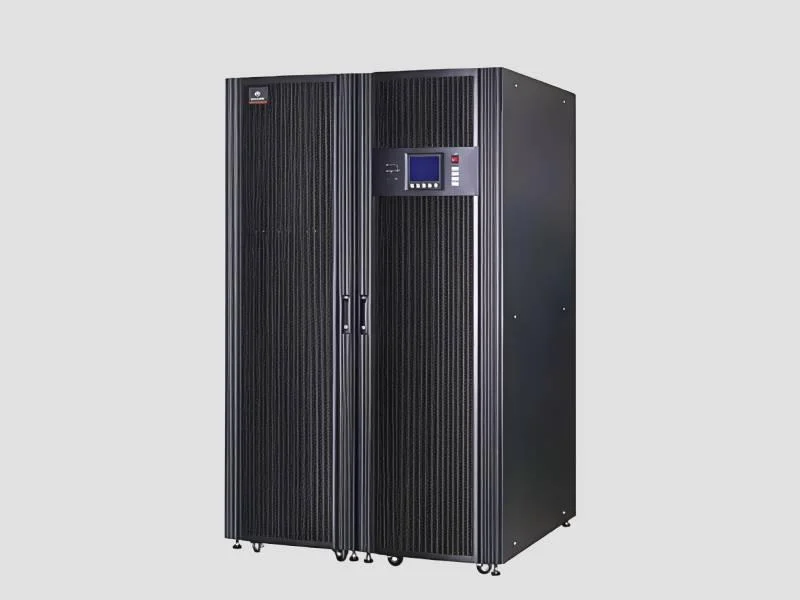
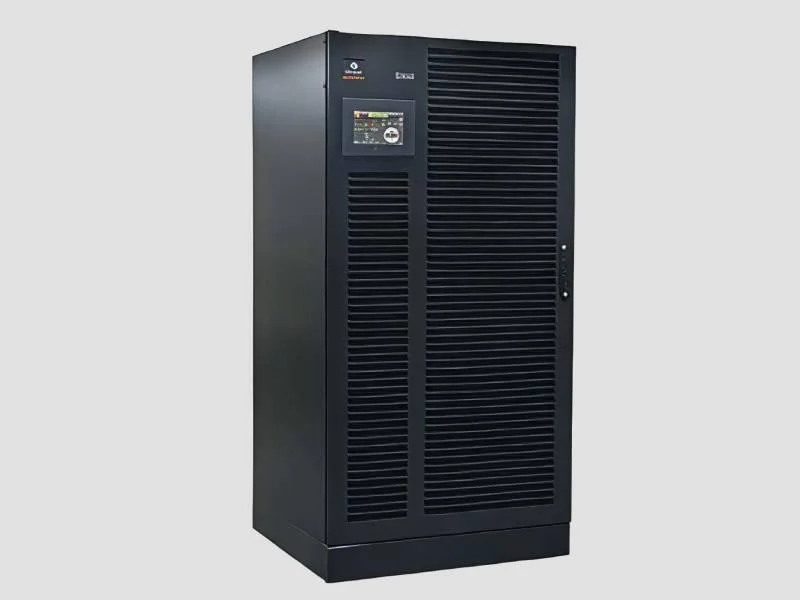
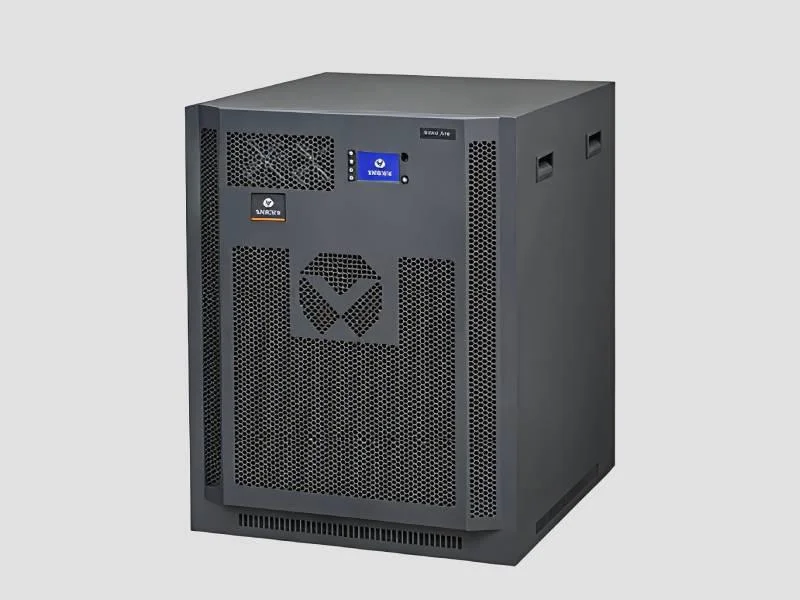
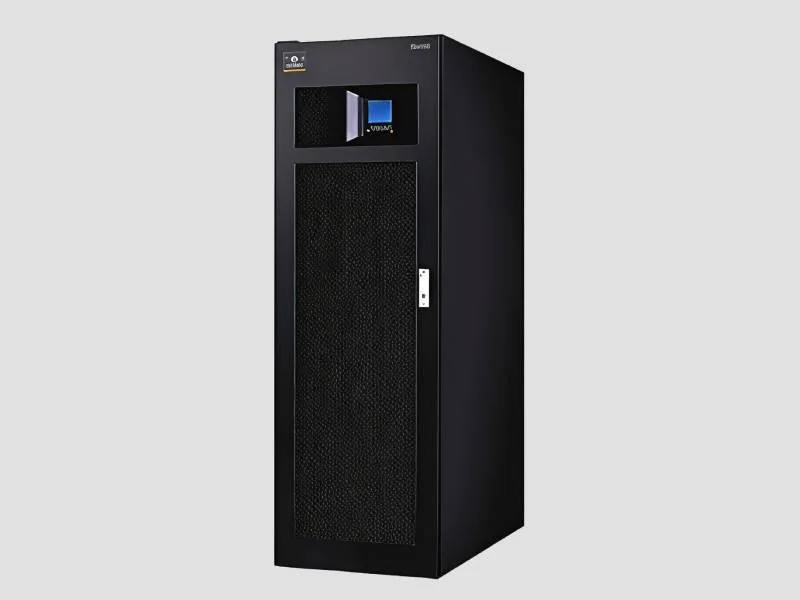
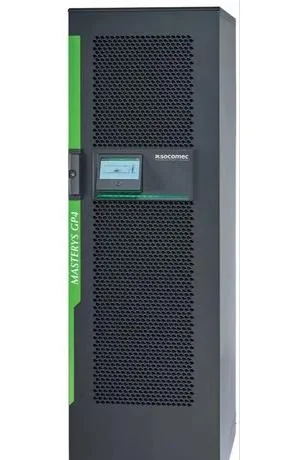
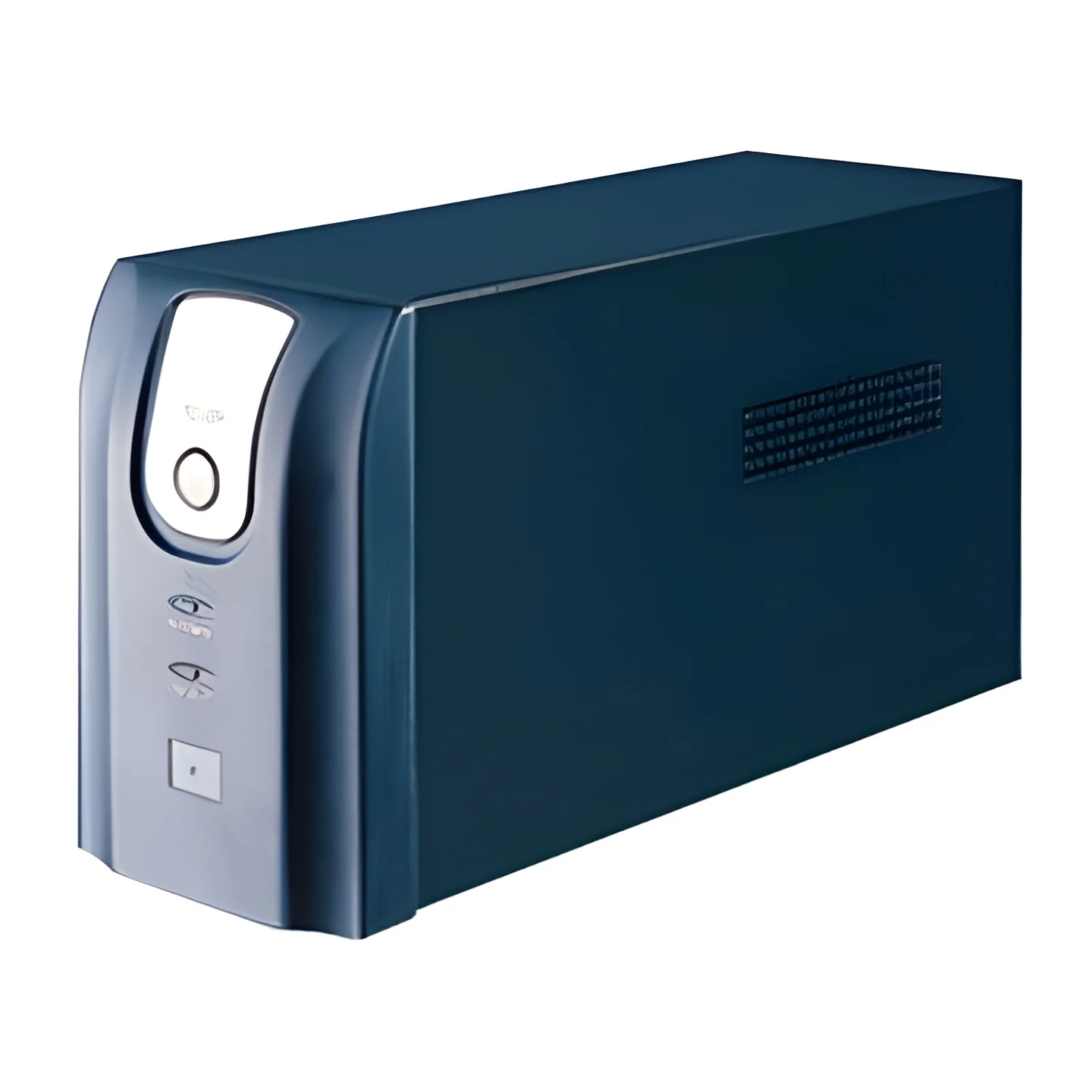
What are UPS for Servers & Data Centers?
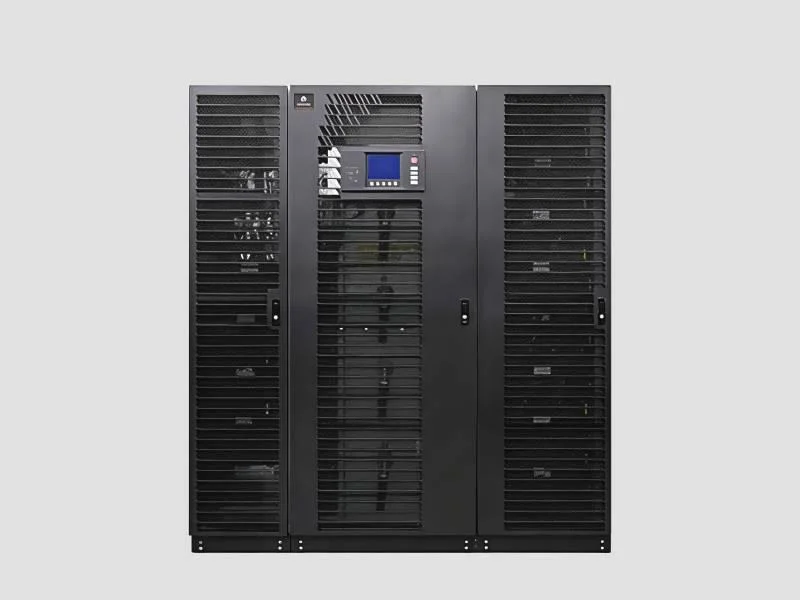
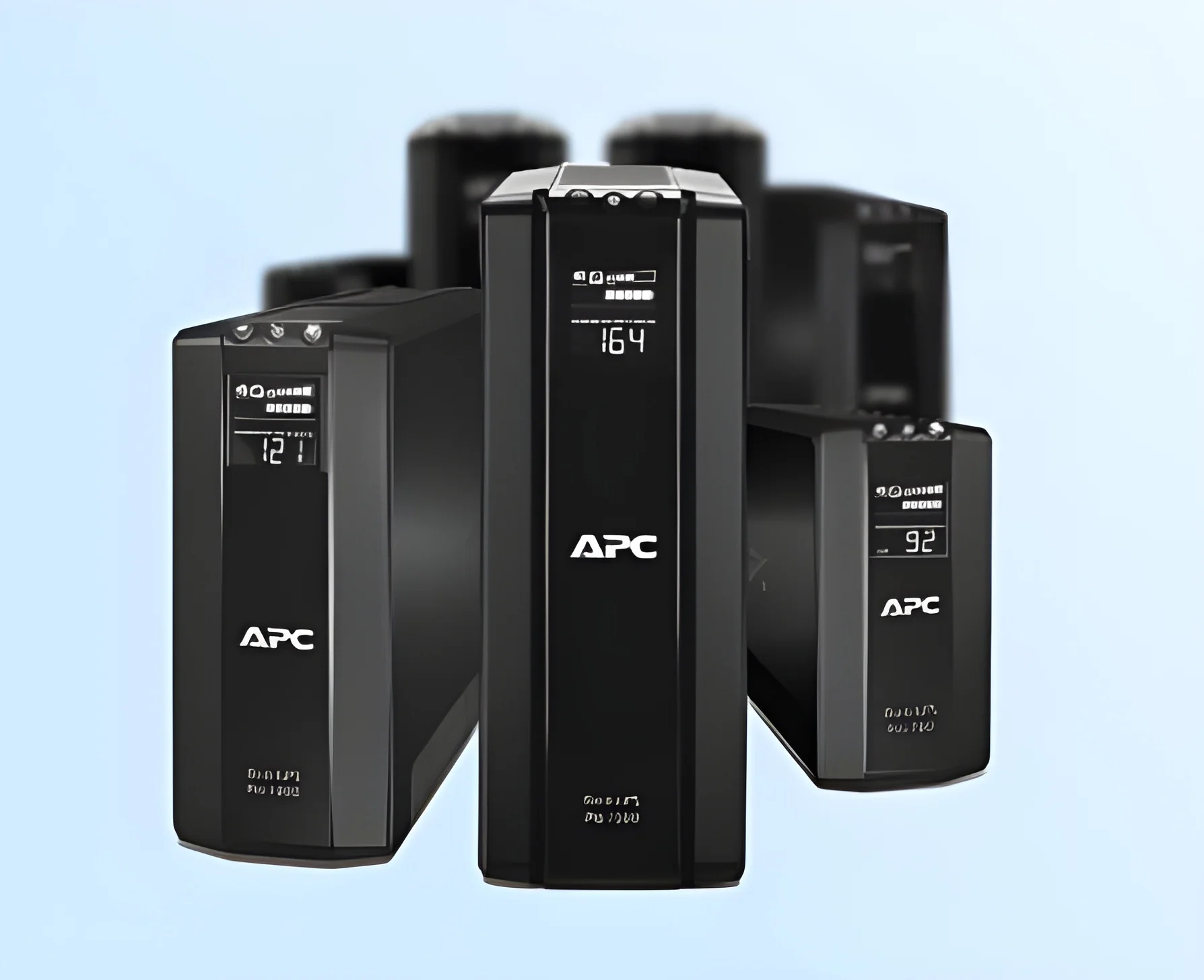
Uninterruptible Power Supplies (UPS) for servers and data centers are critical devices designed to provide backup power and protect hardware from unexpected outages and fluctuations in electrical supply. These systems ensure that essential operations can continue seamlessly during power interruptions. UPS units are equipped with batteries that automatically engage when the primary power source fails, allowing time for systems to shut down safely or for backup generators to start.
The primary use of UPS systems in business applications involves safeguarding sensitive equipment such as servers, networking devices, and storage systems. They play a pivotal role in maintaining data integrity and operational continuity in environments that rely heavily on uninterrupted power. This is especially relevant in industries like finance, healthcare, and telecommunications where data loss or downtime can result in significant financial and reputational damage. As businesses increasingly depend on digital infrastructure, the demand for robust UPS solutions continues to grow in the market.
Key Features and Specifications
UPS for servers and data centers come with various features aimed at enhancing performance and reliability. These specifications are essential for ensuring that the UPS system meets the specific needs of different applications.
Key specifications include:
1. Power Capacity
- Measured in kilovolt-amperes (kVA) or kilowatts (kW)
- Typically ranges from 1 kVA to 500 kVA or more for larger installations
2. Battery Type
- Common types include lead-acid and lithium-ion batteries
- Each type offers different life expectancy and charging characteristics
3. Runtime
- The duration a UPS can provide power during an outage
- Generally ranges from a few minutes to several hours depending on load and battery capacity
4. Form Factor
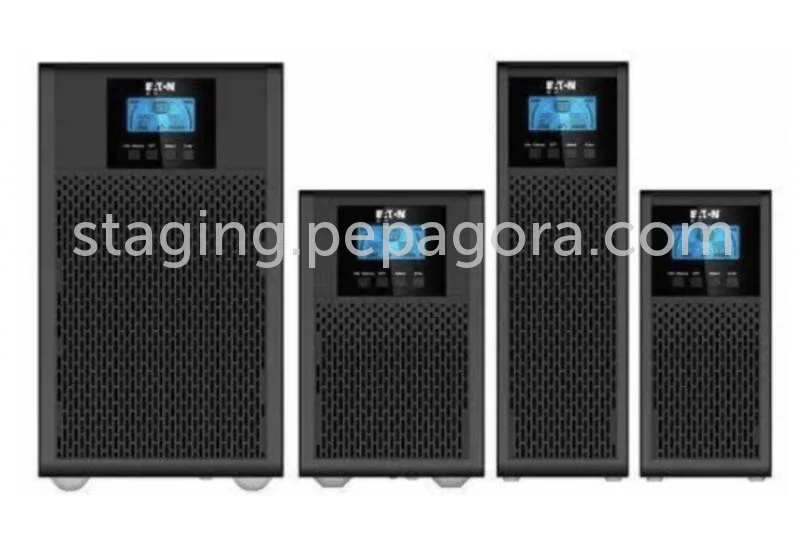
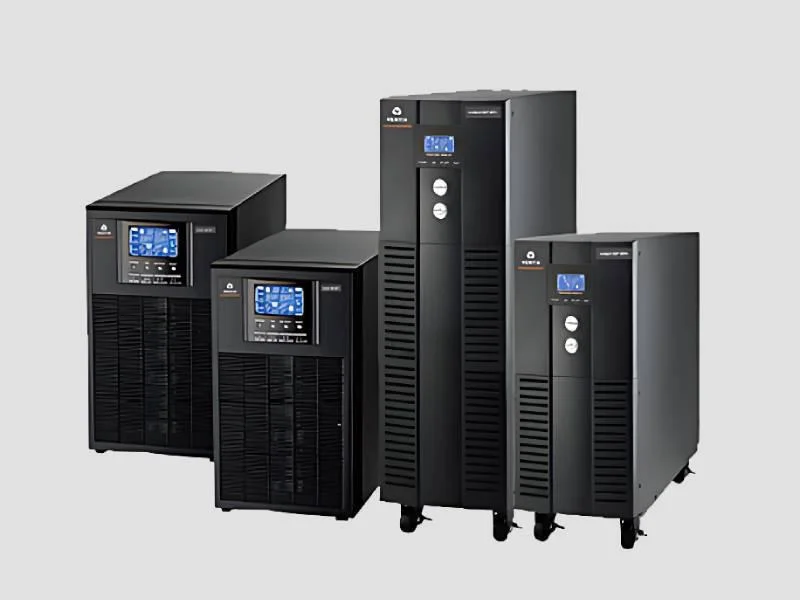
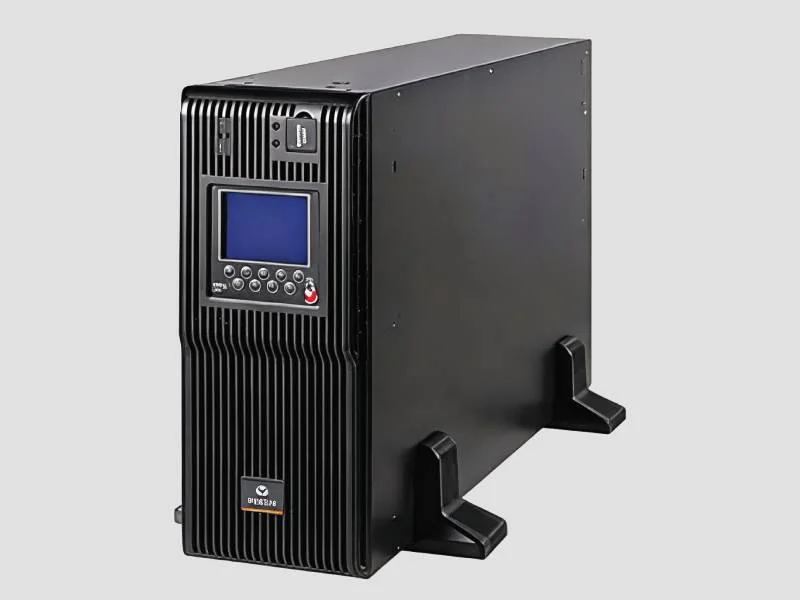
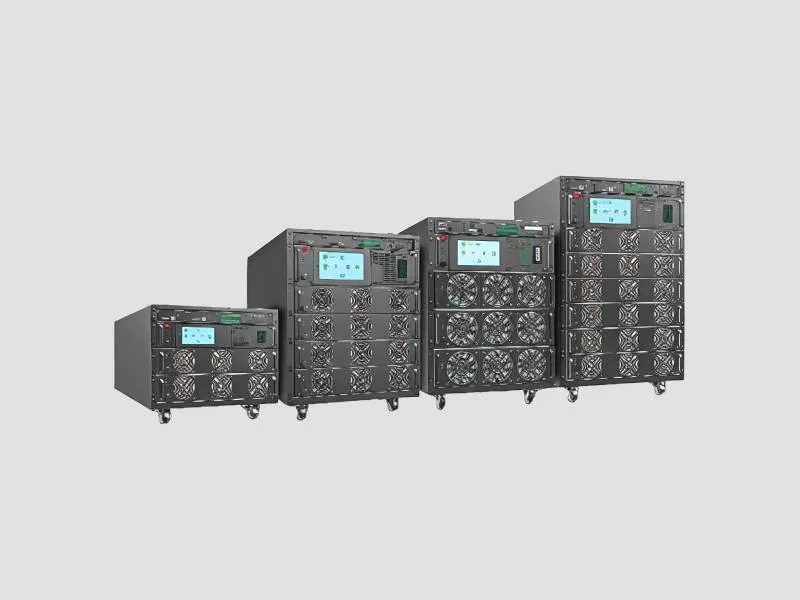
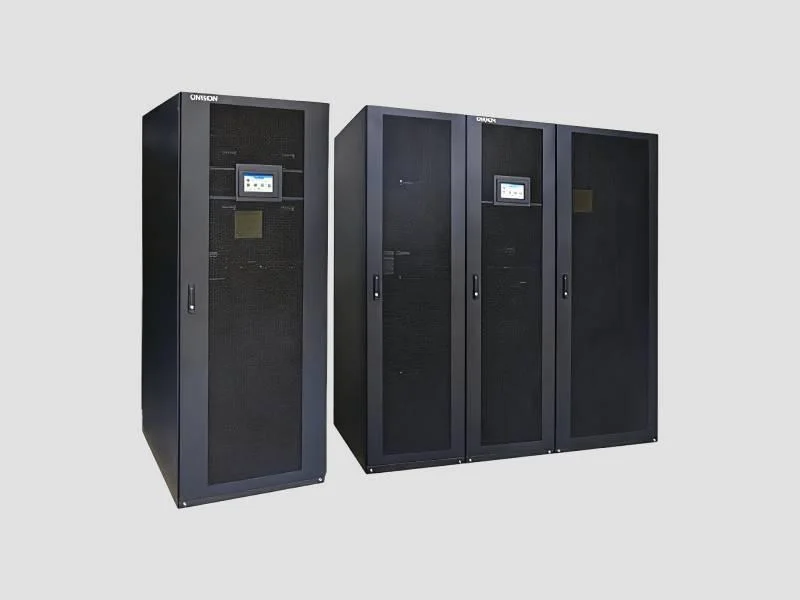
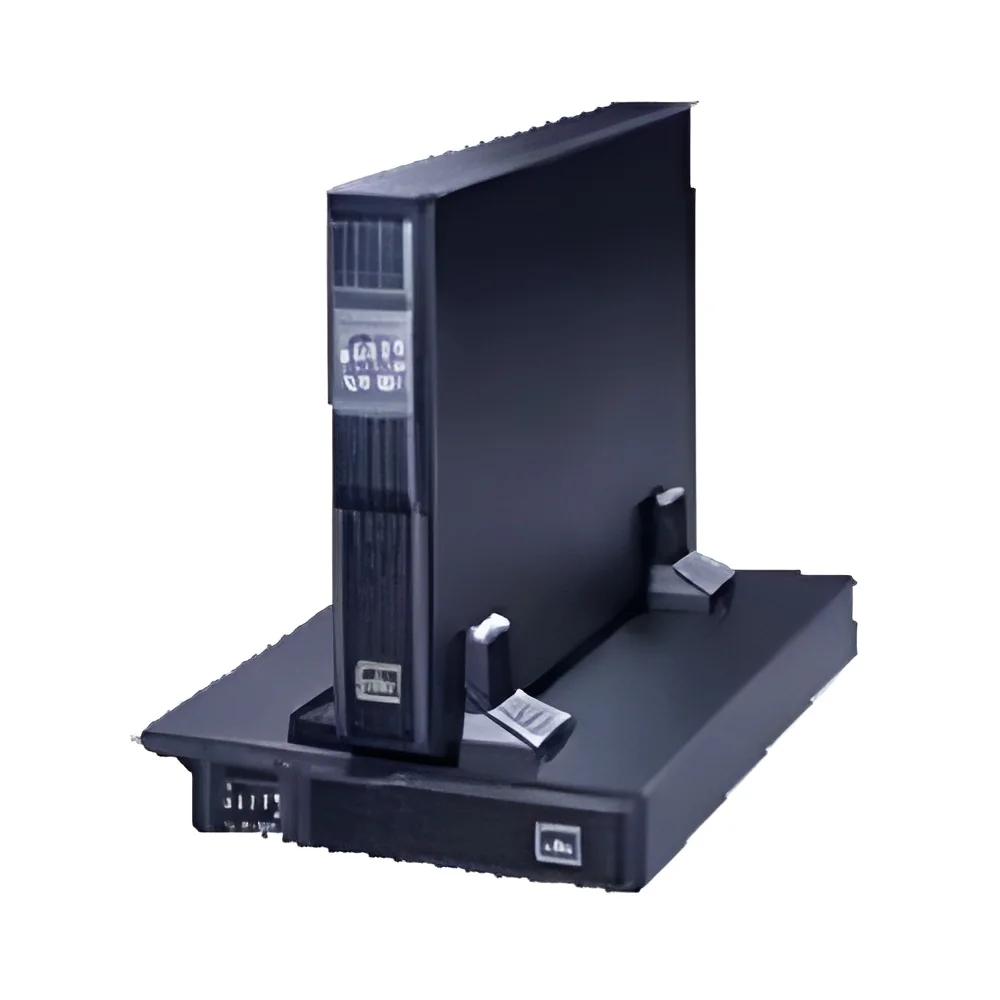
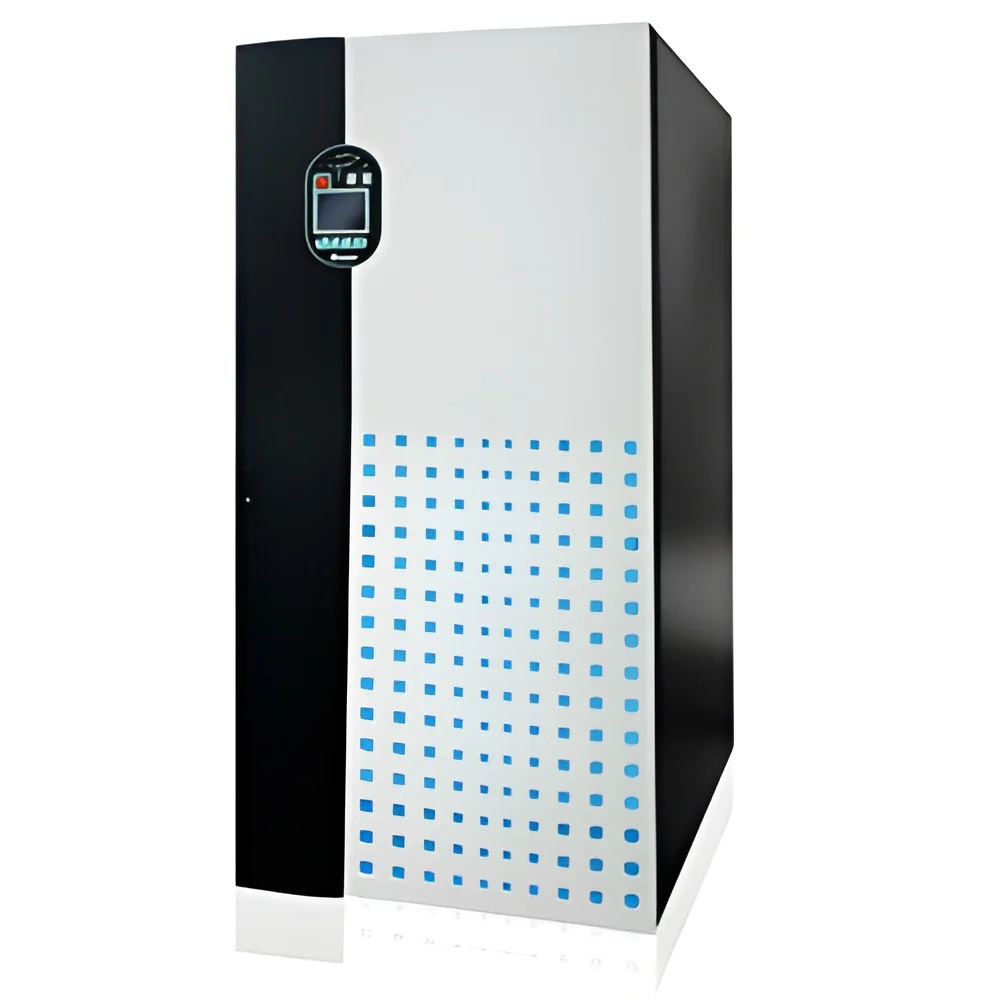
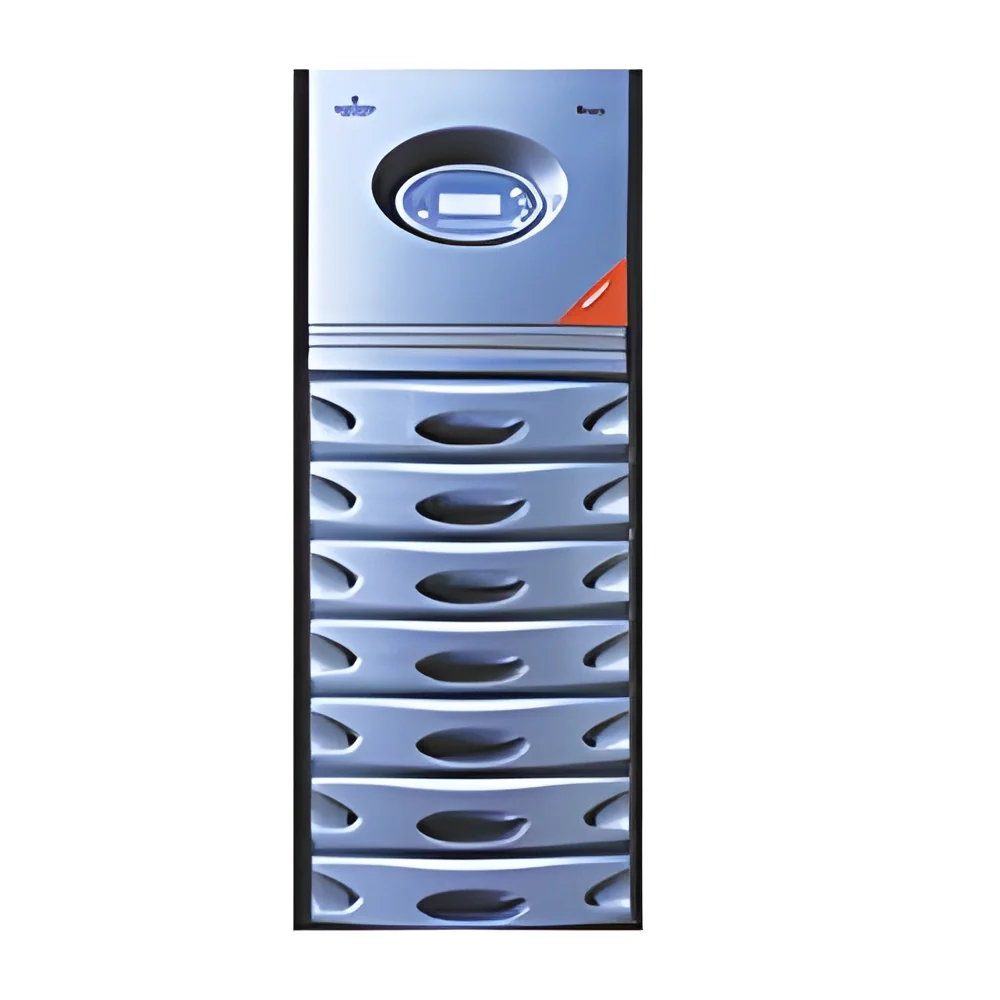
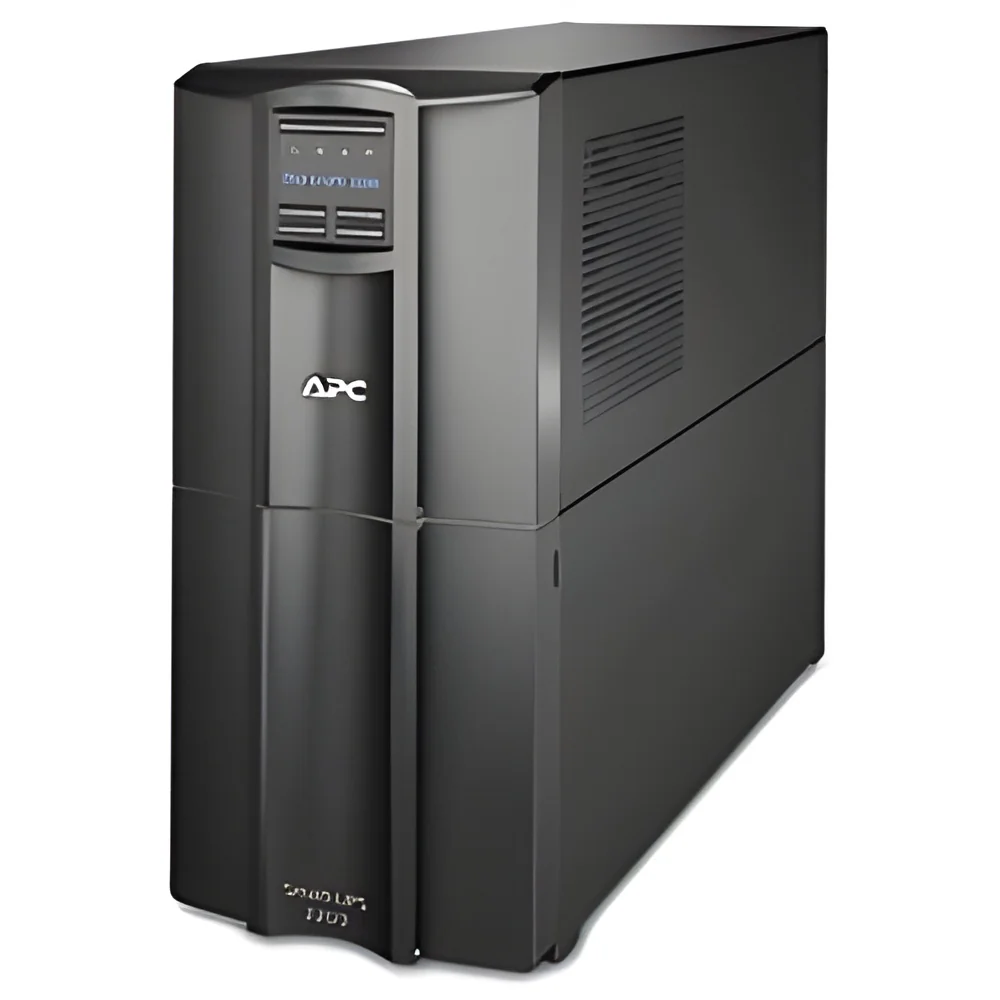
- Available in rack-mounted, tower, or modular configurations
- Selection depends on physical space and scalability requirements
5. Input Voltage Range
- Acceptable voltage levels for input power supply
- Often ranges from 110V to 480V, accommodating various installations
6. Output Waveform
- Sine wave output is preferred for sensitive equipment
- Modified sine wave may be used in less critical applications
7. Communication Interfaces
- Common interfaces include USB, RS-232, and network management options
- Allows for monitoring and integration with management software
8. Total Harmonic Distortion (THD)
- Indicates the level of distortion in the output waveform
- Lower percentages are better for sensitive electronic devices
In summary, these specifications are crucial in determining the right UPS for a data center or server environment. Selecting a UPS with the appropriate specifications ensures that businesses can maintain operational efficiency and protect critical data.
Common Applications and Use Cases
UPS for servers and data centers are utilized across a variety of industries to maintain power continuity and protect sensitive data.
1. IT and Telecommunications: UPS systems are essential for data centers and telecom networks, providing backup power to servers and communication equipment.
2. Healthcare: Hospitals and clinics rely on UPS units to ensure that critical medical devices and systems remain operational during power outages.
3. Financial Services: Banks and financial institutions use UPS systems to safeguard transaction servers and electronic records, preventing data loss and service disruptions.
4. Manufacturing: In manufacturing settings, UPS systems protect automated processes and prevent costly downtime caused by power interruptions.
5. Education: Schools and universities utilize UPS units to support computer labs and administrative systems, ensuring uninterrupted access to educational resources.
6. Retail: Retailers depend on UPS systems to keep point-of-sale systems operational, maintaining customer service during power fluctuations.
7. Government: Government facilities require reliable power for data management systems, ensuring that vital public services remain unaffected by outages.
Product Variants and Subcategories
UPS for servers and data centers come in various models to cater to different needs and configurations.
Online UPS
This variant provides continuous power through an inverter, ensuring zero transfer time during outages. It is ideal for mission-critical applications where downtime must be avoided.
Line-Interactive UPS
This type offers automatic voltage regulation and is suitable for environments with frequent voltage fluctuations, providing a cost-effective solution for less critical applications.
Offline UPS
Best for environments with minimal power disturbances, this variant switches to battery power only during outages. It is a budget-friendly option for small businesses.
Modular UPS
Modular systems allow for scalability, enabling businesses to add or remove units based on changing power needs. This flexibility makes it suitable for growing data centers.
Benefits and Advantages
Using UPS for servers and data centers offers several key benefits.
1. Continuous Power Supply: UPS systems ensure that critical equipment remains powered during outages, preventing data loss and downtime.
2. Surge Protection: They protect sensitive electronics from voltage spikes, reducing the risk of equipment damage.
3. Data Integrity: By providing stable power, UPS units safeguard against data corruption during sudden outages.
4. Operational Continuity: Businesses can maintain services without interruption, enhancing customer satisfaction and trust.
5. Enhanced Security: UPS systems can support backup systems enabling data backups and secure access even during power failures.
6. Peace of Mind: Knowing that there is a reliable power backup in place allows businesses to focus on core operations without constant worry about power issues.
Buying Guide for B2B Buyers
When sourcing UPS for servers and data centers, buyers should consider several key factors to make informed decisions.
1. Quality Assessment: Evaluate the quality and reliability of the UPS systems by reviewing manufacturer specifications and user reviews.
2. Supplier Verification: Vet suppliers by checking their reputation, certifications, and customer feedback to ensure they can deliver high-quality products.
3. Pricing and MOQ: Understand the pricing structure and minimum order quantities (MOQ) to align purchases with budget constraints and inventory needs.
4. Delivery and Lead Times: Factor in logistics, including shipping times and delivery schedules, to ensure timely availability of UPS units for critical installations.
5. Compliance Requirements: Be aware of any regulatory standards and certifications, such as CE, that the UPS systems must meet to ensure safety and reliability.
Compliance and Certifications
UPS systems for servers and data centers are subject to various compliance standards and certifications that ensure quality and safety.
Common relevant quality standards include ISO 9001, which outlines requirements for a quality management system. This standard helps ensure that manufacturers consistently provide products that meet customer and regulatory requirements.
Industry certifications such as CE mark indicate compliance with European health, safety, and environmental protection standards. These certifications are crucial for ensuring that UPS systems are safe for use in various applications.
Safety and testing requirements also play a vital role in the design and manufacturing of UPS systems. Compliance with local and international safety standards helps mitigate risks associated with electrical equipment.
Additionally, regional compliance considerations may vary, necessitating an understanding of local regulations that affect UPS deployment in specific geographic areas.
Why Source UPS for Servers & Data Centers from Pepagora?
Pepagora provides a trusted platform for sourcing UPS for servers and data centers, offering several key advantages that cater to B2B buyers.
Verified Supplier Network: Pepagora connects buyers with a network of verified suppliers who have undergone rigorous vetting processes. This ensures that businesses receive high-quality products and reliable service.
Streamlined RFQ Process: The platform features a user-friendly RFQ (Request for Quotation) system that simplifies the procurement process. Buyers can easily request quotes from multiple suppliers, facilitating comparison and selection.
Trade Assurance and Support: Pepagora offers trade assurance to protect buyers, providing peace of mind during transactions. The platform also provides customer support to assist with any inquiries or issues that may arise.
Regional Coverage: With a strong presence in India, GCC, and Southeast Asia, Pepagora ensures that buyers can access UPS solutions suited to their specific regional needs, enhancing the sourcing experience.
In summary, Pepagora is a reliable resource for businesses looking to procure UPS systems, making it easier to find the right solutions for their operational requirements.

 IN
IN