What are Grid-Tie Inverters?
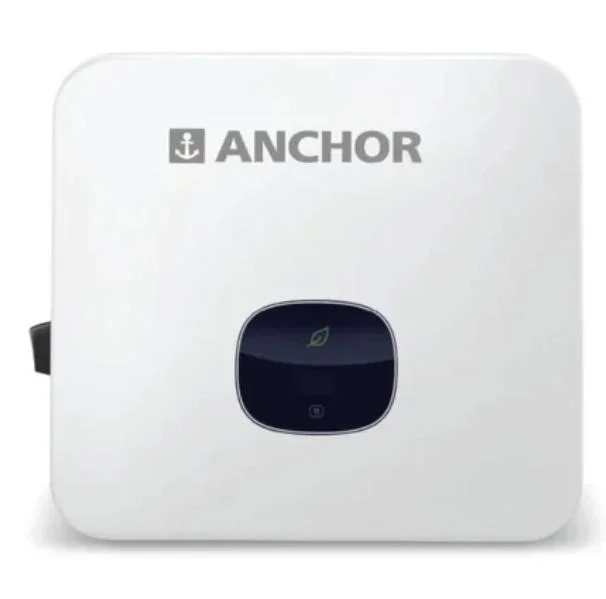
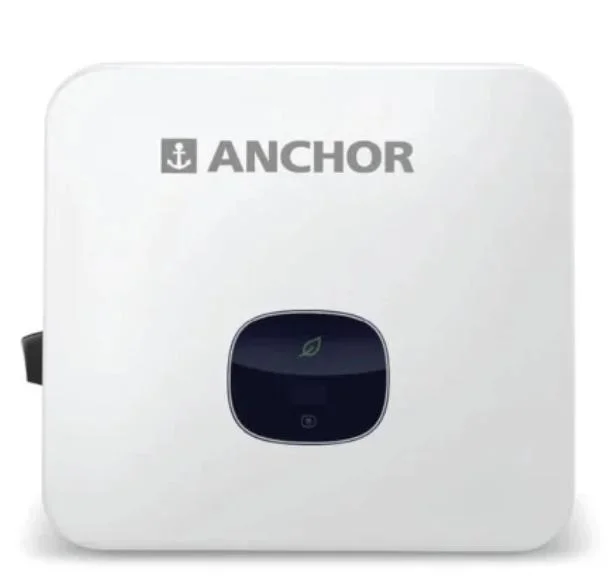
Grid-tie inverters are essential components in solar energy systems, converting direct current (DC) generated by solar panels into alternating current (AC) suitable for use in homes and businesses. These inverters synchronize with the utility grid, allowing excess electricity produced to be fed back into the grid. This process not only maximizes energy usage but also provides potential financial incentives through net metering.
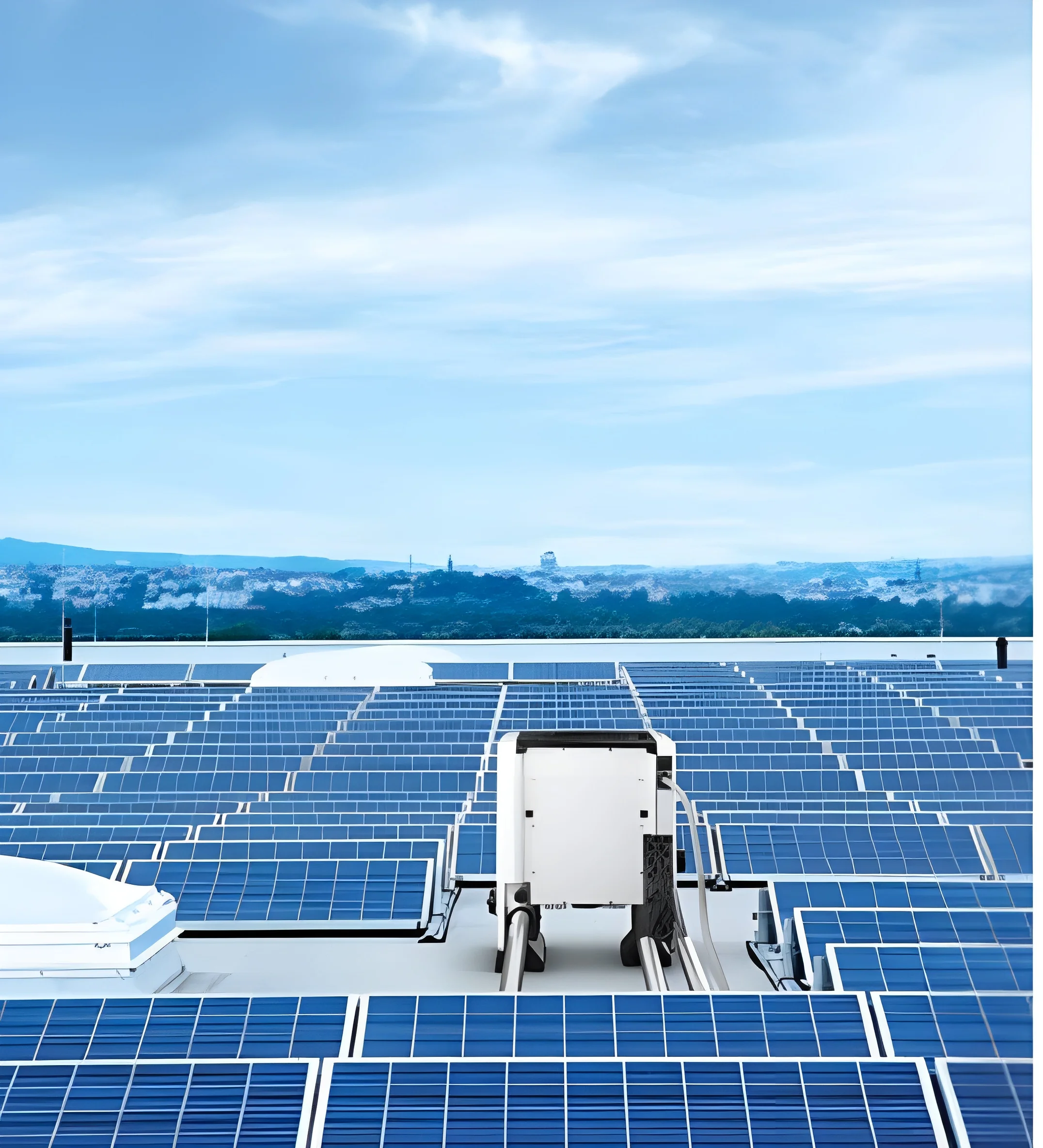
Businesses utilize grid-tie inverters in various applications, including residential solar systems, commercial installations, and utility-scale solar power plants. They are designed to operate efficiently and reliably, ensuring that solar energy is optimally harnessed and used. With the increasing focus on renewable energy, grid-tie inverters have become a critical part of the transition towards sustainable energy solutions.
As the market for renewable energy continues to grow, grid-tie inverters play a significant role in enabling the efficient integration of solar power into existing energy infrastructures. They are increasingly relevant in discussions about energy independence and sustainability, making them a pivotal topic in the industrial landscape.
Key Features and Specifications
Grid-tie inverters come equipped with several key features that enhance their functionality and reliability. Understanding these specifications is crucial for businesses looking to invest in efficient solar energy solutions.
Key specifications include:
1. Inverter Type
- Types include string inverters, microinverters, and central inverters.
- Each type is suited for different scales and applications.
2. Maximum Power Point Tracking (MPPT)
- Ensures maximum energy extraction from solar panels.
- Typically features one or more MPPT channels.
3. Efficiency Rating
- Indicates the percentage of energy converted from DC to AC.
- High efficiency ratings often exceed 95%.
4. Grid Compliance
- Adheres to local grid standards and regulations.
- Compliance ensures safe operation and connection to the utility grid.
5. Communication and Monitoring
- Includes features for remote monitoring of performance.
- Often compatible with mobile apps and web platforms.
6. Operating Temperature Range
- Designed to function effectively within specified temperature limits.
- Important for maintaining performance in varying climates.
7. Certifications
- Generally certified to meet industry standards, such as CE.
- Certifications reflect product safety and reliability.
In summary, understanding the key features and specifications of grid-tie inverters is essential for making informed purchasing decisions. These specifications impact the performance, efficiency, and overall value of the inverter in solar energy applications.
Common Applications and Use Cases
Grid-tie inverters are versatile and serve multiple industries, enhancing energy efficiency and sustainability.
1. Residential Solar Systems: Homeowners use grid-tie inverters to convert solar energy for household consumption, often benefiting from net metering policies that allow them to sell back excess power to the utility grid.
2. Commercial Installations: Businesses install grid-tie inverters to reduce energy costs and reliance on traditional power sources. They can generate substantial savings over time while contributing to environmental sustainability.
3. Utility-Scale Solar Power Plants: Large solar farms utilize grid-tie inverters to manage vast amounts of generated electricity, ensuring it is efficiently delivered to the grid and distributed to consumers.
4. Agricultural Applications: Farms integrate grid-tie inverters to power operations, minimizing costs associated with energy usage while supporting local energy grids.
5. Remote Locations: Grid-tie inverters are used in remote areas where connecting to the utility grid is challenging, allowing for decentralized energy generation and consumption.
6. Electric Vehicle Charging Stations: Businesses can use grid-tie inverters to power EV charging stations, leveraging solar energy to enhance sustainability in transportation.
7. Government and Institutional Projects: Public sector projects often incorporate grid-tie inverters to meet renewable energy goals and reduce carbon footprints.
Product Variants and Subcategories
Grid-tie inverters come in various configurations to meet diverse energy needs.
String Inverters: These are the most common type for residential and commercial applications. They connect multiple solar panels in series and are known for their simplicity and cost-effectiveness.
Microinverters: Designed for use with individual solar panels, microinverters offer higher efficiency and flexibility, particularly in installations where shading or varying orientations are concerns.
Central Inverters: Used primarily in large-scale solar power plants, central inverters manage high power outputs and are optimized for bulk energy conversion.
Hybrid Inverters: These inverters can work with both solar panels and battery storage, providing flexibility for users who want energy independence and backup power.
Benefits and Advantages
Investing in grid-tie inverters provides numerous benefits for businesses and homeowners alike.
1. Cost Savings: By utilizing solar energy, users can significantly reduce electricity bills and achieve long-term savings.
2. Energy Independence: Grid-tie inverters allow users to generate their own power, decreasing reliance on traditional energy sources and enhancing energy security.
3. Environmental Impact: Using solar energy reduces carbon emissions, contributing to a greener planet and supporting sustainability goals.
4. Incentives and Rebates: Many regions offer financial incentives for solar installations, making grid-tie inverters an economically attractive option.
5. Increased Property Value: Properties equipped with solar energy systems often see an increase in market value due to the added energy efficiency.
6. Scalability: Grid-tie systems can be expanded easily, allowing users to increase their solar capacity as their energy needs grow.
Buying Guide for B2B Buyers
When sourcing grid-tie inverters, businesses should consider several critical factors to ensure a successful purchase.
1. Quality Assessment: Evaluate the inverter's efficiency ratings and reliability. Look for products with proven performance in real-world applications.
2. Supplier Verification: Vet suppliers by checking their reputation, customer reviews, and certifications. A reliable supplier will provide consistent quality and service.
3. Pricing and MOQ: Consider the cost of the inverters and the minimum order quantity. Pricing can vary significantly based on specifications and supplier terms.
4. Delivery and Lead Times: Assess logistics to understand delivery times and ensure that the products can meet project timelines.
5. Compliance Requirements: Verify that the inverters meet local regulatory standards and industry certifications, ensuring safety and compatibility with the grid.
Compliance and Certifications
Grid-tie inverters must adhere to various compliance and certification standards to ensure quality and safety in their operation.
Relevant quality standards, such as ISO 9001, provide a framework for maintaining consistent quality management systems. Businesses should seek products that comply with these standards to ensure reliability.
Additionally, industry certifications like CE indicate compliance with European safety and environmental regulations. These certifications assure users that the products meet necessary safety and performance criteria.
Safety and testing requirements are also essential, as they ensure that inverters operate safely under various conditions. Businesses should inquire about testing protocols and certifications specific to their regions.
Regional compliance considerations are vital, as different areas may have specific regulations governing solar energy systems. Understanding these requirements helps businesses avoid compliance issues and ensures smooth operation.
Why Source Grid-Tie Inverters from Pepagora?
Pepagora offers a reliable platform for sourcing grid-tie inverters, providing several key advantages for businesses.
Verified Supplier Network: Pepagora carefully vets suppliers to ensure that they meet high standards of quality and reliability. This network gives buyers confidence in their purchasing decisions.
Streamlined RFQ Process: The request for quotation process is efficient and user-friendly, allowing buyers to receive competitive pricing from multiple suppliers quickly. This system enhances transparency and simplifies sourcing.
Trade Assurance and Support: Buyers benefit from trade assurance programs that protect their investments and provide support during the purchasing process. This safety net fosters trust and security in transactions.
Regional Coverage: Pepagora's reach extends across India, the GCC, and Southeast Asia, making it an ideal choice for businesses looking to source grid-tie inverters in various markets. This broad coverage ensures that buyers can find suitable products that meet their regional needs.
By choosing Pepagora, businesses can navigate the complexities of sourcing grid-tie inverters with confidence, ensuring they find the best solutions for their energy needs.

 IN
IN