What are Commercial Inverters?
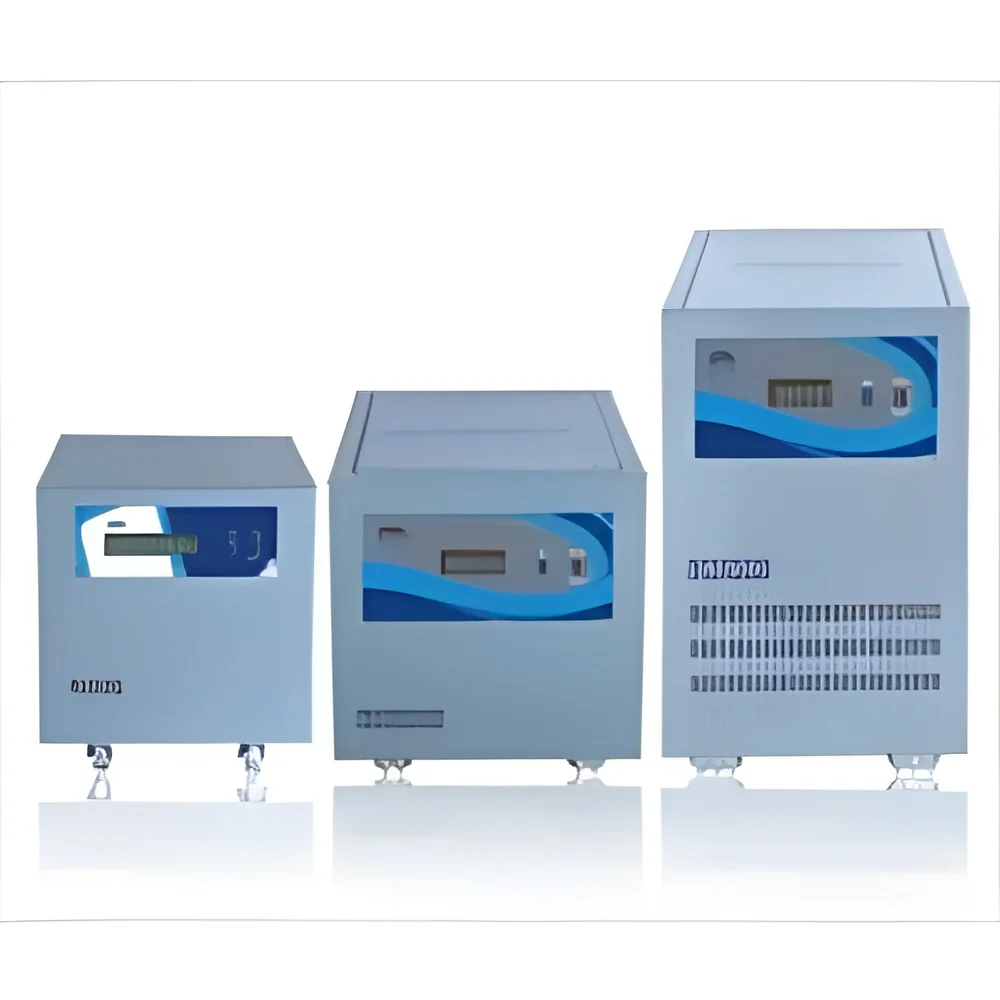
Commercial inverters are essential devices that convert direct current (DC) into alternating current (AC), enabling the use of solar energy and other renewable sources in various business applications. They play a critical role in energy management by ensuring that the power generated from renewable sources meets the electrical standards required for commercial use. These inverters are designed to handle larger loads and provide high efficiency, making them suitable for industrial settings.
The primary uses of commercial inverters include integrating renewable energy sources into the electrical grid, powering commercial buildings, and supporting backup power systems. They are commonly found in applications such as solar energy systems, wind energy solutions, and battery storage systems. Businesses across sectors, including manufacturing, retail, and hospitality, rely on these inverters to enhance energy efficiency, reduce operational costs, and achieve sustainability goals.
In terms of market context, the demand for commercial inverters is growing, driven by increasing energy costs and a global focus on reducing carbon emissions. As companies seek to adopt cleaner energy solutions, commercial inverters are becoming a vital component in the transition towards sustainable energy practices. This growing relevance is further supported by advancements in technology, leading to more efficient and reliable inverter systems.
Key Features and Specifications
Commercial inverters are equipped with several key features that enhance their performance and reliability. These specifications ensure they meet the demands of various industrial applications and environments.
Key specifications include:
1. Output Power Rating
- Determines the maximum power the inverter can handle.
- Typically ranges from several kilowatts to several megawatts.
2. Efficiency Rating
- Indicates how effectively the inverter converts DC to AC power.
- Generally, efficiency rates can exceed 95%.
3. Input Voltage Range
- Specifies the range of voltage the inverter can accept.
- Commonly ranges from 200V to 1000V.
4. Grid Connection Type
- Defines how the inverter connects to the electrical grid.
- Includes types like grid-tied, off-grid, and hybrid.
5. Protection Features
- Safety mechanisms such as overvoltage, overcurrent, and thermal protection.
- Ensures longevity and reliability under varying conditions.
6. Communication Protocols
- Facilitates monitoring and control of the inverter.
- Often supports protocols like Modbus and TCP/IP for data transmission.
7. Size and Weight
- Impacts installation and placement considerations.
- Varies significantly based on power output and design.
8. Certifications
- Compliance with industry standards such as CE certification.
- Ensures quality and safety in operation.
In summary, the features and specifications of commercial inverters are crucial for their performance in various applications. Businesses should carefully consider these specifications to select the right inverter for their needs.
Common Applications and Use Cases
Commercial inverters serve a diverse range of industries, providing solutions that enhance energy efficiency and reliability.
1. Solar Energy: Commercial inverters are extensively used in solar photovoltaic systems, allowing businesses to convert solar energy into usable electricity. This helps reduce energy costs and carbon footprints.
2. Wind Energy: In wind farms, these inverters convert the DC generated by wind turbines into AC, making it compatible with the power grid. They play a vital role in harnessing wind energy for commercial use.
3. Data Centers: Commercial inverters are crucial in data centers to ensure a stable and continuous power supply. They provide backup energy during outages and help manage energy loads efficiently.
4. Manufacturing: In manufacturing plants, these inverters support machinery and equipment by converting energy from renewable sources, enhancing operational efficiency.
5. Retail Spaces: Commercial inverters help retail businesses utilize renewable energy sources, reducing energy expenses while promoting sustainability to consumers.
6. Telecommunications: These inverters are used in telecom sites to ensure reliable power supply for communication equipment, especially in remote areas.
7. Agricultural Operations: In farming, commercial inverters can power irrigation systems and other equipment using energy generated from renewable sources, improving sustainability.
Product Variants and Subcategories
The diversity of commercial inverters allows businesses to choose models that best suit their operational needs.
Central Inverters: Central inverters are designed for large-scale solar installations. They consolidate the power from multiple solar panels into a single output, optimizing efficiency for utility-scale projects.
String Inverters: These are used for smaller installations and connect directly to solar panels. They are ideal for commercial rooftops and allow for easier maintenance and monitoring.
Microinverters: Microinverters are installed on individual solar panels, providing maximum energy production. They are beneficial in installations where shading or panel orientation varies.
Hybrid Inverters: Hybrid inverters can manage both grid power and renewable energy sources, allowing for energy storage and usage flexibility. They are ideal for businesses looking for energy independence.
Benefits and Advantages
Commercial inverters offer several advantages that can significantly impact business operations.
1. Enhanced Energy Efficiency: These inverters convert energy with high efficiency, reducing waste and lowering electricity costs for businesses.
2. Cost Savings: By integrating renewable energy sources, companies can save on energy bills and reduce reliance on grid power.
3. Reliability: Commercial inverters ensure stable power supply, minimizing disruptions in operations and providing backup during outages.
4. Sustainability: Utilizing renewable energy through commercial inverters helps businesses meet sustainability goals and reduce their carbon footprint.
5. Versatility: These inverters are suitable for a wide range of applications, making them adaptable to various industries and business needs.
6. Monitoring Capabilities: Many commercial inverters come with advanced monitoring features, allowing businesses to track energy production and consumption efficiently.
Buying Guide for B2B Buyers
When sourcing commercial inverters, it is essential for B2B buyers to consider several key factors.
1. Quality Assessment: Buyers should evaluate the quality of inverters based on efficiency ratings, durability, and manufacturer reputation. High-quality inverters ensure long-term performance and reliability.
2. Supplier Verification: It is crucial to vet suppliers to ensure they are reputable and provide reliable products. This can include checking references, certifications, and past performance.
3. Pricing and MOQ: Understanding the pricing structure and minimum order quantities (MOQ) is important for budgeting purposes. Buyers should compare prices across multiple suppliers to get the best deal.
4. Delivery and Lead Times: Buyers need to consider logistics, including delivery times and potential delays. Ensuring timely delivery can be crucial for project schedules.
5. Compliance Requirements: Buyers should be aware of regulatory and compliance standards applicable to commercial inverters, including safety and environmental regulations, to ensure the products meet local requirements.
Compliance and Certifications
Compliance and certifications are vital for ensuring the safety and reliability of commercial inverters.
Relevant quality standards such as ISO 9001 ensure that manufacturers adhere to consistent quality management practices, leading to reliable products. Industry certifications, such as CE marking, indicate that the inverters meet European safety and environmental protection standards.
Safety and testing requirements play a critical role in the production of commercial inverters. Manufacturers must conduct rigorous testing to ensure that their products can withstand various operating conditions and comply with electrical safety standards.
Additionally, businesses should be aware of regional compliance considerations, as different markets may have specific regulations that apply to energy products. Understanding these requirements is essential for ensuring that inverters can be legally sold and used in target markets.
Why Source Commercial Inverters from Pepagora?
Pepagora offers a trusted platform for businesses seeking commercial inverters, providing several key advantages.
Verified Supplier Network: Pepagora has developed a robust network of verified suppliers, ensuring that buyers can access high-quality products and reliable service. This network helps mitigate risks associated with sourcing from unverified vendors.
Streamlined RFQ Process: The quotation system at Pepagora simplifies the procurement process, allowing buyers to request quotes from multiple suppliers quickly. This efficiency helps businesses make informed purchasing decisions.
Trade Assurance and Support: Pepagora offers buyer protection through trade assurance policies, ensuring that transactions are secure. Support services are available to assist buyers throughout the sourcing process, enhancing confidence.
Regional Coverage: With a presence in India, the GCC, and Southeast Asia, Pepagora provides comprehensive geographic coverage, connecting businesses with suppliers that meet regional needs. This broad reach enhances accessibility to quality commercial inverters globally.

 IN
IN