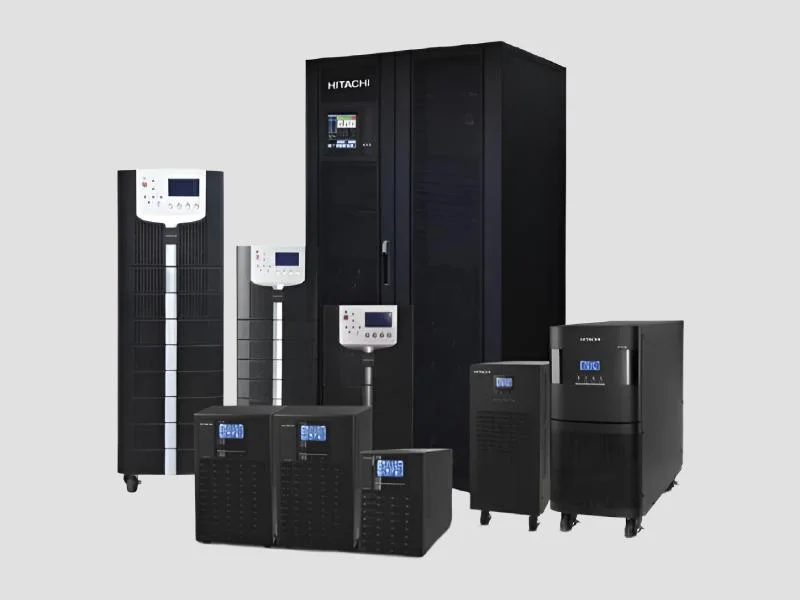
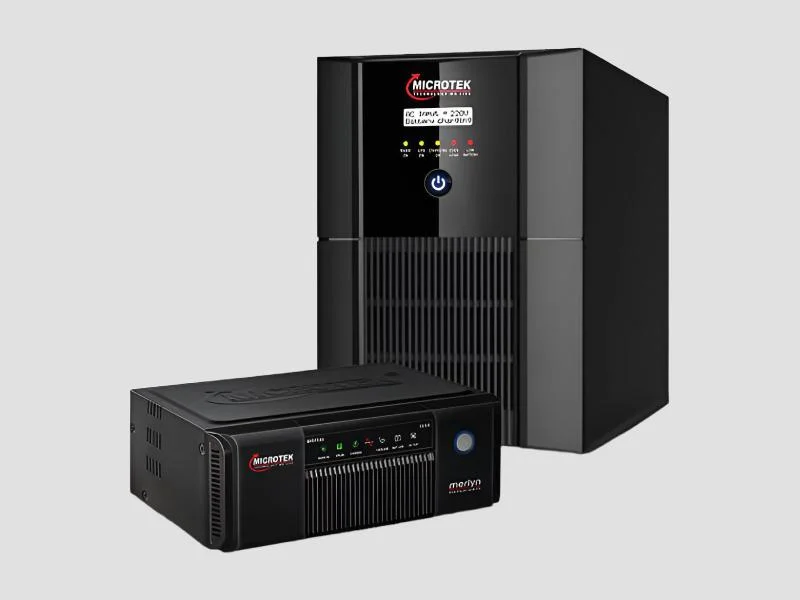
What are Online UPS Systems?
Online UPS systems, or Uninterruptible Power Supply systems, are critical devices used to provide backup power to electronic equipment during outages. They operate by continuously supplying power from an internal battery while simultaneously charging the battery from an external source. This setup ensures that connected devices receive uninterrupted power, protecting them from data loss and damage caused by sudden power interruptions.
These systems are widely used across various business applications, including data centers, telecommunications, medical facilities, and manufacturing. They are essential for maintaining the operational integrity of sensitive equipment, such as servers, networking gear, and essential medical devices. In an increasingly digital world, where downtime can lead to significant financial losses, the demand for reliable power solutions like online UPS systems continues to grow.
As industries evolve and technology advances, the market for online UPS systems remains highly relevant. With organizations increasingly relying on technology for their operations, the need for dependable power supply solutions has never been more critical. This has led to innovations in UPS technology, enhancing performance, efficiency, and reliability to meet the diverse needs of modern businesses.
Key Features and Specifications
Online UPS systems come equipped with various features designed to enhance performance and reliability. These features include high efficiency, advanced monitoring capabilities, and robust battery management systems. Understanding the technical specifications is crucial for businesses when selecting the right UPS for their needs.
Key specifications include:
1. Output Power Capacity
- This specification indicates the maximum power the UPS can provide, typically measured in kilovolt-amperes (kVA).
- Common ranges include 1 kVA to over 100 kVA.
2. Input Voltage Range
- This specifies the acceptable voltage levels the UPS can handle before switching to battery mode.
- Typical ranges are between 110V and 300V.
3. Battery Type
- The type of battery used impacts the UPS's performance and lifespan.
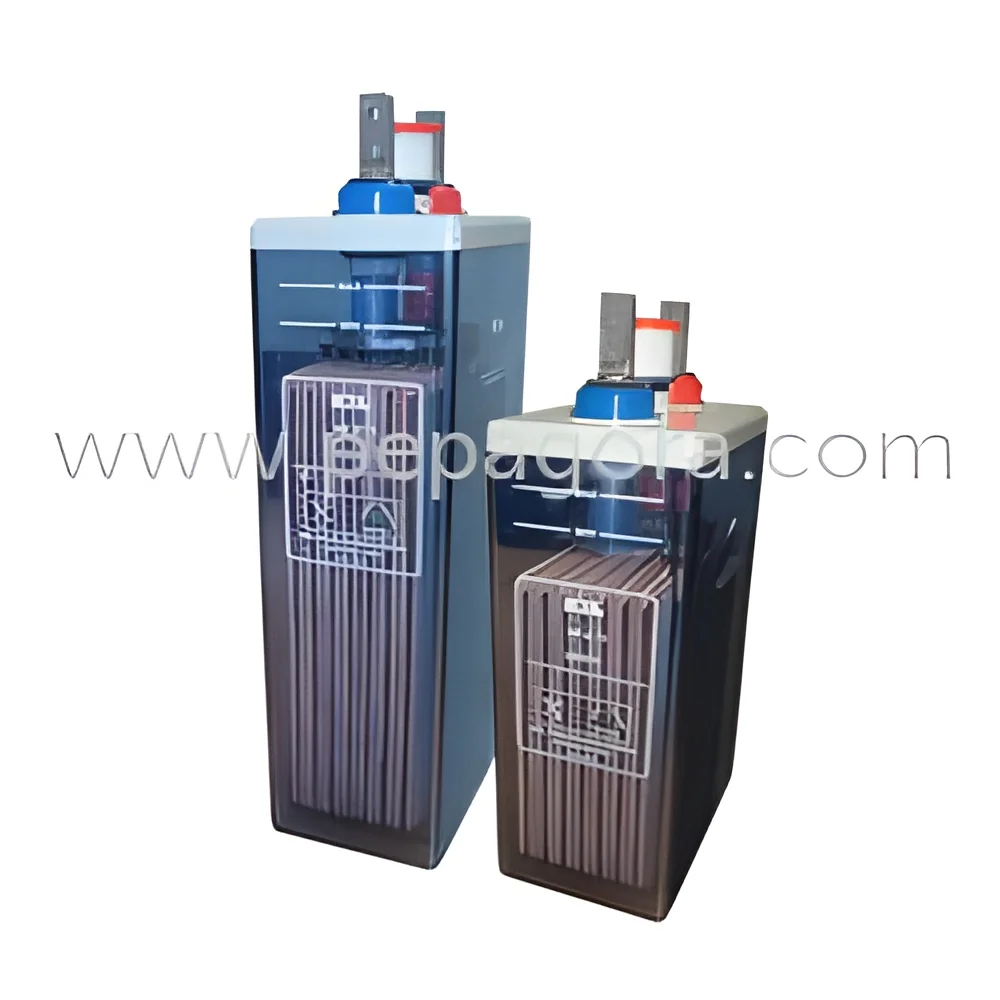
- Common types include sealed lead-acid batteries and lithium-ion batteries.
4. Runtime on Battery
- This indicates how long the UPS can power connected devices on battery alone.
- Runtimes vary significantly based on load, ranging from a few minutes to several hours.
5. Transfer Time
- This is the time taken for the UPS to switch from mains to battery power during an outage.
- Typical transfer times for online UPS systems are less than 2 milliseconds.
6. Efficiency Rating
- This measures how effectively the UPS converts input power to output power.
- High-efficiency ratings can exceed 95%.
7. Communication Interfaces
- These include various ports and protocols for monitoring and managing the UPS remotely.
- Common interfaces are USB, RS-232, and SNMP.
8. Form Factor
- This indicates the physical design of the UPS, which can be tower or rack-mounted.
- Choosing the right form factor is crucial for space management in facilities.
In summary, selecting an online UPS system requires careful consideration of these specifications to ensure compatibility with your business needs and efficiency in power management.
Common Applications and Use Cases
Online UPS systems are versatile and find use in multiple industries.
1. Data Centers: In data centers, online UPS systems ensure continuous power supply to servers and networking equipment, protecting critical data from loss during outages.
2. Telecommunications: These systems support telecommunications infrastructure, maintaining uptime and service continuity for communication networks.
3. Healthcare: In hospitals and clinics, online UPS systems provide backup power for life-saving medical equipment, ensuring patient safety and operational efficiency.
4. Manufacturing: Manufacturing facilities utilize online UPS systems to protect automated machinery and control systems, minimizing production downtime caused by power interruptions.
5. Financial Services: Banks and financial institutions rely on online UPS systems to secure transaction processes and data integrity during power failures.
6. Retail: Retail environments use online UPS systems to safeguard point-of-sale systems and inventory management systems, preventing losses during outages.
7. Research Laboratories: In laboratories, online UPS systems ensure that sensitive experiments and data collection processes are not disrupted by power issues.
Product Variants and Subcategories
While there are no specific subcategories available for online UPS systems, the product line typically encompasses various models designed to cater to different needs.
Standard Online UPS Model
This model is designed for general use in data centers and small businesses. It features standard power capacity and efficiency, making it suitable for most applications.
High-Performance Online UPS Model
This variant offers higher output power capacity and enhanced features such as advanced monitoring options. It is ideal for large enterprises and critical applications requiring maximum uptime.
Compact Online UPS Model
This model is designed for environments with limited space. Despite its small footprint, it still delivers reliable power backup suitable for small IT setups or retail points of sale.
Benefits and Advantages
Investing in online UPS systems provides several key benefits for businesses.
1. Uninterrupted Power Supply: Online UPS systems offer continuous power, protecting against data loss and equipment damage during outages.
2. Voltage Regulation: They stabilize voltage levels, ensuring that sensitive equipment operates within safe parameters.
3. Enhanced Battery Management: Advanced battery management systems prolong the lifespan of batteries, reducing replacement frequency and costs.
4. Remote Monitoring: Many online UPS systems come with monitoring capabilities, allowing businesses to track performance and receive alerts for maintenance needs.
5. Scalability: These systems can be scaled to accommodate growing power needs, ensuring that businesses can adapt to changing requirements.
6. Improved Efficiency: High-efficiency ratings reduce energy consumption, leading to lower operational costs over time.
Buying Guide for B2B Buyers
When sourcing online UPS systems, businesses should consider various factors to ensure they make informed purchasing decisions.
1. Quality Assessment: Evaluate the quality of the UPS systems through certifications and standards. Look for compliance with industry standards like ISO 9001 and CE.
2. Supplier Verification: Vet potential suppliers by checking their reputation, customer reviews, and history in the industry to ensure reliability.
3. Pricing and MOQ: Understand the pricing structure and minimum order quantities (MOQ) to align purchases with budget requirements.
4. Delivery and Lead Times: Inquire about logistics, including the estimated delivery times and shipping options available.
5. Compliance Requirements: Ensure that the products meet local regulations and safety standards relevant to your industry.
Compliance and Certifications
Online UPS systems are subject to several compliance standards and certifications that ensure quality and safety.
Common quality standards for these systems include ISO 9001, which outlines requirements for a quality management system. Organizations may also look for compliance with industry-specific standards such as HACCP, especially in sectors like food and pharmaceuticals.
CE certification is often required for products sold in European markets, indicating compliance with health, safety, and environmental protection standards.
Additionally, safety and testing requirements must be adhered to, ensuring that the systems operate reliably under specified conditions. Businesses should also be aware of regional compliance considerations, which can vary based on local regulations.
Why Source Online UPS Systems from Pepagora?
Pepagora offers a trusted platform for sourcing online UPS systems, providing buyers with several advantages that simplify the procurement process.
Verified Supplier Network: Pepagora has established a robust network of verified suppliers, ensuring that buyers can source high-quality products with confidence. This reduces the risk associated with purchasing from unknown vendors.
Streamlined RFQ Process: The request for quotation (RFQ) process on Pepagora is designed to be straightforward and efficient. Buyers can easily submit their requirements and receive competitive quotes from multiple suppliers.
Trade Assurance and Support: Pepagora provides trade assurance services that protect buyers throughout the purchasing process. This includes support for resolving issues related to product quality or delivery.
Regional Coverage: With a strong presence in India, the Gulf Cooperation Council (GCC), and Southeast Asia, Pepagora enables businesses to access local suppliers, making logistics easier and more efficient.
By choosing Pepagora as a sourcing partner, businesses can confidently navigate the complexities of acquiring online UPS systems, ensuring they find the right solutions for their power management needs.

 IN
IN