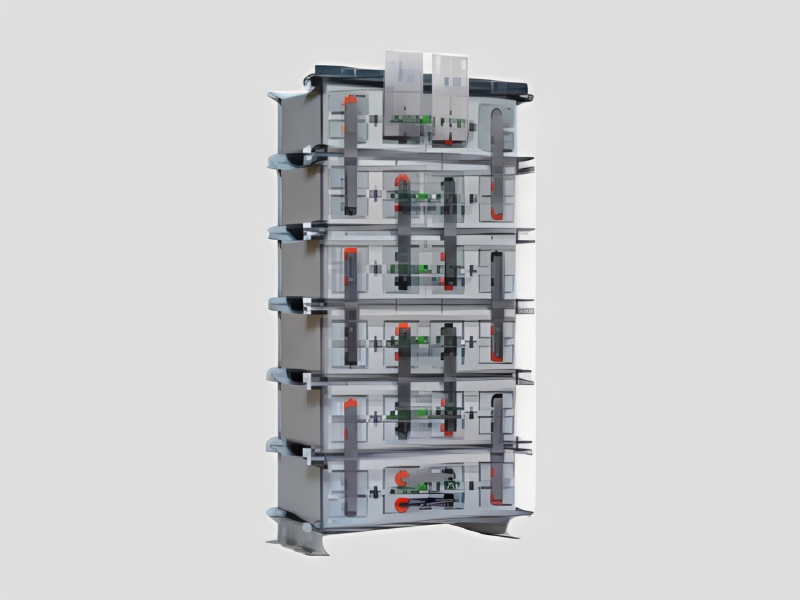
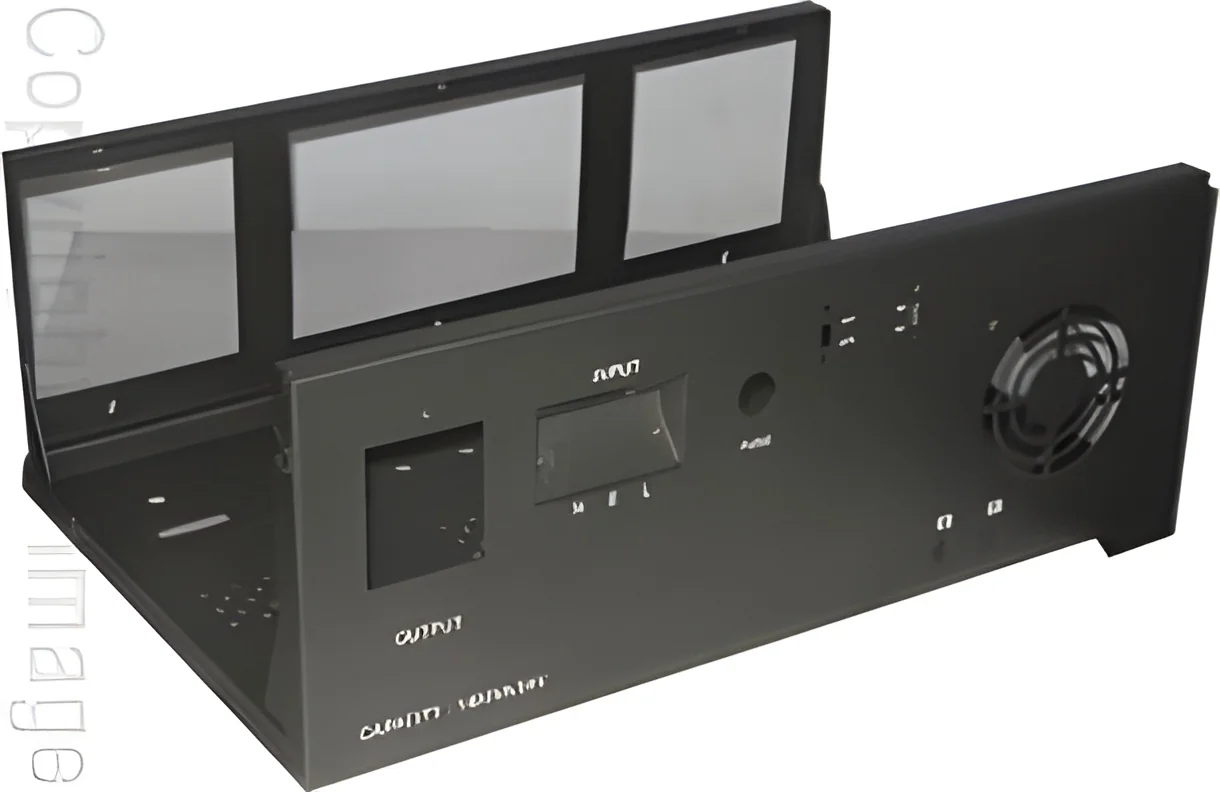
What are Home Inverters?
Home inverters are devices that convert direct current (DC) from batteries into alternating current (AC) which can be used to power home appliances. They serve as a reliable backup power source, especially during power outages or fluctuations. By storing energy, home inverters ensure that essential devices remain operational when the main power supply is interrupted.
These devices are crucial for various business applications, including small industries, offices, and retail environments. They provide uninterrupted power, safeguarding sensitive equipment from voltage fluctuations and maintaining productivity. The growing demand for energy-efficient solutions has made home inverters a relevant product in the current market, particularly in regions with unreliable electrical supply.
Key Features and Specifications
Home inverters come equipped with several key features that enhance their functionality and reliability. These specifications are important considerations for businesses looking to invest in these devices.
Key specifications include:
1. Power Output
- Determines the maximum load the inverter can handle.
- Ranges typically from 300VA to 5000VA.
2. Battery Compatibility
- Indicates the types of batteries that can be used.
- Compatible with lead-acid and lithium-ion batteries.
3. Input Voltage Range
- Specifies the voltage range the inverter can accept from the battery.
- Common ranges are between 10V to 15V.
4. Output Waveform
- Describes the type of AC waveform produced.
- Options include pure sine wave and modified sine wave.
5. Charging Time
- Indicates how quickly the inverter can recharge the connected battery.
- Average charging times are typically between 4 to 8 hours.
6. Efficiency Rating
- Represents the inverter's ability to convert DC to AC power effectively.
- Common efficiency ratings range from 85% to 95%.
7. Dimensions and Weight
- Provides information on the physical size and portability of the inverter.
- Sizes can vary widely based on the power output.
8. Safety Features
- Includes protections like overload, short circuit, and thermal shutdown.
- Ensures safe operation and longevity of the device.
In summary, understanding the features and specifications of home inverters is essential for businesses to select the right equipment that meets their energy needs.
Common Applications and Use Cases
Home inverters are versatile devices that cater to various industries and applications.
1. Residential: Homeowners use inverters to ensure a continuous power supply for essential household appliances like refrigerators, lights, and computers during outages.
2. Small Businesses: Retail shops often rely on inverters to maintain operations, ensuring that point-of-sale systems and lighting remain functional during power interruptions.
3. Healthcare: Clinics and hospitals use home inverters to power critical medical equipment, ensuring patient care is not compromised during electrical failures.
4. Telecommunications: Communication towers utilize inverters to remain operational during outages, preventing service disruptions.
5. Agricultural: Farmers employ inverters for irrigation systems and other electrically powered equipment, ensuring that their operations are not impacted by power outages.
6. Hospitality: Hotels and restaurants use inverters to maintain lighting and kitchen operations, providing a seamless experience for guests even during power cuts.
7. Industrial: Factories utilize inverters to power machinery and equipment, ensuring production is not halted due to power supply issues.
Product Variants and Subcategories
Home inverters are available in various configurations to suit different needs and applications.
Variant 1: Sine Wave Inverter
This variant produces a pure sine wave output, making it suitable for sensitive electronics. It is ideal for households and businesses that rely on high-quality power for appliances like computers and medical devices.
Variant 2: Modified Sine Wave Inverter
This type offers a modified sine wave output, suitable for less sensitive devices such as lights and fans. It is often a cost-effective solution for general household use.
Variant 3: Solar Inverter
Solar inverters are specifically designed to work with solar power systems, converting the DC output from solar panels into AC for home use. They are essential for renewable energy applications.
Benefits and Advantages
Investing in home inverters presents several key advantages for businesses and homeowners alike.
1. Uninterrupted Power Supply: Home inverters provide a reliable backup power source during outages, ensuring that essential appliances remain operational.
2. Protection against Power Surges: They safeguard sensitive electronics from voltage fluctuations, extending the lifespan of valuable equipment.
3. Energy Efficiency: Many modern inverters are designed to be energy-efficient, reducing overall electricity costs.
4. Versatile Applications: Home inverters can be used across a range of settings, from residential to industrial, making them a versatile investment.
5. Easy Installation: Most home inverters are designed for straightforward installation, allowing businesses to quickly set up their backup power solutions.
6. Customizable Options: Various models and specifications allow buyers to choose inverters that best meet their unique energy requirements.
Buying Guide for B2B Buyers
When sourcing home inverters, B2B buyers should consider several important factors to make informed decisions.
1. Quality Assessment: Evaluate the quality of the inverter by checking certifications and standards. A high-quality product will ensure reliability and longevity.
2. Supplier Verification: Vet potential suppliers by reviewing their reputation, customer feedback, and industry experience. This helps ensure a reliable partnership.
3. Pricing and MOQ: Understand the pricing structure and minimum order quantities (MOQ) required by suppliers. This will help in budgeting and planning purchases.
4. Delivery and Lead Times: Inquire about the logistics involved in the delivery process and estimated lead times to ensure timely receipt of products.
5. Compliance Requirements: Ensure that the inverters meet regional compliance standards and safety regulations to avoid legal issues and guarantee safe operation.
Compliance and Certifications
Compliance and certifications play a crucial role in the quality and safety of home inverters. Key standards include ISO 9001 for quality management systems, ensuring that manufacturers adhere to quality assurance processes.
The CE mark indicates that the inverter complies with European safety, health, and environmental protection standards. This certification is vital for products sold in European markets.
Safety testing requirements must be met to confirm that the inverters function safely under various operating conditions. This includes rigorous assessments of electrical safety and performance.
Regional compliance considerations vary based on local laws and regulations. It is essential for B2B buyers to verify that their chosen inverters comply with the relevant standards applicable in their market.
Why Source Home Inverters from Pepagora?
Pepagora provides a trusted platform for sourcing home inverters, offering numerous advantages to B2B buyers.
Verified Supplier Network: Pepagora features a thoroughly vetted network of suppliers, ensuring that buyers can access high-quality products from reliable manufacturers. This verification process builds trust and minimizes risk.
Streamlined RFQ Process: The platform simplifies the request for quotation (RFQ) process, allowing buyers to easily compare offers from multiple suppliers. This efficiency saves time and enhances decision-making.
Trade Assurance and Support: Pepagora offers trade assurance, protecting buyers against potential issues with their orders. This added layer of security fosters confidence in the purchasing process.
Regional Coverage: With a focus on markets in India, the GCC, and Southeast Asia, Pepagora provides extensive geographic reach. This ensures that businesses can find suitable suppliers that meet their specific regional needs.

 IN
IN