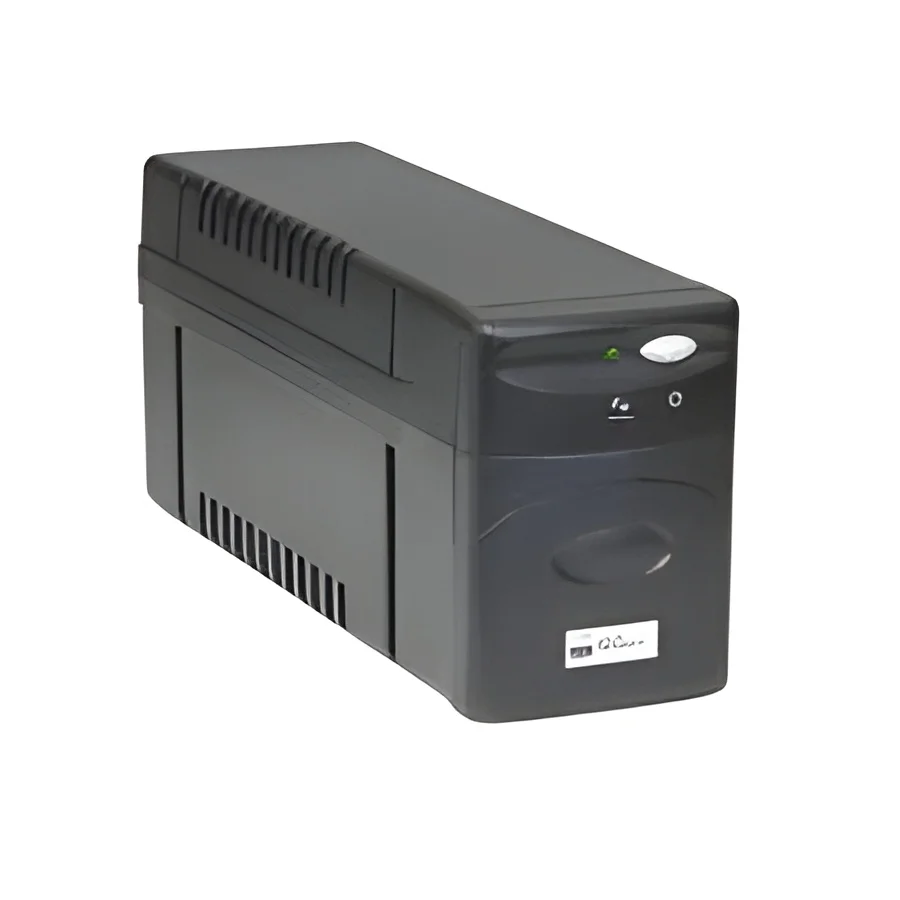
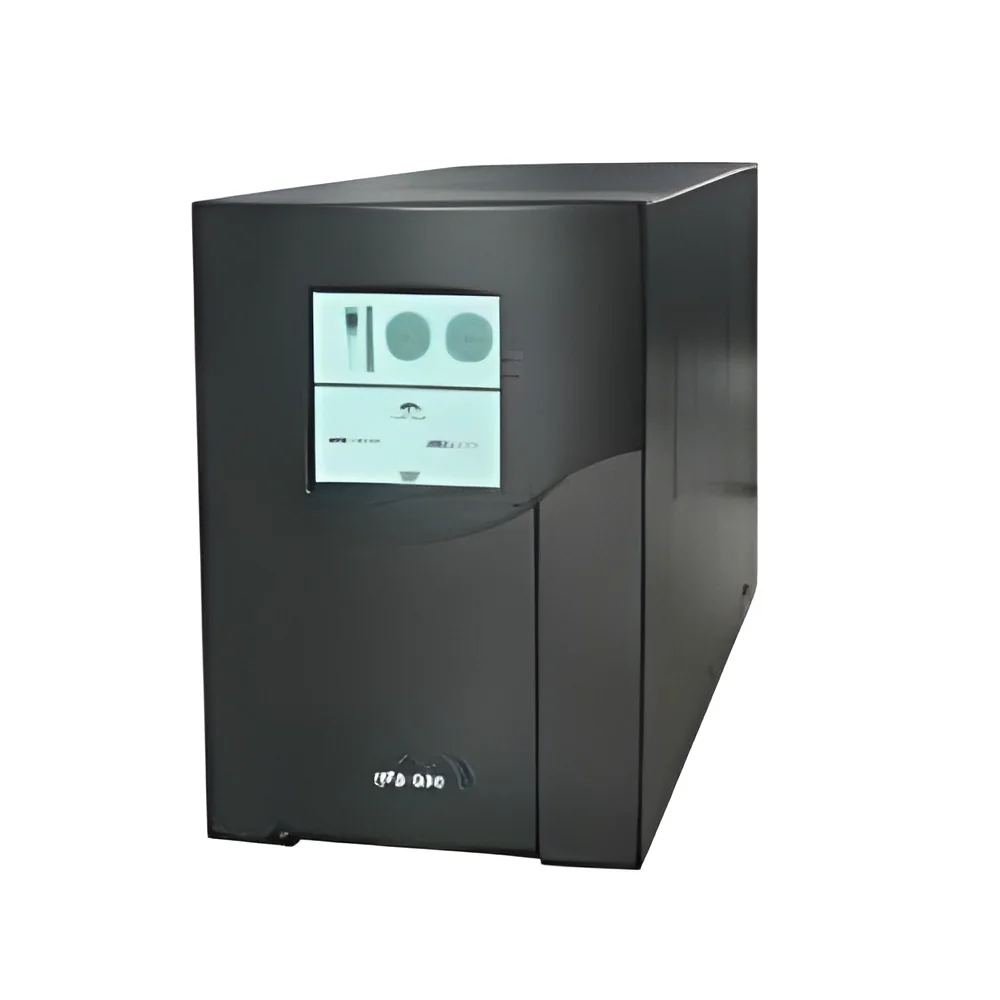
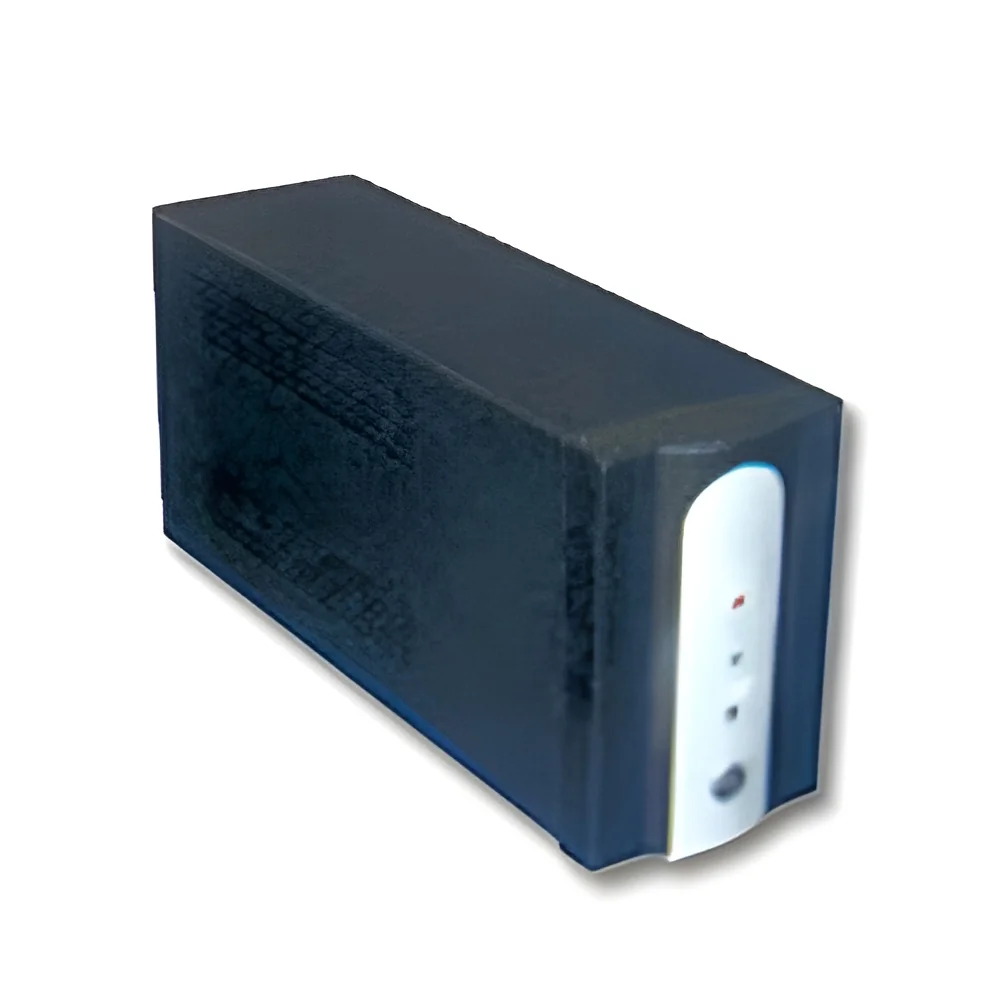
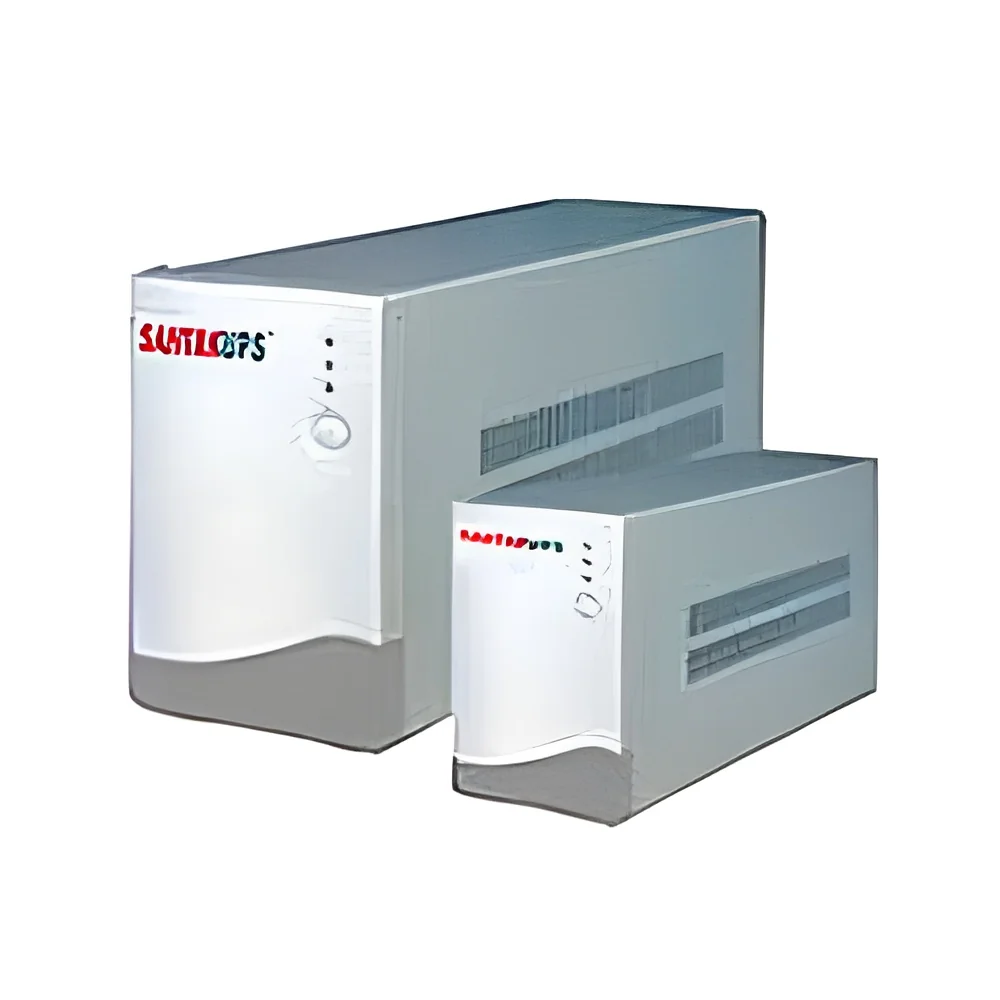
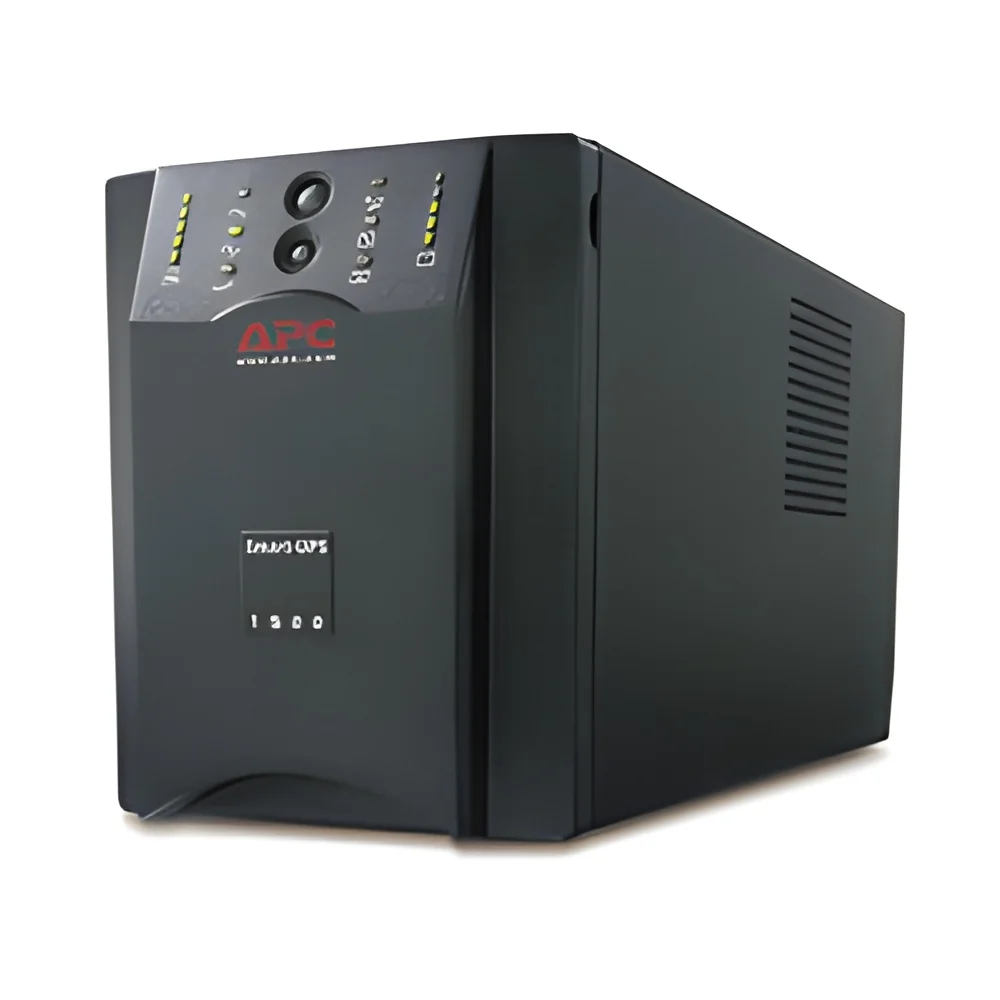
What are Offline UPS Systems?
Offline UPS Systems, also known as standby UPS, are uninterruptible power supplies designed to provide backup power during outages. These systems are connected between the power supply and the equipment they protect. In normal conditions, they allow power to flow directly to the connected devices. When voltage levels drop or power cuts occur, the Offline UPS seamlessly switches to its internal battery to keep the equipment running.
These systems are primarily used in environments where short-term power interruptions can lead to significant data loss or equipment damage. Common applications include personal computers, servers, and network devices. Businesses rely on Offline UPS Systems to ensure data integrity and maintain operations during power fluctuations. Given the increasing reliance on technology, the demand for these systems continues to rise across various industries.
As industries become more dependent on continuous power supply, the relevance of Offline UPS Systems in the market is growing. With advancements in technology and increasing awareness of the need for power backup solutions, businesses are more inclined to invest in these systems to safeguard their operations.
Key Features and Specifications
Offline UPS Systems are characterized by several key features that define their performance and reliability. These specifications are fundamental for businesses seeking to make informed purchasing decisions.
Key specifications include:
1. Power Capacity
- Typically ranges from 500VA to 3000VA
- Determines the maximum load the UPS can support
2. Battery Type
- Common types include sealed lead-acid and lithium-ion
- Affects the overall lifespan and maintenance needs of the UPS
3. Output Waveform
- Generally provides a modified sine wave output
- May affect compatibility with sensitive equipment
4. Backup Time
- Usually ranges from 10 minutes to several hours, depending on load
- Critical for assessing how long devices will stay operational during an outage
5. Input Voltage Range
- Can typically handle voltages from 100V to 300V
- Essential for compatibility with different electrical systems
6. Dimensions and Weight
- Varies by model, impacting installation space
- Important for portability if required
7. Interface and Monitoring
- Often includes LED indicators and USB ports for monitoring
- Helps users track performance and battery status
8. Certifications
- Typically includes CE certification
- Ensures compliance with safety and environmental standards
These specifications provide a comprehensive overview of Offline UPS Systems, allowing buyers to select the right model for their needs.
Common Applications and Use Cases
Offline UPS Systems are utilized across various industries to ensure uninterrupted power supply.
1. Information Technology: Essential for servers and networking equipment, they protect against data loss during power failures.
2. Telecommunications: Used to maintain the functionality of critical communication systems, ensuring constant connectivity.
3. Medical Facilities: Vital for medical devices and equipment in hospitals, preventing disruptions that could affect patient care.
4. Retail: Protects point-of-sale systems from outages, allowing for continuous operations and customer transactions.
5. Manufacturing: Supports machinery and control systems, preventing downtime that can lead to production losses.
6. Education: Ensures that computers and projectors remain operational during outages, facilitating uninterrupted learning.
7. Banking: Critical for ATMs and online banking systems, safeguarding financial transactions during power disruptions.
Product Variants and Subcategories
Offline UPS Systems come in various configurations to address different power needs.
Compact Offline UPS
This variant is designed for personal computers and smaller devices. It provides essential backup power with a compact design suitable for limited spaces.
High-Capacity Offline UPS
Ideal for larger servers and network systems, this variant offers increased power capacity and longer backup times, ensuring that critical systems remain operational during extended outages.
Benefits and Advantages
Investing in Offline UPS Systems brings several benefits to businesses.
1. Data Protection: These systems prevent data loss during power outages, ensuring that information remains intact.
2. Equipment Longevity: By providing stable power, they help extend the lifespan of connected devices and machinery.
3. Cost-Effective: They offer a relatively low-cost solution for minimizing downtime, which can be expensive for businesses.
4. Easy Installation: Most models are user-friendly and can be quickly set up without extensive technical knowledge.
5. Maintenance-Free Options: Many modern systems require minimal maintenance, reducing ongoing operational costs.
6. Enhanced Productivity: With a reliable power supply, employees can work without interruption, boosting overall productivity.
Buying Guide for B2B Buyers
When sourcing Offline UPS Systems, several factors should be considered to ensure a suitable purchase.
1. Quality Assessment: Look for products that meet industry standards and have positive reviews. This helps ensure reliability and performance.
2. Supplier Verification: Vet suppliers by checking their credentials, reputation, and customer feedback. A reliable supplier can provide peace of mind.
3. Pricing and MOQ: Understand the pricing structure and minimum order quantity. This aids in budgeting and ensures that your needs are met without overspending.
4. Delivery and Lead Times: Inquire about delivery schedules and lead times to ensure timely receipt of the systems, especially if you have urgent requirements.
5. Compliance Requirements: Ensure that the UPS systems meet local regulations and standards. Compliance is crucial for safety and operational integrity.
Compliance and Certifications
Offline UPS Systems must adhere to various quality standards and certifications to ensure safety and performance.
ISO 9001 is a standard that emphasizes quality management systems, which many manufacturers follow to maintain high-quality production processes.
CE certification is essential for products sold in the European market. It indicates that the UPS systems meet safety and environmental protection standards set by the European Union.
Safety and testing requirements are critical for the operation of these systems. Testing for electrical safety and performance under various conditions helps guarantee that the products will function as intended.
Regional compliance considerations may vary based on local regulations. Buyers should be aware of specific compliance needs in their geographic areas to ensure that their selected systems are acceptable.
Why Source Offline UPS Systems from Pepagora?
Pepagora offers a trusted platform for sourcing Offline UPS Systems, bringing several key advantages to buyers.
Verified Supplier Network: Pepagora connects buyers with a network of verified suppliers, ensuring that the products meet quality standards and regulatory requirements.
Streamlined RFQ Process: The request for quotation system simplifies the procurement process, allowing buyers to receive competitive pricing and terms efficiently.
Trade Assurance and Support: Buyers are protected through trade assurance policies that provide support throughout the purchasing process, enhancing security and confidence.
Regional Coverage: With a strong presence in India, the GCC, and Southeast Asia, Pepagora ensures that businesses across these regions can access reliable power backup solutions tailored to their needs.

 IN
IN