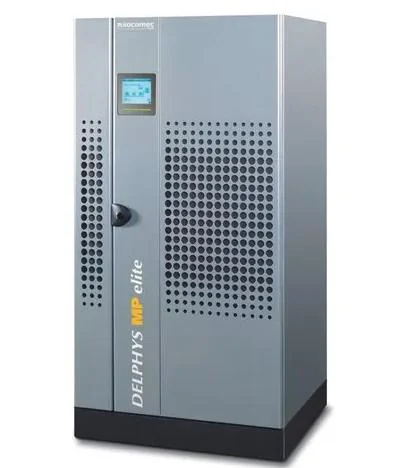
What are Three Phase UPS?
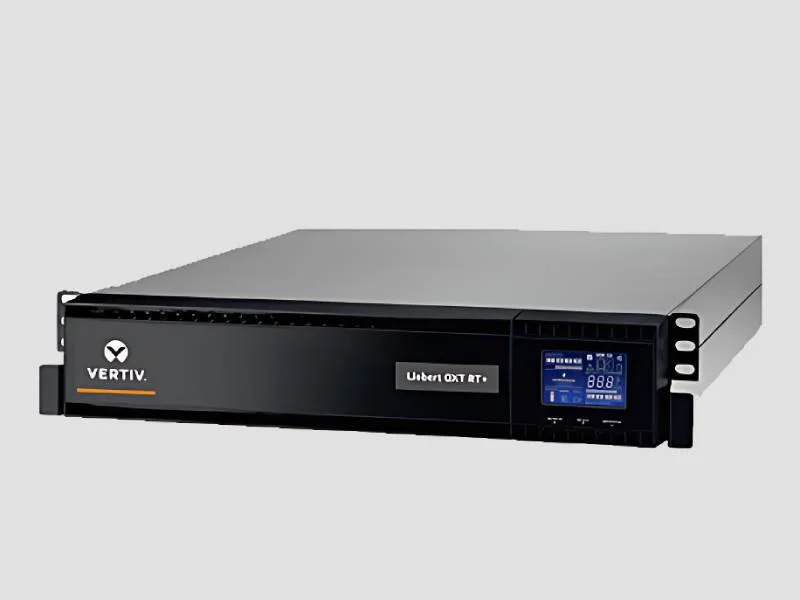
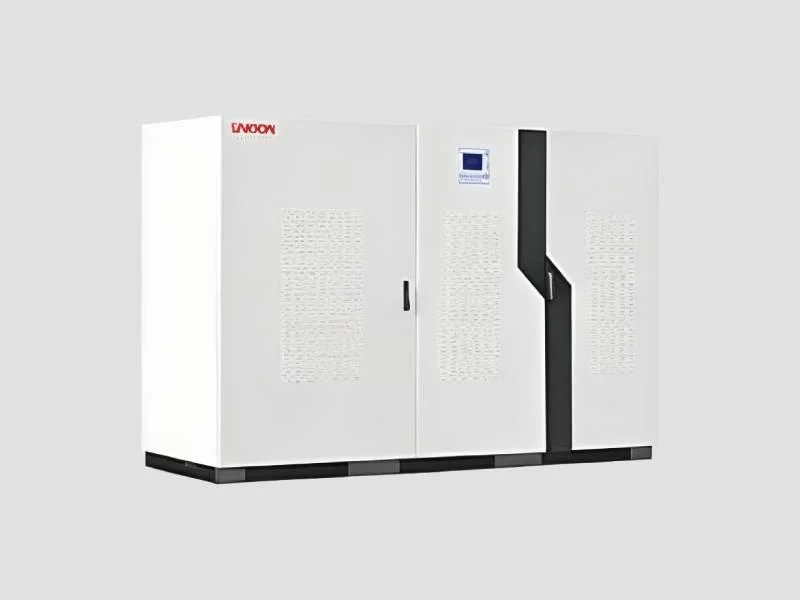
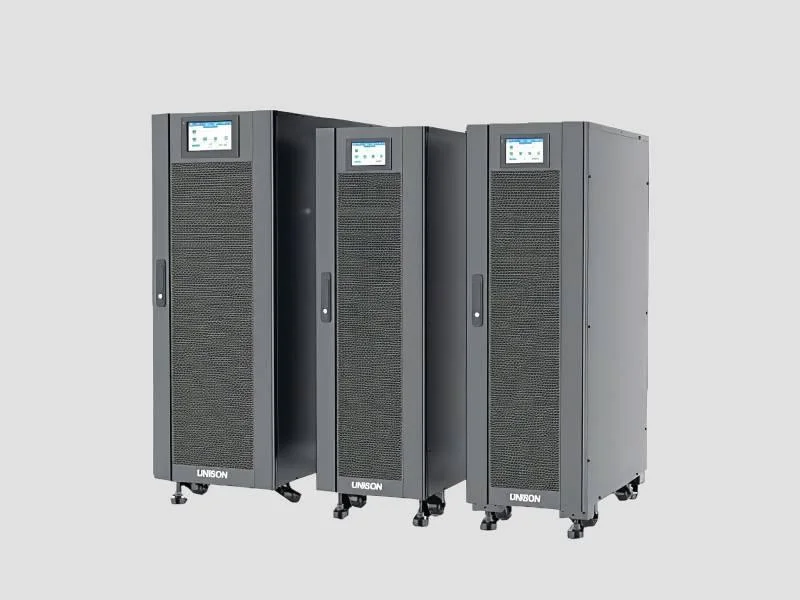
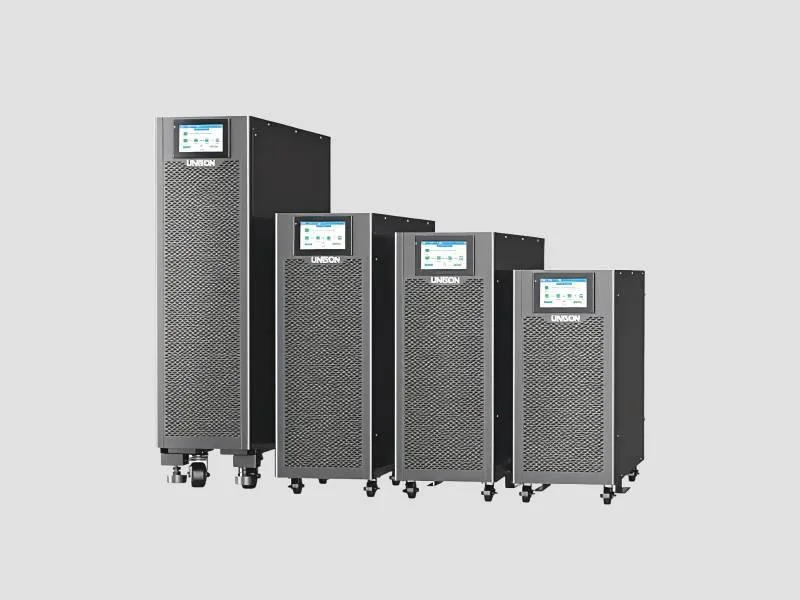
A Three Phase Uninterruptible Power Supply (UPS) is a critical device designed to provide reliable backup power and protection for electronic equipment. This system is specifically engineered to handle three-phase electrical systems commonly used in commercial and industrial applications. It ensures a continuous supply of power during outages, preventing data loss and equipment damage. Three Phase UPS units are capable of managing higher loads than single-phase systems, making them suitable for larger facilities.
Three Phase UPS systems find their primary applications in data centers, manufacturing facilities, and large commercial buildings. They support mission-critical equipment that relies on stable and uninterrupted power. Industries such as telecommunications, healthcare, and financial services also benefit significantly from these systems. The increasing dependency on technology and the rise in power outages have heightened the demand for robust power protection solutions in these sectors.
In today's market, the relevance of Three Phase UPS systems is underscored by the growing need for energy efficiency and reliability. As businesses expand and technology evolves, the importance of a dependable power supply becomes paramount. The Three Phase UPS market has seen advancements in technology, enhancing energy efficiency and user-friendliness, making it an essential investment for modern enterprises.
Key Features and Specifications
Three Phase UPS systems come with a range of features and specifications designed to meet diverse power requirements. Understanding these specifications is crucial for selecting the right unit for your business needs.
Key specifications include:
1. Power Capacity
- The capacity is usually measured in kilovolt-amperes (kVA).
- Typical ranges vary from 10 kVA to 500 kVA.
2. Input Voltage Range
- Most systems operate within a voltage range of 380V to 480V.
- This range ensures compatibility with standard three-phase electrical systems.
3. Output Voltage
- Standard output voltage is typically set at 400V.
- Some units may offer adjustable output settings.
4. Efficiency Rating
- Efficiency ratings often exceed 95% under load.
- Higher efficiency translates to lower energy consumption.
5. Battery Type
- Common battery options include Lithium-ion and Valve-Regulated Lead-Acid (VRLA).
- Each type has different life spans and maintenance needs.
6. Runtime
- Runtimes can vary based on load; typical runtimes range from 10 minutes to several hours.
- Extended runtime options are available for critical applications.
7. Monitoring Features
- Many units offer remote monitoring capabilities.
- Monitoring systems provide alerts for battery status and power conditions.
8. Form Factor
- Units can be modular or standalone.
- Modular designs allow for scalability and flexibility.
These specifications play a vital role in ensuring that the Three Phase UPS meets the operational demands of various industries.
Common Applications and Use Cases
Three Phase UPS systems are versatile and find application in multiple sectors.
1. Data Centers: These facilities rely on Three Phase UPS systems to maintain uptime and protect sensitive data from power interruptions.
2. Manufacturing Plants: In manufacturing, these UPS units support critical machinery and processes, preventing costly downtime.
3. Healthcare Facilities: Hospitals depend on reliable power for life-support equipment and other essential medical devices.
4. Telecommunications: Telecom operators use these systems to ensure continuous service and protect network infrastructure.
5. Financial Services: Banks and financial institutions require uninterrupted power to safeguard transactions and sensitive customer data.
6. Commercial Buildings: Large office complexes utilize Three Phase UPS to maintain power for lighting, HVAC systems, and IT infrastructure.
7. Research Laboratories: Labs require constant power supply for experiments and equipment that cannot afford interruptions.
Product Variants and Subcategories
Three Phase UPS systems are available in various configurations to meet the specific needs of different applications.
Modular Three Phase UPS
This variant allows for scalable power configurations. It can be easily expanded by adding more modules, making it ideal for growing businesses.
Standby Three Phase UPS
Designed for less critical applications, this version provides basic backup power and is suitable for small to medium-sized enterprises.
Online Double Conversion UPS
This type offers continuous power conditioning and is suited for environments with sensitive electronic equipment that requires the highest level of protection.
Line-Interactive UPS
This variant provides a balance between efficiency and protection, making it suitable for environments where power quality fluctuates but does not frequently fail.
Benefits and Advantages
Three Phase UPS systems offer numerous advantages that enhance operational efficiency and reliability.
1. Reliable Power Supply: These systems ensure a continuous power source during outages, minimizing the risk of data loss and equipment damage.
2. Improved Energy Efficiency: High-efficiency ratings lead to reduced energy costs, making them environmentally friendly options.
3. Scalability: Modular designs allow businesses to expand their power capabilities as needed without significant upfront investment.
4. Advanced Monitoring: Integrated monitoring systems provide real-time insights into UPS performance, enabling proactive maintenance.
5. Enhanced Equipment Protection: These systems protect sensitive equipment from surges, sags, and other electrical anomalies.
6. Reduced Downtime: By maintaining stable power, businesses can avoid costly operational interruptions.
Buying Guide for B2B Buyers
When sourcing a Three Phase UPS, various factors must be taken into account to ensure the right fit for your organization.
1. Quality Assessment: Evaluate the quality of the UPS by considering the manufacturer’s reputation and compliance with industry standards.
2. Supplier Verification: Conduct thorough research on suppliers to confirm their reliability and track record in providing high-quality UPS systems.
3. Pricing and MOQ: Understand the pricing structure and minimum order quantities to ensure they align with your budget and operational needs.
4. Delivery and Lead Times: Assess the logistics of delivery, including lead times, to avoid disruptions in your operations.
5. Compliance Requirements: Ensure that the UPS meets all regulatory and safety standards applicable in your region.
Compliance and Certifications
Compliance and certifications play a critical role in ensuring the quality and safety of Three Phase UPS systems.
Relevant quality standards such as ISO 9001 help in maintaining consistent quality management practices during manufacturing. Adhering to these standards ensures that products meet customer expectations and regulatory requirements.
Industry certifications, such as CE, indicate that the product complies with European safety standards. This certification is essential for markets where safety regulations are stringent.
Safety and testing requirements are also crucial. Manufacturers must ensure that their UPS systems undergo rigorous testing to meet safety and performance benchmarks. This includes assessments for electrical safety and operational reliability.
Regional compliance considerations may vary. It is essential to be aware of local regulations regarding electrical equipment to ensure that your UPS is compliant in your specific market.
Why Source Three Phase UPS from Pepagora?
Pepagora is a trusted platform for sourcing Three Phase UPS systems, offering several key advantages to buyers.
Verified Supplier Network: Pepagora connects buyers with a network of verified suppliers. This ensures that only reputable manufacturers and distributors are featured, giving buyers confidence in their purchases.
Streamlined RFQ Process: The request for quotation (RFQ) system simplifies the procurement process. Buyers can easily compare quotes from multiple suppliers, saving time and ensuring competitive pricing.
Trade Assurance and Support: Pepagora provides trade assurance, offering protection for buyers throughout the purchasing process. This includes support for any issues that may arise after the purchase.
Regional Coverage: With a strong presence in India, the GCC, and Southeast Asia, Pepagora facilitates access to a diverse range of suppliers, making it easier for businesses to find the right Three Phase UPS for their needs.

 IN
IN