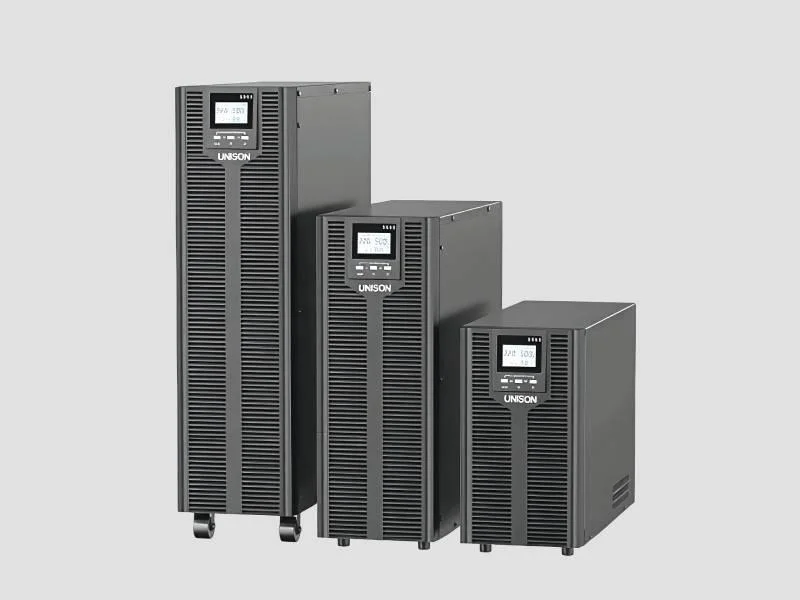
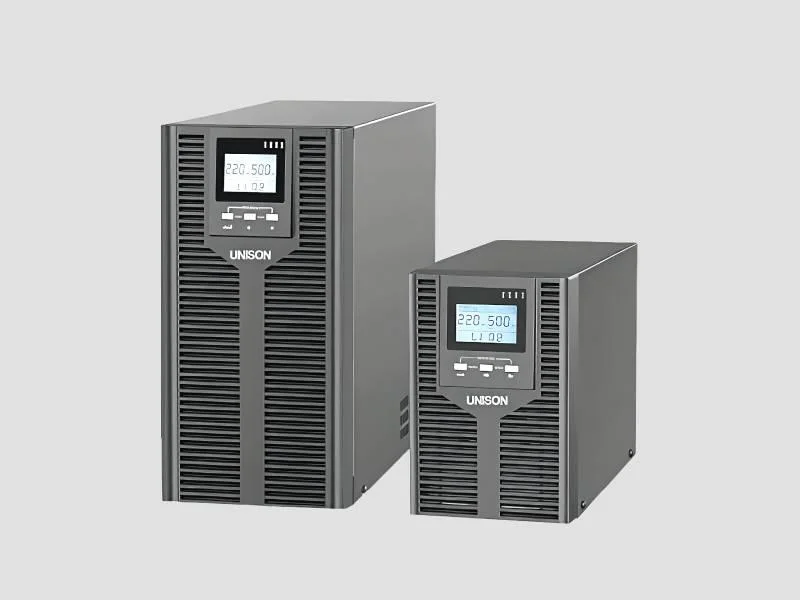
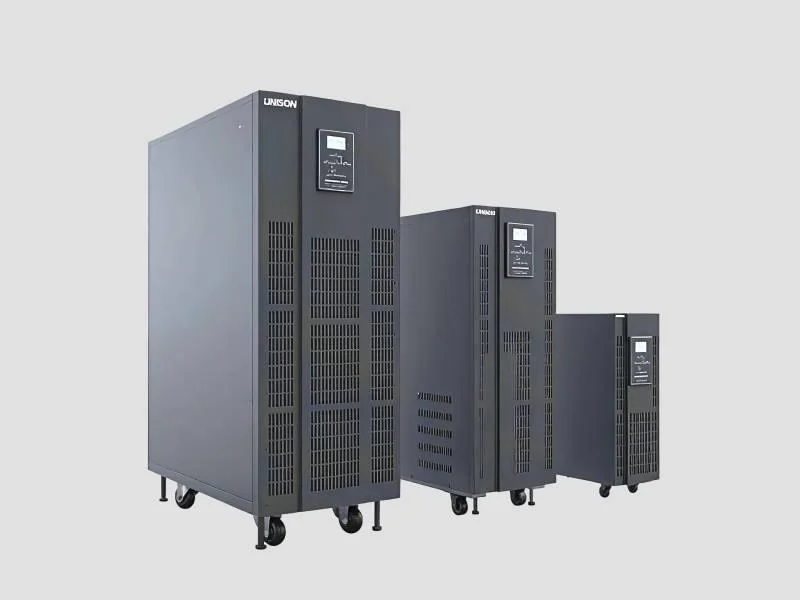
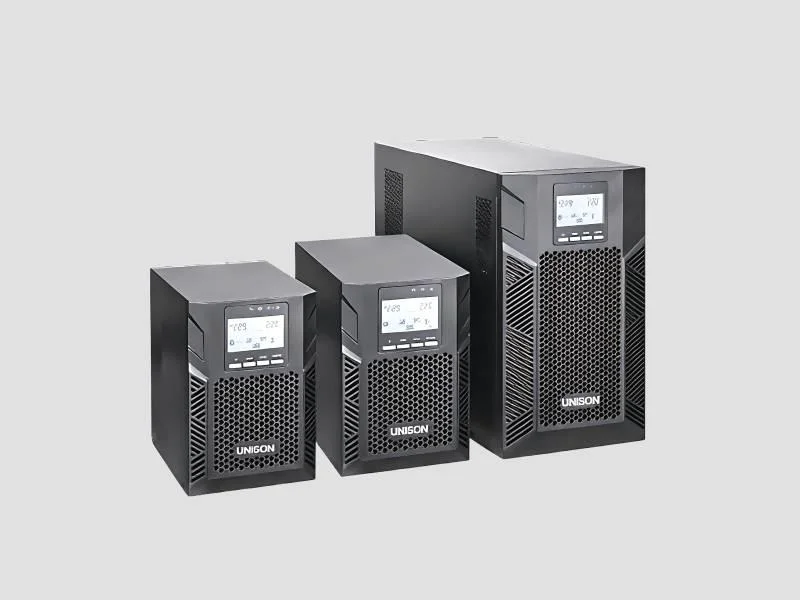
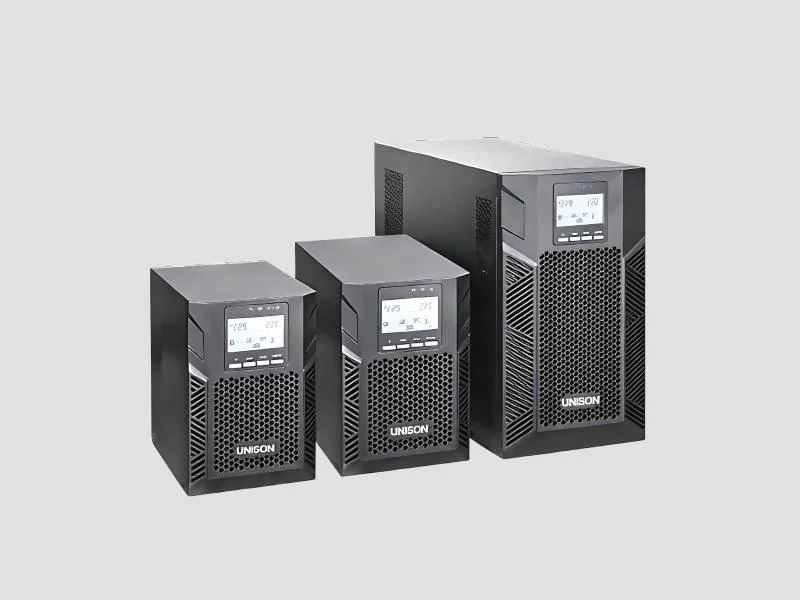
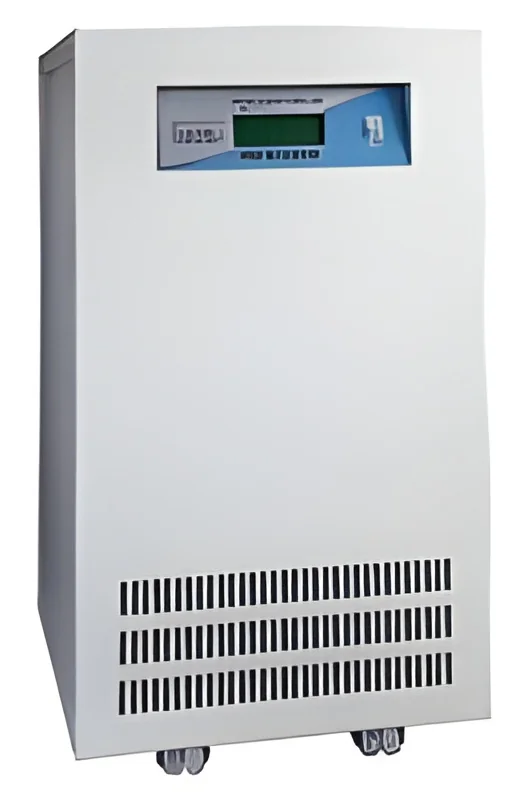
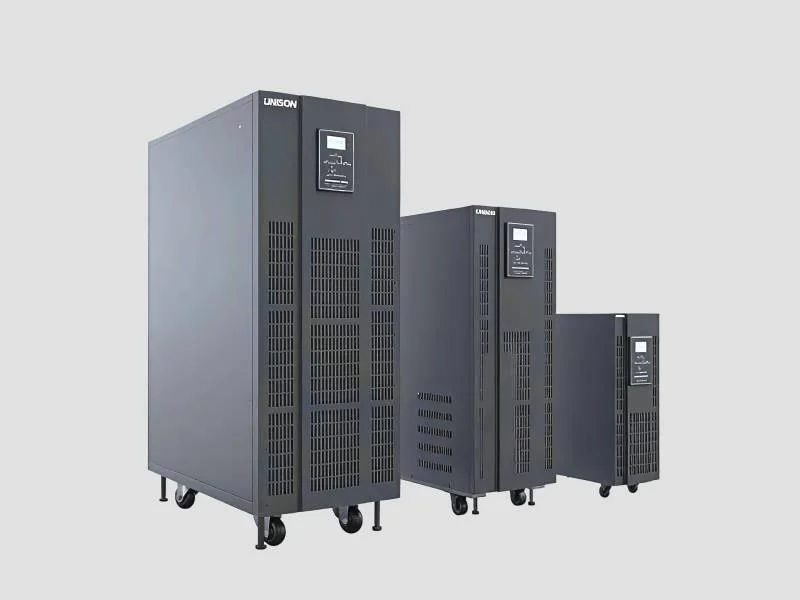
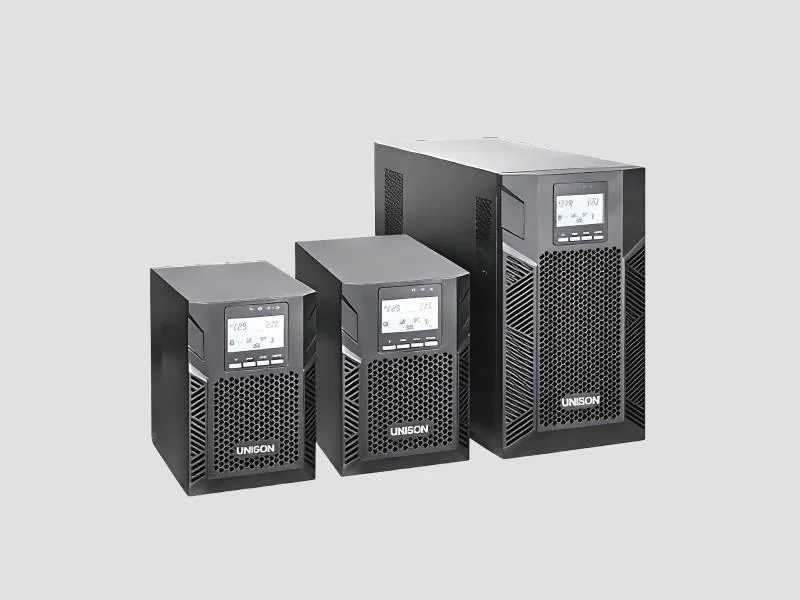
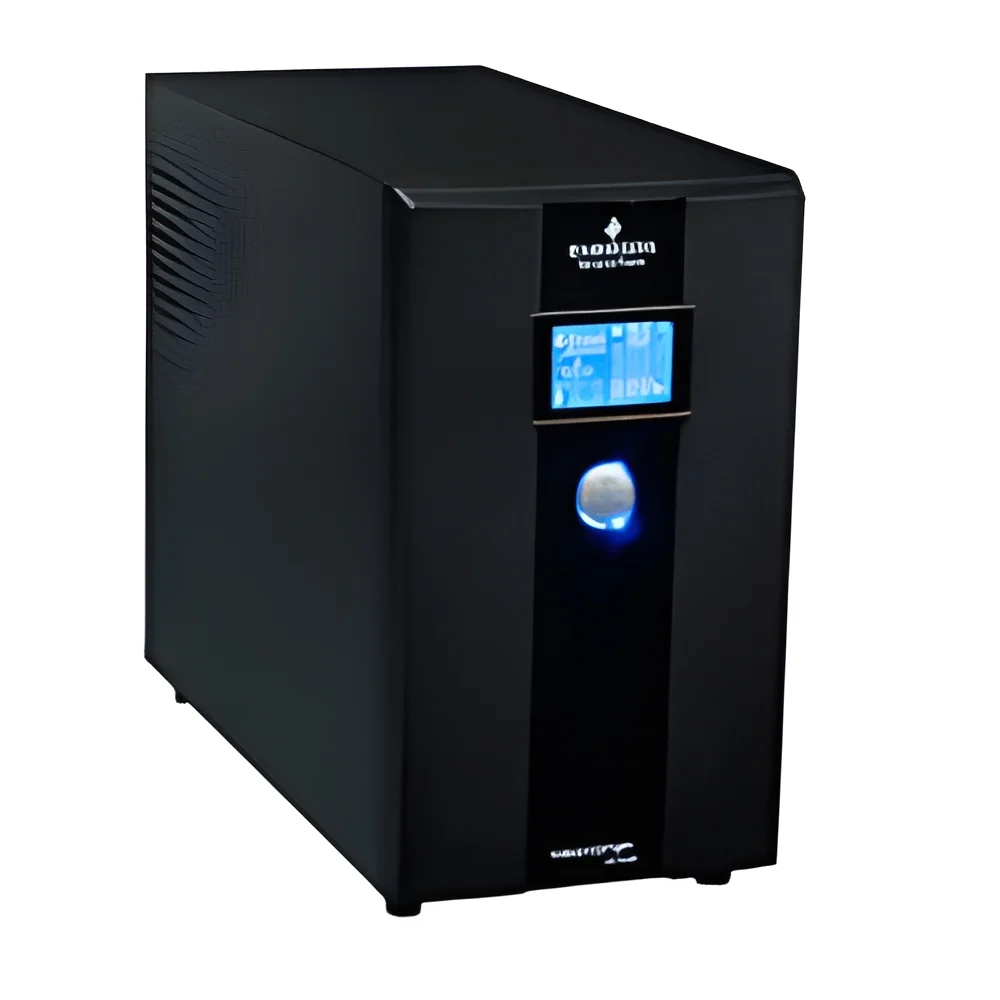
What are Single Phase UPS?
A Single Phase UPS (Uninterruptible Power Supply) is a critical device designed to provide backup power to electronic equipment in the event of a power outage or fluctuations in the electrical supply. It ensures that connected devices continue to operate without interruption, safeguarding data integrity and preventing potential damage. Single Phase UPS units typically support lower power loads, making them ideal for small to medium-sized applications.
These UPS systems are commonly used in various business settings, including offices, retail environments, and small manufacturing facilities. They serve to protect essential equipment such as computers, servers, and communication devices from power disturbances. By maintaining a steady power supply, Single Phase UPS units help businesses avoid costly downtime and preserve operational continuity.
In the current market, the demand for reliable power solutions is growing, driven by increasing reliance on technology across industries. As businesses strive to maintain efficiency and protect their assets, the relevance of Single Phase UPS systems continues to expand, highlighting their importance in ensuring uninterrupted power for critical operations.
Key Features and Specifications
Single Phase UPS systems come equipped with various features that enhance their performance and reliability. These features vary by model and manufacturer, offering businesses a range of options to suit their specific needs. Key specifications often include power capacity, runtime, and input/output voltage levels.
Key specifications include:
1. Power Capacity
- This specification indicates the maximum load the UPS can support.
- Typically ranges from 500 VA to 3000 VA.
2. Input Voltage
- The voltage range the UPS accepts from the power source.
- Commonly ranges from 110V to 240V.
3. Output Voltage
- The voltage supplied to connected devices.
- Standard output is often at 220V.
4. Battery Type
- The type of battery used for backup power.
- Common options include sealed lead-acid and lithium-ion batteries.
5. Runtime
- The duration the UPS can provide power during an outage.
- Varies based on load; often ranges from 10 minutes to several hours.
6. Form Factor
- The physical design of the UPS, which can be tower or rack-mounted.
- Affects installation options based on available space.
7. Efficiency Rating
- Indicates how effectively the UPS converts input power to output power.
- Higher efficiency ratings lead to lower energy costs.
8. Protection Features
- Includes surge protection, short circuit protection, and overload protection.
- Essential for safeguarding connected equipment.
In summary, understanding the key features and specifications of Single Phase UPS systems helps businesses choose the right solution to meet their power protection needs.
Common Applications and Use Cases
Single Phase UPS systems are versatile and find applications across numerous industries. They are essential in ensuring the reliability of power supply for various equipment.
1. Information Technology: In IT environments, Single Phase UPS units protect servers, network devices, and workstations from power disturbances, ensuring data integrity and system availability.
2. Healthcare: Hospitals and clinics utilize Single Phase UPS to maintain the operation of critical medical equipment, safeguarding patient care during power outages.
3. Retail: Retail outlets use these UPS systems to keep point-of-sale systems operational, preventing loss of sales and customer dissatisfaction.
4. Telecommunications: Single Phase UPS solutions support communication systems, ensuring uninterrupted connectivity and service reliability.
5. Manufacturing: In manufacturing settings, UPS systems protect automation equipment and control systems, minimizing production downtime due to power issues.
6. Education: Schools and universities rely on UPS systems to protect computers and audiovisual equipment, enhancing learning continuity.
7. Banking and Finance: Financial institutions utilize UPS systems to ensure transaction processing systems remain operational, safeguarding sensitive financial data.
Product Variants and Subcategories
Single Phase UPS systems come in various configurations to cater to different needs. These variants offer unique features and capabilities.
Variant 1: Online UPS
Online UPS systems provide continuous power through double conversion technology. They maintain power quality and are ideal for sensitive equipment, such as data centers.
Variant 2: Line-Interactive UPS
Line-Interactive UPS units automatically adjust voltage fluctuations without switching to battery power. They are suitable for environments with frequent power variations.
Variant 3: Standby UPS
Standby UPS systems provide backup power during outages and are cost-effective solutions for small businesses requiring basic protection for critical equipment.
Benefits and Advantages
Investing in a Single Phase UPS offers numerous advantages for businesses seeking reliable power solutions.
Key benefits include:
1. Continuous Power Supply: Ensures that critical equipment remains operational during power outages, preventing potential data loss.
2. Voltage Regulation: Protects devices from voltage fluctuations, enhancing the longevity and reliability of electronic equipment.
3. Cost Savings: By avoiding downtime and equipment damage, businesses can save significantly on operational costs.
4. Easy Installation: Single Phase UPS systems are often straightforward to install, making them accessible for various locations.
5. Scalability: These units can be easily scaled to accommodate growing power needs, allowing businesses to expand without concern for power reliability.
6. Enhanced Safety: Integrated protection features safeguard against electrical surges and faults, ensuring safe operation of connected devices.
Buying Guide for B2B Buyers
When sourcing a Single Phase UPS, businesses should consider several critical factors to ensure they select the right solution.
1. Quality Assessment: Look for UPS systems that meet industry standards for performance and reliability. Check for certifications that demonstrate adherence to quality benchmarks.
2. Supplier Verification: Verify suppliers' credentials and reputation in the market to ensure reliability and support. Consider seeking references or reviews from previous customers.
3. Pricing and MOQ: Understand the pricing structure and minimum order quantities (MOQ) to make informed purchasing decisions that align with budget constraints.
4. Delivery and Lead Times: Inquire about logistics and lead times for delivery to ensure that the UPS system arrives when needed, preventing delays in installation.
5. Compliance Requirements: Ensure that the selected UPS meets all regulatory and compliance requirements relevant to the industry and region.
Compliance and Certifications
Single Phase UPS systems must adhere to various quality standards and certifications to ensure safety and performance. Relevant quality standards include ISO 9001, which signifies a commitment to quality management systems. Additionally, compliance with the CE marking indicates that the product meets European health, safety, and environmental protection standards.
Safety and testing requirements are crucial for ensuring that UPS systems operate reliably under various conditions. Manufacturers often conduct rigorous testing to validate performance and safety features.
Regional compliance considerations may also apply, depending on the market in which the UPS will be used. Businesses should verify that their chosen UPS systems meet local regulations and standards.
Why Source Single Phase UPS from Pepagora?
Pepagora provides a trusted platform for sourcing Single Phase UPS with several key advantages.
Verified Supplier Network: Pepagora features a network of verified suppliers who have undergone thorough vetting, ensuring that buyers can trust the quality and reliability of the products offered.
Streamlined RFQ Process: The platform simplifies the request for quotation (RFQ) process, allowing buyers to easily compare prices and specifications from multiple suppliers, facilitating informed decision-making.
Trade Assurance and Support: Pepagora offers trade assurance to protect buyers throughout the purchasing process, ensuring that they receive the products as promised and providing support when needed.
Regional Coverage: With a strong presence in India, the GCC, and Southeast Asia, Pepagora connects buyers with suppliers across these regions, enhancing accessibility and options for sourcing Single Phase UPS systems.

 IN
IN