
 IN
IN₹
Apparel & Fashion
Line-Interactive UPS Systems
1 products available
What are Line-Interactive UPS Systems?
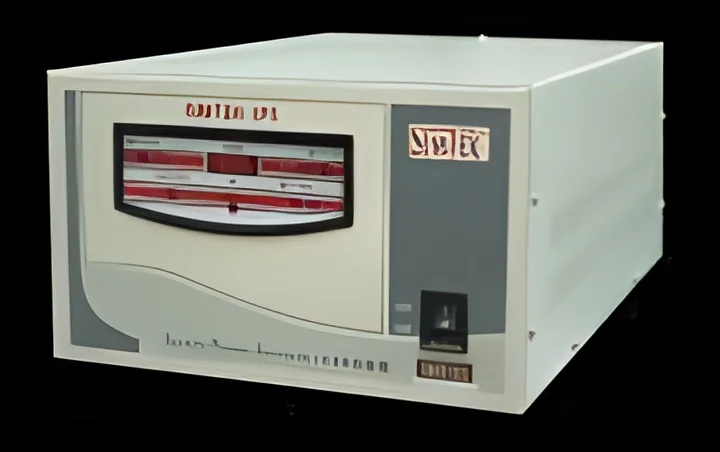
Line-Interactive Uninterruptible Power Supply (UPS) systems are a type of power protection solution designed to maintain a stable power supply to connected devices during interruptions and fluctuations in the electrical grid. They combine the features of both offline and online UPS systems, allowing for automatic voltage regulation and backup power. Line-Interactive UPS systems use a technology that enables them to provide power conditioning and transfer to battery power seamlessly, ensuring that connected equipment remains operational during power disturbances.
These systems are commonly used in environments where power quality is critical, including data centers, telecommunications facilities, and manufacturing plants. Businesses rely on Line-Interactive UPS systems to protect sensitive electronic equipment from surges, sags, and outages that could lead to data loss or equipment damage. As the demand for reliable power sources increases across various industries, these systems have become essential for maintaining operational continuity and safeguarding valuable assets.
With the growth of digital infrastructure and increasing reliance on technology, the market for Line-Interactive UPS systems continues to expand. Organizations are increasingly aware of the risks posed by power inconsistencies, leading to higher adoption rates of these systems. The ability to provide backup power and voltage regulation makes Line-Interactive UPS systems a vital component in the modern business landscape, ensuring that operations run smoothly even in the face of electrical challenges.
Key Features and Specifications
Line-Interactive UPS systems come equipped with several key features designed to enhance power reliability and efficiency. These features help businesses maintain optimal performance and protect their equipment.
Key specifications include:
1. Automatic Voltage Regulation (AVR)
- Ensures stable output voltage during fluctuations
- Corrects voltage irregularities without switching to battery
2. Battery Backup Time
- Provides essential power during outages
- Typically ranges from a few minutes to several hours, depending on load
3. Output Power Capacity
- Measured in Volt-Amps (VA) or kilowatts (kW)
- Ranges from small units (500 VA) to larger systems (10 kVA or more)
4. Input Voltage Range
- Allows operation within a specific voltage range
- Commonly supports voltages from 100V to 240V
5. Number of Outlets
- Varies based on the model
- Typically includes multiple outlets for connecting devices
6. Form Factor
- Available in tower or rack-mounted configurations
- Tailored for different space and installation requirements
7. Display and Monitoring Features
- Often includes LED indicators or LCD screens
- Provides real-time status and diagnostic information
8. Communication Ports
- May come with USB, serial, or network interface options
- Facilitates communication with management software for monitoring
These specifications are crucial for businesses when selecting the right Line-Interactive UPS system to meet their power protection needs.
Common Applications and Use Cases
Line-Interactive UPS systems serve a variety of industries that require reliable power solutions. Their versatility makes them suitable for many applications.
1. Information Technology: In IT environments, these systems protect servers, networking equipment, and data storage devices from power interruptions, ensuring continuous operation and data integrity.
2. Telecommunications: Line-Interactive UPS systems are used to safeguard communication equipment and maintain uptime in critical networking infrastructure, preventing service disruptions.
3. Healthcare: Hospitals and medical facilities utilize these systems to protect vital equipment, such as diagnostic machines and patient monitoring systems, ensuring that life-saving devices remain operational during power failures.
4. Industrial Automation: Manufacturing plants rely on Line-Interactive UPS systems to maintain power for control systems and machinery, preventing costly downtime and production delays.
5. Retail: Retail businesses use these systems to protect point-of-sale systems and inventory management software, ensuring smooth operations even during electrical disturbances.
6. Education: Schools and universities deploy Line-Interactive UPS systems to protect computers and laboratory equipment, providing reliable power for learning environments.
7. Financial Services: Banks and financial institutions depend on these systems to secure transaction processing systems and data servers, maintaining trust and operational reliability.
Product Variants and Subcategories
Line-Interactive UPS systems offer a range of variants to meet diverse business needs. Each variant is designed with specific features tailored to different applications.
Compact Line-Interactive UPS
This variant is designed for small office environments and home offices. It offers essential power backup and voltage regulation in a compact size, making it ideal for limited space.
High-Capacity Line-Interactive UPS
Suitable for larger enterprises, this variant provides higher output power capacity and extended battery backup. It is designed to support critical systems in data centers and industrial applications.
Rack-Mountable Line-Interactive UPS
This type is tailored for data center environments where space is a premium. It can be mounted in server racks, providing efficient power protection without taking up valuable floor space.
Benefits and Advantages
Investing in Line-Interactive UPS systems offers numerous benefits for businesses looking to ensure power reliability.
Key benefits include:
1. Enhanced Power Quality: Line-Interactive UPS systems provide automatic voltage regulation, which protects sensitive equipment from fluctuations, ensuring consistent performance.
2. Cost-Effective Protection: These systems can prevent damage to equipment, reducing repair and replacement costs associated with power disturbances.
3. Scalable Solutions: With various capacities available, businesses can choose a system that fits their current needs and scale it as they grow.
4. Environmentally Friendly: Many Line-Interactive UPS systems are designed to be energy-efficient, contributing to reduced energy consumption and a lower carbon footprint.
5. User-Friendly Monitoring: Integrated monitoring features allow users to easily check the system’s status, making management and maintenance more straightforward.
6. Reliable Backup: During power outages, these systems provide critical backup power, ensuring that operations continue without interruption.
Buying Guide for B2B Buyers
When sourcing Line-Interactive UPS systems, B2B buyers should consider several key factors to ensure they select the right solution for their needs.
1. Quality Assessment: Evaluate the build quality and reliability of the UPS systems. Look for products that meet established industry standards to ensure longevity and performance.
2. Supplier Verification: Vet potential suppliers thoroughly. Check for reviews, certifications, and their history in the market to ensure you are dealing with a reputable provider.
3. Pricing and MOQ: Consider the pricing structure and any minimum order quantities (MOQ). Ensure that the costs align with your budget while factoring in any additional features you may need.
4. Delivery and Lead Times: Assess the supplier’s delivery capabilities and lead times for receiving the UPS systems. Timely delivery is critical for minimizing potential disruptions.
5. Compliance Requirements: Ensure that the products comply with relevant regulatory standards and local requirements. This includes certifications such as CE, which can indicate adherence to safety and quality standards.
Compliance and Certifications
Compliance and certifications are critical factors for Line-Interactive UPS systems. Adhering to quality standards helps ensure that the systems are safe and effective.
ISO 9001 is a widely recognized quality management standard that applies to the manufacturing processes of Line-Interactive UPS systems. Compliance with this standard indicates a commitment to quality and continuous improvement.
Additionally, many Line-Interactive UPS systems are certified with CE marking, which signifies that the product meets European safety and environmental protection standards. This certification is essential for gaining access to markets in the European Union.
Safety and testing requirements for UPS systems often involve rigorous assessments to ensure they can handle various electrical and environmental conditions. Regional compliance considerations may vary, so it is vital for manufacturers and suppliers to be aware of local regulations affecting power equipment.
Why Source Line-Interactive UPS Systems from Pepagora?
Pepagora provides a trusted platform for sourcing Line-Interactive UPS systems, offering several key advantages for B2B buyers.
Verified Supplier Network: Pepagora partners with reliable suppliers who have been thoroughly vetted. This ensures that buyers have access to high-quality products from established manufacturers.
Streamlined RFQ Process: The Request for Quotation (RFQ) process on Pepagora is designed to be efficient and user-friendly. Buyers can easily submit their requirements and receive multiple quotes, allowing for informed decision-making.
Trade Assurance and Support: Pepagora offers trade assurance features that protect buyers throughout the purchasing process. This includes support for dispute resolution and guidance on best practices.
Regional Coverage: With a strong presence in India, the GCC, and Southeast Asia, Pepagora provides extensive regional coverage. This ensures that businesses can find suitable Line-Interactive UPS systems tailored to their specific market needs.
By choosing Pepagora, buyers can access a comprehensive range of Line-Interactive UPS systems while benefiting from a robust support network and reliable sourcing solutions.

Frequently Asked Questions
1
What is Line-Interactive UPS Systems?
Line-Interactive UPS Systems is a product offered by global suppliers on Pepagora.
2
How do I find suppliers for Line-Interactive UPS Systems?
Use Pepagora's search and filter options to find verified suppliers.
3
Can I request a quote for Line-Interactive UPS Systems?
Yes, use the RFQ feature to request quotes from multiple suppliers.
4
Is Line-Interactive UPS Systems available in multiple languages?
Pepagora supports multilingual catalogs for global buyers.
5
What trust signals are available for Line-Interactive UPS Systems?
Look for TruBadge, RFQ, and multilingual support on supplier profiles.
Why Businesses Trust Pepagora
Thousands of companies trust Pepagora to source smarter and sell faster
Expand Your Sales Globally
25000+Products listed.Get discovered by global buyers
Tools to boost visibility
Build your own catalog

Source Smarter,Grow Faster
4000+Active RFQs
100+ Countries served
Easy Sourcing Tools
