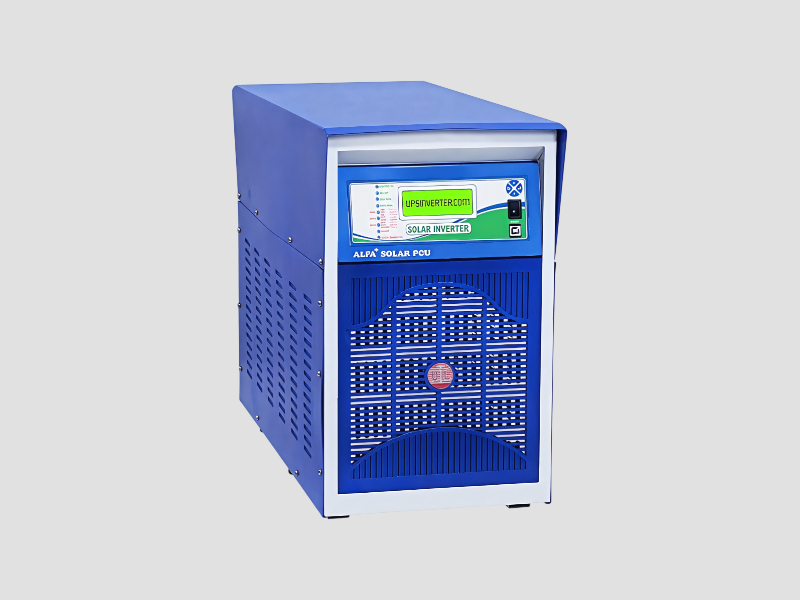
What are Off-Grid Inverters?
Off-grid inverters are specialized devices that convert direct current (DC) electricity into alternating current (AC) electricity, enabling the use of electrical appliances in settings that are not connected to the traditional power grid. These inverters are crucial components in renewable energy systems, such as solar or wind power setups, where they ensure that the energy generated can be utilized for everyday applications. They play a vital role in maintaining a reliable power supply, particularly in remote areas.
The primary applications of off-grid inverters are found in residential, commercial, and industrial sectors where grid electricity is either unavailable or unreliable. They are commonly used in rural electrification projects, backup power systems, and remote telecommunications facilities. By providing a sustainable power source, off-grid inverters contribute significantly to energy independence and environmental sustainability, making them increasingly relevant in today's market focused on renewable energy solutions.
As the demand for renewable energy solutions continues to grow, the market for off-grid inverters is expanding. Businesses are increasingly looking for ways to reduce their carbon footprint while ensuring reliable power supplies. This trend is supported by advancements in technology and a rise in government incentives for renewable energy projects, further solidifying the importance of off-grid inverters in the industrial landscape.
Key Features and Specifications
Off-grid inverters come with a range of features designed to enhance their performance and usability in various applications. Understanding these specifications is essential for businesses looking to invest in reliable power solutions.
Key specifications include:
1. Power Output
- Typically ranges from 1000W to over 10,000W.
- Determines the number of devices that can be powered simultaneously.
2. Input Voltage Range
- Usually between 12V to 48V for battery systems.
- Compatible with different battery types for flexibility.
3. Efficiency Rating
- Generally between 85% to 95%.
- Indicates how much of the input power is converted to usable output.
4. Waveform Type
- Can be pure sine wave or modified sine wave.
- Pure sine wave inverters are preferred for sensitive electronics.
5. Surge Capacity
- Capacity to handle short bursts of high power (typically 2-3 times the continuous rating).
- Important for starting motors and heavy appliances.
6. Protection Features
- Includes overload, short circuit, and over-temperature protection.
- Ensures the safety and longevity of the inverter.
7. Display and Monitoring
- May feature LCD displays for real-time monitoring.
- Provides insights into system performance and diagnostics.
8. Dimensions and Weight
- Varies by model, affecting installation flexibility.
- Compact designs are available for limited space applications.
In summary, selecting the right off-grid inverter involves considering these key features, ensuring that they align with specific energy needs and application requirements.
Common Applications and Use Cases
Off-grid inverters are versatile solutions utilized across various industries, each harnessing renewable energy in unique ways.
1. Agriculture: Farmers use off-grid inverters to power irrigation systems, greenhouses, and livestock facilities, ensuring that operations remain efficient without relying on grid electricity.
2. Remote Telecommunication: Telecommunication companies deploy off-grid inverters to power remote cell towers and communication equipment, enhancing connectivity in rural and underserved areas.
3. Emergency Response: Off-grid inverters are essential in disaster relief scenarios, providing immediate power for medical equipment, shelters, and communication devices when traditional power sources fail.
4. Recreational Vehicles: Many RV owners equip their vehicles with off-grid inverters to enjoy amenities while traveling in remote locations, allowing for the use of appliances like refrigerators and microwaves.
5. Residential Applications: Homeowners in off-grid locations rely on these inverters to power their homes using solar panels, ensuring a steady supply of energy for daily activities.
6. Mining Operations: Off-grid inverters support mining operations in remote locations by powering essential machinery and facilities without the need for extensive grid infrastructure.
7. Remote Cabin Power: Individuals seeking off-grid living utilize these inverters to power cabins and holiday homes, providing a sustainable energy solution in isolated areas.
Product Variants and Subcategories
Off-grid inverters come in various forms to meet diverse energy needs, adapting to different applications and environments.
Solar Off-Grid Inverters: These inverters are specifically designed to work with solar energy systems, converting the DC generated by solar panels into usable AC power. They often include integrated battery management systems for enhanced energy storage.
Wind Off-Grid Inverters: Tailored for wind energy, these inverters manage the variable input from wind turbines. They ensure efficient energy conversion, which is critical given the fluctuating nature of wind power.
Hybrid Inverters: Combining functionalities for both solar and wind energy systems, hybrid inverters provide flexibility in energy sourcing. They can automatically switch between power sources based on availability and demand.
Benefits and Advantages
Choosing off-grid inverters offers various advantages that appeal to businesses seeking reliable and sustainable power solutions.
1. Energy Independence: Off-grid inverters enable businesses and individuals to generate and use their own power, reducing reliance on external electricity providers.
2. Cost Savings: Over time, utilizing renewable energy through off-grid inverters can lead to significant reductions in electricity bills, especially in areas with high energy costs.
3. Environmental Impact: By harnessing renewable energy sources, off-grid inverters help reduce carbon emissions and contribute to a more sustainable future.
4. Reliability: These inverters provide a stable power supply in areas where grid electricity is unreliable or unavailable, ensuring continuous operation for essential services.
5. Scalability: Off-grid inverter systems can be easily scaled up or down based on energy needs, allowing for flexibility in future expansion or changes in energy consumption.
6. Low Maintenance: Off-grid inverters generally require minimal maintenance, making them a hassle-free energy solution compared to traditional generators.
Buying Guide for B2B Buyers
When sourcing off-grid inverters for business applications, several key considerations should guide your purchasing decisions.
1. Quality Assessment: Evaluate the build quality and performance standards of the inverter. Look for products that adhere to recognized quality certifications to ensure reliability and longevity.
2. Supplier Verification: Conduct thorough background checks on potential suppliers. Verify their reputation, customer reviews, and history of successful deliveries to ensure that you are sourcing from a reputable source.
3. Pricing and MOQ: Compare pricing across different suppliers while considering minimum order quantities. Understand the pricing structure and negotiate terms that align with your budget and logistical needs.
4. Delivery and Lead Times: Clarify delivery schedules and lead times before finalizing orders. Ensure that your supplier can meet your timelines to avoid disruptions in your operations.
5. Compliance Requirements: Check for compliance with local regulations and industry standards. Understanding regulatory requirements is crucial to avoid legal pitfalls and ensure safe operations.
Compliance and Certifications
Compliance and certifications play a critical role in ensuring the quality and safety of off-grid inverters.
Relevant quality standards such as ISO 9001 are important as they ensure that products are produced consistently and meet customer expectations. Compliance with these standards indicates a commitment to quality management and continuous improvement.
Industry certifications, including CE marking, demonstrate that the products comply with European safety, health, and environmental protection standards. This certification is crucial for businesses looking to operate in markets that require strict adherence to these regulations.
Safety and testing requirements are also essential components of compliance. Off-grid inverters should undergo rigorous testing to guarantee their performance and safety under various conditions. This includes evaluating their response to overloads, short circuits, and environmental factors.
Finally, businesses should consider regional compliance requirements, particularly if they operate across different countries. Understanding local regulations regarding electrical equipment can prevent legal issues and ensure safe usage in all operational areas.
Why Source Off-Grid Inverters from Pepagora?
Pepagora offers a reliable platform for sourcing off-grid inverters, featuring several key advantages for B2B buyers.
The verified supplier network at Pepagora ensures that you are connected with reputable manufacturers and distributors. Each supplier is carefully vetted to guarantee quality and reliability, minimizing the risk associated with sourcing from unknown entities.
The streamlined request for quotation (RFQ) process simplifies the procurement journey. Buyers can easily submit their requirements and receive competitive quotes, allowing for informed decision-making and efficient purchasing.
Trade assurance and support at Pepagora enhance buyer protection, providing peace of mind during transactions. This support ensures that any issues arising during the procurement process are swiftly addressed, fostering trust and confidence.
Finally, Pepagora's regional coverage spans India, the GCC, and Southeast Asia, making it an ideal partner for businesses looking to source off-grid inverters across diverse markets. This geographic reach allows for flexibility in sourcing and access to a broader range of products tailored to specific industry needs.

 IN
IN