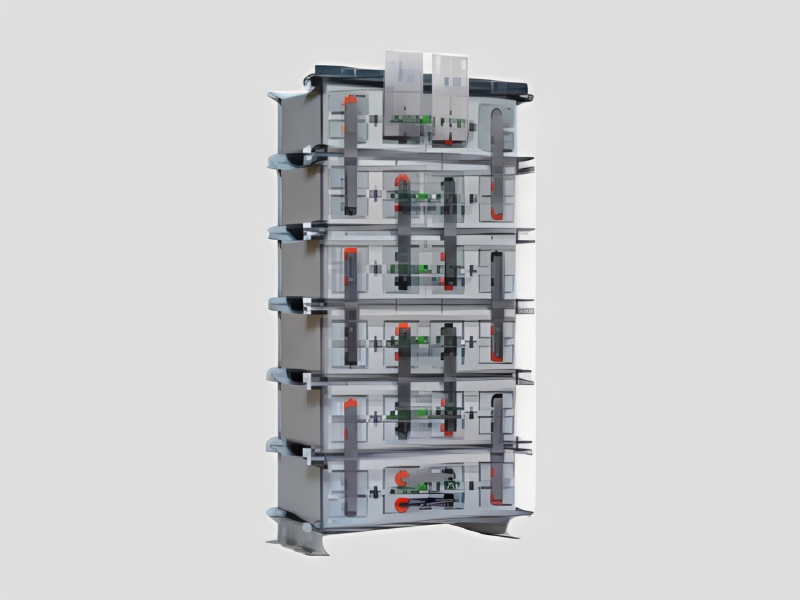
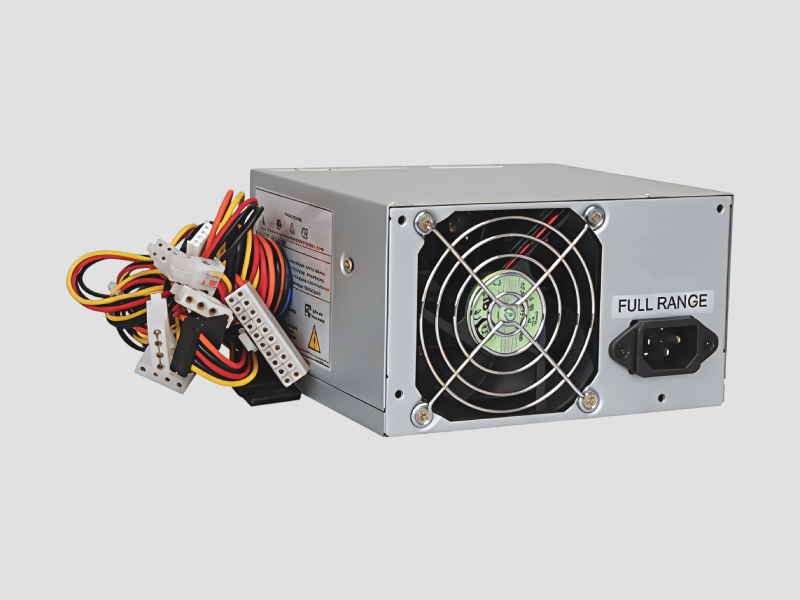
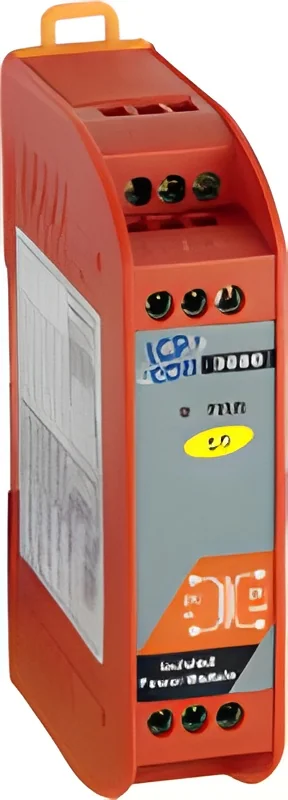
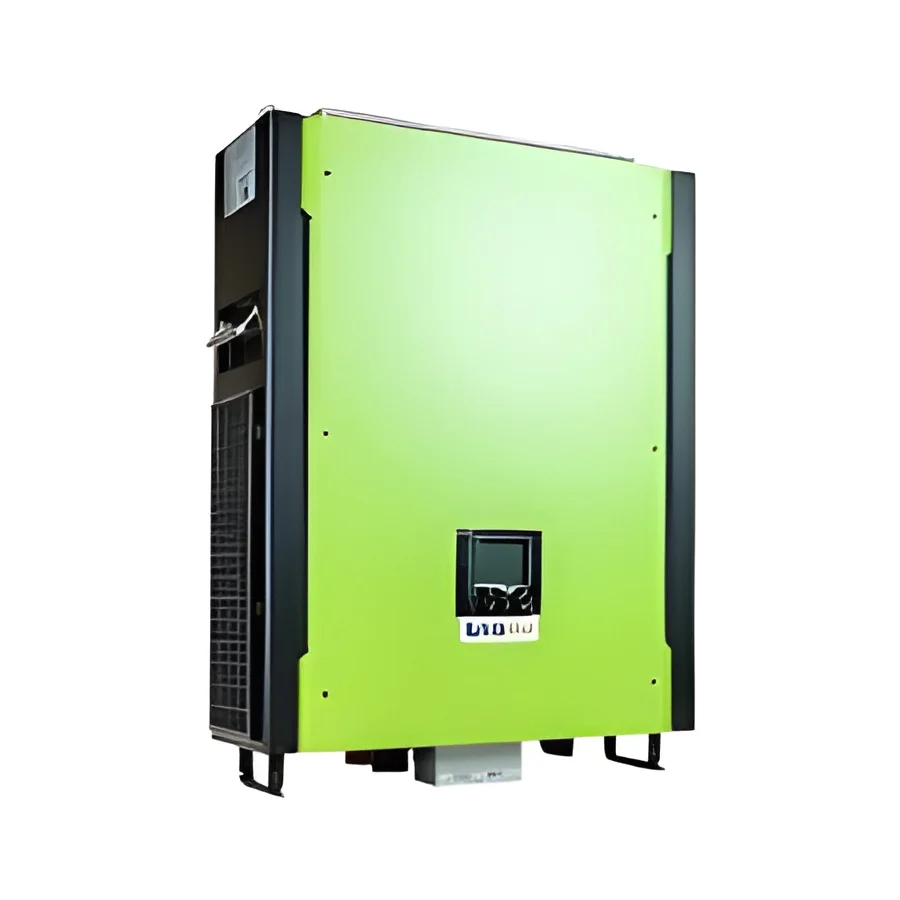
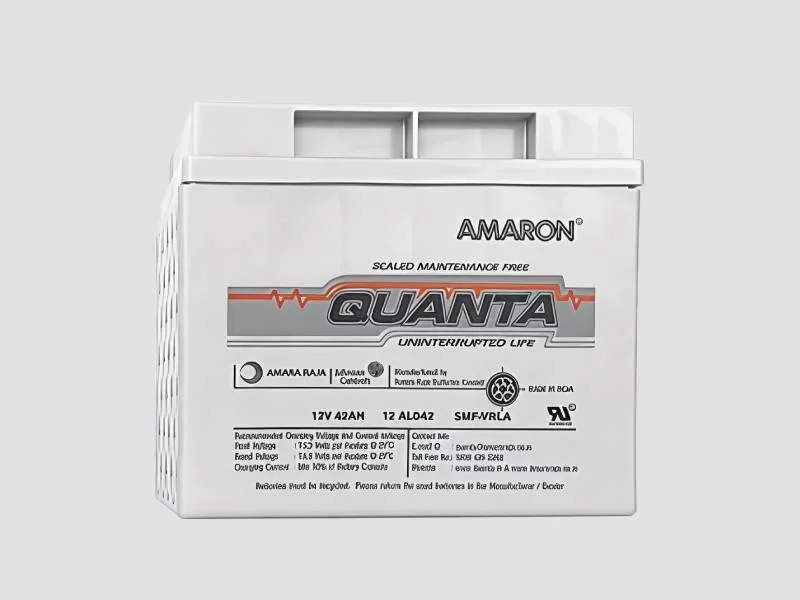
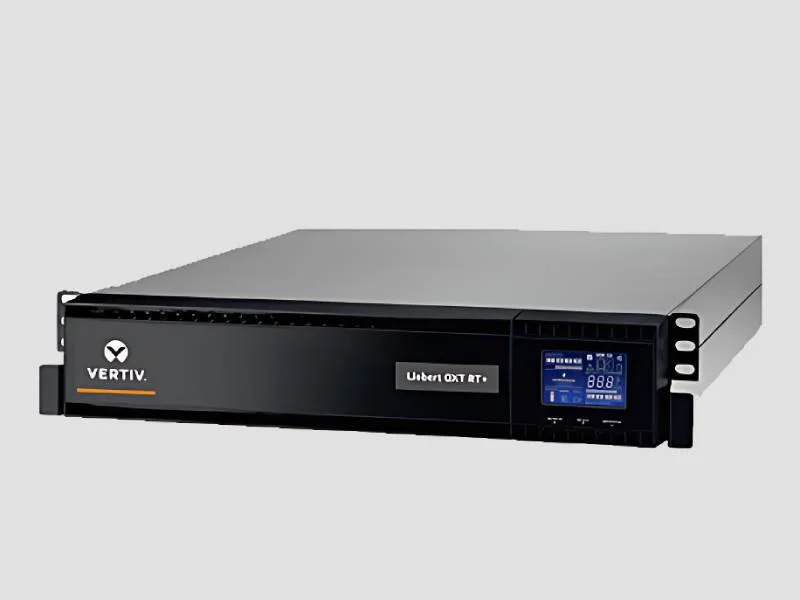
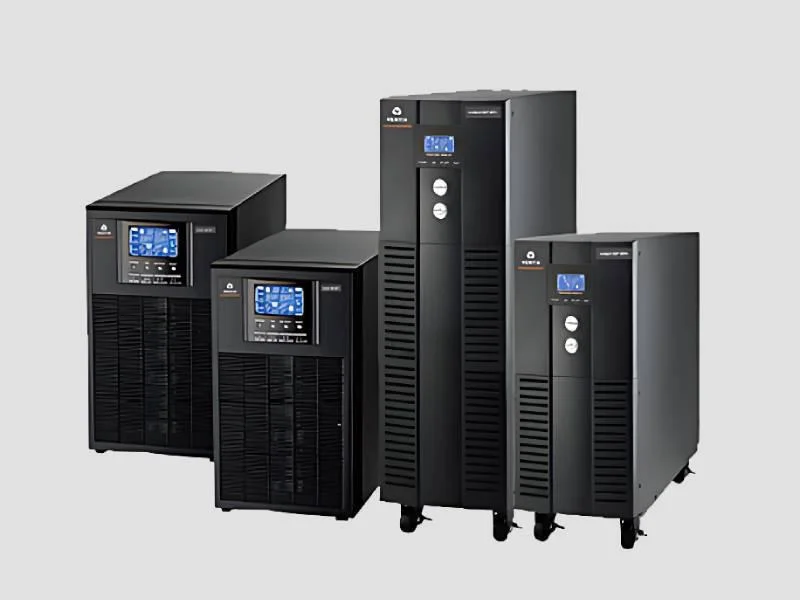
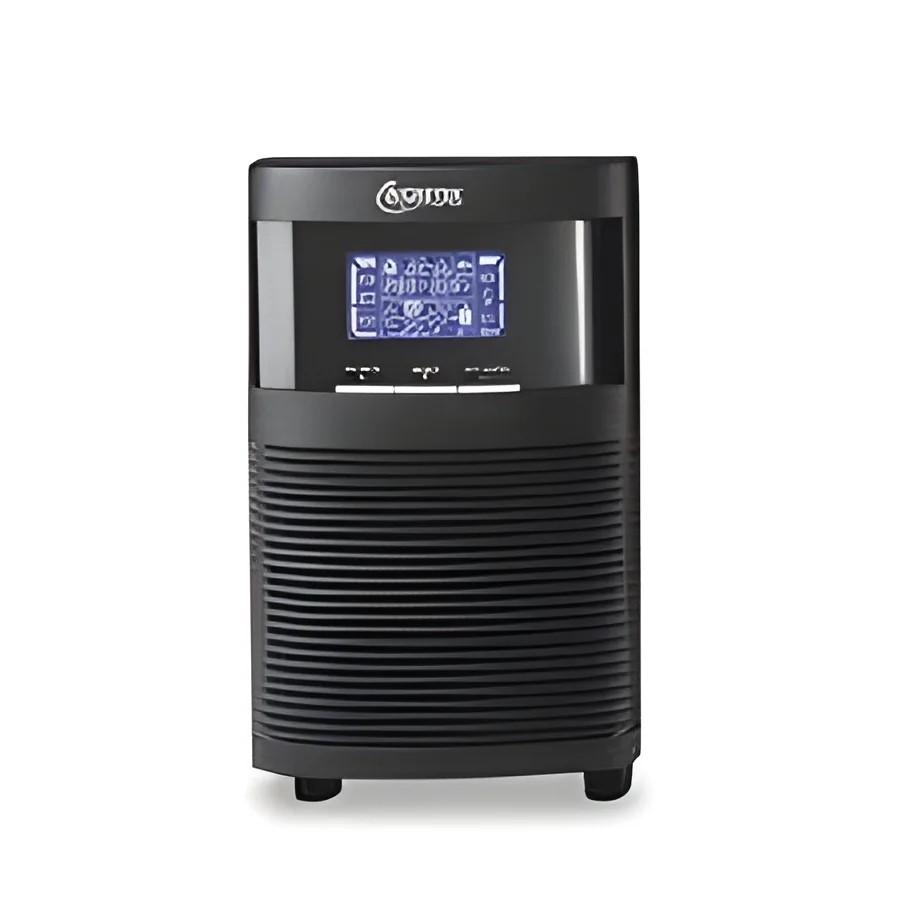
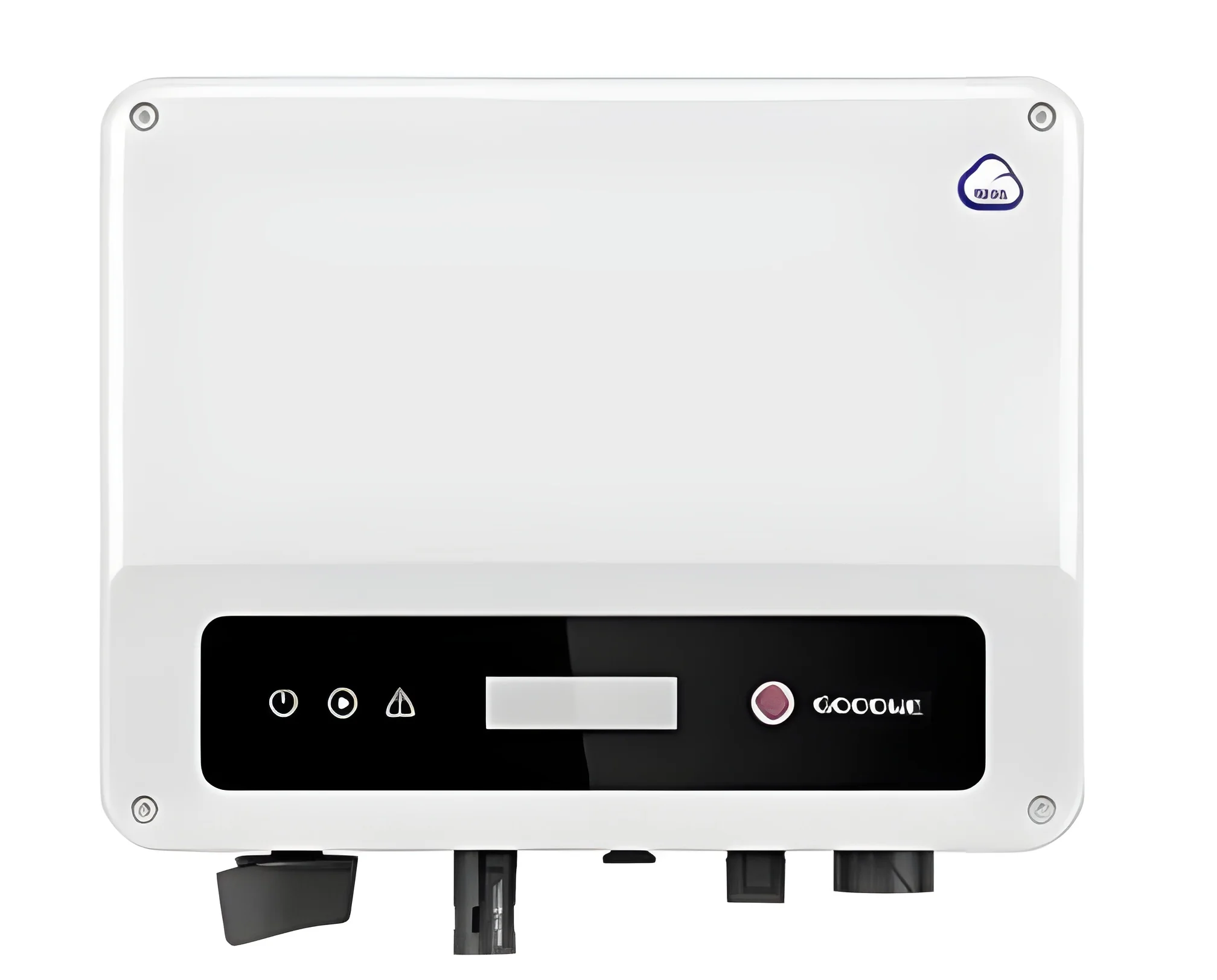
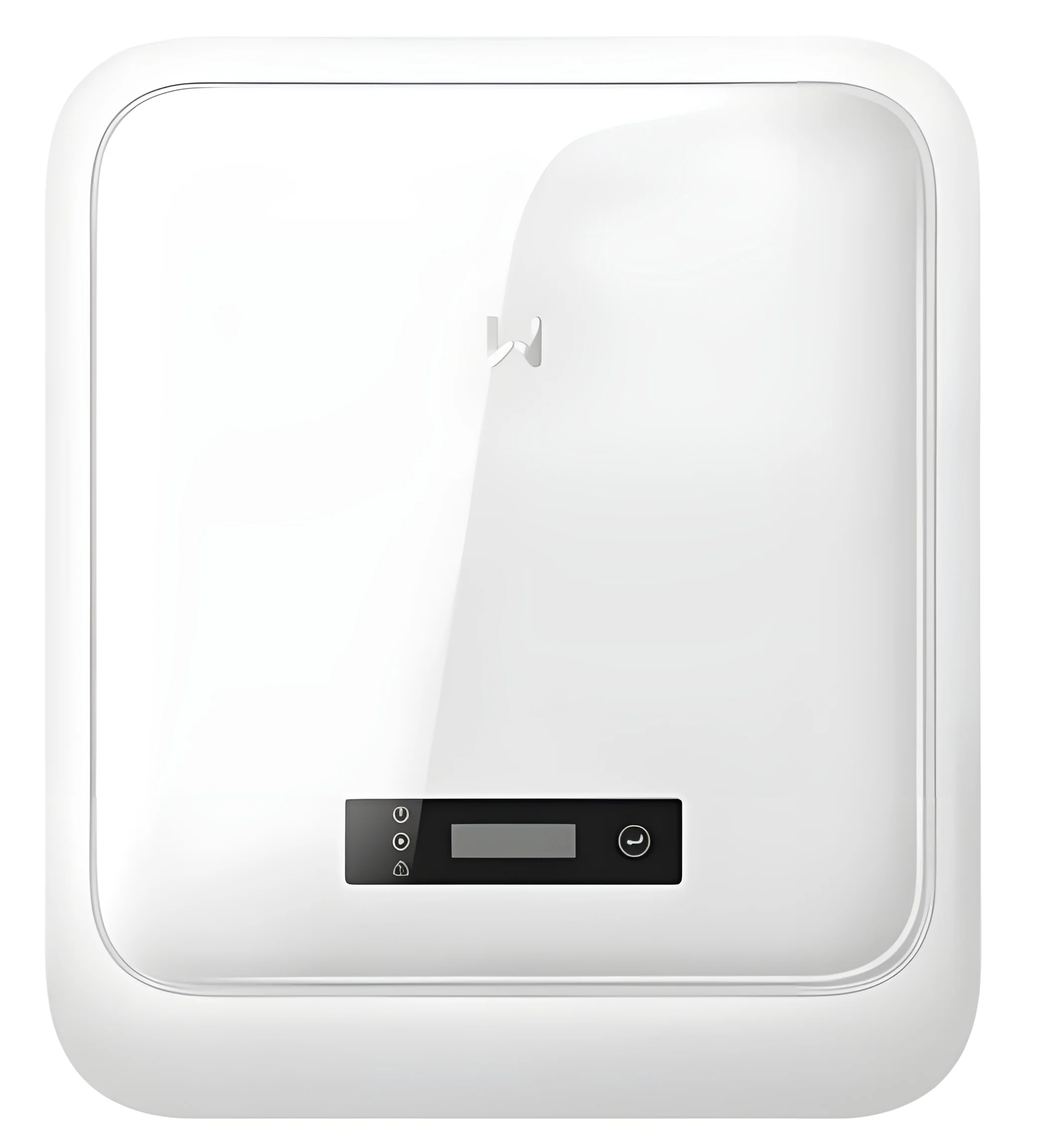
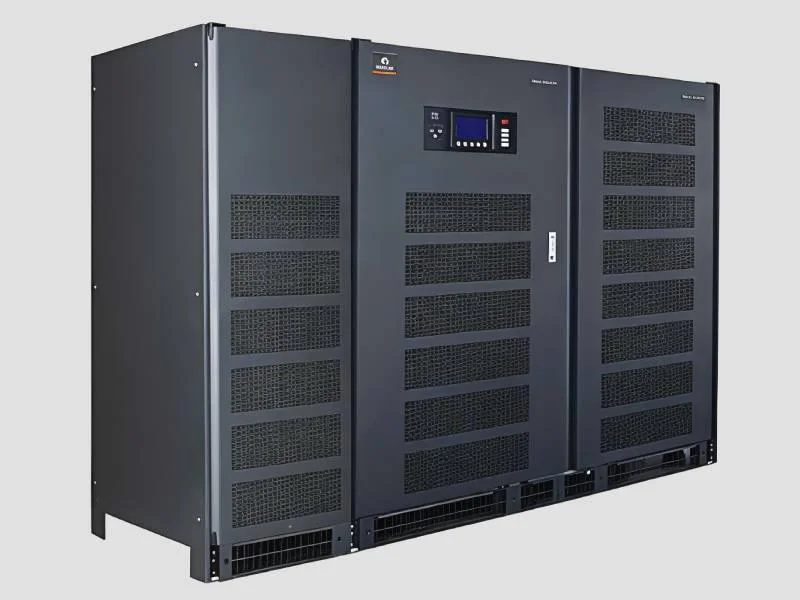
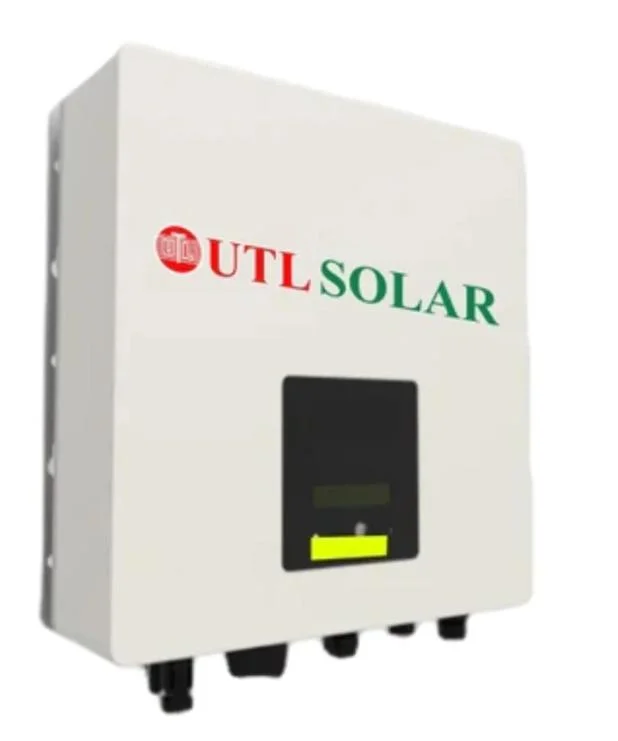
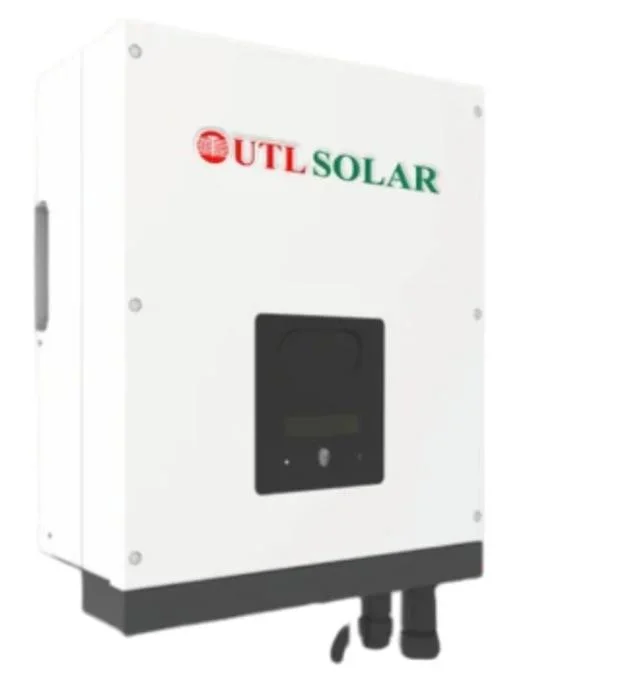
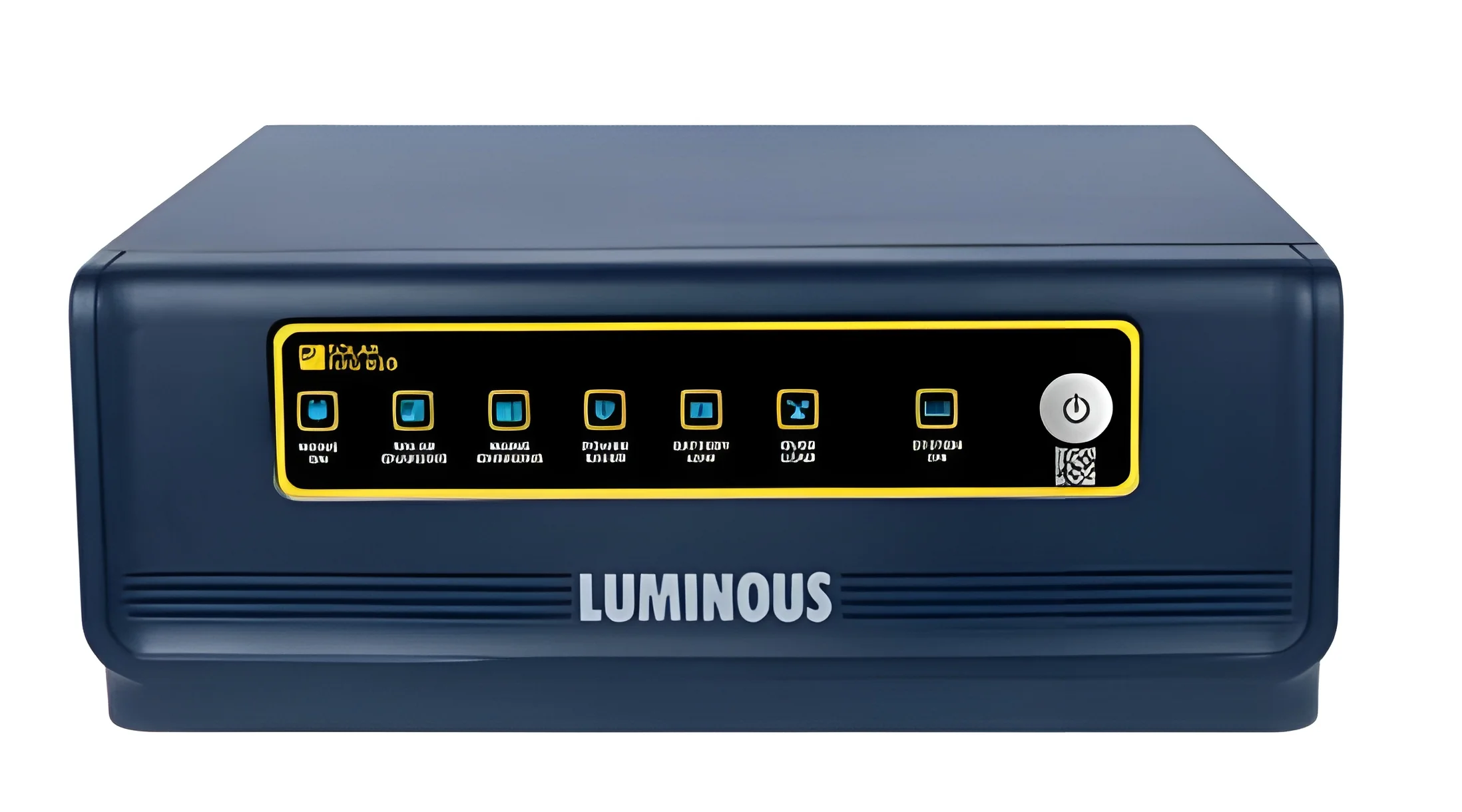
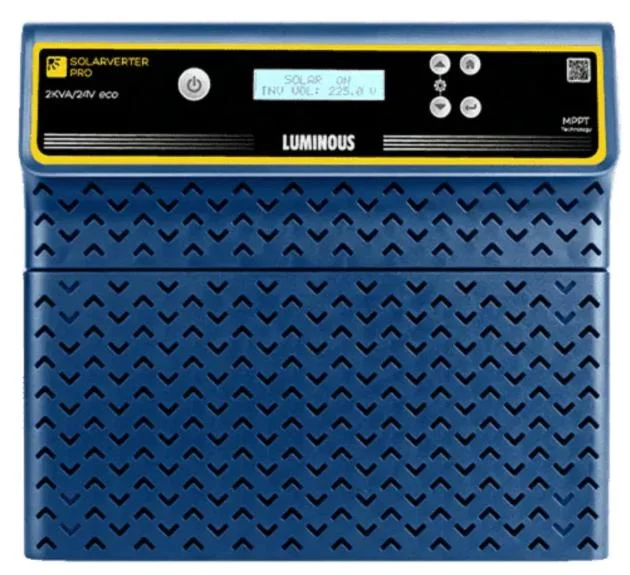
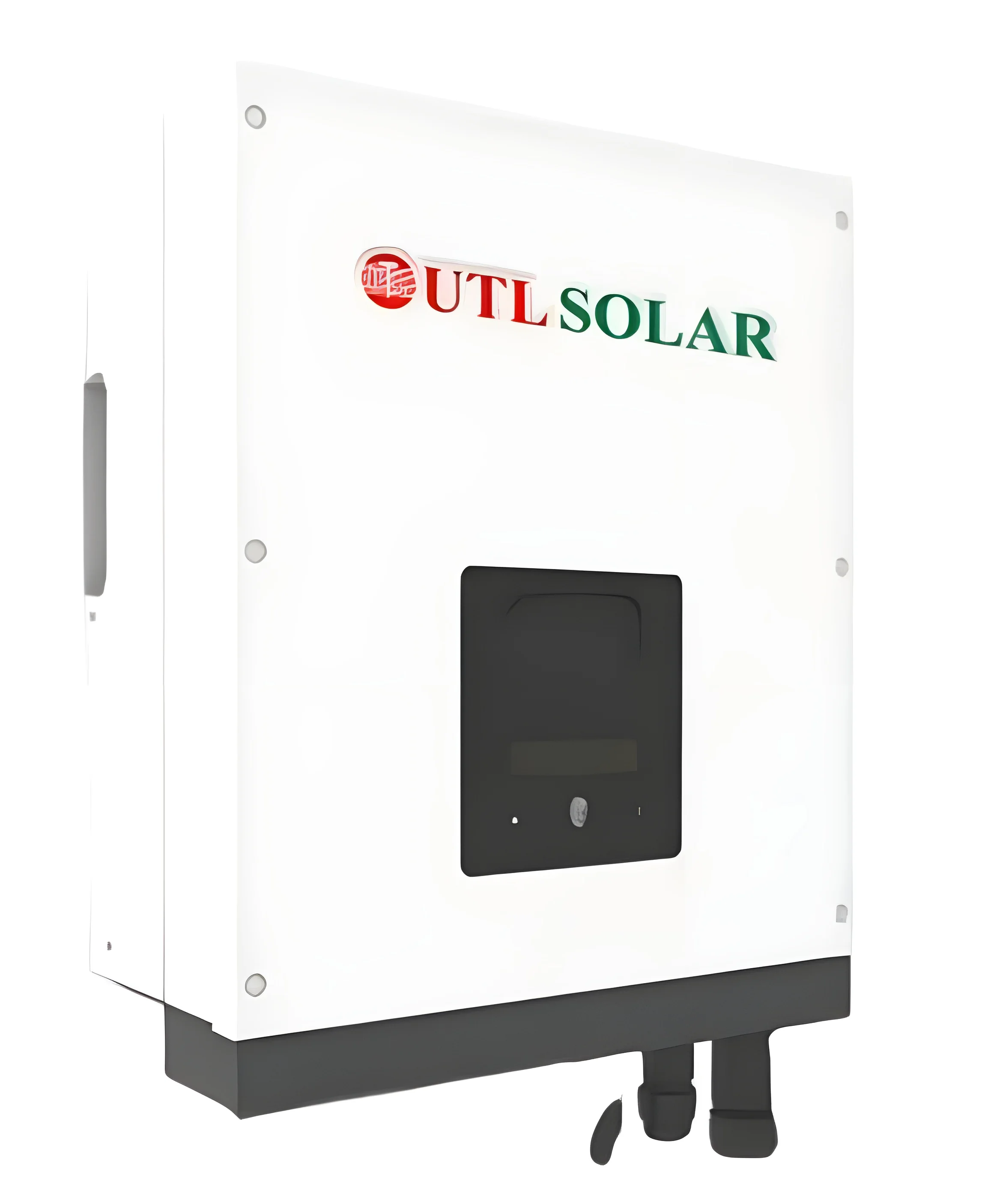
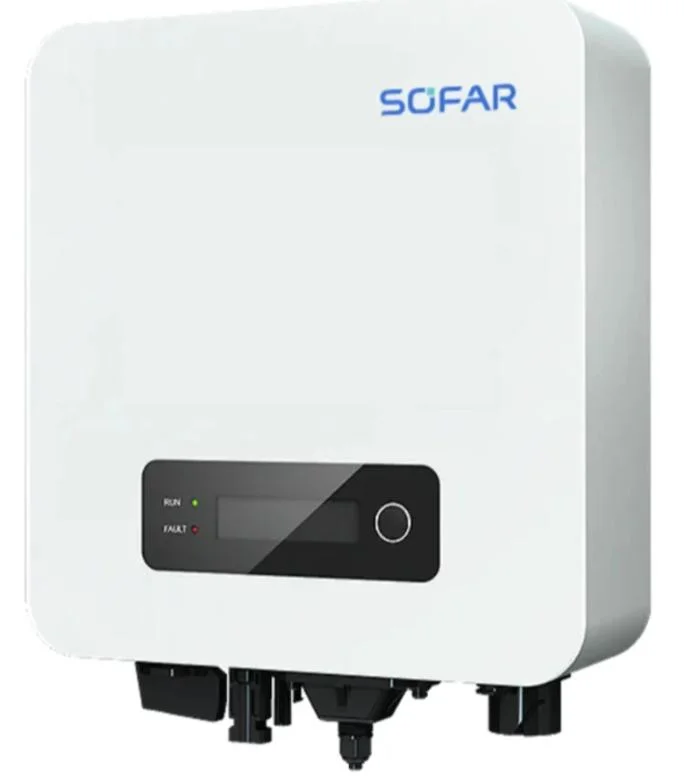
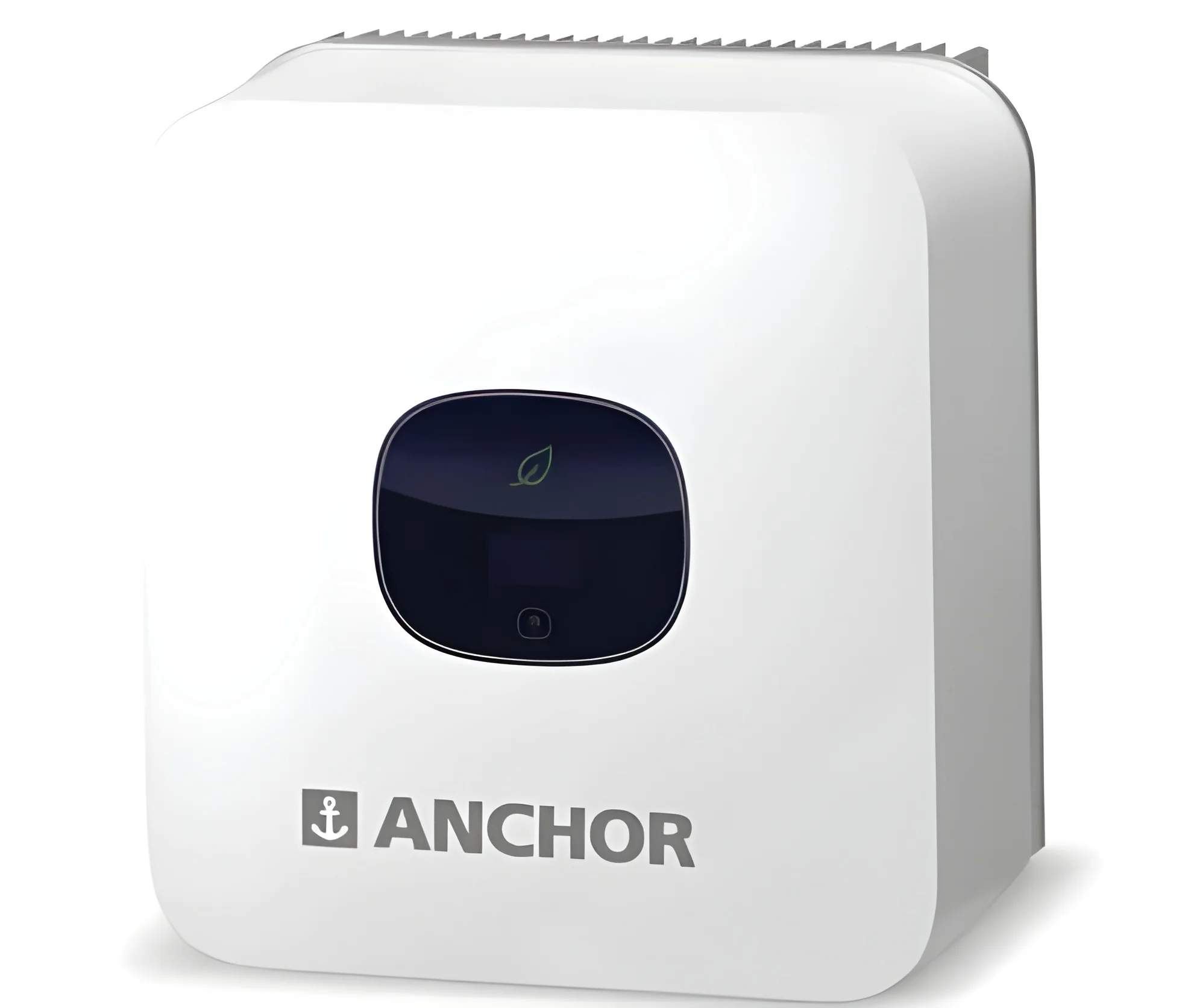
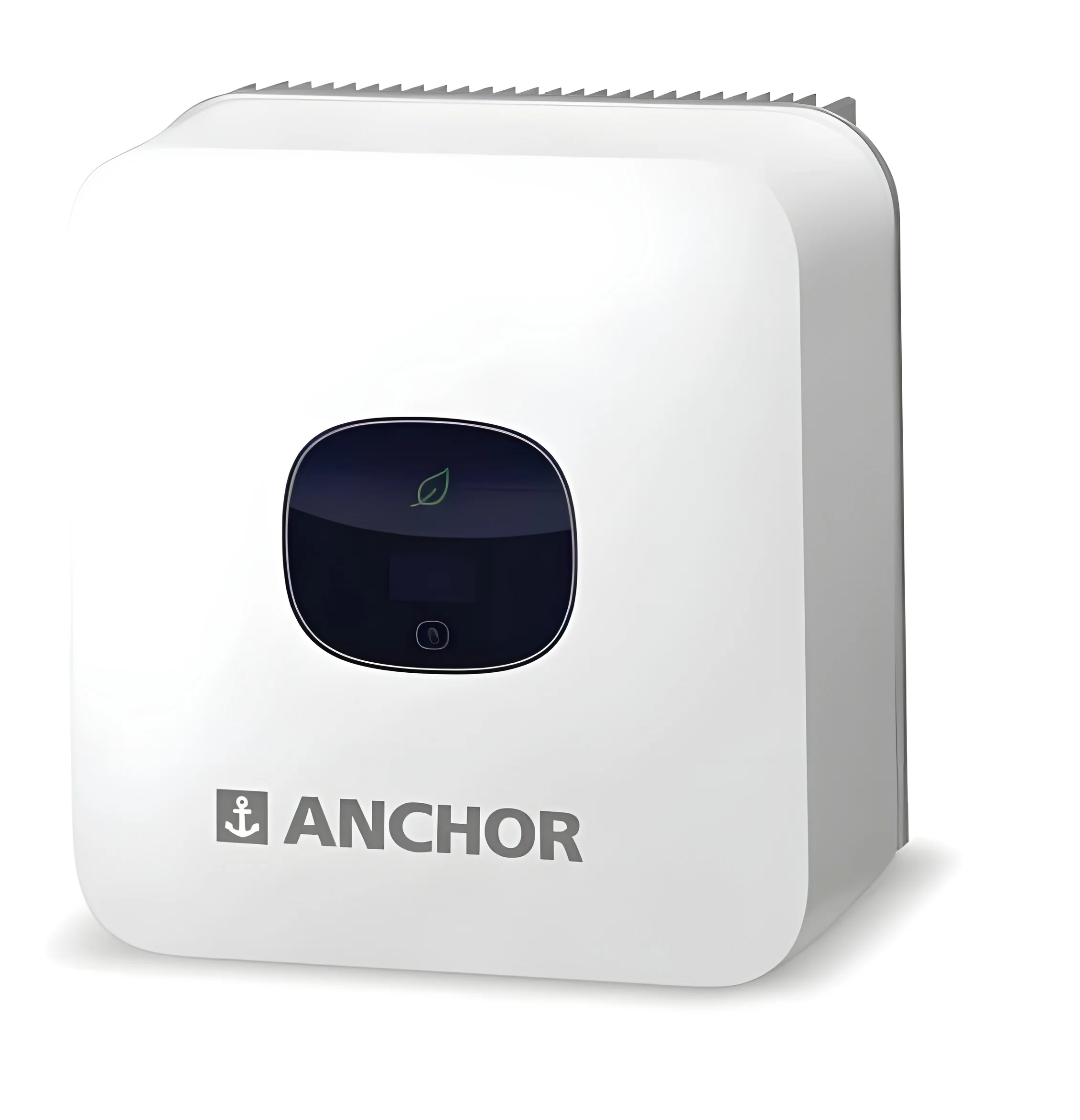
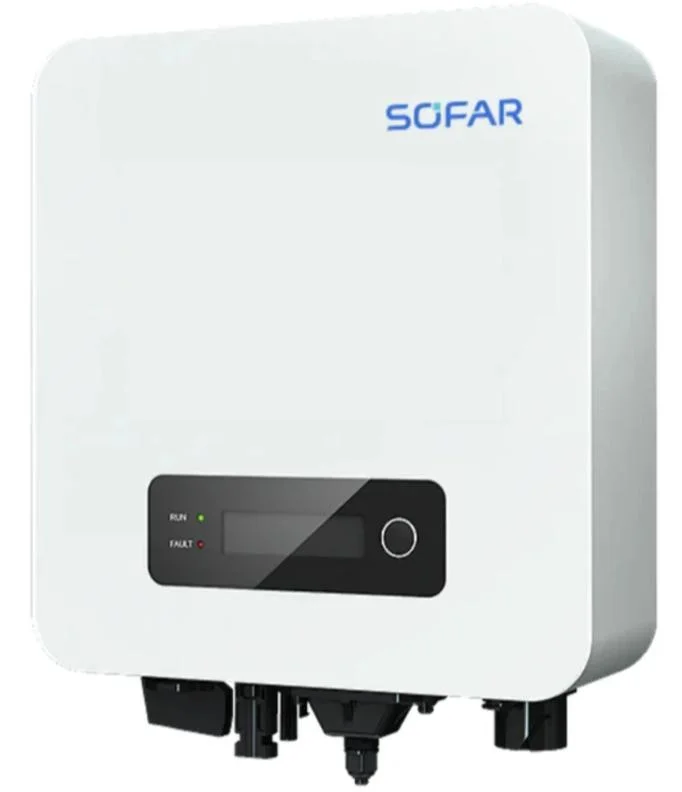
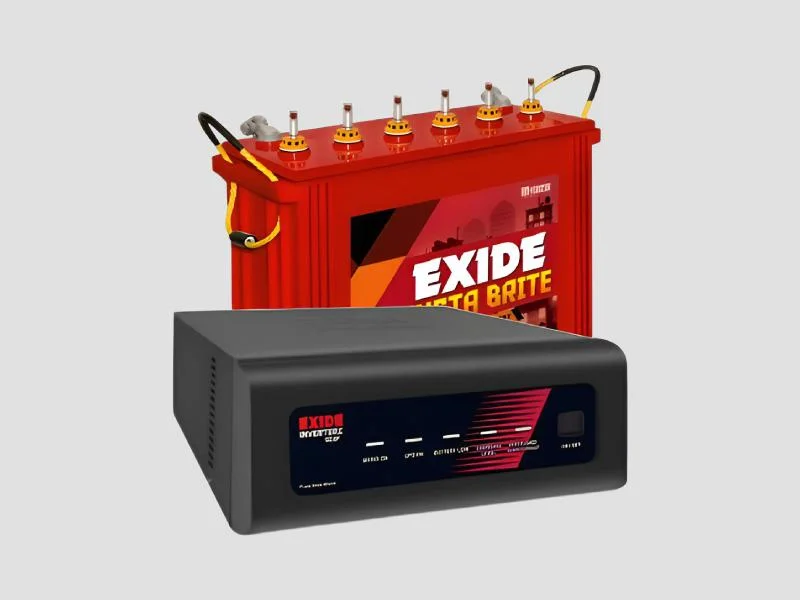
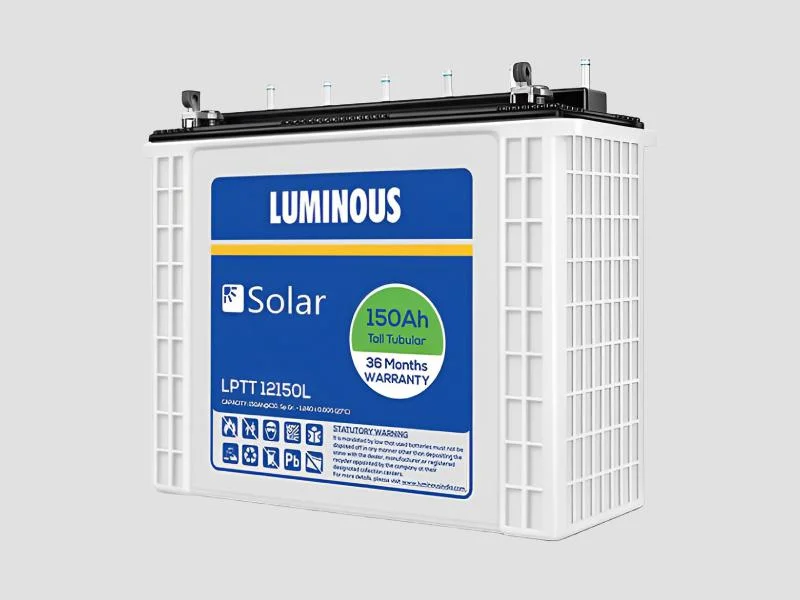
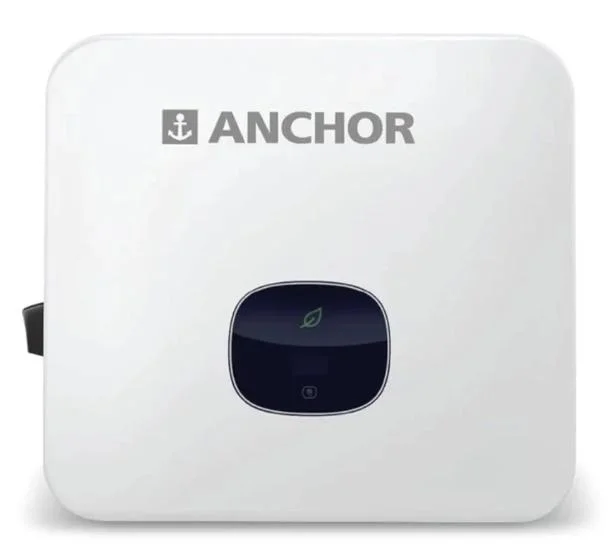
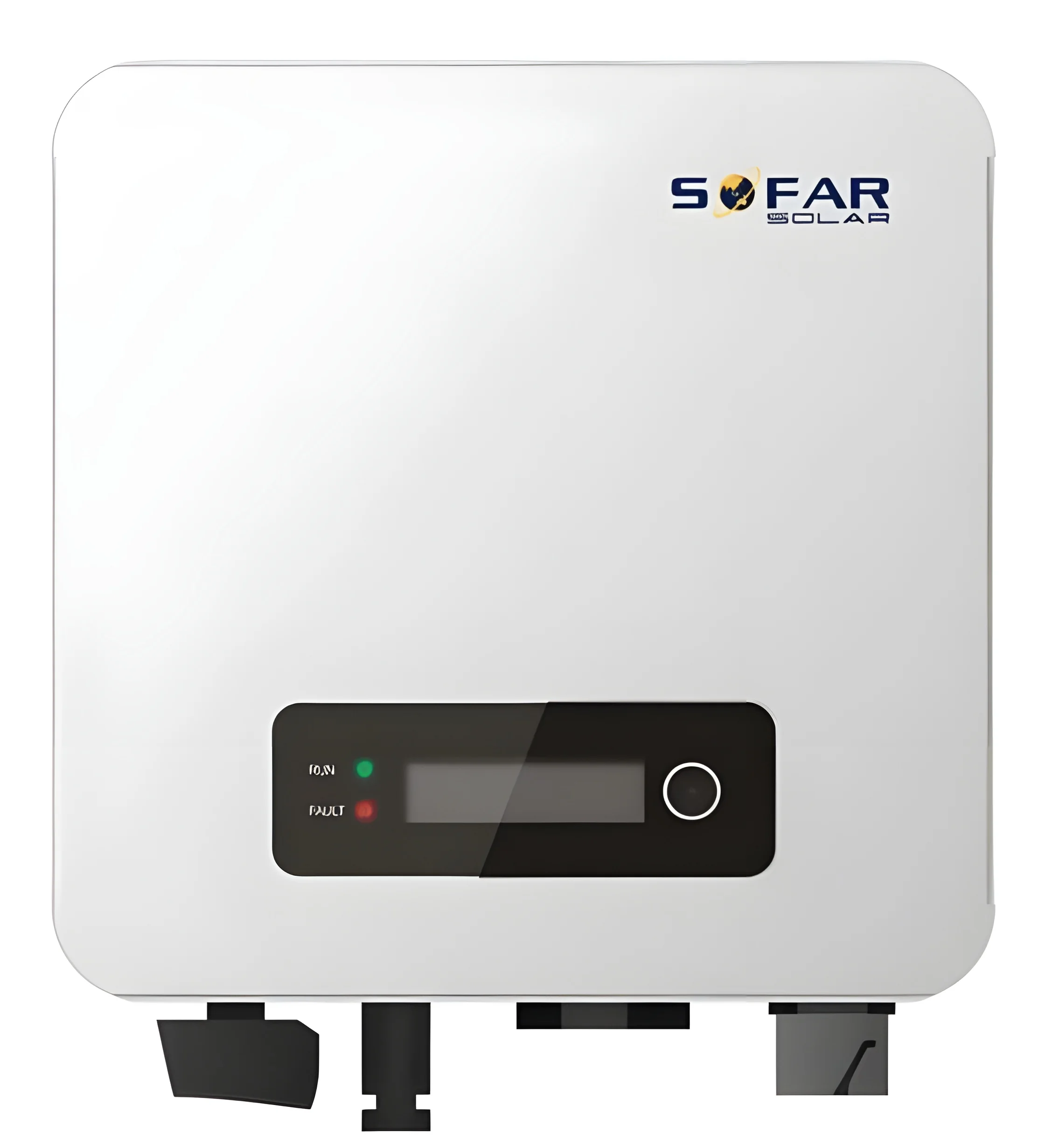
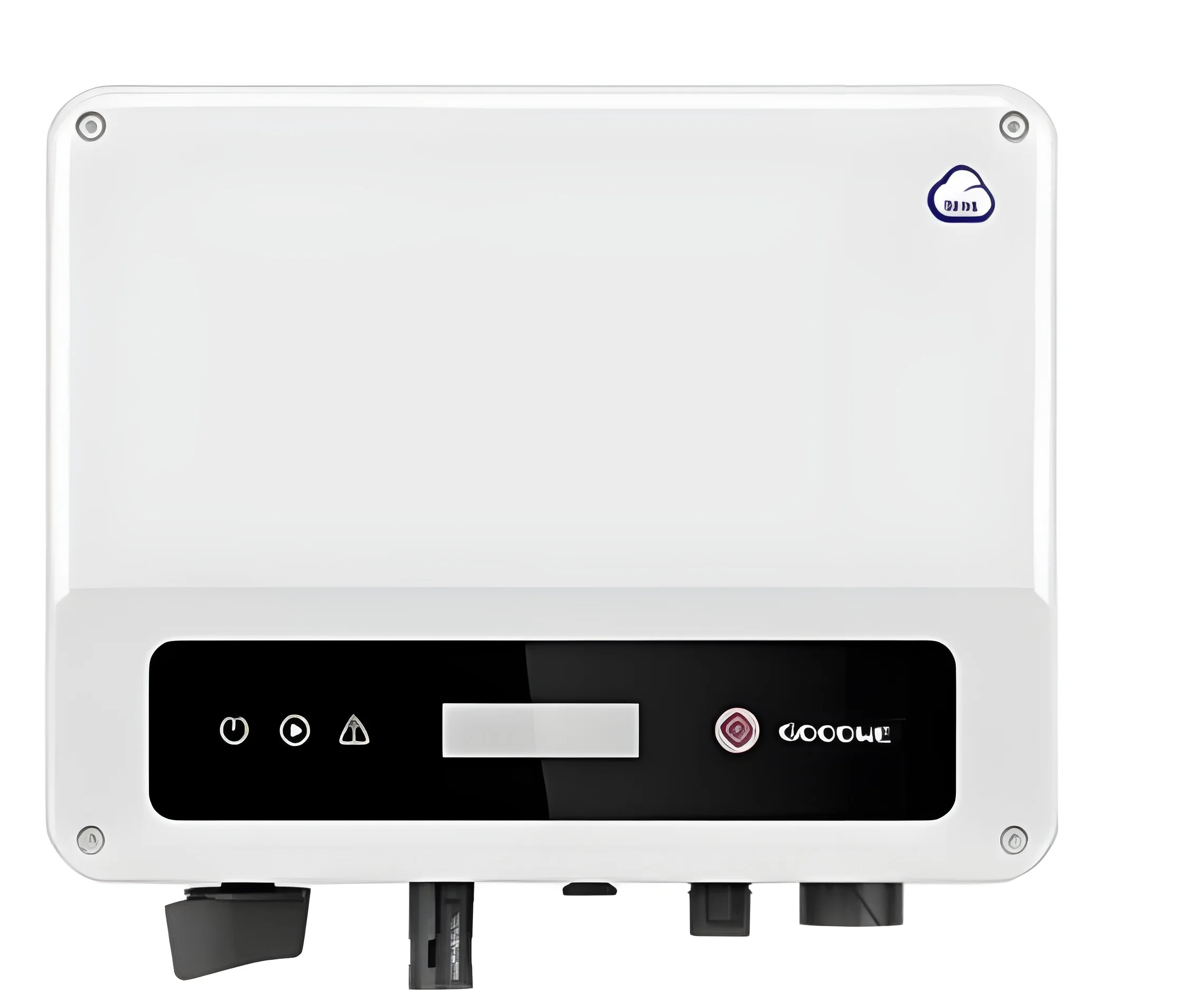
𝗪𝗵𝗮𝘁 𝗮𝗿𝗲 𝗜𝗻𝘃𝗲𝗿𝘁𝗲𝗿𝘀 & 𝗨𝗣𝗦 𝗦𝘆𝘀𝘁𝗲𝗺𝘀?
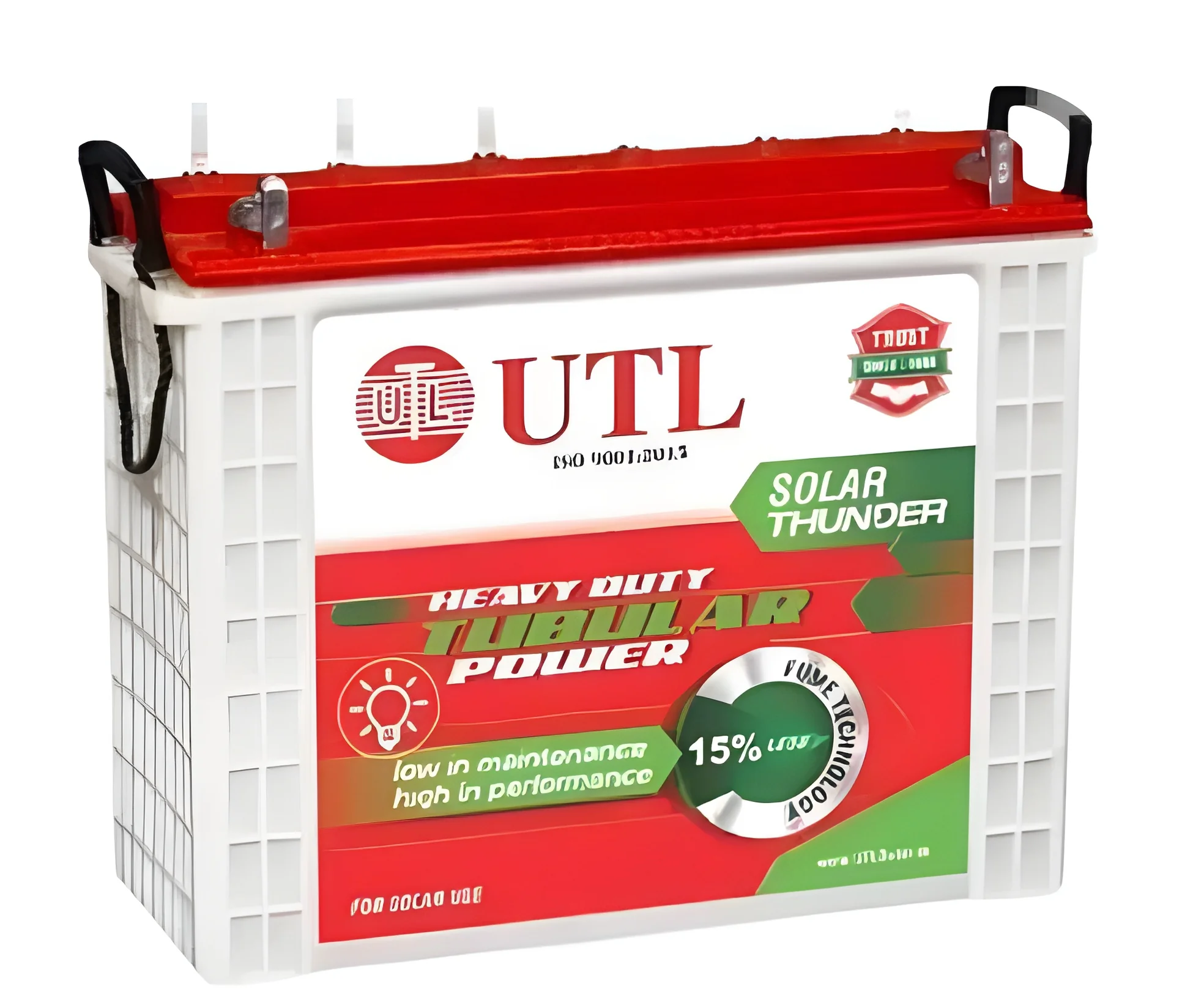
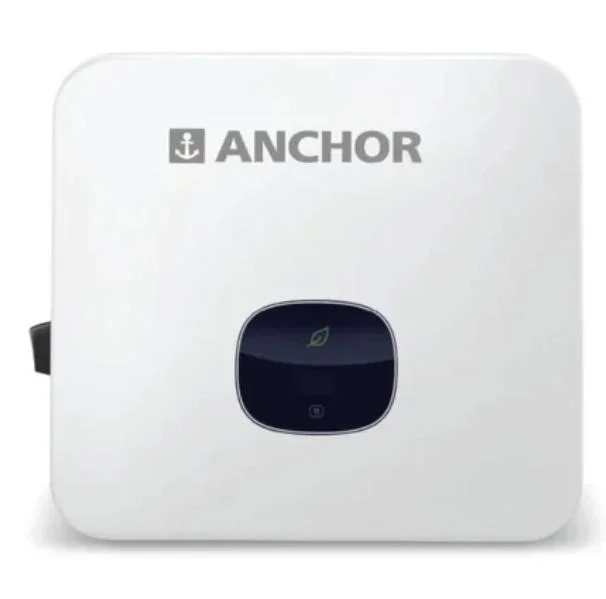
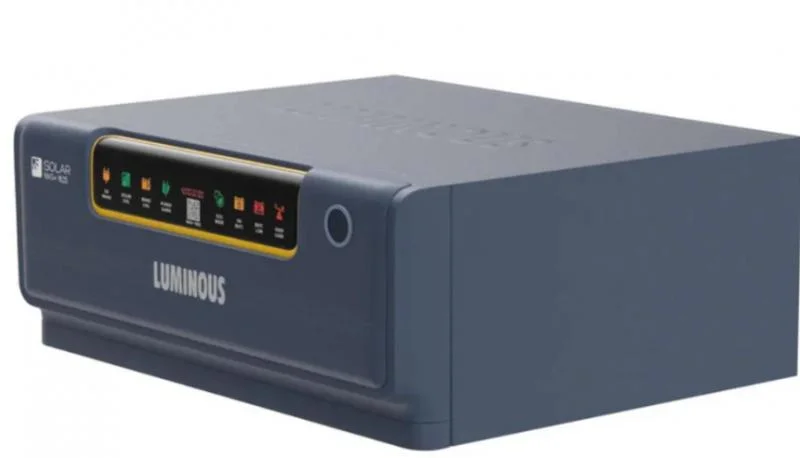
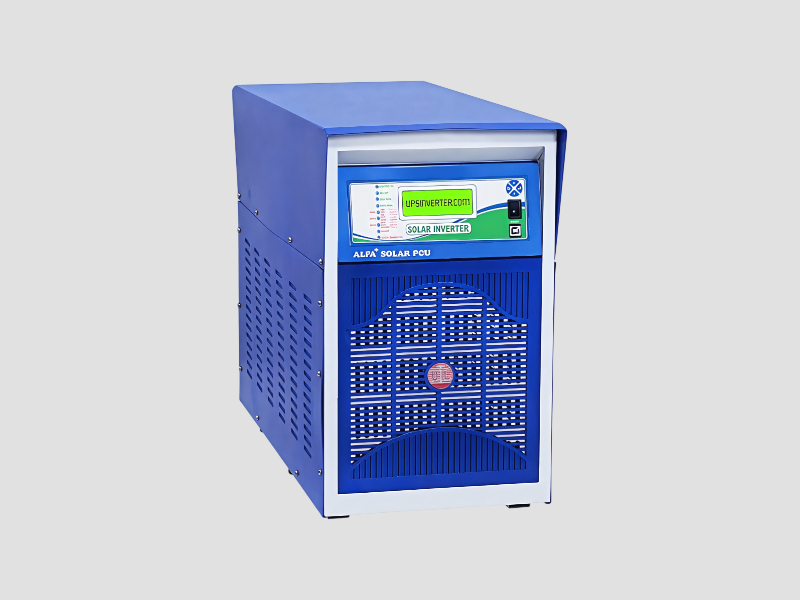
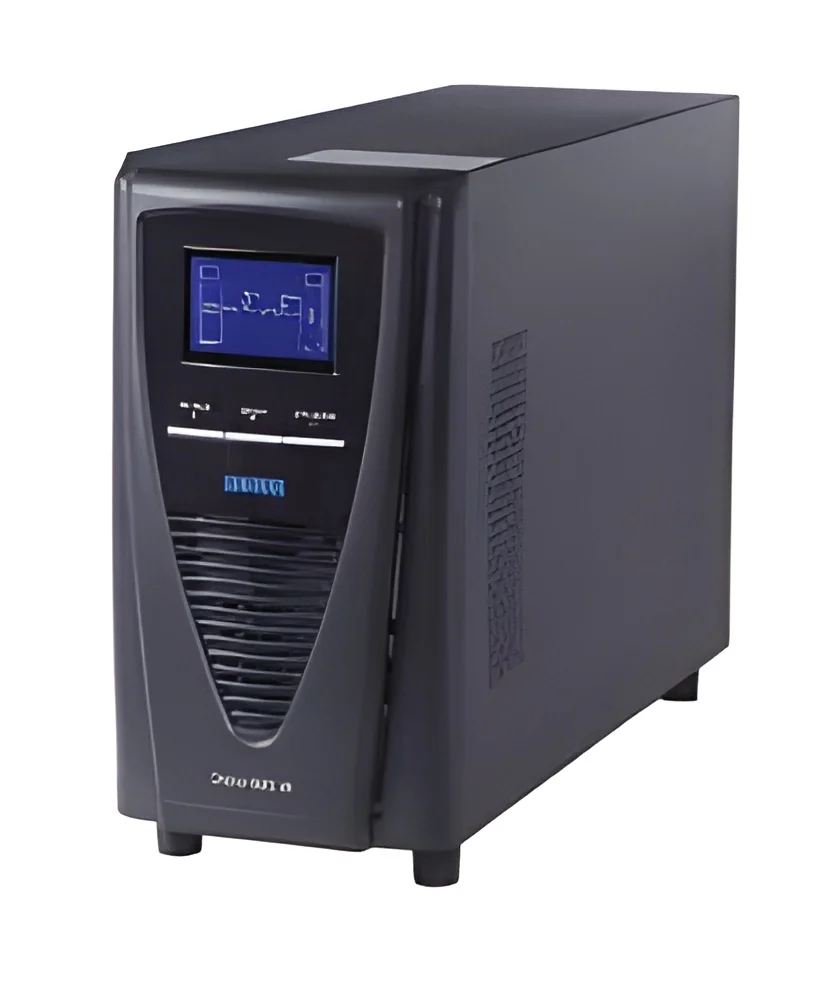
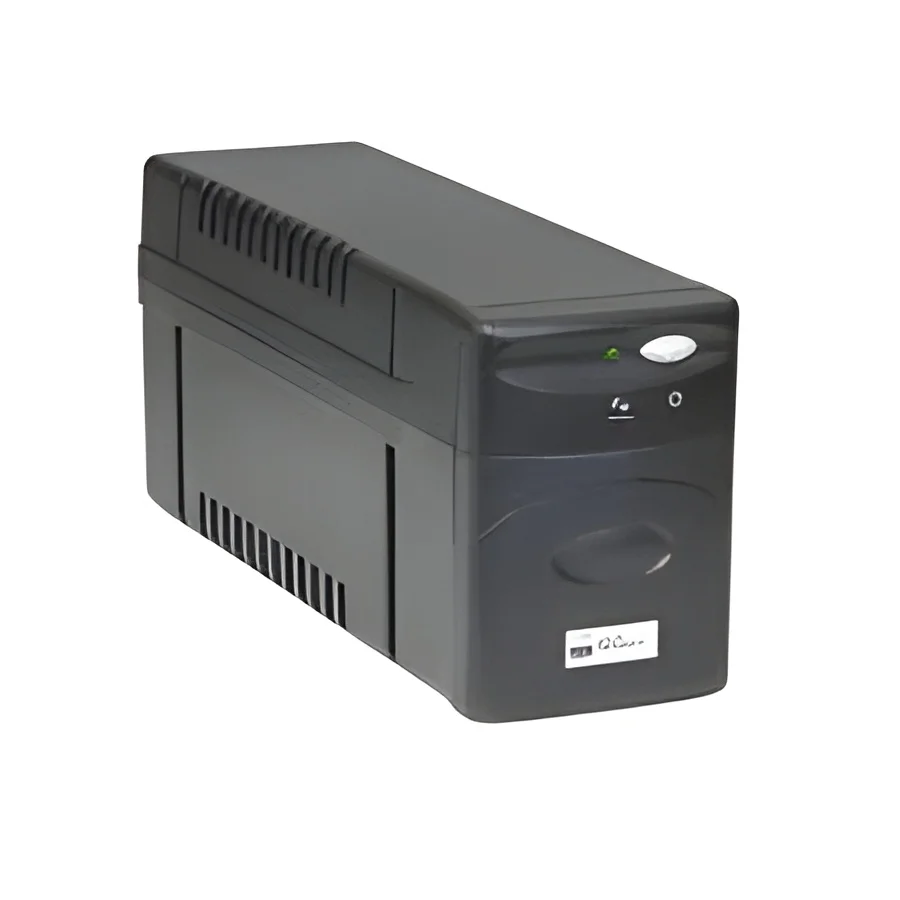
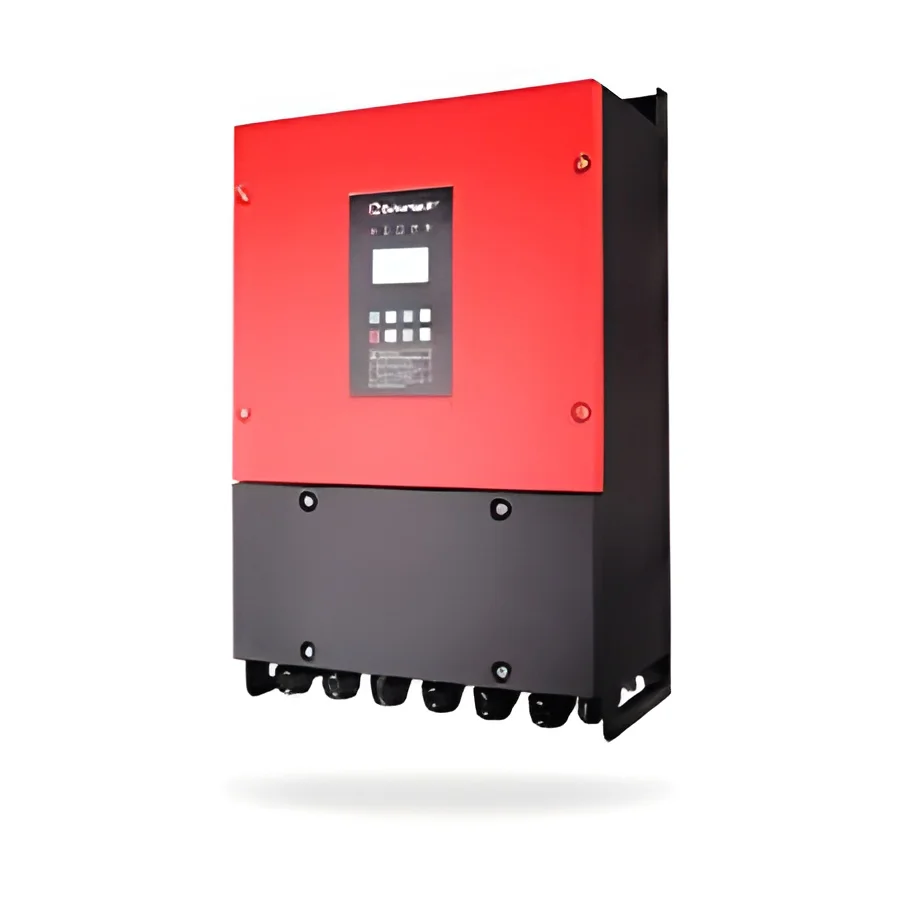
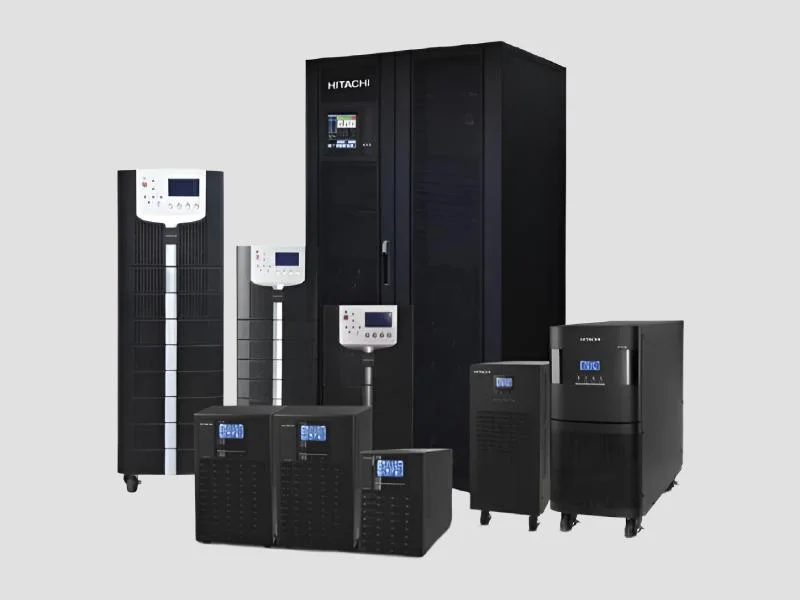
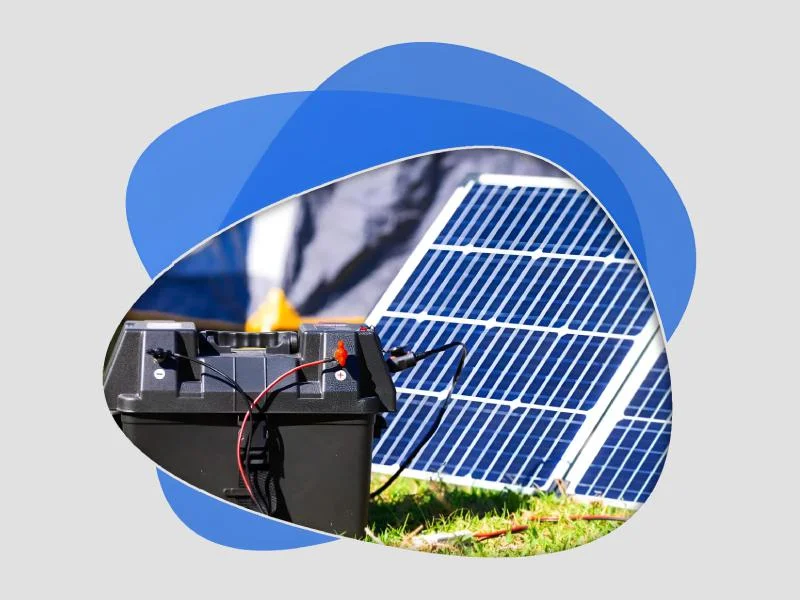
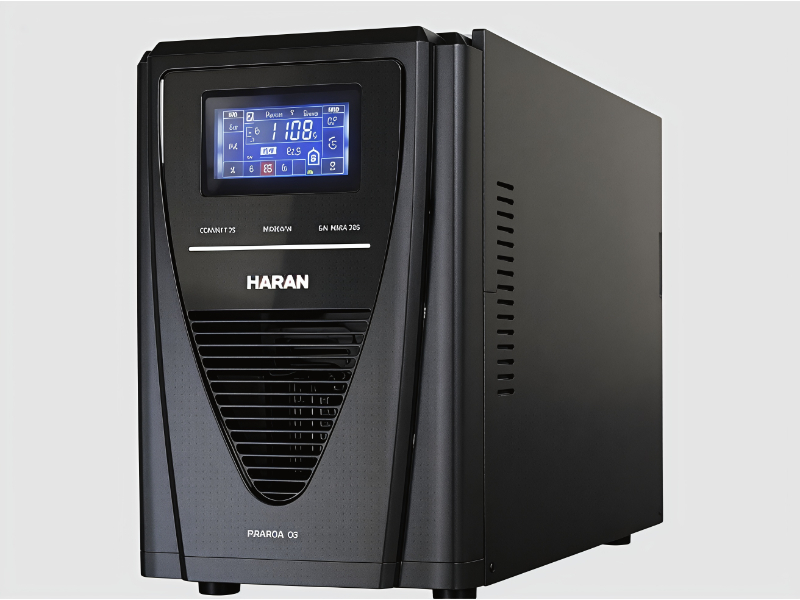
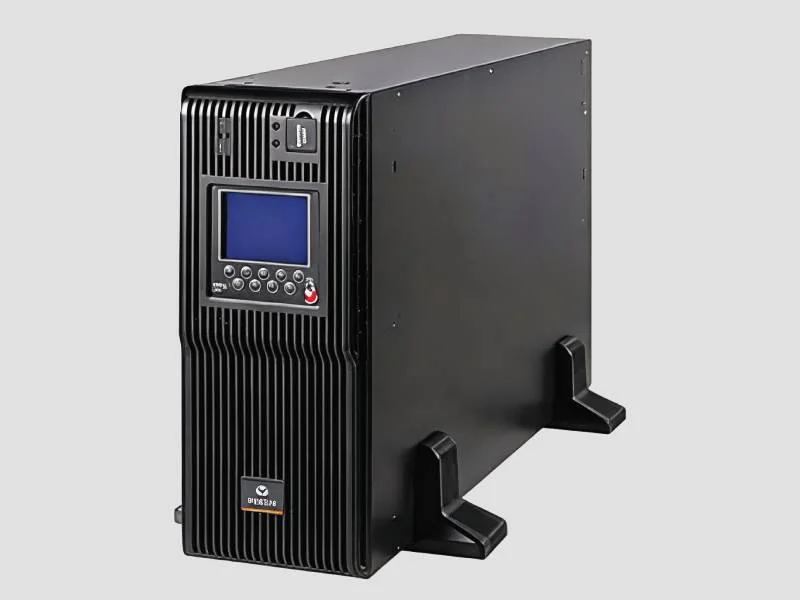
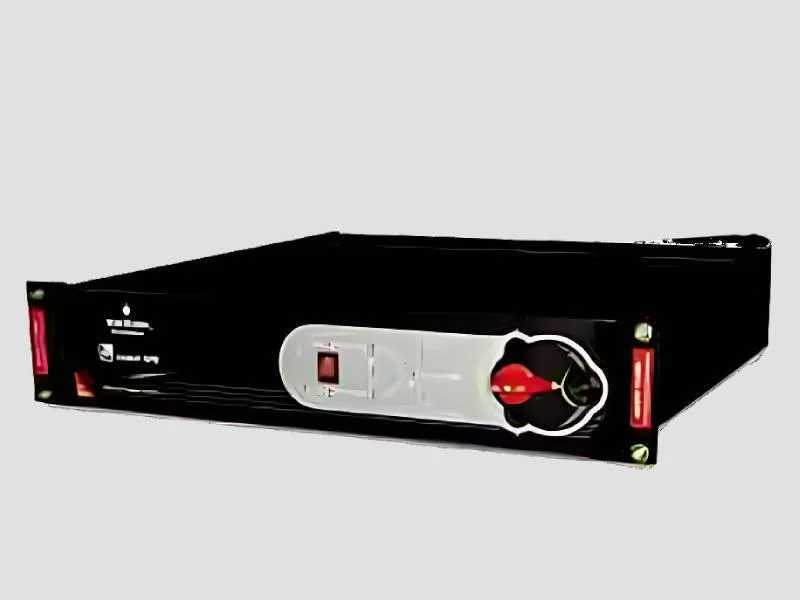
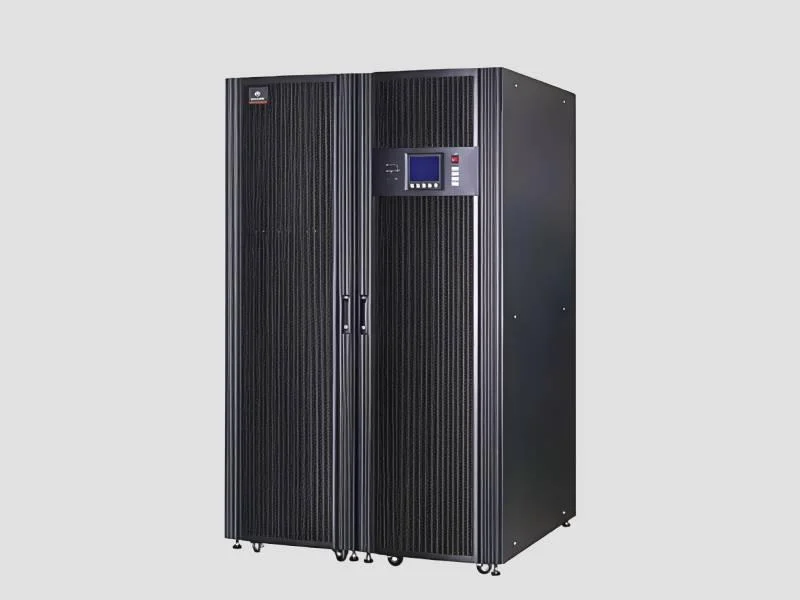
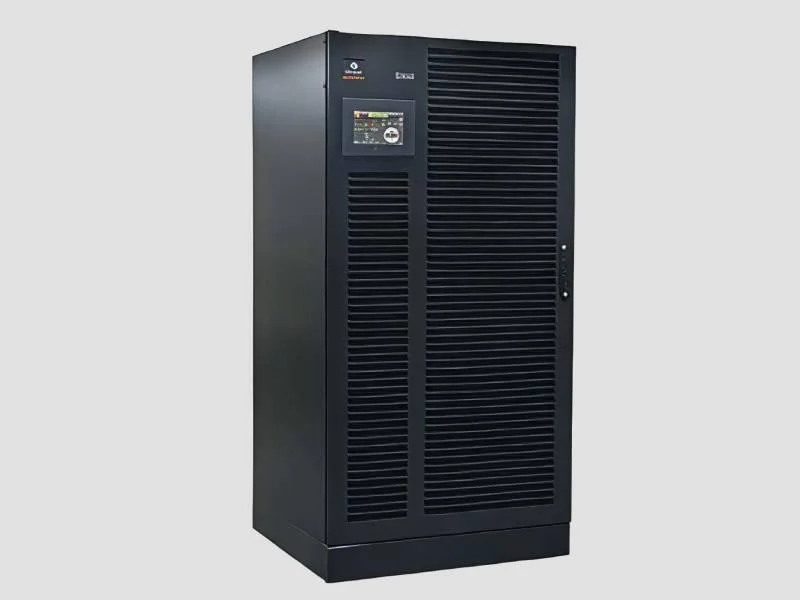
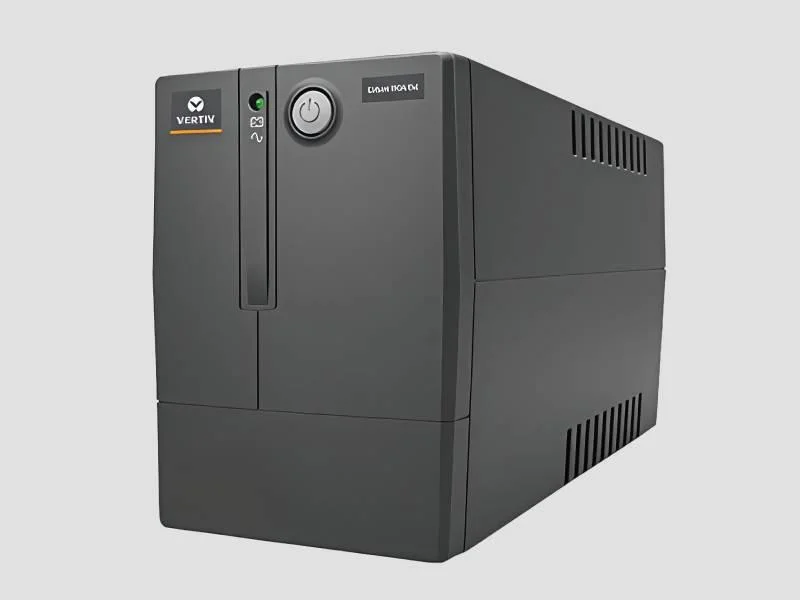
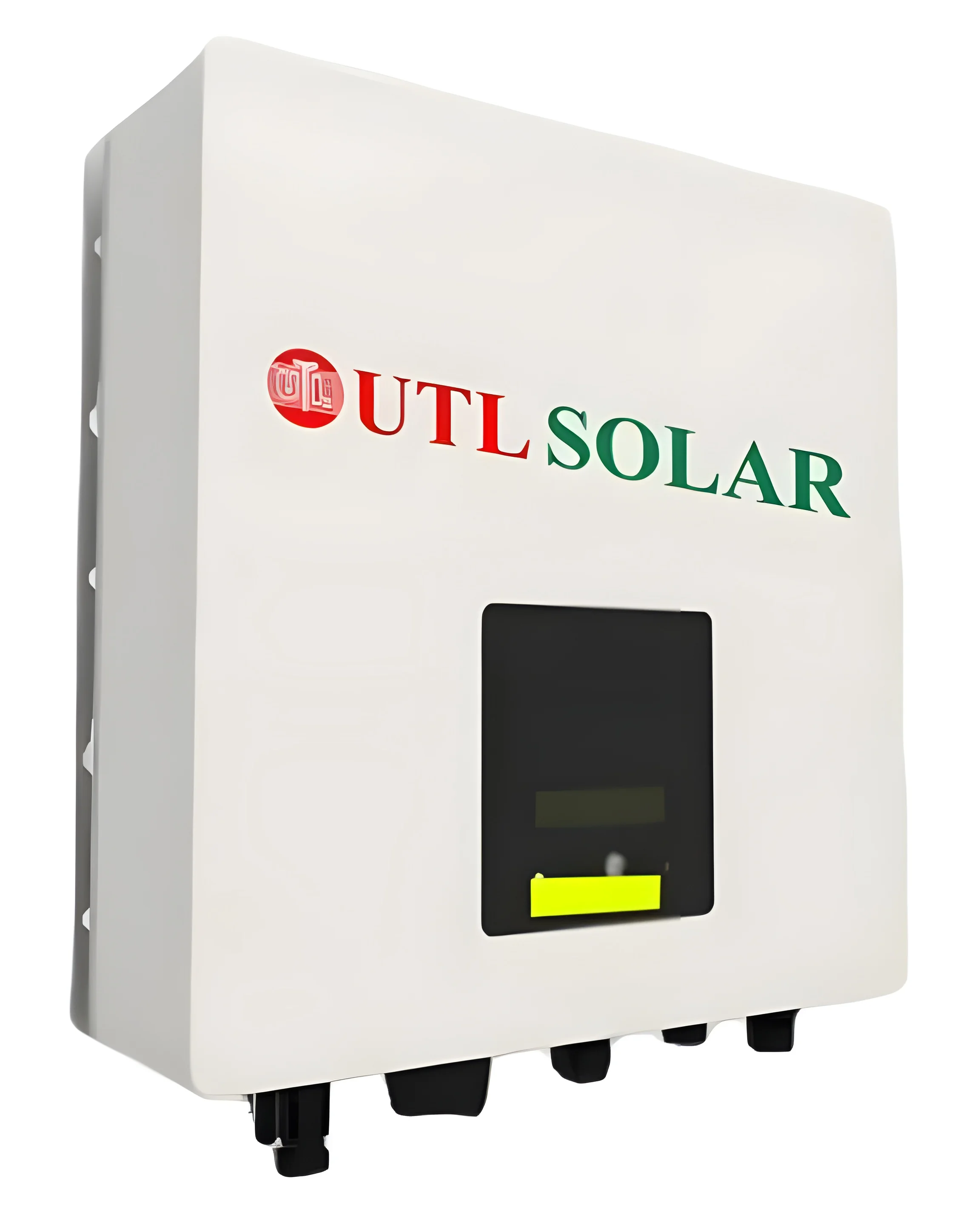
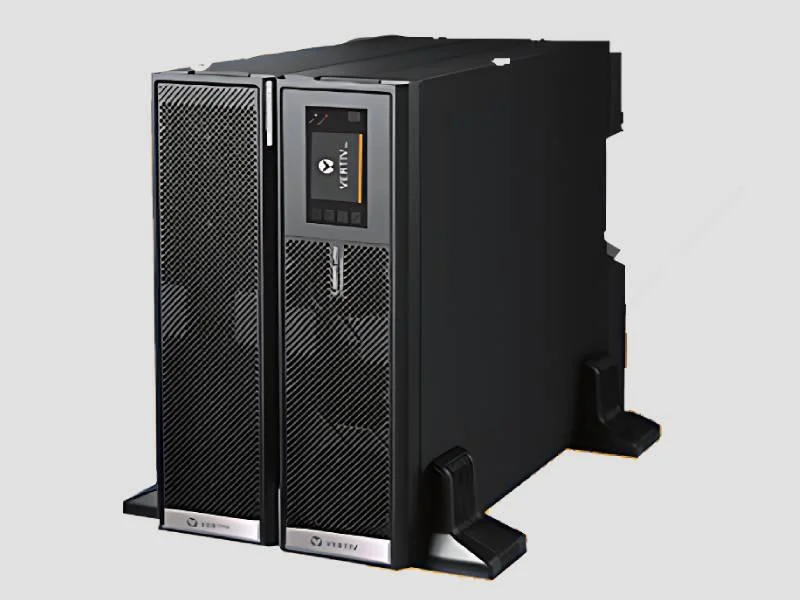
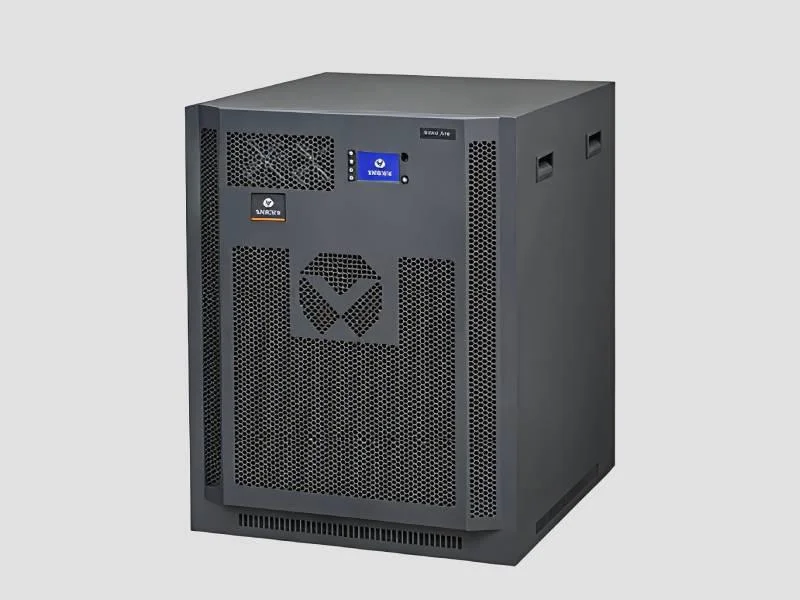
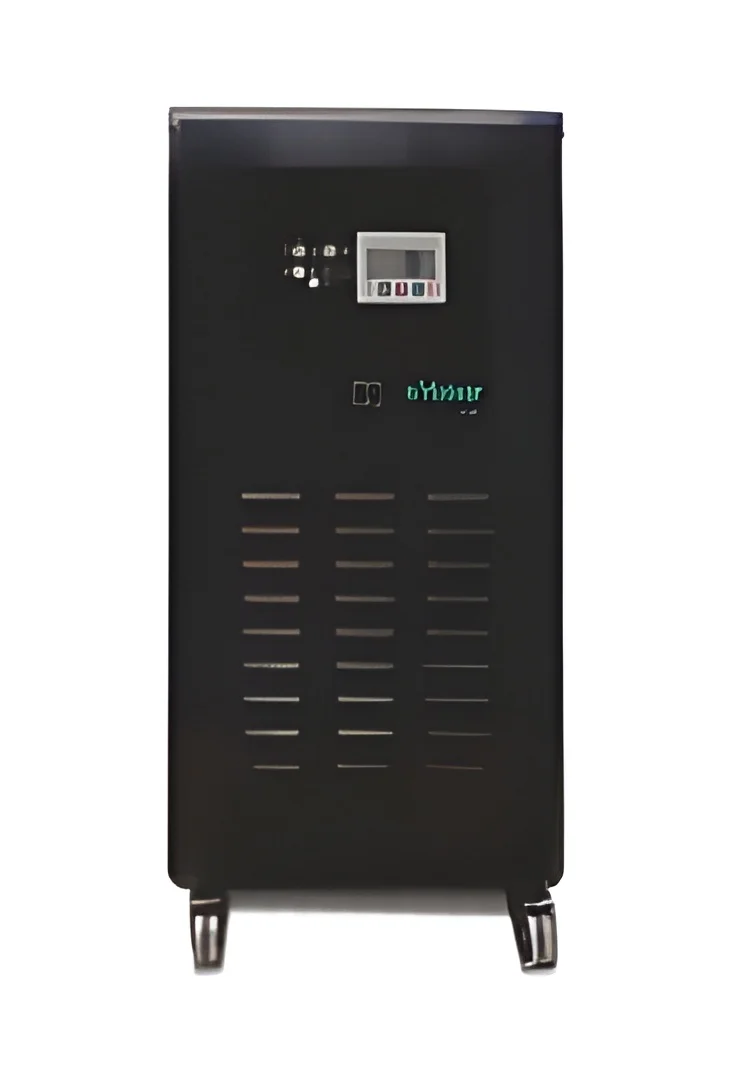
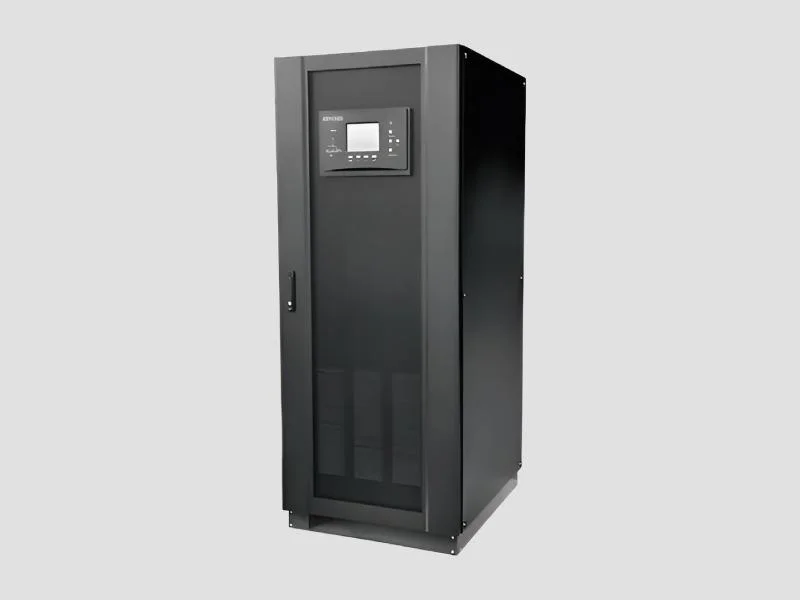
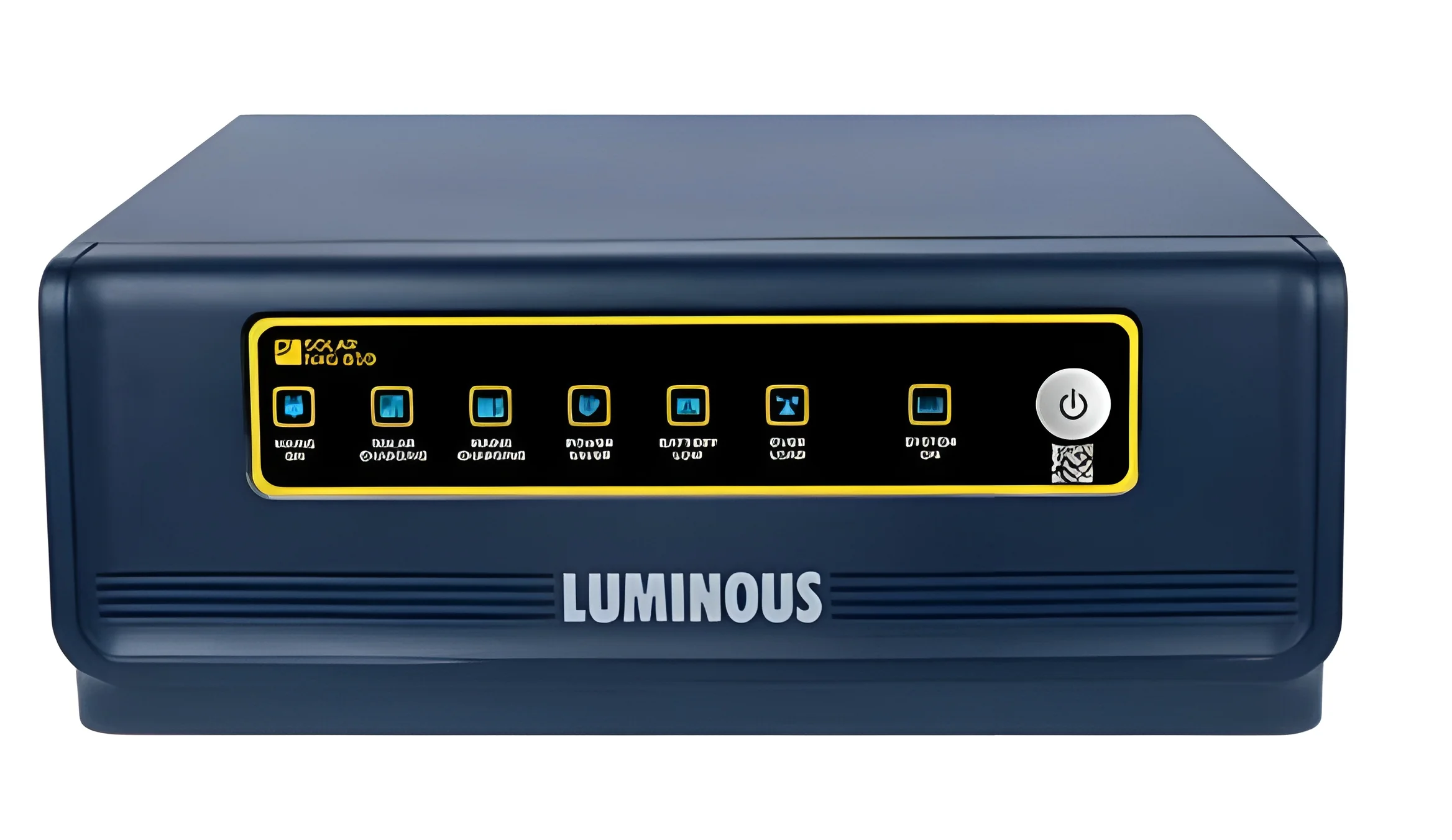
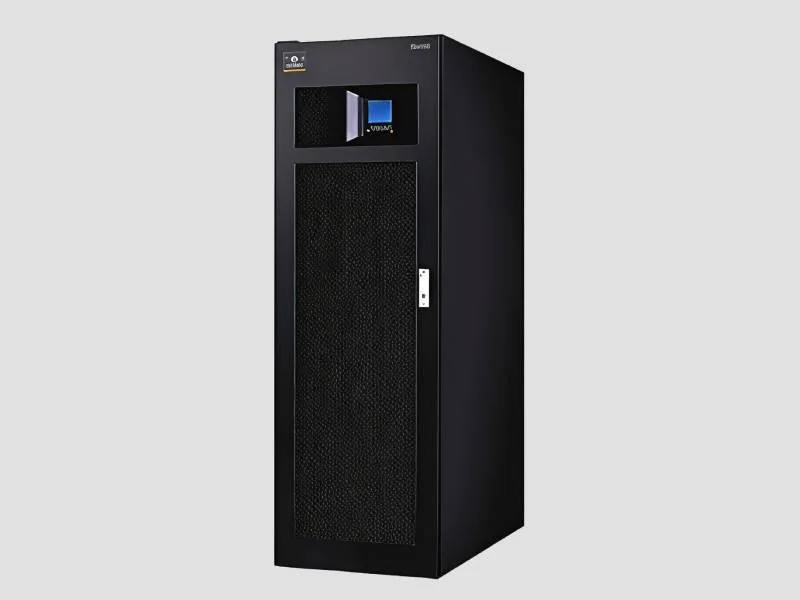
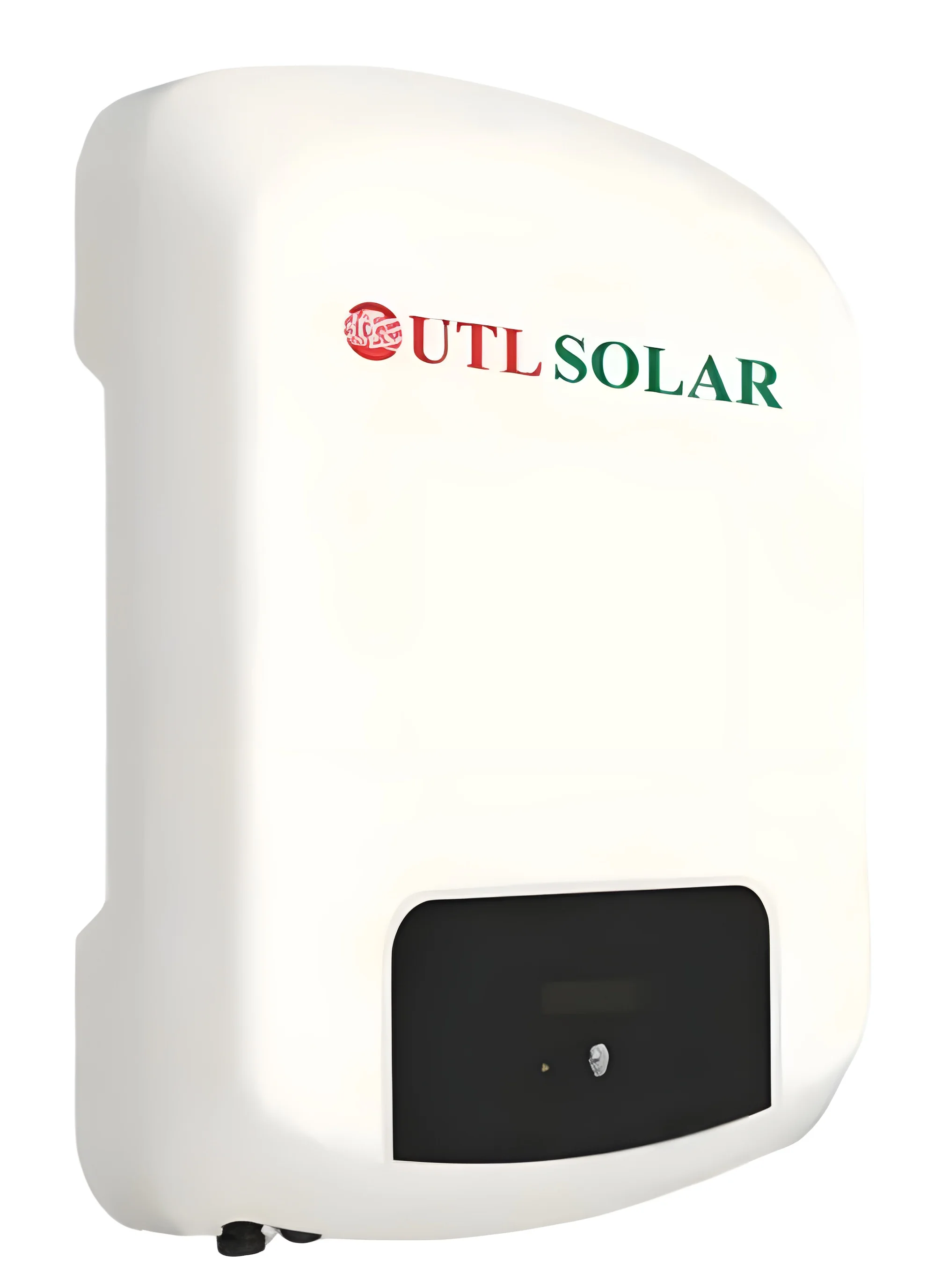
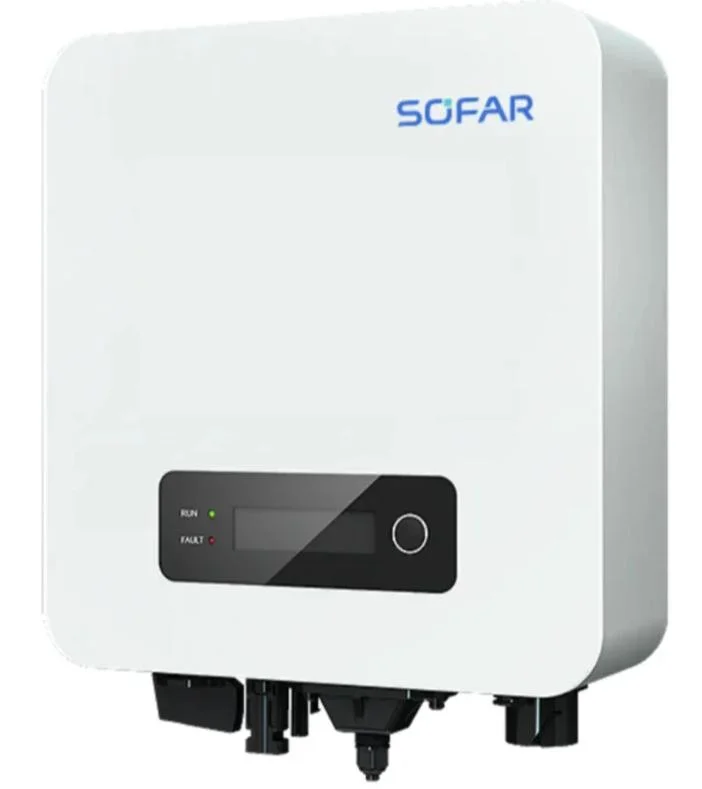
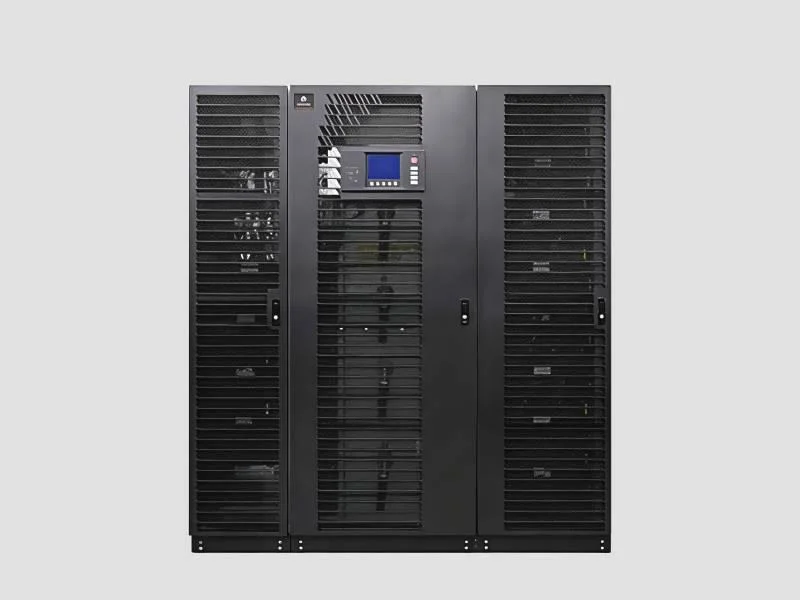
Inverters and Uninterruptible Power Supply (UPS) systems are essential components in managing electrical power. An inverter converts direct current (DC) into alternating current (AC), making it suitable for powering standard electrical appliances. On the other hand, a UPS system provides backup power during electrical outages, ensuring that critical devices remain operational. It typically includes a battery that can deliver power instantly when the main supply fails, safeguarding against data loss and equipment malfunction.
These systems have a wide range of applications across various industries. Inverters are commonly used in renewable energy setups, such as solar power systems, while UPS systems are vital in sectors where uninterrupted power is crucial, including healthcare, information technology, and telecommunications. The growing reliance on electronic devices and the increasing demand for energy-efficient solutions underscore the relevance of inverters and UPS systems in today's market.
As businesses strive to maintain operational continuity and maximize efficiency, the demand for reliable power management solutions continues to rise. The global market for inverters and UPS systems is expected to grow significantly, driven by advancements in technology and the increasing focus on renewable energy sources.
𝗞𝗲𝘆 𝗙𝗲𝗮𝘁𝘂𝗿𝗲𝘀 𝗮𝗻𝗱 𝗦𝗽𝗲𝗰𝗶𝗳𝗶𝗰𝗮𝘁𝗶𝗼𝗻𝘀
Inverters and UPS systems come equipped with various features that enhance their performance and reliability. When selecting these systems, it is crucial to understand their key specifications to meet specific business needs.
Key specifications include:
1. Input Voltage Range
- Typically ranges from 12V to 600V for inverters
- UPS systems usually operate between 100V to 240V
2. Output Waveform
- Inverters may provide pure sine wave or modified sine wave output
- UPS systems often deliver pure sine wave output to protect sensitive equipment
3. Capacity
- Inverters can range from small units of 100W to large industrial units of several kW
- UPS systems are available in capacities from 500VA to several kVA
4. Transfer Time
- UPS systems generally feature a transfer time of 2-10 milliseconds
- Faster transfer times are crucial for sensitive applications
5. Battery Type
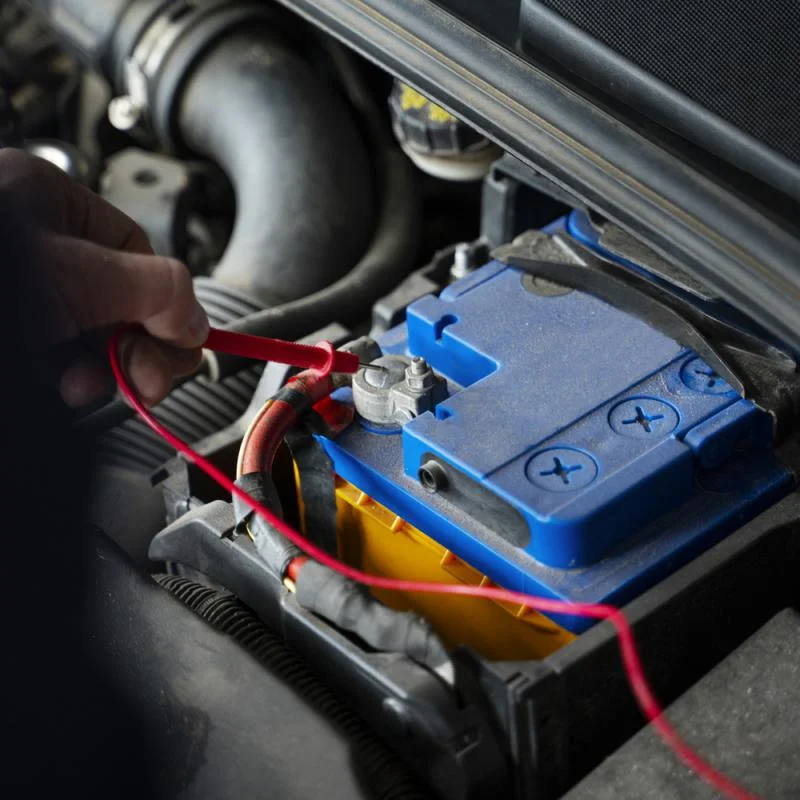
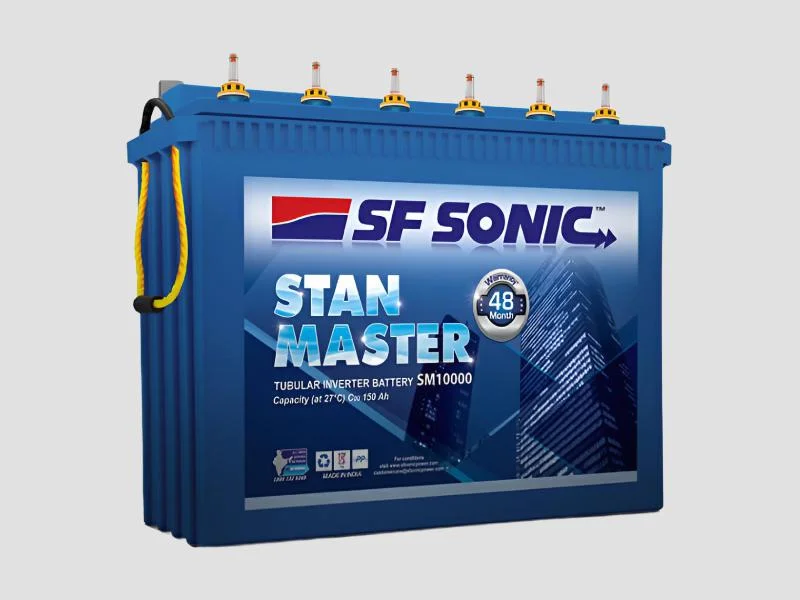
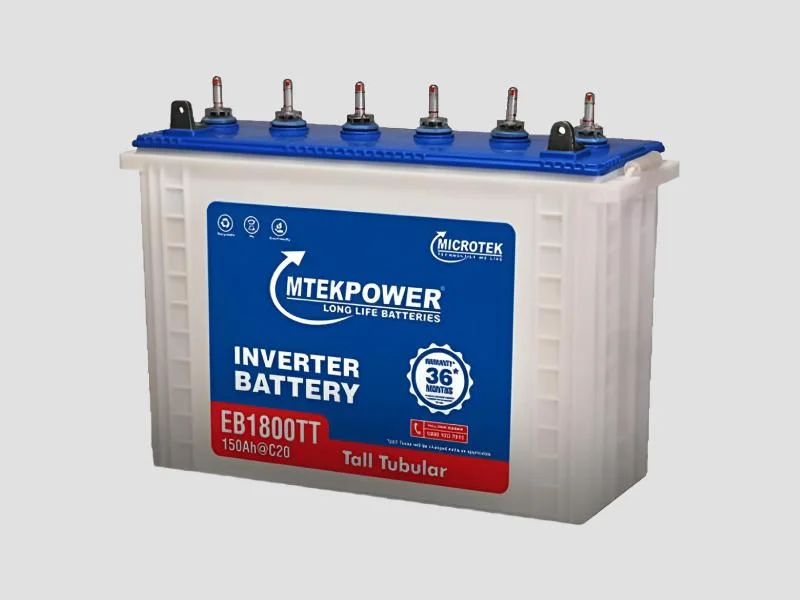
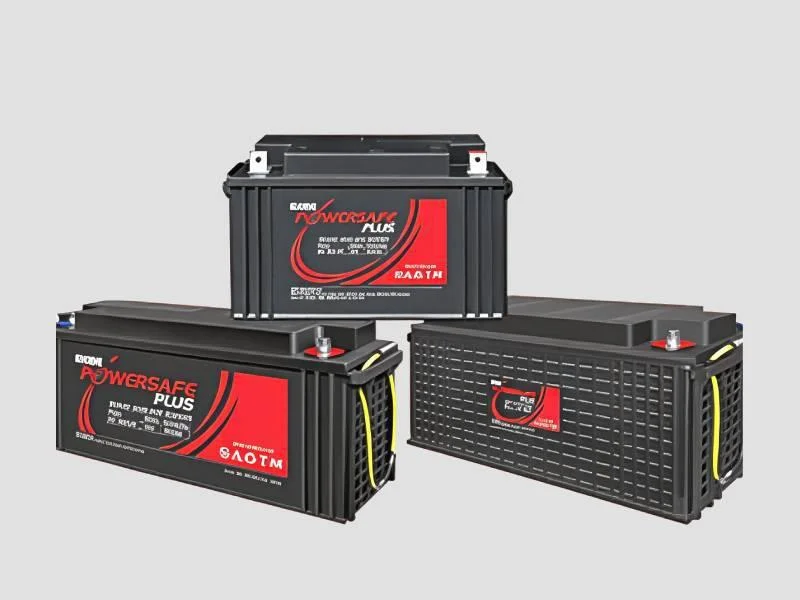
- Common battery types include lead-acid, lithium-ion, and sealed lead-acid
- Each type has distinct lifespan, charging time, and efficiency characteristics
6. Efficiency Rating
- Inverters typically have efficiencies ranging from 85% to 95%
- UPS systems also maintain high efficiency, often above 90%
7. Monitoring Features
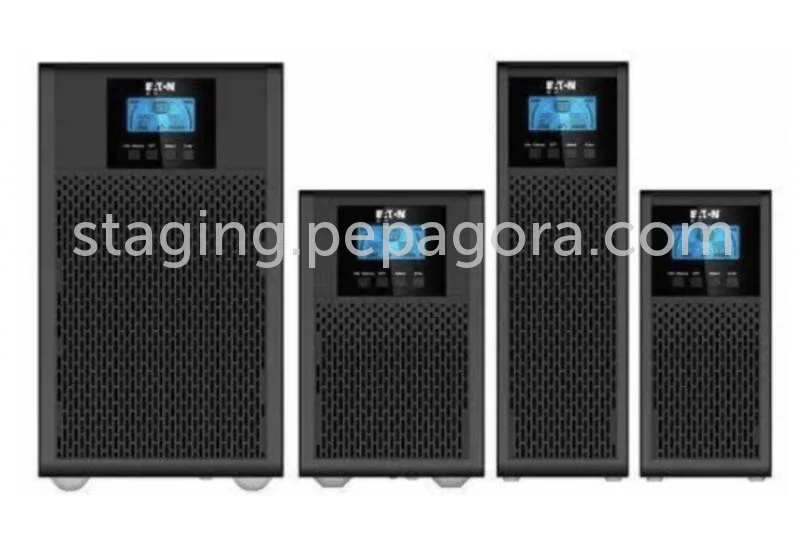
- Some models include digital displays for real-time monitoring
- Advanced models provide remote monitoring capabilities
8. Certification
- Look for compliance with quality standards such as CE for assurance of safety and reliability
In conclusion, understanding these specifications is essential for businesses to choose the right inverter or UPS system that aligns with their operational requirements.
𝗖𝗼𝗺𝗺𝗼𝗻 𝗔𝗽𝗽𝗹𝗶𝗰𝗮𝘁𝗶𝗼𝗻𝘀 𝗮𝗻𝗱 𝗨𝘀𝗲 𝗖𝗮𝘀𝗲𝘀
Inverters and UPS systems serve a multitude of industries, ensuring reliability and efficiency in power management.
1. Healthcare: Hospitals and clinics rely on UPS systems to maintain power for critical medical equipment during outages, ensuring patient safety.
2. Information Technology: Data centers utilize both inverters and UPS systems to protect servers and data storage from interruptions, preventing data loss and downtime.
3. Telecommunications: Telecom towers use inverters to convert solar power to AC and UPS systems to maintain connectivity during power failures.
4. Manufacturing: Inverters are employed to power machinery and equipment, while UPS systems ensure that automated processes remain uninterrupted.
5. Renewable Energy: Solar energy systems depend on inverters to convert generated DC power into usable AC power for homes and businesses.
6. Retail: Point of sale systems in retail environments are supported by UPS systems to ensure continuous operation during power outages.
7. Transportation: Inverters are used in electric vehicles and charging stations, converting battery power for vehicle operation and charging.
𝗣𝗿𝗼𝗱𝘂𝗰𝘁 𝗩𝗮𝗿𝗶𝗮𝗻𝘁𝘀 𝗮𝗻𝗱 𝗦𝘂𝗯𝗰𝗮𝘁𝗲𝗴𝗼𝗿𝗶𝗲𝘀
Inverters and UPS systems come in various configurations to meet diverse needs.
Stand-Alone Inverters: These inverters are designed for home or business use, enabling the utilization of solar energy or battery power for everyday electrical needs.
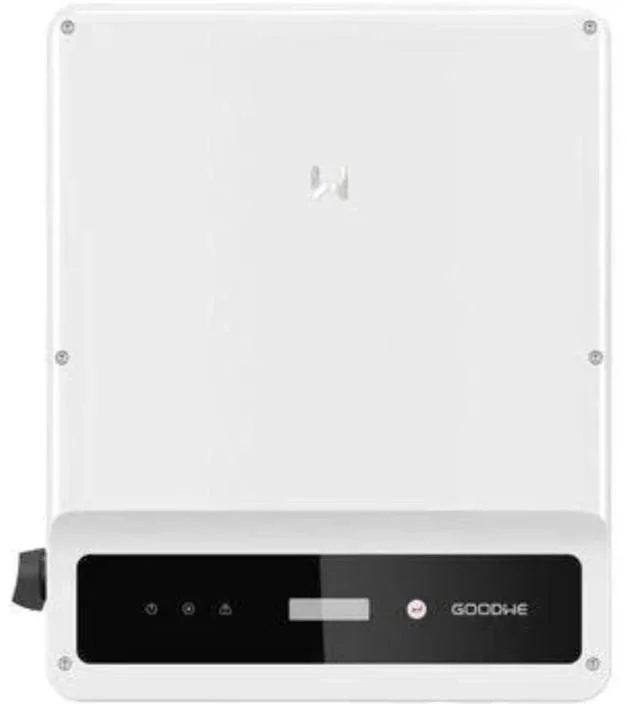
Grid-Tie Inverters: Specifically designed to work in conjunction with the electrical grid, these inverters allow surplus energy to be fed back into the grid, benefiting both the user and the utility.
Off-Grid Inverters: Ideal for remote locations, these inverters operate independently from the grid, making them essential for rural electrification projects.
Uninterruptible Power Supplies: Available in online and offline configurations, UPS systems provide seamless power backup and are critical for maintaining operational continuity in sensitive environments.
𝗕𝗲𝗻𝗲𝗳𝗶𝘁𝘀 𝗮𝗻𝗱 𝗔𝗱𝘃𝗮𝗻𝘁𝗮𝗴𝗲𝘀
Investing in high-quality inverters and UPS systems offers several advantages for businesses.
1. Energy Efficiency: Many modern inverters and UPS systems are designed to optimize energy usage, reducing operational costs.
2. Continuous Power Supply: UPS systems ensure that critical equipment remains powered during outages, minimizing downtime and potential data loss.
3. Protection Against Surges: Both systems protect sensitive electronics from power surges and fluctuations, extending the lifespan of equipment.
4. Environmentally Friendly: Inverters facilitate the use of renewable energy sources like solar power, contributing to sustainability goals.
5. Scalability: Many systems are available in various sizes and capacities, enabling businesses to scale as their power needs grow.
6. Enhanced Reliability: High-quality systems provide dependable performance, essential for industries that require uninterrupted power.
𝗕𝘂𝘆𝗶𝗻𝗴 𝗚𝘂𝗶𝗱𝗲 𝗳𝗼𝗿 𝗕𝟮𝗕 𝗕𝘂𝘆𝗲𝗿𝘀
When sourcing inverters and UPS systems, it is important to consider several key factors to ensure the right fit for your business needs.
1. Quality Assessment: Look for products certified by recognized industry standards, ensuring reliability and performance. Understanding warranty terms and service agreements is also crucial.
2. Supplier Verification: Research potential suppliers to confirm their reputation and experience in the industry. Reliable suppliers should provide references and product samples.
3. Pricing and MOQ: Evaluate pricing structures and minimum order quantities (MOQ) that align with your budget and project requirements. Compare quotes from multiple suppliers for the best value.
4. Delivery and Lead Times: Assess the supplier’s ability to meet your required delivery timelines. Understanding lead times can help in planning your projects effectively.
5. Compliance Requirements: Ensure that the products meet local regulations and industry standards. This includes safety certifications and environmental compliance.
𝗖𝗼𝗺𝗽𝗹𝗶𝗮𝗻𝗰𝗲 𝗮𝗻𝗱 𝗖𝗲𝗿𝘁𝗶𝗳𝗶𝗰𝗮𝘁𝗶𝗼𝗻𝘀
Inverters and UPS systems must adhere to various quality standards and regulations to ensure safety and reliability. Common standards include ISO 9001, which focuses on quality management systems, and CE marking, indicating compliance with European health and safety regulations.
Additionally, adherence to safety and testing requirements is critical. This encompasses rigorous testing procedures to verify performance under different conditions, ensuring that products can withstand operational demands.
Regional compliance considerations may also be significant. Depending on the market, specific certifications may be required to meet local regulations, making it essential for businesses to verify compliance with their region's standards.
𝗪𝗵𝘆 𝗦𝗼𝘂𝗿𝗰𝗲 𝗜𝗻𝘃𝗲𝗿𝘁𝗲𝗿𝘀 & 𝗨𝗣𝗦 𝗦𝘆𝘀𝘁𝗲𝗺𝘀 𝗳𝗿𝗼𝗺 𝗣𝗲𝗽𝗮𝗴𝗼𝗿𝗮?
Pepagora provides a trusted platform for sourcing inverters and UPS systems, emphasizing reliability and quality in its offerings.
Verified Supplier Network: Pepagora connects buyers with a network of verified suppliers, ensuring that all listed products meet stringent quality standards.
Streamlined RFQ Process: The platform facilitates a straightforward Request for Quotation (RFQ) process, allowing buyers to obtain competitive quotes efficiently and effectively.
Trade Assurance and Support: Buyers benefit from trade assurance policies that protect their purchases, providing peace of mind throughout the sourcing process.
Regional Coverage: With a focus on markets in India, the GCC, and Southeast Asia, Pepagora offers extensive geographic reach, ensuring that businesses can find the right products regardless of location.

 IN
IN