IN
IN₹
Apparel & Fashion
Loading subcategories...
View More
Description
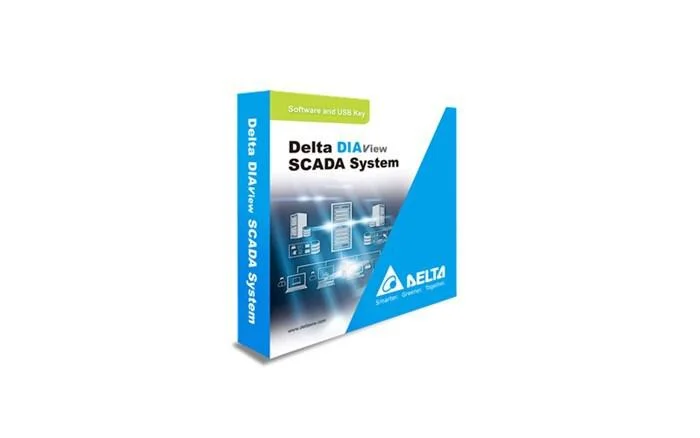
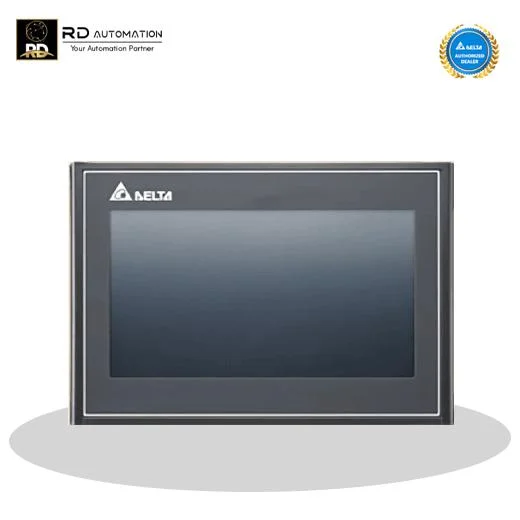
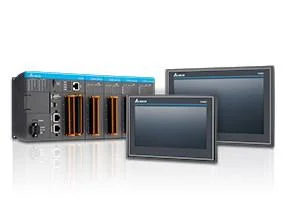
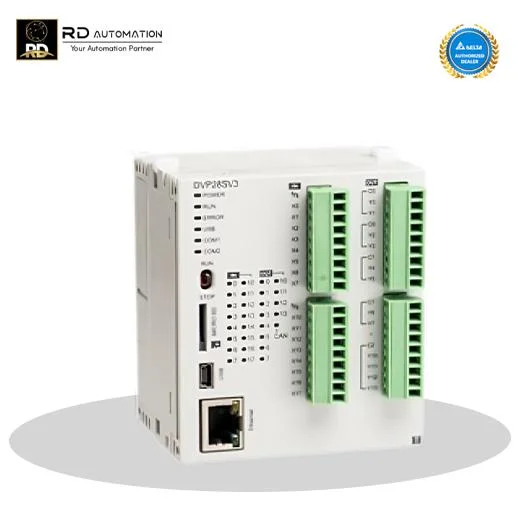
Delta PLC systems represent advanced industrial automation solutions designed for precise machine control and process optimization. These programmable logic controllers combine robust hardware with sophisticated software capabilities to deliver reliable performance in demanding industrial environments. With models including DVP-SV, AH500, AS, AX-5, AX-8, AS324MT-A, AS228T-A, DVP50MC, DVPES3, DVP28SV, and DVP10SX, the systems offer scalable solutions from basic machine control to complex networked automation. Their architecture supports multiple programming methods including ladder logic, function block, and sequential chart programming, providing flexibility for various technical requirements while maintaining operational simplicity.

These PLC systems serve critical functions across multiple industrial sectors where automation enhances productivity and consistency. In manufacturing environments, they coordinate assembly lines, robotic systems, and quality control processes. Process in...
Delta PLC systems represent advanced industrial automation solutions designed for precise machine control and process optimization. These programmable logic controllers combine robust hardware with sophisticated software capabilities to deliver reliable performance in demanding industrial environments. With models including DVP-SV, AH500, AS, AX-5, AX-8, AS324MT-A, AS228T-A, DVP50MC, DVPES3, DVP28SV, and DVP10SX, the systems offer scalable solutions from basic machine control to complex networked automation. Their architecture supports multiple programming methods including ladder logic, function block, and sequential chart programming, providing flexibility for various technical requirements while maintaining operational simplicity.

These PLC systems serve critical functions across multiple industrial sectors where automation enhances productivity and consistency. In manufacturing environments, they coordinate assembly lines, robotic systems, and quality control processes. Process industries including chemical production, textile manufacturing, and food processing utilize them for precise temperature, pressure, and flow regulation. Material handling operations benefit from their coordination of conveyor systems, sorting mechanisms, and warehouse automation. The systems also support infrastructure applications such as water treatment facilities, building management systems, and energy monitoring installations where reliable control is essential for continuous operation.

The business value of Delta PLC systems lies in their proven reliability and operational efficiency that directly impacts production outcomes. Built to withstand harsh industrial conditions with extended temperature ranges and vibration resistance, these controllers minimize downtime through consistent performance. Their fast processing capabilities enable real-time response to changing conditions, while expandable I/O configurations allow system growth without complete replacement. Advanced communication protocols facilitate integration with existing equipment and supervisory systems, creating cohesive automation networks. This combination of durability, flexibility, and performance translates to reduced maintenance costs, improved product consistency, and enhanced overall equipment effectiveness for operations seeking sustainable automation solutions.

Key Features:
- Fast processing capabilities for real-time machine control and response
- Flexible I/O configurations with expandable options for system growth
- Multiple programming methods including ladder logic and function blocks
- Robust construction designed for harsh industrial environments
- Advanced communication protocols for seamless system integration

Benefits:
- Enhanced production efficiency through precise automation control
- Reduced operational downtime with reliable performance
- Improved product consistency with accurate process regulation
- Scalable solutions that grow with operational requirements
- Lower maintenance costs through durable construction and design
Specifications
| Additional Information | |
|---|---|
| Country of Origin | India |
| Customisable | No |
Application
Delta PLC systems provide versatile automation control across diverse industrial environments. These programmable logic controllers manage complex machinery operations with precision, ensuring consistent performance in demanding settings where reliability is critical for continuous production cycles.
From manufacturing assembly lines to specialized process industries, these PLCs adapt to various control requirements. Their scalable architecture supports everything from basic machine functions to sophisticated networked automation systems, making them suitable for operations seeking to enhance efficiency through advanced control technology.
Real-world applications:
- Manufacturing assembly line automation for automotive and electronics production
- Process control in chemical, pharmaceutical, and food processing facilities
- Material handling and conveyor system coordination in logistics centers
- Packaging machinery operation with precise timing and sequence control
- Water treatment plant automation for monitoring and regulating filtration processes
Trade Details
| Available Stock | In Stock |
| Sample Availability | No |
Payment Terms
| Payment Terms |
|
| Payment Methods |
|
Company Profile
RD Automation, Tamil Nadu
 Tamil Nadu, India
Tamil Nadu, IndiaIndustrial Equipment & Machinery•Manufacturer
Factory Details
Factory SizeBelow 1000 sqm
Delta PLC Systems for Industrial Automation Applications
Delta PLC systems from RD Automation deliver reliable industrial automation control with fast processing, flexible I/O, and robust communication for optimized machinery and production processes.
Min. Order Quantity: 1 piece
Shipping
Shipping fee and delivery date to be negotiated. Contact supplier now for more details.
RD Automation
 Tamil Nadu, India
Tamil Nadu, IndiaIndustrial Equipment & MachineryManufacturer