
 IN
Pressure Agitated Vessels
96 products available
What are Pressure Agitated Vessels?
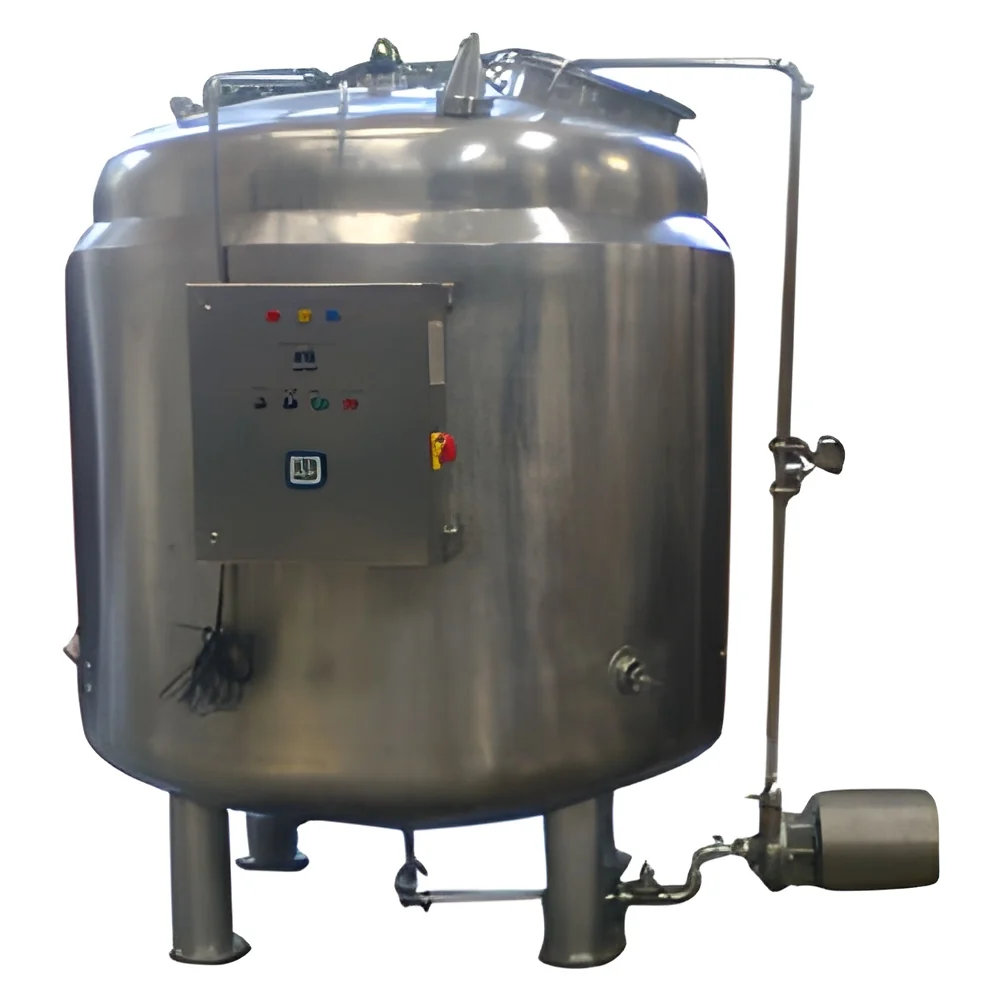
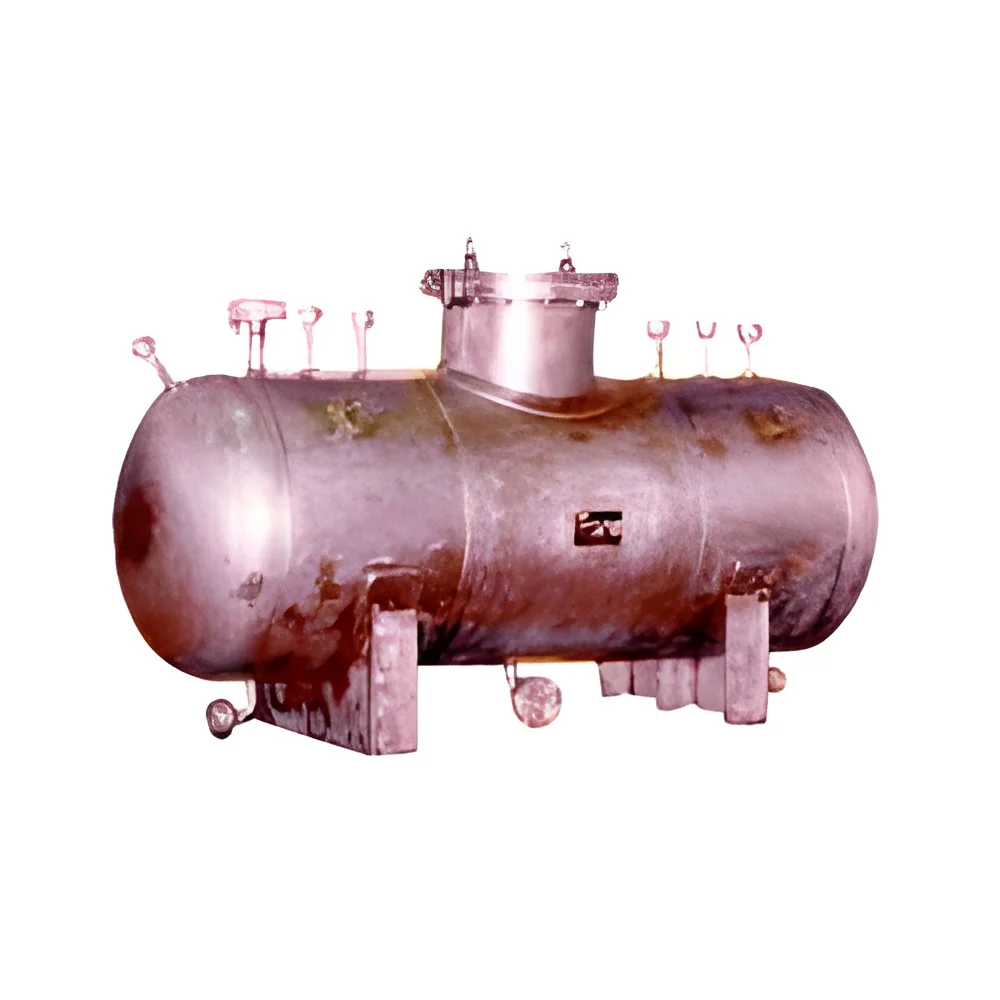
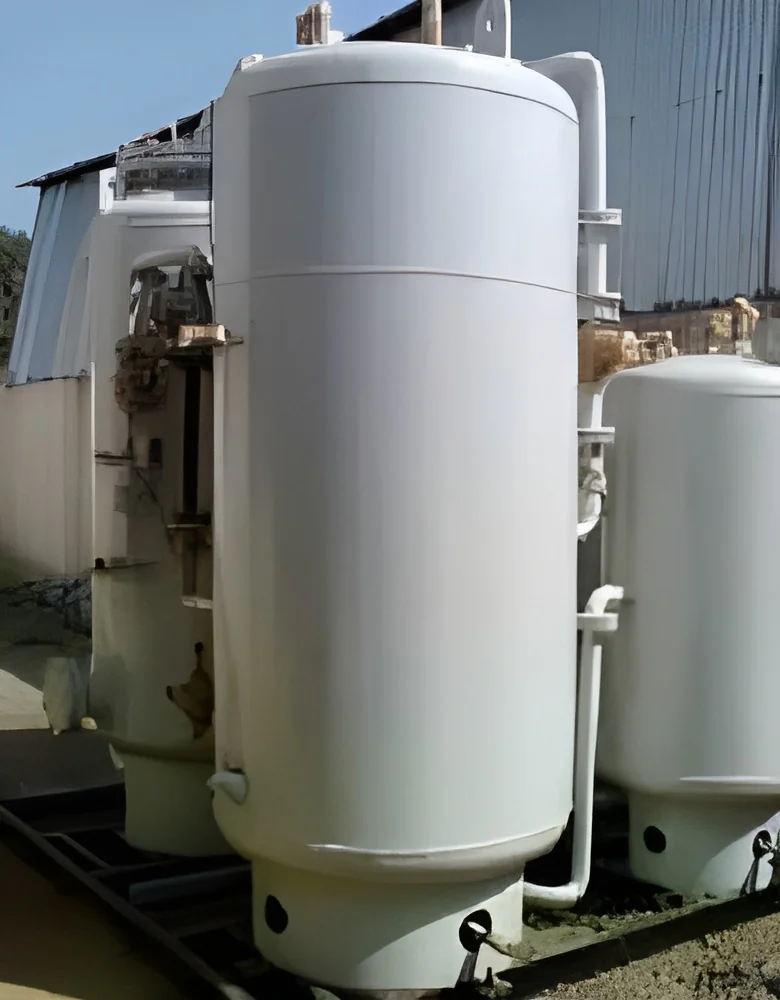
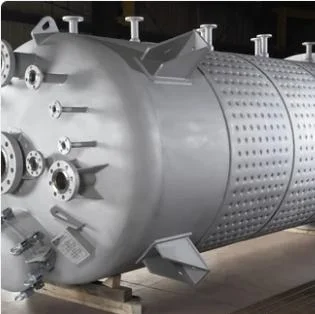
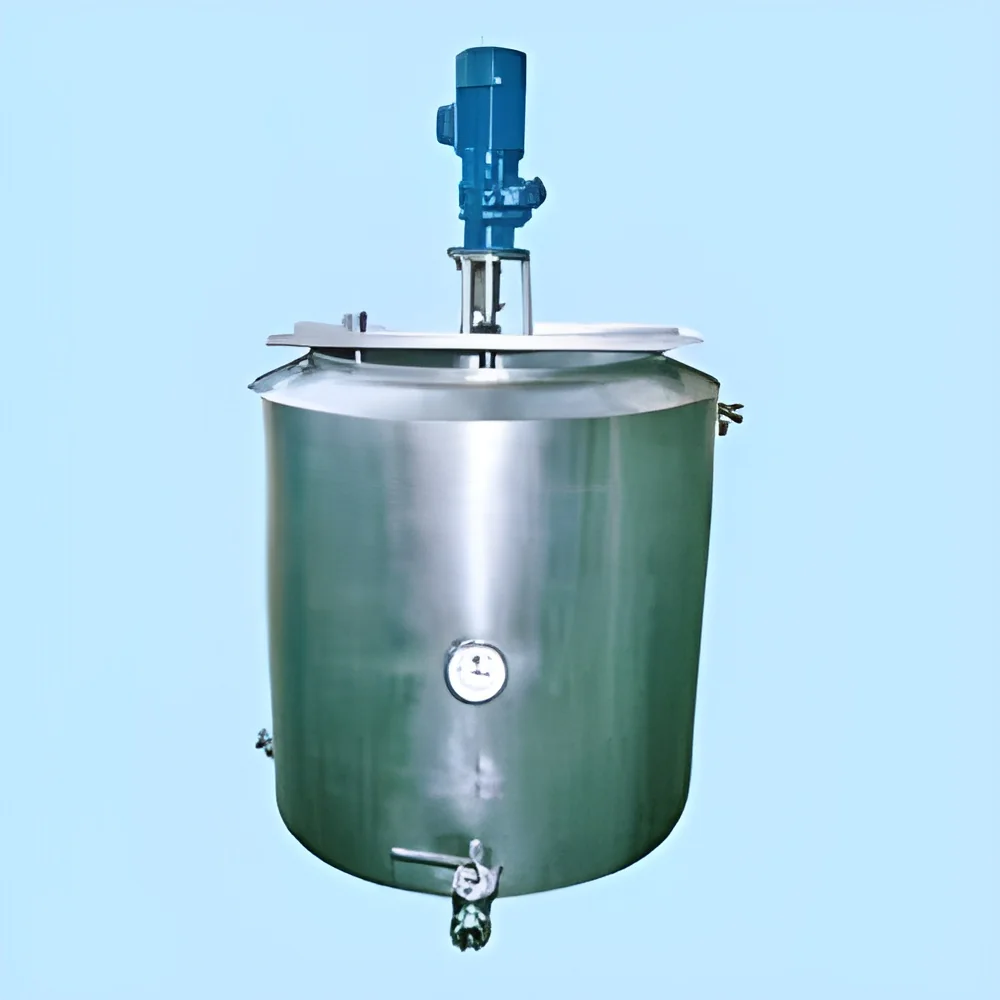
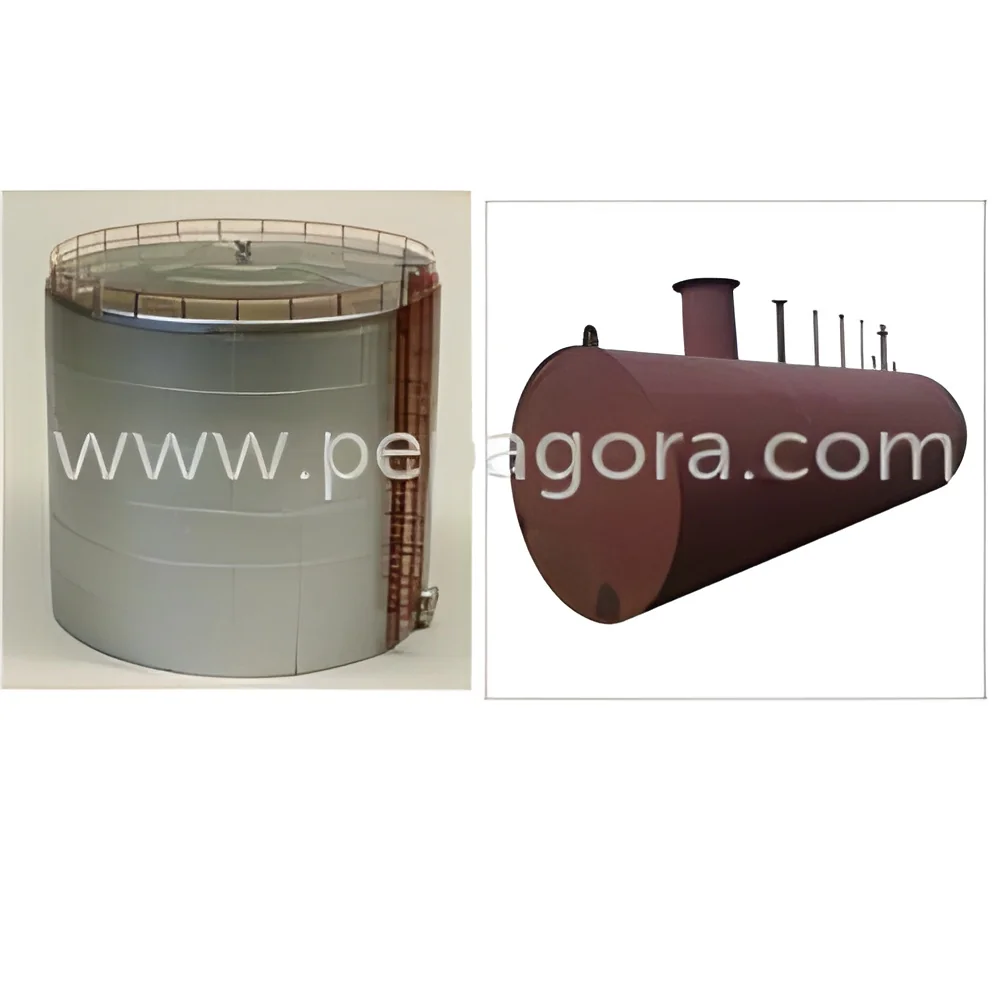
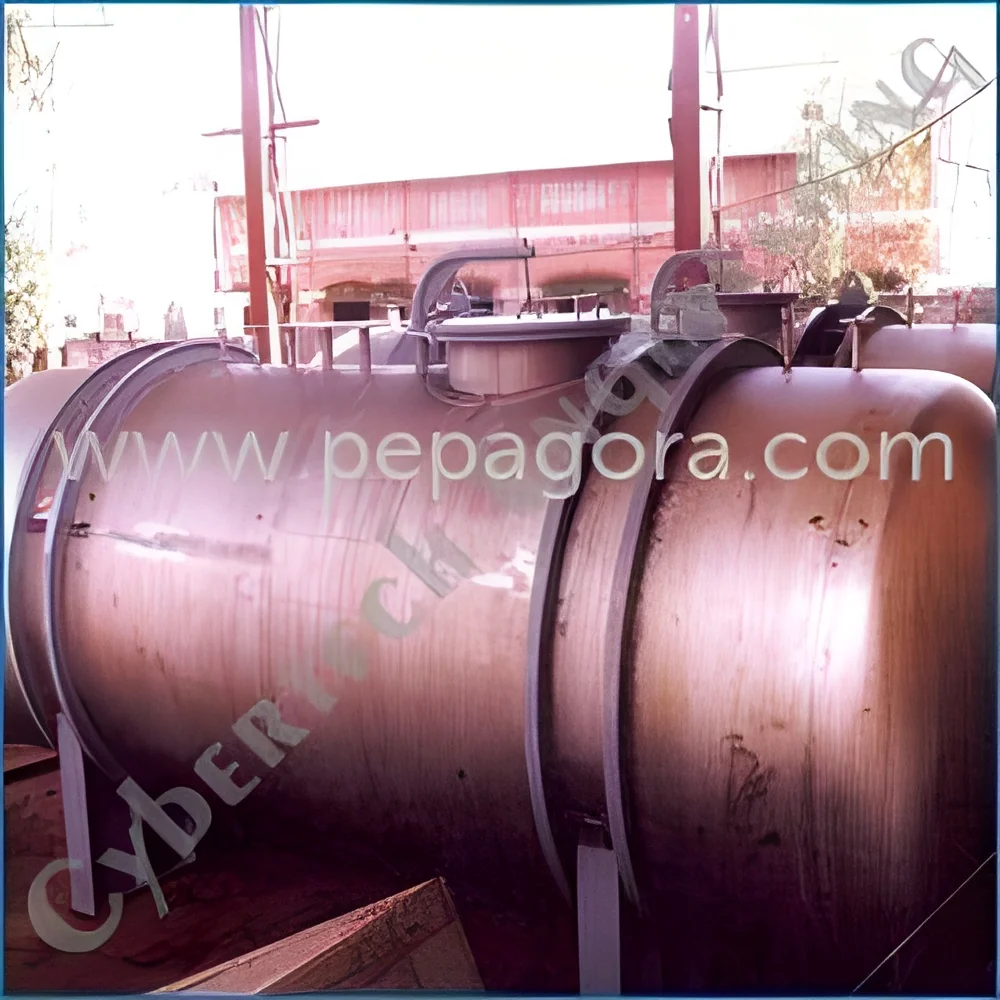
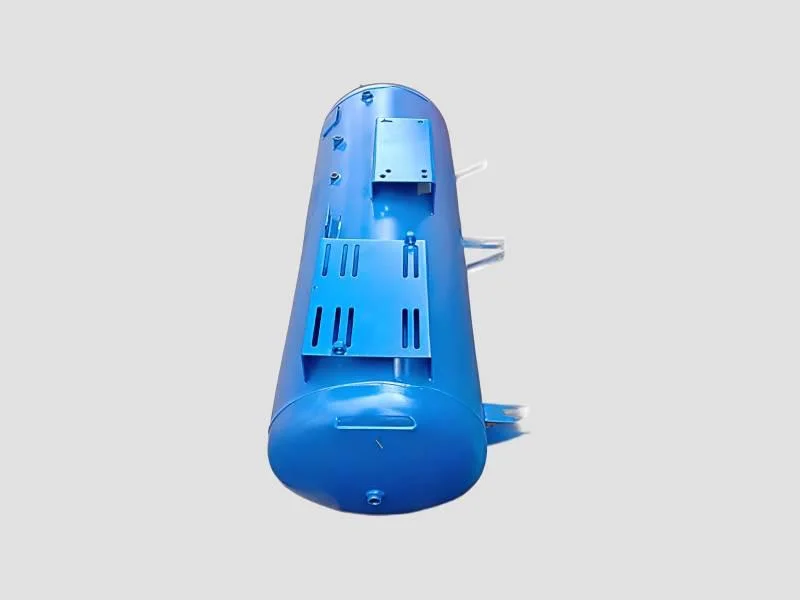
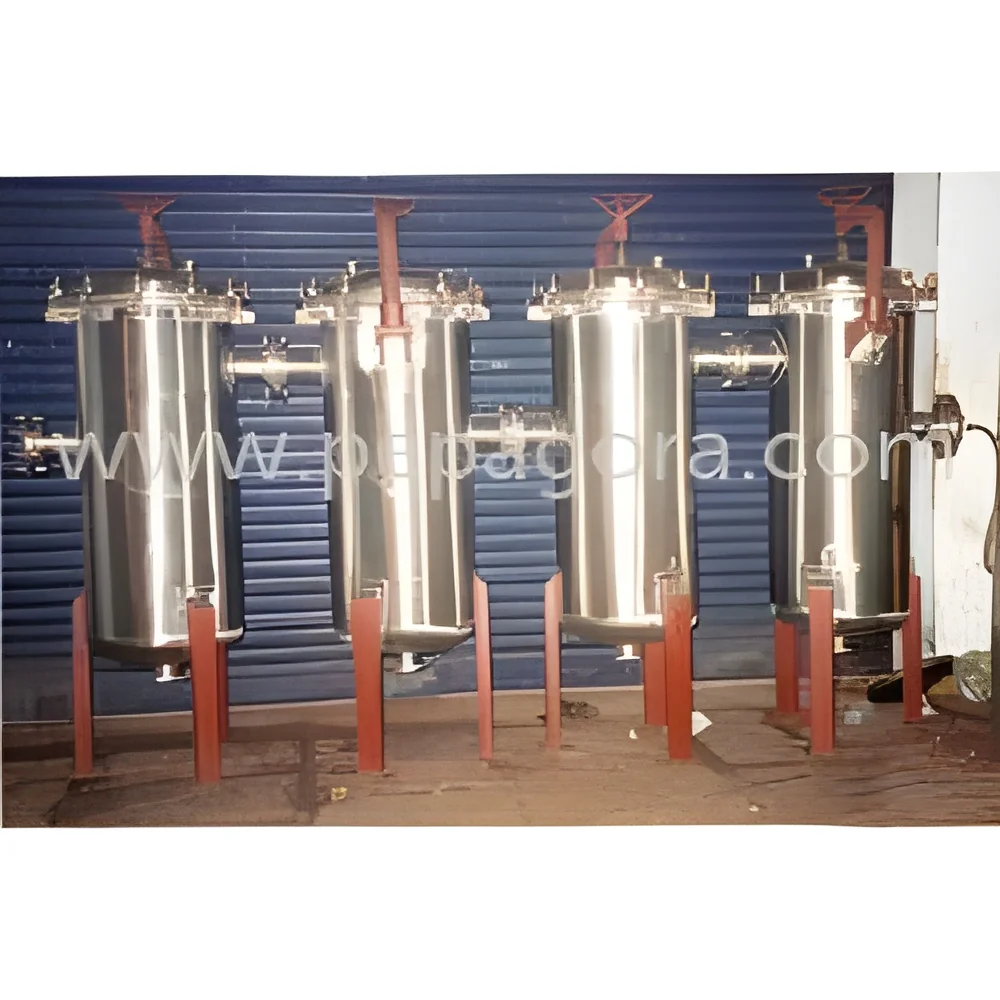
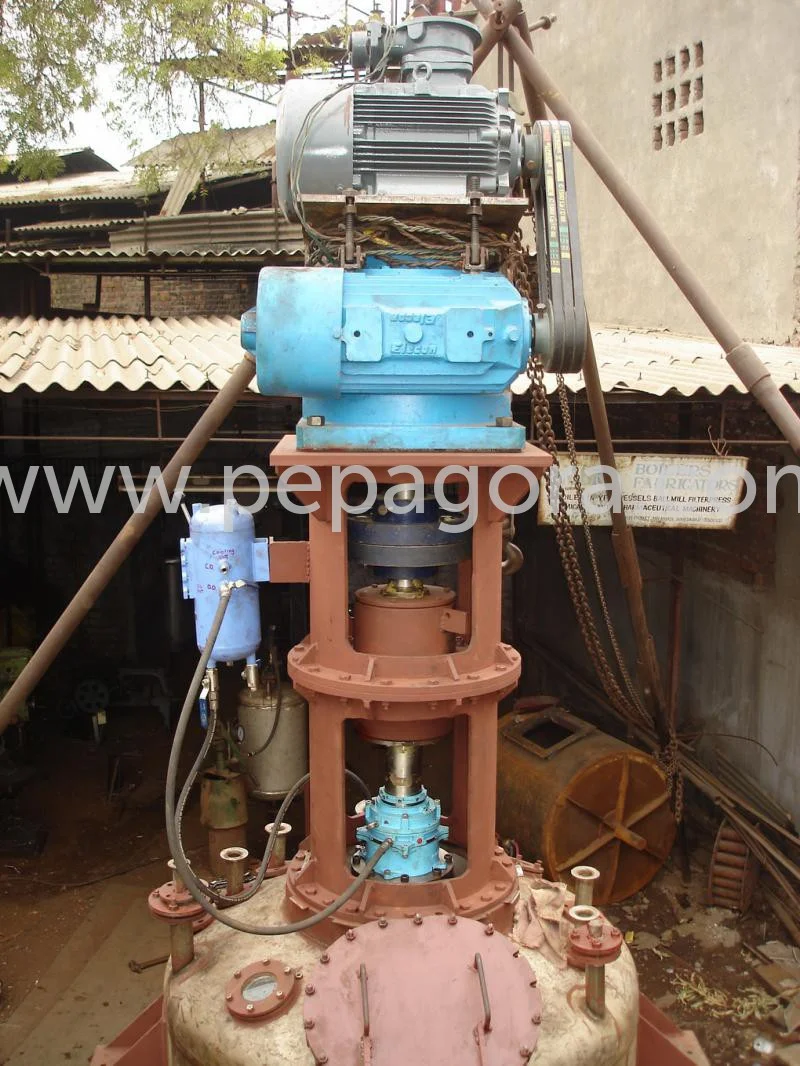
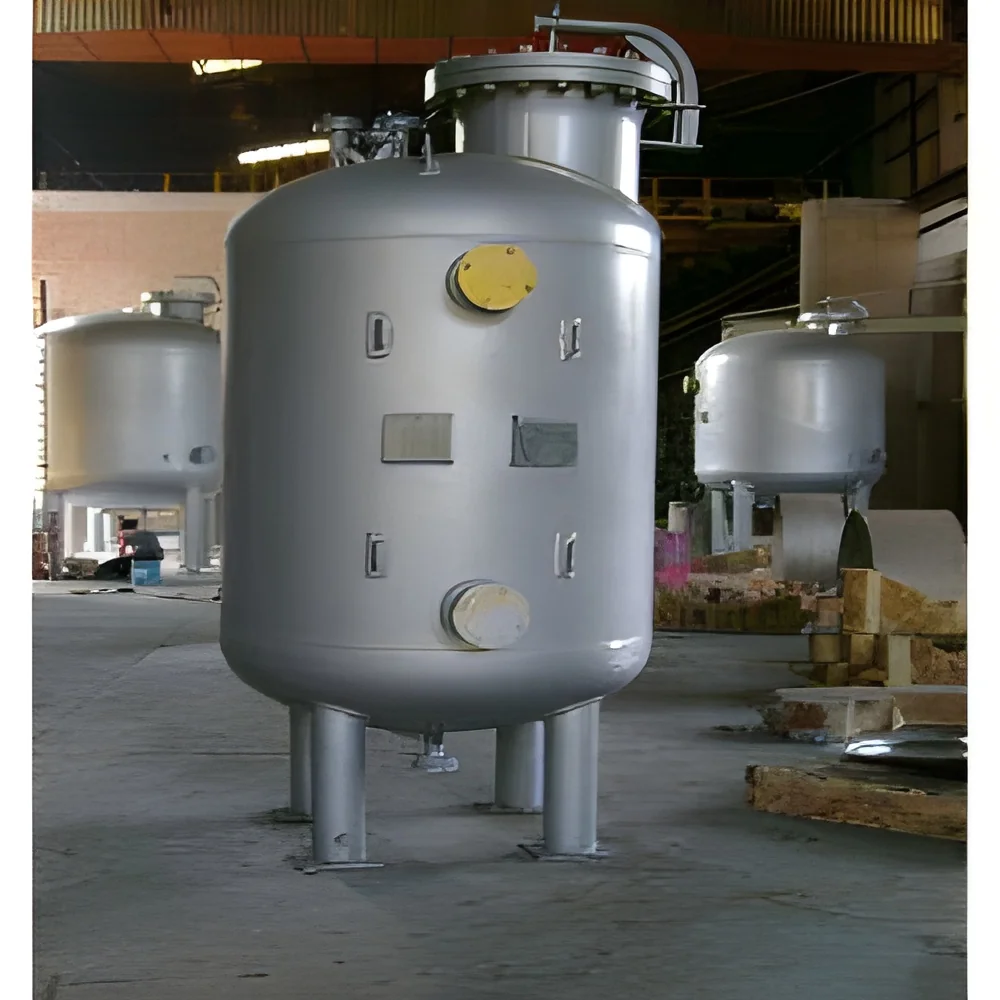
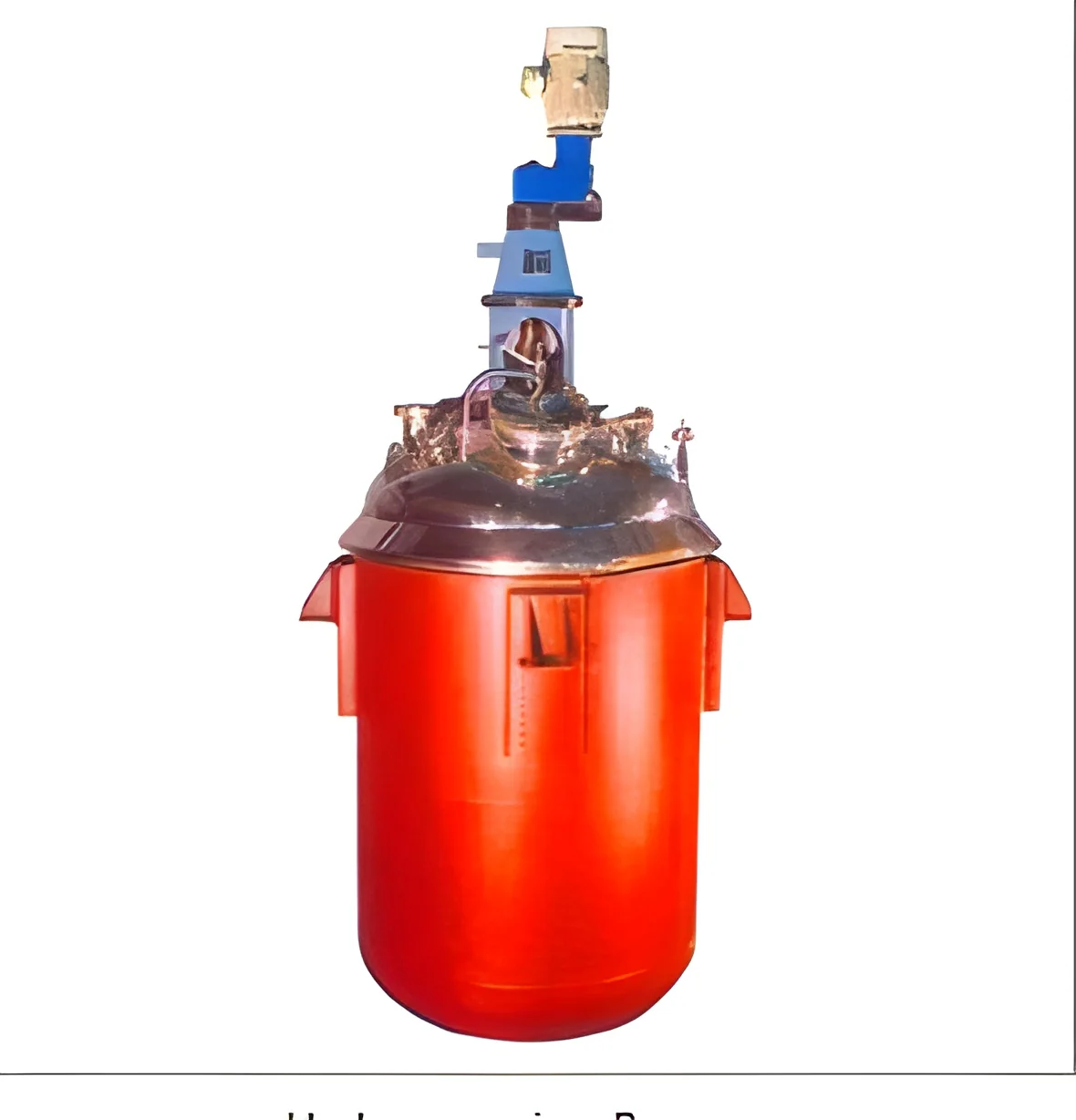
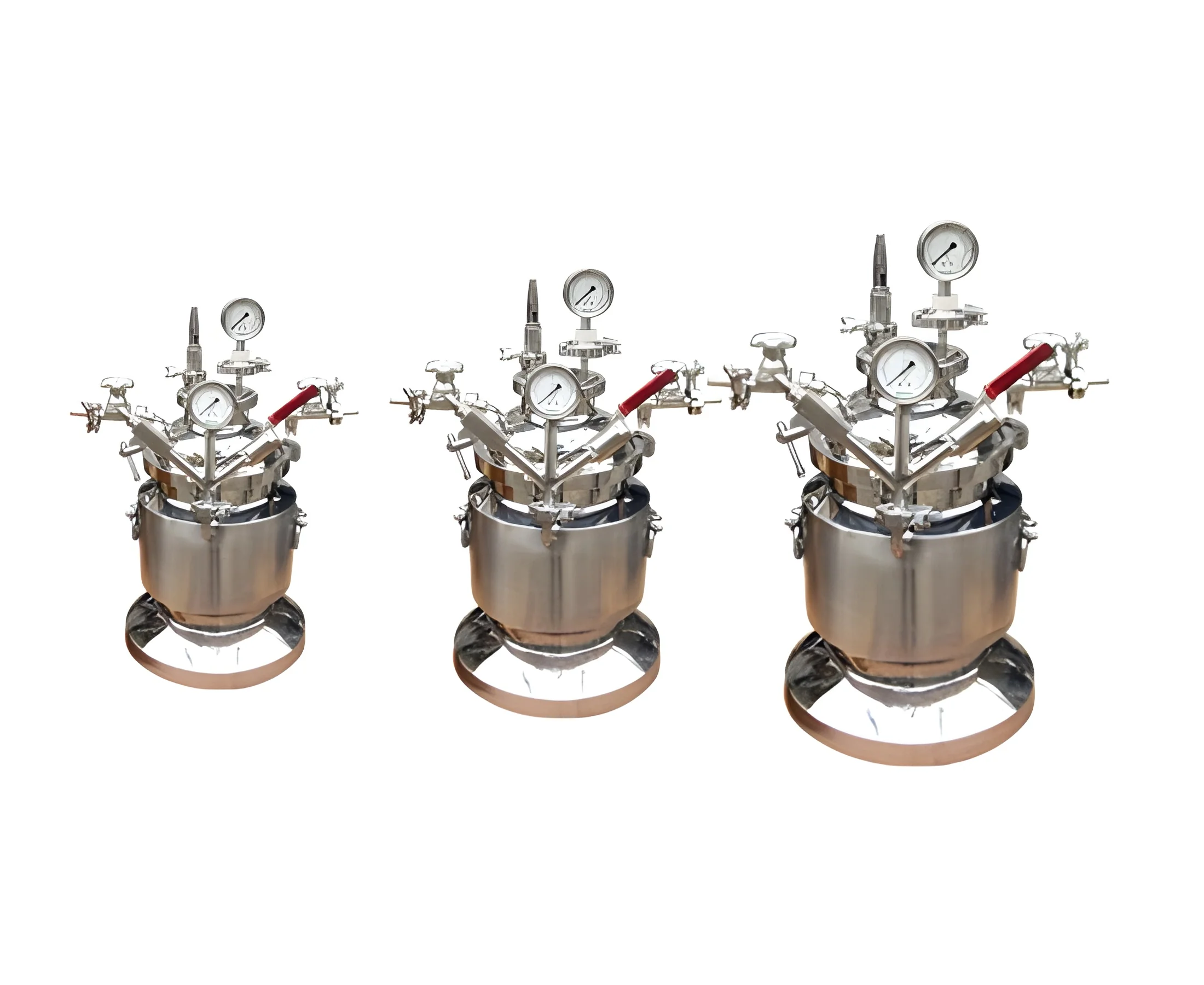
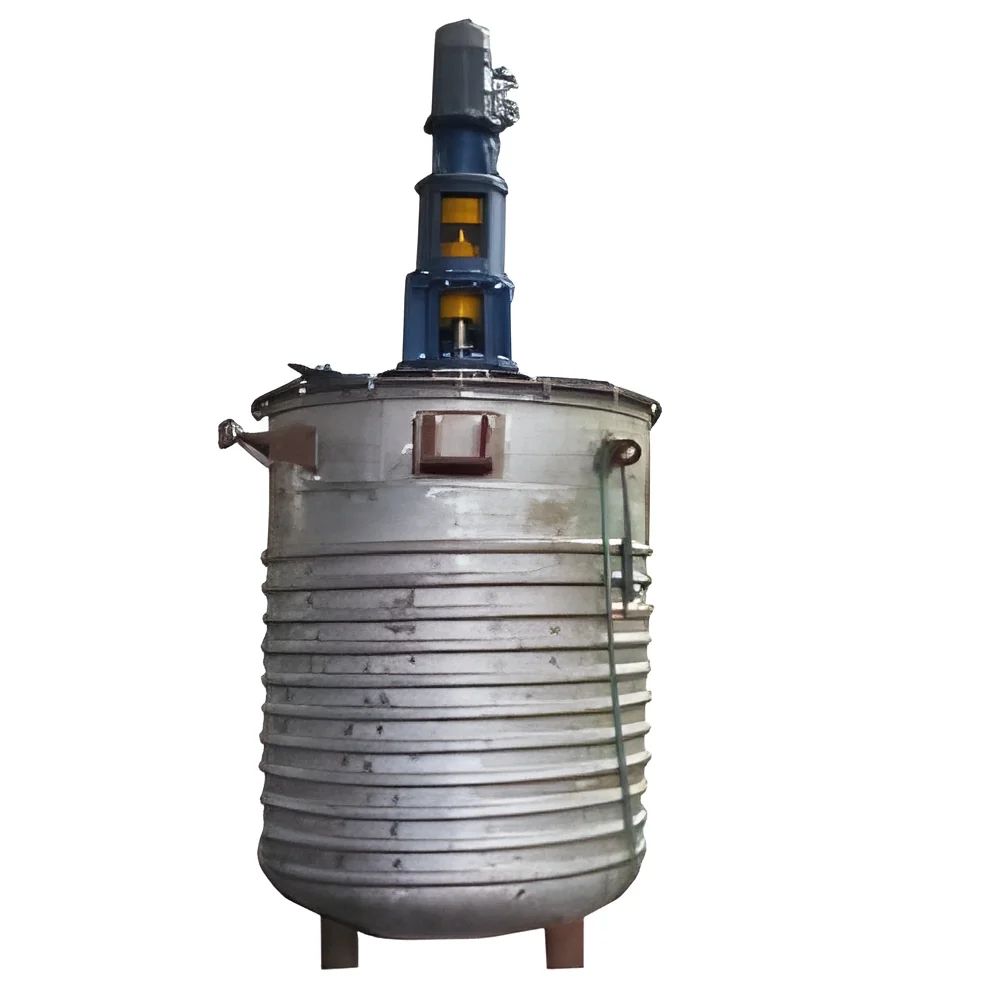
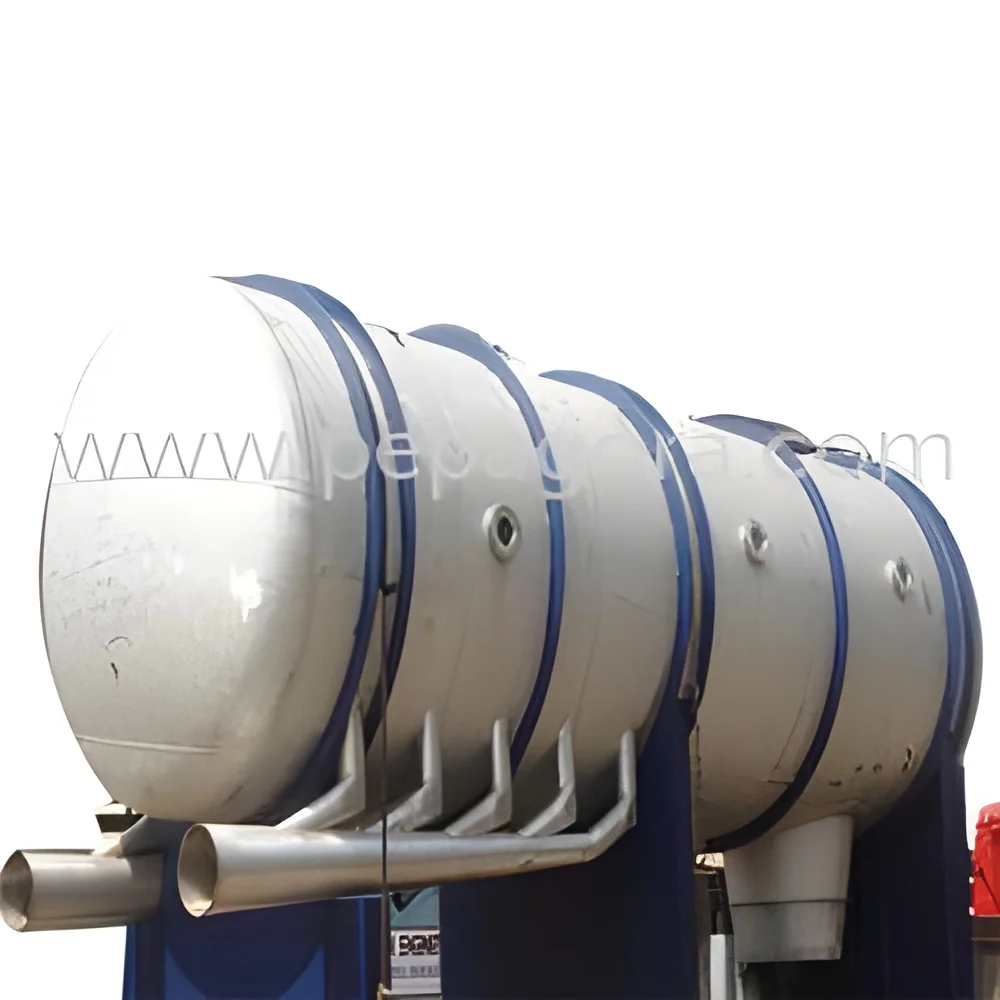
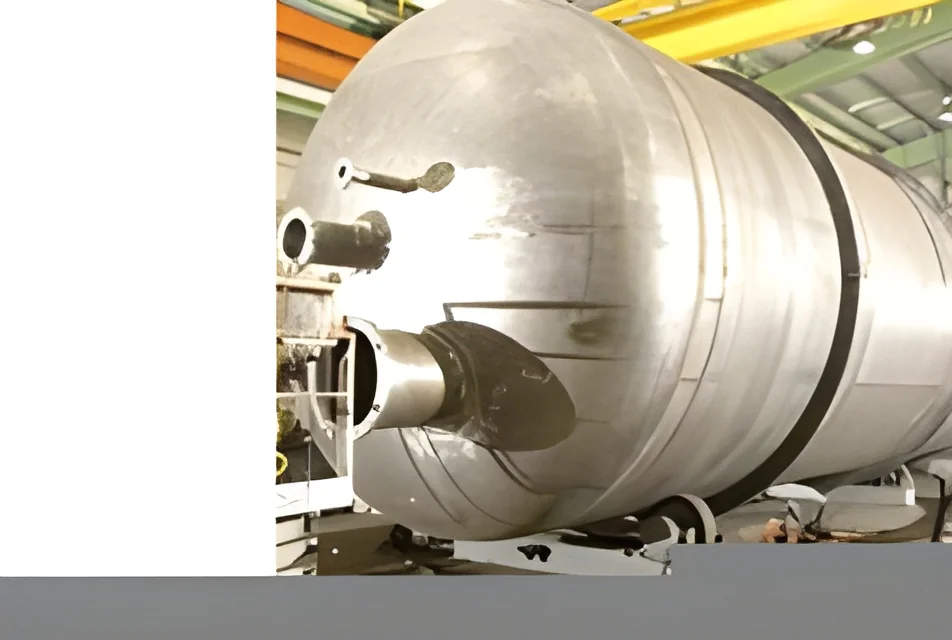
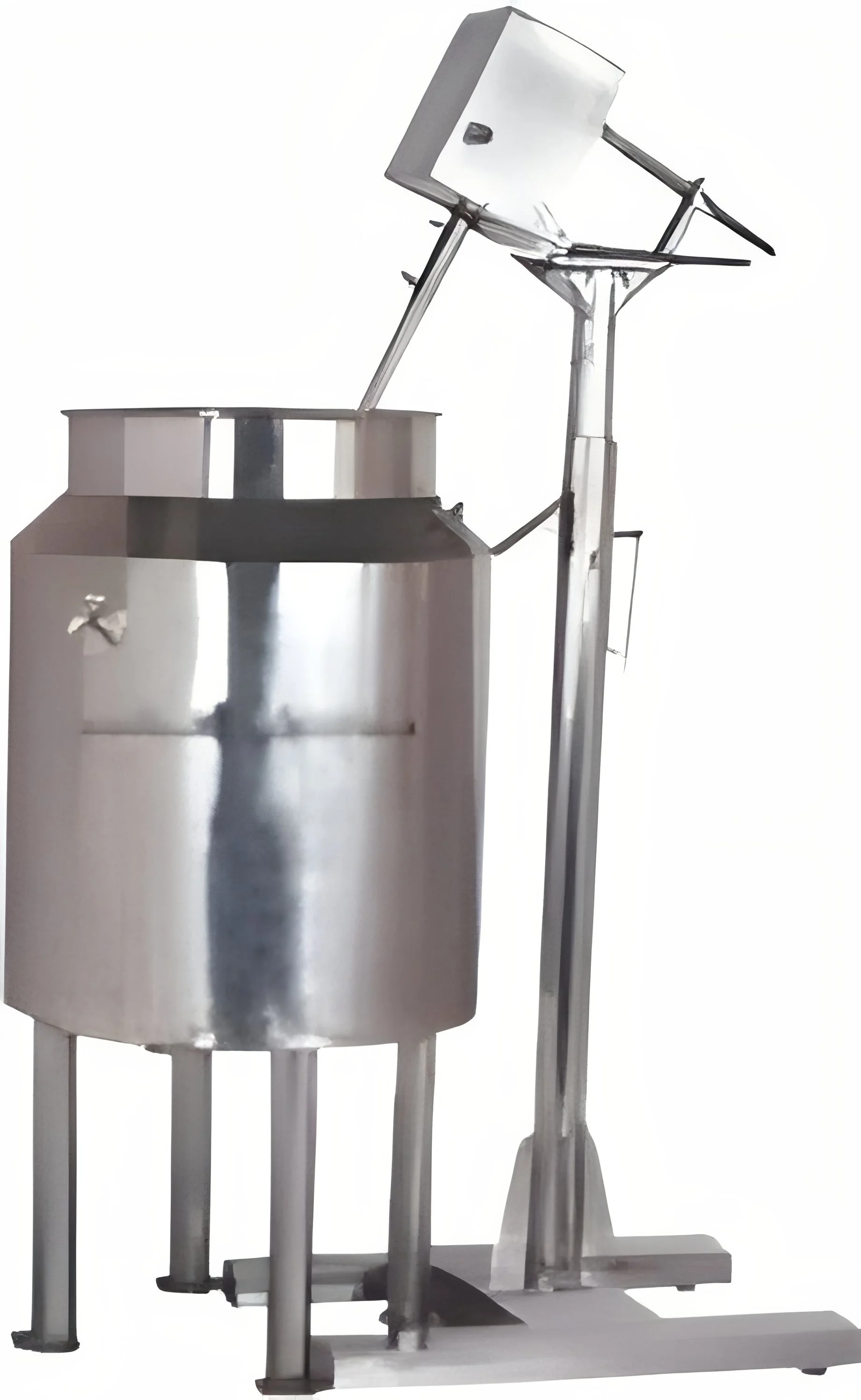
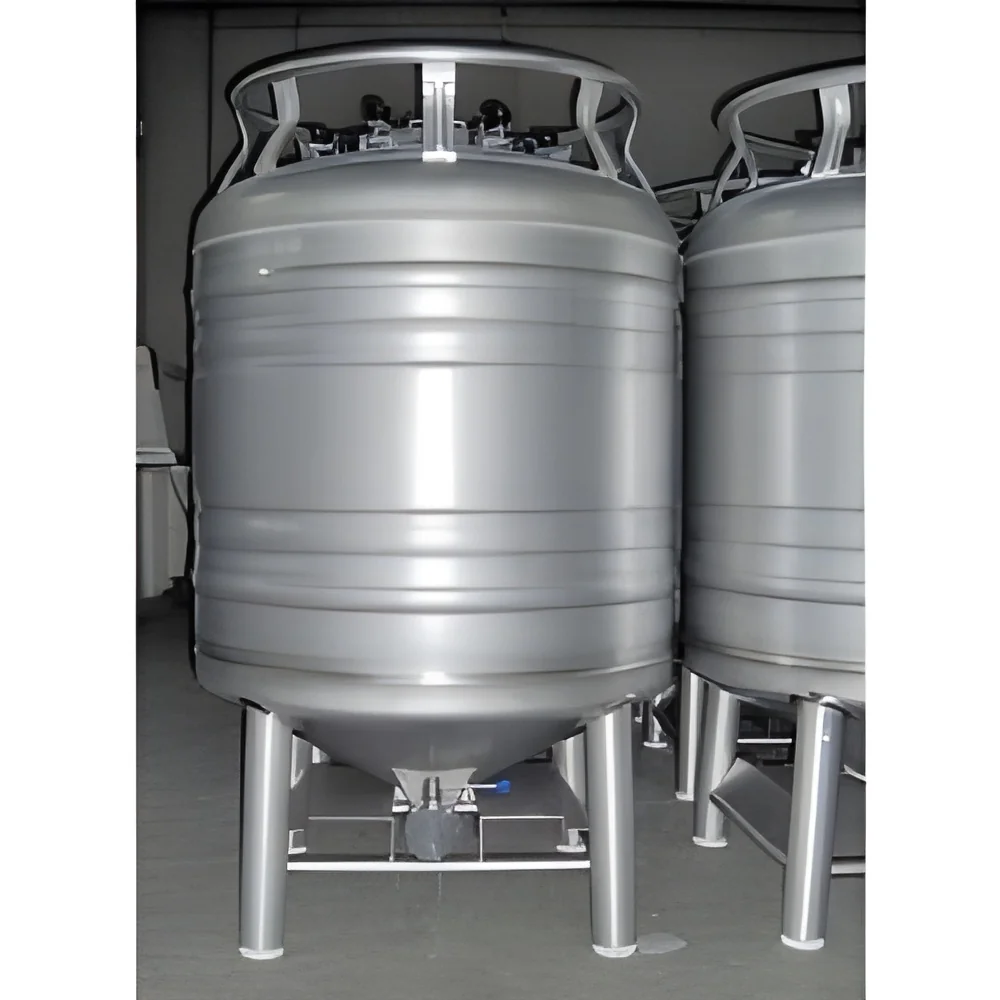
Pressure agitated vessels are specialized containers designed for mixing, heating, and storing liquids under controlled pressure conditions. These vessels typically feature an internal agitation mechanism that helps ensure uniform mixing of contents, which is essential in various chemical and industrial processes. The ability to maintain pressure allows for higher boiling points and prevents vaporization of the contents, making them indispensable in applications requiring precise temperature and pressure control.
These vessels find primary uses in industries such as pharmaceuticals, chemicals, food and beverage, and petrochemicals. Businesses utilize pressure agitated vessels to facilitate processes such as chemical reactions, ingredient blending, and heat transfer. Their relevance extends across a variety of sectors where consistent quality and efficiency are paramount. As market demands for higher productivity and safety standards grow, the importance of pressure agitated vessels in industrial operations continues to increase.
Key Features and Specifications
Pressure agitated vessels come with numerous features that enhance their functionality and application range. Understanding these specifications is crucial for selecting the right product for specific industrial needs.
Key specifications include:
1. Material of Construction
- Typically made from stainless steel or other corrosion-resistant materials
- Options may vary based on application requirements
2. Operating Pressure Range
- Designed to operate under various pressure conditions
- Common ranges include from atmospheric pressure up to several hundred psi
3. Agitation Type
- Includes various agitation mechanisms such as mechanical stirrers, magnetic stirrers, or jet mixing systems
- Selection depends on the viscosity and nature of the materials being mixed
4. Capacity
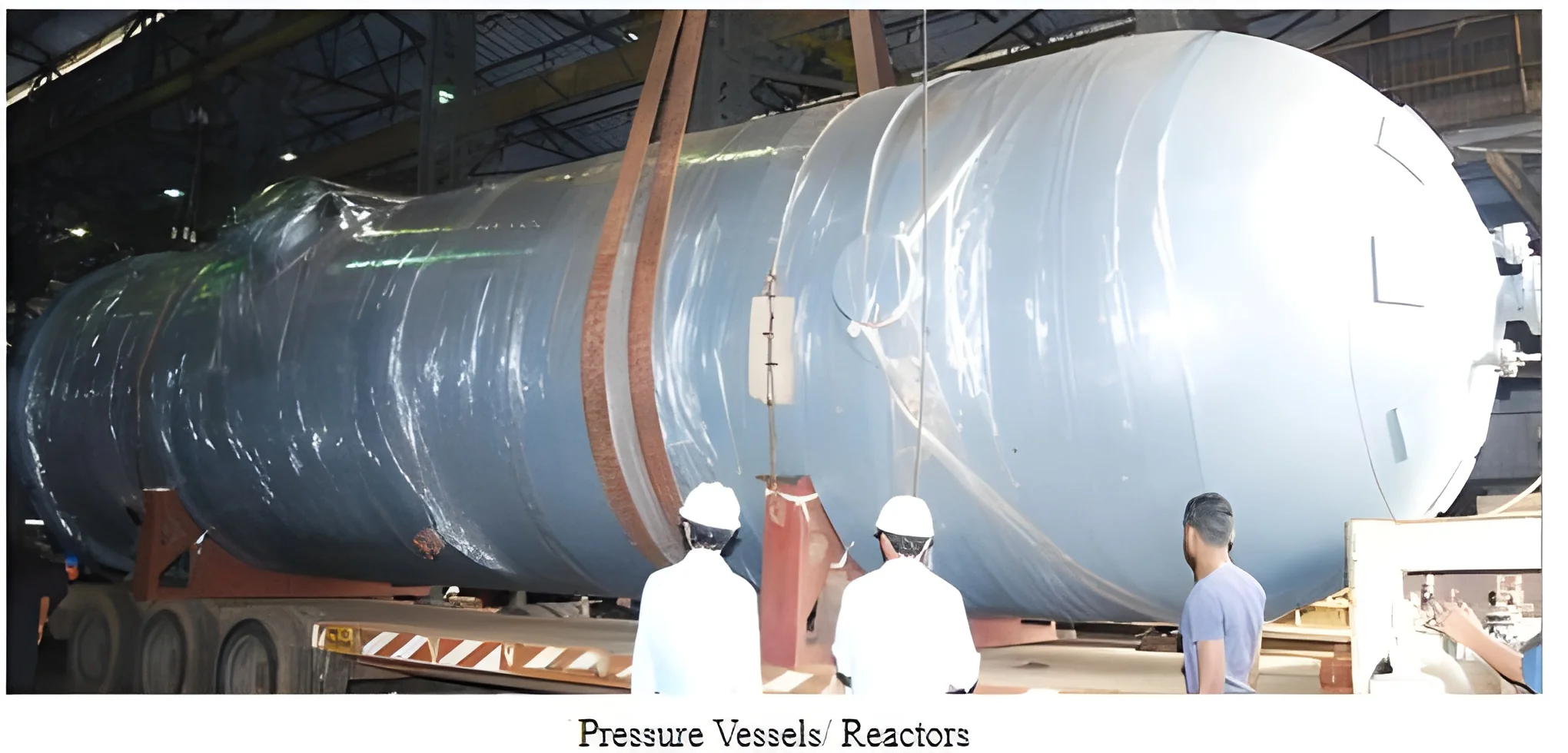
- Available in different sizes, from small lab-scale vessels to large industrial units
- Capacities can range from a few liters to several thousand liters
5. Heating and Cooling Systems
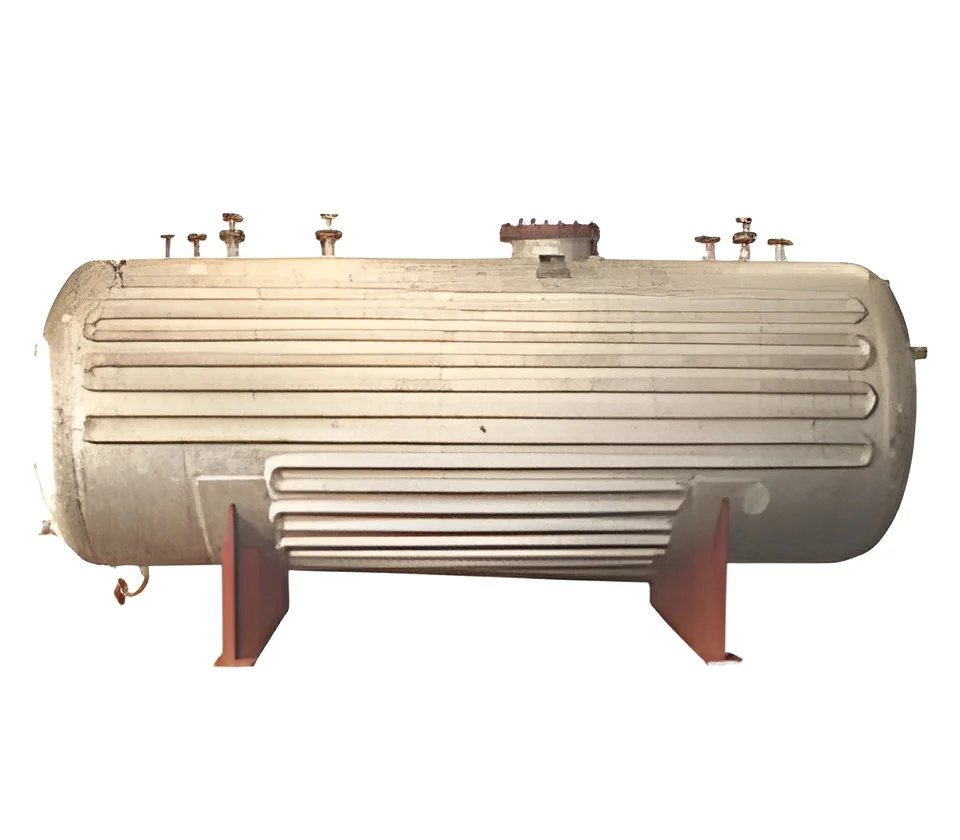
- Vessels may include integrated heating jackets or cooling coils for temperature control
- Ensures optimal conditions for reactions or processes
6. Safety Features
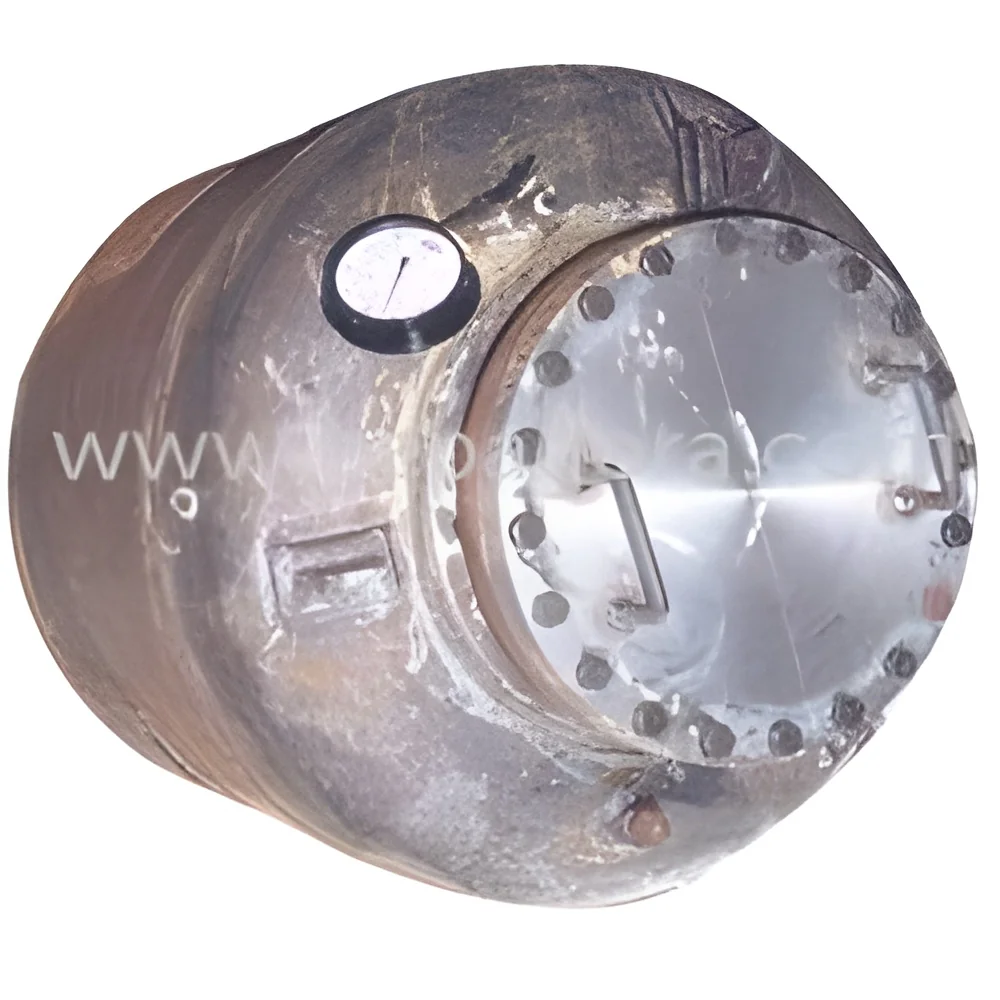
- Equipped with pressure relief valves, manways, and explosion-proof constructions
- Designed to comply with safety regulations to prevent accidents
7. Customization Options
- Many manufacturers offer customization for specific process requirements
- Tailored designs can include additional features such as monitoring systems
8. Cleaning and Maintenance
- Designed for easy cleaning, often featuring smooth surfaces and minimal crevices
- Some models may support automated cleaning systems
In summary, pressure agitated vessels are characterized by their robust construction, versatile applications, and advanced safety features, making them a vital component in various industrial operations.
Common Applications and Use Cases
Pressure agitated vessels serve a diverse range of industries, each with unique applications that leverage the vessels' capabilities.
1. Pharmaceuticals: Used for the mixing of active ingredients, ensuring uniformity in drug formulation under controlled environments.
2. Chemicals: Essential for synthesizing chemicals, where precise temperature and pressure control is necessary for reaction efficiency.
3. Food and Beverage: Employed in the production of sauces, dressings, and other liquid foods, where consistent blending is critical.
4. Petrochemicals: Utilized in refining processes and chemical production, requiring high-pressure conditions for optimal results.
5. Cosmetics: Important for mixing creams and lotions, ensuring that ingredients are evenly distributed.
6. Paints and Coatings: Used to blend pigments and resins, providing a uniform product that meets customer specifications.
7. Biotechnology: Plays a role in fermentation processes where consistent mixing enhances microbial activity.
Product Variants and Subcategories
Pressure agitated vessels come in various configurations to meet different industrial demands.
Standard Pressure Agitated Vessel
This variant is designed for general-purpose use across multiple industries. It features robust construction and can be customized with various agitation mechanisms to suit specific needs.
High-Pressure Agitated Vessel
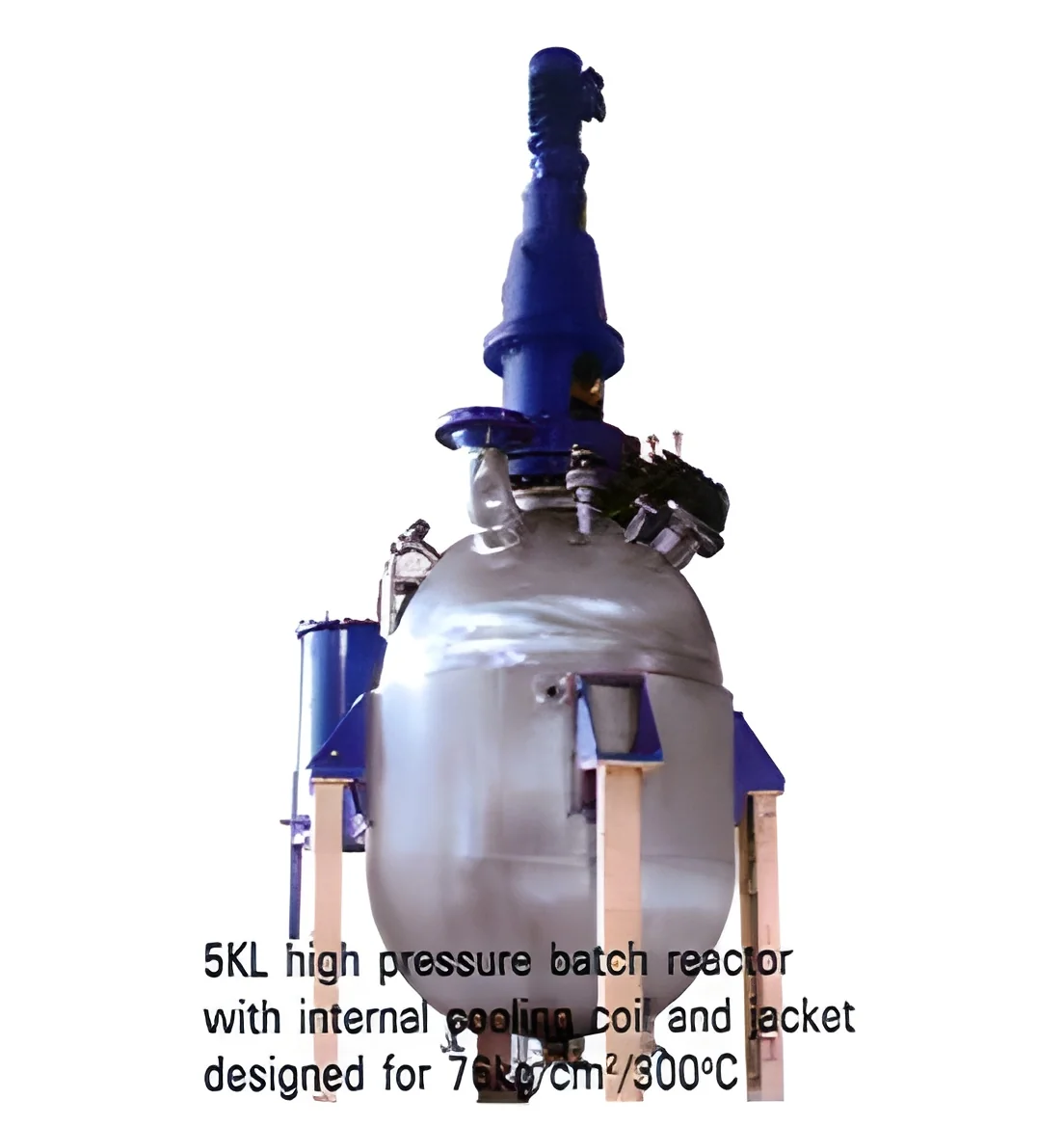
Engineered for applications requiring elevated pressure levels, this variant is built to withstand extreme conditions. It is often used in chemical processes that demand high stability and safety.
Vacuum Agitated Vessel
Designed for processes that require removal of air or other gases, this vessel maintains a vacuum environment. It is commonly used in sensitive applications such as pharmaceuticals and food production.
Benefits and Advantages
Using pressure agitated vessels offers numerous advantages that enhance productivity and safety in industrial applications.
1. Enhanced Mixing Efficiency: The agitation mechanisms ensure thorough mixing of liquids, reducing processing time and improving product quality.
2. Temperature Control: Integrated heating and cooling systems allow precise temperature management, essential for many chemical reactions.
3. Safety Compliance: Equipped with safety features, these vessels minimize risks associated with high-pressure operations, ensuring compliance with industry regulations.
4. Versatility: Suitable for a wide range of applications across multiple industries, making them a valuable asset in diverse production environments.
5. Customization Capabilities: Manufacturers often provide options for tailored designs, allowing businesses to create vessels that meet specific process requirements.
6. Easy Maintenance: Designed for accessibility and ease of cleaning, reducing downtime and maintenance costs.
Buying Guide for B2B Buyers
When sourcing pressure agitated vessels, it is essential for B2B buyers to consider several critical factors to ensure they select the right product for their needs.
1. Quality Assessment: Evaluate the materials and construction quality of the vessels. Look for compliance with industry standards to ensure durability and longevity.
2. Supplier Verification: Vet suppliers by checking their reputation, certifications, and experience in manufacturing pressure agitated vessels. A reliable supplier is crucial for ongoing support.
3. Pricing and MOQ: Understand the pricing structure and minimum order quantities. Comparing quotes from different suppliers can help identify cost-effective options.
4. Delivery and Lead Times: Consider logistics and lead times for delivery. Timely delivery is vital for maintaining production schedules.
5. Compliance Requirements: Ensure that the vessels meet all necessary regulatory and safety standards relevant to your industry to avoid compliance issues.
Compliance and Certifications
Pressure agitated vessels must adhere to various quality standards and industry certifications to ensure safety and reliability. Common standards include ISO 9001, which focuses on quality management systems, and HACCP, which emphasizes food safety. Additionally, compliance with CE certification is essential for products marketed in Europe, ensuring they meet safety and environmental requirements.
Safety and testing requirements are paramount in the manufacturing of pressure agitated vessels. These vessels undergo rigorous testing to meet industry regulations, which may include pressure testing and material inspections.
Regional compliance considerations may vary, so it is important for buyers to understand local regulations regarding pressure equipment and safety standards applicable in their operational regions.
Why Source Pressure Agitated Vessels from Pepagora?
Pepagora provides a trusted platform for sourcing pressure agitated vessels, offering several key advantages that benefit B2B buyers.
Verified Supplier Network: Pepagora ensures that all suppliers are thoroughly vetted, guaranteeing quality and reliability. Buyers can have confidence in the products they purchase from verified partners.
Streamlined RFQ Process: The request for quotation system simplifies the procurement process. Buyers can easily submit their requirements and receive competitive quotes from multiple suppliers, saving time and effort.
Trade Assurance and Support: Pepagora offers buyer protection mechanisms that ensure transactions are secure. This level of support enhances buyer confidence and fosters long-term business relationships.
Regional Coverage: With a strong presence in India, the GCC, and Southeast Asia, Pepagora connects buyers with local suppliers, facilitating easier communication and logistics. This regional reach allows for better service and support tailored to specific market needs.



Frequently Asked Questions
What are Pressure Agitated Vessels?
Pressure Agitated Vessels are specialized containers used in industrial processes to mix, agitate, and process materials under controlled pressure. They are designed to withstand high pressure and facilitate various chemical reactions, ensuring uniformity in product quality.
What are the different types of Pressure Agitated Vessels?
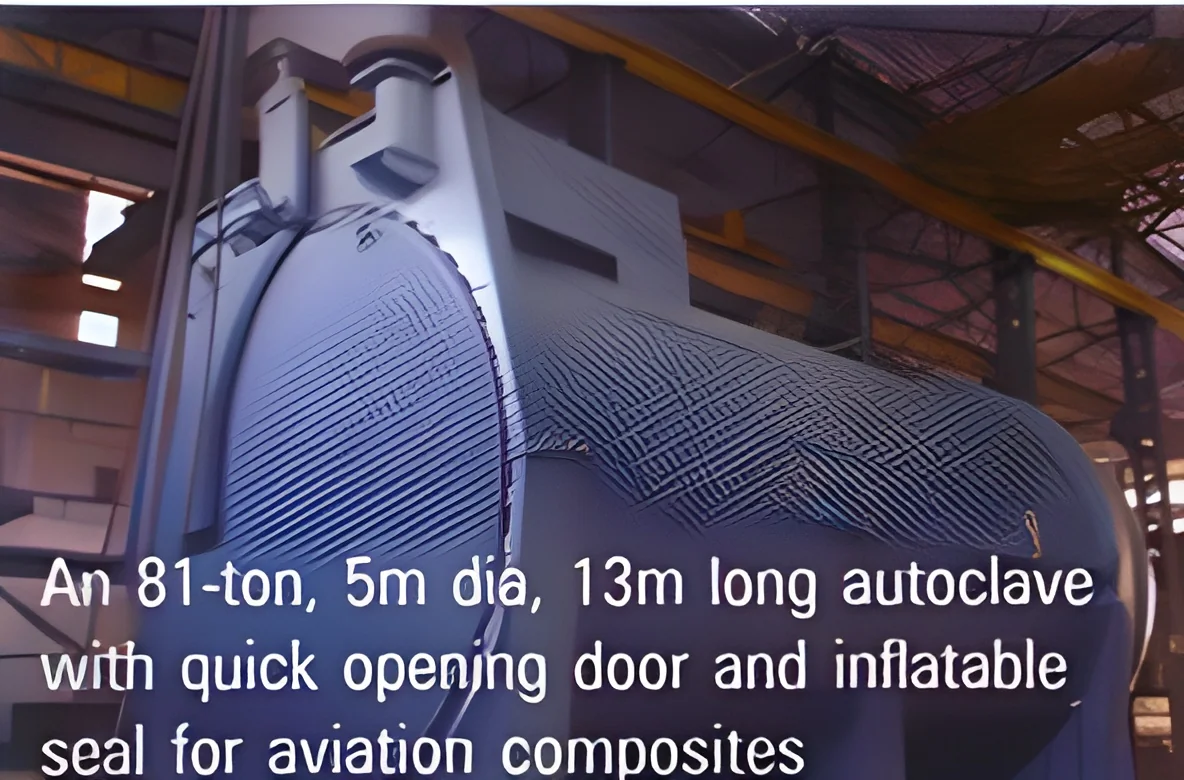
The different types of Pressure Agitated Vessels include stirred tank reactors, autoclaves, and batch reactors. Each type may vary in design and application, catering to specific industrial needs such as chemical processing, pharmaceuticals, and food production.
How do I choose the right Pressure Agitated Vessels?
Choosing the right Pressure Agitated Vessels involves considering factors such as the nature of the materials being processed, required pressure and temperature specifications, and the volume of production. It is also important to consult with manufacturers to ensure that the vessel meets industry standards and operational requirements.
What are the standard specifications for Pressure Agitated Vessels?
Standard specifications for Pressure Agitated Vessels typically include material construction (such as stainless steel), pressure rating, volume capacity, and design features like agitation methods. Compliance with relevant safety and quality standards is also a key factor in these specifications.
What is the price range for Pressure Agitated Vessels?
The price range for Pressure Agitated Vessels can vary widely based on factors such as size, material, and manufacturer. Generally, prices can start from a few thousand to several lakhs of Indian Rupees, depending on the specific requirements and customization options.
What quality standards apply to Pressure Agitated Vessels?
Pressure Agitated Vessels must adhere to several quality standards, including those set by the American Society of Mechanical Engineers (ASME) and the Indian Bureau of Standards (BIS). These standards ensure safety, reliability, and efficiency in their operation, especially under high-pressure conditions.
Where can I find Pressure Agitated Vessels suppliers in India?
You can find Pressure Agitated Vessels suppliers in India through online B2B marketplaces like Pepagora, industrial equipment exhibitions, and trade shows. Additionally, industry directories and manufacturer websites can provide useful contacts and information on suppliers.
Can Pressure Agitated Vessels be customized?
Yes, Pressure Agitated Vessels can be customized to meet specific operational needs, including size, material, and design features. Many manufacturers offer customization options to cater to the unique requirements of different industries.
What is the typical minimum order quantity for Pressure Agitated Vessels?
The typical minimum order quantity (MOQ) for Pressure Agitated Vessels can vary by supplier but usually ranges from one to several units. It is advisable to check with individual manufacturers for their specific MOQ policies.
What is the typical lead time for Pressure Agitated Vessels?
The typical lead time for Pressure Agitated Vessels varies based on factors such as the complexity of the order and manufacturer workload, generally ranging from 4 to 12 weeks. Custom orders may require additional time for production and delivery.
Why Businesses Trust Pepagora
Thousands of companies trust Pepagora to source smarter and sell faster
Expand Your Sales Globally

Source Smarter,Grow Faster
